Deep in a limestone cave on Turkey's Mediterranean coast, two very different sets of humans left behind nearly identical traces of their lives — similar stone tools, the remains of the same prey animals, the same types of seashells pierced and strung into ornaments. They may have been separated by thousands of years and may not have directly interacted. Yet the overlap between them was striking enough that researchers studying the site had to look twice.The site, Üçağızlı II, offers one of the clearest examples of a conundrum that scientists have long wrestled with: Neanderthals and modern humans (Homo sapiens) didn't just collide and go their separate ways. They inhabited the same areas, an...
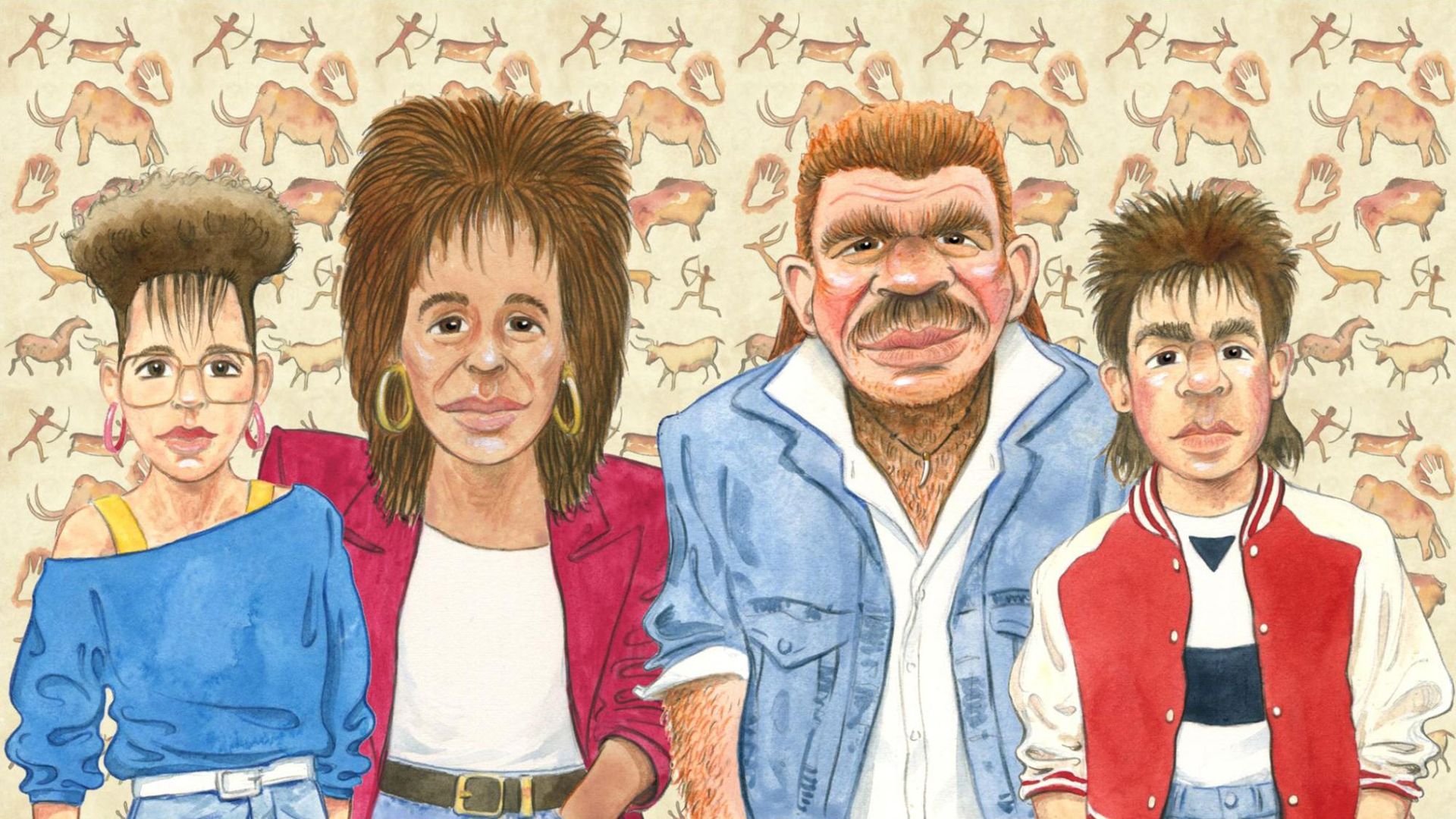
Neanderthal DNA still survives in our human family tree. What were our ancient relatives' relationships like?
Original Source
This article was collected from: Live Science
Gabeshana News automatically collects article information
from external RSS/Atom sources. The original article remains
available at the source website. Please visit the original
source for the complete article and the latest information.