Scientists have sequenced the genomes of three Late Stone Age people who lived in Europe 30,000 years ago and discovered that they had closer biological ties than researchers previously thought. The new finding suggests that places like southwestern France may have been critical cultural hubs during the last ice age.Shortly after Neanderthals disappeared from Europe, a Stone Age culture known as the Gravettian spread across the continent. Artifacts found during archaeological excavations — including portable art, such as "Venus figurines" — have shown that the Gravettian culture lasted from about 34,000 to 25,000 years ago. But ancient DNA has been recovered from only two dozen human ske...
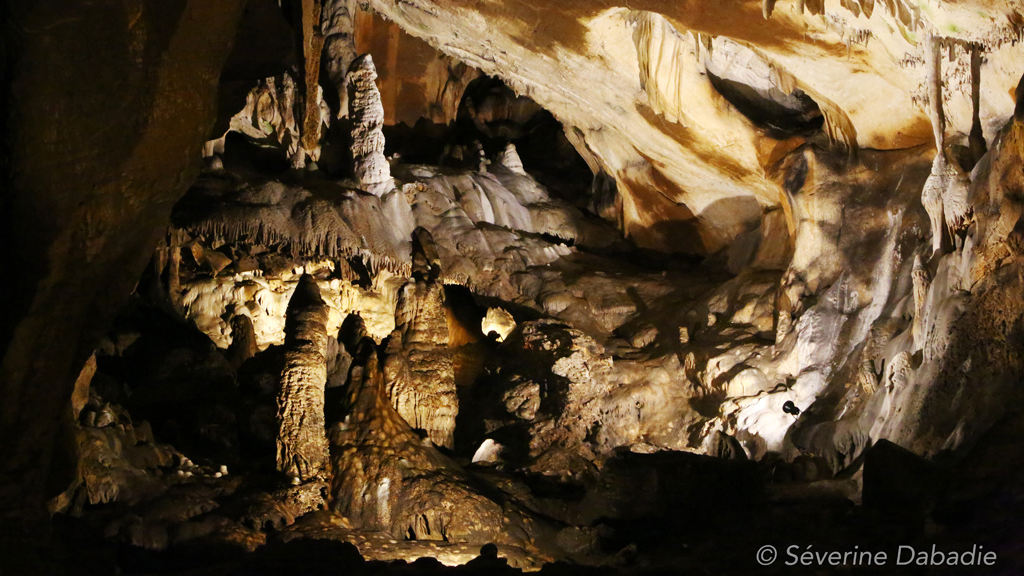
30,000-year-old bone found in French cave reveals vast genetic connections between people of Eastern and Western Europe during the Stone Age
Original Source
This article was collected from: Live Science
Gabeshana News automatically collects article information
from external RSS/Atom sources. The original article remains
available at the source website. Please visit the original
source for the complete article and the latest information.