
Science News
100-year magazine study reveals 'narrowing' of U.K. seafood recipes
A century of recipes published in the magazine Good Housekeeping reveals how the variety of seafood presented to U.K. readers has "narrowed," new research shows.
Latest science news, discoveries and scientific developments.
A century of recipes published in the magazine Good Housekeeping reveals how the variety of seafood presented to U.K. readers has "narrowed," new research shows.

Not every snakebite injects venom. When venom enters the body, however, it can cause snake envenoming. This is a potentially fatal condition that mostly affects poor rural communities across tropical and subtropical regions where people don't have easy access to medical care.
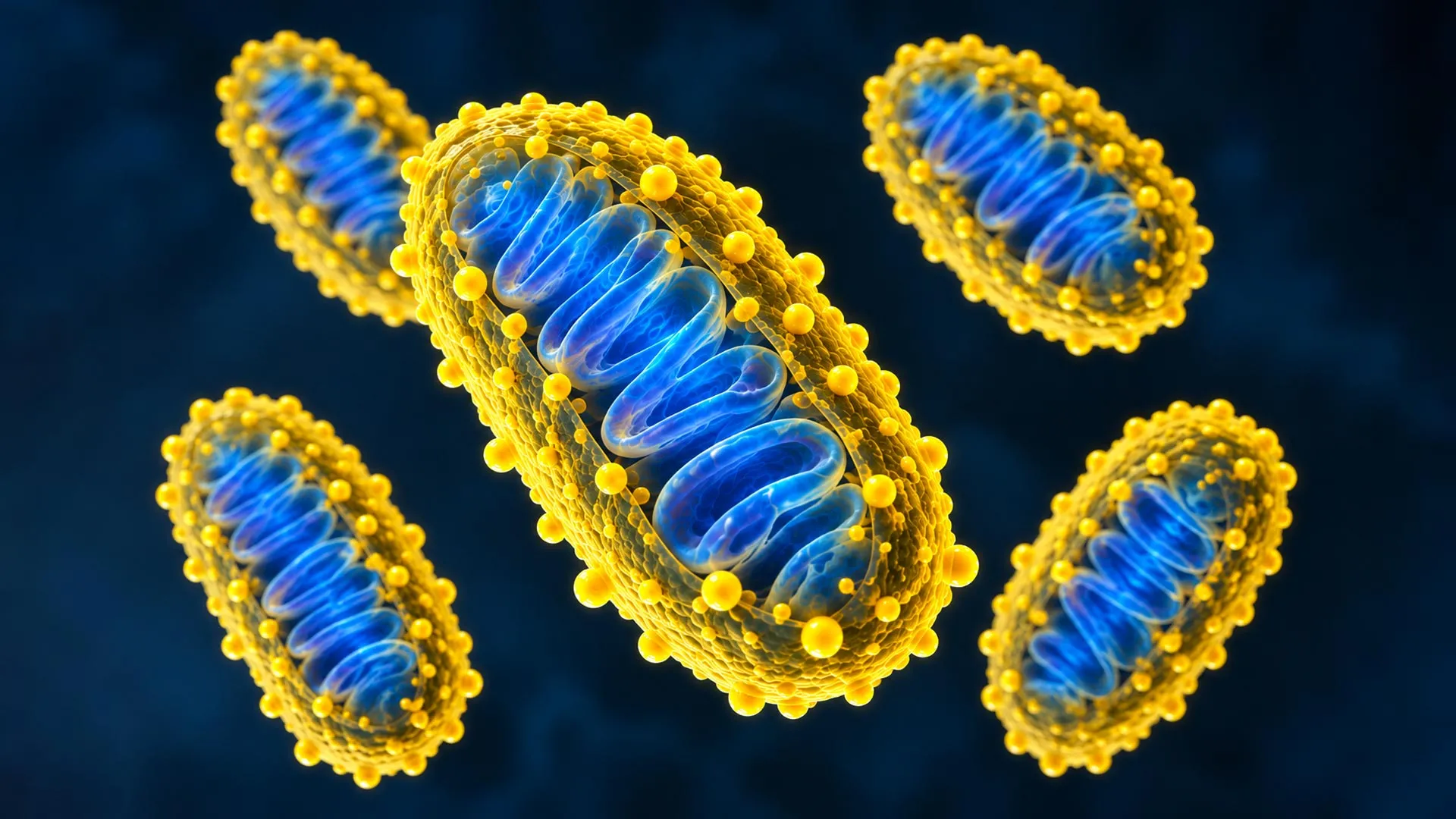
Scientists have created a new coating for mitochondria that preserves their ability to produce energy, potentially opening the door to new treatments for diseases involving these tiny cellular powerhouses. The technology could one day help transfer healthy mitochondria into damaged cells, although its effectiveness in transplantation remains unproven.
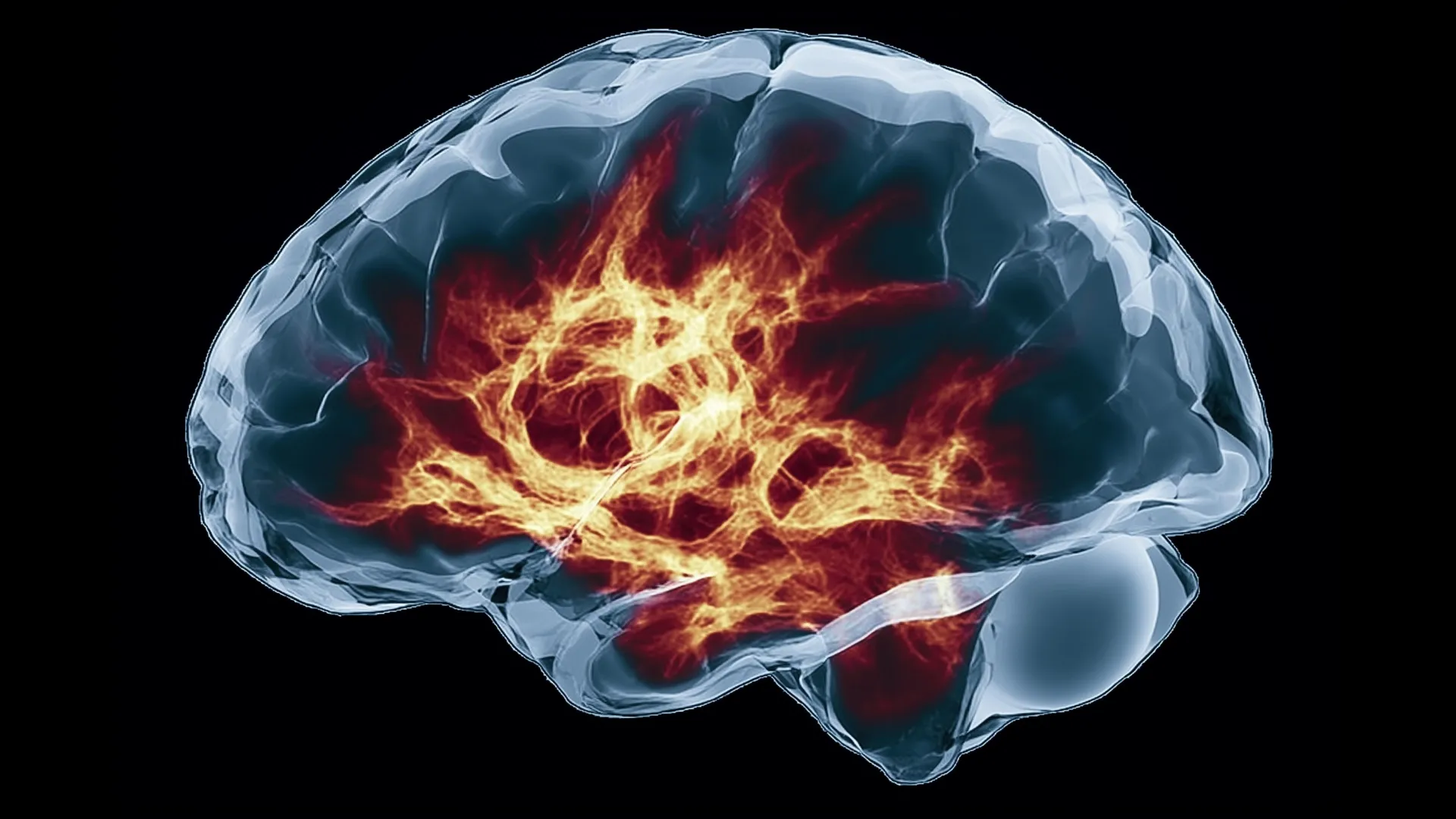
The FDA has approved the first drug that directly targets Alexander disease, a devastating neurological disorder affecting fewer than one in a million people. Developed through decades of research, Zanvastro showed promising results in clinical trials, stabilizing motor function and even improving movement in some patients.
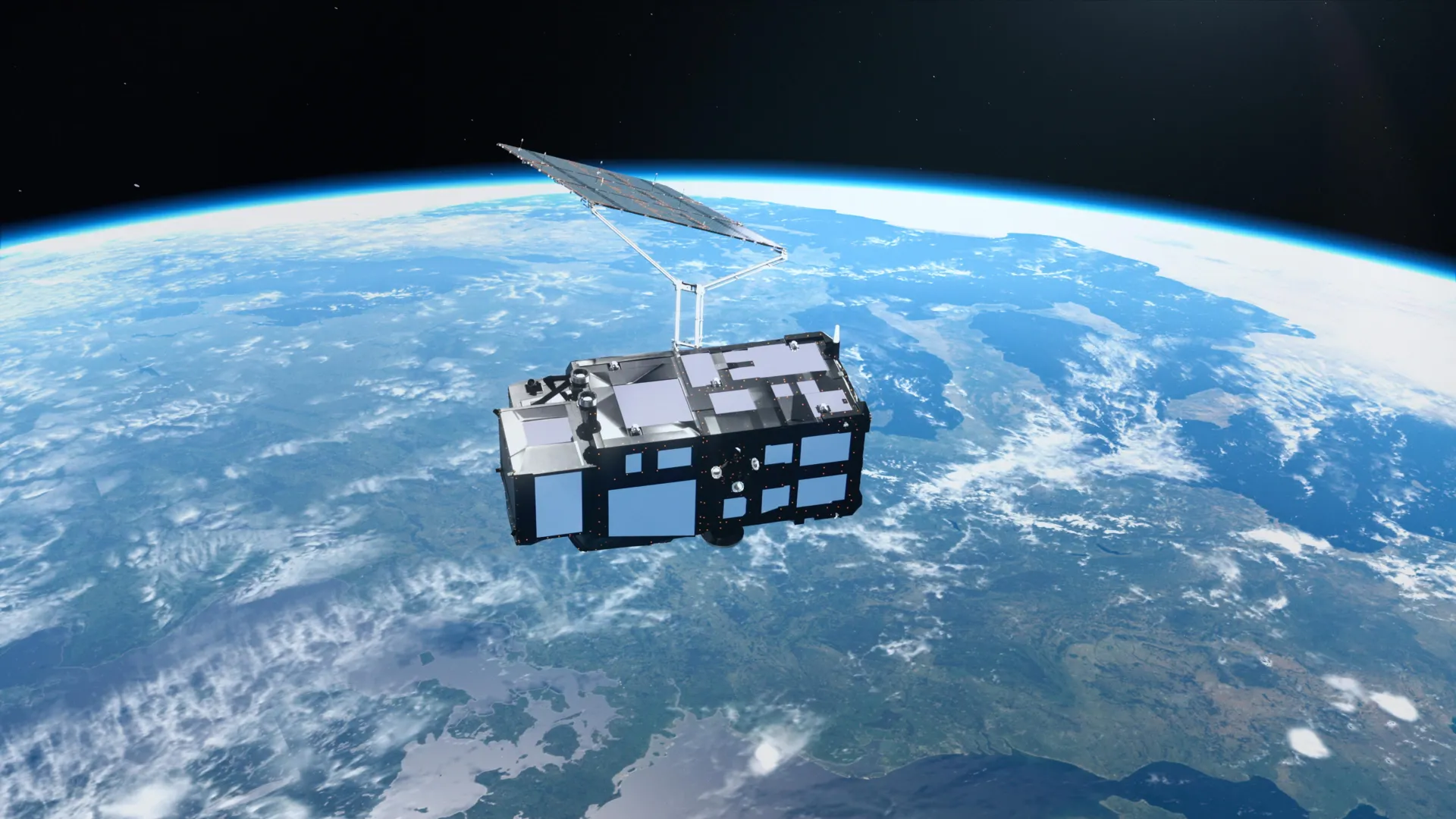
Europe's Sentinel-3C satellite has returned breathtaking images of Earth just two weeks after launch, revealing the snowy Alps, frozen Arctic islands, and brilliant turquoise Caribbean waters. Its first measurements also show promising results for tracking rising seas, melting ice sheets, and other changes reshaping our planet.

The humble amino acid glycine—the simplest of all amino acids—is everywhere. The human body produces it, and it helps make up our skin, bones and ligaments. It's found in meats like beef and has even been discovered in comets returned from outer space.

Recent research shows that gravity and quantum information are deeply connected and that the shape of spacetime can be traced back to the way information is stored in quantum fields.

The first definitive evidence of when post-Roman lead production began in one of Europe's largest medieval lead-producing regions, the Derbyshire Peak District in central England, has been uncovered by archaeologists after centuries of mining had erased much of the archaeological evidence. The work has been published in Antiquity.

Magnetic fields are invisible yet essential components in technologies ranging from MRI scanners and particle accelerators to atomic clocks and future quantum computers. Each of these applications requires magnetic fields with specific shapes and properties. Today, creating such tailored magnetic fields requires researchers and engineers to design specialized, carefully optimized magnets or large systems of coils for each individual application—a complex and resource-intensive process.

Excessive smartphone use may be taking a hidden toll on the brain and body, with heavy scrolling linked to poorer memory, reduced attention, disrupted sleep, and potential balance problems. Researchers found that weak self-control and fear of missing out, rather than personality alone, are key factors behind problematic phone use.

A new antiviral defense system discovered by Columbia scientists could be adapted in the future into a gene editor that slows down aging in our cells and improves cancer therapies. At the same time, the discovery also sheds light on an ancient event in evolution that may have helped set the stage for the emergence of higher organisms.

Elections across the world faced a wide range of pressures on electoral integrity in 2025, from violence and misinformation and disinformation to electoral management malfunctions, cyberattacks and natural hazards, according to a new report.

Parkinson's disease (PD) is one of the most common neurological disorders associated with later life, and its prevalence rises sharply with age. It affects the brain systems that control movement, often causing tremor, stiffness, slowness and problems with balance, all of which can reduce independence and quality of life in older adults. The condition is mainly linked to the gradual loss of dopamine-producing nerve cells.

A material thinner than a human hair may foster faster computing devices that demand less energy and store more data, according to a multi-institutional team led by researchers in the Penn State College of Earth and Mineral Sciences.
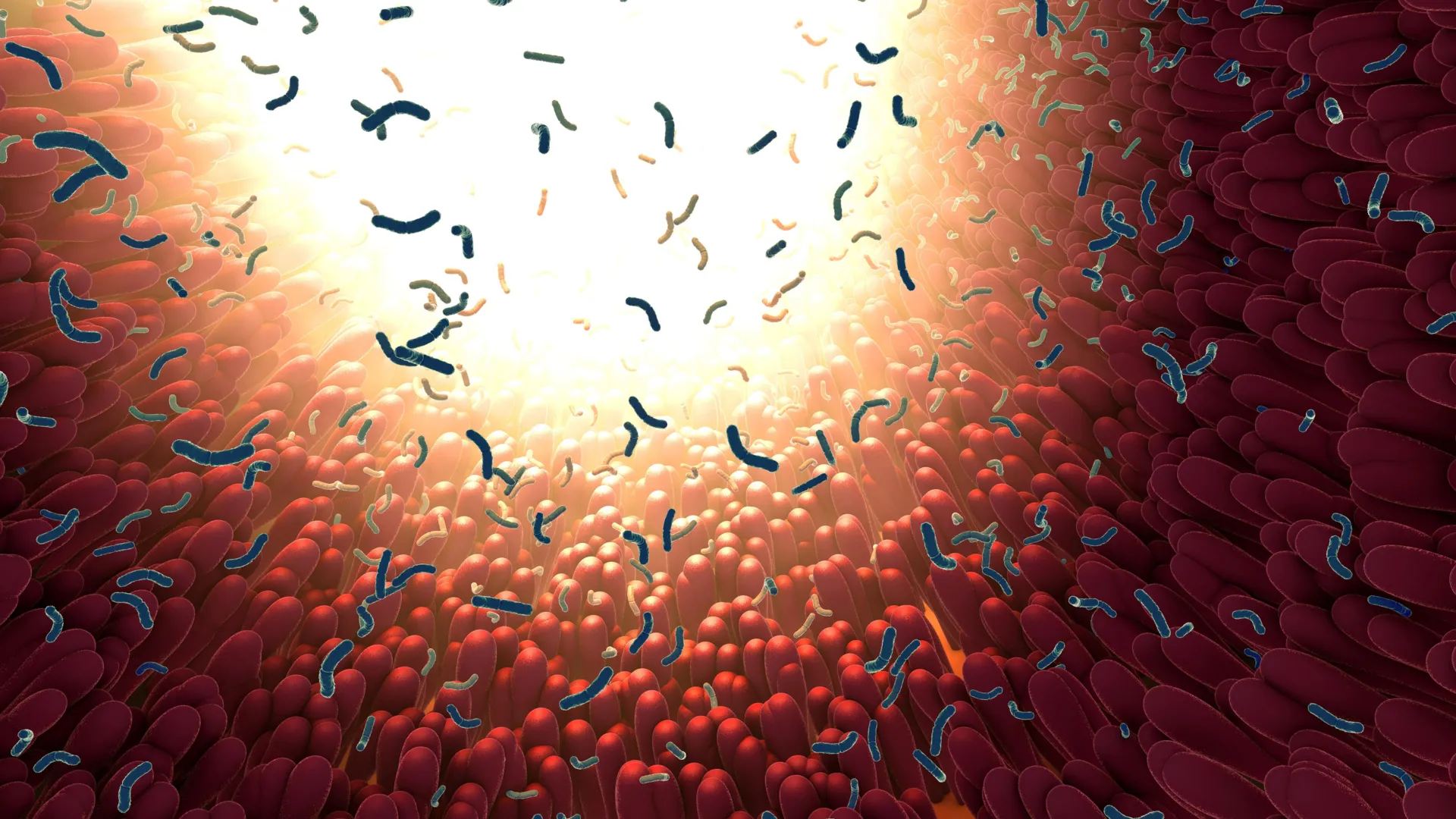
Scientists have developed a model showing that gut bacteria play a surprisingly important role in how many calories we absorb, meaning food labels may not tell the full story. In a controlled study, people eating a high-fiber diet absorbed about 116 fewer calories per day than those eating a typical Western diet, without feeling hungrier.

Researchers from the National University of Singapore (NUS), in collaboration with scientists from institutions in Switzerland, the Czech Republic and Germany, have demonstrated a way to introduce magnetism into an otherwise nonmagnetic two-dimensional (2D) semiconductor and subsequently control its magnetic properties using an electrical voltage. The findings, published in Science Advances, establish a new platform for investigating electrically controllable magnetism in atomically thin materials, with potential implications for future spintronic technologies.

An analytical method could help high-level cricket franchises make more informed decisions about player recruitment, retention and team selection, according to research published in the International Journal of Services and Operations Management. The approach uses data envelopment analysis (DEA) to compare efficiency using multiple inputs and outputs. In the world of cricket, this means assessing players against their peers rather than relying on individual statistics.

A northern gannet scans the sea for fish from 100 feet (30 meters) in the air. Upon seeing a school, it pitches its body into a nosedive, somehow breaking the surface at 70 miles per hour (113 kilometers per hour) without breaking its neck. This daring maneuver seems to defy the laws of nature, but it's standard hunting behavior for plunge-diving seabirds.
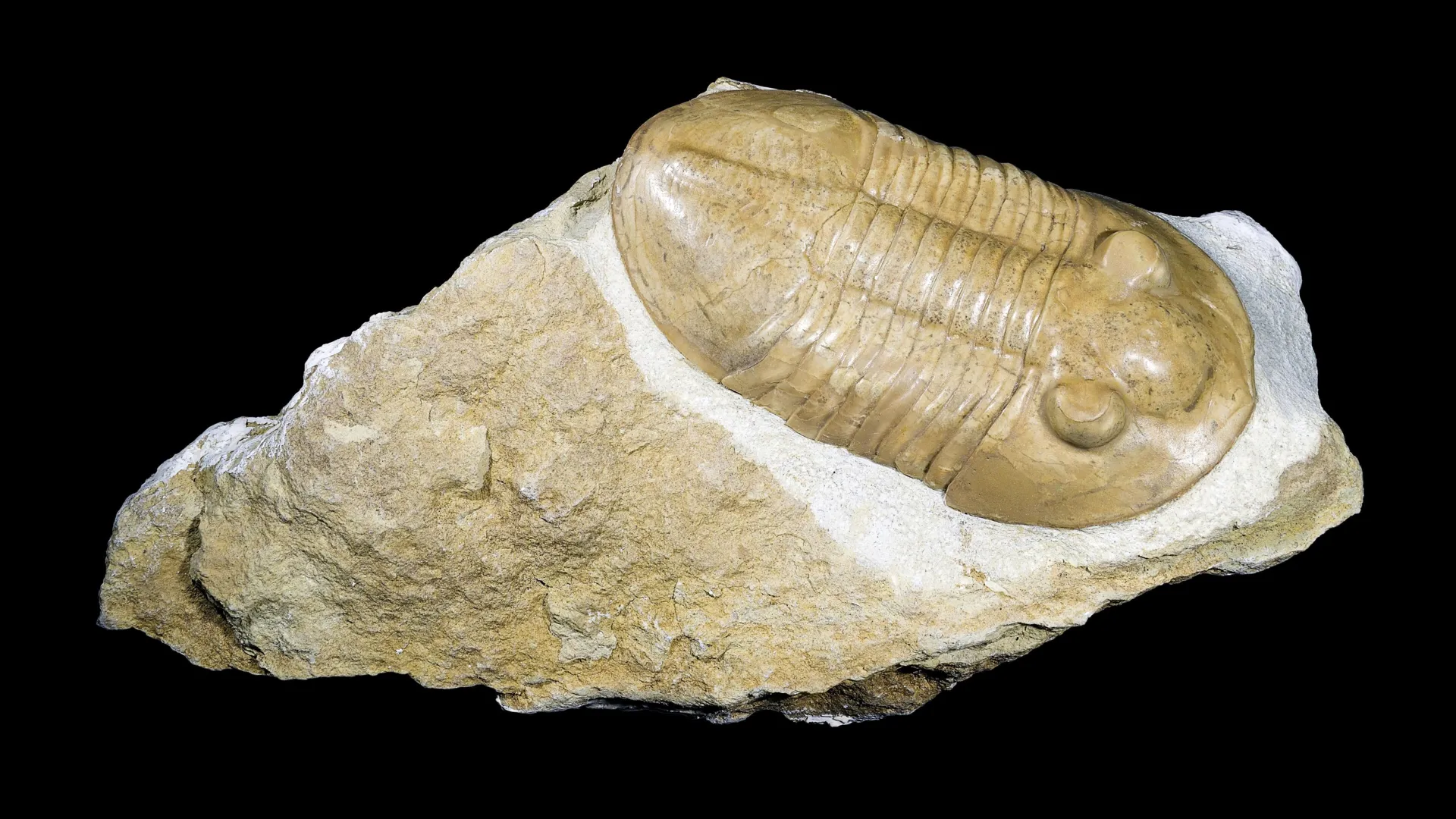
Scientists may have solved a 2.3-billion-year-old mystery about how Earth maintained enough oxygen to support life. Ancient rocks reveal that phosphorus recycling in the oceans created a self-sustaining cycle that helped keep oxygen levels high, even as the planet underwent dramatic environmental changes. The discovery challenges assumptions about Earth's early atmosphere and raises new questions about why complex life took so long to emerge.

A global study has revealed a striking divergence in how urban and rural vegetation respond to climate stress. The study was led by Jin Wu from the School of Biological Sciences, Faculty of Science, and professor Yuyu Zhou from the Department of Geography, Faculty of Social Sciences, at The University of Hong Kong (HKU), with Dr. Zhengfei Guo as the first author.