
Science News
Why the worst El Niño killed millions – and how we can avoid a repeat
The world hasn't experienced an El Niño this strong since the 1870s, when it sparked a terrible global famine. Are we better prepared this time?
Latest science news, discoveries and scientific developments.
The world hasn't experienced an El Niño this strong since the 1870s, when it sparked a terrible global famine. Are we better prepared this time?
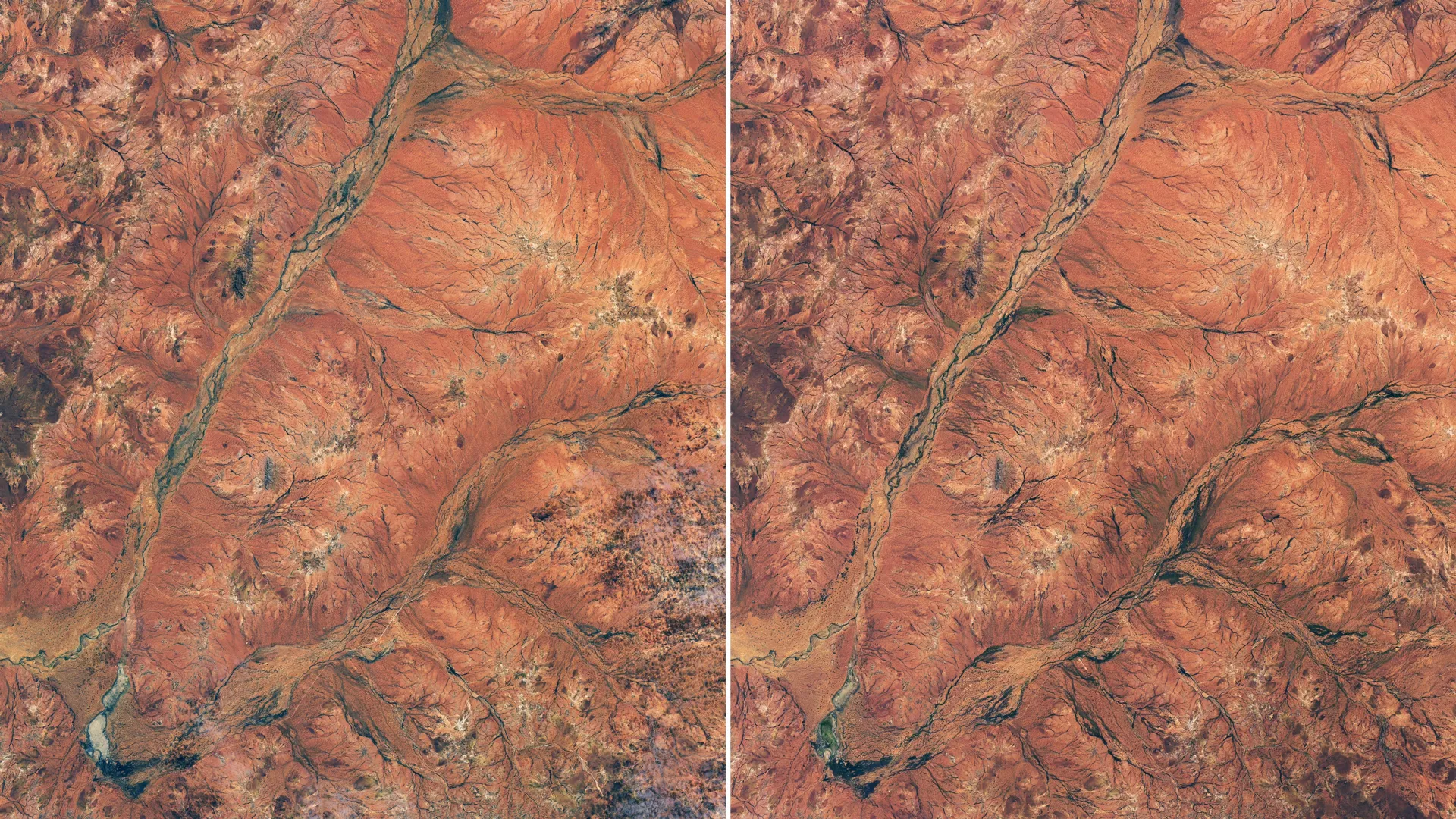
Australia's normally dry, rust-colored outback has erupted into a spectacular carpet of wildflowers after unusually heavy rains, potentially producing its most impressive bloom in nearly 20 years. NASA satellite images capture the stunning transformation, which has even brought rare flowers to the grounds of a remote deep-space observatory.

New research led by Vrije Universiteit Brussel (VUB) and published in the journal Earth System Dynamics shows a clear warming signal across the Congo Basin since the 1960s, using historical weather records from the Democratic Republic of the Congo (DRC). These records come from the paper archives of the Institut National pour l'Etude et la Recherche Agronomiques (INERA) in Yangambi, DRC, and the State Archives of Belgium.

Researchers discovered a hidden factor that can determine whether chemical reactions succeed or fail, and then used it to boost the proportion of the desired product from 16% to 97%. By controlling acidity near electrodes, they developed a promising way to manufacture chemicals for plastics, medicines, and other products using oxygen and electricity instead of hazardous added oxidants.
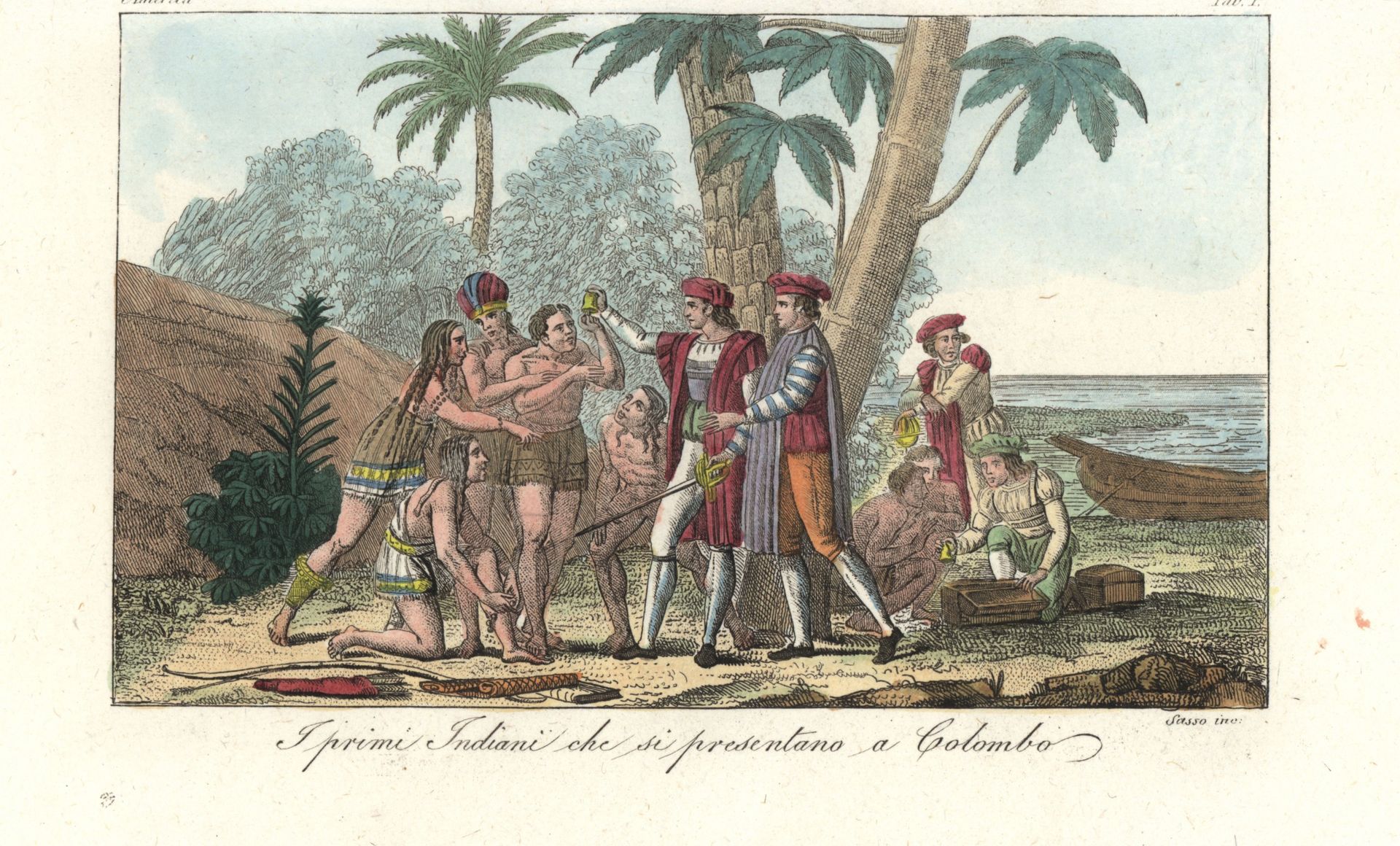
When Christopher Columbus made landfall in the Americas on Oct. 12, 1492, he encountered Indigenous Lucayans living on the Bahamian island now called San Salvador. Columbus wrote in his diary about "great multitudes of men" who greeted him that day, bartered with him and told him about other groups who lived on nearby islands. But within a few decades after Columbus' arrival, the Indigenous people of the Americas were decimated by what anthropologist Eric Wolf called the "Great Dying" — a combination of epidemic disease, warfare and enslavement that led to a rapid decline in the Native population. For centuries, researchers have been trying to figure out how many Indigenous people lived in t...

Scientists have discovered that vanillin, the compound that gives vanilla its distinctive flavor, has powerful properties that could help fight infections, reduce inflammation, and promote wound healing. The inexpensive, widely available ingredient could one day become an important component of advanced wound treatments and regenerative medicine.
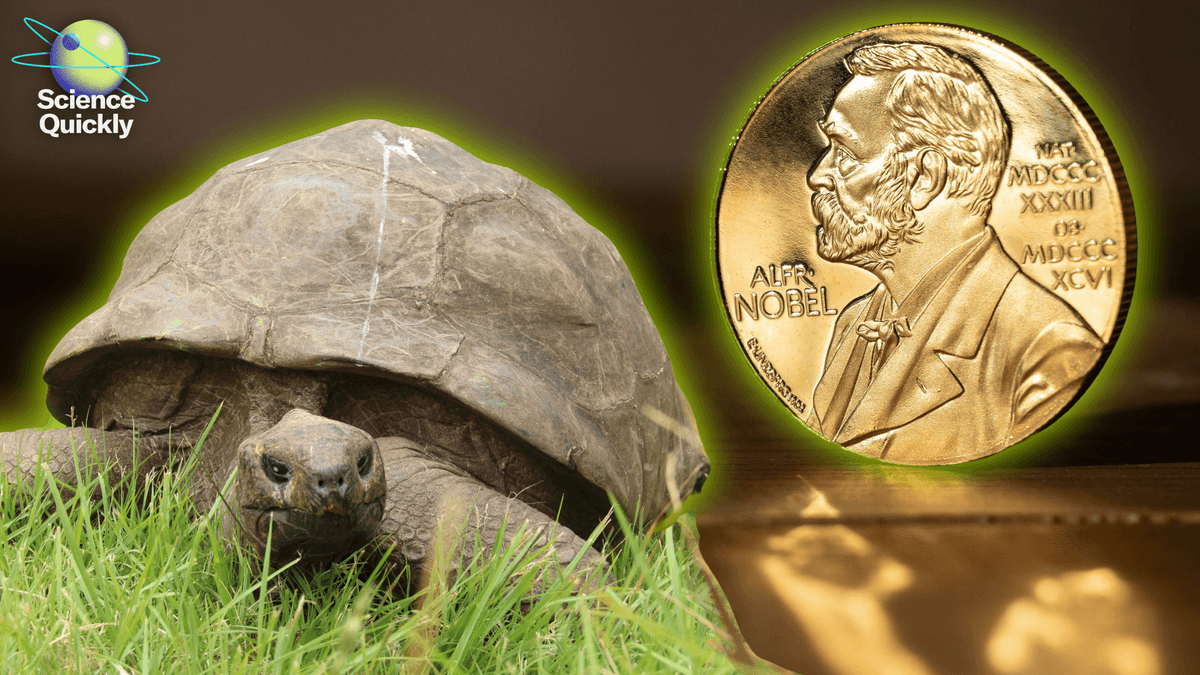
Breaking down this year’s Nobel Prize–winning science, from switching brain cells on and off with light to catching cosmic neutrinos in Antarctic ice to building mirror-image molecules. Plus, a 194-year-old tortoise’s DNA might hold the key to a longer life.

Getting better sleep might be as simple as moving a little more every day. Researchers at The University of Texas at Austin found that people who exercised more frequently experienced more deep, restorative sleep, which is essential for brain recovery, memory, and emotional well-being. Surprisingly, just 10 minutes of moderate to vigorous exercise per day was associated with measurable benefits, while even light activities like walking and standing breaks were linked to better sleep and mood.

Wildlife populations around the world have declined by an average of 73% since 1970. That's according to the WWF's new 2026 Living Planet Index—a major estimate, updated every two years, of the changing state of nature. This does not mean that 73% of the world's animals have disappeared. Rather, it is the average decline in the size of wildlife populations being monitored.

Scientists have succeeded in reconstructing the family tree of cells in a developing mouse embryo. They recorded cells' relationships, starting when the fertilized egg first split in two and ending after the body and its organs took shape. That period lasted 13.5 days. (Full gestation in mice is 19 to 21 days.)
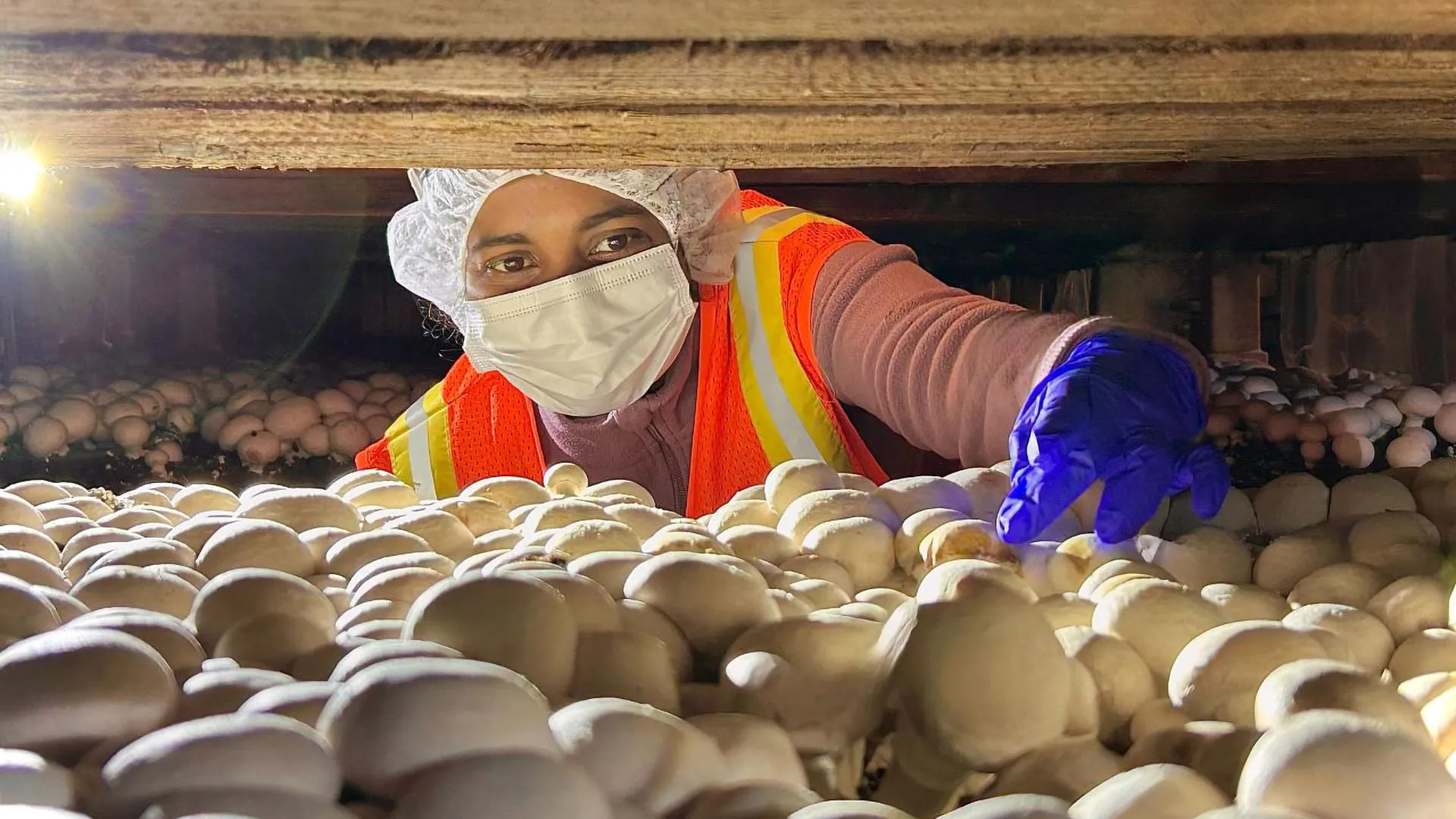
Scientists have uncovered a surprising secret behind a mushroom disease that has frustrated growers for more than a century: It involves more than 17 species of harmful bacteria, not just one. The discovery could explain why treatments have struggled to stop the disease and open the door to more effective, eco-friendly solutions.

Mathematics may hold unexpected clues to understanding Alzheimer’s disease. Scientists have developed a model showing how common metals like copper and zinc may influence the buildup of proteins associated with the disease, while also exploring possible ways to stop the process. The findings could help researchers identify promising strategies for preventing harmful plaque formation.

Some classical physical systems can explore many configurations over time until their long-term behavior no longer reveals their starting conditions. The sampling of available configurations according to the appropriate statistical distribution is a property called ergodicity.

A new study by Florida Tech assistant professor of marine sciences Austin Fox, Ph.D. '15, found that low oxygen levels are contributing to the rerelease of nutrients buried on the river floor that feed harmful algal blooms. The study was based on the most widespread testing ever of oxygen levels across the Banana River.

Conservation groups on Sunday condemned the death of a dolphin transferred from France to a Spanish marine park, saying it added to the deaths of other sea mammals recently moved to Spain from Canada.

Eight orangutans rescued in recent weeks from blazes that tore through Borneo island have been released into a protected forest, Indonesian authorities and rescuers said on Sunday.

Scientists have discovered that the universe's fundamental physical constants may be finely balanced to make life possible. Even tiny changes to these constants could make liquids too thick or too thin for essential biological processes, potentially preventing life as we know it. Surprisingly, these life-friendly conditions existed billions of years before living cells appeared. The findings raise intriguing questions about why the laws of physics seem so well suited to life.

Four people died in the southeastern United States as post-tropical cyclone Isaias posed flooding and tornado risks Saturday as it moved northward after making landfall on Florida's Gulf Coast.

An international team of researchers has uncovered new evidence illuminating the evolutionary origins of one of the defining features of mammals: the ability to suckle and consume milk during infancy. Their findings, published in Nature, suggest that key anatomical structures required for mammalian suckling, swallowing and breastfeeding behaviors evolved nearly 165 million years ago, long before the appearance of modern mammals.

Hurricane Simon strengthened into a powerful Category 4 storm and was expected to make landfall or skirt the coast of west-central Mexico on Sunday, according to the U.S. National Hurricane Center.