Science News

Latest science news, discoveries and scientific developments.

Scientists discover 5 hidden brain patterns behind depression
Science News

Scientists discover 5 hidden brain patterns behind depression

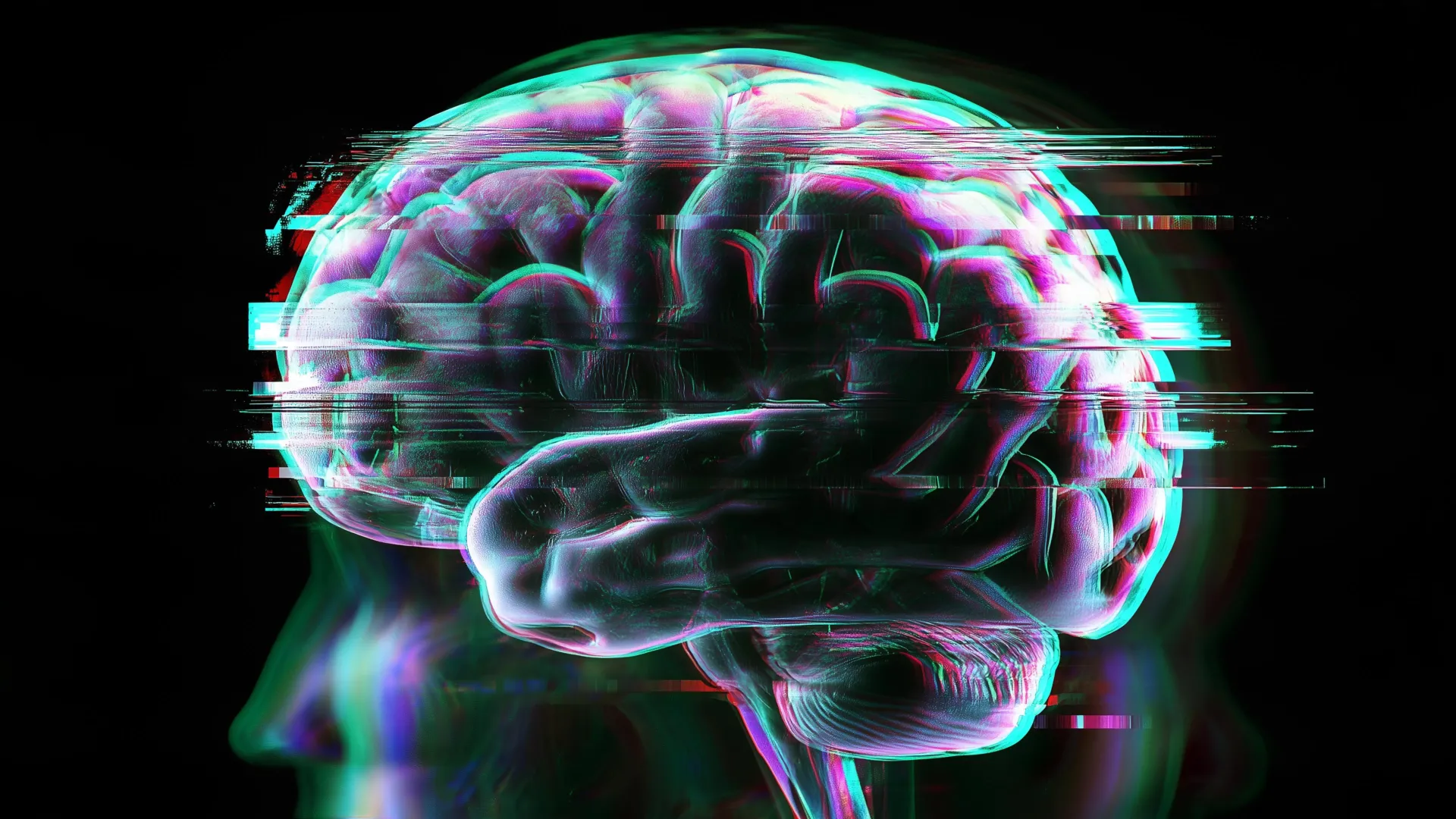
Depression may not be one biological condition, but several distinct patterns of brain activity hiding under the same diagnosis. Researchers studying 263 people with depression identified five brain profiles, each showing different patterns of communication between brain regions and associations with symptoms such as anxiety, trauma, and substance abuse.

πŸ“… 2026-10-09 18:34:02    β€’    ScienceDaily
Q&A: How does AI affect our engagement at work?
Science News

Q&A: How does AI affect our engagement at work?

AI is being integrated into our work at a growing rate. Andreas Bergqvist, a Ph.D. student at the Department of Information Technology, has teamed up with colleagues to investigate how AI, automation and robotization affect work engagement.

πŸ“… 2026-10-09 18:20:25    β€’    Phys.org
Discovery marks the first detection of variable water clouds outside of the solar system
Science News

Discovery marks the first detection of variable water clouds outside of the solar system

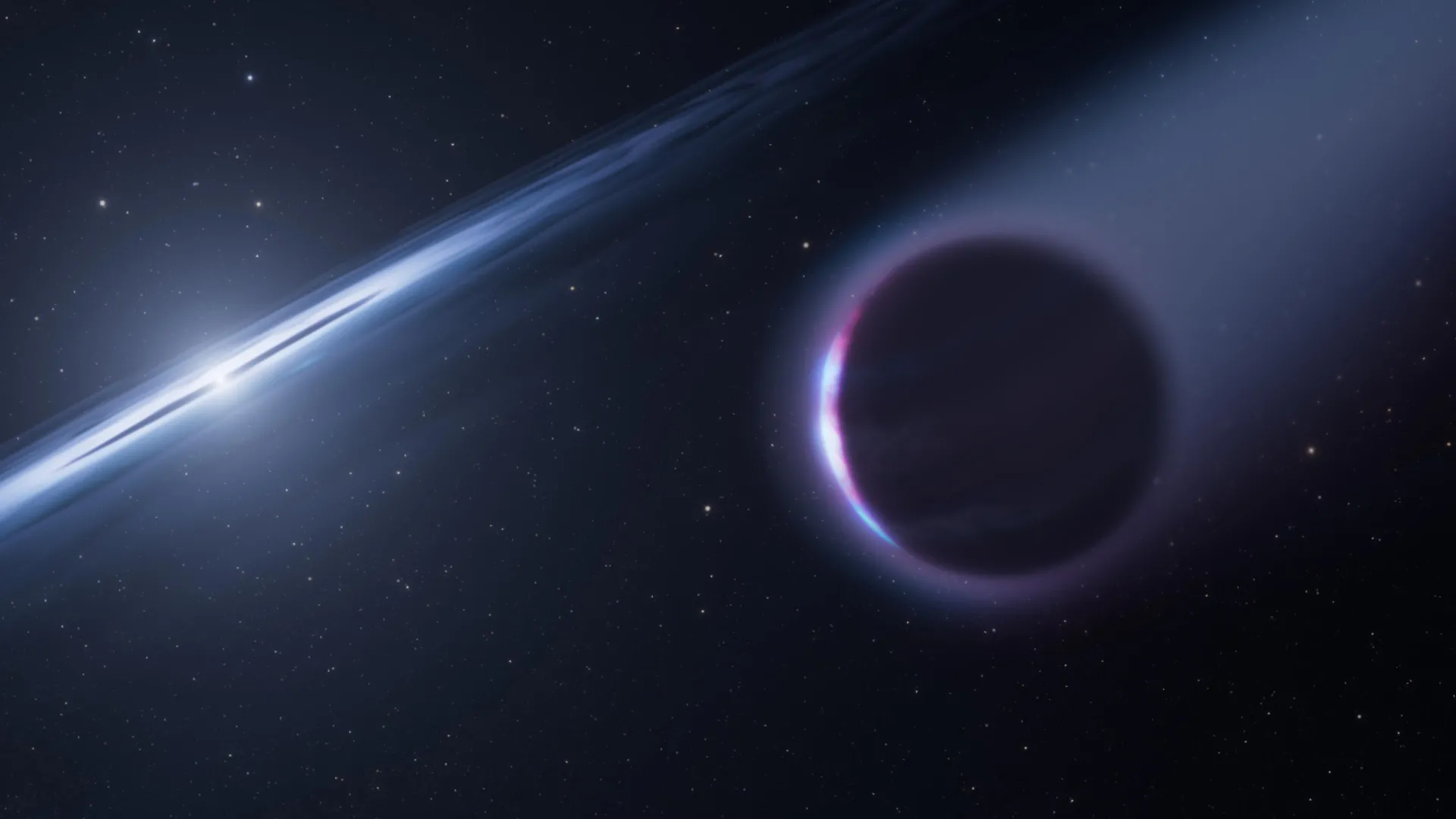
A Jupiter-sized world just 7.5 light-years away is cloudy, chemically complex and, it turns out, more like home than anyone expected. Using the James Webb Space Telescope, Brittany Miles, assistant astronomer at the University of Arizona's Steward Observatory, led a team that spent 11 hours staring at WISE 0855, the coldest known brown dwarf, collecting a spectrum of its light every 15 minutes.

πŸ“… 2026-10-09 18:20:12    β€’    Phys.org
Scientists create a lightsaber-like laser antenna that transmits radio waves
Science News

Scientists create a lightsaber-like laser antenna that transmits radio waves

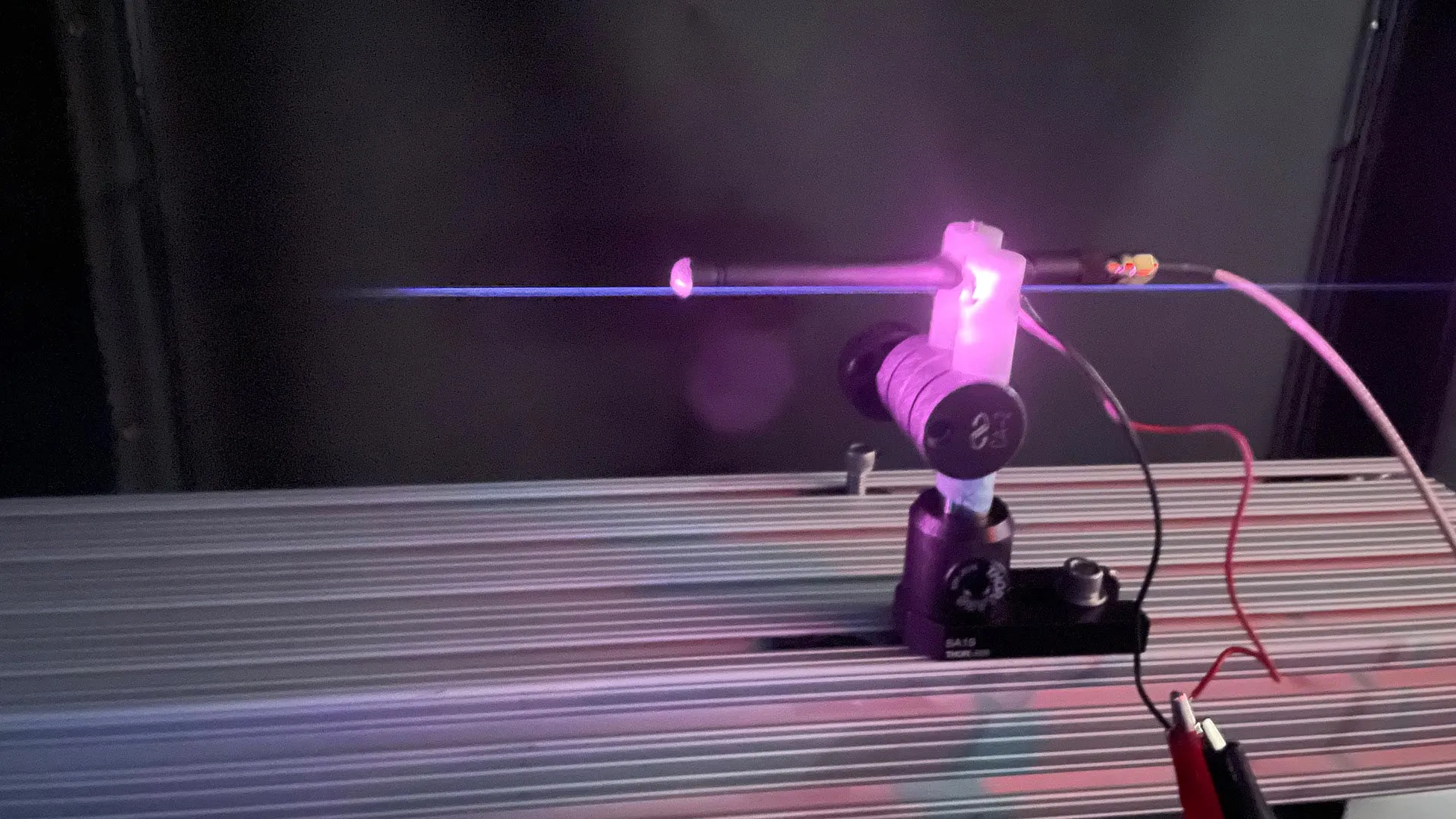
Scientists have demonstrated a remarkable new antenna that resembles a lightsaber, using a laser to create a tunable beam of plasma capable of transmitting radio waves. The technology could revolutionize wireless communications by allowing antennas to change their size and direction on demand, with promising applications in satellites, radar, and space exploration.

πŸ“… 2026-10-09 17:55:59    β€’    ScienceDaily
New sensing method expands label-free particle detection beyond sensor surfaces
Science News

New sensing method expands label-free particle detection beyond sensor surfaces

Finding a single cancer cell in a tube of blood is a bit like finding a needle in a haystack. As researchers seek to detect ever-smaller and rarer targets, from viruses to circulating tumor cells in blood, the demand for ultrasensitive, robust sensors that are practical for real-world samples continues to grow.

πŸ“… 2026-10-09 17:40:06    β€’    Phys.org
Hubble Space Telescope may have found a planet born after its star died
Science News

Hubble Space Telescope may have found a planet born after its star died

A strange chemical signature in old Hubble observations may point to a planet that formed after its star had already died. Astronomers found unusually high levels of niobium around the white dwarf HS 0209+0832, suggesting some of the star’s expelled material may have assembled into a new gas giant. TESS data also hints at a Jupiter-sized planet orbiting just 3.7 million miles from the star.

πŸ“… 2026-10-09 17:31:02    β€’    ScienceDaily
Strong magnetic fields could allow white dwarfs to grow beyond the Chandrasekhar limit
Science News

Strong magnetic fields could allow white dwarfs to grow beyond the Chandrasekhar limit

When a dying star runs out of fuel and sheds its outer layers, its remaining core can become an approximately Earth-sized, extremely dense stellar remnant called a white dwarf. For a white dwarf that is not strongly rotating or magnetized, there is a well-known upper mass limit of about 1.4 times the mass of the sun, known as the Chandrasekhar limit.

πŸ“… 2026-10-09 17:20:19    β€’    Phys.org
Confidence in a relationship's future is linked to feelings of romantic security
Science News

Confidence in a relationship's future is linked to feelings of romantic security

Feeling secure in a relationship is not only about how people connect with their partners today. It may also depend on how confident they are that the relationship will continue into the future. Feelings of closeness, trust and connection, together with a sense that the relationship is stable and has a future, can shape how people experience their romantic relationships.

πŸ“… 2026-10-09 17:20:13    β€’    Phys.org
Quantum chip holds multiple photons at once, opening path to scalable memory
Science News

Quantum chip holds multiple photons at once, opening path to scalable memory

For highly fragile quantum information systems, the ability to store quantum information is vitalβ€”but also challenging. Quantum information is transported in particles of light called photons, which often must be temporarily paused (or "stored") while other, slower quantum operations catch up. This storage must be performed on microchips as small as 1 centimeter (0.4 inches)β€”a distance covered by light in a few trillionths of a second. Storing photons for a microsecond would represent a massive leap forward for the capabilities of quantum chips.

πŸ“… 2026-10-09 17:00:10    β€’    Phys.org
KΔ«lauea's swelling summit helps scientists forecast lava fountain eruptions
Science News

KΔ«lauea's swelling summit helps scientists forecast lava fountain eruptions

Episodic lava fountaining is a rare volcanic behavior in which repeated, hours-long bursts of molten lava and gas are spewed from volcanic vents, with quiet pauses lasting days to weeks between episodes. These lava fountains have been observed in active volcanoes in places like Hawaii, Iceland and Italy, but researchers still do not fully understand what starts, sustains or stops these individual fountain episodes.

πŸ“… 2026-10-09 16:40:08    β€’    Phys.org
African antelopes spreading in New Mexico: How far could they go under climate change?
Science News

African antelopes spreading in New Mexico: How far could they go under climate change?

Majestic African antelopes known as gemsbok have been roaming the U.S. Southwest since their introduction in the 1960s and 1970s. Brought to New Mexico as a game species for hunting, gemsbok quickly settled in, expanding more than 100 kilometers (62 miles) from their introduction point. University of Illinois Urbana-Champaign researchers say that's due to their exceptional adaptations to arid conditions, which they predict will dramatically expand under climate change.

πŸ“… 2026-10-09 16:20:17    β€’    Phys.org
Self-driving, solar-powered cars that talk to each other? What vehicles might look like in 10 years.
Science News

Self-driving, solar-powered cars that talk to each other? What vehicles might look like in 10 years.

Imagine you're road-tripping across the country 10 years from now. You spend a few minutes charging your electric vehicle and then set off β€” and your car's solar paint keeps it charged as you drive. Your eyes are on the stunning scenery, taking in the vistas along Route 66 or the grandeur of the Rocky Mountains, or you're catching up on messages. Your hands barely touch the wheel, and your foot doesn't push a pedal. Your car communicates with others on the road, so there's no need to brake suddenly or swerve. That's because it knows a vehicle five cars up from you has done so, and all those in between are slowing at exactly the right pace to avoid dramatic changes in trajectory.And when you ...

πŸ“… 2026-10-09 16:00:00    β€’    Live Science
Some climate tipping points are being studied far more than others
Science News

Some climate tipping points are being studied far more than others

Parts of Earth's climate system can change abruptly once warming pushes them beyond critical thresholds. The Greenland and Antarctic ice sheets, the Amazon rainforest, coral reefs and major ocean currents are all among the systems containing potential climate tipping points.

πŸ“… 2026-10-09 15:40:17    β€’    Phys.org