Science News

Latest science news, discoveries and scientific developments.

Study shows how children learn to talk about characters' thoughts and feelings in stories
Science News

Study shows how children learn to talk about characters' thoughts and feelings in stories

An international research effort has examined how children develop the ability to express what story characters think, feel and perceive. Research groups from around the world collected 5,507 picture-based stories from 2,763 typically developing monolingual and bilingual children ages 3 to 13. The children came from 32 countries and spoke 44 languages.

📅 2026-10-08 20:20:18    •    Phys.org
Tracking down cellular gene functions with AI and microscopy
Science News

Tracking down cellular gene functions with AI and microscopy

A new technology promises to enable more comprehensive investigations into how individual genes determine the appearance and behavior of cells. Researchers led by professor Veit Hornung at LMU's Gene Center and professor Matthias Mann at the Max Planck Institute of Biochemistry in Martinsried, together with professor Fabian Theis at Helmholtz Munich, have developed SPARCS, a technology that combines artificial intelligence with microscopy and genetic screening.

📅 2026-10-08 20:20:12    •    Phys.org
Rule gives every generation same share of its best attainable welfare
Science News

Rule gives every generation same share of its best attainable welfare

Sharing a finite resource across generations requires a balance between today's needs and the claims of those yet to be born. Research by Prof. Thomas A. Weber, presented at the 2026 European Control Conference in Reykjavík, proposes a fair allocation rule that gives every generation the same fraction of its best attainable welfare. The approach preserves access for all future generations and provides a performance guarantee without requiring agreement on a single social objective.

📅 2026-10-08 20:00:21    •    Phys.org
Layered semiconductor unlocks magnetic control of light emitted by quantum condensates
Science News

Layered semiconductor unlocks magnetic control of light emitted by quantum condensates

Quantum technologies are considered key technologies of the future. However, research in this field requires not only scientific expertise but sometimes also highly specialized laboratory conditions. Bose–Einstein condensates are a remarkable example, in which atoms move in lockstep, making quantum-mechanical effects visible not only at the level of individual atoms but also on a macroscopic scale. The first Bose–Einstein condensates were observed in ultracold atomic gases at temperatures close to absolute zero. The cooling required to achieve this was technically demanding, costly and restricted to specialized laboratories.

📅 2026-10-08 20:00:11    •    Phys.org
Astronomers discover record-breaking ancient cosmic outburst
Science News

Astronomers discover record-breaking ancient cosmic outburst

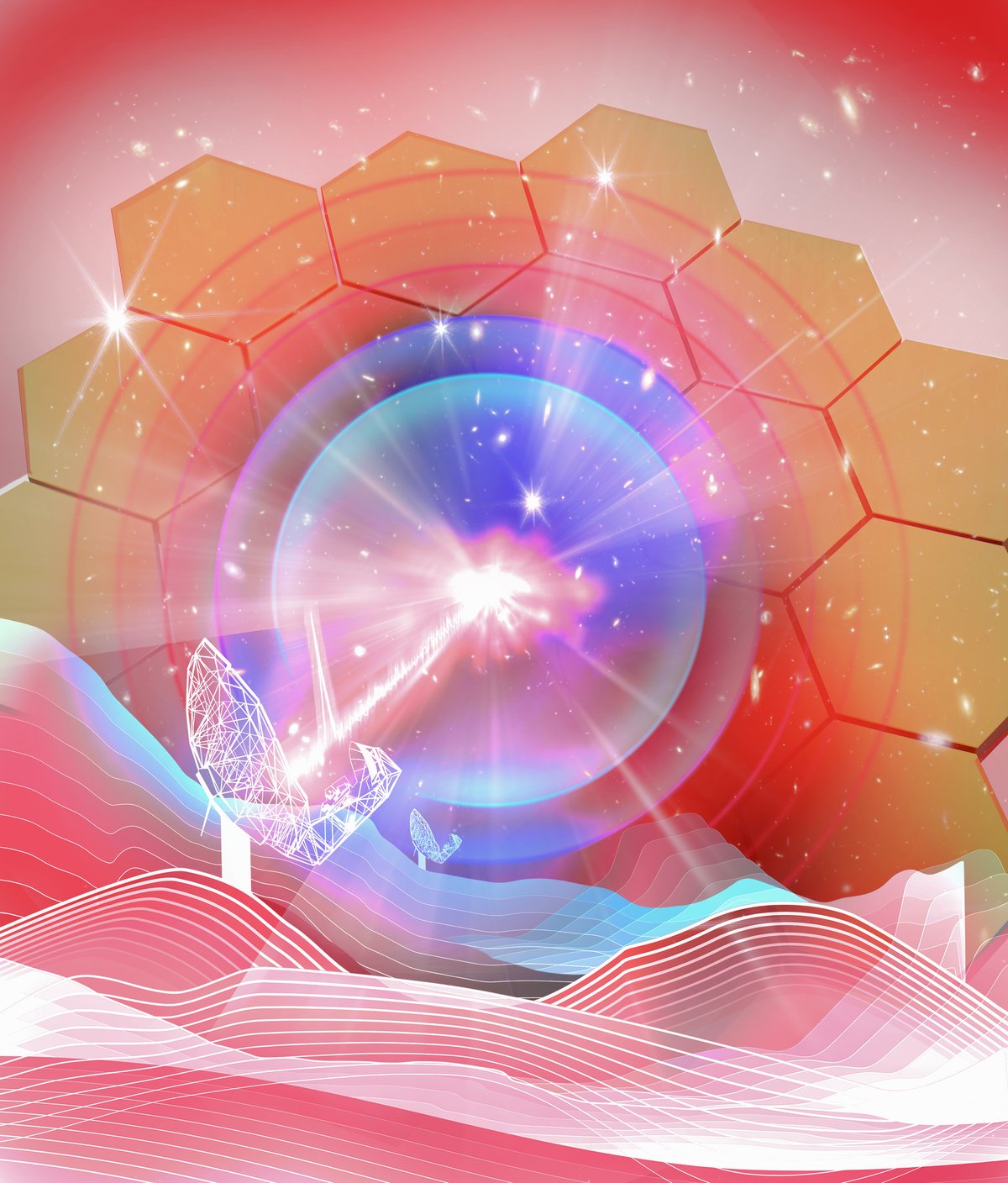
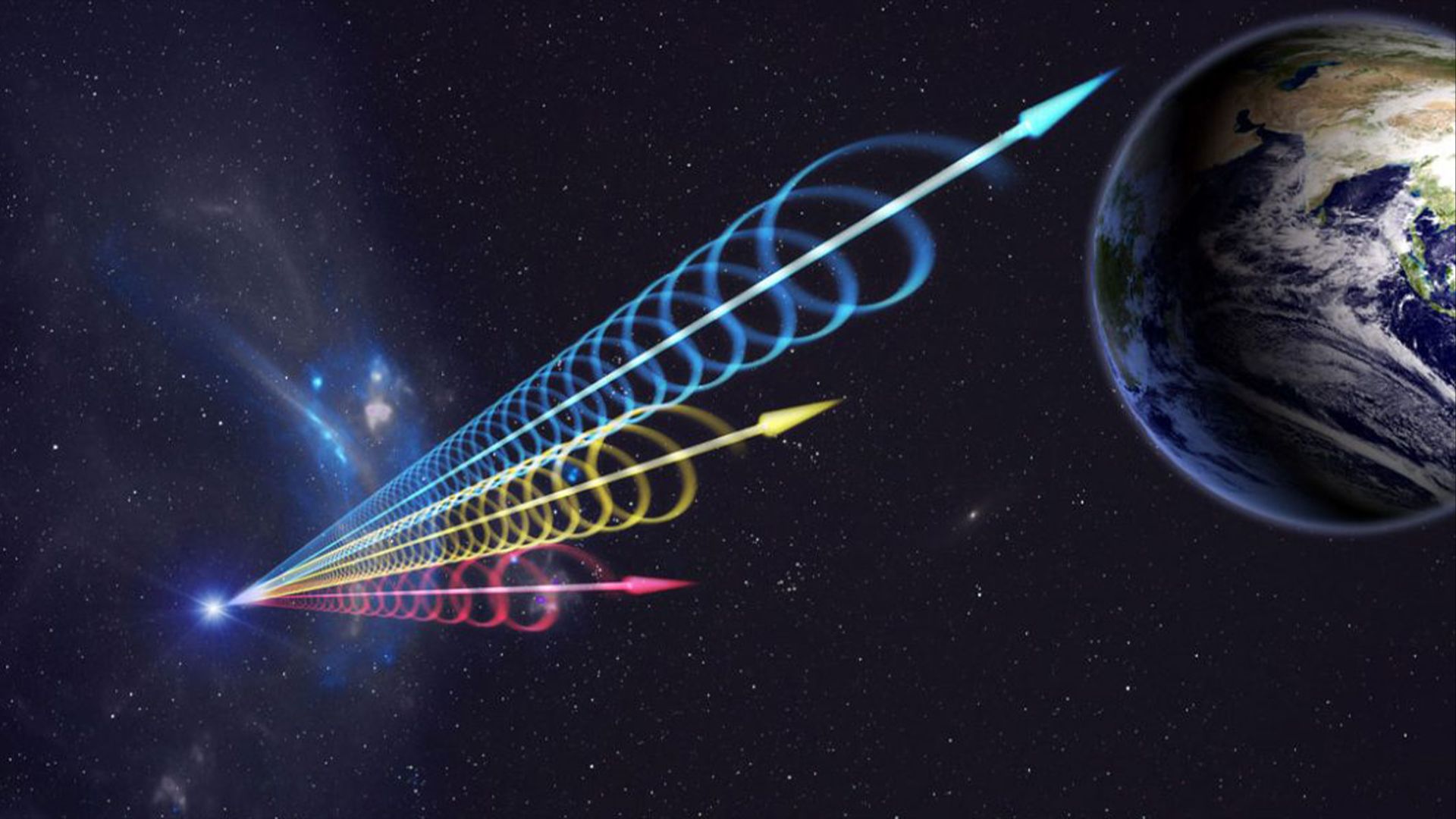
Detected by the MeerKAT array, this “fast radio burst” comes from three billion years after the big bang and could help map the universe’s otherwise-invisible intergalactic matter

📅 2026-10-08 18:30:00    •    Scientific American
James Webb telescope pinpoints the most distant 'fast radio burst' ever seen
Science News

James Webb telescope pinpoints the most distant 'fast radio burst' ever seen

Astronomers have detected the most distant burst of radio signals ever seen: an explosion that's emitting waves of energy from more than 10 billion light-years away.The event, named FRB 20240304B, is known as a fast radio burst (FRB). Astronomers have detected thousands of FRBs before this. But because these events last only milliseconds, they are extremely difficult to study and their origin stories remain unclear.In this case, however, astronomers managed to use a radio telescope array and the James Webb Space Telescope (JWST) to chart the event, with JWST narrowing down the precise host galaxy that FRB 20240304B came from. The study, published Thursday (Oct. 8) in the journal Science , sh...

📅 2026-10-08 18:00:00    •    Live Science
The Milky Way is one galaxy — but it used to be thousands, new simulations reveal
Science News

The Milky Way is one galaxy — but it used to be thousands, new simulations reveal

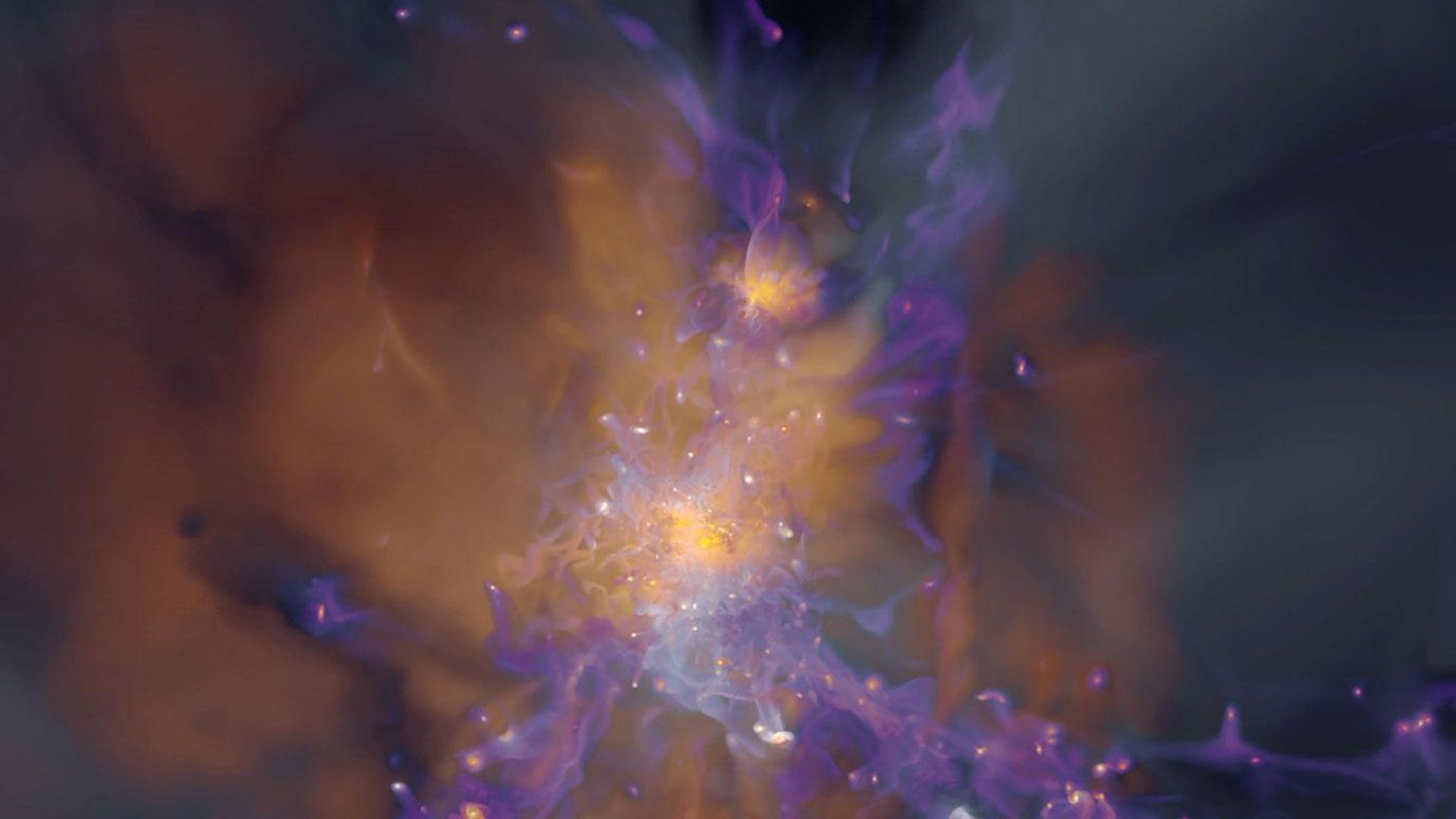
Long before it became the luminous spiral galaxy we call home, the Milky Way was a sprawling, chaotic swarm of thousands of small galaxies, new research shows.The findings suggest that in the first 2 billion years after the Big Bang, the region of the universe that would become our galaxy was littered with thousands of smaller galaxies of many sizes and shapes. Over time, these galaxies collided and merged into the single galaxy in which we reside today."Looking at these results, it's very clear that the physics happening right after the Big Bang has direct impact on what we see today in the local universe," study co-author Harley Katz, an assistant professor of astronomy and astrophysics at...

📅 2026-10-08 17:40:51    •    Live Science
Would you trust AI to calculate your true 'biological age'?
Science News

Would you trust AI to calculate your true 'biological age'?

Scientists have recently harnessed artificial intelligence (AI) to build "aging clocks" that aim to estimate a person's true biological age. While a person's chronological age reflects the number of years they've been alive, their biological age is intended to capture how well their bodily systems are functioning. The idea is that people with older biological ages have a higher risk of age-related diseases ‪—‬ such as cancer, heart disease or dementia ‪—‬ while younger biological ages come with less risk. Some aging clocks even aim to predict people's impending risk of death.Related storiesSped-up 'biological aging' linked to worse memoryAging doesn't look the same for everyone at the molecu...

📅 2026-10-08 16:09:52    •    Live Science
AI or ‘super intelligence’? Trump isn’t the only one who is confused
Science News

AI or ‘super intelligence’? Trump isn’t the only one who is confused

Is super intelligence any different from artificial intelligence?Imago / Alamy In the decades since the field began, most of the debate surrounding artificial intelligence has been about the intelligence part: can machines really think like we do? But in recent weeks, US President Donald Trump has kicked off an argument about the other part – and joined a long tradition of shifting the goal posts when it comes to AI. “The use of the word artificial makes intelligence fake, it makes it sound fake, and it is not fake. It’s actually amazing,” said Trump during a speech at the UN General Assembly on 22 September. He is calling for artificial intelligence to be rebranded as “super intelligence”, ...

📅 2026-10-08 16:07:59    •    New Scientist
The central Pacific Ocean just broke a temperature record. Experts say it might signal a new kind of El Niño.
Science News

The central Pacific Ocean just broke a temperature record. Experts say it might signal a new kind of El Niño.

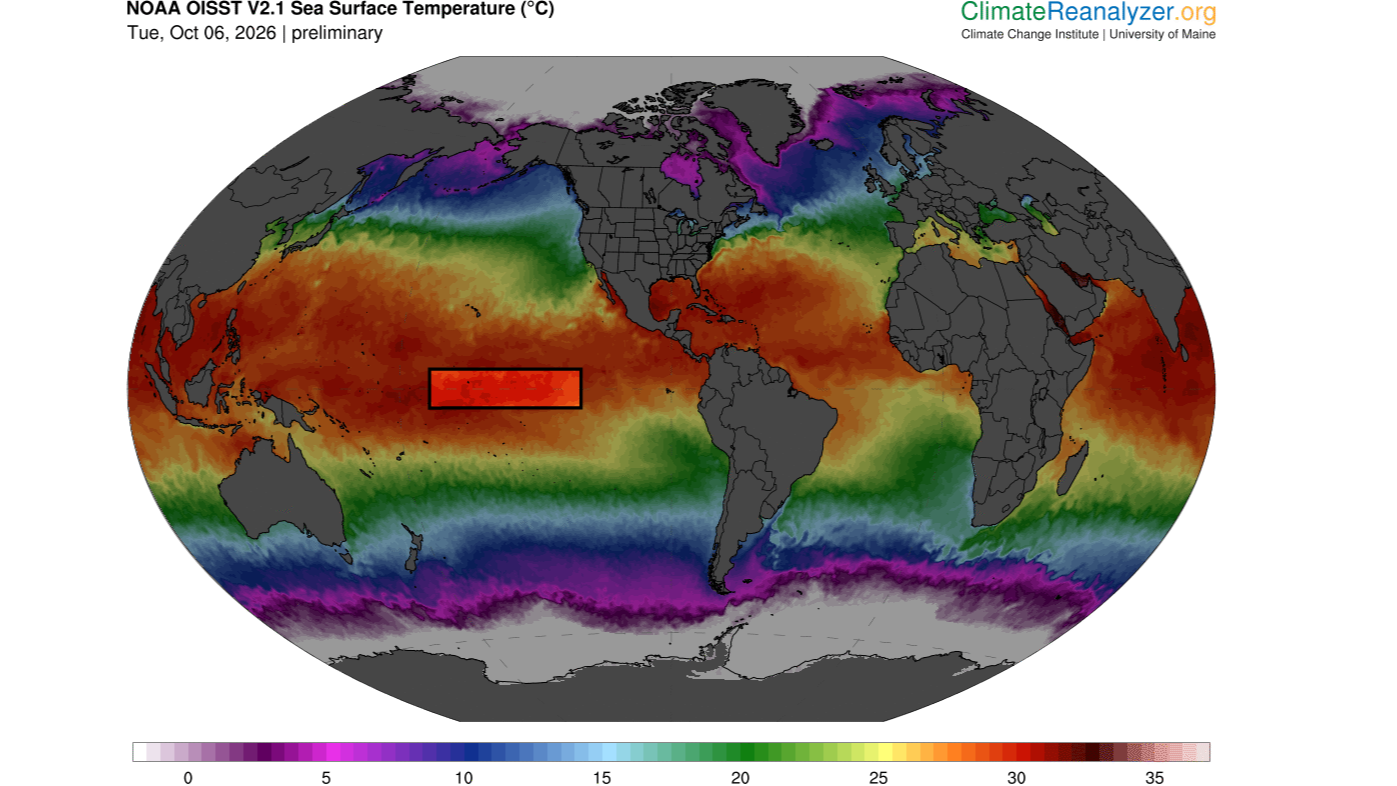
The sea surface temperature in a key section of the central equatorial Pacific Ocean has now surpassed all previous temperatures on record for this region, exceeding 86 degrees Fahrenheit (30 degrees Celsius) for the first time, according to preliminary data released Monday (Oct. 5).Specifically, these temperatures occurred in the Niño 3.4 region, located between 5 degrees north and 5 degrees south latitude, and 120 degrees west and 170 degrees west longitude. Researchers use this region to monitor the progression of El Niño, the warm phase of a multiyear natural climate pattern that's currently in full swing and steadily intensifying. But how significant is this new record, and could it be ...

📅 2026-10-08 15:43:55    •    Live Science
Artemis II images boost NASA’s moon base plans
Science News

Artemis II images boost NASA’s moon base plans

The first crewed lunar mission in more than a half-century brought back more than 800 gigabytes of data on colorful craters, flashing meteoroids, and much more

📅 2026-10-08 15:00:00    •    Scientific American
Climate satire Digger – with Tom Cruise on top form – is full of surprises
Science News

Climate satire Digger – with Tom Cruise on top form – is full of surprises

Tom Cruise plays the role of an oil tycoon in climate change satire Digger2026 Warner Bros. Ent. Things aren’t looking good for Digger Rockwell, the ageing oligarch behind the crisis in Alejandro Gonzalez Iñárritu’s new climate change satire Digger. Nor is the prognosis rosy for the film itself – panned by critics and passed over by global audiences, it is poised to become one of the biggest flops of 2026. But don’t let that negativity fool you. Pretentious, bombastic and sometimes painful, it is nevertheless a brutal takedown of the forces and failures behind planetary degradation. Held together by a terrific performance from Tom Cruise, Digger is more than worth your time – even if you end...

📅 2026-10-08 14:00:00    •    New Scientist
FDA-approved epilepsy drug may help reverse osteoarthritis damage
Science News

FDA-approved epilepsy drug may help reverse osteoarthritis damage

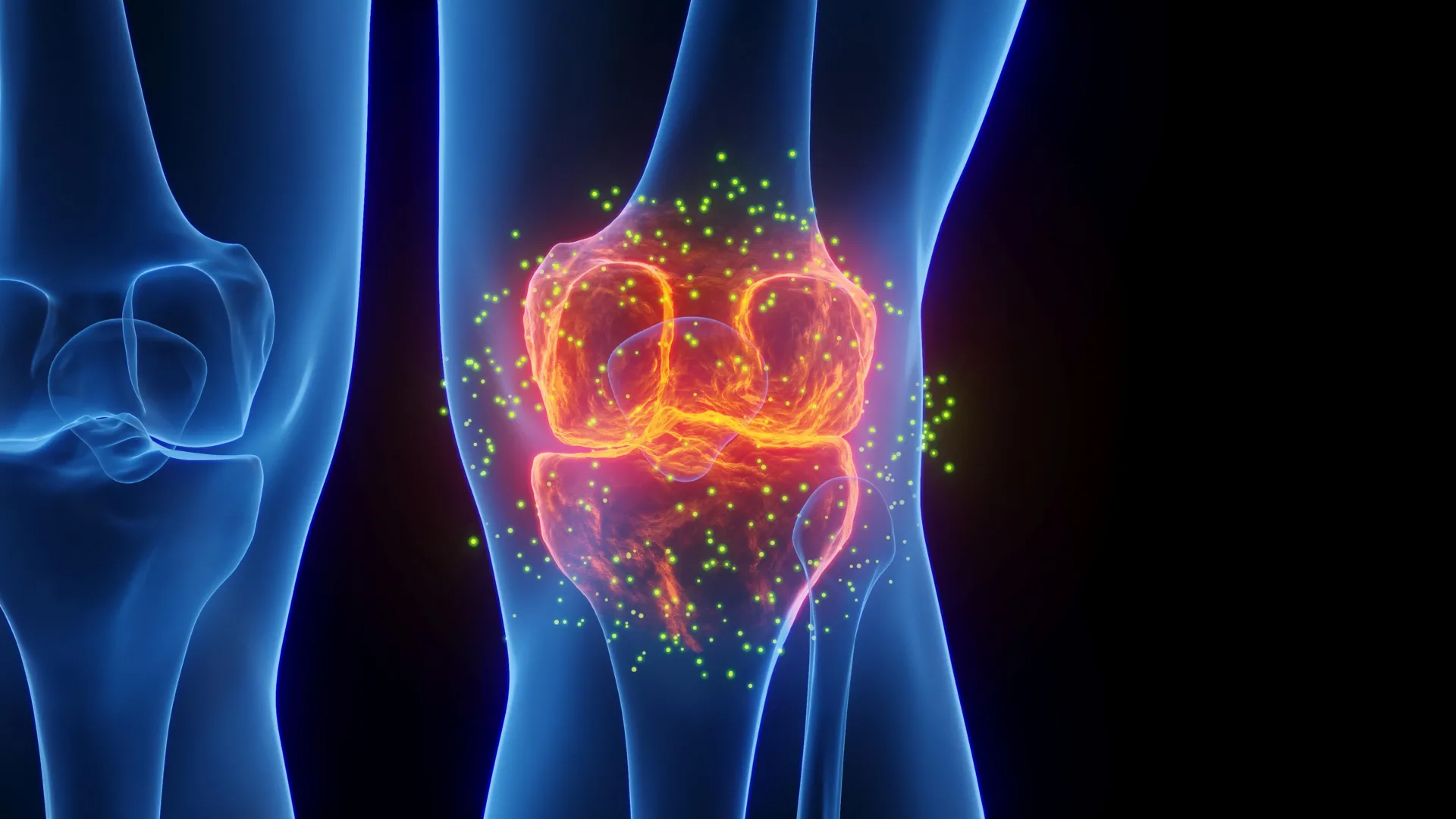
Researchers at Yale have identified a promising new approach to osteoarthritis that could do more than simply ease pain. The epilepsy drug lacosamide appears to block a protein involved in both pain signaling and cartilage destruction, helping damaged joints shift back toward repair in preclinical studies.

📅 2026-10-08 13:52:56    •    ScienceDaily