
Science News
Ridesharing services may offer public safety benefits beyond transportation
New research published in Economic Inquiry reveals that ridesharing services like Uber and Lyft may reduce crime in some areas.
Latest science news, discoveries and scientific developments.
New research published in Economic Inquiry reveals that ridesharing services like Uber and Lyft may reduce crime in some areas.

Research into molecules that regulate sleep and appetite or methods for editing genes could be among the contenders for the Nobel Prize in chemistry, to be announced Wednesday, commentators say.

The European Union is under pressure to ban "forever chemicals," but a battle is heating up in Brussels over the toxic substances known as PFAS, with industry groups seeking as many exemptions as possible.

A new study shows that the world's oyster reefs are a precious resource that's vastly underestimated and underutilized. The authors set out to calculate the reefs' potential gross ecosystem product (GEP), the ecological counterpart of the gross economic product, and arrived at trillions of dollars in ecosystem goods and services delivered each year to different aspects of planetary health, including human well-being. But for their full potential to be realized, oyster reefs around the world will need to be restored and protected.
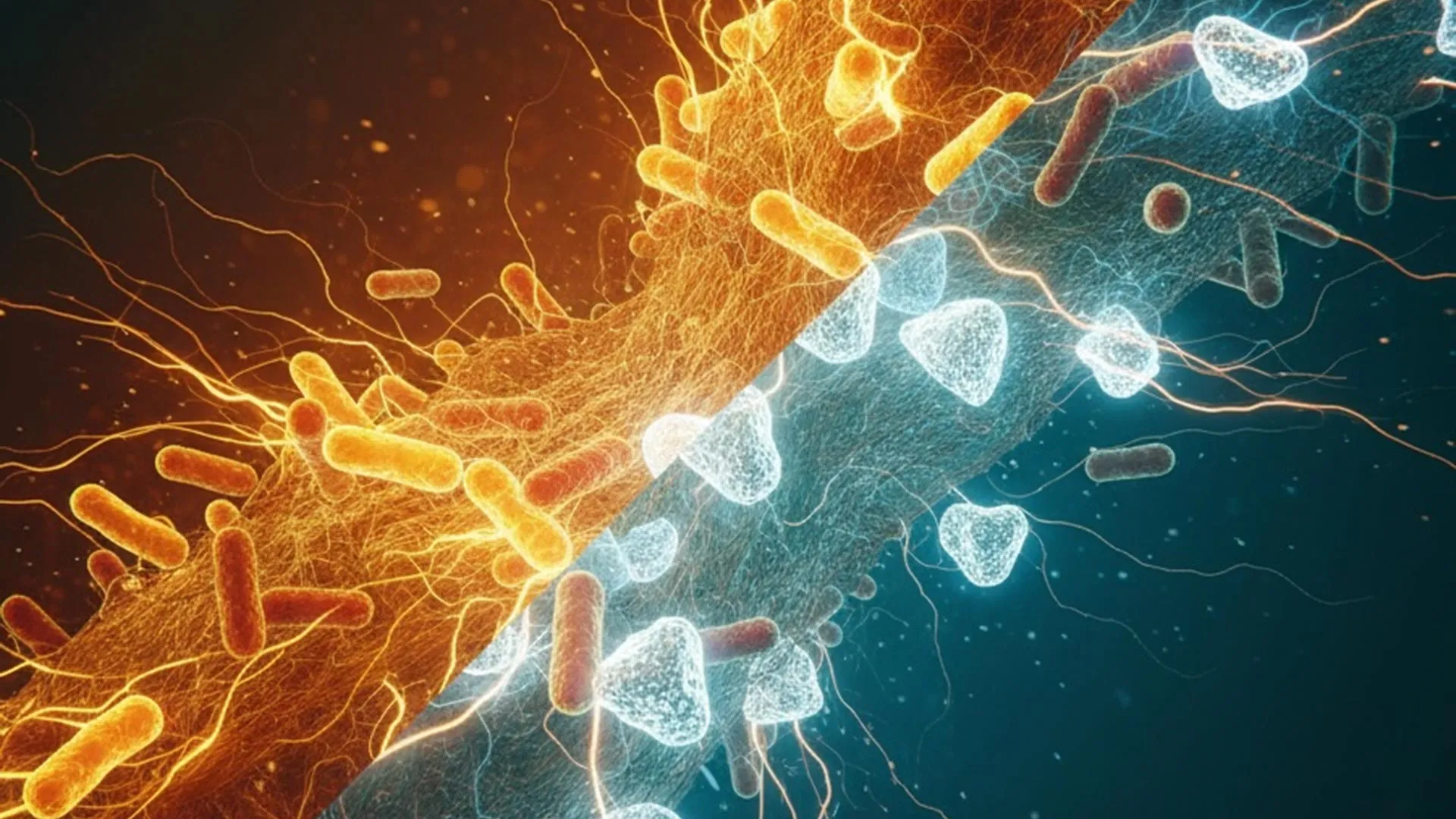
Scientists discovered that disrupting the chemical messages bacteria use to communicate can push dental plaque toward a healthier microbial balance. The approach could lead to new treatments for gum disease that control harmful bacteria without destroying beneficial species.

A study comparing 100 primate species, including humans, suggests that everyday aggression and lethal violence did not evolve as part of the same simple behavioral spectrum. Species that frequently fight or show mild aggression are not necessarily more likely to kill rivals, while extreme acts such as infanticide and lethal attacks appear to follow their own evolutionary patterns.
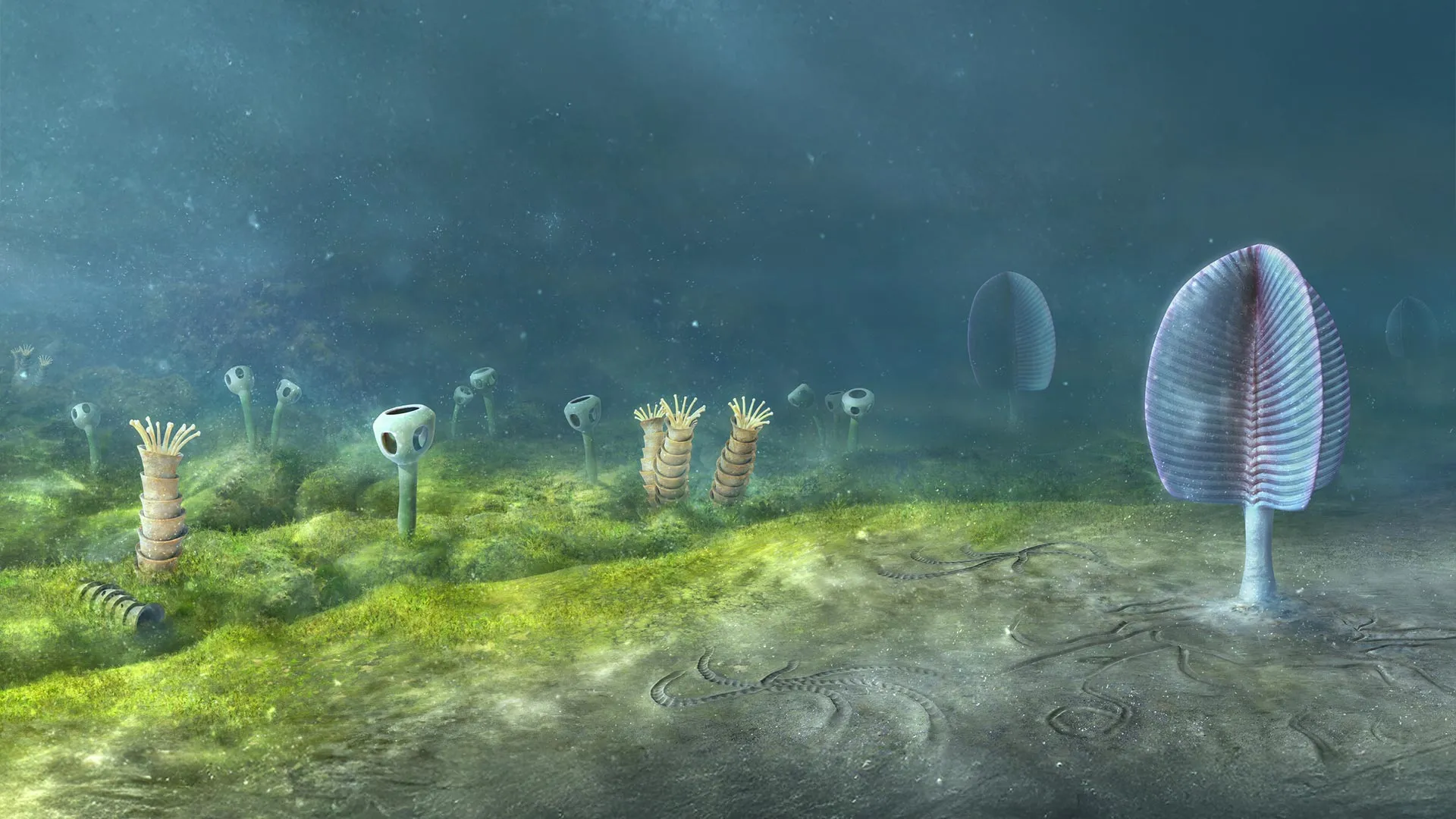
New research suggests animals could have evolved as early as 800 to 700 million years ago, roughly 200 million years earlier than some previous estimates. If so, the first animals may have lived before or during Snowball Earth, leaving behind little trace because their soft bodies were rarely preserved.

Cannabinoids may intensify anxiety by removing a natural brake on specific neurons in the brain’s fear center, particularly during stressful situations. In mice, shutting down those neurons sharply reduced cannabinoid-related anxious behavior.

Physicist Francis Halzen has an impressively long list of academic accolades—but every October, as the Nobel Prize rolled around, his failure to bag the biggest award of them all left him "miserable," he admits.

Allen Schnibben's interest in space started when he was a child. "I picked up some books about the solar system when I was in elementary school. In middle school, I got a telescope and I started observing the night sky as a hobby," said Schnibben, a computer scientist at Sandia National Laboratories. "My entire life, I've had an interest in space." Now, Schnibben collects data on satellites at Sandia's SOHBRIT facility, a 12-foot-wide (3.7-meter-wide) observatory.

Scientists have produced a first-of-its-kind assessment showing which coastal regions of Europe they believe are at greatest risk from harmful light pollution.

A study of the oil, gas and petroleum industry has found that "quiet firing" by employers is associated with higher levels of "quiet quitting" among employees, while strong workplace relationships can weaken that effect. The research appears in the International Journal of Business Information Systems.

As women go through menopause, their voices tend to become deeper. This is partly because the vocal folds may swell and the surrounding muscles lose elasticity, resulting in a lower pitch. Age-related physiological changes can also affect the pronunciation of certain vowels.

Scientists are increasingly exploring carbon dioxide (CO₂) hydrogenation—where CO₂ reacts with hydrogen over a catalyst to produce products like methanol—to convert CO₂ into useful chemicals and fuels. However, it involves thousands of tiny chemical steps happening on the catalyst surface.

Research by INRAE and AgroParisTech suggests that global warming could have an overall positive effect on sorghum yields in Europe. Sorghum is a promising alternative to maize in livestock feed. Additionally, the crop requires less water and can tolerate higher temperatures. The researchers carried out simulations that used past climate data and future climate scenarios with the broader goal of developing new strategies for European agriculture. Their results were published in Earth's Future.

Herugavialis is the new name for a fossil found in the same rocks that built the Great Sphinx. The reptile is a unique branch of the gharial family tree.

A new species of extinct crocodile from Egypt has been discovered, sharing more than just its home with the Great Sphinx. Herugavialis cairensis was found in the very same rocks used to build the iconic monument. And, just as the Sphinx is famously missing the tip of its nose, the fossil crocodile is also missing the tip of its snout.

For Dr. Jamaluddin Jompa, the ocean has never been simply a subject of scientific study. He was born in Takalar, a coastal region of South Sulawesi, Indonesia, and his connection with the sea was forged early. Witnessing the degradation of Indonesia's coastal waters made him wonder: What happens when the ecological relationships that sustain marine ecosystems begin to break down and, more importantly, can they be restored?

Magnesium (Mg) alloys offer a pathway to lighter, more efficient aerospace and defense structures because of their low density, high specific strength and excellent damping capacity. However, their hexagonal close-packed (HCP) crystal structure makes deformation highly dependent on crystallographic orientation.

Transporting material from Earth to the moon is an expensive proposition: By some estimates, moving a single kilogram (2.2 pounds) can cost more than $1 million. Any plan to build a permanent human habitat up there will depend on bringing that sky-high cost down.