Science News

Latest science news, discoveries and scientific developments.

Richer people have an edge when it comes to getting national park permits
Science News

Richer people have an edge when it comes to getting national park permits

Many outdoor enthusiasts have spent hours in front of a computer, racing to reserve a campsite, backpacking permit or national park entrance ticket. A recent study suggests that the way these reservation systems are designed can favor higher-income visitors.

📅 2026-10-06 20:10:01    •    Phys.org
NASA's Curiosity rover catches stunning Martian dawn
Science News

NASA's Curiosity rover catches stunning Martian dawn

A newly released panorama captured by NASA's Curiosity rover offers the most detailed view yet of distant, wind-carved Martian cliffs, highlighting features the mission's scientists have long been waiting to see up close. The scene was snapped at 8:30 a.m. local Mars time, showing striking blue hues in the foreground as bright morning light illuminates crags known as yardangs on the horizon.

📅 2026-10-06 20:00:07    •    Phys.org
Diet alone cannot explain differences in gut bacterial communities
Science News

Diet alone cannot explain differences in gut bacterial communities

Why do the gut microbiomes of people from industrialized and nonindustrialized regions differ? A study by the Helmholtz Center for Infection Research (HZI) in collaboration with the European Molecular Biology Laboratory (EMBL), the University of Trento (Italy) and the University of Tübingen shows that diet alone does not explain these differences.

📅 2026-10-06 20:00:02    •    Phys.org
Reading beyond the peaks: Optical analysis decodes spectral complexity in twisted semiconductor layers
Science News

Reading beyond the peaks: Optical analysis decodes spectral complexity in twisted semiconductor layers

A study from the Research Center for Materials Nanoarchitectonics (MANA), one of the centers under the National Institute for Materials Science (NIMS), presents a new method to reveal hidden material disorder reflected in complex photoluminescence spectra, paving the way for new optical diagnostics of material disorder in two-dimensional semiconductors and related light-emitting materials.

📅 2026-10-06 19:40:10    •    Phys.org
New Zealand's native plant seeds may survive wildfires
Science News

New Zealand's native plant seeds may survive wildfires

Mākaka (native broom) and kōwhai seeds might be able to survive the heat of fires, new research shows. Scientists heated native and exotic seeds in a lab oven to temperatures they may face in the soil during a fire, expecting only the exotics—which often experience fires in their homelands—to survive. However, mākaka and kōwhai seeds survived up to 80°C, and mākaka seeds even sprouted in response. Māhoe, tī kōuka (cabbage tree) and matagouri seeds died after heating, while invasive gorse survived 100°C and sprouted. As fires get more common in NZ, it's important to understand if any native seeds could survive and grow back, the researchers say.

📅 2026-10-06 19:40:01    •    Phys.org
Meet the long-legged giants that light up the deep ocean
Science News

Meet the long-legged giants that light up the deep ocean

Thousands of meters below the waves off Australia's east coast, far beyond where sunlight can reach, a stunning light show takes place in the dark. The cause? Two species of long-legged creatures emitting a blue glow.

📅 2026-10-06 19:20:21    •    Phys.org
From food to fuel, AI helps pinpoint how to grow 'microalgae' at scale
Science News

From food to fuel, AI helps pinpoint how to grow 'microalgae' at scale

Microalgae (microscopic organisms that use light and carbon dioxide to grow) can be used to make ingredients and food for animals, pigments and potentially renewable fuels. But growing microalgae efficiently at an industrial scale is difficult.

📅 2026-10-06 19:20:15    •    Phys.org
'She knew she had something really important on her hands': Rosalind Franklin figured out DNA's helical structure before Watson and Crick, study suggests
Science News

'She knew she had something really important on her hands': Rosalind Franklin figured out DNA's helical structure before Watson and Crick, study suggests

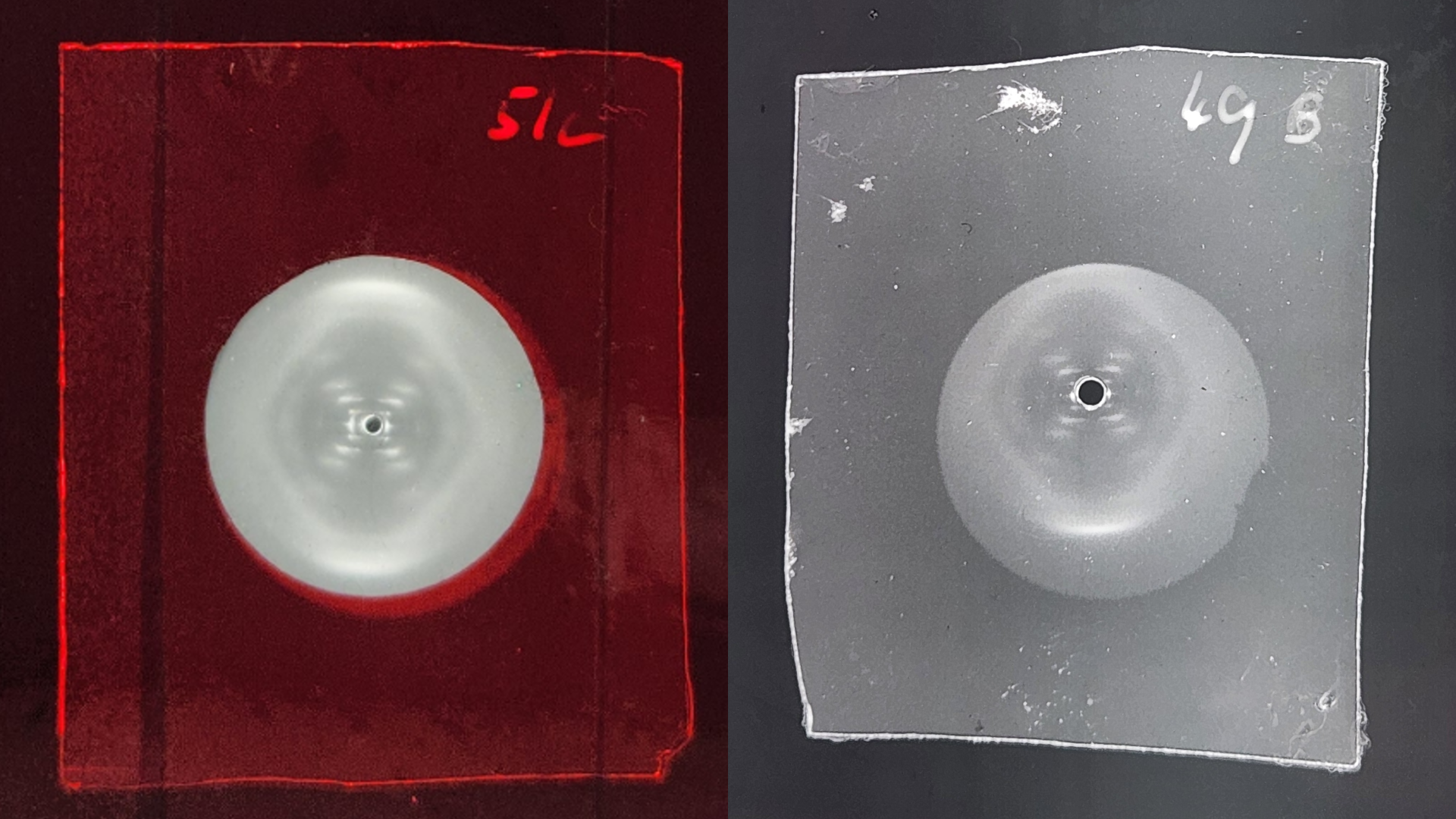
Rosalind Franklin, whose photographs of the molecular structure of DNA led to a 1962 Nobel Prize for three other scientists, knew that her famous images held the secret of the double helix, new research suggests. An examination of archival material reveals that Franklin's Photograph 51, which was taken in May 1952 and later published to show the double-helix structure, was specifically taken for the purpose of publication — not, as some narratives have held, an experimental shot that Franklin believed was insignificant. The new research revealed that Photograph 51 was a new exposure of a sample Franklin had already photographed. She started Photograph 51 the same day she saw that photograph,...

📅 2026-10-06 17:33:06    •    Live Science
Amazon Prime Day 2026: Best stargazing deals on telescopes and binoculars
Science News

Amazon Prime Day 2026: Best stargazing deals on telescopes and binoculars

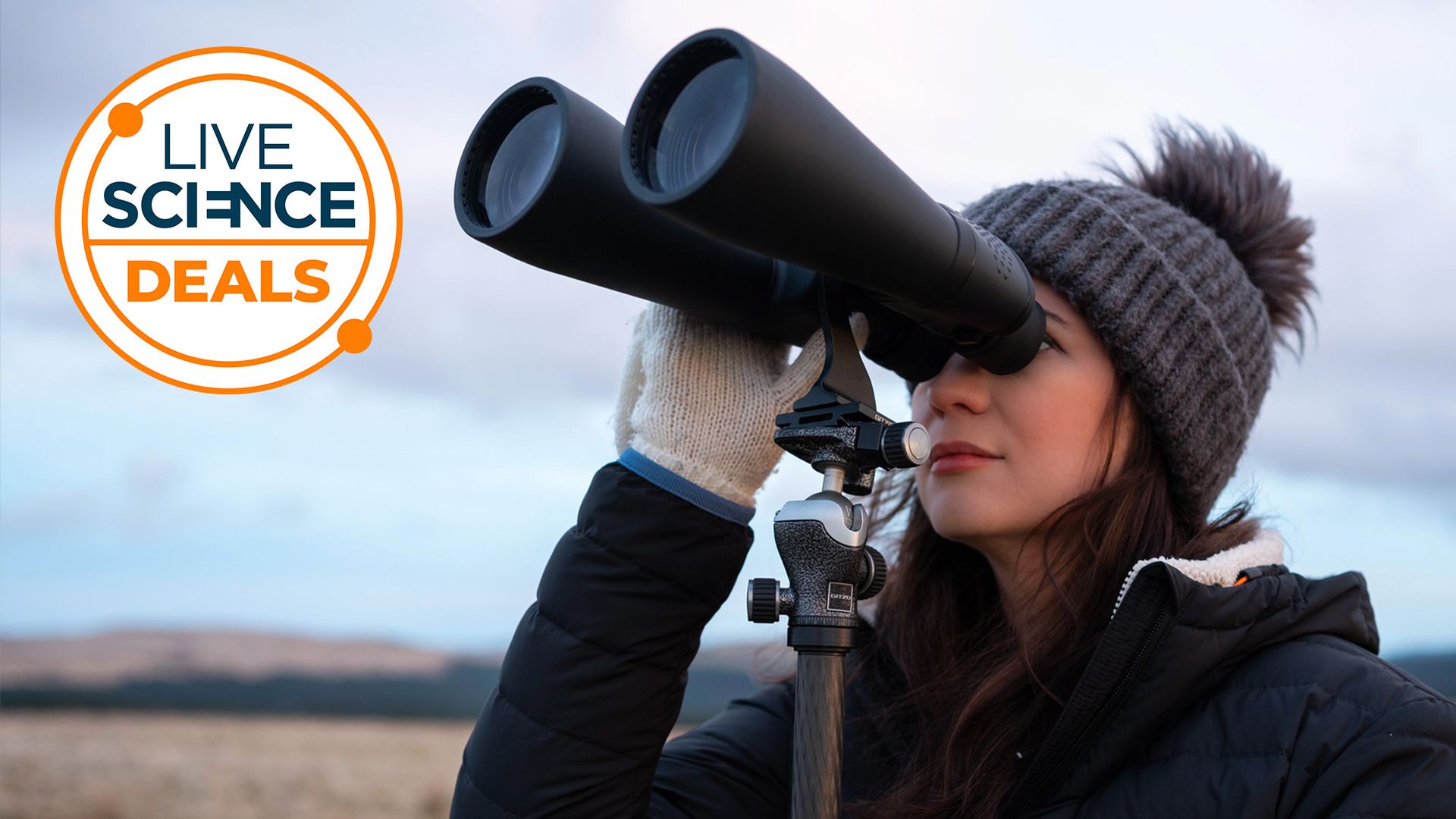
Amazon Prime Day is underway, and we've found some tempting deals on our favorite stargazing equipment at Amazon. The sale ends at 23:59 tonight, Wednesday, October 7, 2026, and we'll keep an eye on the deals so you can keep an eye on the skies. Fall is a fantastic time to stargaze, with meteor showers, full moons, constellations and planetary oppositions — some of which you can only see with binoculars or a telescope. Shop the best deals on telescopes and binoculars below.Telescope dealsIf you want a small, easy-to-use smart telescope with minimal investment, you can save $99 on the ZWO Seestar S30.These small smart telescopes are ideal for deep-sky astrophotography, particularly for large ...

📅 2026-10-06 14:50:56    •    Live Science
Colorectal cancer is rising in young people and often found too late
Science News

Colorectal cancer is rising in young people and often found too late

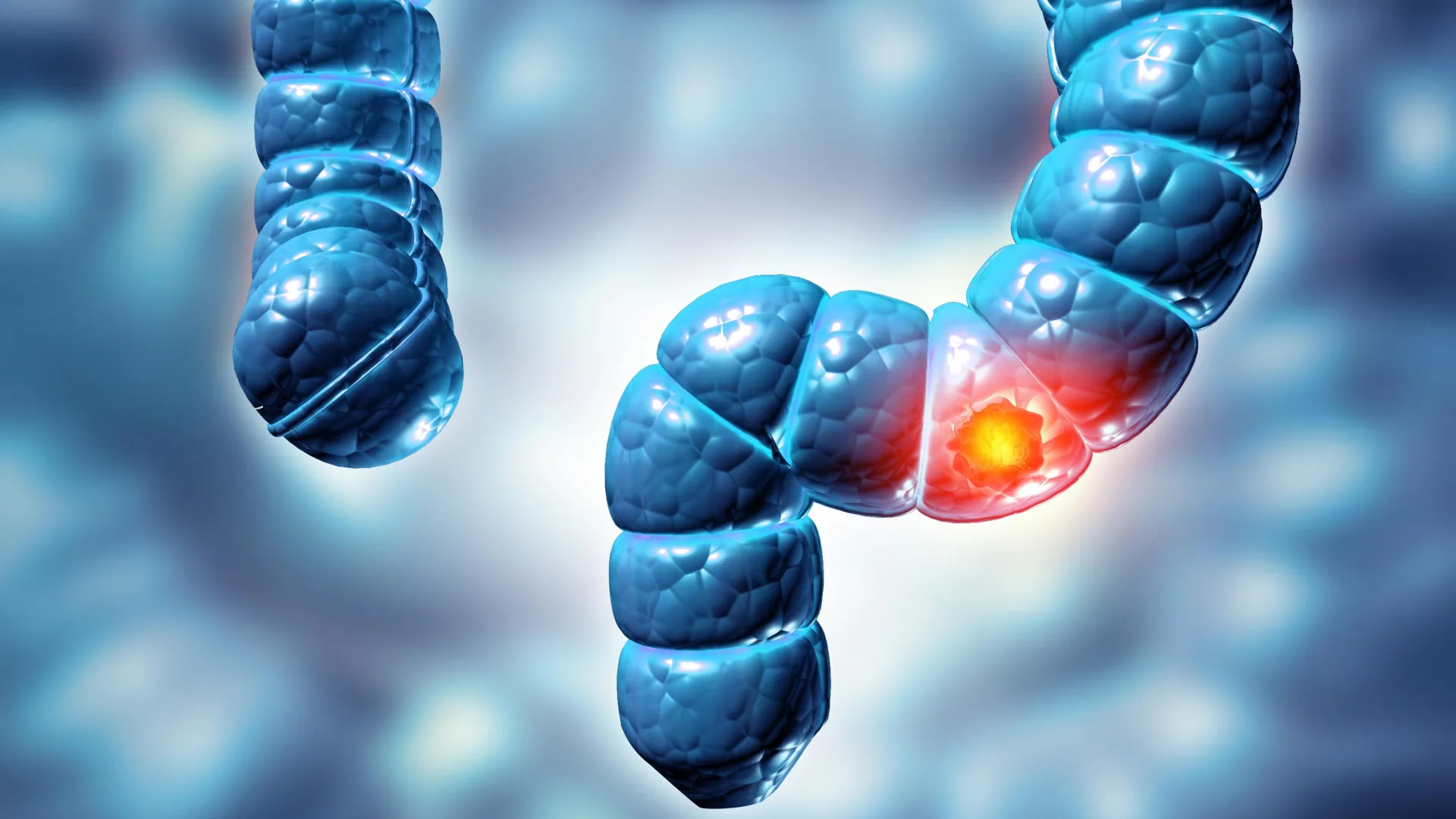
Colorectal cancer in young people is often diagnosed at an advanced stage, with researchers finding most patients age 21 or younger already had Stage III or IV disease. Because symptoms like rectal bleeding, weight loss, abdominal pain, and bowel changes may be overlooked, researchers are calling for greater vigilance.

📅 2026-10-06 13:20:15    •    ScienceDaily
Goodbye joint replacements? Stanford scientists found a way to regrow cartilage and stop arthritis
Science News

Goodbye joint replacements? Stanford scientists found a way to regrow cartilage and stop arthritis

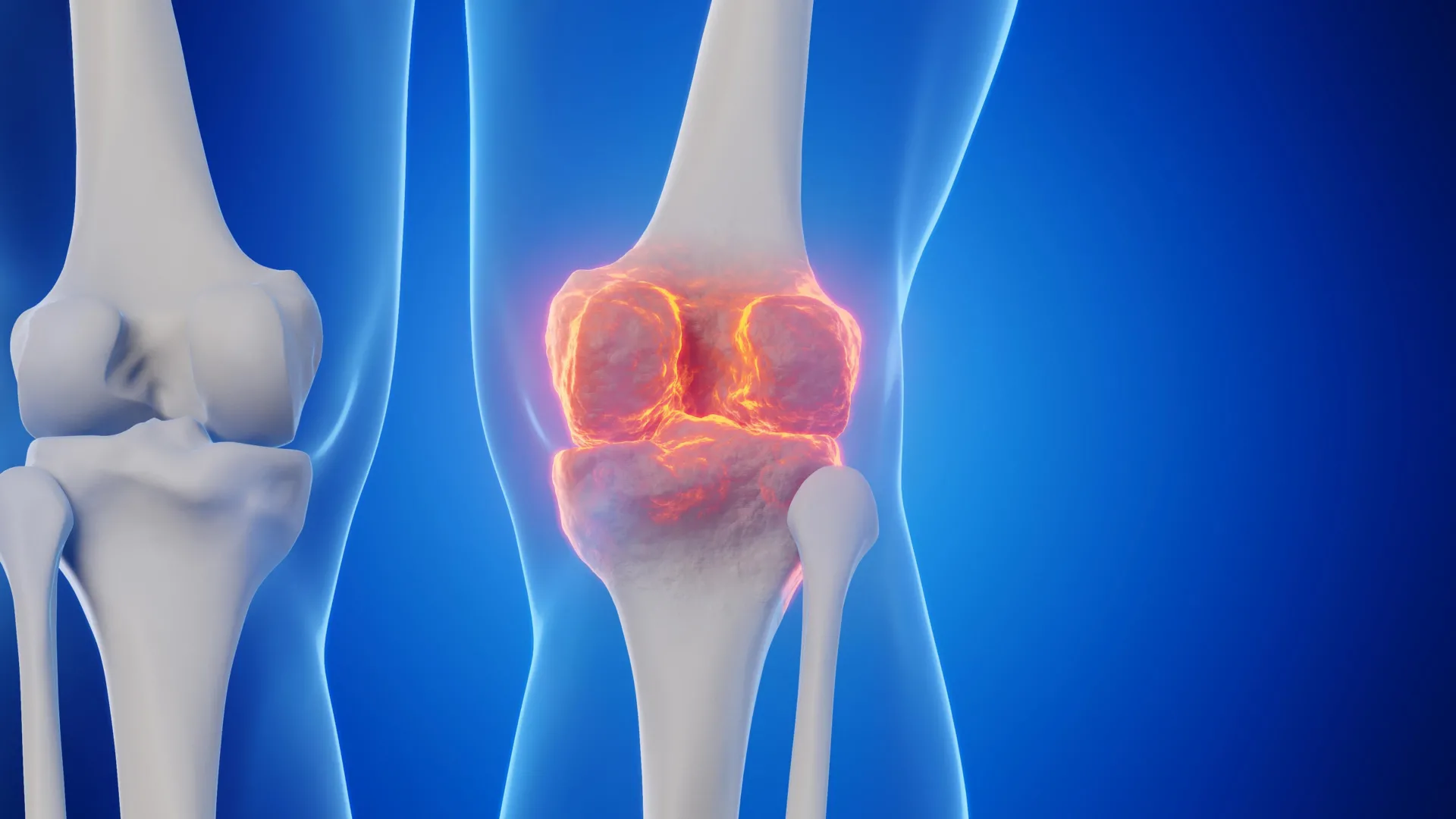
Scientists have found a surprising way to regrow damaged knee cartilage by blocking a protein that becomes more abundant with age. In old mice, the treatment restored naturally lost cartilage and also helped prevent osteoarthritis after ACL-like knee injuries, while human cartilage taken from knee replacement patients began producing new, functional joint cartilage after exposure to the same inhibitor.

📅 2026-10-06 13:03:47    •    ScienceDaily
Archaeologists may have finally solved a 100-year-old Florida mystery
Science News

Archaeologists may have finally solved a 100-year-old Florida mystery

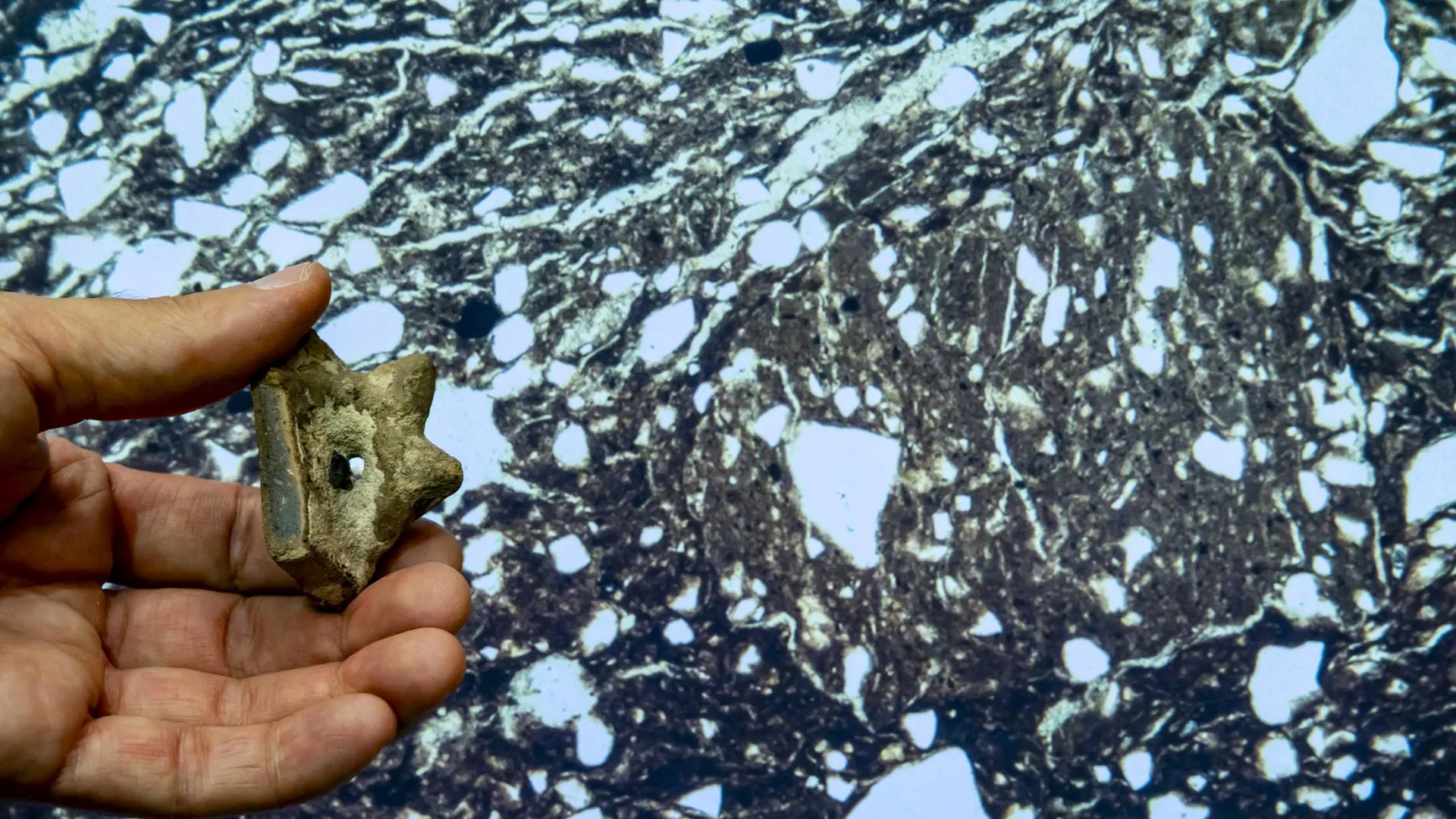
Ancient pottery from Tampa Bay appears to have been made by migrant craftspeople who brought specialized Mississippian pottery-making knowledge hundreds of miles south. Remarkably, they even incorporated crushed fragments of older homeland pottery into new vessels, preserving a physical link to their past across generations.

📅 2026-10-06 12:41:48    •    ScienceDaily
Scientists say this simple habit could strengthen your marriage
Science News

Scientists say this simple habit could strengthen your marriage

Couples who exercise together report better communication, healthier conflict resolution, and lower marital stress than those who work out alone. Even something as simple as taking a walk together may create valuable opportunities to talk, listen, and feel more connected.

📅 2026-10-06 12:23:37    •    ScienceDaily
Physicists just saw quarks make waves in the Big Bang’s primordial soup
Science News

Physicists just saw quarks make waves in the Big Bang’s primordial soup

Physicists at CERN’s Large Hadron Collider have captured the clearest evidence yet that quark-gluon plasma, the scorching-hot matter that filled the newborn universe, behaves like a true liquid. By tracking individual quarks as they blasted through the plasma, researchers saw them leave behind ripples, splashes, and swirling wakes much like a duck moving through water. The finding suggests this primordial “soup” is so dense that it can slow speeding quarks and respond collectively as a fluid.

📅 2026-10-06 12:04:50    •    ScienceDaily