Science News

Latest science news, discoveries and scientific developments.

Traditional Korean paper becomes breathable patch for future wearable health care
Science News

Traditional Korean paper becomes breathable patch for future wearable health care

Wearable health-monitoring devices are becoming increasingly important for personalized health care, but conventional patches often rely on substrates that restrict airflow, trap sweat and cause skin discomfort during prolonged use. These limitations can also interfere with the reliable collection and analysis of sweat, highlighting the need for breathable materials that support both comfortable wear and accurate sensing.

📅 2026-11-04 22:00:09    •    Phys.org
NOAA, NASA release measurements of 2026 ozone hole
Science News

NOAA, NASA release measurements of 2026 ozone hole

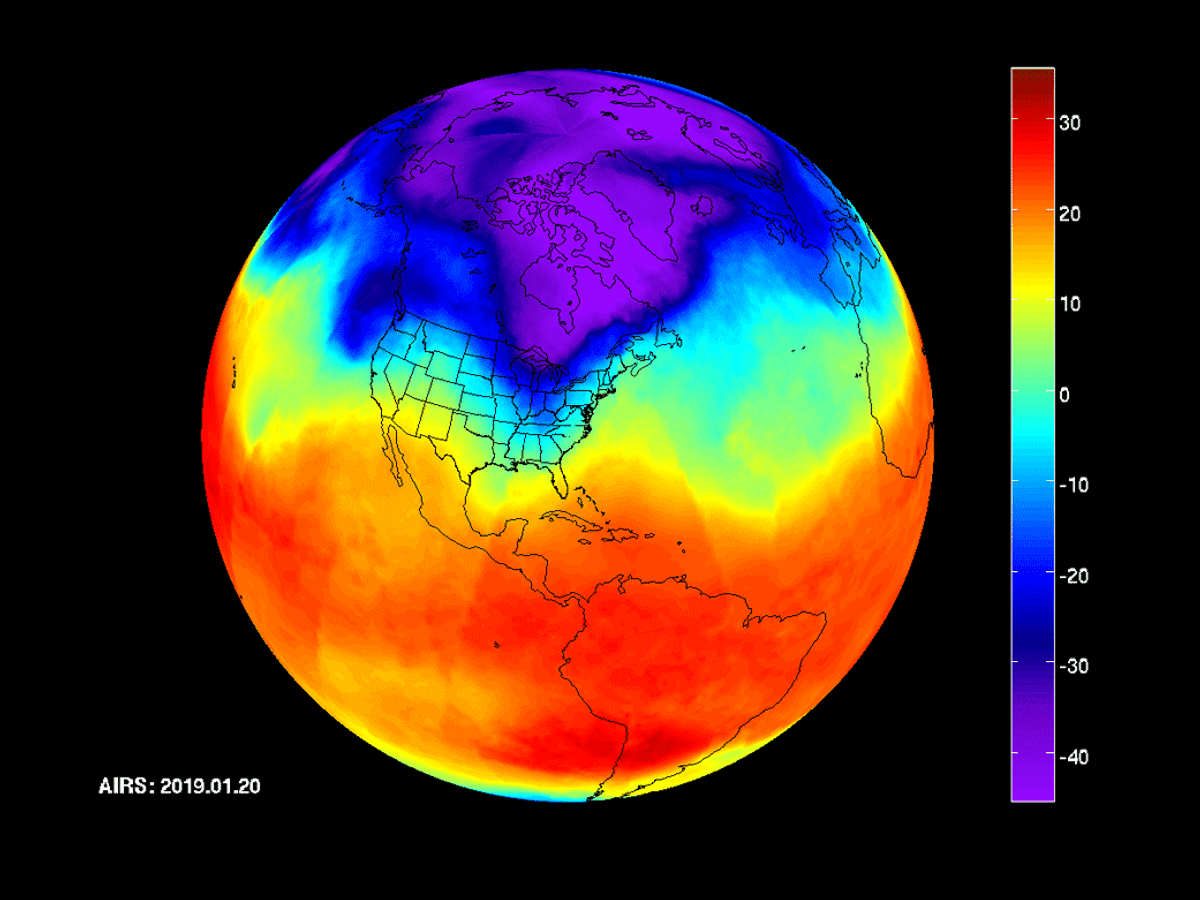
Atypical weather conditions caused the Antarctic ozone hole to grow to an unusually large size in 2026, NOAA and NASA scientists reported today, though they said the protective ozone layer is still on track to recover by later this century.

📅 2026-11-04 21:40:16    •    Phys.org
Molecular choreography: How the p97 protein regulates cellular quality control
Science News

Molecular choreography: How the p97 protein regulates cellular quality control

The p97 protein plays a central role in cellular quality control by preparing defective or no-longer-needed proteins for degradation and recycling. Researchers at the University of Münster, in collaboration with the University of Duisburg-Essen, have investigated how p97 and its auxiliary proteins interact in this process. The study has now been published in the journal Nature Communications.

📅 2026-11-04 21:40:10    •    Phys.org
Bio-based smart coating combines fire protection, early warning and upcyclability
Science News

Bio-based smart coating combines fire protection, early warning and upcyclability

Researchers have developed a multifunctional fire-protective coating that not only shields materials from extreme heat but also provides an early warning of fire and can be recycled into new flame-retardant materials at the end of its life. The work, published in Polymer Degradation and Stability, demonstrates a strategy for combining fire safety, sustainability and circularity within a single material system.

📅 2026-11-04 21:20:24    •    Phys.org
New research uncovers chiral topological phases in metals without structural order
Science News

New research uncovers chiral topological phases in metals without structural order

Fermions are among the most important particles in physics and include both everyday electrons and more exotic variants. Chiral fermions, like gloves, come in left- and right-handed versions and were proposed over a century ago. While high-energy neutrinos—the leading candidates for massless chiral fermions—proved to have mass, nearly (semi-) metallic solid-state crystals were discovered 15 years ago to host electronic versions of massless chiral fermions.

📅 2026-11-04 21:20:21    •    Phys.org
A cosmic 'leaf blower': Light-propelled winds help explain early universe's bright galaxies
Science News

A cosmic 'leaf blower': Light-propelled winds help explain early universe's bright galaxies

When astronomers looked at photos of the early universe taken by the James Webb Space Telescope, they found something odd: an overabundance of bright galaxies. Based on what they knew about the early universe, such galaxies should have been far less common in the few hundred million years following the Big Bang.

📅 2026-11-04 21:00:11    •    Phys.org
NASA’s Swift telescope plunges back to Earth
Science News

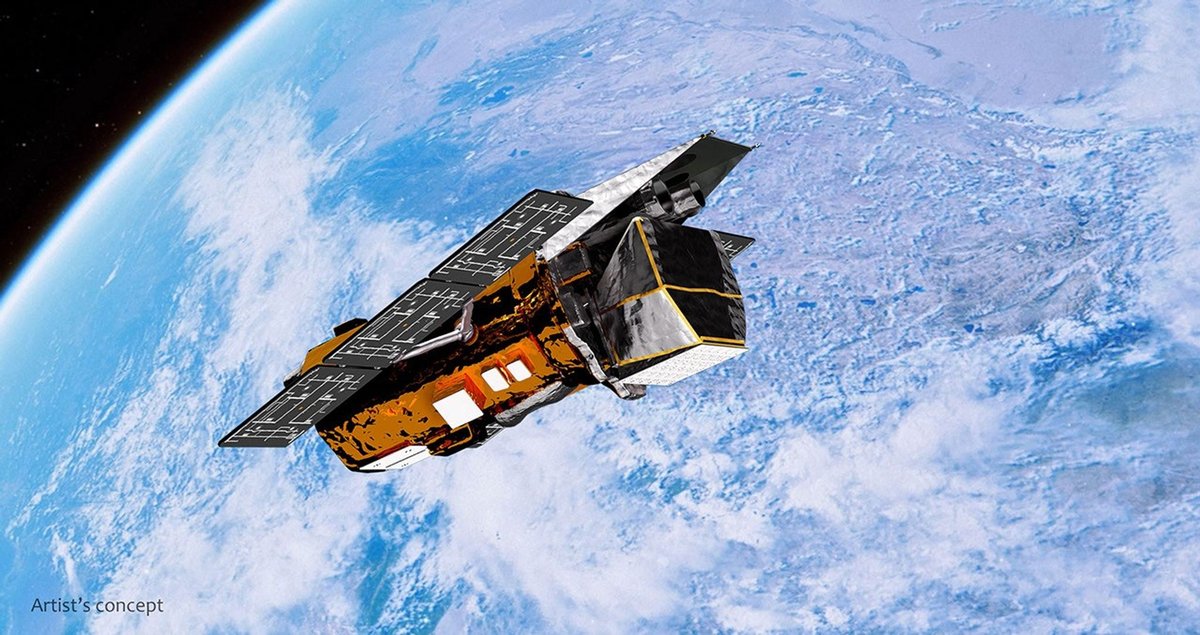
NASA’s Swift telescope plunges back to Earth

The observatory had spent decades studying powerful cosmic explosions and was the target of an unsuccessful rescue mission earlier this year

📅 2026-11-04 16:45:00    •    Scientific American
A surprising discovery could help aging muscles repair themselves
Science News

A surprising discovery could help aging muscles repair themselves

Scientists have discovered a compound that transforms a natural muscle-repair protein into a more powerful version dubbed "Super HGF," more than doubling its ability to bind to a key receptor while protecting it from age-related chemical damage. The breakthrough, supported by early mouse experiments, could eventually help combat muscle loss and preserve strength as people age.

📅 2026-11-04 13:26:06    •    ScienceDaily
Scientists may have finally explained why our brains and bodies are cross-wired
Science News

Scientists may have finally explained why our brains and bodies are cross-wired

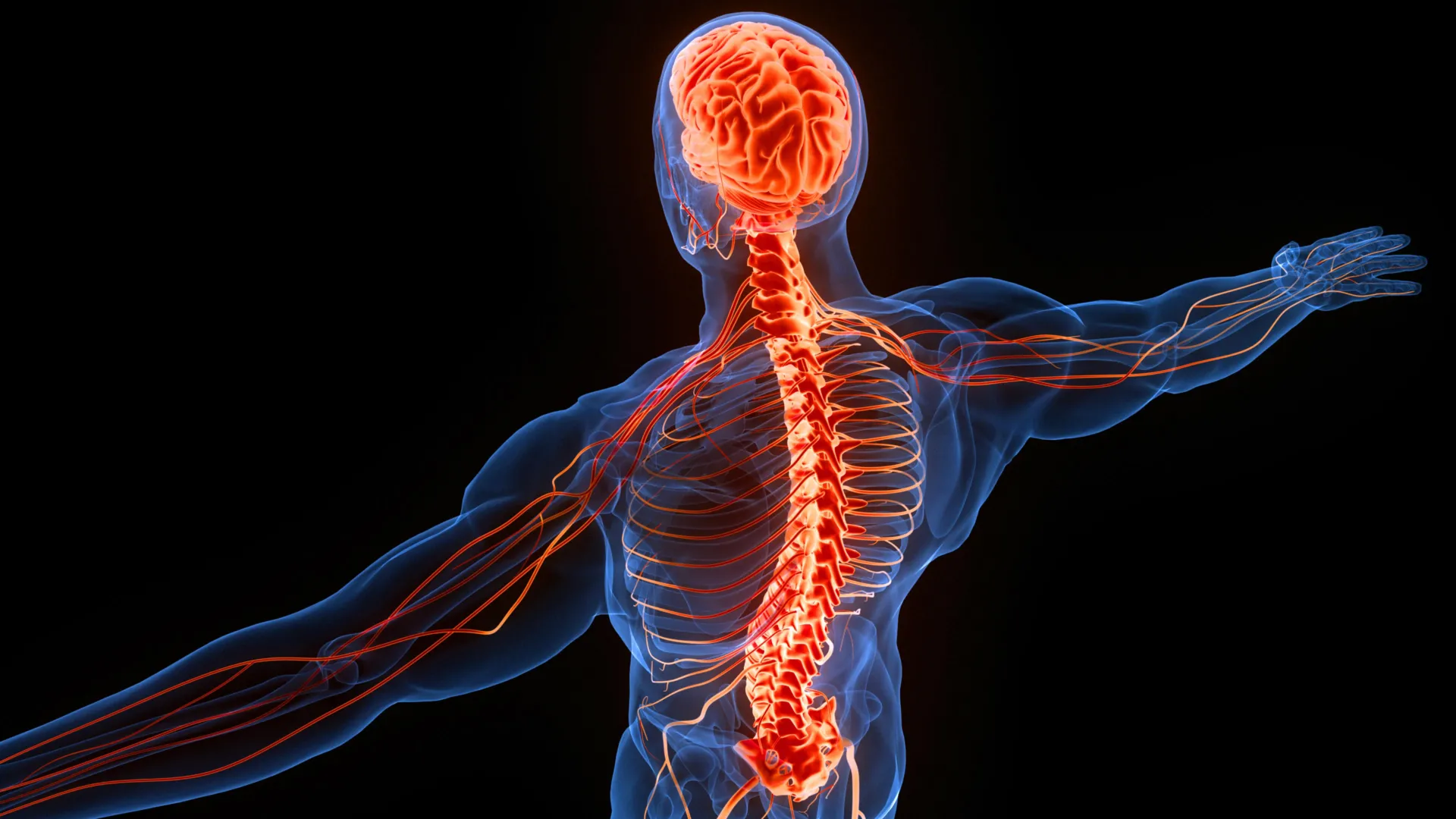
Scientists propose that the brain’s mysterious cross-wiring, which connects each hemisphere to the opposite side of the body, may have originated more than 500 million years ago in the visual systems of ancient fish. Rather than evolving for a specific advantage, this unusual arrangement may simply be a legacy of evolution building new brain circuits on an ancient foundation.

📅 2026-11-04 13:24:52    •    ScienceDaily
Permanent daylight saving time has a dark side, scientists warn
Science News

Permanent daylight saving time has a dark side, scientists warn

A new study warns that permanent daylight saving time could force American children to make at least 2 billion additional school commutes in darkness, potentially increasing safety risks and disrupting their biological clocks. Researchers found that fatal crashes involving school-aged pedestrians were roughly twice as likely during dark mornings as after sunrise.

📅 2026-11-04 12:50:48    •    ScienceDaily
A tiny squeeze dramatically changes the magnetism of exotic materials
Science News

A tiny squeeze dramatically changes the magnetism of exotic materials

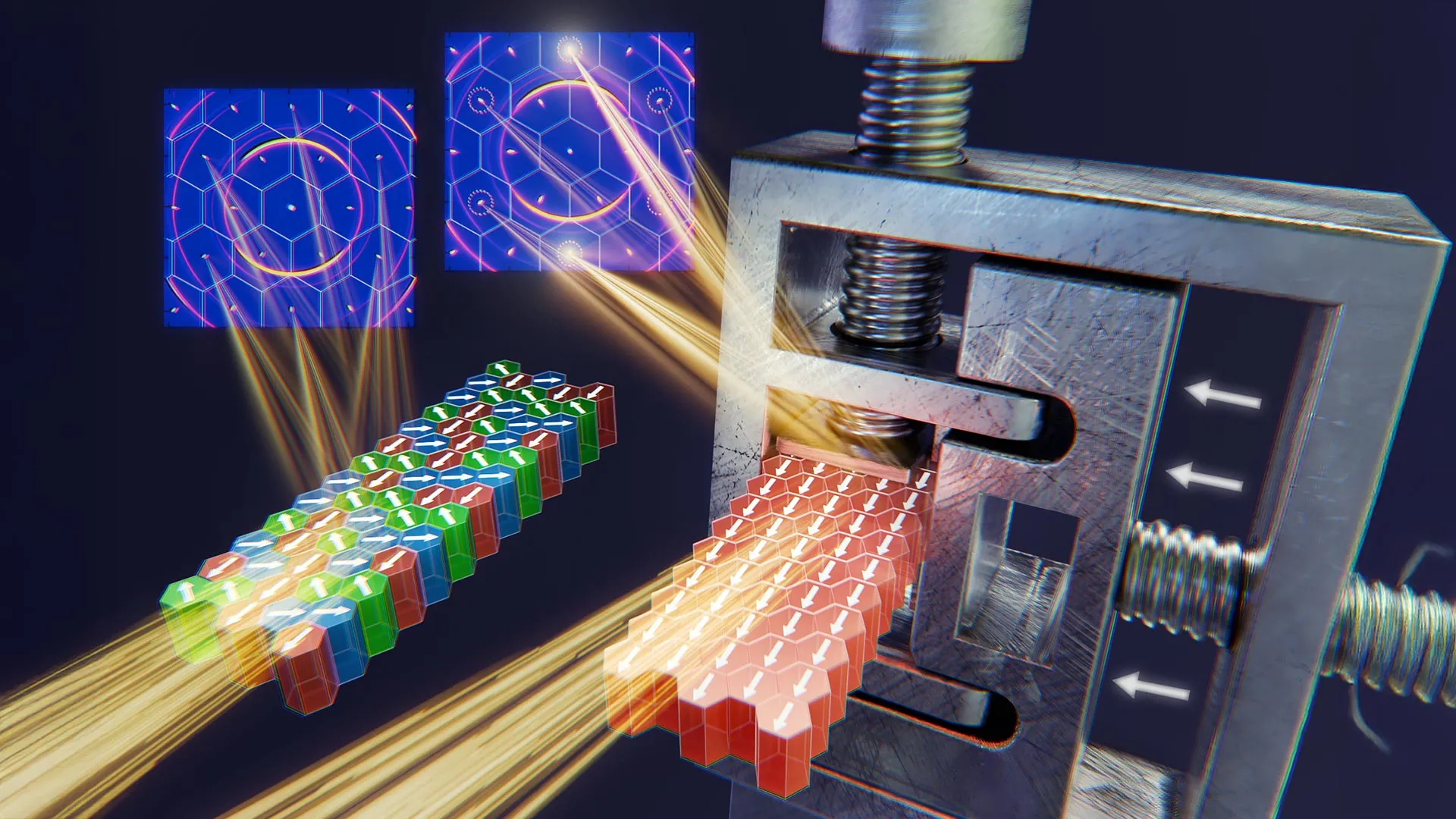
Scientists have discovered that a simple mechanical squeeze can dramatically alter the magnetic properties and electrical behavior of exotic materials called altermagnets. The surprising breakthrough could open the door to faster, more energy-efficient electronics and new technologies for quantum computing.

📅 2026-11-04 12:37:52    •    ScienceDaily