
Science News
Indonesia haze chokes neighbors, but little legal recourse
Haze from Indonesian wildfires has blanketed neighboring Malaysia and Singapore for more than a month, closing schools and sending respiratory complaints skyrocketing.
Latest science news, discoveries and scientific developments.
Haze from Indonesian wildfires has blanketed neighboring Malaysia and Singapore for more than a month, closing schools and sending respiratory complaints skyrocketing.
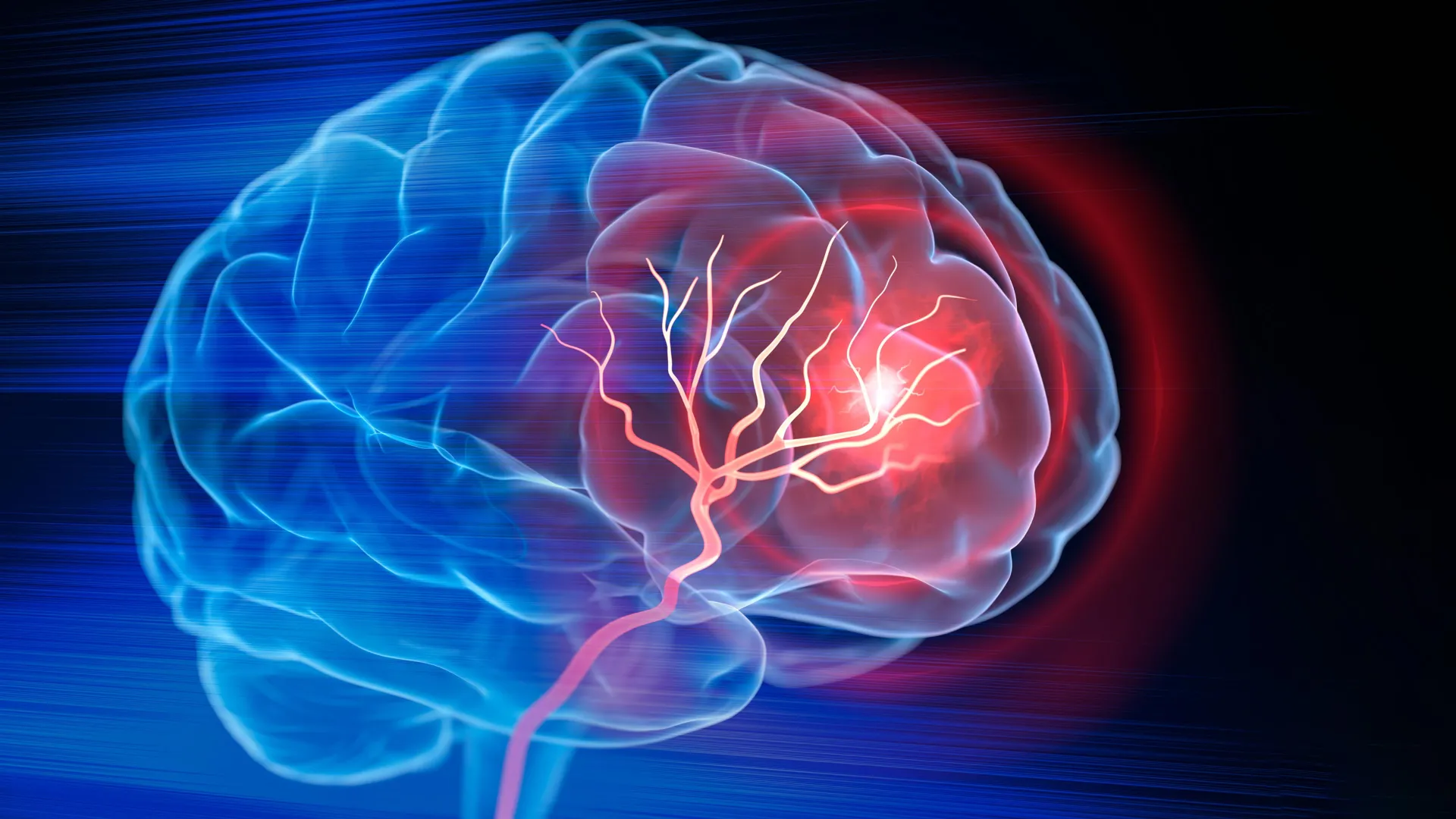
The Alzheimer’s risk gene APOE4 may actively damage brain blood vessels and sabotage the cellular systems that remove harmful proteins. Researchers were able to reverse some of these effects in experiments, revealing promising new targets for Alzheimer’s, Parkinson’s, and other neurodegenerative diseases.

New research has found that the rate of hip fractures among astronauts after spaceflights lasting more than 90 days was higher than after shorter spaceflights or among people who were not astronauts. The findings of the study in Mayo Clinic Proceedings, underscore the need for expanded assessment of astronauts' long-term skeletal health.

Due to global warming, Swiss forests are now at a tipping point where summer droughts are overwhelming trees' tolerance and resilience, scientists have shown. That bodes ill for people in the valleys because forests form their first line of defense against avalanches, rockfalls, landslides and floods.

Why can't a flight jacket be pink or purple? That was the question a 6-year-old girl asked her mother, Kellie Gerardi, an astronaut, researcher and science communicator. When Gerardi later appeared in a TV interview wearing a bright pink flight jacket, her daughter pointed to her mom on the TV screen, smiling with delight. This exchange—which appeared in a post on Gerardi's Instagram account—was a personal moment, skillfully presented through the language and visuals of social media. But it also conveys a clear message: Femininity and scientific credibility are not mutually exclusive.

Researchers have experimentally observed energy patterns that physicists have predicted for about 40 years. By arranging laser-trapped atoms into a quantum simulator, they recreated two different quantum tipping points and watched the atoms fall into the exact energy ratios predicted by theory. The technique could now be used to explore mysterious quantum systems where scientists do not already know the answer.

Every fall, monarch butterflies fuel up on nectar from Iowa's fall-blooming wildflowers before embarking on an extraordinary migration from North America to Mexico. But the pathways they take and how their travel is affected by weather and other factors have largely remained a mystery.
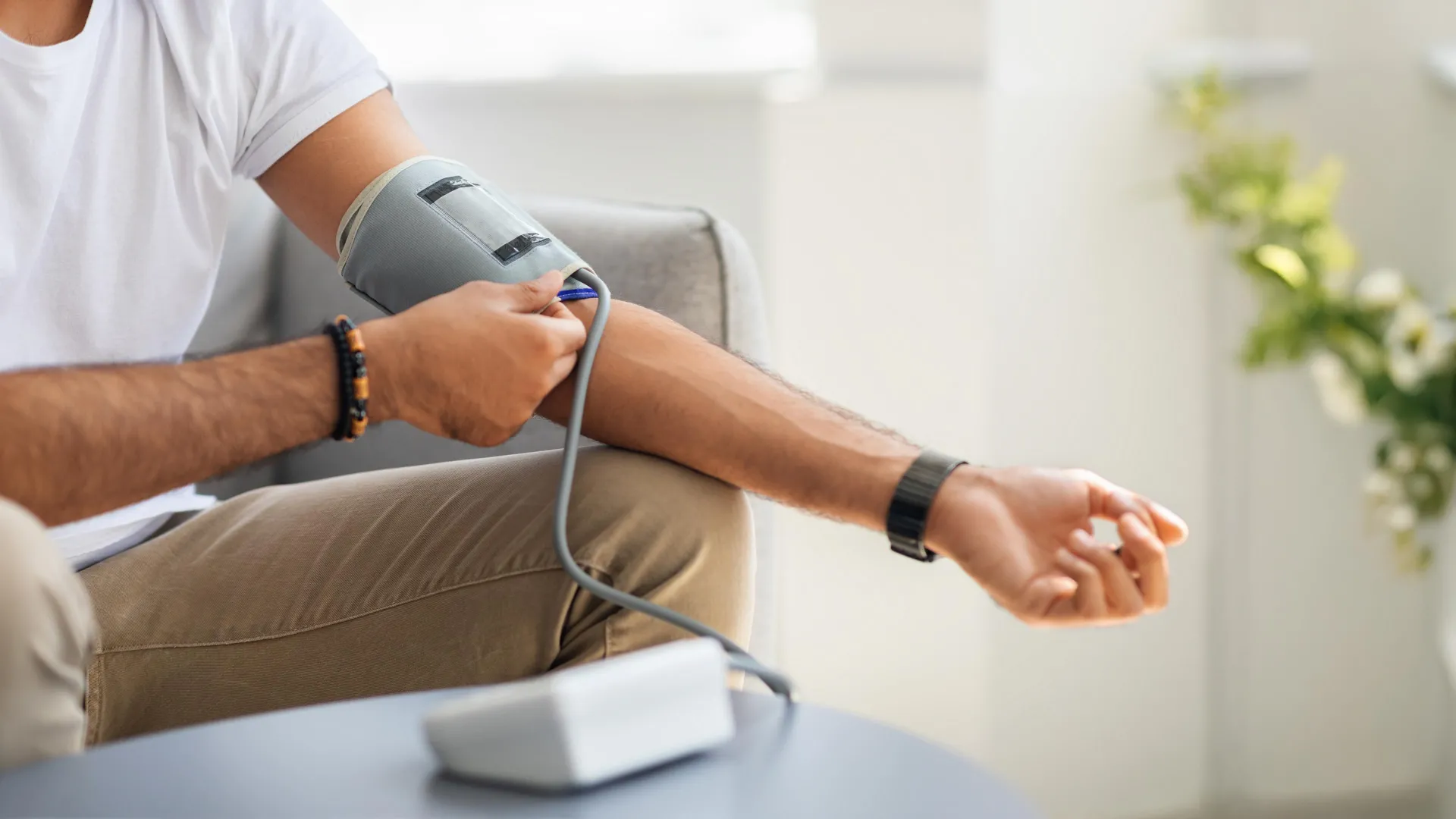
A common mistake during blood pressure checks could make readings appear substantially higher than they really are. Johns Hopkins researchers found that leaving the arm unsupported can raise systolic readings by about 6.5 mmHg, potentially affecting a hypertension diagnosis.

"The Traitors" has become essential viewing for millions of fans. The TV game show, in which a group of "faithfuls" try to identify a smaller number of hidden traitors, is all about truth and lies.

Finding alternatives to precious metals in chemical manufacturing may be less like sourcing a substitute and more like tuning an instrument already in hand.

New research from the DTU National Food Institute and Aarhus University shows that microorganisms can be used to specifically alter the amino acid composition of plant-based foods, making them more nutritious and therefore healthier.

The Russian invasion of Ukraine continues into 2026, with millions of Ukrainians displaced around the world. Many arrived in host countries with professional experience, degrees and specialized skills. Yet displacement often leaves highly educated refugees unable to continue their previous careers.

New research has shown that a "floating scarecrow" developed by U.K.-based scientists and a repurposed bird-scaring kite can help save threatened seabirds from getting caught in fishing nets.

Community-led archaeology has uncovered the remains of an early medieval monastery in Argyll, western Scotland, identifying it as the high-ranking ecclesiastical center of Lios Mòr, previously known only from historical references and local traditions.

Switzerland's glaciers lost more than 5% of their ice volume in 2026. Although melt rates did not quite reach the record levels of 2022, glacier thickness decreased by an average of 2.5 to 4 meters (8 to 13 feet) this year, and some glacier tongues lost up to 10 meters (33 feet) of ice. The research is published in the journal GLAMOS—Glacier Monitoring Switzerland.

Although it is not always obvious, sound guides how we experience the world around us. And the latest archaeoacoustic techniques show that even the world's earliest architects understood this.

A protein that's essential to every cell's ability to turn off unnecessary genes is well known for its key function of compacting genes and its connection to cancer when it undergoes mutation. But until now, scientists weren't quite sure how the protein gets where it needs to go to keep genes bound up so they aren't activated.

For centuries, historians have drawn the boundaries of where ancient people lived based on the evidence they left behind. By studying their remains, burial practices and other archaeological clues, they can determine the types of relationships they had with other people in the area. However, this can all change when new archaeological evidence is found.

The longer it takes to transition away from fossil fuels such as coal, the more costs accrue as climate change accelerates.

A team of marine scientists led by researchers at the University of California, Santa Cruz, has developed a new approach to predicting harmful algal blooms (HABs), changing how oceanographers track these hazardous marine events.