Science News

Latest science news, discoveries and scientific developments.

Coffee doesn’t have to keep you awake to disrupt your sleep
Science News

Coffee doesn’t have to keep you awake to disrupt your sleep

Caffeine may make sleep less restorative even when you fall asleep normally and stay in bed for eight hours, with EEG recordings revealing fewer of the slow brain waves associated with deep sleep. Individual sensitivity varies dramatically, meaning even caffeine consumed earlier in the day could affect nighttime recovery for some people.
📅 2026-09-22 13:42:49    •    ScienceDaily
This emerging treatment could help people avoid knee replacement surgery
Science News

This emerging treatment could help people avoid knee replacement surgery

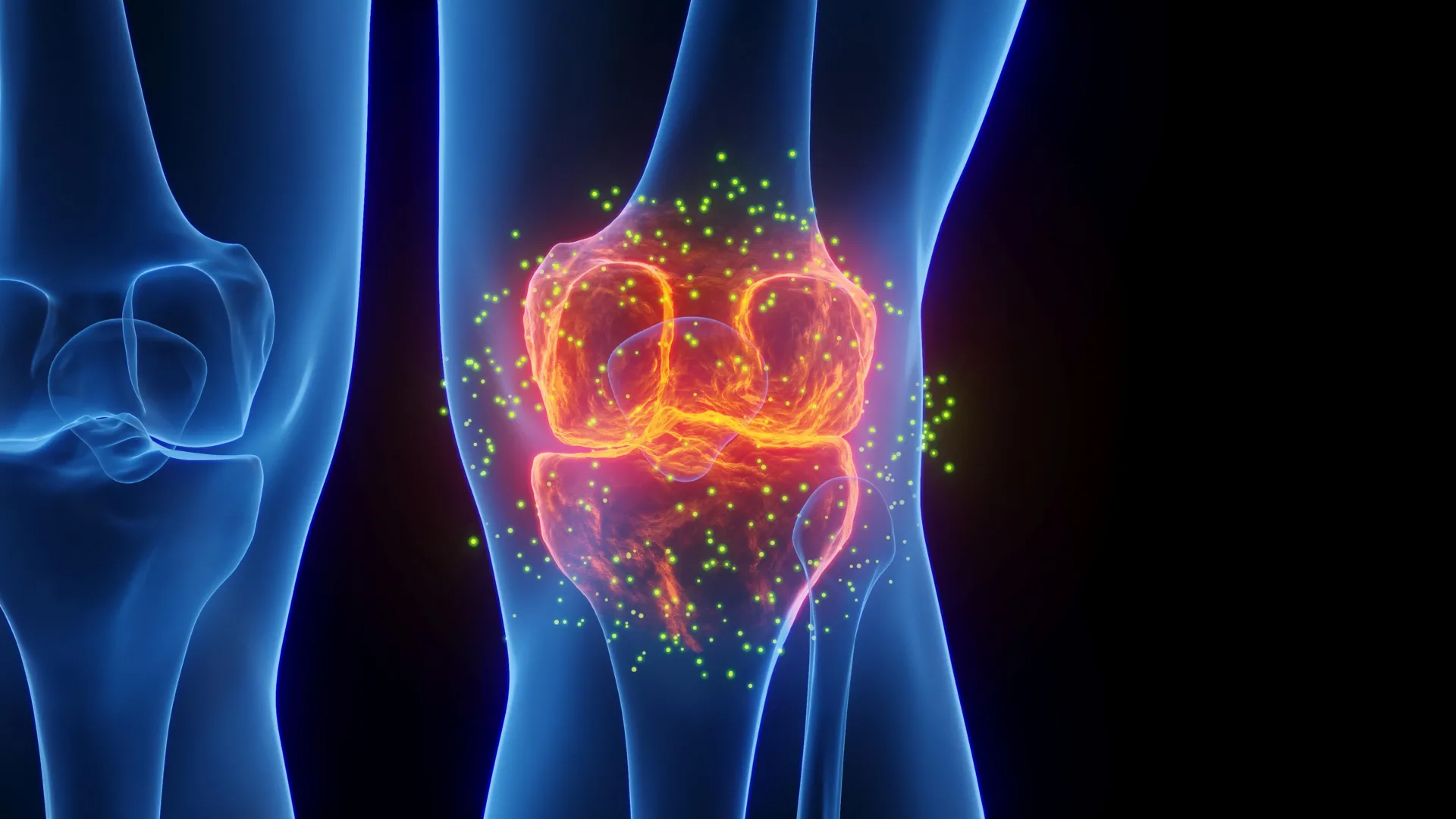
A minimally invasive procedure called genicular artery embolization could offer a new middle ground between conservative treatments and knee replacement for osteoarthritis. By blocking tiny blood vessels associated with inflammation, GAE can significantly reduce pain, with some patients reporting little or no pain afterward. Studies suggest the benefits may last two to four years in people who respond well.

📅 2026-09-22 13:31:54    •    ScienceDaily
For the first time, scientists watch sound jump between quantum states
Science News

For the first time, scientists watch sound jump between quantum states

Stanford researchers have recorded the first real-time quantum jumps of sound, watching single phonons abruptly vanish from one energy state to another. The breakthrough could open new paths for quantum computing, error correction, highly sensitive biological sensors, and next-generation sound-based devices.

📅 2026-09-22 13:17:20    •    ScienceDaily
Humpback whale mother may have mourned her dead calf for days
Science News

Humpback whale mother may have mourned her dead calf for days

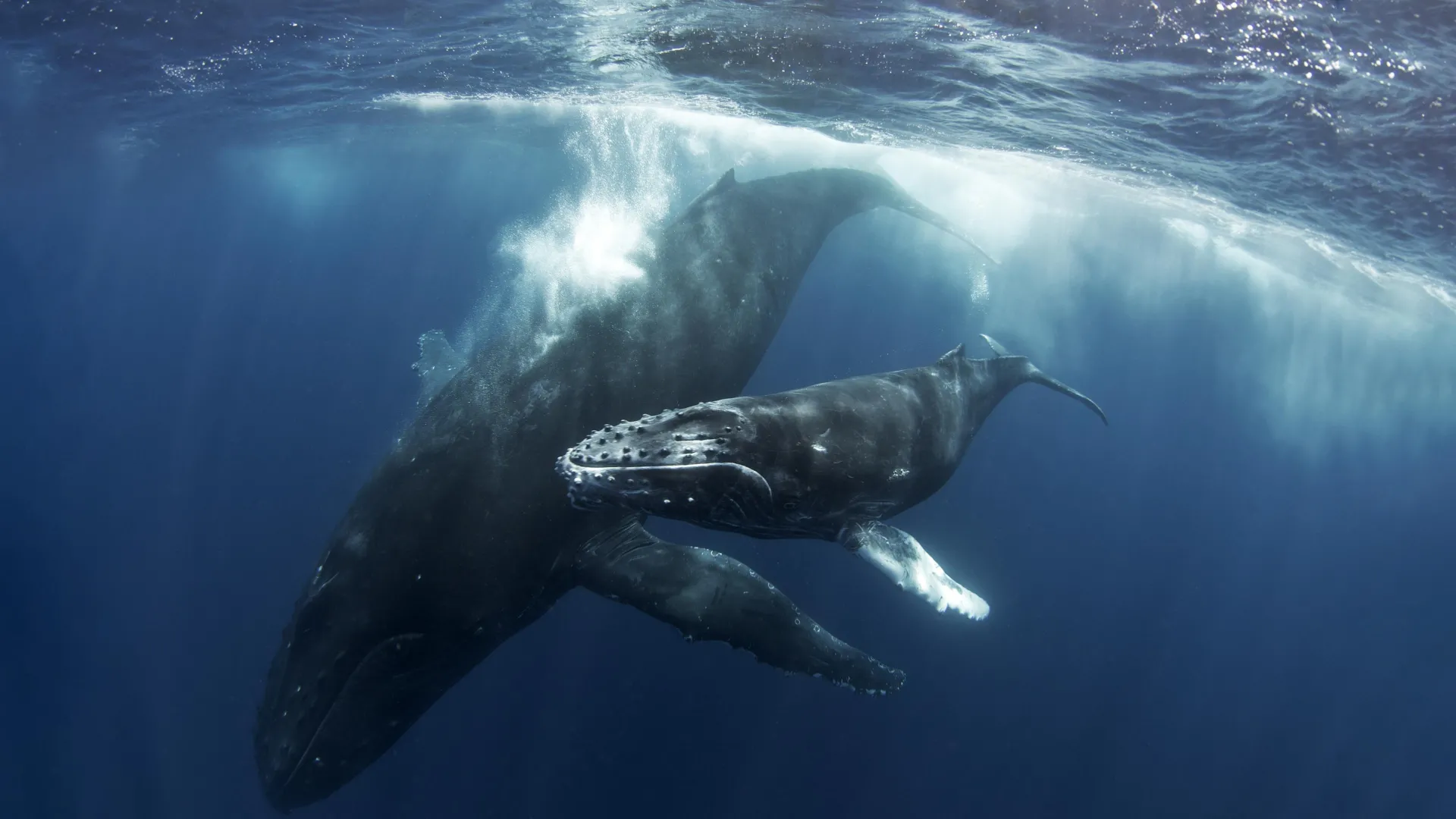
Researchers observed a humpback whale mother staying beside her presumed stillborn calf for hours and possibly days off Australia’s Gold Coast. She maintained eye contact and remained close to the calf in behavior resembling caregiving and nurturing. Scientists say the rare observation may provide new insight into grief, maternal attachment, and emotional complexity in humpback whales.

📅 2026-09-22 13:05:14    •    ScienceDaily
MIT’s tiny flying robot gets 450% faster with AI
Science News

MIT’s tiny flying robot gets 450% faster with AI

A new AI control system lets MIT’s tiny flying robot move with insect-like agility, boosting its speed by about 450 percent and allowing it to pull off 10 somersaults in 11 seconds. The technology could eventually enable miniature robots to search earthquake rubble and navigate dangerous spaces that conventional drones cannot reach.

📅 2026-09-22 12:52:43    •    ScienceDaily
Nearly 2,400-year-old school where Aristotle taught Alexander the Great discovered in Greece
Science News

Nearly 2,400-year-old school where Aristotle taught Alexander the Great discovered in Greece

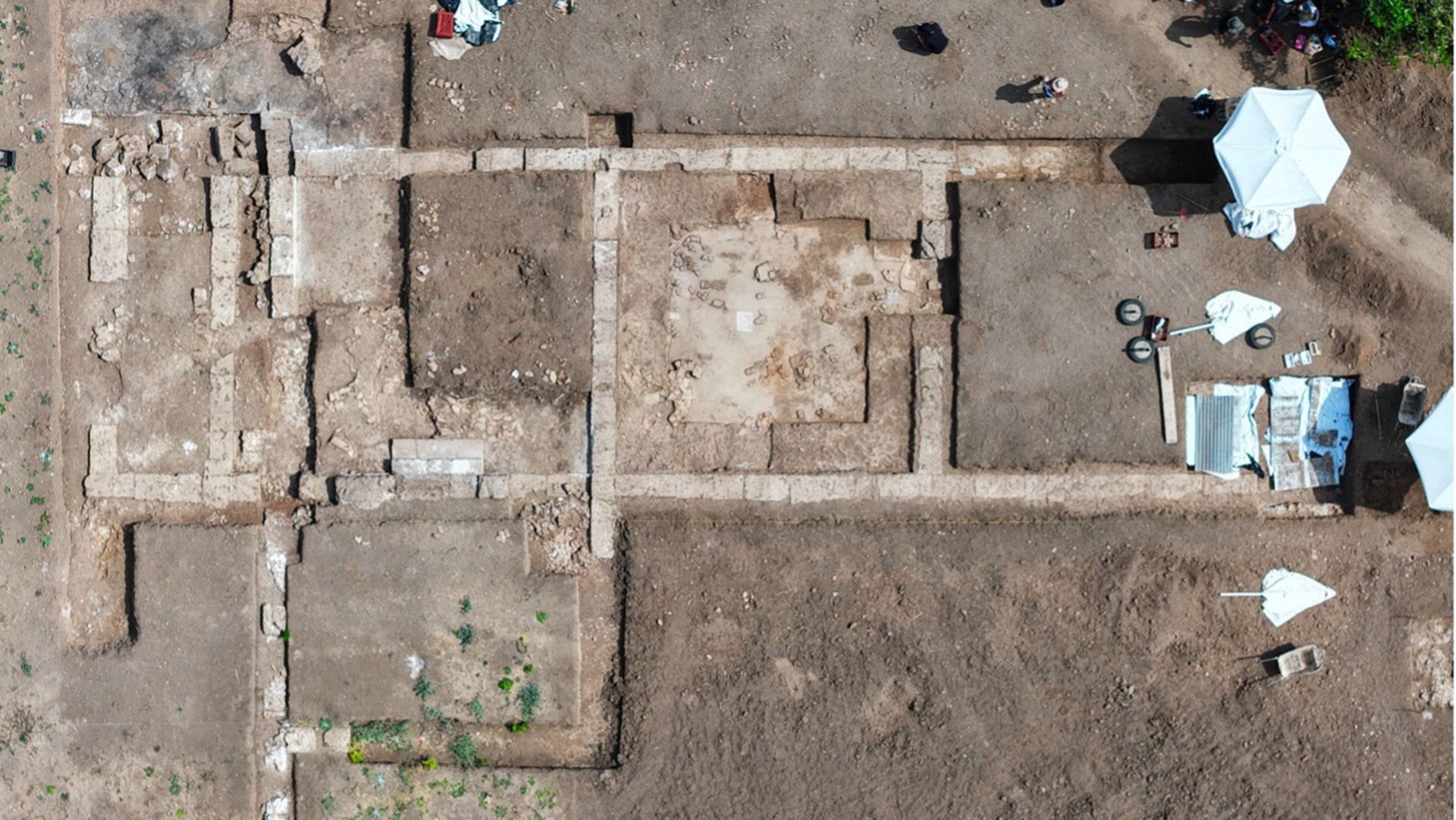
The school where Alexander the Great was educated by Aristotle more than 2,300 years ago has been uncovered in the ancient Macedonian city of Mieza, now in northern Greece, the Hellenic Ministry of Culture said in a translated statement. Archaeologists unearthed a building complex containing two banquet halls, a sporting arena, a stadium, a roofed porch and a lecture hall with stone desks, according to the statement. Mosaic floors and columns decorated the complex. The banquet halls had raised pedestals where nearly a dozen couches would originally have been placed. The decoration and architecture of the school is similar to that of the Macedonian royal palace at Aigai (modern Vergina in nor...

📅 2026-09-22 12:00:00    •    Live Science
This new concrete is stronger and pulls CO2 from the air
Science News

This new concrete is stronger and pulls CO2 from the air

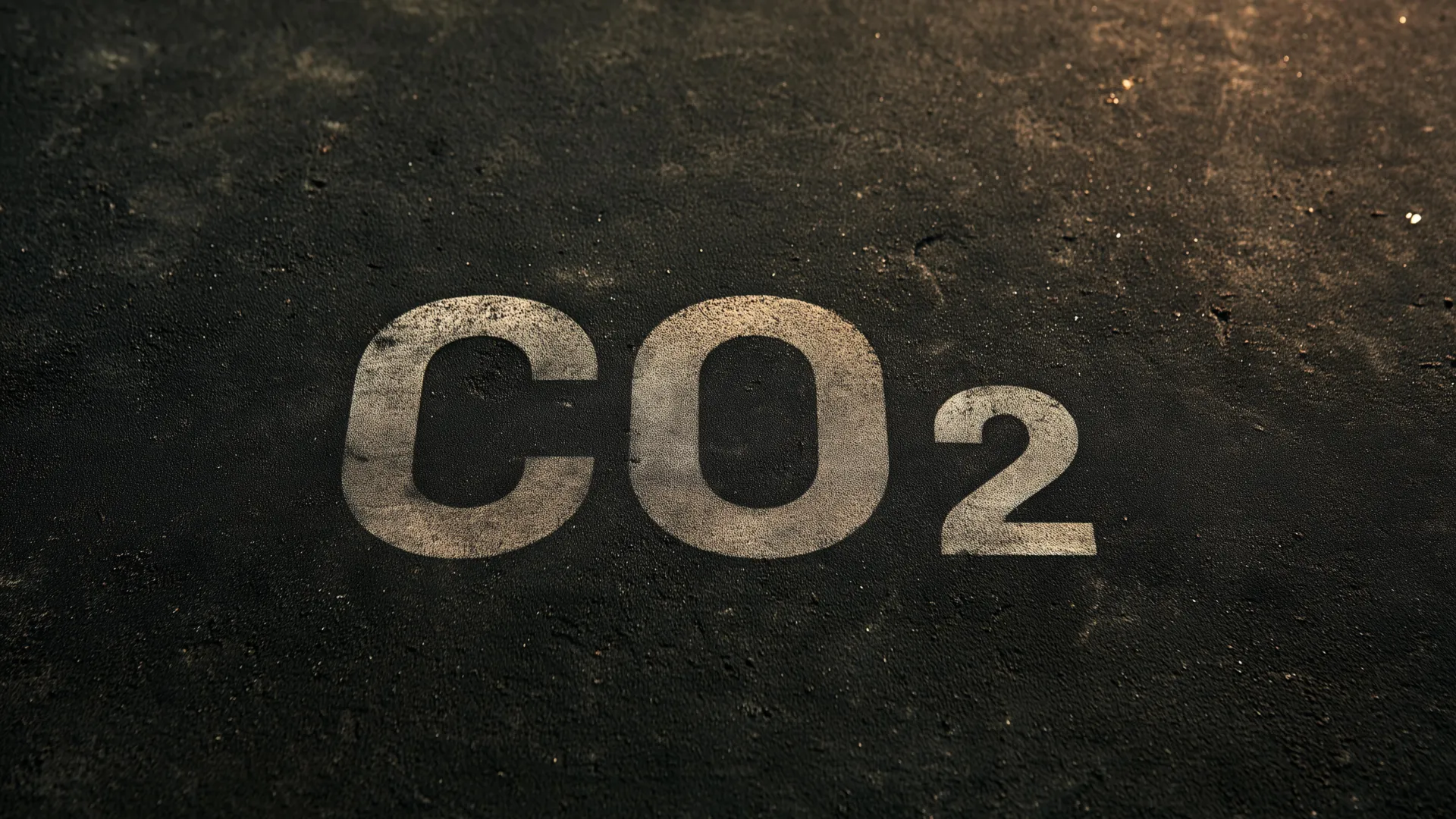
Researchers have created a concrete mixture that is both stronger and capable of absorbing carbon dioxide. The best formula, combining zeolite with bamboo biochar, boosted compressive strength by 7.48% and tensile strength by 15% compared with conventional concrete. It also captured about 1.2 grams of CO₂ per day in laboratory testing.

📅 2026-09-22 11:46:55    •    ScienceDaily
'Once every 130 years': A huge new crater on the moon could be a giant leap for lunar science, researcher says
Science News

'Once every 130 years': A huge new crater on the moon could be a giant leap for lunar science, researcher says

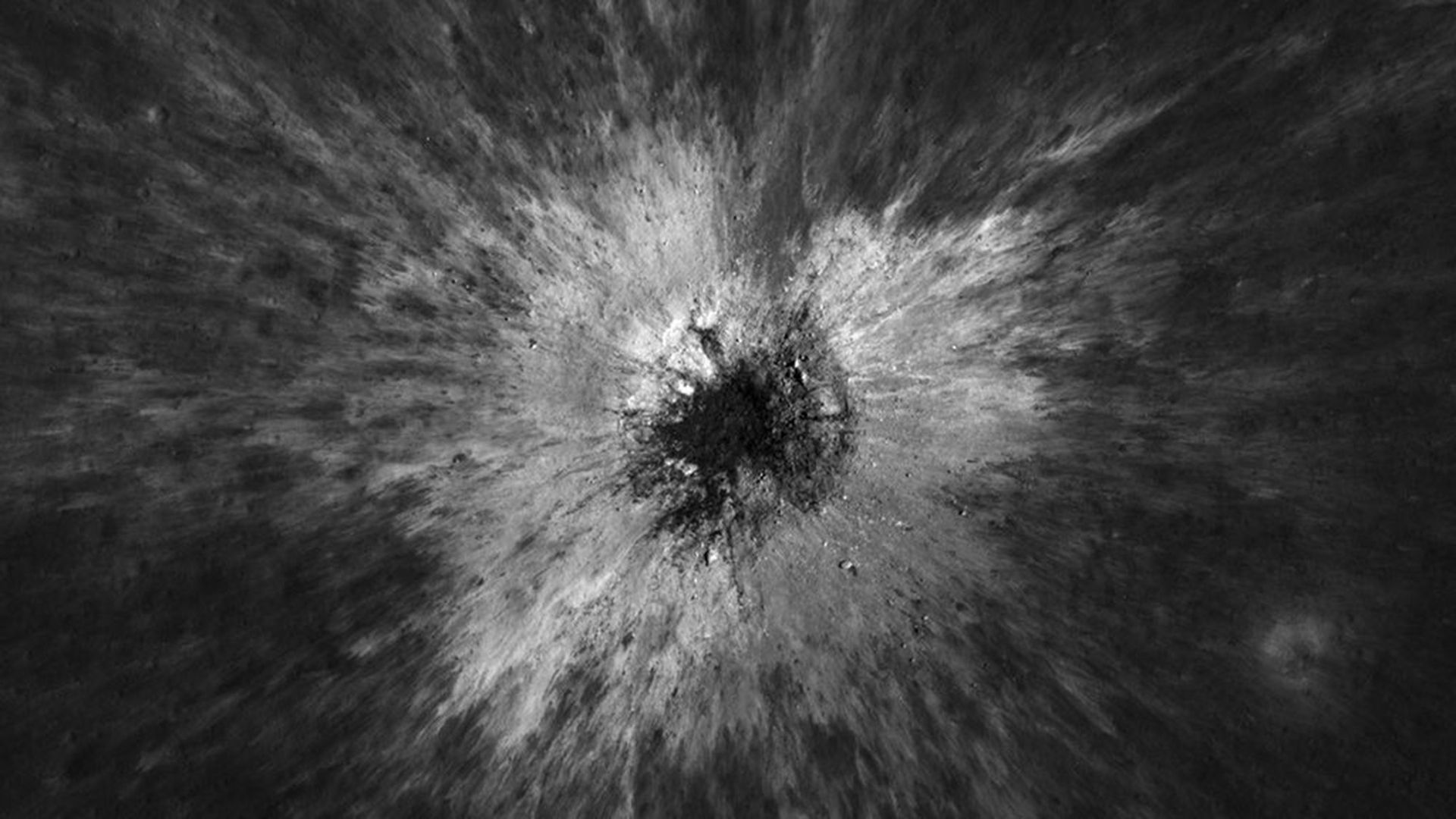
Since launching in 2009, NASA's Lunar Reconnaissance Orbiter (LRO) — a robotic satellite about the size of a minivan — has taken more than 3 million photos of the lunar surface. This week, scientists studying a few hundred of those photos announced what they're calling a "once-in-a-century" discovery: the biggest, freshest impact crater ever seen in the solar system. ‪It's the result of a building-size meteorite that slammed into the moon just two years ago.The new lunar pockmark, named McGetchin crater after the late geologist and lunar scientist Tom McGetchin, is about 728 feet (222 meters) wide, on average, and 141 feet (43 m) deep ‪—‬ imagine a hole as long as two American football field...

📅 2026-09-22 11:30:00    •    Live Science
700-year-old skull from China is first ever skeletal evidence of nose amputation
Science News

700-year-old skull from China is first ever skeletal evidence of nose amputation

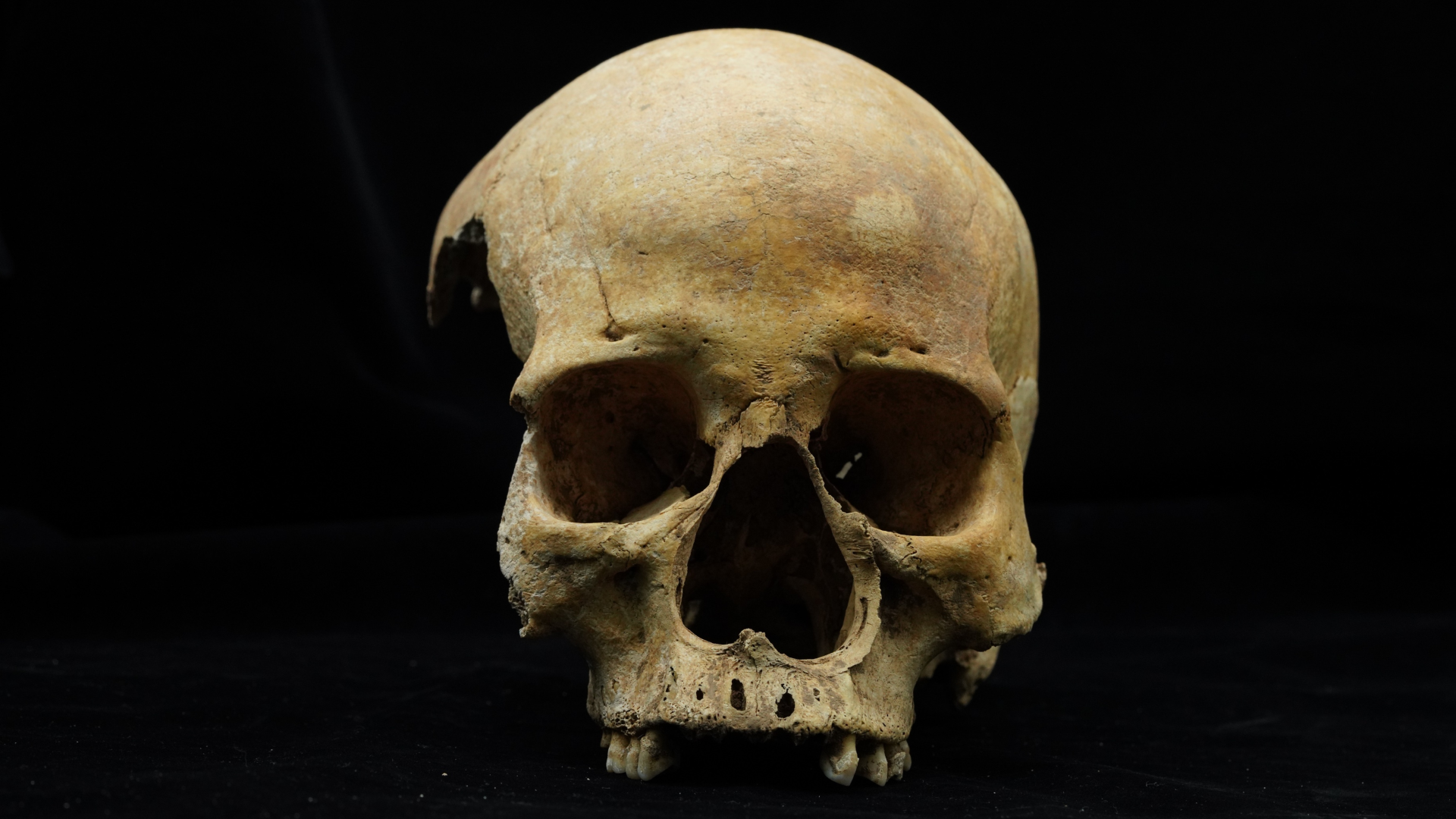
A 700-year-old female skull found in a Chinese cemetery is the world's first archaeological example of punitive nose amputation, according to a new study. The middle-aged woman survived the ruthless punishment, which may have been administered for stealing or for adultery."We believe this woman was a kind of cast-off after death. She was buried face-down, suggesting a discriminatory attitude," study co-author Qian Wang, a biological anthropologist at Texas A&M University, told Live Science in an email. "Her burial, alone, in a place without her family or community, could be a decision of disapproval."The woman's skeleton was discovered among 300 others in 2019 during an excavation of the San...

📅 2026-09-22 11:00:00    •    Live Science
A surprising slab of salt shines at the summit of the Sahara's tallest peak
Science News

A surprising slab of salt shines at the summit of the Sahara's tallest peak

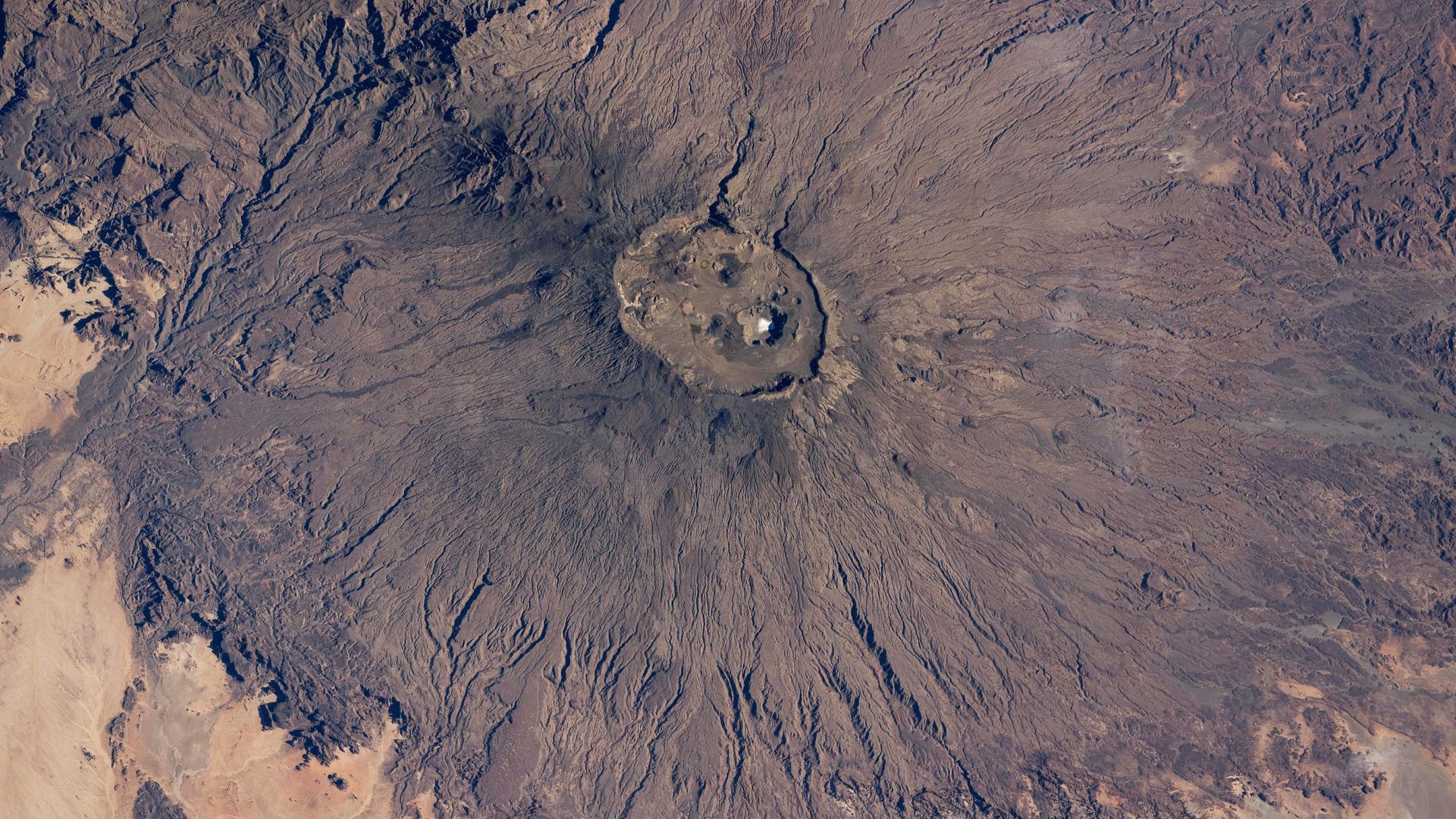
QUICK FACTSWhere is it? Emi Koussi, Chad [19.825520656, 18.551560720]What's in the photo? A patch of bright-white salt at the summit of the Sahara's tallest volcanoWho took the photo? An unnamed astronaut on board the International Space StationWhen was it taken? Dec. 29, 2024This intriguing astronaut photo shows a bright-white, salty surprise lurking at the summit of a giant volcano in the Sahara. The ancient, lava-covered peak also holds hidden, shadowy waterways, despite its extremely arid environment.Emi Koussi (also known as Emi Koussou) is a pyroclastic shield volcano in northern Chad. It's located within the Tibesti Massif, a volcanic mountain range that straddles the border between C...

📅 2026-09-22 10:46:57    •    Live Science
New LightTok chip converts light directly into 'tokens' for AI — slashing energy use in drones and other autonomous machines
Science News

New LightTok chip converts light directly into 'tokens' for AI — slashing energy use in drones and other autonomous machines

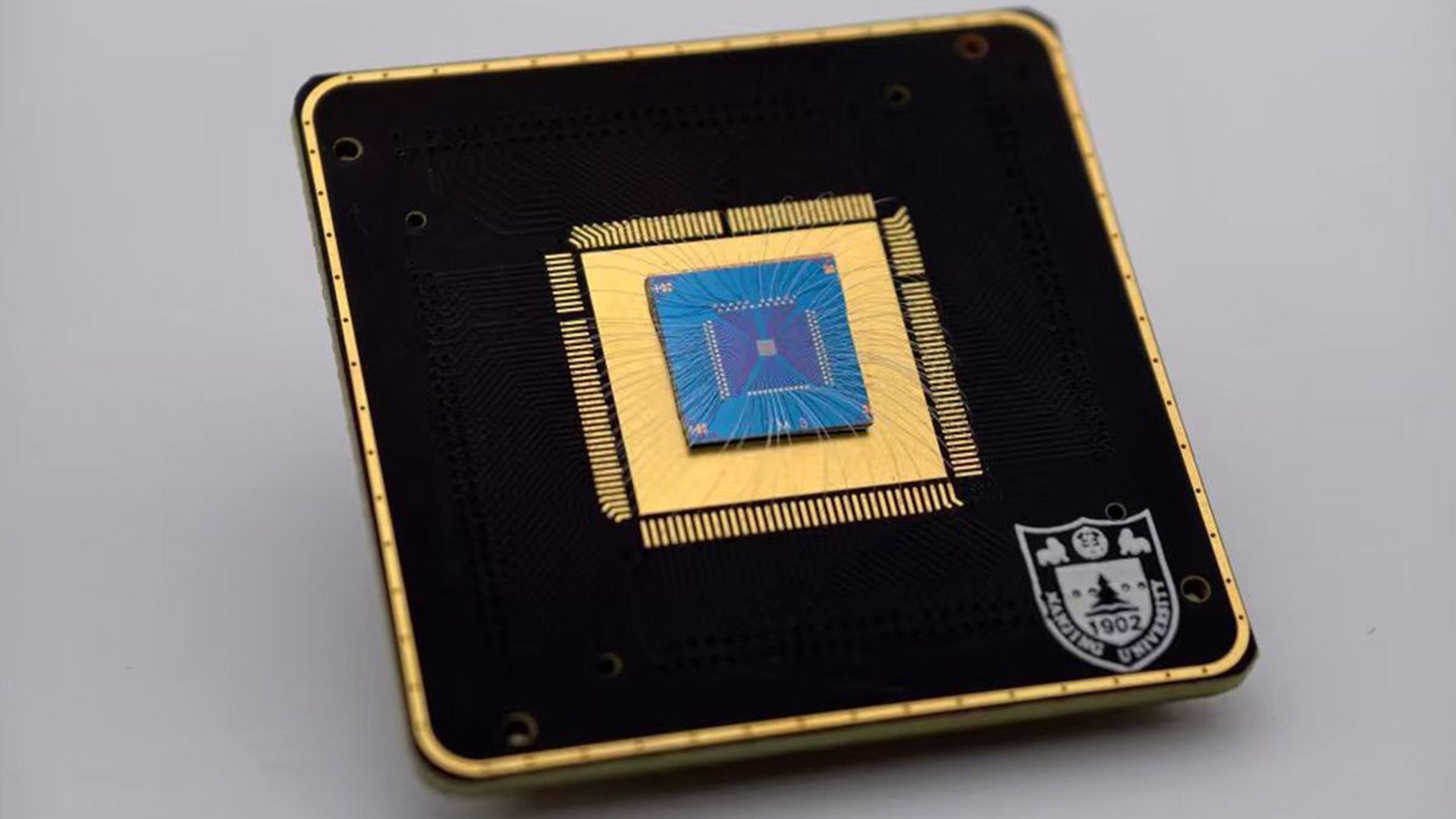
Researchers in China have developed a sensor that could reduce the amount of energy that drones and other autonomous hardware use to process visual data.In a study published Aug. 19 in the journal Nature Sensors, scientists detailed the architecture of a new 2D chip dubbed "LightTok," which can convert raw light into tokens used by artificial intelligence (AI) models on the chip itself. The device skips several energy-intensive steps that conventional sensor systems depend on, the scientists said. "Our design idea was to move token generation onto the sensor itself, allowing the chip to directly produce tokens that AI models can process once light reaches the sensor," Miao Feng, director of ...

📅 2026-09-22 10:00:00    •    Live Science
The end of humanity? What would happen if the Yellowstone supervolcano erupted now
Science News

The end of humanity? What would happen if the Yellowstone supervolcano erupted now

A Yellowstone super-eruption would begin not with a sudden surprise, but with weeks of increasingly alarming warning signs such as migrating earthquake swarms, rapid ground uplift, changing geysers, and rising volcanic gases. In a worst-case scenario, those signals could culminate in a VEI 8 eruption that blasts ash tens of kilometers into the atmosphere, unleashes deadly pyroclastic flows, buries parts of the western United States in ash, and cripples transportation, electricity, water systems, agriculture, and communications across much of North America.

📅 2026-09-22 08:32:08    •    ScienceDaily
Brain scans reveal a possible cause of long COVID fatigue and brain fog
Science News

Brain scans reveal a possible cause of long COVID fatigue and brain fog

Researchers have found evidence that long COVID may damage dopamine releasing neurons in the brain, potentially explaining persistent fatigue, low motivation, slowed movement, and memory difficulties. The discovery could lead to new treatments that target the brain's dopamine system.

📅 2026-09-22 03:48:58    •    ScienceDaily
Scientists discover first new penguin species in more than 100 years
Science News

Scientists discover first new penguin species in more than 100 years

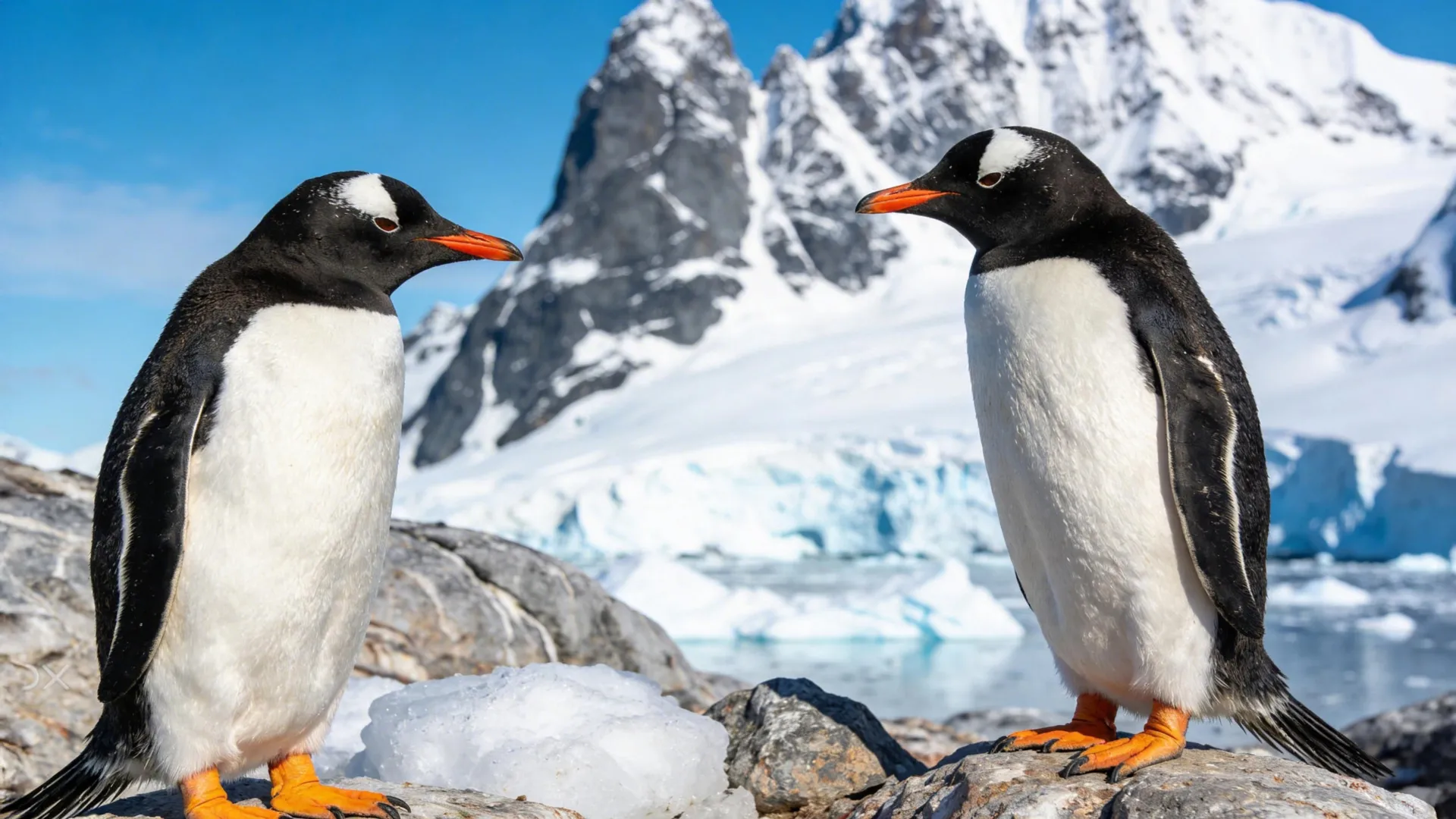
Genetic evidence has revealed a previously unknown gentoo penguin species on the remote Kerguelen Islands and shown that gentoos actually consist of four distinct species. The discovery also highlights a growing threat, as warming oceans could leave several island populations with little suitable habitat by 2050.

📅 2026-09-22 03:11:46    •    ScienceDaily
Fast-food brands may build loyalty through emotional experiences, not service alone
Science News

Fast-food brands may build loyalty through emotional experiences, not service alone

A study of more than 800 fast-food customers suggests that loyalty to a brand is shaped not only by satisfaction with the product or service but also by customers' emotional experiences. The study, published in the International Journal of Internet Marketing and Advertising, focused on fast-food consumers in Peru but could have implications for fast-food brands in other emerging markets.

📅 2026-09-22 02:40:04    •    Phys.org