Science News

Latest science news, discoveries and scientific developments.

Amazon study reveals the best strategies for protecting biodiversity and carbon
Science News

Amazon study reveals the best strategies for protecting biodiversity and carbon

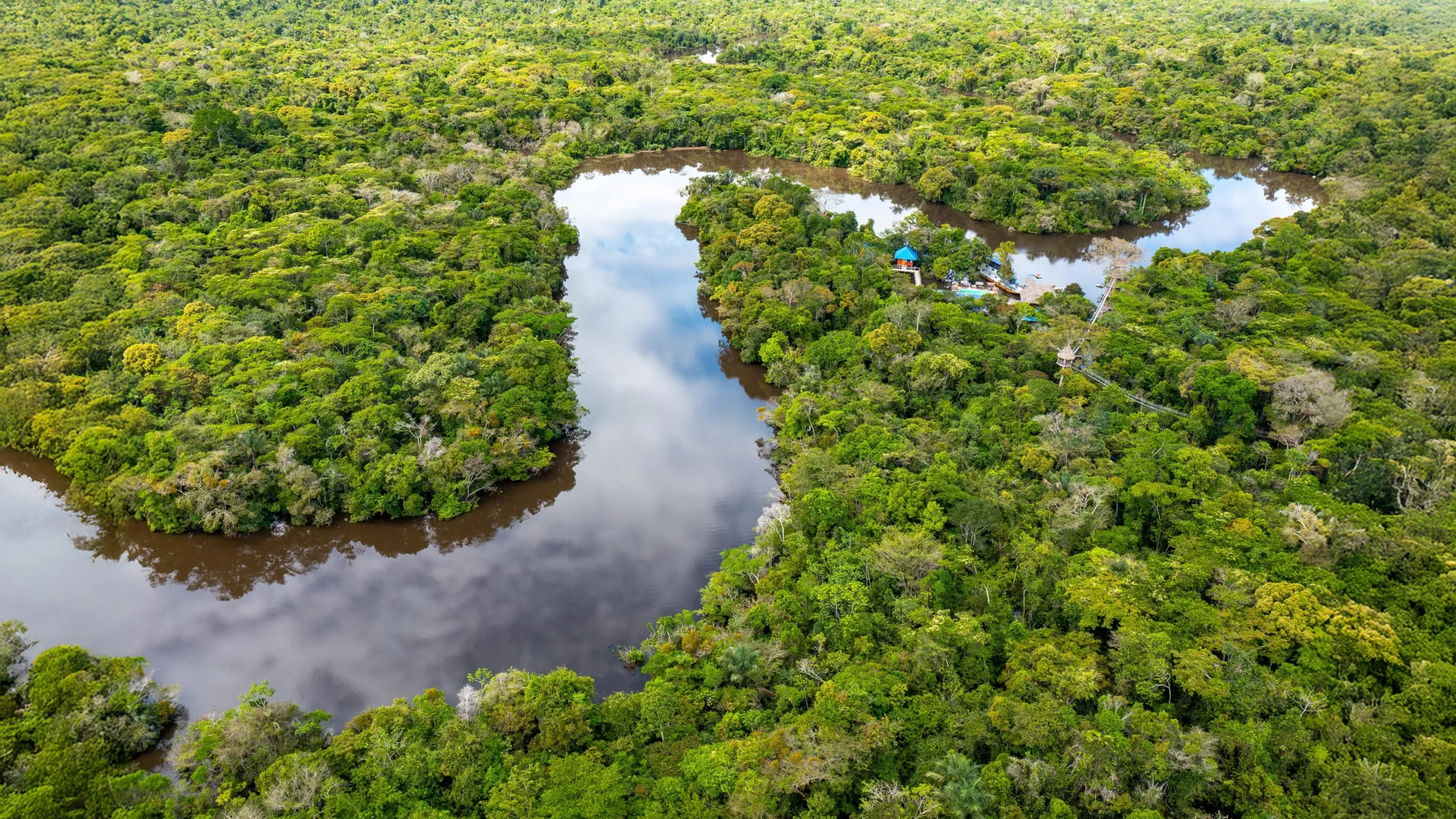
A large Amazon study suggests the most powerful conservation move may be protecting the forests that are already standing. Preventing damage from wildfires and logging delivered the greatest biodiversity benefits and nearly matched deforestation prevention for protecting carbon. Restoration remains important, particularly where forests have already been heavily cleared, but it was more expensive and less effective on its own.

📅 2026-09-21 11:54:17    •    ScienceDaily
Chronic stress may be quietly reshaping your heart
Science News

Chronic stress may be quietly reshaping your heart

Chronic inflammation tied to stress, lifestyle, mental health, and socioeconomic conditions may silently change the heart for years before any symptoms appear. People with the highest inflammation levels faced a 43% greater risk of heart attack and stroke, raising hopes that earlier testing and anti-inflammatory treatments could help prevent serious heart disease.

📅 2026-09-21 11:35:13    •    ScienceDaily
Stanford scientists discover the human brain may actually be two separate organs
Science News

Stanford scientists discover the human brain may actually be two separate organs

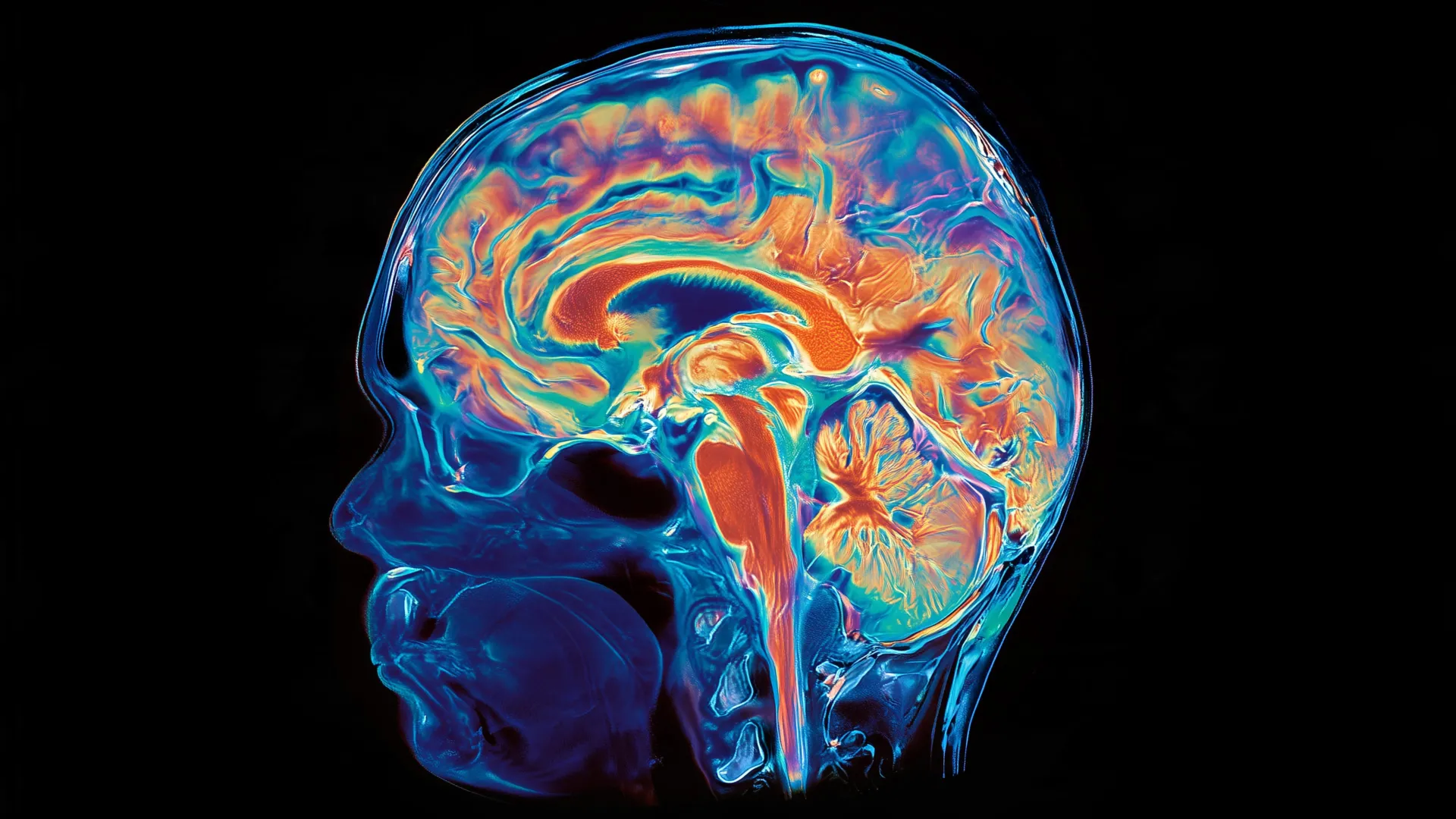
Scientists have found that the human brain develops from two distinct cellular systems, suggesting that evolution fused together two ancient nervous systems with very different jobs. The discovery also allowed researchers to grow human hindbrain neurons in the lab, opening new possibilities for studying ALS, spinal muscular atrophy, and other brainstem diseases.

📅 2026-09-21 10:12:51    •    ScienceDaily
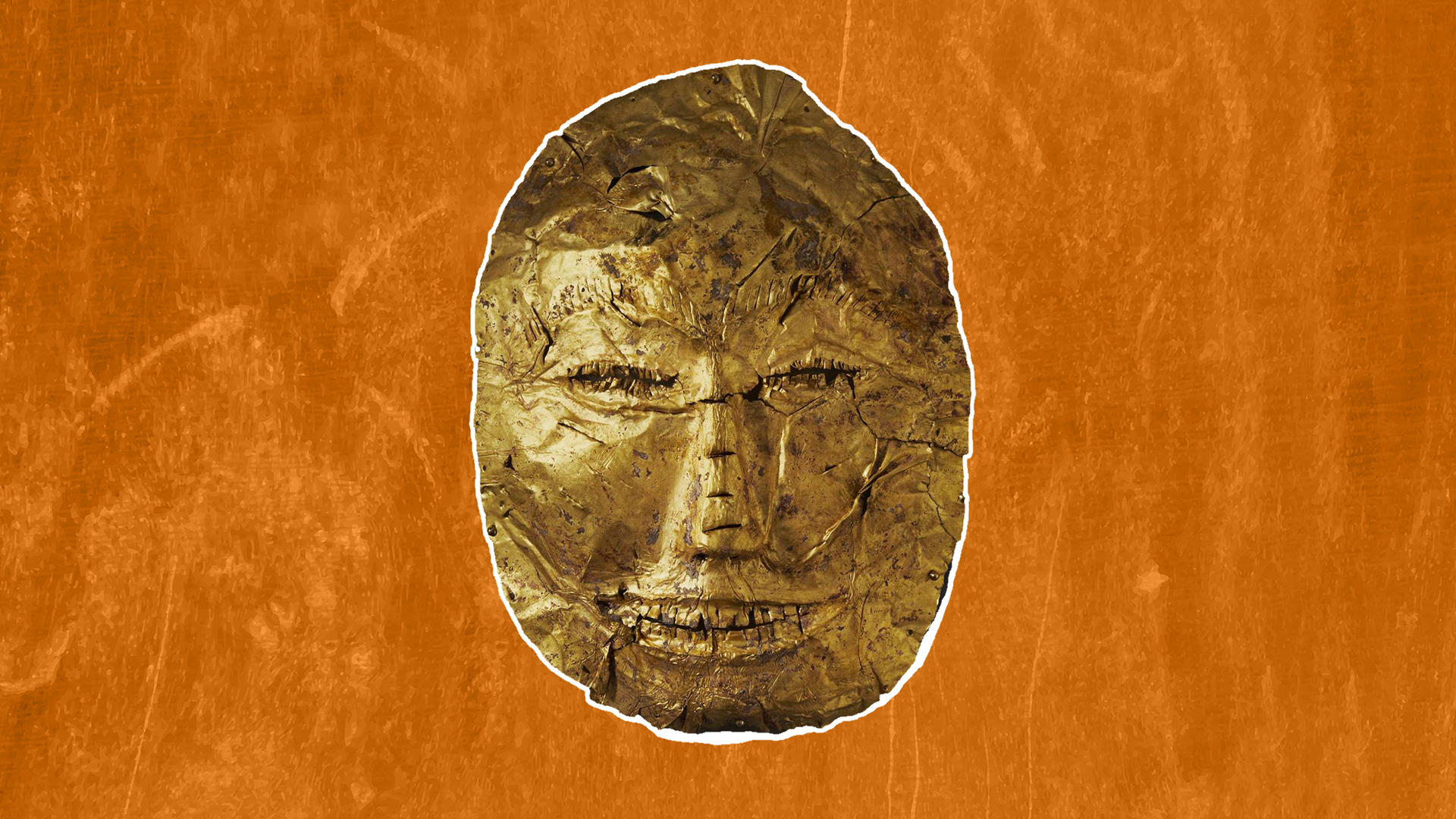
Funeral mask: A 2,000-year-old gold face covering designed to confuse the deceased's spirit so it didn't torment the living
Science News

Funeral mask: A 2,000-year-old gold face covering designed to confuse the deceased's spirit so it didn't torment the living

A prehistoric gold funeral mask from Java. (Image credit: Yale University Art Museum (CC0 1.0 Universal))QUICK FACTSName: Funeral maskWhat it is: A gold mask with a humanlike faceWhere it is from: Java, IndonesiaWhen it was made: Between 500 B.C. and A.D. 200This gold mask was made on the Indonesian island of Java around two millennia ago and was likely used to cover the face of a corpse, possibly with the aim of "confusing" the deceased's spirit so that it did not torment the living.According to the Yale University Art Gallery, which has the prehistoric artifact in its collection, the mask measures roughly 8.9 by 6.7 inches (22.6 by 17 centimeters) and weighs about 2.1 ounces (60.9 grams). ...

📅 2026-09-21 10:00:00    •    Live Science
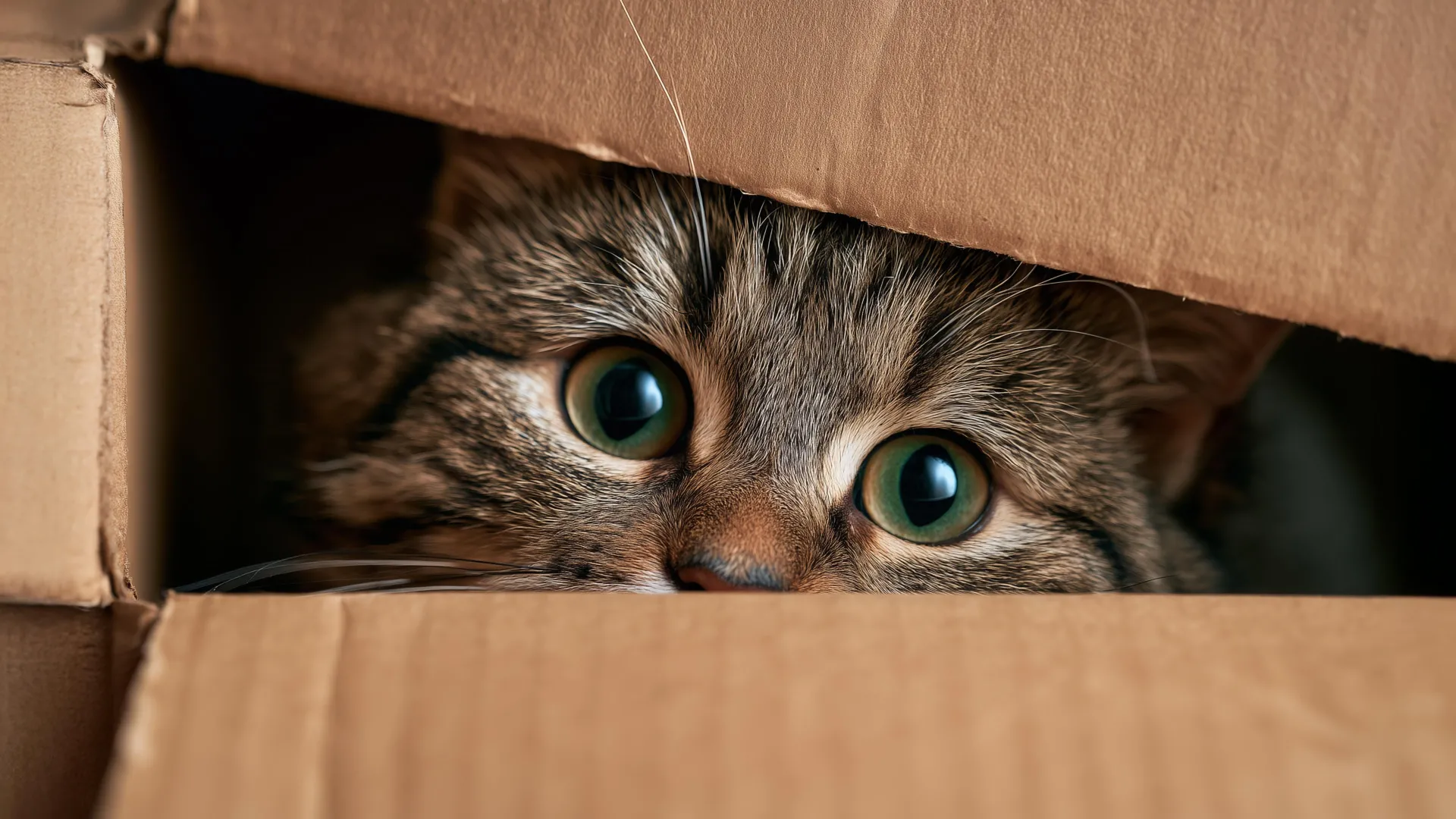
What kills Schrödinger’s cat? Gravity may not be the answer
Science News

What kills Schrödinger’s cat? Gravity may not be the answer

Physicists have put a decades-old idea about why the strange rules of quantum mechanics disappear in our everyday world to one of its toughest experimental tests yet. Deep beneath Italy’s Gran Sasso mountain, researchers searched for an extremely faint radiation signal predicted by a theory suggesting that tiny fluctuations in spacetime, caused by gravity, gradually destroy quantum superpositions. After 62 days of measurements with a highly shielded germanium detector, they found no such signal.

📅 2026-09-21 09:24:50    •    ScienceDaily
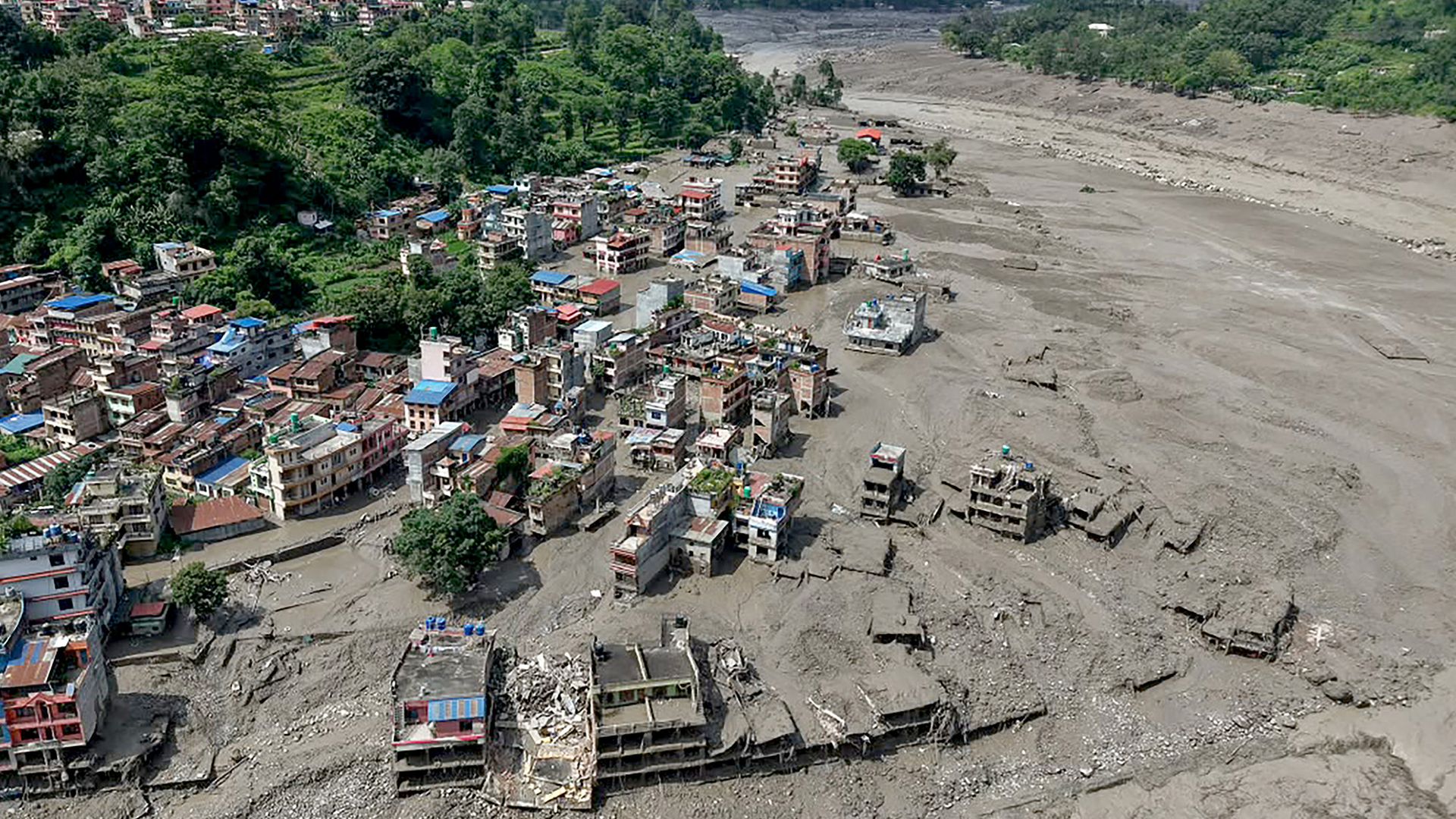
The devastating Nepal floods highlighted the danger of glaciers. Here's where the next disaster may occur.
Science News

The devastating Nepal floods highlighted the danger of glaciers. Here's where the next disaster may occur.

The massive Nepal-Tibet flood on Aug. 26 showed just how devastating glacier-related disasters can be. As of Sept. 16, the event killed at least 1,400 people, with more than 6,000 people still missing. The Himalayas, with their steep slopes studded with rapidly melting glaciers, are high risk, but areas across much of the world carry the risk of glacier-related disasters, including one tropical region that is at particular risk, experts told Live Science."Slope failure from glacier shrinkage is occurring everywhere," Mark Carey, a professor of environmental studies and geography and director of The Glacier Lab at the University of Oregon, told Live Science in an email. Nepal-Tibet floodThe r...

📅 2026-09-21 09:00:00    •    Live Science
Millions take calcium and vitamin D for bone health. A major review finds little benefit
Science News

Millions take calcium and vitamin D for bone health. A major review finds little benefit

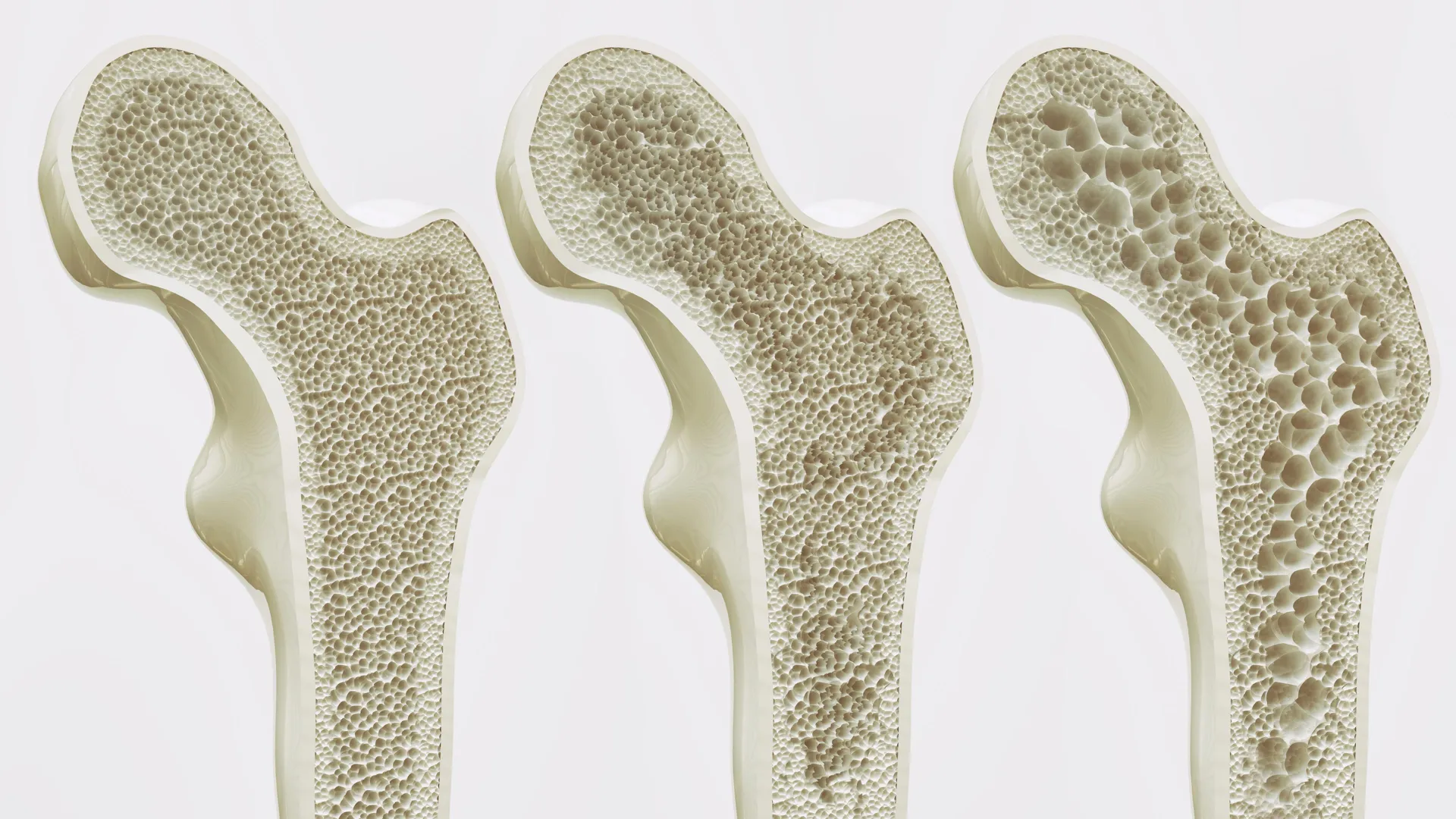
A sweeping review of more than 153,000 adults found that calcium and vitamin D supplements, alone or together, do little to prevent fractures or falls in most older people. Researchers say the findings challenge routine supplementation for prevention and point instead toward strategies such as balance and resistance exercise.

📅 2026-09-21 01:59:17    •    ScienceDaily
'Nothing short of a minor miracle': 'Rusty treasure' found in the Danube is full of 2,200-year-old iron bars that could equip an entire army with weapons
Science News

'Nothing short of a minor miracle': 'Rusty treasure' found in the Danube is full of 2,200-year-old iron bars that could equip an entire army with weapons

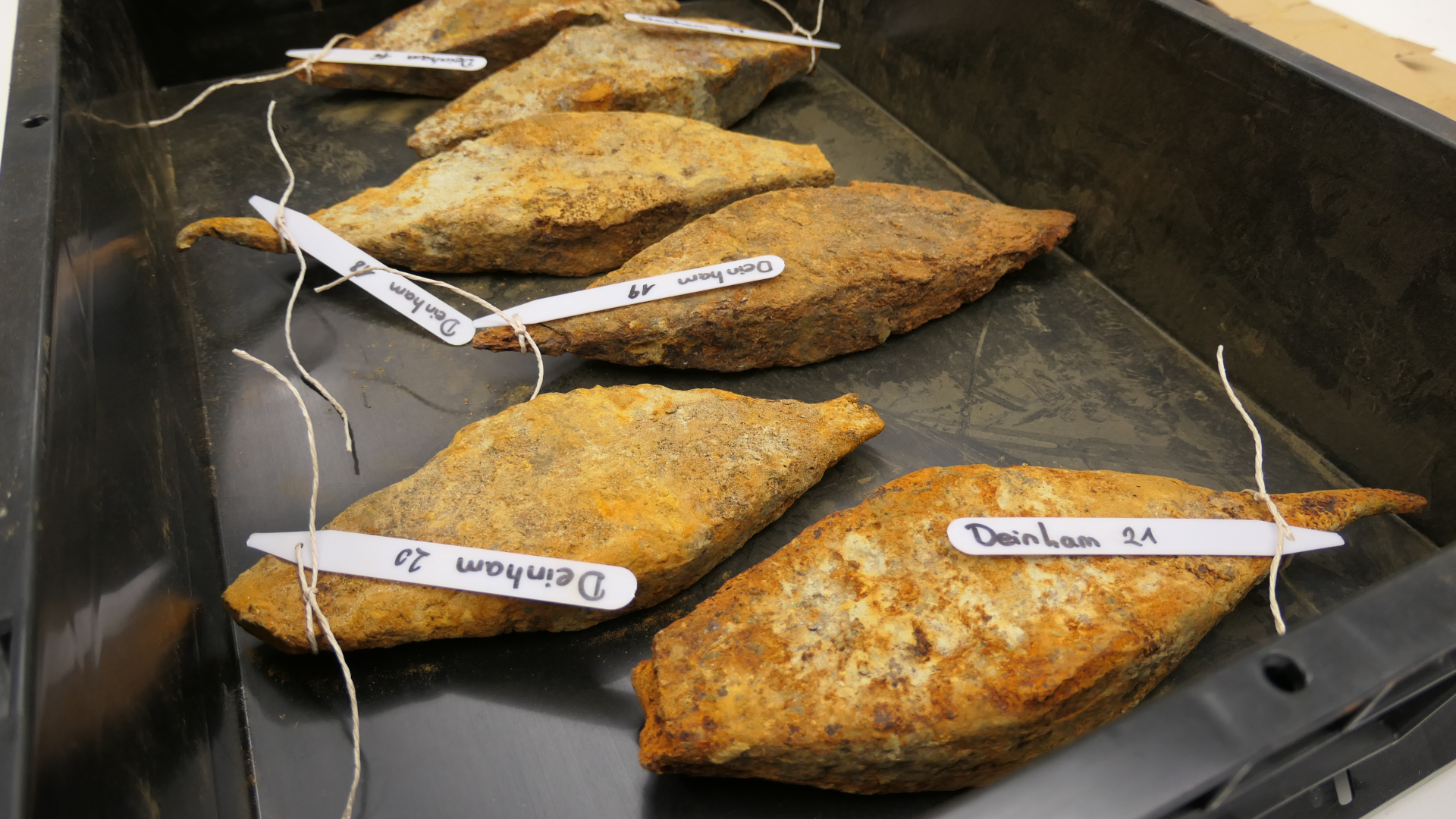
More than two millennia ago, a ship carrying a wealth of iron sank in the Danube River in what is now Austria. Archaeologists have identified the "rusty treasure" as a collection of 500 iron bars — the largest cache of ancient iron ever discovered in Europe and enough metal to equip an army.The assortment was discovered in 2019, when workers who were extracting gravel from the river near the village of Deinham spotted a few unusual double-pointed iron objects and reported them to the Austrian monument authority. "It is nothing short of a minor miracle that the largest mass find of prehistoric iron bars in Europe did not end up at scrap dealers," Peter Trebsche, an archaeologist at the Univer...

📅 2026-09-20 23:01:00    •    Live Science
Cooling liquids reveal self-limiting particle clusters behind glass transition
Science News

Cooling liquids reveal self-limiting particle clusters behind glass transition

Before diving into the mystery of glass, theoretical physicist Corentin Laudicina takes us back to high school physics for a moment. Although he has spent years studying exactly what happens in a material during the glass transition, he also understands that his research is not the easiest thing to explain off the cuff at the cafeteria table.

📅 2026-09-20 21:30:01    •    Phys.org
Tiny beach-dwelling crustaceans are big-time sand movers, shaping the California coast
Science News

Tiny beach-dwelling crustaceans are big-time sand movers, shaping the California coast

Stand on the damp sand on a California beach and chances are you're standing on top of an active earthworks site. Sand hoppers (Megalorchestia spp.), the tiny, shrimp-like creatures commonly found eating away at kelp on the shore, have been found to move massive amounts of sand, excavating up to 50 kg (110 pounds) of sand per meter (3.3 feet) of shoreline per day.

📅 2026-09-20 20:20:01    •    Phys.org
To understand the solar cycle, notice how the sun sleeps
Science News

To understand the solar cycle, notice how the sun sleeps

The sun is such a constant in our lives that it can be difficult to imagine our star ever changing. But the sun can be quite variable. There are times when its magnetic field is turbulent and generates many sunspots and other times when it is quiet and dormant. Since the 1800s, we've known that these active and passive periods follow an 11-year pattern known as the solar cycle. But even after centuries of observation, we still have a difficult time predicting exactly when solar maximum will occur and just how intense it will be. This is important because solar activity can have a significant impact on our modern technological infrastructure.

📅 2026-09-20 17:20:01    •    Phys.org
Virtual cells built from 4D AI models and 'digital twins' could speed up drug discovery
Science News

Virtual cells built from 4D AI models and 'digital twins' could speed up drug discovery

Mitochondria—tiny structures that convert nutrients into energy—are often depicted as discrete kidney bean-shaped objects. But in reality, they form a dynamic, interconnected network throughout the entire cell, rapidly splitting and fusing as they're transported to where energy is needed most.

📅 2026-09-20 16:00:05    •    Phys.org
Magma influx explains short-lived bulge at Tanzania's Ol Doinyo Lengai volcano
Science News

Magma influx explains short-lived bulge at Tanzania's Ol Doinyo Lengai volcano

In 2024, D. Sarah Stamps' team detected and tracked a short-lived bulge in the land around a volcano in Tanzania. In a paper published Sep. 18, Stamps identified the cause of the uplift: 1 million cubic meters of magma pouring into an existing magma reservoir about 1.8 miles (2.9 kilometers) underground.

📅 2026-09-20 15:00:01    •    Phys.org