Science News

Latest science news, discoveries and scientific developments.

A molecular bridge connects two signaling pathways critical for pollen development
Science News

A molecular bridge connects two signaling pathways critical for pollen development

Cells rely on complex signaling networks in which different molecular pathways communicate with one another. Small GTPases act as molecular switches in these networks, controlling diverse cellular processes such as intracellular transport and cell morphogenesis. Although crosstalk between different families of small GTPases is established in animal cells, whether and how such crosstalk occurs in plants has remained largely unknown.

📅 2026-09-19 19:00:04    •    Phys.org
Global population dataset uses buildings to reveal people's daily movement patterns
Science News

Global population dataset uses buildings to reveal people's daily movement patterns

Researchers at the Department of Energy's (DOE) Oak Ridge National Laboratory (ORNL) have released LandScan Mosaic, a next-generation global population distribution dataset that estimates where people are by modeling how buildings are used and occupied throughout the day. Built on the foundation of ORNL's widely used LandScan Global, one of the world's most accurate population distribution datasets, Mosaic's enhancements will improve disaster response, humanitarian assistance, infrastructure planning and national security missions worldwide.

📅 2026-09-19 16:00:02    •    Phys.org
The monsters that weren't: Dinosaur and tusked-beast claims in San rock art unravel
Science News

The monsters that weren't: Dinosaur and tusked-beast claims in San rock art unravel

For decades, an idea has grown in paleontology that, long before scientists began digging up and reconstructing dinosaur bones, the Indigenous San and Basotho in southern Africa noticed them too, incorporating them into songs, myths and immortalizing them on cave walls. But under closer scrutiny, these claims begin to crumble.

📅 2026-09-19 14:00:02    •    Phys.org
Scientists build a DNA computer that can perform calculations in a drop of water
Science News

Scientists build a DNA computer that can perform calculations in a drop of water

Scientists have built a DNA-powered computer that can perform calculations using billions of molecules in a tiny drop of water. The system taps into the laws of physics to create what the scientists describe as a computing system that's more efficient than the conventional computers that are widely used today. Rather than continuously using energy to force a calculation through a series of processing steps, the DNA computer is designed so that its more "energetically favorable" state is the correct answer. In other words, the computer is built to use less energy than other biological computers, which integrate living cells with traditional hardware, would take to calculate the answer. "The c...

📅 2026-09-19 14:00:00    •    Live Science
Rethinking how we assess students could improve their well-being
Science News

Rethinking how we assess students could improve their well-being

When you were in school, what stressed you out the most? For many students, classroom assessments—graded tests, quizzes, group work, presentations, labs and the like—would be near the top of the list.

📅 2026-09-19 13:30:01    •    Phys.org
Florida scrub-jays attempt to breed at unusually young age after large-scale translocation
Science News

Florida scrub-jays attempt to breed at unusually young age after large-scale translocation

For nearly two decades, biologist Lauren Deaner has worked with Florida scrub-jays, contributing to population recovery efforts and translocations. Now, as a doctoral researcher in UCF's integrative biology program, she is using that field experience to investigate how genetics, behavior and population dynamics influence the long-term recovery of imperiled species.

📅 2026-09-19 12:40:01    •    Phys.org
New chemical wipes out 95% of termites without harming humans
Science News

New chemical wipes out 95% of termites without harming humans

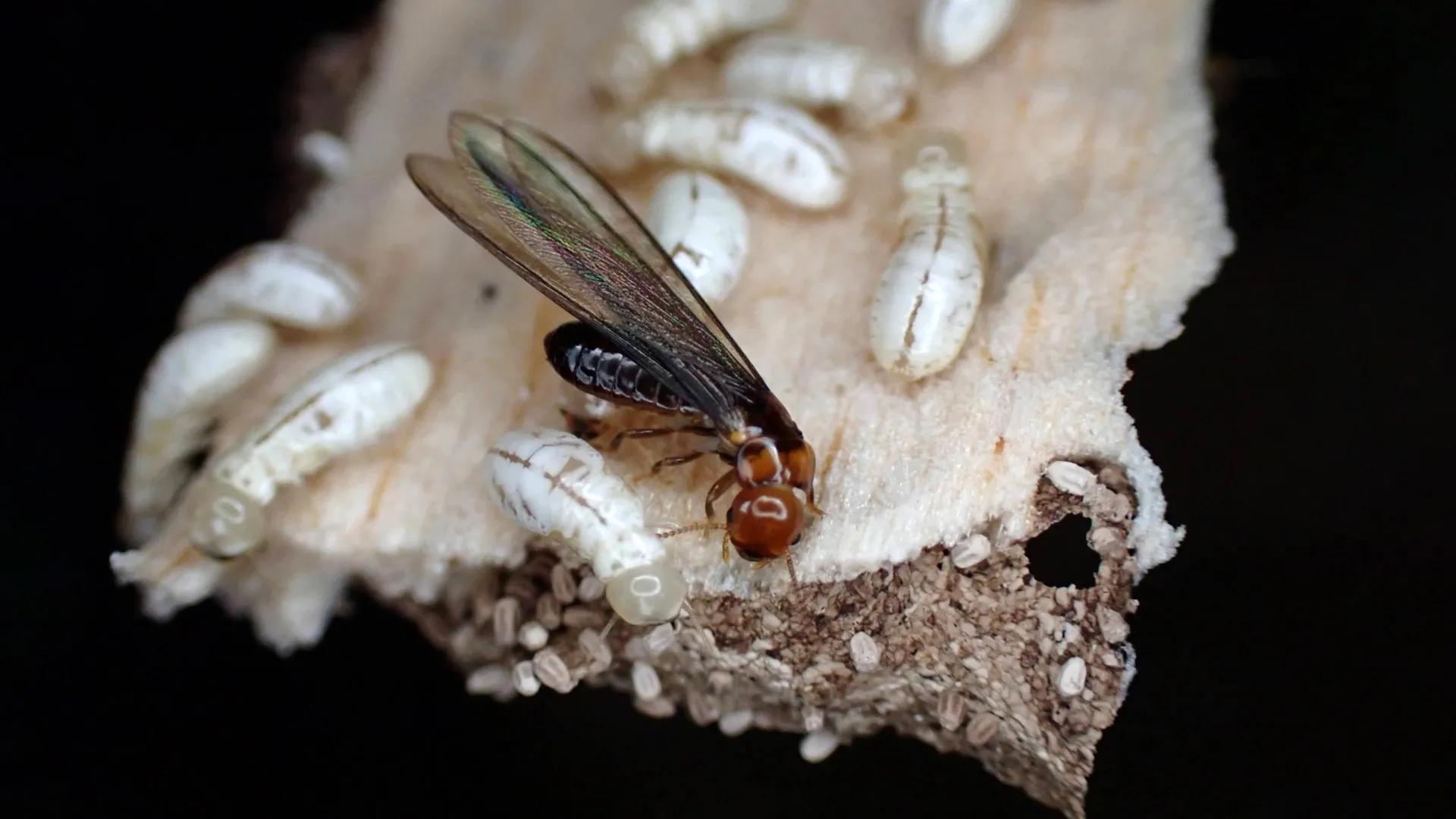
A chemical that stops drywood termites from building new exoskeletons killed about 95% of colonies in testing, offering a potentially safer alternative to traditional fumigation. Because termites eventually have no choice but to molt, the treatment turns a normal stage of their life cycle into a fatal weakness.

📅 2026-09-19 12:29:12    •    ScienceDaily
A giant crater may reveal the origin of Mars’ doomed moon
Science News

A giant crater may reveal the origin of Mars’ doomed moon

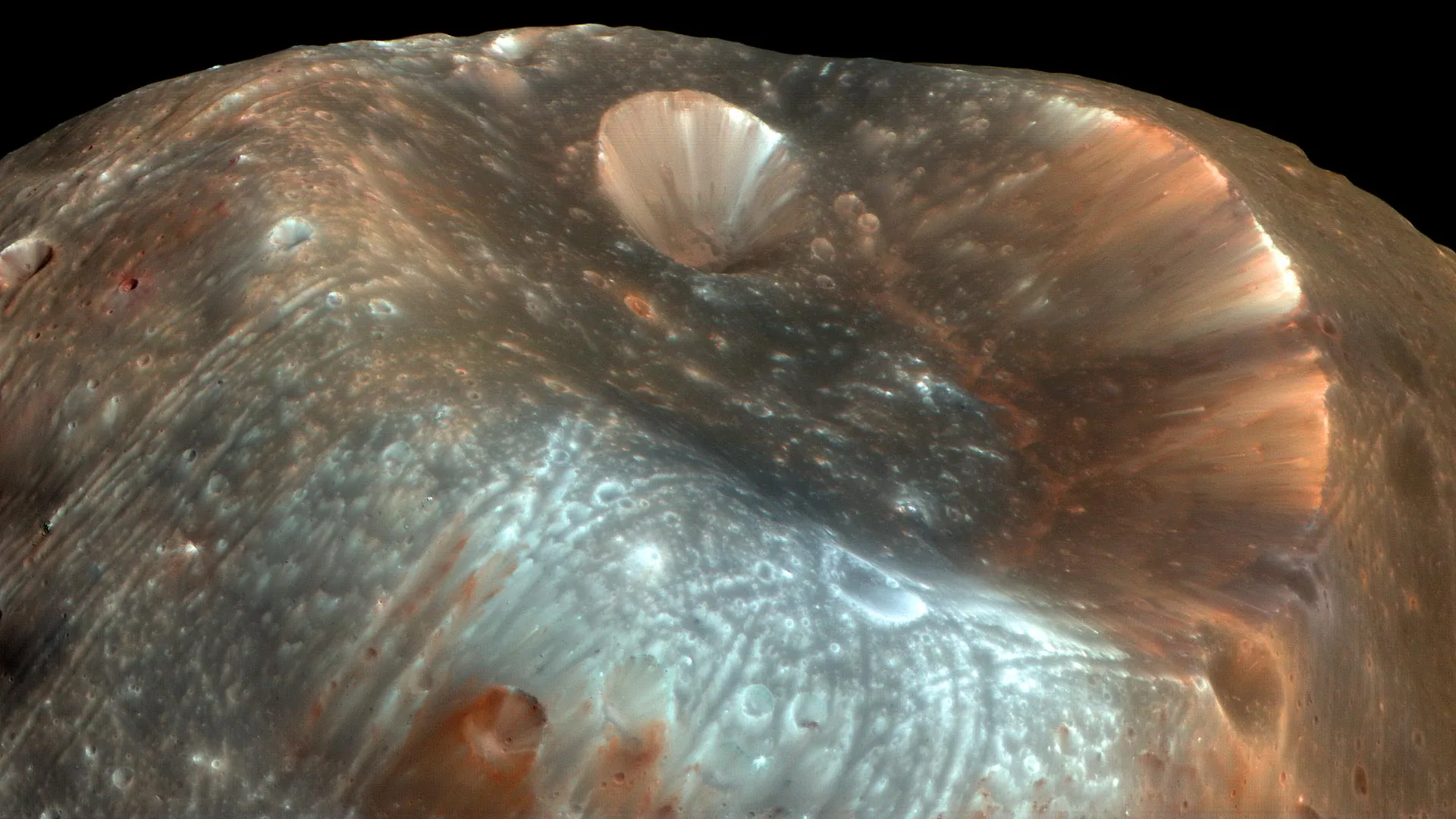
A massive crater on Mars’ moon Phobos may hide a dense region of compressed material that could reveal whether the moon is a captured asteroid or debris from an ancient impact on Mars. Japan’s upcoming MMX sample return mission could provide the measurements and physical evidence needed to solve the mystery.

📅 2026-09-19 12:12:41    •    ScienceDaily
Surviving the summer
Science News

Surviving the summer

Editor in Chief Nancy Shute discusses existential threats to humankind: extreme heat, never-ending drought and a plan to provide Earth with sunlight on demand.

📅 2026-09-19 12:00:00    •    Science News
An 'impossible' black hole merger may finally be solved thanks to Einstein's relativity — but it raises an even bigger mystery
Science News

An 'impossible' black hole merger may finally be solved thanks to Einstein's relativity — but it raises an even bigger mystery

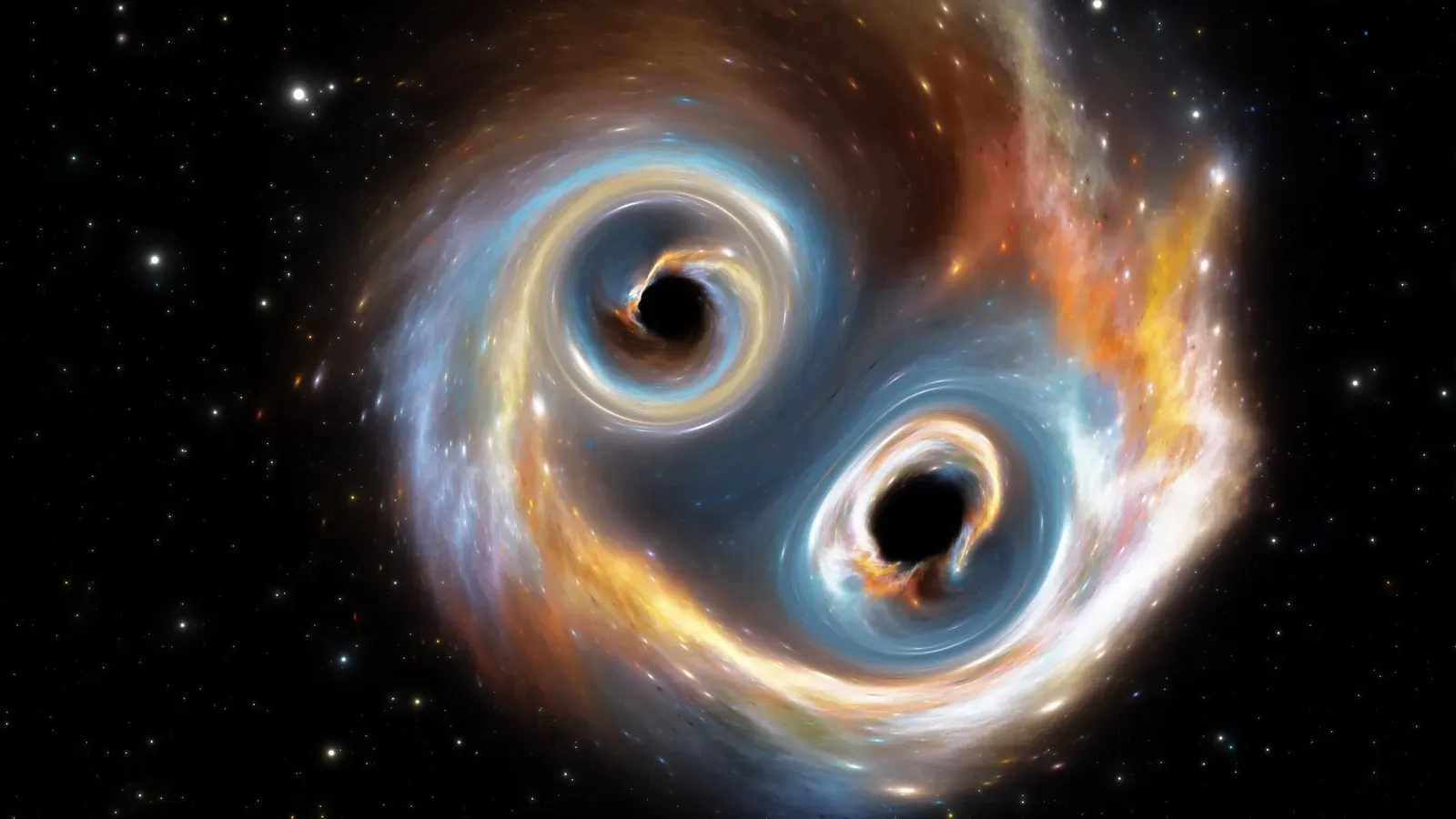
Astronomers suspect that a never-before-seen variation of a space-time phenomenon could explain an "impossible" black hole merger that has puzzled experts for years. But if their theory is true, it creates an entirely new mystery to solve. On Nov. 23, 2023, both halves of the Laser Interferometer Gravitational-Wave Observatory (LIGO) — located in Washington and Louisiana — detected an unusual set of gravitational waves. These ripples in the fabric of space-time can be triggered by some of the universe's most powerful events, such as exploding stars and rapidly spinning neutron stars. But in this case, the signal, dubbed GW231123, originated from a pair of colliding black holes around 2 billi...

📅 2026-09-19 12:00:00    •    Live Science
This deep-sea enzyme survives heat that destroys most proteins
Science News

This deep-sea enzyme survives heat that destroys most proteins

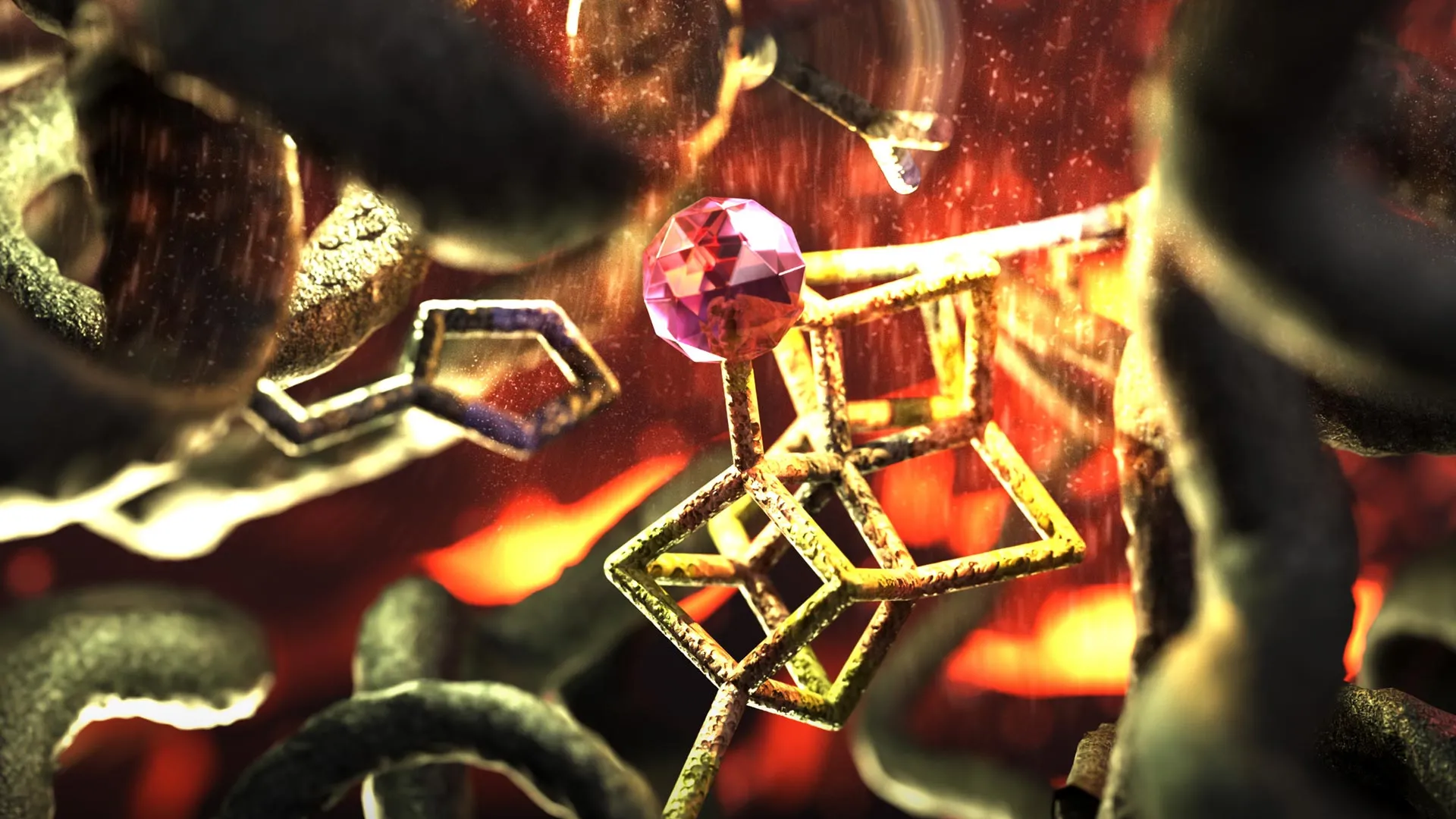
A deep-sea microbe uses an exceptionally heat-resistant enzyme to turn atmospheric nitrogen into ammonia at temperatures that would destroy most proteins. Its unusual structure and a newly observed reaction state may reveal an ancient, shared mechanism behind nitrogen fixation and could eventually inspire cleaner biotechnology and fertilizer production.

📅 2026-09-19 11:49:45    •    ScienceDaily
This tiny organism can shrink to one quarter its size in milliseconds
Science News

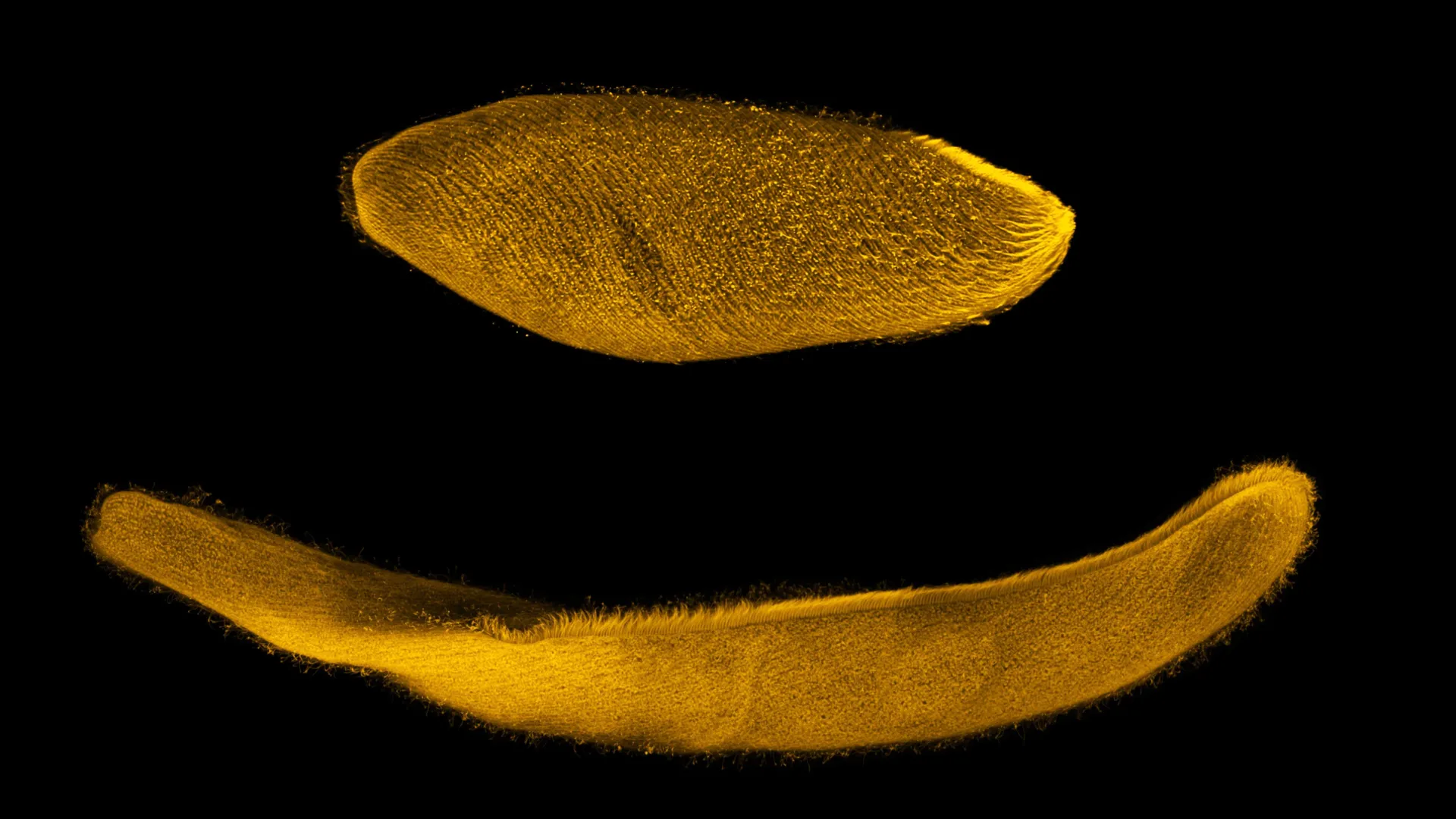
This tiny organism can shrink to one quarter its size in milliseconds

A single-celled organism can shrink to one-quarter of its length in milliseconds using a remarkable calcium-powered protein “fishnet.” Scientists hope its unusual machinery could inspire artificial muscles capable of moving far faster than today’s designs.

📅 2026-09-19 11:39:22    •    ScienceDaily
Scientists find that “perfect” systems may be surprisingly fragile
Science News

Scientists find that “perfect” systems may be surprisingly fragile

Complex systems may work better when their parts are not perfectly alike. Northwestern physicists found that carefully balanced variation, or “disorder,” can make networks such as power grids, ecosystems, neurons, and materials more stable. Even random differences sometimes improved stability compared with completely uniform systems. The discovery could help researchers design more resilient technologies and explain why natural systems are so rarely perfectly uniform.

📅 2026-09-19 11:26:53    •    ScienceDaily
Loss of Y chromosome in men could be an early warning sign of cancer
Science News

Loss of Y chromosome in men could be an early warning sign of cancer

A study initiated by Dr. Dan Theodorescu, a physician-scientist at the University of Arizona Cancer Center, revealed that the loss of the Y chromosome in men's body tissue could pave the way for cancer to develop. According to research recently published in JCI Insights, the loss of the chromosome, which is common in men as they age, creates a preneoplastic field effect, a hidden zone of genetic vulnerability in normal tissue that provides fertile ground for cancer to develop.

📅 2026-09-19 11:20:01    •    Phys.org