Science News

Latest science news, discoveries and scientific developments.

From the start, the solar system chose fire over ice to build its first bodies
Science News

From the start, the solar system chose fire over ice to build its first bodies

When the solar system first took up the task of building solid bodies—such as planets, moons and protoplanets—it basically had a choice between two ingredients: heat-forged chondrules, which were millimeter-sized bits of rock, and matrix, a fine-grained, cold dust loaded with water ice and organic molecules. And from the get-go, the solar system chose fire.

📅 2026-09-18 15:40:09    •    Phys.org
Cultural norms can shape how social gestures influence perceived attractiveness
Science News

Cultural norms can shape how social gestures influence perceived attractiveness

Humans are social animals, but we have a diversity of societies, each with its own customs, behaviors and expectations. It's obvious that those can affect how we respond to someone—favoring the comfort of familiar behaviors, for example—and people often try to account for that in themselves and others. But sometimes the effect is more subtle.

📅 2026-09-18 15:40:04    •    Phys.org
Scientists discover cells that cheat death and rebuild damaged tissue
Science News

Scientists discover cells that cheat death and rebuild damaged tissue

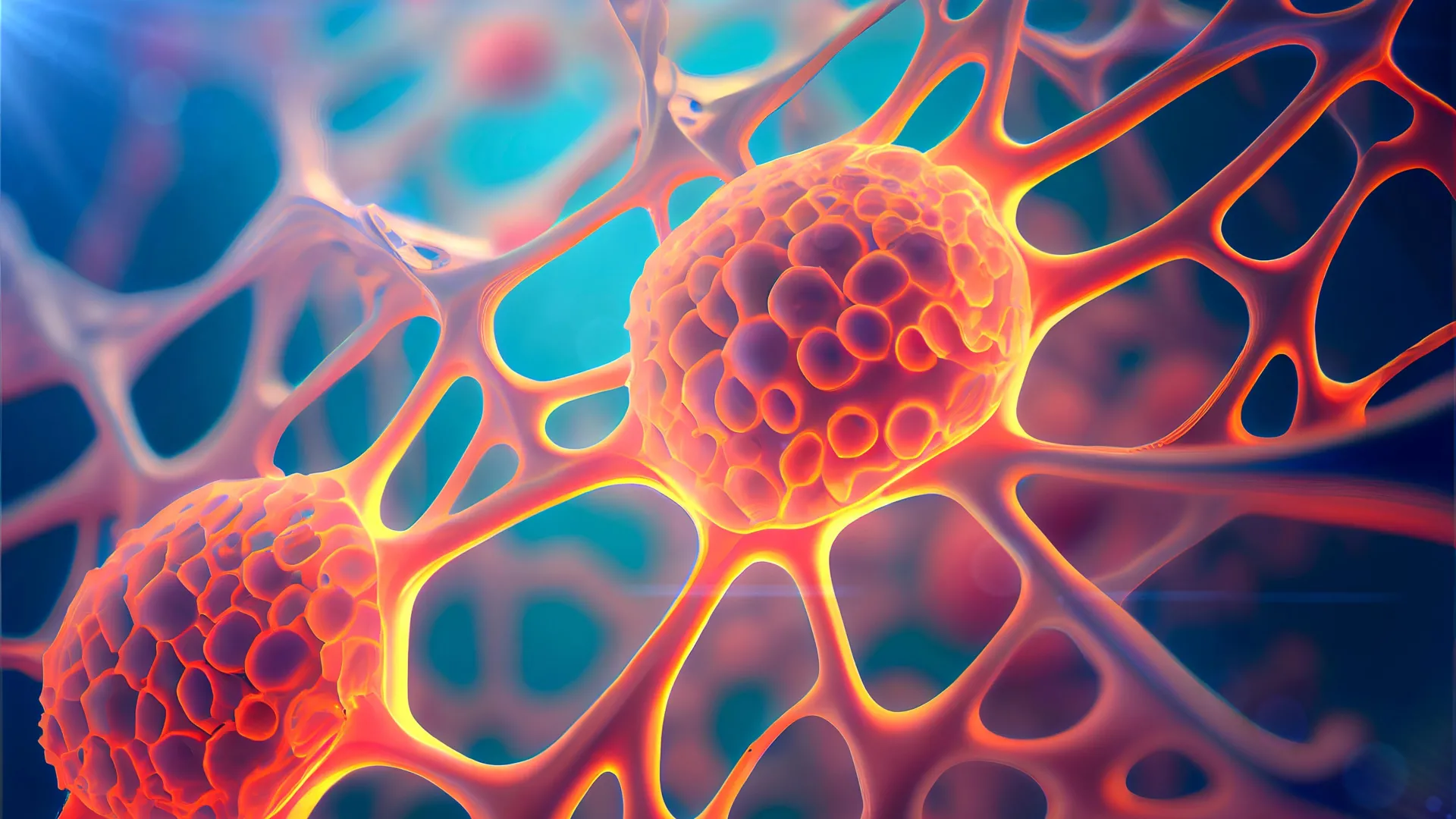
Scientists discovered a population of cells that can start the process of programmed cell death, survive it, and then help rapidly rebuild damaged tissue. Their descendants become far more resistant to future damage, revealing a mechanism that could improve healing but may also help cancers return after treatment.

📅 2026-09-18 12:30:43    •    ScienceDaily
Scientists just named a new snake after Guns N’ Roses legend Slash
Science News

Scientists just named a new snake after Guns N’ Roses legend Slash

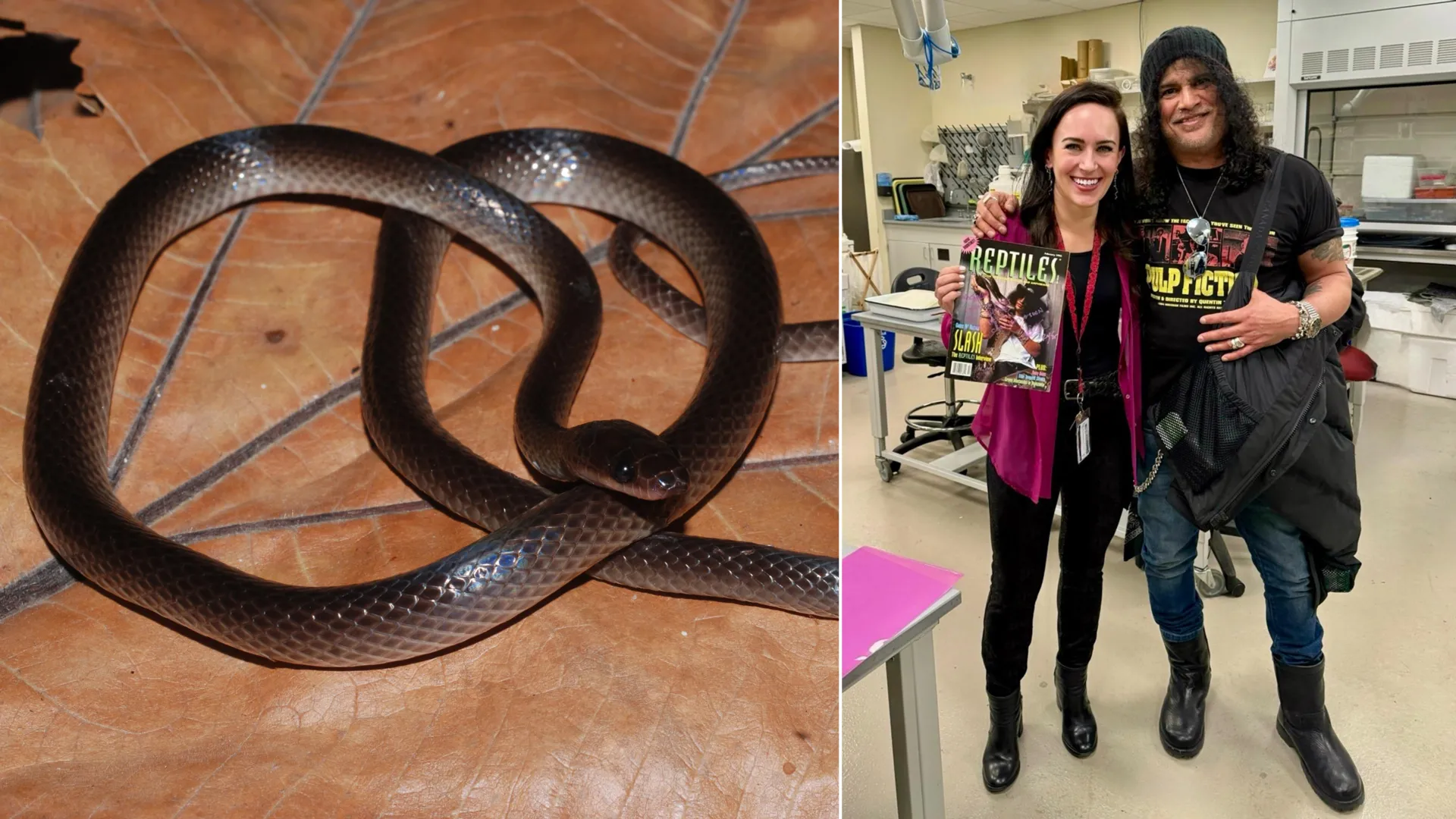
A newly discovered snake from New Guinea has been named after Guns N’ Roses guitarist Slash, who has loved reptiles since childhood. Genetic testing and physical differences confirmed that the reddish-brown groundsnake, Lielaphis slashi, is a species scientists had never formally recognized before. The nonvenomous snake may use large rear teeth to catch slippery lizards and reptile eggs.

📅 2026-09-18 12:07:03    •    ScienceDaily
Math puzzle: Shape-birding
Science News

Math puzzle: Shape-birding

Solve the math puzzle from our October 2026 issue, in which a bird watcher seeks an indoor hobby.

📅 2026-09-18 12:00:00    •    Science News
Caltech’s tiny new chip can steer light in 74 quadrillionths of a second
Science News

Caltech’s tiny new chip can steer light in 74 quadrillionths of a second

A new Caltech device can redirect a beam of light in just 74 femtoseconds using another beam and a nanoscale silicon metasurface. The breakthrough could pave the way for dramatically faster photonic communications, computing, and sensing technologies.

📅 2026-09-18 11:50:13    •    ScienceDaily
NASA’s Roman Space Telescope could last more than twice as long as planned
Science News

NASA’s Roman Space Telescope could last more than twice as long as planned

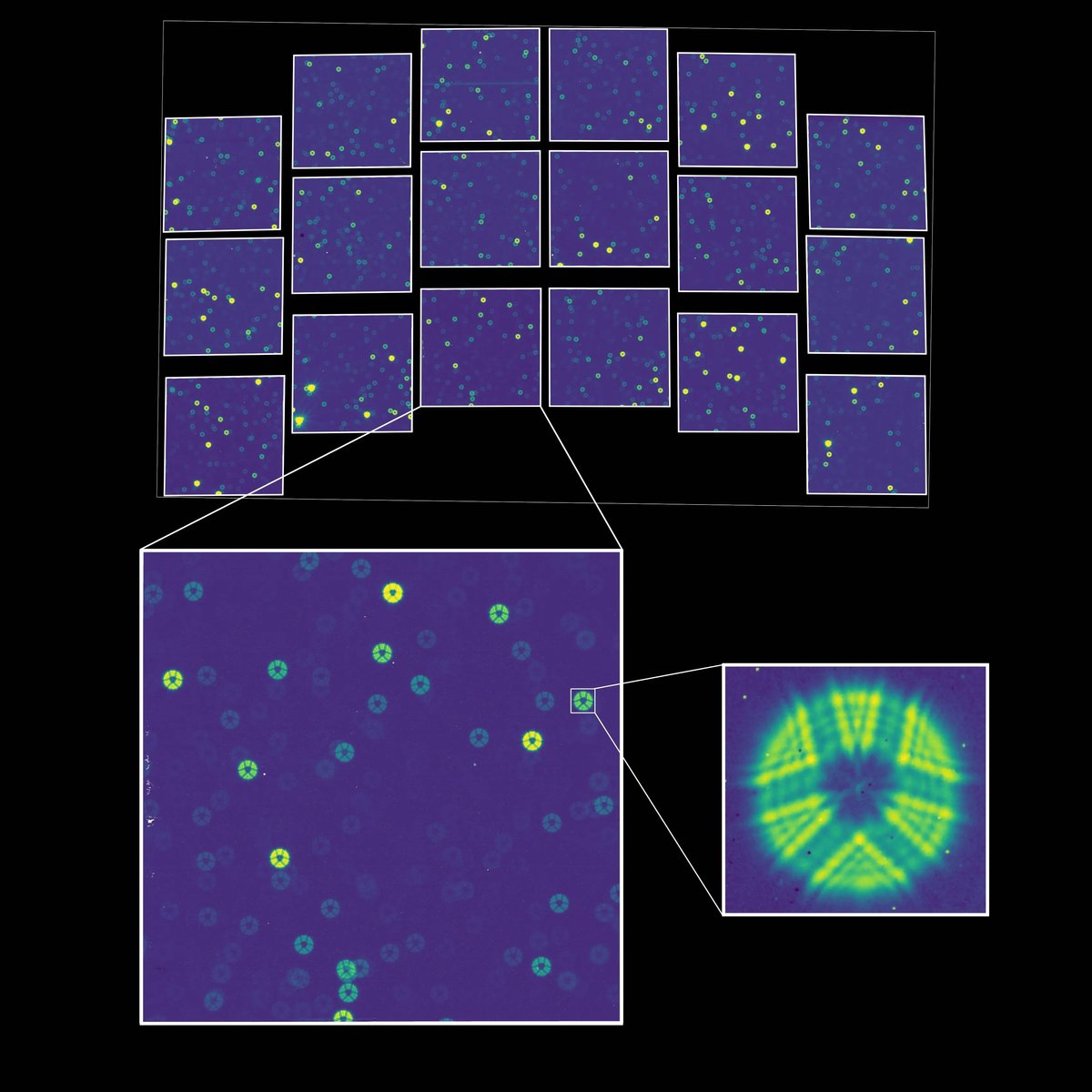
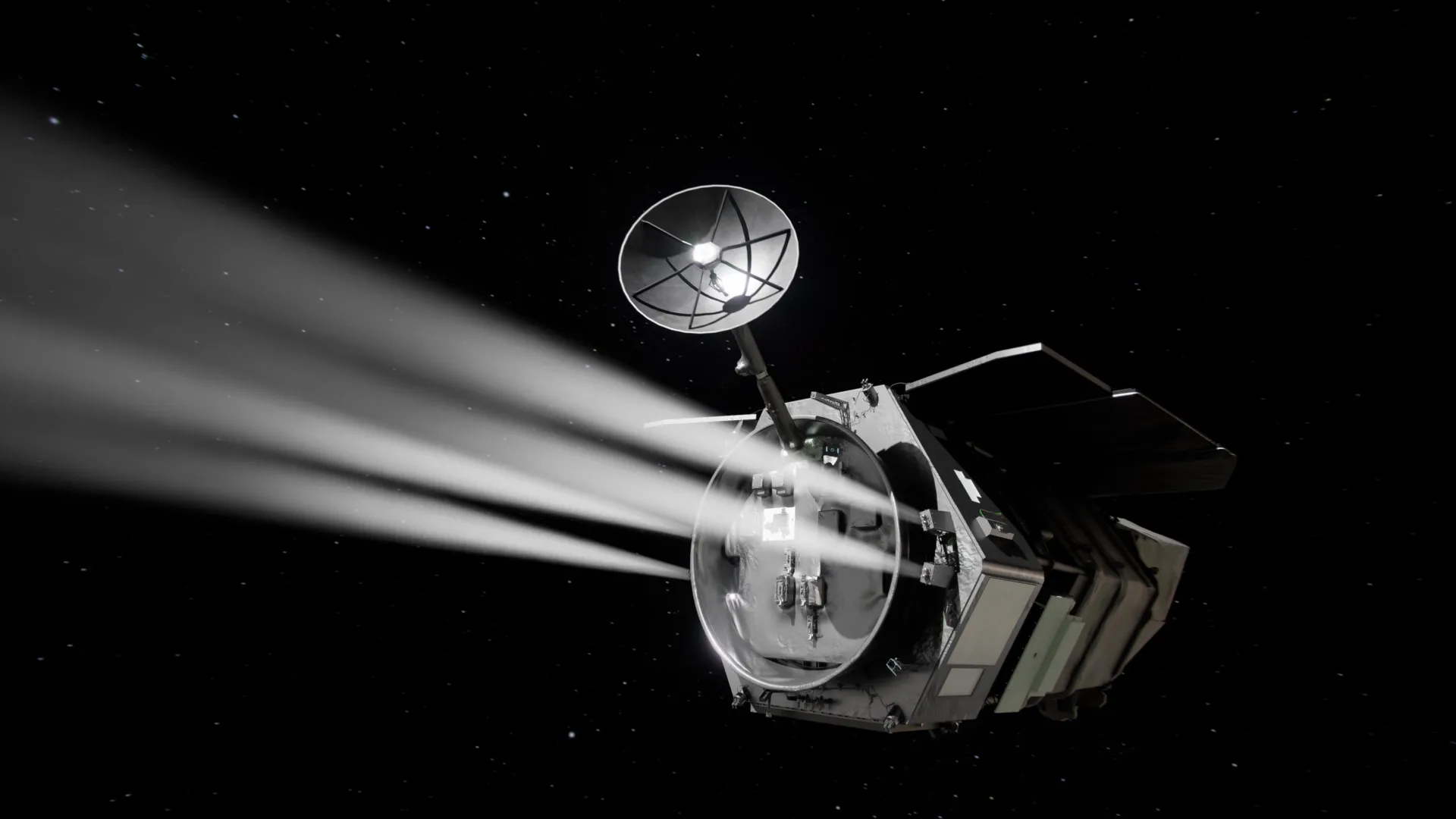
NASA’s Roman Space Telescope may now have enough fuel for at least 22 years of science, more than double its original 10 year design life. An extremely precise course correction, extra fuel at launch, and additional expected savings could keep the powerful observatory studying the universe for decades.

📅 2026-09-18 11:31:56    •    ScienceDaily
Scientists are about to test Einstein’s gravity with exotic matter
Science News

Scientists are about to test Einstein’s gravity with exotic matter

Scientists have found a new way to create a controlled beam of muonium, an exotic atom containing a heavier cousin of the electron. The advance could allow researchers to test for the first time whether gravity acts on second-generation particles exactly as Einstein’s theory predicts. Any unexpected difference would be a major surprise and could potentially point toward new physics, including a hypothetical fifth force.

📅 2026-09-18 11:07:25    •    ScienceDaily
Fishapod fossil shows early elbows came in a variety of forms
Science News

Fishapod fossil shows early elbows came in a variety of forms

The fish that preceded the first four-legged land animals came in a wider variety of forms than we had thought, and fossils show that one had an elbow joint that moved in an oddly restrictive way

📅 2026-09-18 11:00:00    •    New Scientist
How much longer will the sun shine?
Science News

How much longer will the sun shine?

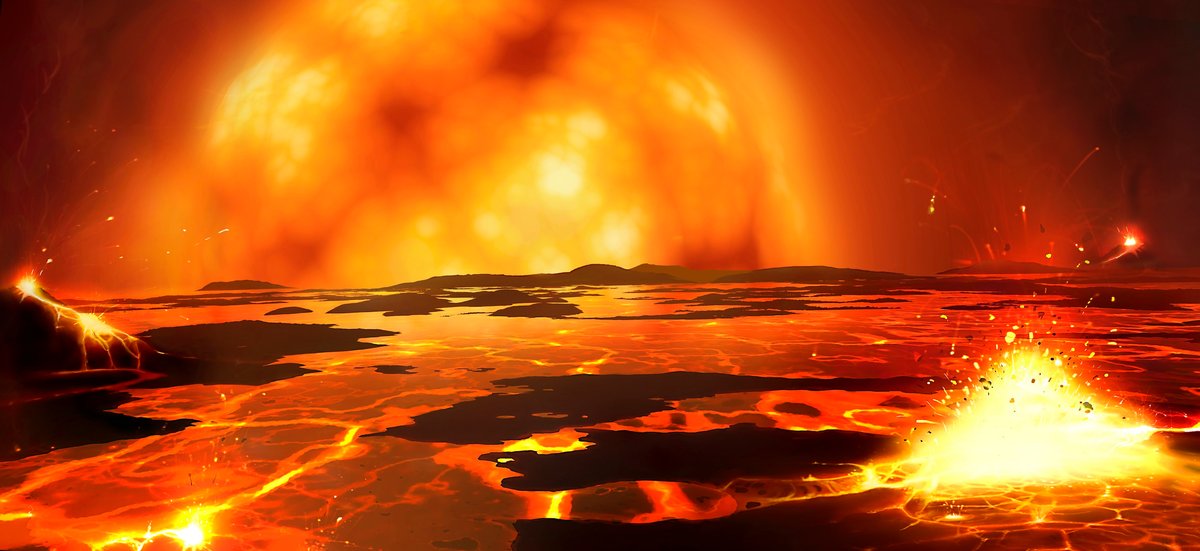
Our sun is on a long, strange trip to its eventual demise. Here are the key stops along the way

📅 2026-09-18 10:45:00    •    Scientific American
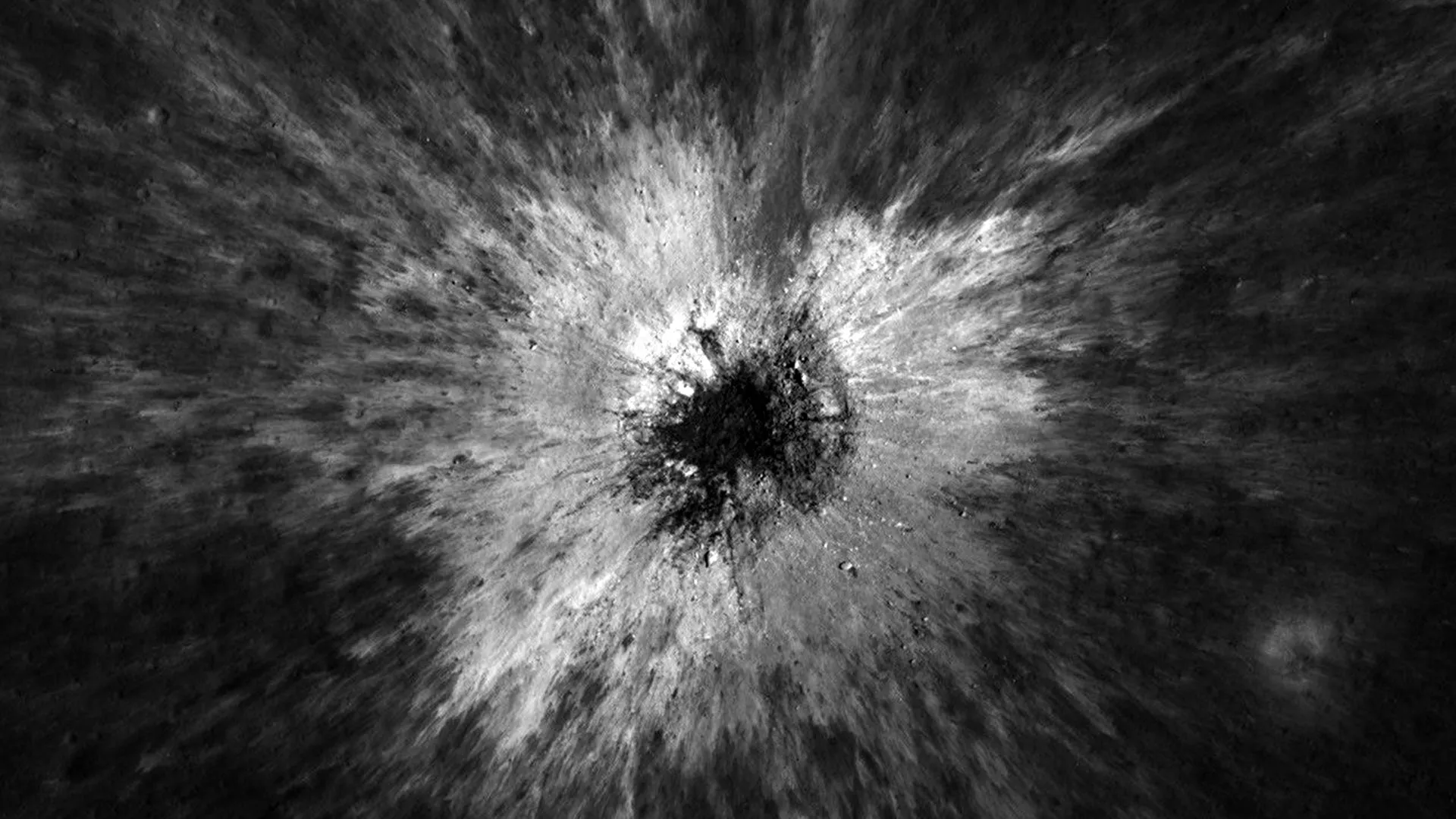
NASA’s Moon orbiter finds a 728-foot crater that wasn’t there before
Science News

NASA’s Moon orbiter finds a 728-foot crater that wasn’t there before

NASA’s Lunar Reconnaissance Orbiter has revealed a 728-foot-wide crater that formed on the Moon in 2024, making it the largest newly formed crater ever identified in the solar system. The impact disturbed the surface for miles around it, creating a surprisingly large cold zone and showing how dramatically a single collision can reshape the lunar landscape.

📅 2026-09-18 10:18:54    •    ScienceDaily