Science News
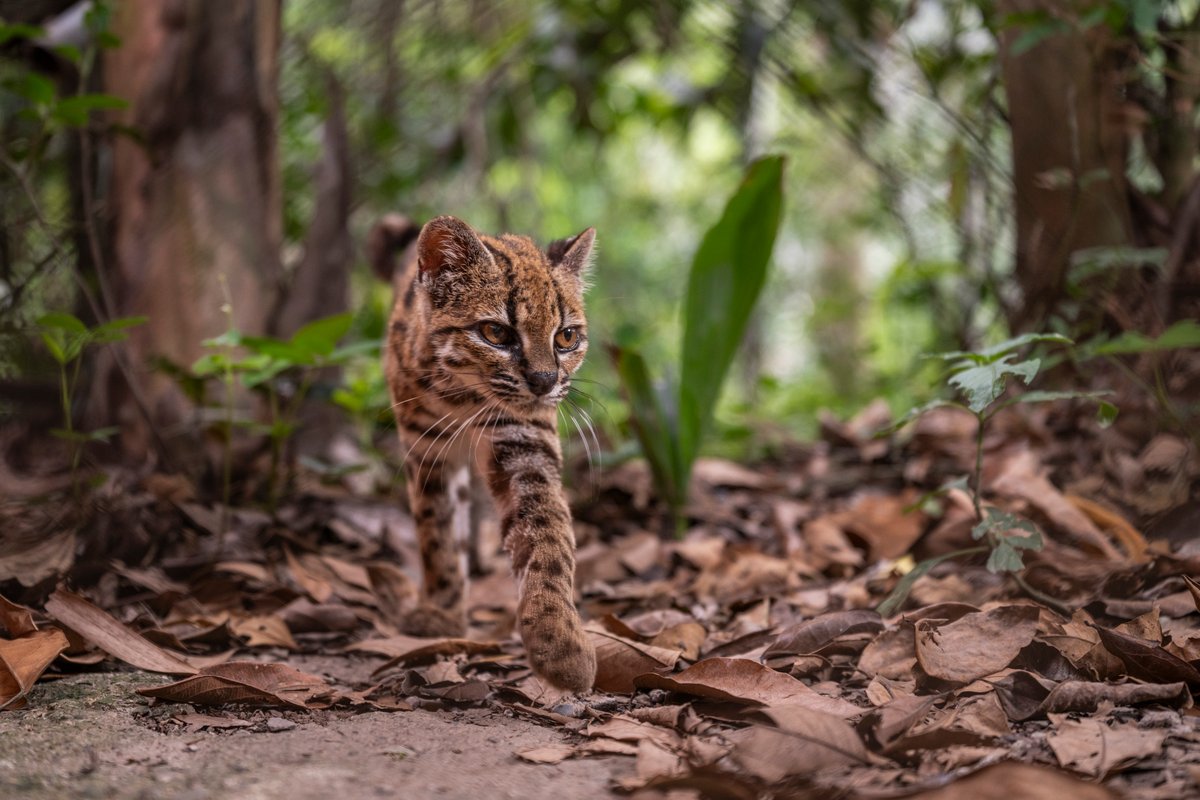
See the first new species of cat discovered in more than a century—it’s adorable
The cat is smaller than a house cat but has the spots of a leopard
Latest science news, discoveries and scientific developments.
The cat is smaller than a house cat but has the spots of a leopard

Researchers at the National High Magnetic Field Laboratory and Brookhaven National Laboratory have teamed up to get a fresh look at the complex makeup of meteorites and glimpse into our solar system's past.

How do you measure the value of a relationship? One way is forbearance—what the involved parties would give up to stay together. That's the principle used by Stephen Karolyi, associate professor of finance at the Costello College of Business at George Mason University, in his co-authored research on relationship lending in the banking industry.

A picture of a distant, shark-shaped cloud of gas in space has earned the top prize in a Royal Observatory Greenwich contest for amateur space photographers.Dubbed "The Quiet Predator," the image by skywatcher Ali Alobaidly shows off the Shark Nebula (LDN 1235), which is roughly 650 light-years from Earth in the constellation Cepheus (the Whale). (For perspective, the nearest star system to our planet is only about 4 light-years away.) The stunning image was chosen as the overall winner of the Royal Observatory Greenwich's 18th ZWO Astronomy Photographer of the Year contest, whose honorees were announced Thursday (Sept. 17).Alobaidly took the prize-winning image from the Jahra governorate in...

The Quiet PredatorThe Quiet Predator © Ali Alobaidly (Kuwait) The astonishing diversity of the cosmos is on display in the 2026 Astronomy Photographer of the Year competition, organised by the Royal Observatory in Greenwich, London. From our own solar system to distant nebulae, these images showcase the many wonders we can observe from the ground on Earth. The overall winner (above), The Quiet Predator, was taken by Ali Alobaidly in Kuwait. It shows a dense nebula 650 light years away, in the constellation Cepheus. This cloud of dust, called the Shark nebula, contains a few bright stars that make their surroundings glow blue. The nebula is so dark and distant that it took Alobaidly more than...

Scientists have identified an inherited genetic mutation that greatly increases the risk of lung cancer, even in people who have never smoked.The mutation involves the EGFR gene, which helps control cells' growth, division and survival. People who had never smoked and who had the genetic mutation — called EGFR T790M — were 62 times more likely to develop lung cancer than nonsmokers without the mutation, according to the new study, published Thursday (Sept. 17) in the journal Science. By comparison, people who smoked but didn't carry the mutation were four times likelier to develop lung cancer than nonsmokers, so the mutation alone carried a higher risk of the disease.Among people in the stud...

A new study reveals that an important pollinator is rapidly losing genetic diversity in Britain. Moss carder bumblebees were once widespread across the UK, living in flower-rich meadows, marshes and heathlands, where they pollinated a wide variety of plants. However, the loss of these habitats has caused the species to retreat into strongholds along the country's coasts and islands.
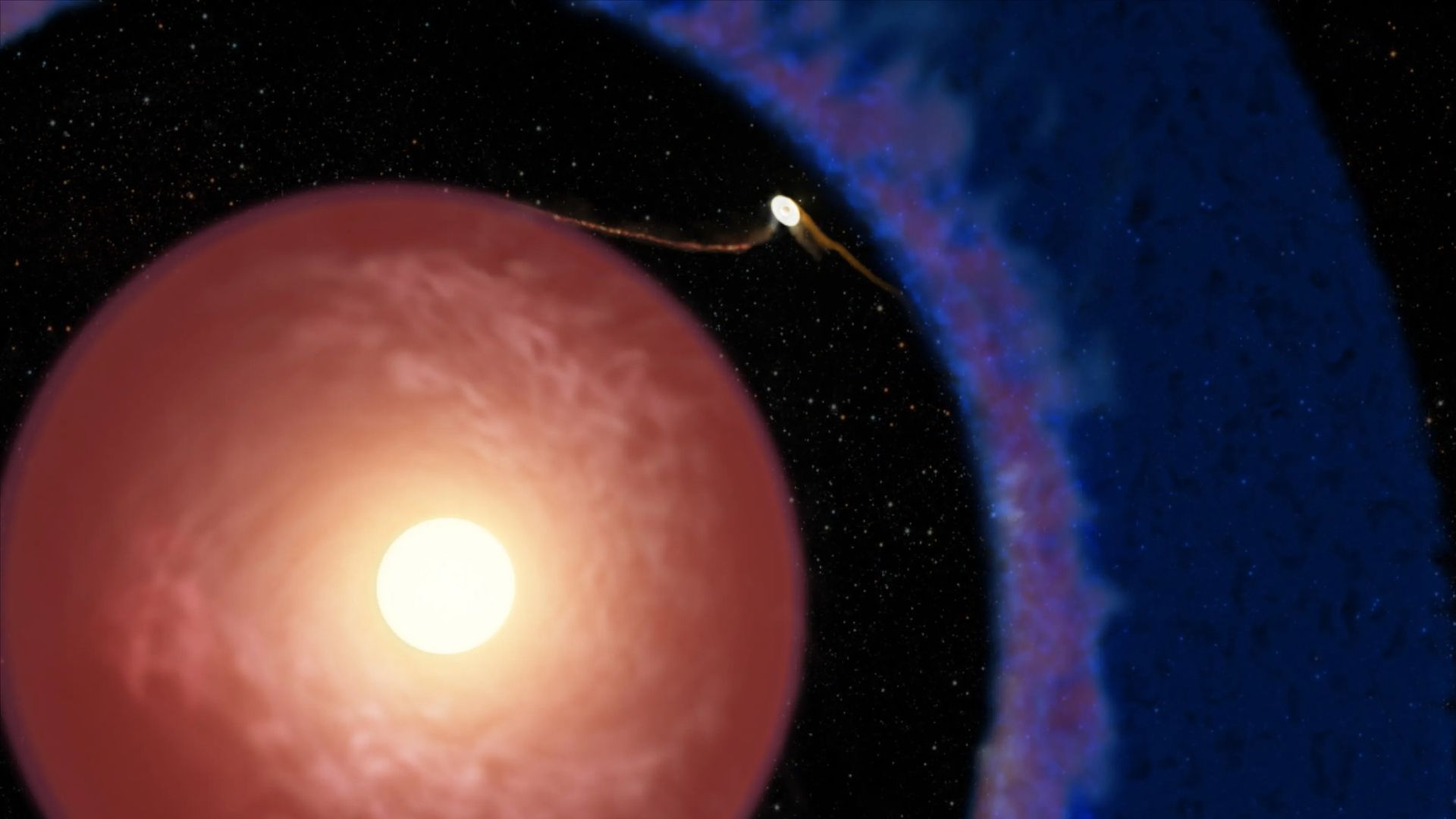
A "baby" exoplanet, discovered emerging from its cosmic cocoon around a nearby star, is the youngest alien world ever seen, a new study reveals. The planetary infant is less than 1 million years old and could help researchers study how other planets, including our own, took shape. The juvenile world, dubbed Elias 2-24 b, orbits a newly formed star around 450 light-years from Earth. It is somewhere between two and four times as massive as Jupiter and almost twice as far from its home star as Neptune is from the sun. Astronomers spotted initial signs of the hefty exoplanet in 2017, when they noticed a small gap in the star's protoplanetary disk — the swirling ring of gas, dust and other stella...

Seismic activity has increased markedly at Mount Mantap, also known as Mantapsan, since the last test blast there in 2017

As human-caused climate warming destabilizes high mountain regions, the threat of rock-ice avalanches and other glacial hazards grows.

Earlier this month, the Ukrainian Navy used an uncrewed vessel to attack and sink an uncrewed naval robot operated by Russian forces

Science is helping to peel back the layers of how dogs process the world around them

HEIDELBERG, Germany — Often considered the slowest, most methodical and most abstract of the sciences, mathematics usually advances so incrementally and esoterically that it rarely troubles the mainstream media. It was therefore with some discomfort that a panel of elite mathematicians took to the stage Sept. 15 here at the Heidelberg Laureate Forum, a conference that unites young researchers with award-winning mathematicians and computer scientists. The focus of the panel: to confront the rapid rise of AI, whose threat to their quiet discipline has thrust them into the limelight.In the past year alone, AI systems have made substantial contributions to the solutions of dozens of problems pos...

Major hormonal milestones in women’s lives are usually associated with changes in brain volume — but a new study shows menopause is an exception.
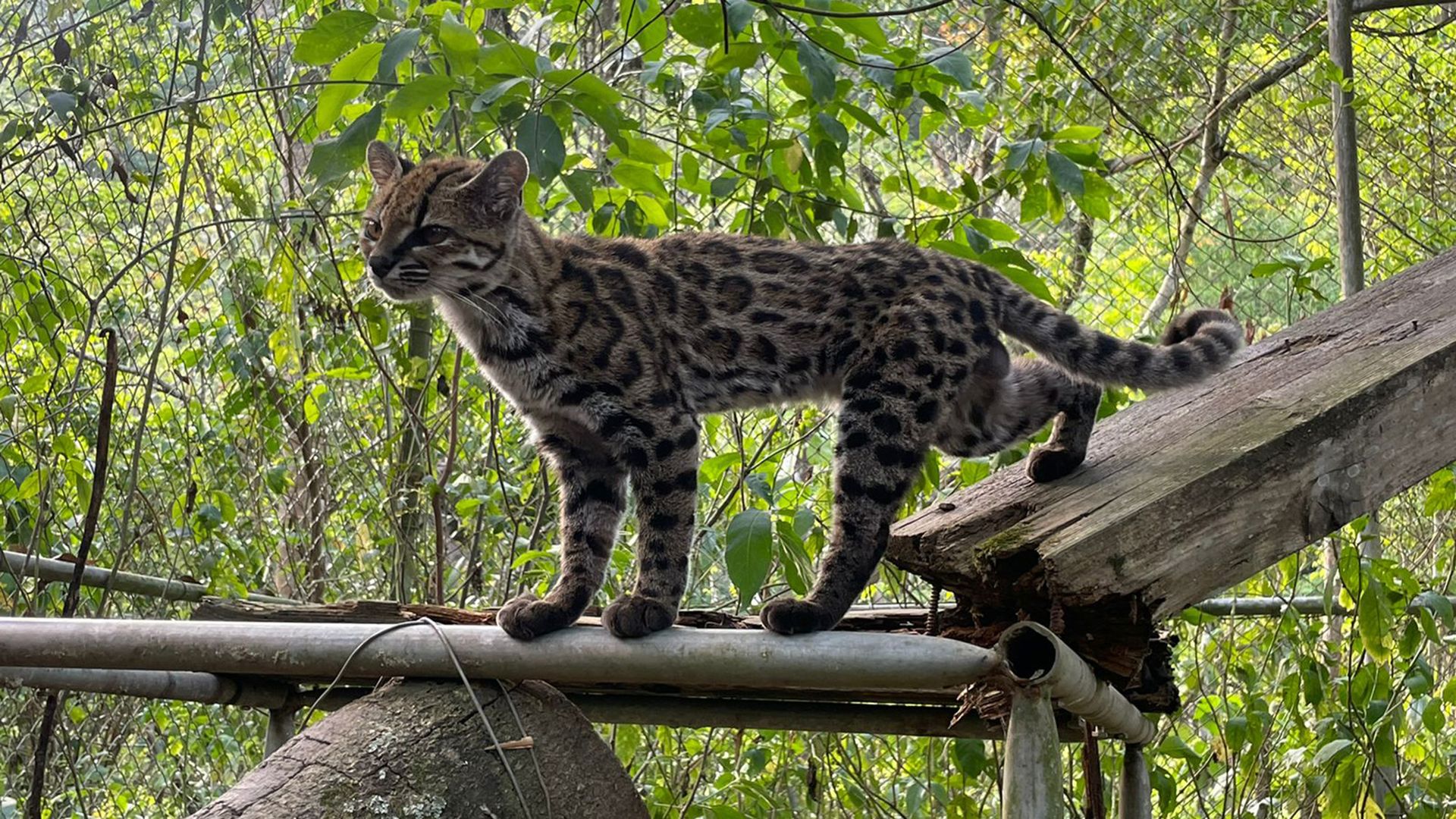
For the first time in a century, scientists have identified a new cat species, thanks to genetic analysis — and it's resolved a long-standing debate about the cat family tree. The newly identified species, Leopardus tilcayo, is a type of tiger cat — a small, spotted wild cat — that lives in the Yungas cloud forest region of Bolivia. The analysis also revealed a subspecies of another tiger cat species, named Leopardus tigrinus antisuyo, which lives in Peru.Previously thought to be a northern tiger cat (Leopardus tigrinus), L. tilcayo split off from other Leopardus species 1.4 million years ago, the study found. This makes it the first novel living cat species to be discovered in over a ce...

The tilcayo (Leopardus tilcayo) in an animal refuge in La Paz, BoliviaPaola Nogales-Ascarrunz A new cat species has been scientifically described – the diminutive, spotted tilcayo from Bolivia. Several species of small cat in the Leopardus genus live in South America, including the ocelot, margay, kodkod, Geoffroy’s cat and the tiger cat or oncilla. The similar appearance of these nocturnal and hard-to-spot cats has made separating them into distinct species difficult. This is particularly true of tiger cats, which are about the size of a house cat, and are found in Costa Rica in Central America, and across a vast swathe of South America including Bolivia, Brazil, Venezuela, Colombia, Ecuado...

A kimchi-derived bacterium can bind to nanoplastics under gut-like conditions and may help carry them out of the body. In mice, the probiotic more than doubled the amount of nanoplastics detected in feces, pointing to a surprising potential use for microbes from fermented foods.
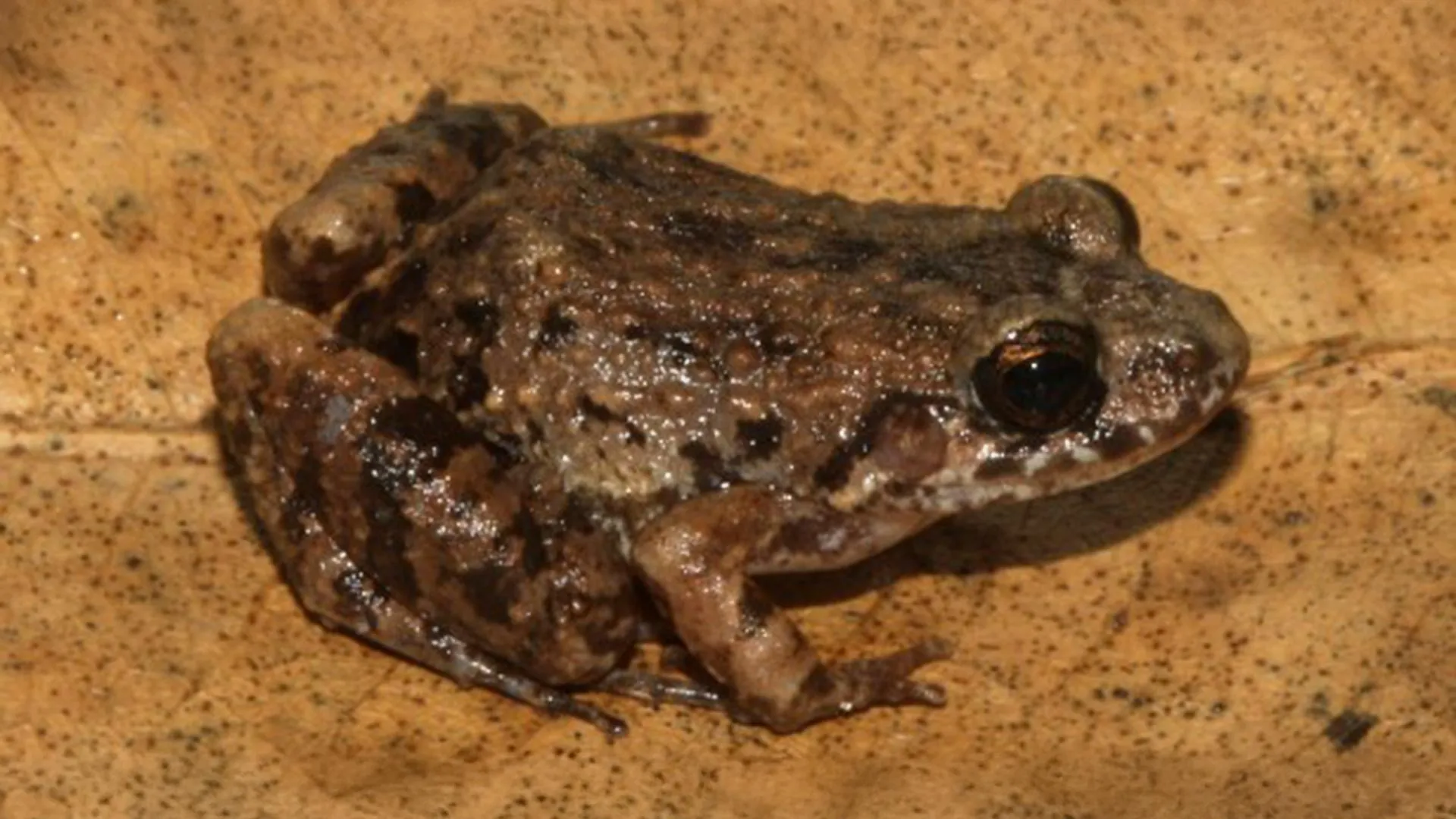
Scientists discovered a new frog species in the flooded forests of the western Amazon, distinguishing it from nearly identical relatives through DNA and its unique call. Adenomera varcena highlights how much Amazonian biodiversity remains hidden even as habitat loss and climate change threaten these poorly understood species.

Archaeologists excavating a medieval settlement in northwestern Russia have unearthed an unusual 11th-century pendant that combines Christian and pagan imagery. It is the oldest amulet of its kind discovered in the region.The double-sided copper-alloy pendant was found during a summer excavation in Staraya Russa, a historic town between Moscow and St. Petersburg, according to a translated statement from Novgorod State University. One side depicts a Christian saint, while the other side has a Medusa-like figure. The artifact is known in Russian as a "snake amulet" or "serpentine pendant." Four other examples of this jewelry type are known from Christian sites in the area, but those have been ...

A pocket-sized, roughly $100 detector can reveal the invisible stream of cosmic particles constantly passing through Earth and even through our bodies. What began as a student physics project is now being used in major experiments, balloon missions, and potentially future spacecraft.