Science News
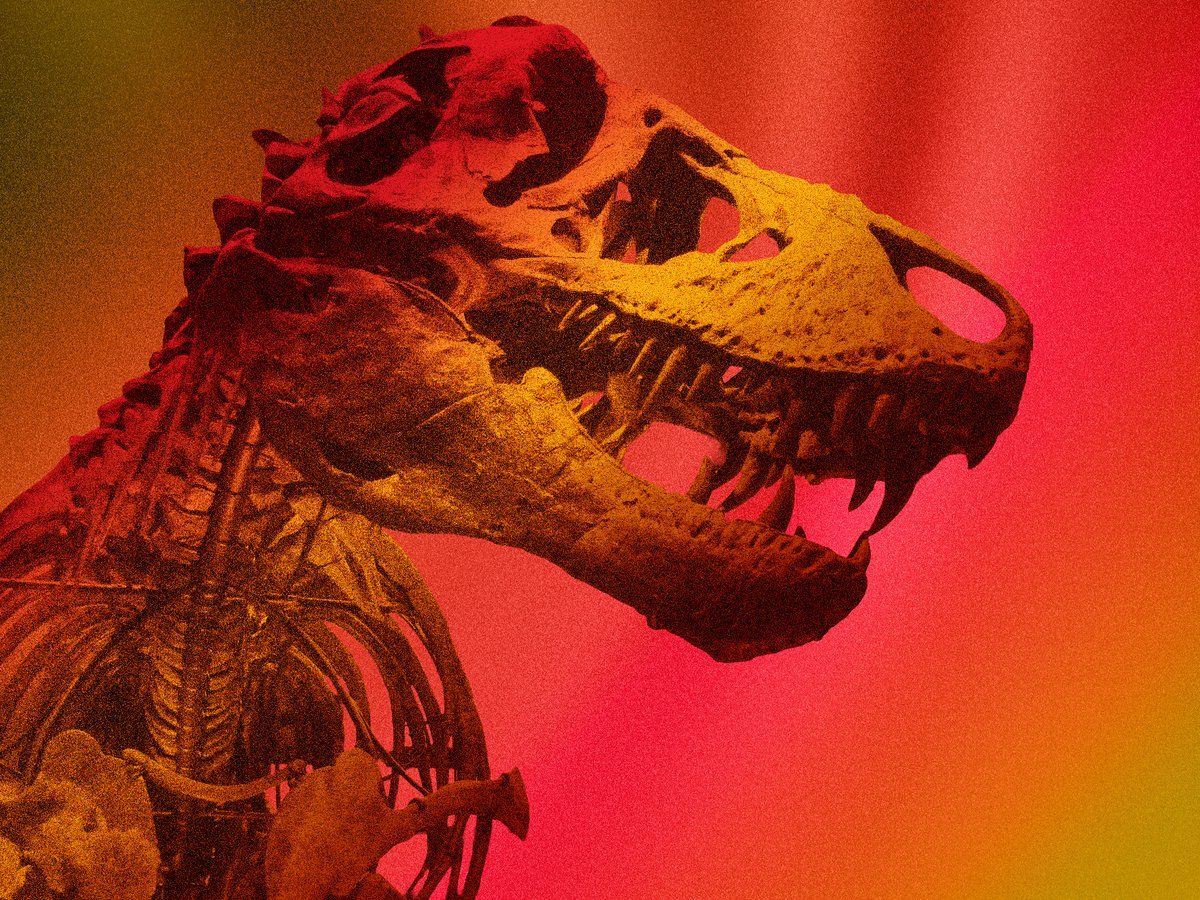
T. rex was as warm-blooded as humans, new study finds
The dinosaurs were once considered reptilian, but the new results suggest we may need to rethink their evolution
Latest science news, discoveries and scientific developments.
The dinosaurs were once considered reptilian, but the new results suggest we may need to rethink their evolution

Both the president and Secretary of Health and Human Services Robert F. Kennedy, Jr., have made numerous false claims about the vaccines’ efficacy and safety

Washington State University researchers have discovered how a group of coronaviruses circulating in hedgehogs invades host cells, a key to understanding their potential to jump between species and their risk of causing a pandemic in humans.

The Nancy Grace Roman Space Telescope hasn't yet reached its Sun–Earth L2 orbit, and it already has some good news. NASA has announced that the mission has enough fuel to potentially double its mission length. Though initially scheduled for five years of observations, followed by a five-year extended mission, the entire mission could now reach 22 years.

A pellet that dissolves in the toilet, turning the water blue and masking odor after urinating, could help us all save water, according to a first-of-its-kind study from the University of Surrey.

Genomic editing holds great potential yet continues to have limitations. Current methods either rely on untargeted gene delivery or short DNA edits that need to be individualized for each patient. A new paper published today in Nature describes a novel genome engineering method called prime assembly that allows long DNA fragments to be stitched into precise, programmable target positions within living cells. This approach may allow for the development of universal gene therapies that can be used for many patients.

Anyone who has ever damaged a friendship over a supposedly friendly game of Monopoly knows the allure of board games.

From social media to the streets of Washington, D.C., the organized white nationalist movement has become more visible in the United States over the past few decades. But the extent of this extremist movement's appeal to the broader public is less certain.

Yet more readers share their insights from their own four-legged friends – and one proposes a more general theory

If every ship on the planet were hauled out of the water, how much would global sea levels change, and how quickly? How different would Earth be if anaerobic life were the only life form, and could it have become sentient?

Josie Ford Feedback is our weekly column of bizarre stories, implausible advertising claims, confusing instructions and more Paper writer If you are a researcher studying a niche topic, one of the few ways to get some attention is to give your paper a witty title featuring a pop culture reference. Feedback has long been a fan of such things, but we would never have thought to do what the team led by Gabriel Budel at Delft University of Technology in the Netherlands did, which is to get systematic about it. Budel and his colleagues searched two academic databases for papers whose titles contain references to the titles of songs by the Beatles. They ended up with “2237 exact references and 963...


Pete Ryan All of a sudden, governments have begun to talk about something that once seemed impossible: the end of animal testing. Last year, the US and the UK both unveiled road maps intended to help move us towards this goal. A few months ago, the European Commission did likewise. The coming of age of technological alternatives to some kinds of animal research is to be celebrated. A few of these alternatives are actually more revealing than the animal experiments they replace. But if nations overstate what is possible, they risk reigniting a heated and painful row. We see this overstatement not only in news headlines, but even in the titles of policy documents themselves. Some of these talk...

The longest satellite record ever compiled shows the vast majority of ice loss from Greenland and Antarctica is due to glaciers flowing faster, rather than warmer air temperatures melting them at the surface

Common, wide-ranging vertebrate species, such as foxes, may be finding more suitable habitat in towns and cities than in the wider landscape, while rarer species—which live in smaller areas—appear to favor different habitats, according to new research into species across Europe.

Time keeps getting away from us. It has a fraught relationship with our subjective experience — sometimes slowing down or dragging on; and at other times speeding up, with years seeming to fly by as we get older. Our brain cells are even known to distort our sense of time when we're tired. In physics, time gets even more complicated, incorporated into theories of relativity — the experience of the clock's ticking being relative to the observer and their place in space — and entropy, which gives time its unidirectional flow. Meanwhile quantum mechanics indicates time can move both forwards and backwards, at least inside quantum systems. In this excerpt from "On Time: The Physics That Makes th...
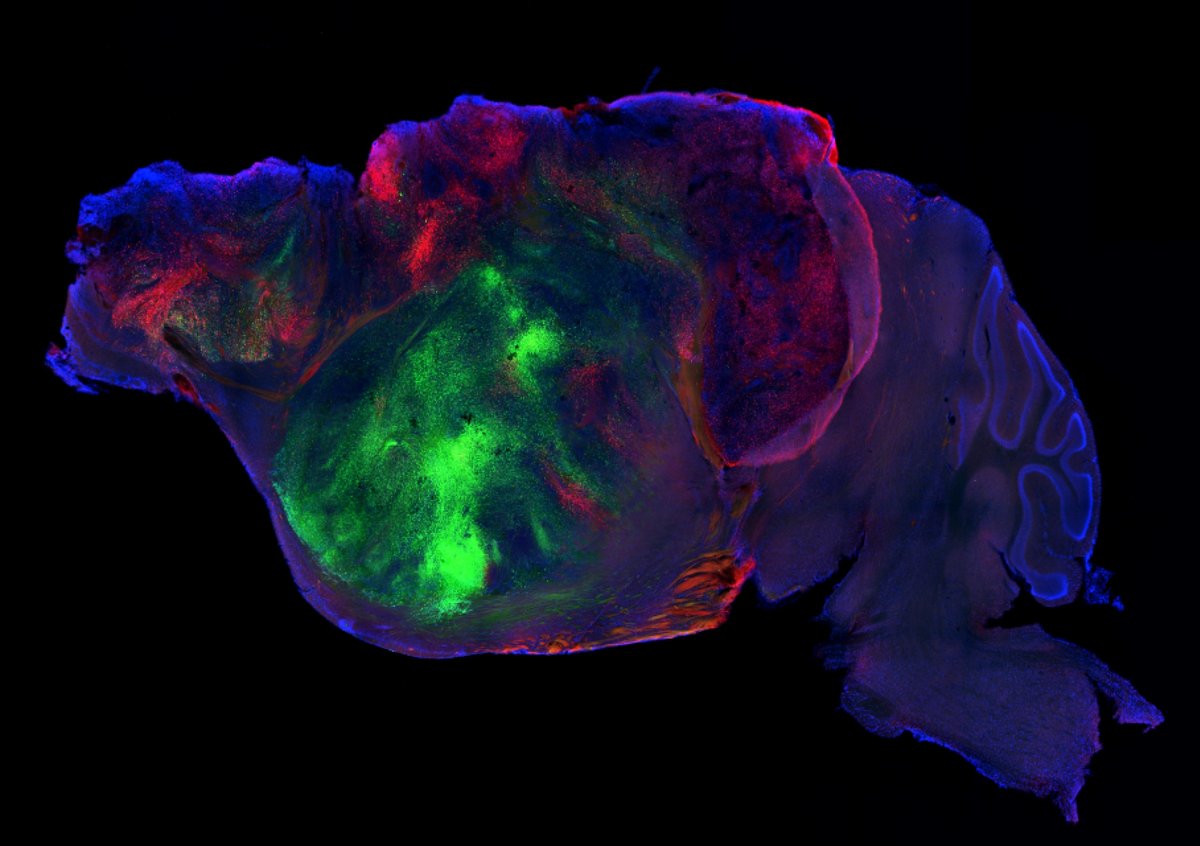
The technique opens new possibilities for investigating neurological conditions, from autism to dementia

Scientists have grown human brain tissue to fill most of a mouse’s cortex, creating a new model for studying brain disease and neural circuits.
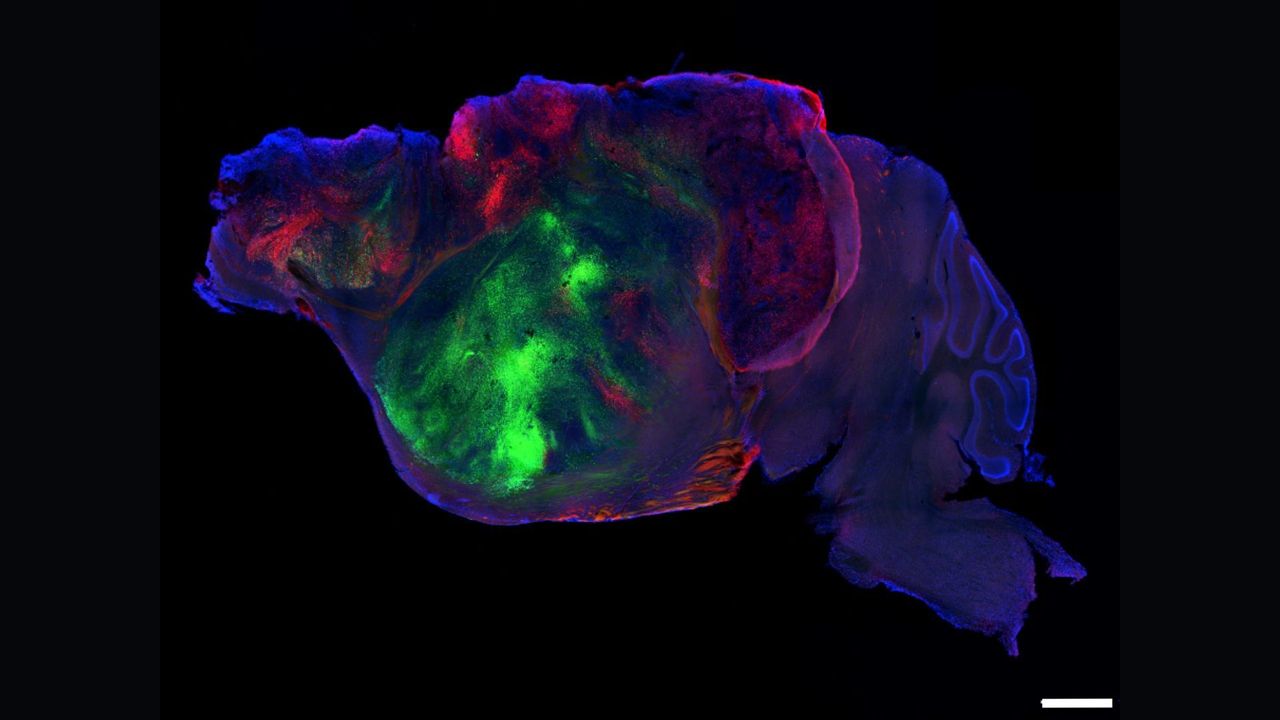
In a new study, scientists reared lab mice that were missing sections of their brains and then replaced the missing tissue with human cells. The experiment represents a step forward in the study of human brain organoids — tiny models of the human brain grown from stem cells. In the long run, scientists aim to use organoids to better understand how the brain develops and how its structure and function change in the context of disease. "It is definitely an advance in the field," said Dr. H. Isaac Chen, an associate professor of neurosurgery at the University of Pennsylvania Perelman School of Medicine. Chen was not involved in the current study but has conducted experiments transplanting hum...