Science News

Latest science news, discoveries and scientific developments.

SynFit guides enzyme engineering by balancing several useful traits at once
Science News

SynFit guides enzyme engineering by balancing several useful traits at once

Enzymes are biology's tiny chemists. They help build, break and rearrange molecules quickly and precisely. In the lab, scientists have long put enzymes to work making useful chemicals. But nature's enzymes cannot do every reaction a researcher might want. Sometimes scientists need an enzyme to take on a job it did not evolve to do. That's where enzyme engineering comes inβ€”researchers make changes to an enzyme, test how those changes affect what the enzyme does and look for versions that work better.

πŸ“… 2026-11-06 18:00:03    β€’    Phys.org
'I heard a barnacle'β€”how paying attention to nature's background noise can reveal animal secrets
Science News

'I heard a barnacle'β€”how paying attention to nature's background noise can reveal animal secrets

During four days on Washington's Olympic Peninsula, I saw an Olympic marmot, a species found nowhere else on Earth; four bumblebee species working the same lavender plant; three western hermit crab species new to me; and five orcas slicing through the dark water off Ediz Hook. Any one of them could have been the trip's highlight.

πŸ“… 2026-11-06 18:00:01    β€’    Phys.org
Vibrating mirrors of light create analog of a black hole event horizon
Science News

Vibrating mirrors of light create analog of a black hole event horizon

Optical cavities are pairs of light-trapping mirrors and underpin the operation of lasers, atomic clocks and many types of precision sensors. If the distance between the mirrors is changed rapidly enough, some theories predict that the waves inside them should bunch together into short, intense pulses. So far, however, this prediction has never been tested directly.

πŸ“… 2026-11-06 17:40:11    β€’    Phys.org
Atom-scale model could help improve material growth for advanced electronics
Science News

Atom-scale model could help improve material growth for advanced electronics

Penn State researchers have refined an atom-scale model of how silicon carbide changes from a solid into vapor during crystal growth, work that could help manufacturers produce higher-quality material for advanced electronics while reducing costly trial-and-error experiments.

πŸ“… 2026-11-06 17:20:07    β€’    Phys.org
States tax sports betting heavily, but gamblers may barely feel it
Science News

States tax sports betting heavily, but gamblers may barely feel it

Sports betting has grown explosively since 2018, when a U.S. Supreme Court ruling struck down a federal ban on it. Now, Americans wager more than $165 billion on sports annually, contributing to an industry larger than state-run lotteries even excluding prediction markets such as Kalshi and Polymarket.

πŸ“… 2026-11-06 17:20:01    β€’    Phys.org
Scientists achieve record-breaking low temperature on China's space station, paving the way for new physics experiments
Science News

Scientists achieve record-breaking low temperature on China's space station, paving the way for new physics experiments

Matter starts to behave differently at extremely low temperatures, creating conditions ideal for studying quantum physics and new states of matter. Now, researchers from China have achieved a new low-temperature record aboard their Tiangong space station. Their research, recently published in Science, might lead to a new generation of experiments in quantum physics and precision measurements in space.

πŸ“… 2026-11-06 17:00:17    β€’    Phys.org
Evolutionary history and genetic basis of spruce diversification revealed
Science News

Evolutionary history and genetic basis of spruce diversification revealed

The genus Picea (spruce) is widely distributed across the Northern Hemisphere and is a dominant component of boreal and montane forests. Understanding the evolutionary processes that have shaped diversification and regional differentiation across the genus requires a well-resolved phylogeny of Picea. However, the evolutionary history of Picea has long been obscure due to conflicting genetic signals.

πŸ“… 2026-11-06 17:00:01    β€’    Phys.org
Technique that spots tRNAs in action could accelerate drug development for inherited diseases
Science News

Technique that spots tRNAs in action could accelerate drug development for inherited diseases

Human cells turn genetic instructions into proteins with great precision. Critical for the translation of this information are transfer RNAs, or tRNAs, small molecules that read the genetic code three letters at a time and bring the matching building blocks of proteins, the amino acids, to the cell's protein-making machinery, the ribosome.

πŸ“… 2026-11-06 16:40:07    β€’    Phys.org
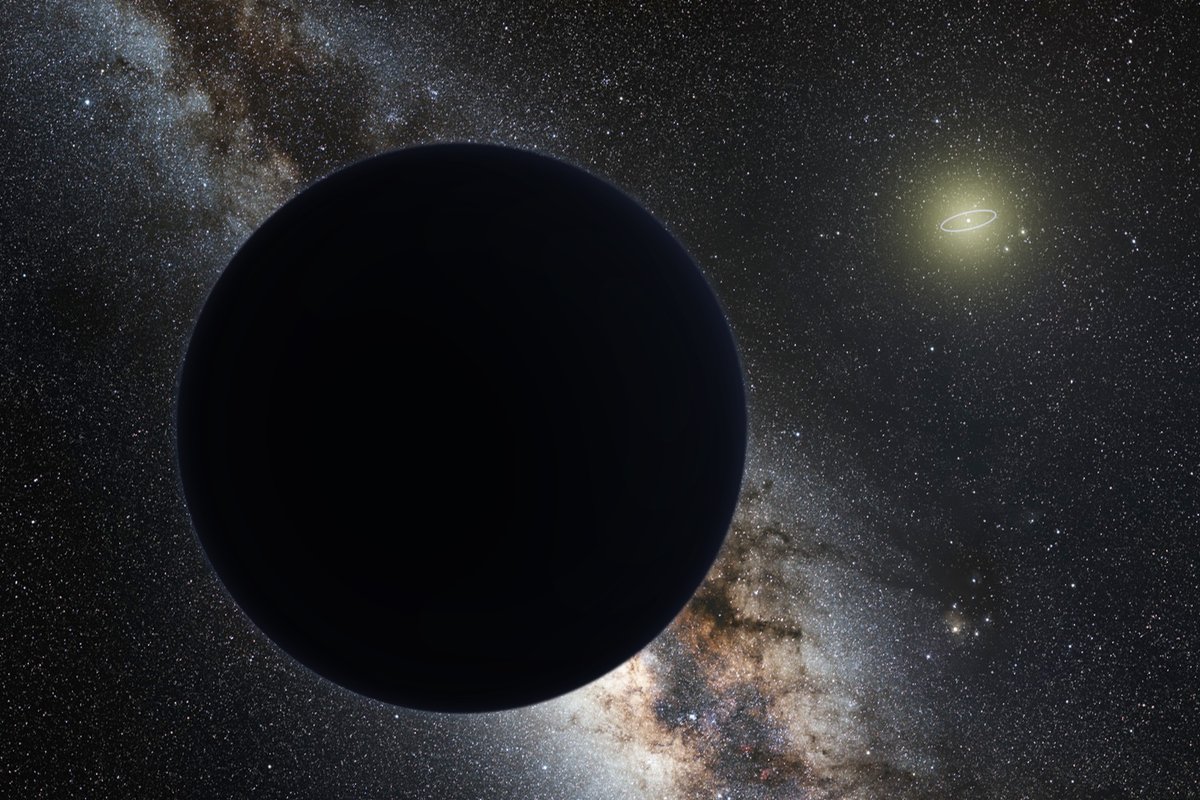
Have astronomers spotted Planet Nine?
Science News

Have astronomers spotted Planet Nine?

Archived observations appear to show a moving object in the far-distant outer solar system, but its reality is unclear

πŸ“… 2026-11-06 11:45:00    β€’    Scientific American
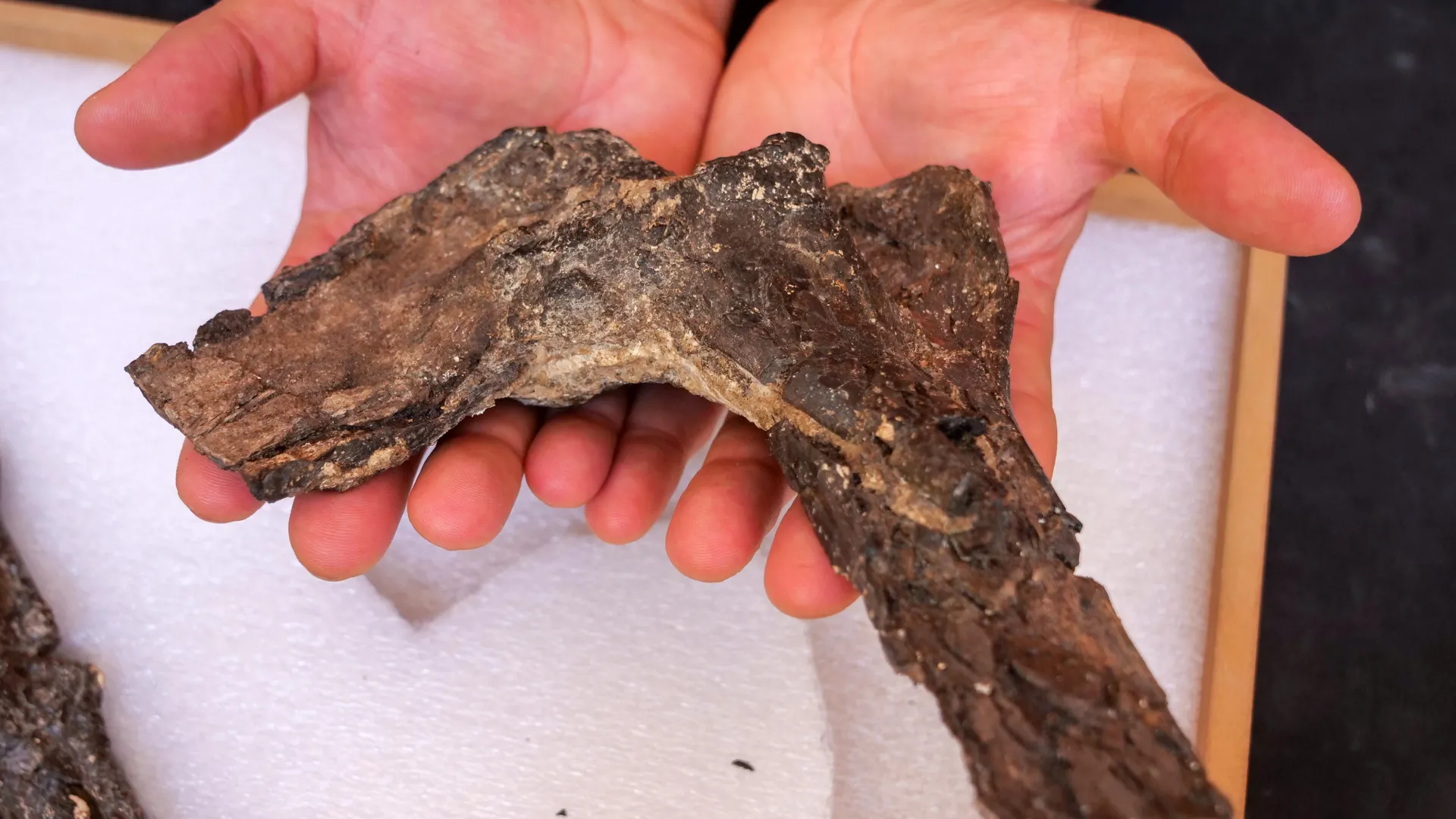
Scientists just found dinosaur blood that survived 115 million years
Science News

Scientists just found dinosaur blood that survived 115 million years

Scientists have discovered chemically confirmed traces of ancient blood inside 115-million-year-old dinosaur bones, challenging assumptions about how long biological molecules can survive. The extraordinary preservation could unlock new clues about dinosaur physiology and even help scientists search for ancient life elsewhere in the universe.

πŸ“… 2026-11-06 11:28:01    β€’    ScienceDaily
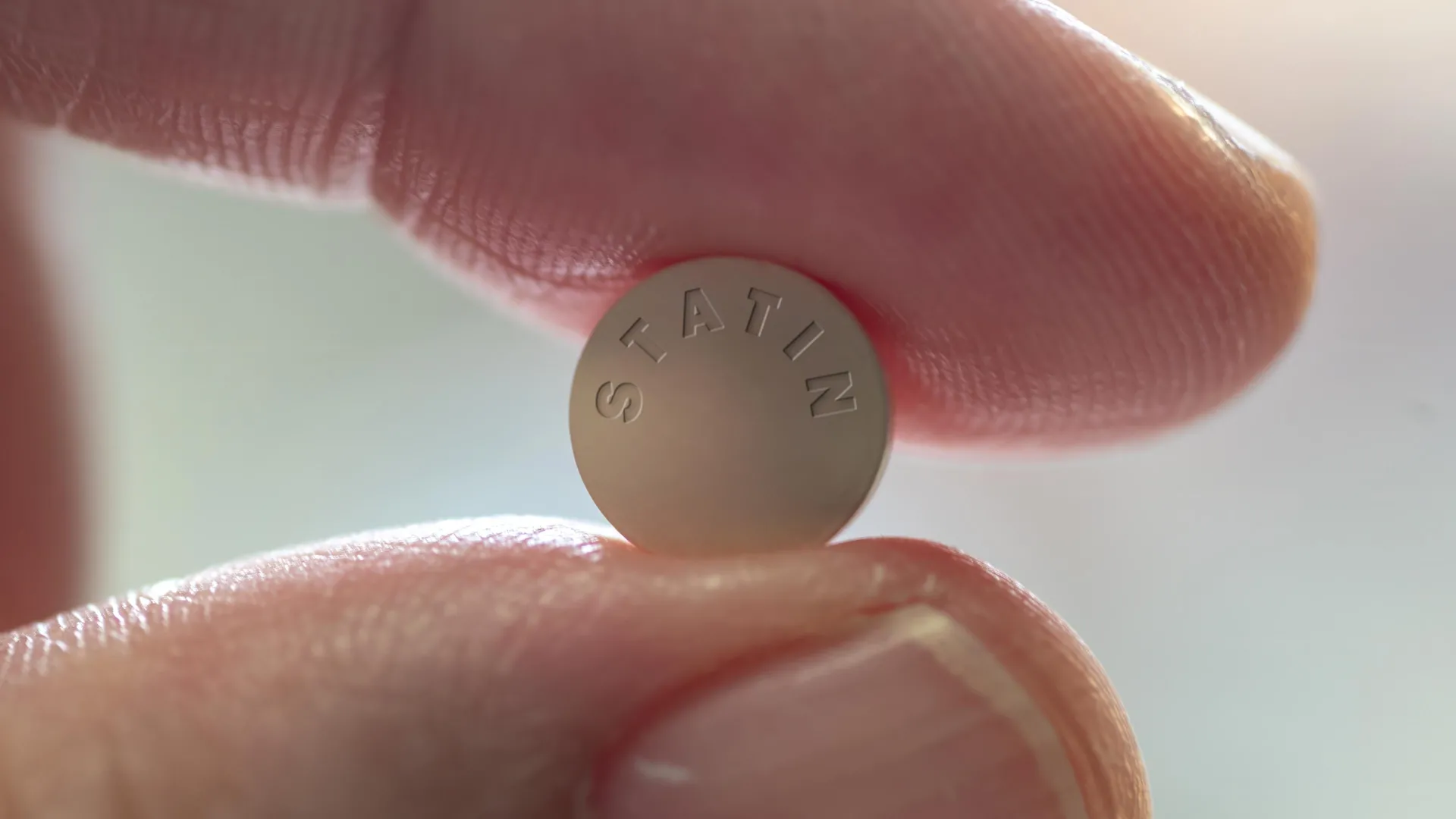
Major trial challenges how doctors decide who really needs statins
Science News

Major trial challenges how doctors decide who really needs statins

A study of nearly 5,800 adults found that heart scans measuring calcium buildup in the arteries led to the same observed rate of major cardiovascular events as traditional risk assessments, despite recommending statins to far fewer patients. Surprisingly, patients advised to take statins based on their scans were nearly three times as likely to stick with their medication, raising intriguing questions about how doctors should identify and treat heart disease risk.

πŸ“… 2026-11-06 10:59:18    β€’    ScienceDaily
High-elevation terraces suggest faster-than-expected uplift in southern Italy
Science News

High-elevation terraces suggest faster-than-expected uplift in southern Italy

University of Oregon geologist Becky Dorsey's latest research sheds light on the Siculo-Calabrian rift zone, a belt of faults spanning more than 100 miles (160 kilometers) in southern Italy. The new data could help improve earthquake hazard assessment in this seismically active region.

πŸ“… 2026-11-06 10:00:08    β€’    Phys.org
Cancer-linked gene uses 'shortcut' to trigger cell division
Science News

Cancer-linked gene uses 'shortcut' to trigger cell division

Living cells are one of the few materials that can replicate themselves, and this is crucial for tissue development and recovery from injury or illness. But making sure cell division only happens at the right time is essential; otherwise, unregulated replication can lead to problems like cancer.

πŸ“… 2026-11-06 10:00:01    β€’    Phys.org
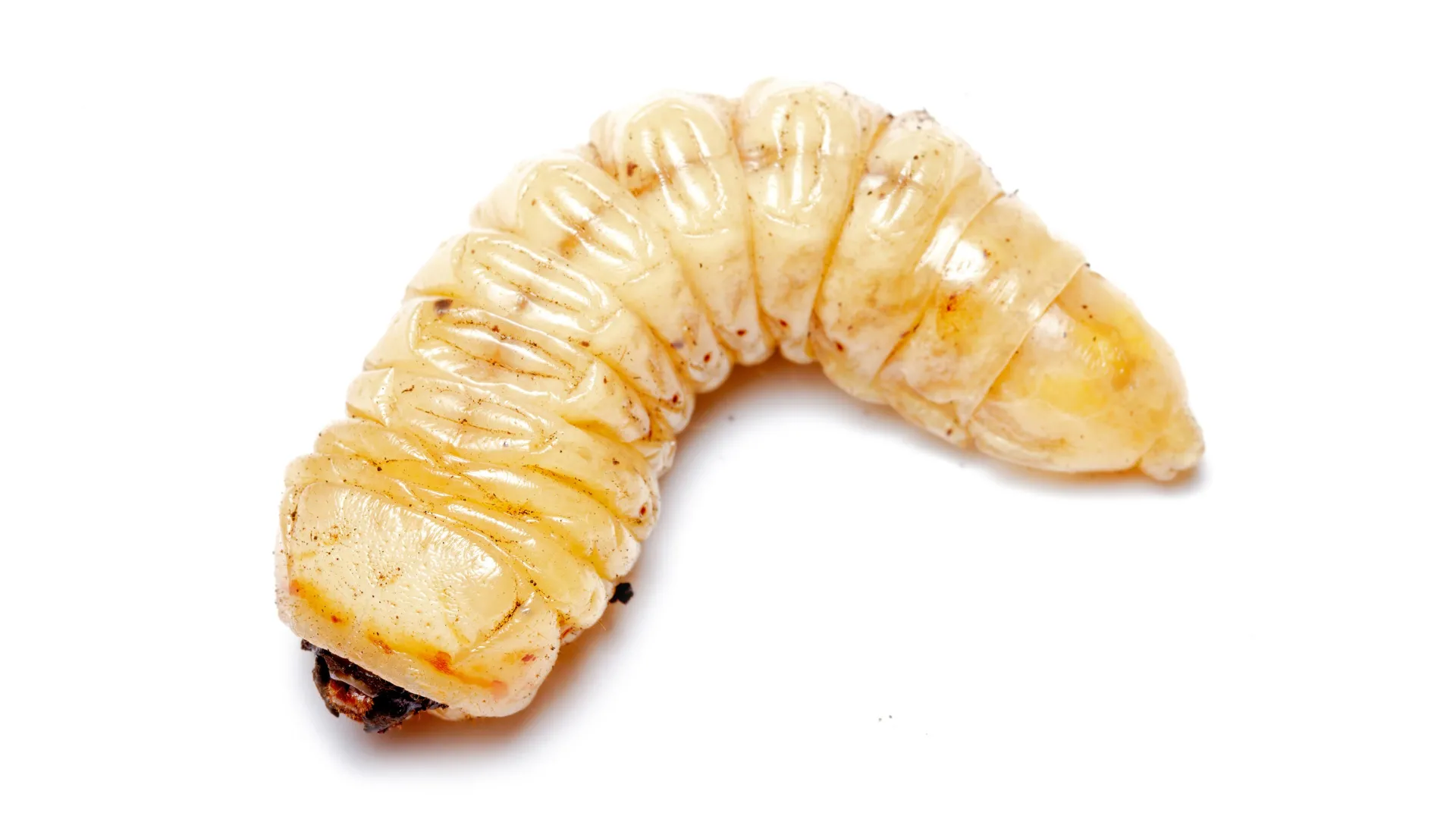
Five-inch-long beetle larvae are quietly destroying blueberry roots
Science News

Five-inch-long beetle larvae are quietly destroying blueberry roots

Scientists have solved a mystery surrounding destructive beetles attacking blueberry bushes in North Carolina, identifying a species whose massive larvae can grow up to five inches long and destroy plant roots. Although farmers have reported damage for more than a decade, the insects responsible remained unidentified until researchers used DNA analysis to uncover the culprit.

πŸ“… 2026-11-06 09:33:36    β€’    ScienceDaily