Science News

Latest science news, discoveries and scientific developments.

Scientists discover a hidden switch that shuts down inflammation
Science News

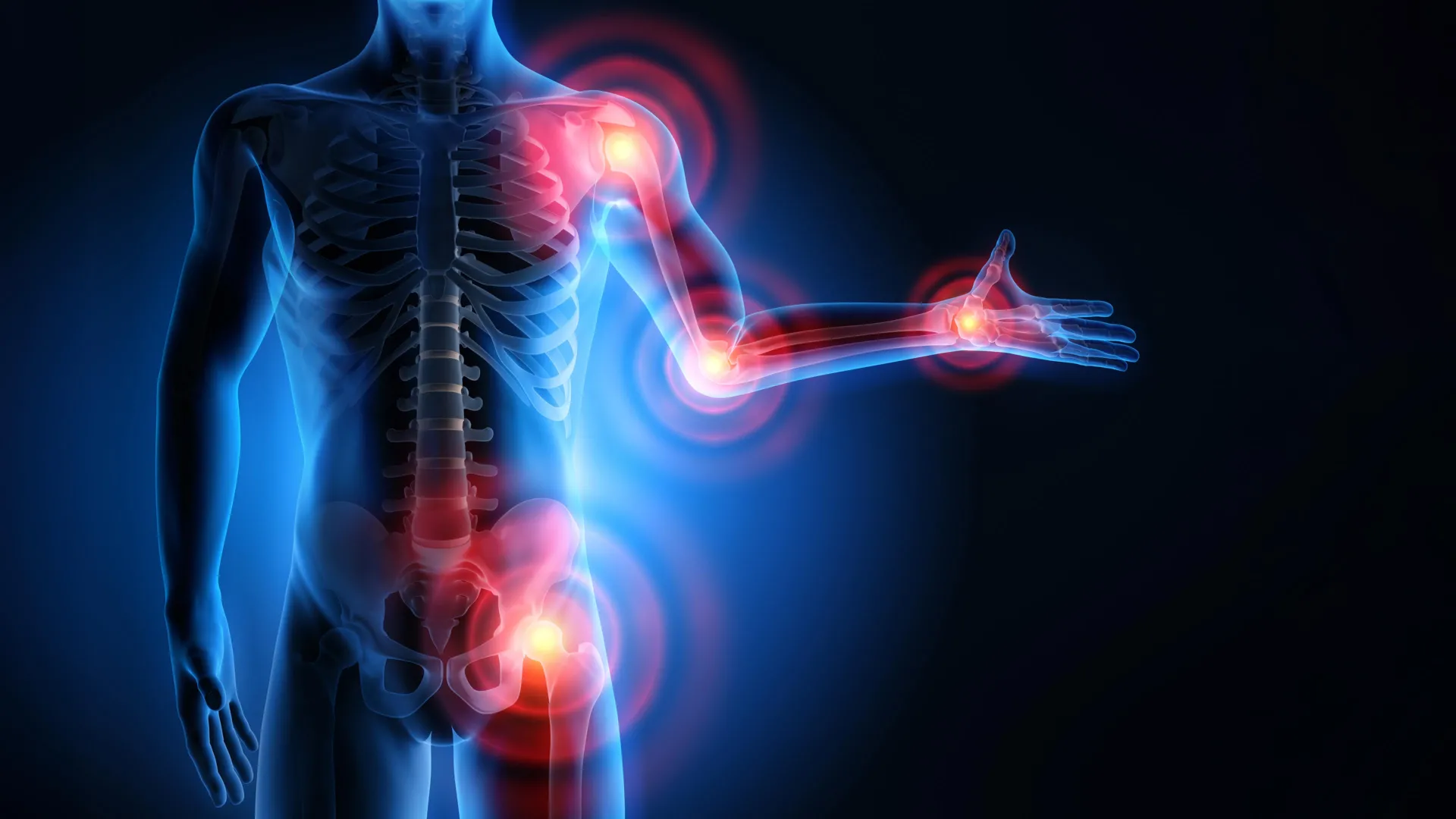
Scientists discover a hidden switch that shuts down inflammation

Scientists have uncovered a natural braking system that helps the immune system switch off inflammation and prevent harmful immune cells from building up. Boosting this pathway in people reduced inflammation-related immune changes and sped up pain relief, pointing toward potential new treatments for chronic inflammatory diseases.

📅 2026-09-13 01:44:05    •    ScienceDaily
AI could make holiday planning easier for overwhelmed travelers
Science News

AI could make holiday planning easier for overwhelmed travelers

Generative AI could help overwhelmed travelers organize their thoughts, compare options and complete vacation plans they might otherwise abandon, according to new research from the University of Surrey.

📅 2026-09-13 00:30:01    •    Phys.org
Japan's Hayabusa2 achieves first-ever laser ranging experiment with an asteroid
Science News

Japan's Hayabusa2 achieves first-ever laser ranging experiment with an asteroid

The Japan Aerospace Exploration Agency's (JAXA) Hayabusa2 spacecraft reached another milestone this summer, a first for space agencies. On Sunday, July 5, the probe conducted the first successful laser-ranging experiment during a flyby of asteroid Torifune, the first exploration target of Hayabusa2's Extended Mission. This latest milestone will advance the capabilities of JAXA and other space agencies as they pursue future missions involving near-Earth asteroids (NEAs) and other deep-space objects.

📅 2026-09-12 21:00:02    •    Phys.org
Unified framework shows thermoelectric performance depends on more than the material itself
Science News

Unified framework shows thermoelectric performance depends on more than the material itself

Thermoelectric materials can directly convert heat into electricity, making them promising for recovering waste heat from factories, vehicles and other sources. They can also transport heat when an electric current is applied through a phenomenon known as the Peltier effect. These properties have attracted considerable interest in energy-saving technologies and thermal management.

📅 2026-09-12 19:30:02    •    Phys.org
Silicon nanosphere coatings deliver glossy, nonfading color on 3D surfaces
Science News

Silicon nanosphere coatings deliver glossy, nonfading color on 3D surfaces

"Color coatings are expected to provide vivid color, brightness, gloss and long-term durability, yet no existing technology satisfies all of these requirements simultaneously," says Kobe University materials engineer Hiroshi Sugimoto. Conventional coatings usually rely on relatively thick pigment layers that fade and add significant weight.

📅 2026-09-12 19:00:01    •    Phys.org
Southern Ocean may flip from carbon sink to carbon source under mitigation scenarios
Science News

Southern Ocean may flip from carbon sink to carbon source under mitigation scenarios

Plans to limit the global temperature rise to 1.5°C above preindustrial levels depend on reaching net-zero emissions and, in many cases, actively removing carbon dioxide (CO2) from the air. While this helps limit extreme weather, sea level rise, ecosystem loss and the risk of triggering irreversible climate tipping points, a new study, published in Science Advances, finds that reducing CO2 levels may have an unexpected effect. Climate simulations used in the study suggest that the Southern Ocean around Antarctica may switch from being an important carbon sink to being a prolific source of carbon.

📅 2026-09-12 17:20:01    •    Phys.org
Why do some salivary glands fail? Researchers point to hidden cell stress
Science News

Why do some salivary glands fail? Researchers point to hidden cell stress

For cancer patients undergoing head and neck radiation therapy, people living with Sjögren's syndrome, people with diabetes or older people, reduced saliva production and the resulting dry mouth are far more than uncomfortable. They can have major consequences for quality of life, making it difficult to eat, speak and swallow, altering taste perception, and increasing the risk of dental cavities and oral infections.

📅 2026-09-12 16:30:01    •    Phys.org
Human embryo base editing can reach all cells but causes unpredictable genetic changes
Science News

Human embryo base editing can reach all cells but causes unpredictable genetic changes

A study by researchers at Columbia University Vagelos College of Physicians and Surgeons has found that new cutting-edge techniques can accurately edit genes in human embryos—giving scientists indispensable tools for understanding normal human development—but has also uncovered important risks that currently preclude the use of the techniques in the clinic.

📅 2026-09-12 16:00:01    •    Phys.org
CERN finds gluons behaving strangely deep inside atomic nuclei
Science News

CERN finds gluons behaving strangely deep inside atomic nuclei

Physicists at CERN have found a new way to peer deep inside atomic nuclei and distinguish between two competing explanations for how gluons behave. Using the ALICE experiment at the Large Hadron Collider, researchers measured particle production at unprecedented spatial resolution, revealing structures as small as about one-quarter the size of a proton. At the smallest scales, they saw a surprising drop in J/ψ production that conventional “nuclear shadowing” struggles to explain.

📅 2026-09-12 15:04:06    •    ScienceDaily
Who really needs a heart calcium scan?
Science News

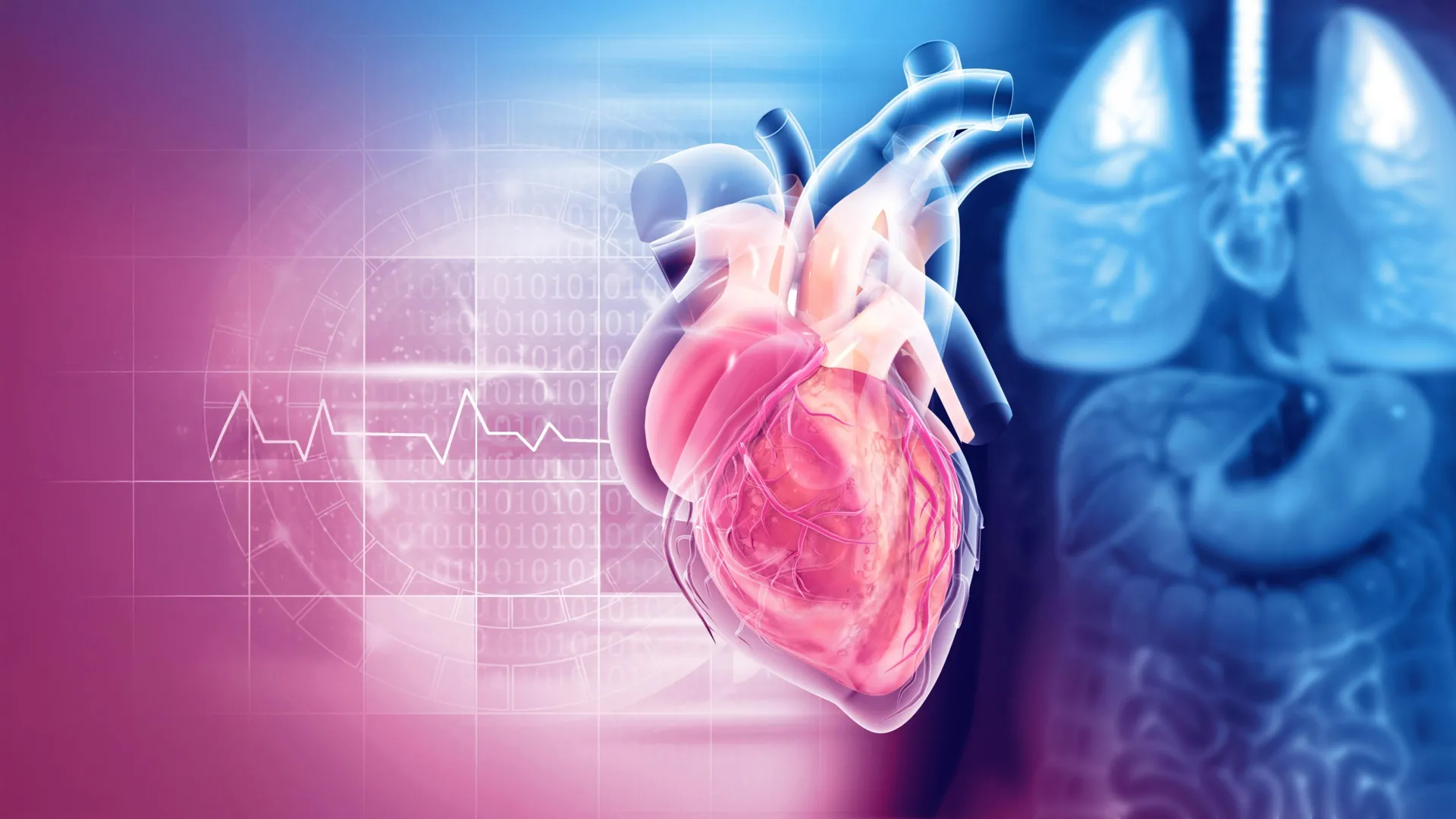
Who really needs a heart calcium scan?

A 10-year study of more than 6,000 adults found that popular coronary calcium scans may add little to standard heart disease risk estimates for many people. But for patients with borderline or intermediate risk, the scans could make a meaningful difference by revealing who is actually more likely to develop heart disease.

📅 2026-09-12 14:33:54    •    ScienceDaily
Tiny sound waves could help solve a major quantum computing problem
Science News

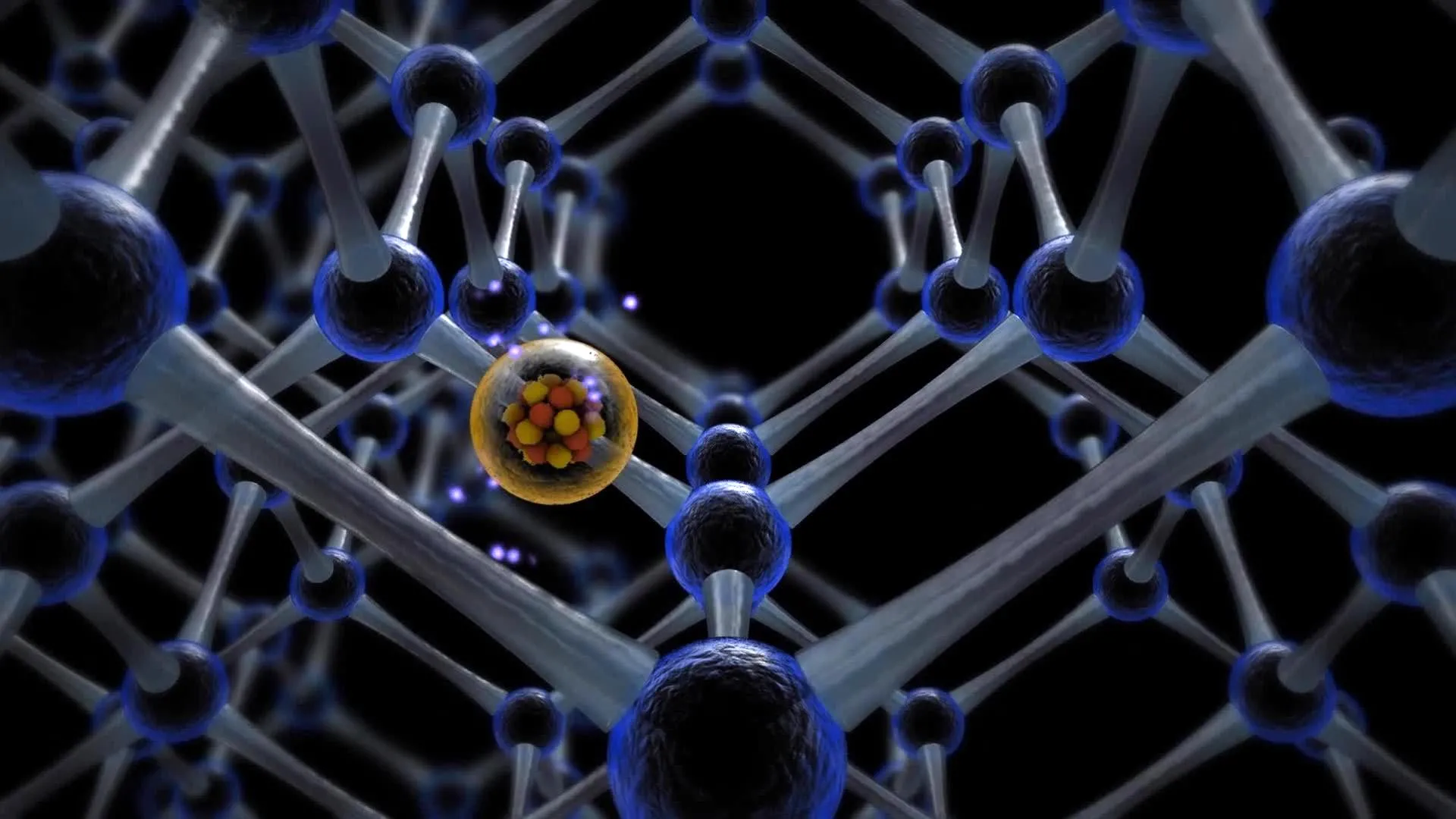
Tiny sound waves could help solve a major quantum computing problem

Researchers at Harvard have demonstrated a way to protect quantum information using microscopic sound waves. By continuously surrounding a diamond-based qubit with mechanical vibrations, they extended its coherence time by roughly threefold. The same phonons could eventually both transmit and protect quantum information, opening the door to compact sound-based quantum networks on chips.

📅 2026-09-12 14:08:20    •    ScienceDaily
Physicists turn classical light into a quantum machine for information processing
Science News

Physicists turn classical light into a quantum machine for information processing

Quantum computers promise to tackle problems that are extraordinarily difficult for today's computers. But there is a major obstacle: quantum systems are notoriously fragile. Noise, loss and even tiny disturbances can destroy the delicate behavior that gives them their power. Building systems with many quantum particles is also extremely challenging.

📅 2026-09-12 14:00:01    •    Phys.org
Scientists got diamond's melting point wrong by more than 1,000 degrees, crushing new laser experiment reveals
Science News

Scientists got diamond's melting point wrong by more than 1,000 degrees, crushing new laser experiment reveals

Scientists melted diamonds with a powerful laser to take some of the most precise measurements of the mineral's elusive melting point — and found that previous experiments were off by more than 1,300 degrees Fahrenheit (700 degrees Celsius).It's odd to think of diamond, the hardest natural material on Earth, melting — but melt it does when blasted with extremely powerful lasers under the right conditions. Understanding how diamond responds to shock waves from lasers is an important part of developing nuclear fusion, the process that powers stars. Nuclear fusion is also a potential energy source for the future, so researchers have put a lot of effort into developing models that describe and p...

📅 2026-09-12 14:00:00    •    Live Science
Scientists find Ozempic may slow aging itself
Science News

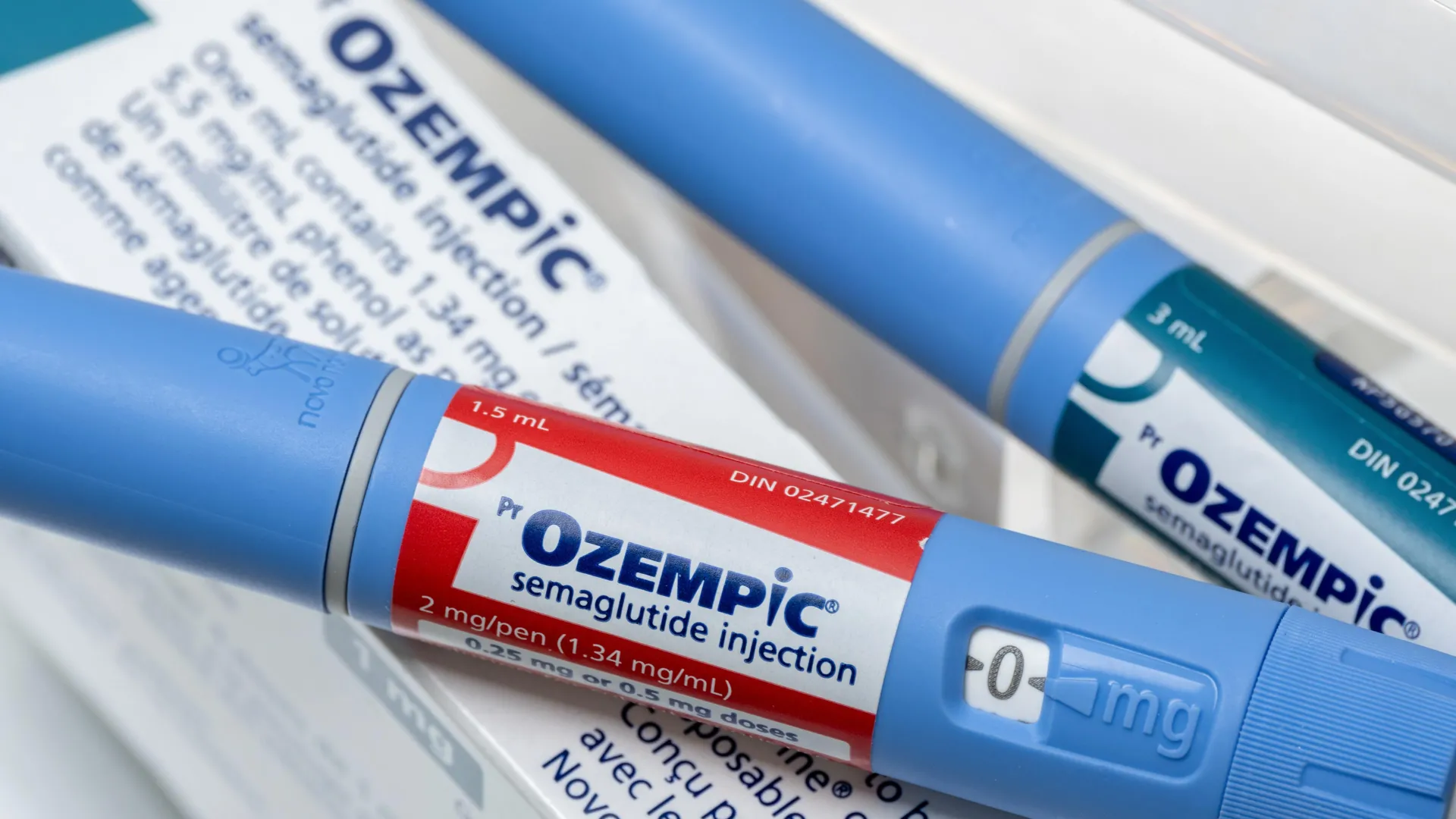
Scientists find Ozempic may slow aging itself

Semaglutide helped older healthy mice live longer while improving memory, muscle function, blood sugar control, and several biological signs of aging. Its effects went beyond those seen with calorie restriction, raising the possibility that GLP-1 drugs could tap into a separate biological pathway linked to longevity.

📅 2026-09-12 13:52:50    •    ScienceDaily
Researchers find a Wordle strategy that wins 99% of the time
Science News

Researchers find a Wordle strategy that wins 99% of the time

Researchers at Binghamton University have developed a mathematical strategy that can solve Wordle with a 99% success rate. Instead of simply guessing words packed with common letters or choosing the most likely answer, the method uses Shannon entropy, a measure from information theory, to identify guesses that reveal the most useful information. Each guess is designed to rapidly shrink the pool of possible answers, even when the guessed word itself seems unlikely to be correct.

📅 2026-09-12 13:35:56    •    ScienceDaily