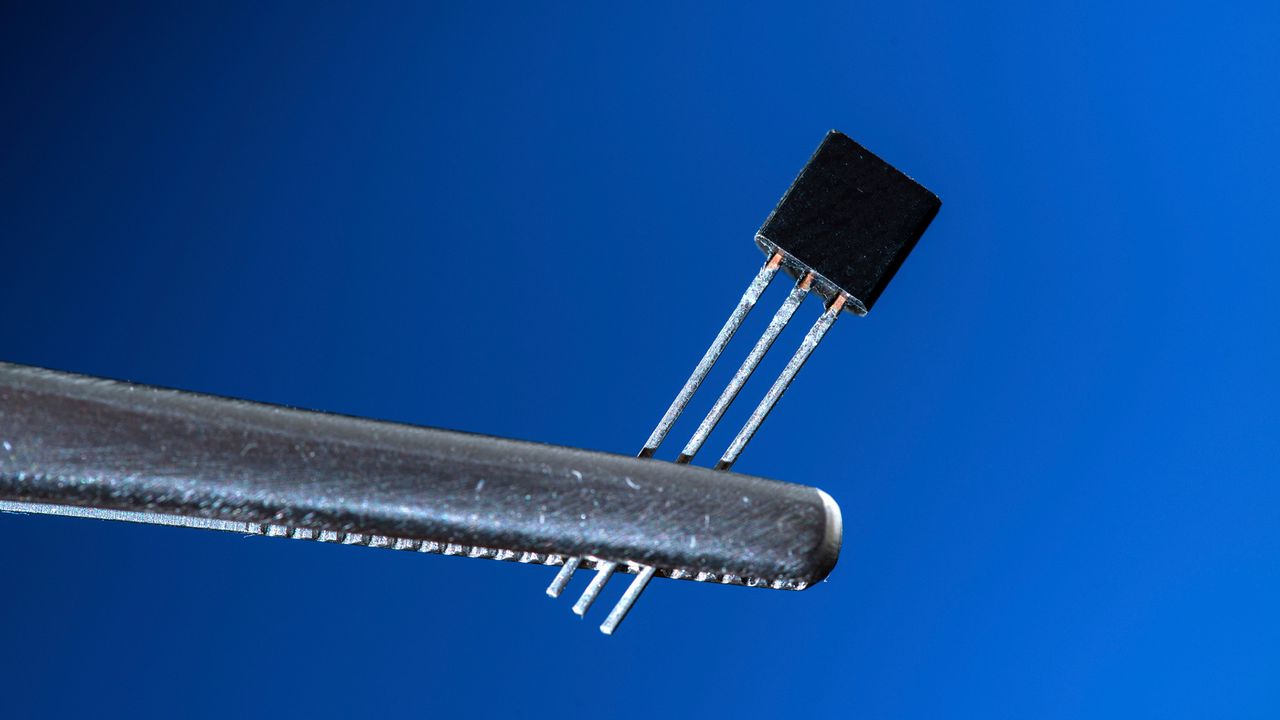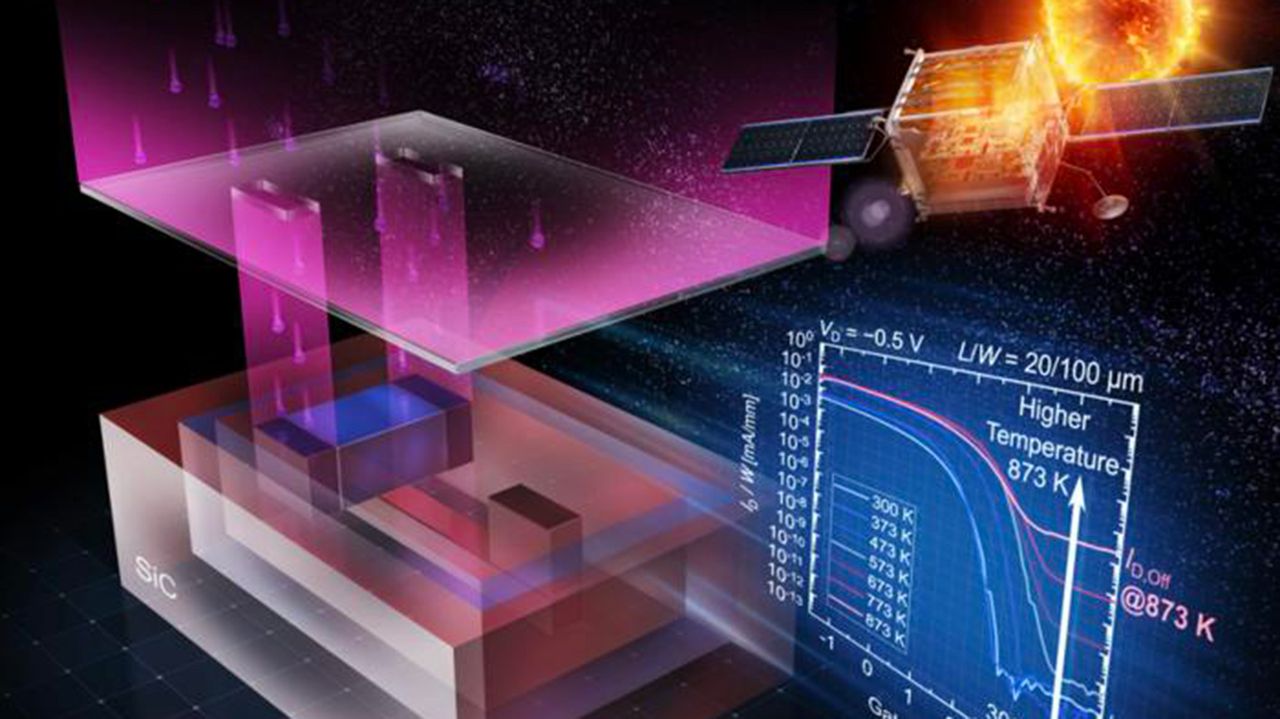
'Extreme' transistor can withstand heat of 1000-plus F — priming it for use in Venus-bound probes
The silicon carbide transistor is designed to avoid low controllability and current leakage, which typically become problems at high temperatures.
Latest science news, discoveries and scientific developments.
The silicon carbide transistor is designed to avoid low controllability and current leakage, which typically become problems at high temperatures.
Collectively intelligent bricks figure out if they’re in a boat, chair or guitar
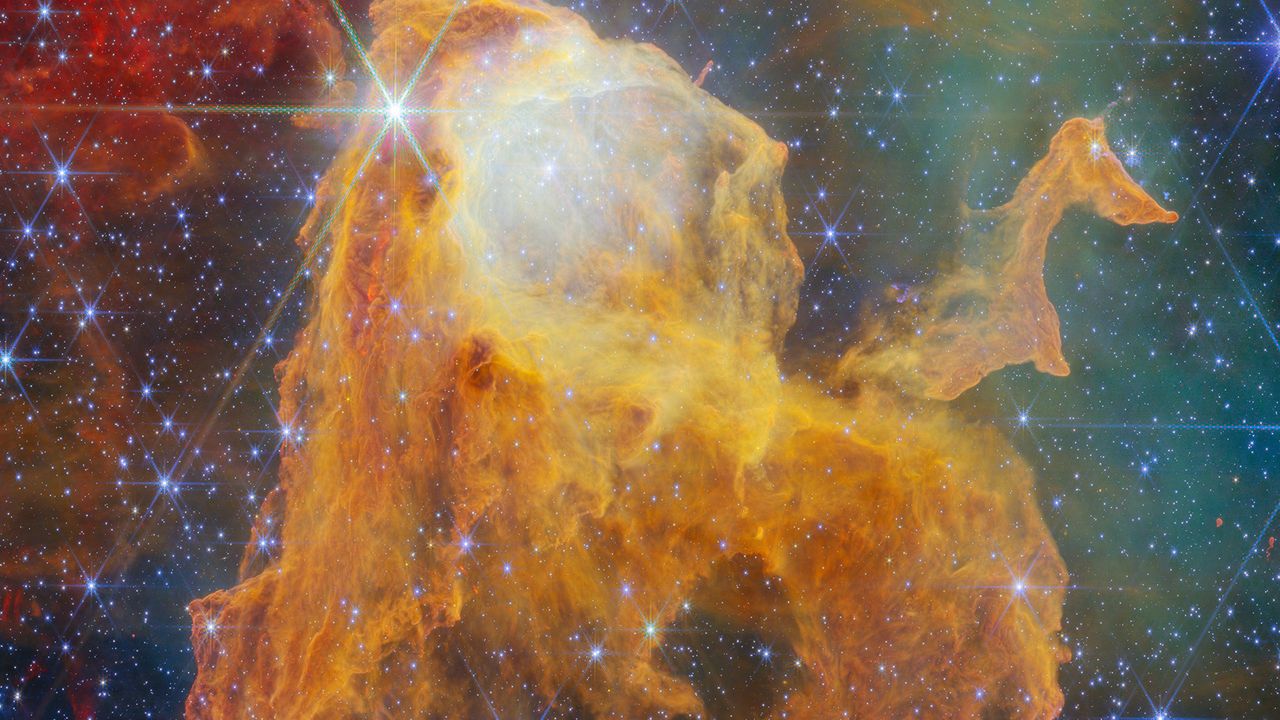
A dazzling new James Webb Space Telescope image reveals about 70 newborn stars buried inside a strangely shaped cloud in the Carina Nebula.
How small can a transistor actually get? And is smaller even still the goal?
Germany's Isar Aerospace launched a rocket into orbit from Norway on Saturday as Europe races to boost its ability to economically send satellites into space independently of the United States.
Indonesia’s dangerous peat fires are surging early in the 2026 fire season as a strengthening El Niño and severe drought dry out wetlands that can burn underground for months. These slow smoldering fires are especially destructive because they release far more fine particles and several pollutants than typical tropical forest fires, while thick smoke can make them difficult for satellites to detect.
Acrid smoke hung heavily over the Malaysian town of Serian, seeping into homes and cloaking roadside stalls, as residents navigated an air-quality emergency fueled by transboundary haze from Indonesia's raging fires.
Princeton researchers have tested an AI system that can monitor and control fusion plasma in milliseconds, reacting far faster than a human operator. In one experiment, it predicted a damaging instability about 200 milliseconds before it appeared and adjusted the plasma to stop it from forming.
Researchers may have found a new way to weaken glioblastoma’s defenses against treatment. Blocking a protein called SET prevented tumors from forming in preclinical models, while targeting related proteins made cancer cells more vulnerable to radiation. The strategy works by restoring activity of PP2A, an enzyme that glioblastoma cells appear to suppress. Human testing will be needed to determine whether the approach is safe and effective.
Scientists used Earth’s magnetic field and atmosphere as a planet-sized detector to search for some of the lightest proposed forms of dark matter. The approach dramatically improved limits on ultralight axions and uncovered several intriguing dark photon signals that still need to be explained.
Archaeologists have identified tiny 80,000-year-old projectile points in Uzbekistan that may have been used like arrowheads. Their size, design, and impact damage closely resemble weapons found much later at a Homo sapiens site in France. The discovery suggests sophisticated projectile technology may have appeared in Central Asia long before modern humans became firmly established in Europe, potentially rewriting a major chapter of human migration.
Heart disease and chronic kidney disease can accelerate one another, but new guidelines say simple screening and early treatment could substantially reduce the risks. Blood and urine tests, combined with proven heart and kidney therapies, may help catch problems sooner and prevent serious complications.
A common frog found across Ecuador and Colombia has finally been recognized as its own species after more than a century of mistaken identity. Museum specimens from the 1800s helped scientists reveal that Pristimantis milpe had been hiding in plain sight all along.
Scientists have found evidence that vulnerability to rheumatoid arthritis may begin before birth. Finger joints commonly affected by the disease develop with different tissue structures and larger populations of specialized fibroblasts than joints that are usually spared. Those cells also respond differently to inflammation, suggesting that the architecture of each joint may help determine where arthritis eventually takes hold.
Conformational changes in proteins are vital to their function yet remain challenging for state-of-the-art artificial intelligence, such as AlphaFold3, to predict. Researchers at the Institute for Molecular Science (IMS), and the Graduate University for Advanced Studies, SOKENDAI introduced a repulsive force between predicted structures, allowing AlphaFold3 to sample the multiple conformational states that its default settings rarely capture.
Scientists in Japan have identified a natural compound found in blueberries, grapes, and other berries that may help muscle cells burn excess fat instead of storing it. The compound, pterostilbene, reduced abnormal fat buildup in cultured mouse muscle cells by boosting fat breakdown and helping stabilize a key protein involved in fatty acid metabolism.
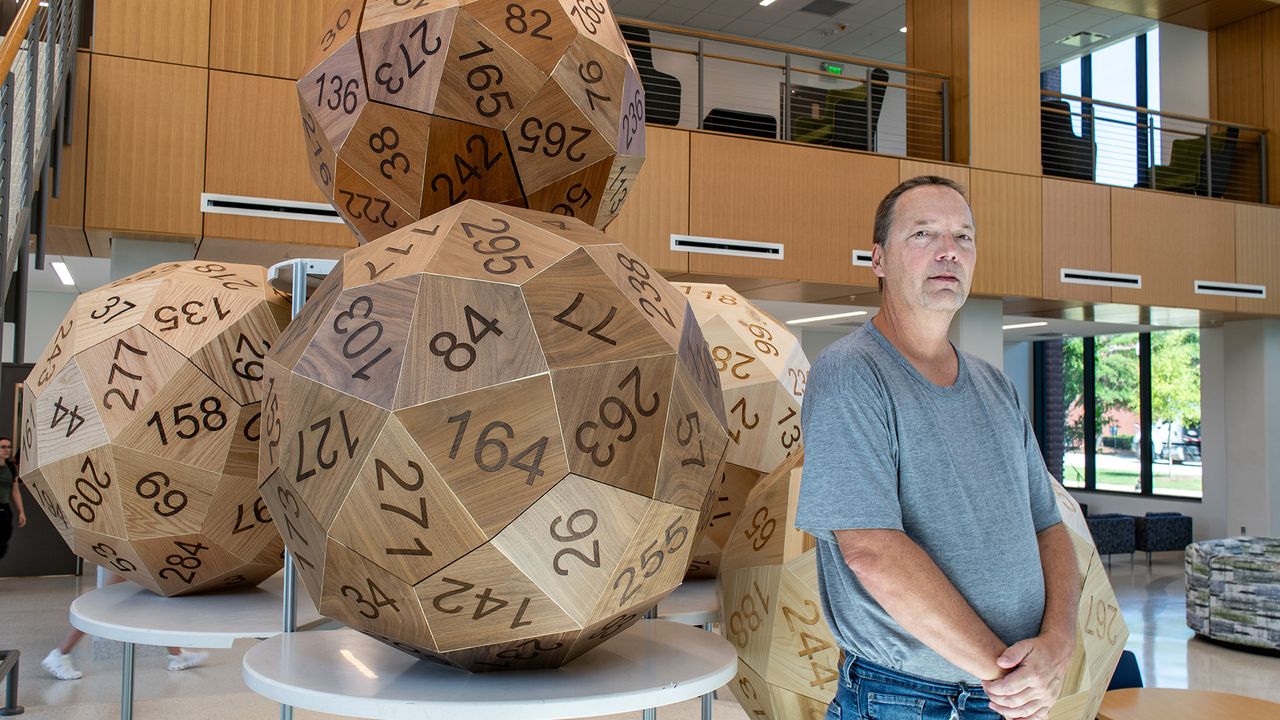
A team of mathematicians discovered that five 60-sided dice, arranged with exactly the right numbers, can determine a perfectly fair turn order for any group of players, with zero chance of a tie.
Humanoid robots at the World Humanoid Robot Games in Beijing have outpaced and out-jumped human athletics benchmarks, but the event also revealed how much work remains before they can operate reliably in the real world.
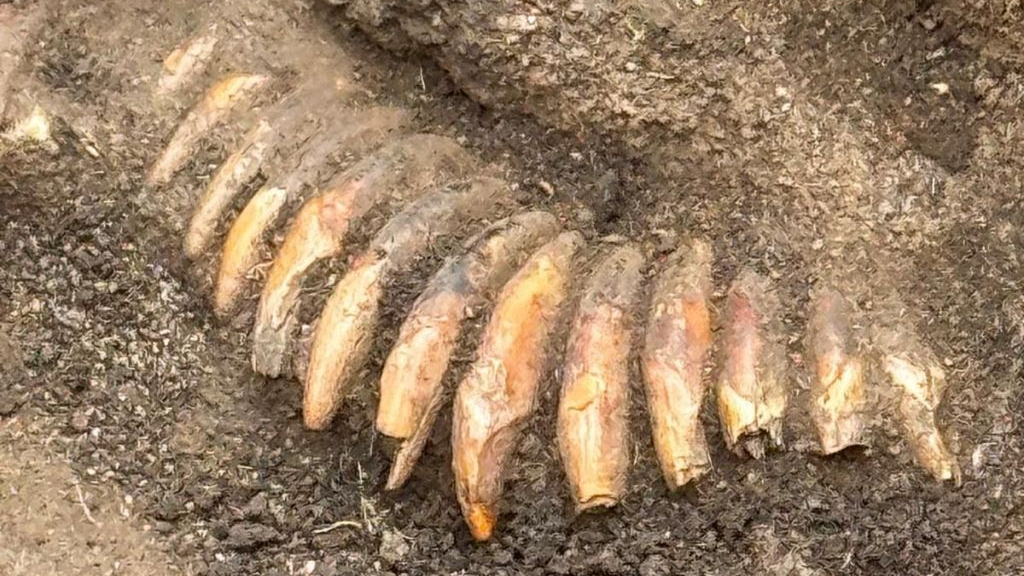
A Stone Age burial of a man with a toothy necklace and human skulls surprised archaeologists excavating in Poland.
Converting the proof of Fermat's last theorem into code that computers can check was expected to take years. Anthropic's Claude AI managed it in less than two weeks