
Science News
AI agents aren’t ready to replace humans in behavioral research
A new study finds that digital twins don’t yet replicate the views of the individuals they are modeled after.
Latest science news, discoveries and scientific developments.
A new study finds that digital twins don’t yet replicate the views of the individuals they are modeled after.

Many people who have chemotherapy develop numbness, tingling and pain in their hands and feet, which can disrupt their treatment. But research suggests that psilocybin, the psychedelic in magic mushrooms, could prevent this side effect

The findings, which were made in mice, may offer a new way to prevent a common chemotherapy side effect that can last well beyond treatment
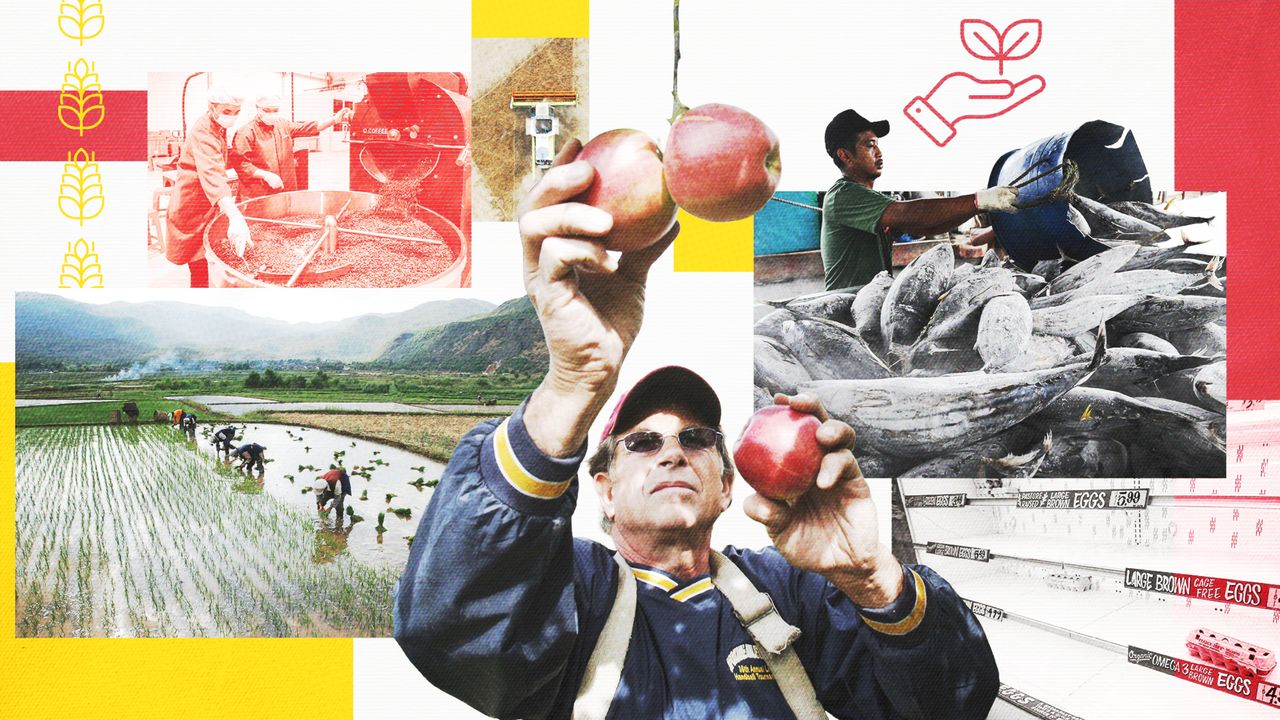
Almost every aspect of our food system will be transformed by climate change.

Scorching conditions this year have triggered wildfires in European countries that are normally considered to be damp and cool
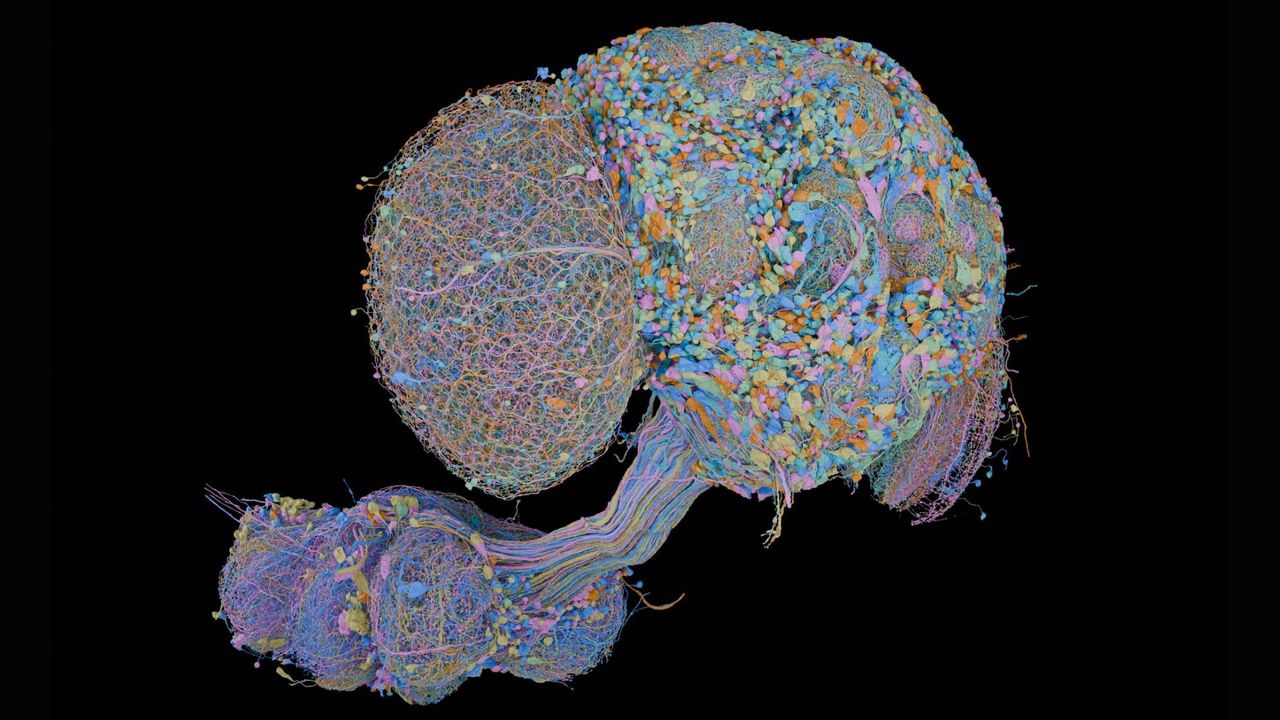
A new map of the adult male fruit fly brain and nerve cord includes over 166,000 neurons and the millions of connections between them.

Scientists knew that sliding along surfaces gives water drops a charge. Those droplets can damage bridges, cars and more over time, new work shows.
In a critical maneuver on Thursday, the mission successfully deployed its two science orbiters—beginning the final phases of its arrival at Mercury
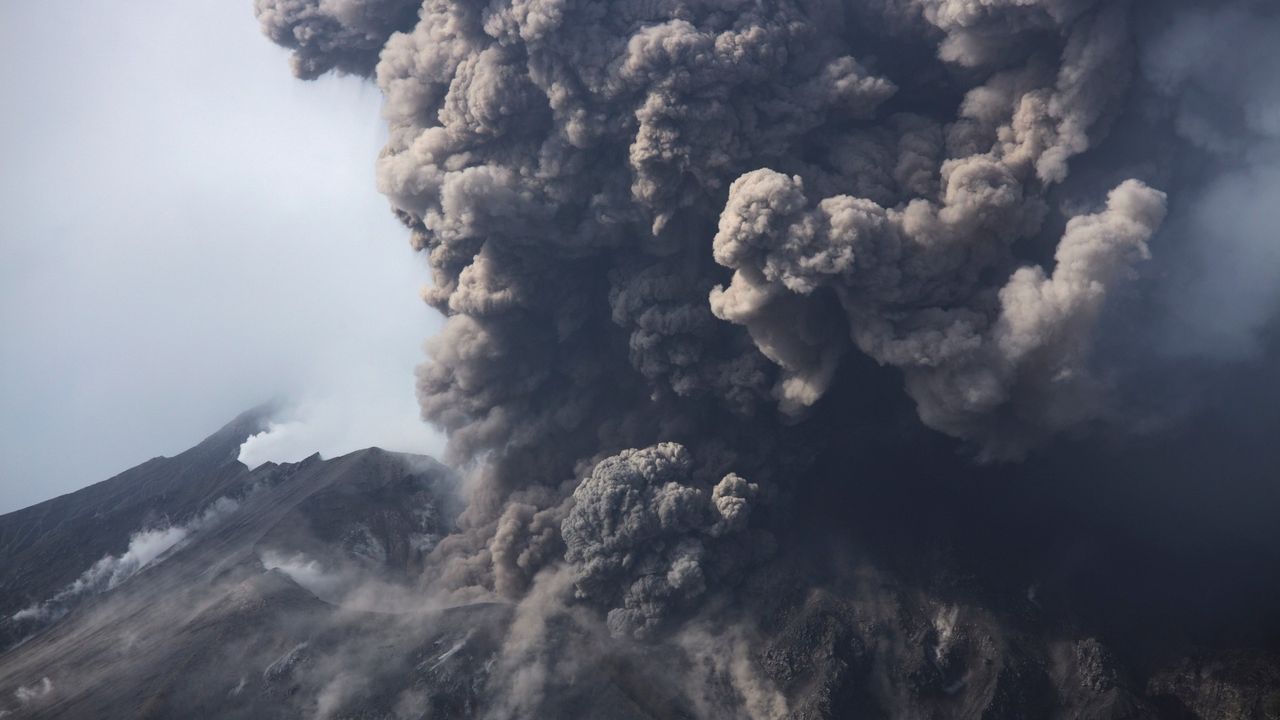
Geologists recently identified a 454.4 million-year-old volcano on England's east coast, but whether the structure can be considered a "supervolcano" remains an open question.
A newly discovered microbe living inside ancient stromatolite communities may offer a rare look at how complex life first emerged. Researchers captured the first direct images of an Asgard archaeon physically connected to a bacterium, with the two microbes appearing to exchange nutrients and other compounds. Scientists think similar partnerships billions of years ago may have helped produce the first complex cells.
A huge 10-sided atmospheric pattern has appeared around Saturn’s south pole, giving the planet a surprising counterpart to its famous northern hexagon. Hubble data suggest the strange decagon only began emerging in the past few years and is still growing stronger. Researchers hope continued observations will reveal why it suddenly formed and whether it could persist for decades.
Scientists at Carnegie Mellon University have discovered an unexpected form of the Hall effect, overturning the long-held assumption that this electrical response only appears when a magnetic field points perpendicular to a material. Beyond expanding a century-old principle of physics, the finding could eventually lead to simpler magnetic sensors for electronics, transportation, and medical technologies.
Scientists discovered that more than 500 species of vesper bats possess two separate sets of antibody genes, an immune arrangement never before found in mammals. The surprising system could help explain how bats tolerate so many viruses without becoming seriously ill.
The endangered animals displayed a first in raccoons and their kin
Aging may be partly fueled by immune cells losing their ability to clear away damaged, inflammation-promoting cells. Blocking a single receptor restored that cleanup process in mice, reducing inflammation and helping their organs, muscles, and memory remain remarkably youthful.
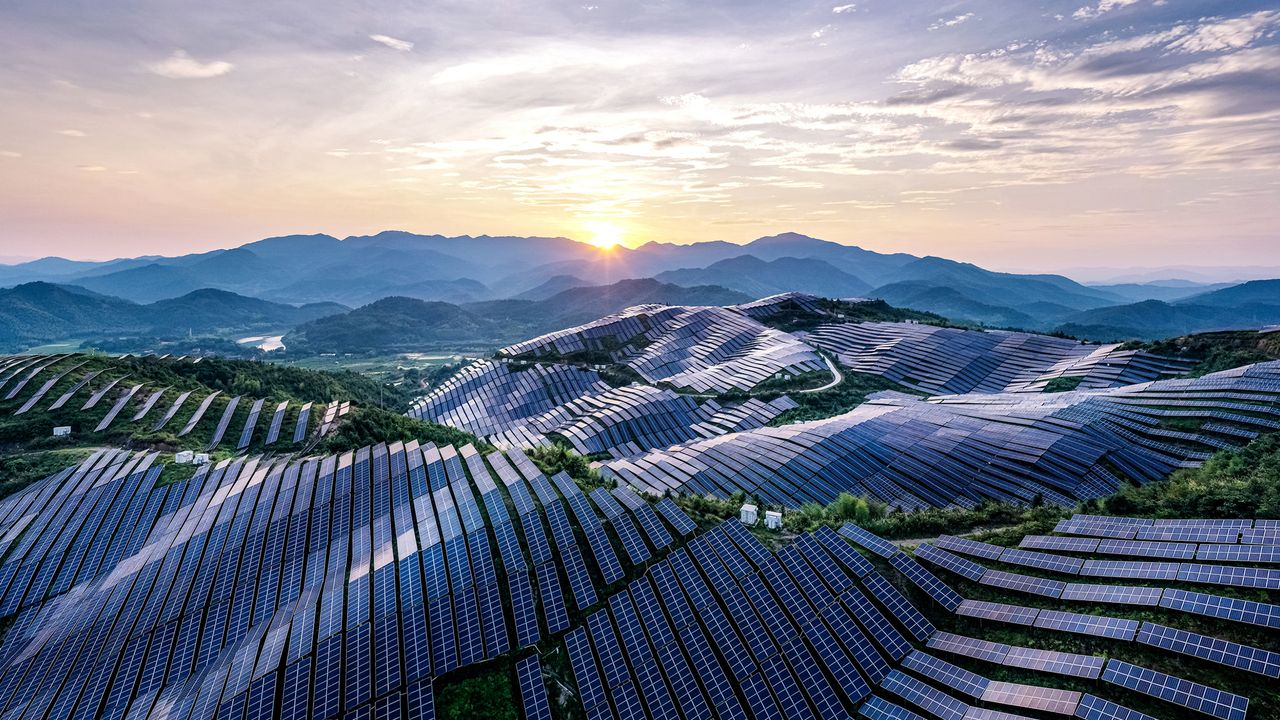
China is rapidly expanding its ability to harness renewable energy sources.
Star formation across the universe has fallen dramatically over the past 4.5 billion years, but astronomers have uncovered a surprising twist: the supply of neutral hydrogen, a key ingredient for making stars, has barely declined. Using China’s FAST radio telescope and data from roughly 2.5 million galaxies observed by DESI, researchers found that star formation was about 2.5 times higher 4.5 billion years ago, while neutral hydrogen levels were only about 1.4 times higher.
September’s sky features brilliant Venus, the Milky Way’s hazy center, and the seasonal turning point of the equinox. The month ends with a glowing Harvest Moon rising near Saturn and faint Neptune.
Elephant Butte Reservoir, New Mexico’s largest reservoir, plunged to just 1.4 percent capacity in July 2026 after years of extreme drought and record early snowmelt. The dramatic decline exposed long-submerged debris and underscored the growing strain on Rio Grande water supplies used by farms in New Mexico and Texas.
Some of the attention patterns that make ADHD challenging may also help spark creativity by allowing the brain to explore more ideas and unexpected connections. Researchers think creative activities could potentially channel this “defocused attention” while helping strengthen the brain systems involved in focus and self-control.