Science News

Latest science news, discoveries and scientific developments.

How to watch 'Blue Planet III' online: Stream David Attenborough's spectacular new series
Science News

How to watch 'Blue Planet III' online: Stream David Attenborough's spectacular new series

The iconic nature documentary "Blue Planet" is set to return with a splash this weekend as Sir David Attenborough narrates the third installment of the BBC series. The six new episodes promise to take us deeper into the world's oceans than ever before, so wherever you are in the world, here are all the TV and streaming you need to dive right in.How to watch "Blue Planet III" — Quick Guide► Date: Sunday, Nov. 1 at 8 p.m. (UK)► TV: BBC One (UK)► UK stream: BBC iPlayer► Watch anywhere: Surfshark VPN (free trial)The new season promises to push the boundaries of underwater wildlife filmmaking, using next-generation camera technology including "splash drones" that can land, float and take off dire...

📅 2026-10-31 11:00:00    •    Live Science
Scientists discover a bacterial defense so strange they thought it was broken
Science News

Scientists discover a bacterial defense so strange they thought it was broken

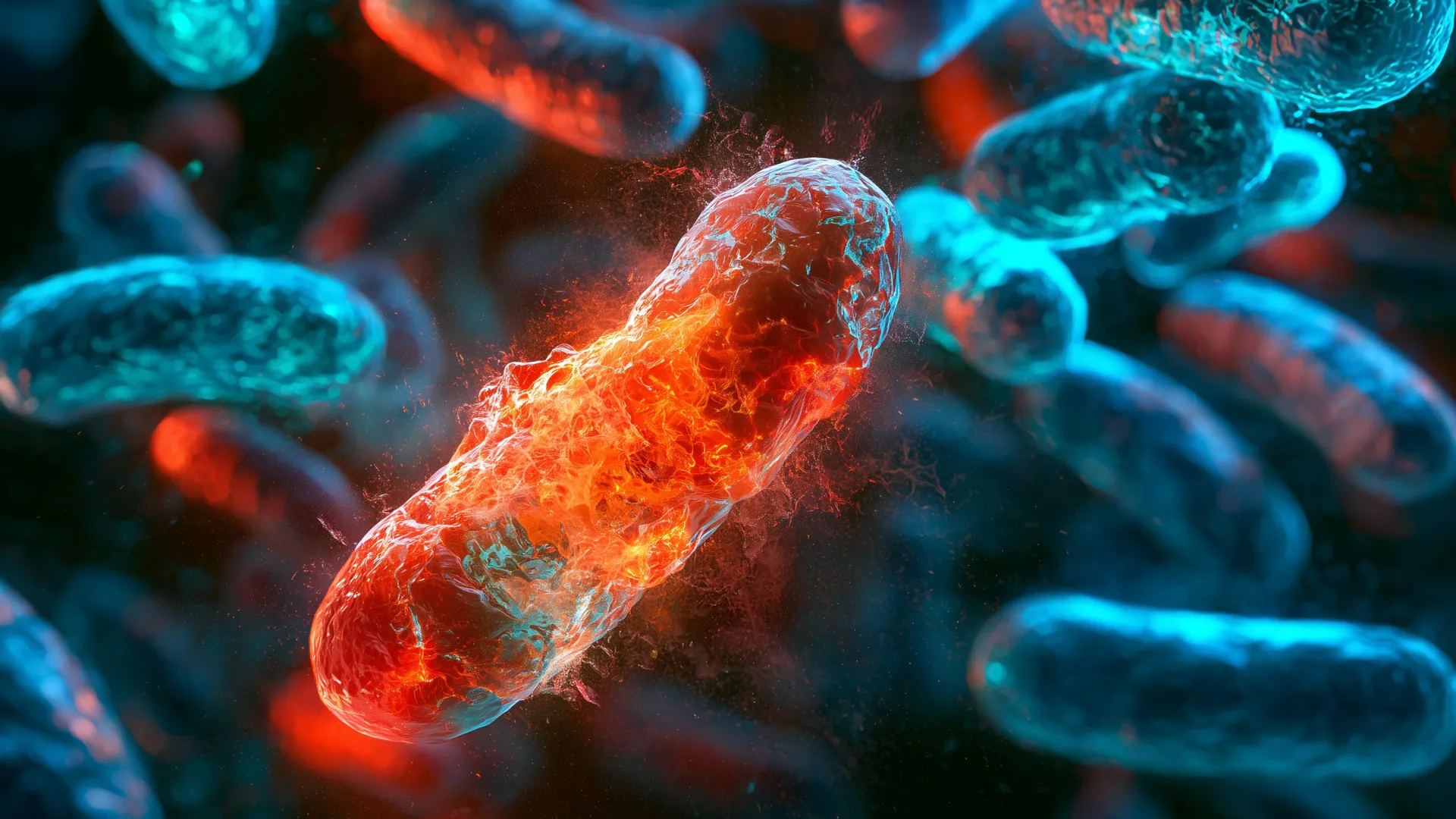
Scientists have discovered a bizarre bacterial defense system that works almost completely backward from anything seen before. Unlike typical bacterial immune systems that keep a deadly toxin under control until a virus attacks, this unusual mechanism waits until an infection begins before producing the DNA that switches on its lethal weapon. The infected bacterium then destroys itself, preventing the virus from multiplying and spreading to neighboring cells.

📅 2026-10-31 10:38:30    •    ScienceDaily
Nations commit to get nature goals back on track
Science News

Nations commit to get nature goals back on track

Nearly 200 nations struck hard-fought agreements Friday at a U.N. biodiversity summit, but the outcome was accompanied by disappointment over missed opportunities to address humanity's destructive toll on nature.

📅 2026-10-31 10:37:02    •    Phys.org
'You start painting pictures of squirrels twirling their mustaches': A biologist on whether animals can lie
Science News

'You start painting pictures of squirrels twirling their mustaches': A biologist on whether animals can lie

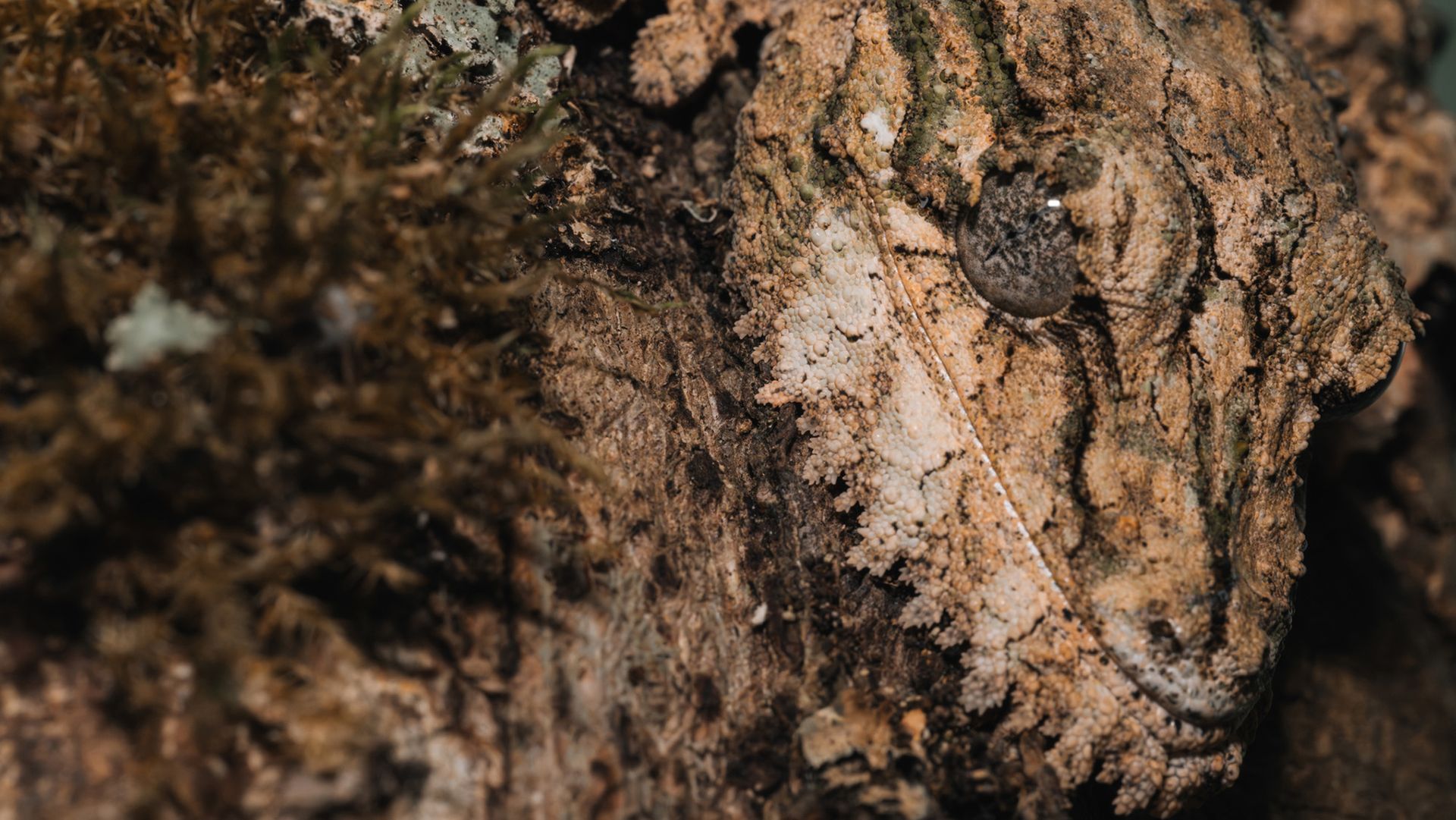
Most deception in nature happens without much awareness from the creature involved. From a moth that has evolved to look like a hornet to orchid mantises that mimic flowers to lure in pollinators, deception is part of these animals' nature. But in his book "Liars, Cheats and Copycats: Trickery and Deception in Nature" (Columbia University Press, 2026), biologist James O'Hanlon turns to tactical deception aimed at manipulating what another animal believes — and whether we can consider this as lying.Live Science spoke with O'Hanlon about his book, and why so many scientists are reluctant to say "yes, animals can lie."Read an excerpt: Can animals lie? This sneaky bird might be proof.Olivia Maul...

📅 2026-10-31 10:00:00    •    Live Science
Can animals lie? This sneaky bird might be proof.
Science News

Can animals lie? This sneaky bird might be proof.

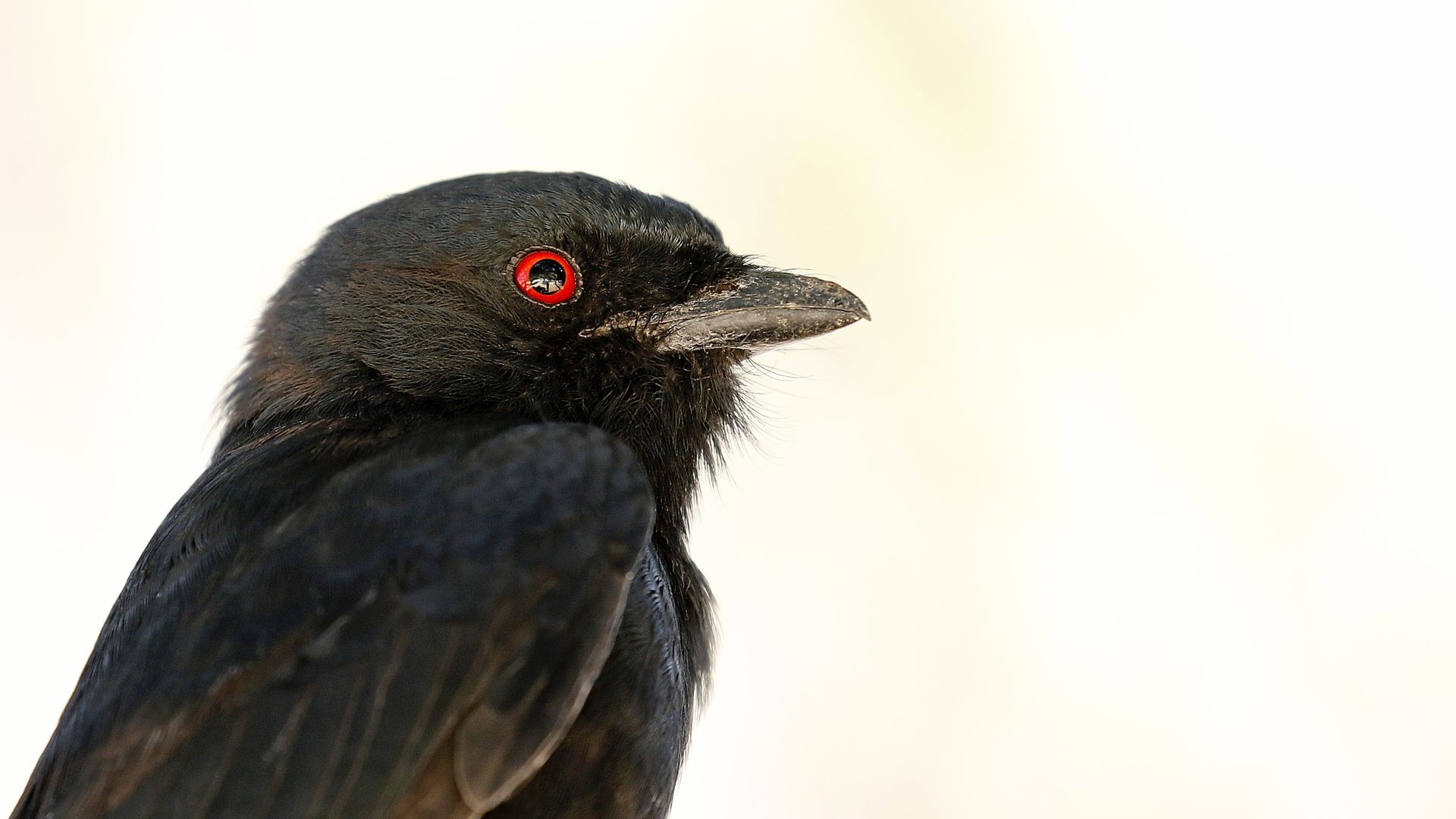
Most trickery in nature happens without a shred of awareness behind it. An orchid mantis (Hymenopus coronatus) doesn't know it looks like a flower, and a moth with eyespots on its wings has no concept of the predator it's startling. These are adaptations shaped by natural selection over countless generations, not conscious choices. But a smaller set of animal behaviors look like something else entirely — deliberate tactical, and aimed at manipulating another individual's beliefs, the same way human lies do.Figuring out which is which turns out to be one of the trickiest questions in animal behavior research, James O'Hanlon, zoologist and science communicator, told Live Science.In this excerp...

📅 2026-10-31 10:00:00    •    Live Science
Are sharks really older than trees?
Science News

Are sharks really older than trees?

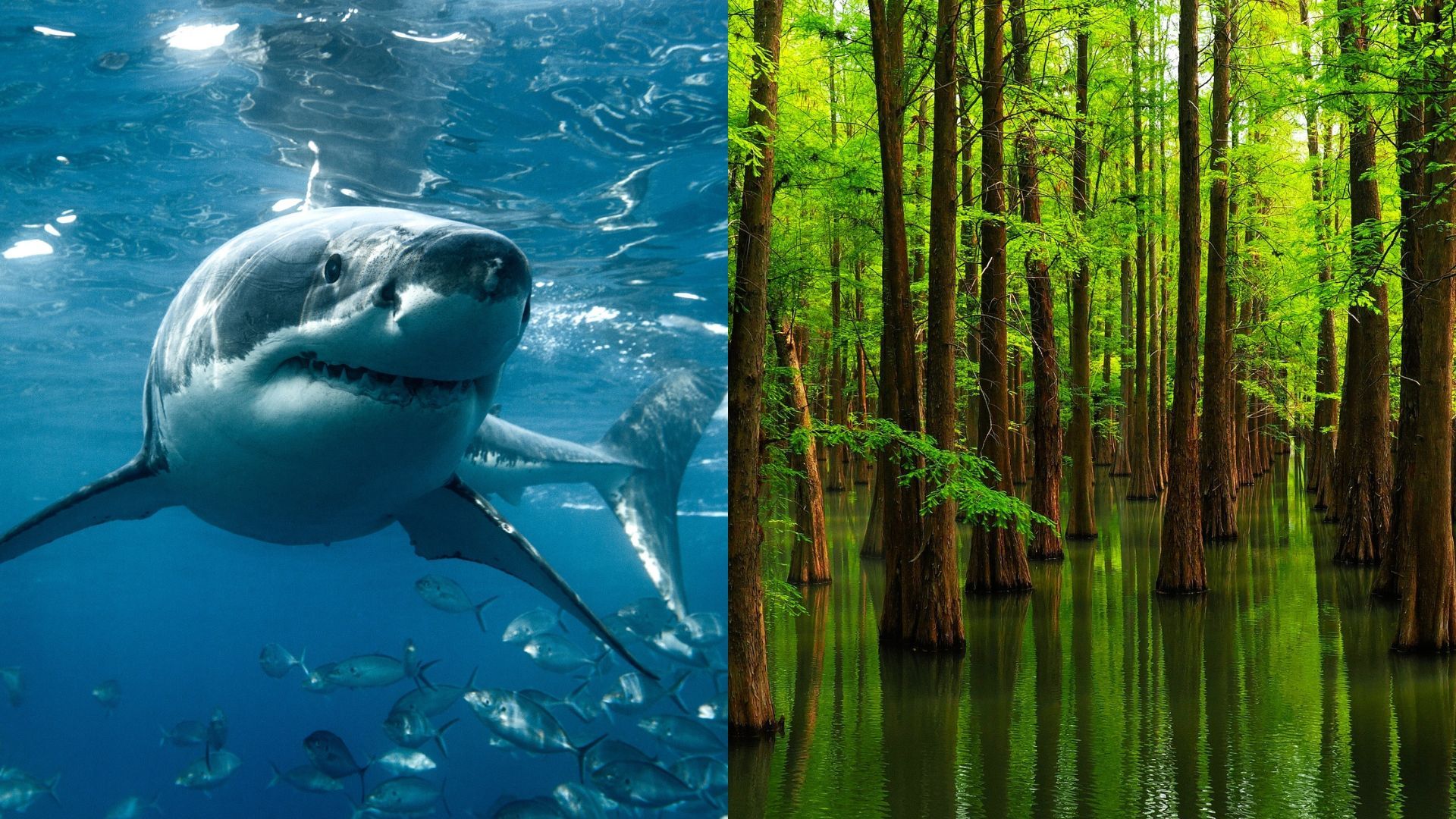
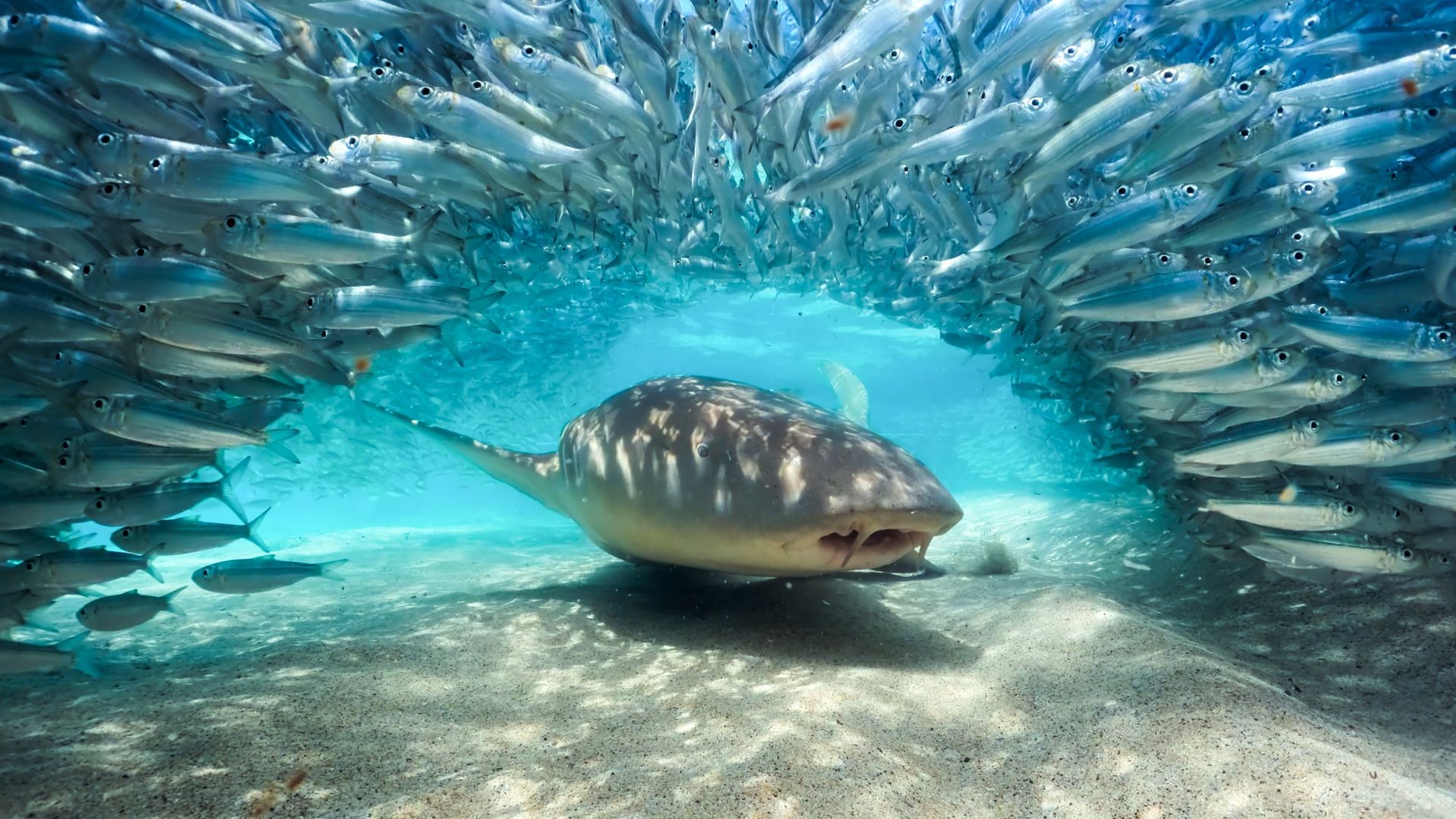
You may have heard that sharks are older than trees. And yes, sharks are truly ancient, with an evolutionary lineage dating back hundreds of millions of years. But are they really older than trees? Experts told Live Science that the answer depends on what we classify as a shark."It's all in the fine print," John Maisey, the curator-in-charge emeritus of fossil fish at the American Museum of Natural History in New York, told Live Science. "The takeaway is that the shark lineage within the fishes generally does go back further than trees. But it really depends on how you define what we mean by shark."The modern sharks we see today first emerged around 195 million years ago, during the Jurassic...

📅 2026-10-31 09:00:00    •    Live Science
A surprising vitamin A discovery is changing what scientists know about vision
Science News

A surprising vitamin A discovery is changing what scientists know about vision

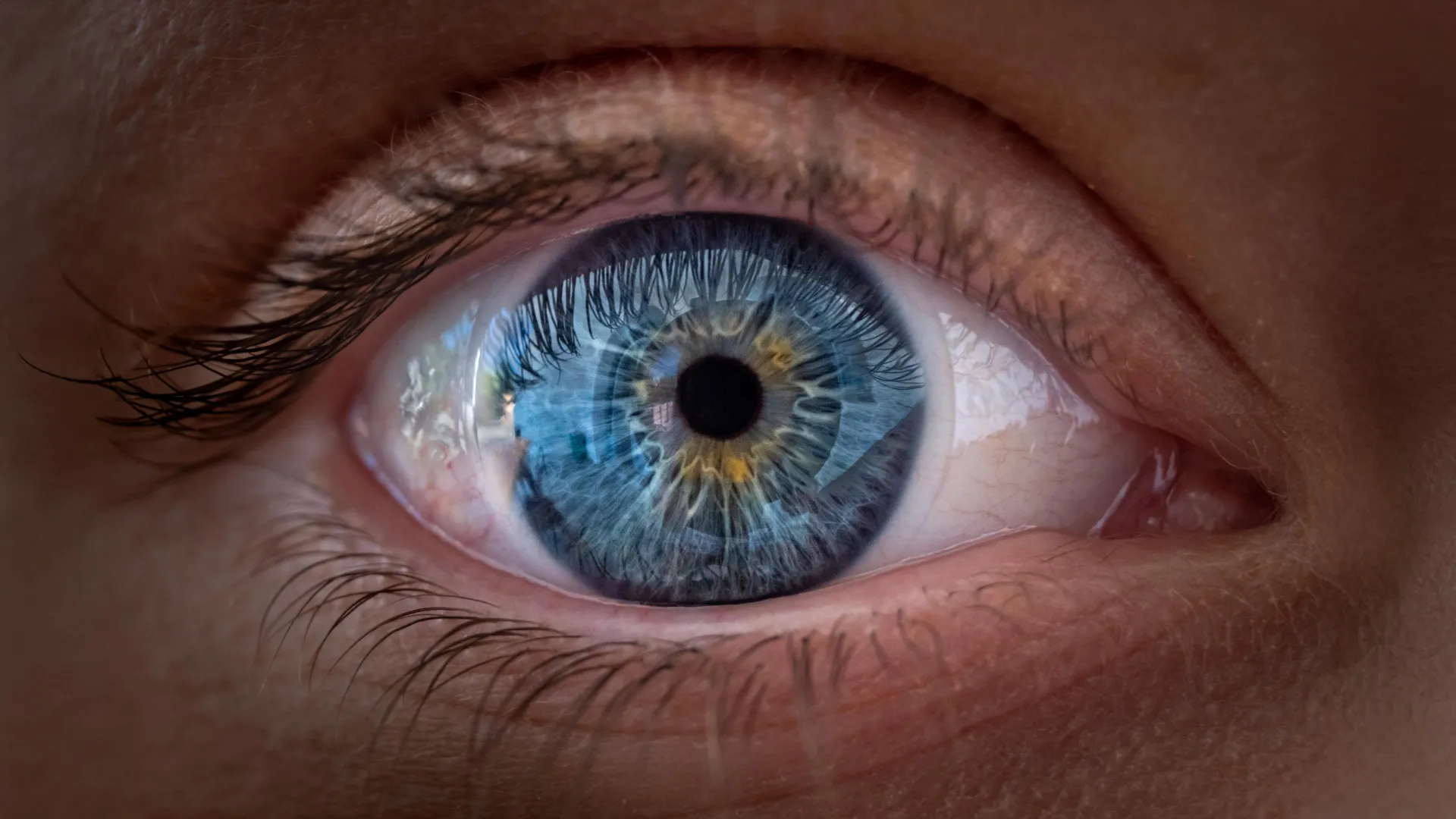
Scientists at Johns Hopkins University have uncovered a surprising process that helps humans develop sharp vision before birth, challenging decades of assumptions about how the eye forms. Using miniature human retinas grown in the lab, researchers discovered that a vitamin A derivative and thyroid hormones work together to shape the foveola, the tiny region at the center of the retina responsible for our sharpest vision.

📅 2026-10-31 04:31:41    •    ScienceDaily
Scientists smash oxygen nuclei to recreate matter from the Big Bang
Science News

Scientists smash oxygen nuclei to recreate matter from the Big Bang

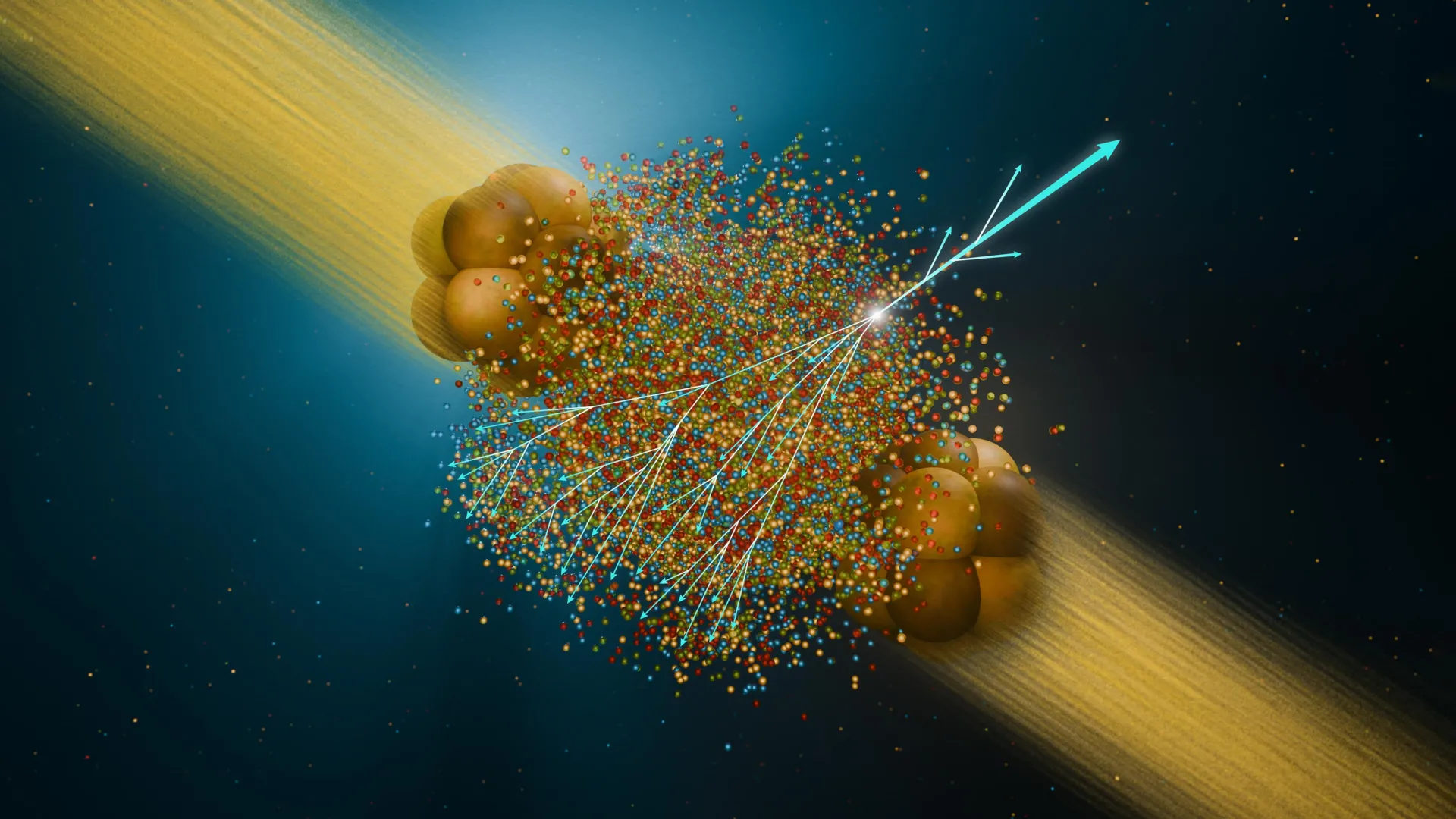
Scientists have recreated a primordial state of matter from the dawn of the universe by colliding oxygen nuclei at nearly the speed of light. The surprising results show that this exotic substance can form in smaller, lower-energy collisions than previously demonstrated, challenging the known boundaries of early-universe physics.

📅 2026-10-31 02:09:38    •    ScienceDaily
Scientists develop new system to boost prime editing in dicot plants
Science News

Scientists develop new system to boost prime editing in dicot plants

A new gene-editing system could make it easier for researchers to introduce precise genetic changes into crops such as tomatoes, soybeans and rapeseed. Developed by researchers in China, SmartPE improves prime editing efficiency in several dicot plants, addressing a major limitation of the technique.

📅 2026-10-31 01:40:01    •    Phys.org
A simple blood test could reveal Alzheimer’s risk 10 years before symptoms
Science News

A simple blood test could reveal Alzheimer’s risk 10 years before symptoms

A major international study found that a simple blood test could help predict Alzheimer’s-related cognitive decline years before symptoms appear, with the highest-risk individuals facing a 38% chance of impairment within five years and an estimated 78% chance within 10 years. Scientists believe the discovery could pave the way for earlier intervention and future treatments designed to prevent Alzheimer’s before memory problems begin.

📅 2026-10-31 00:59:52    •    ScienceDaily
Figuring out where cosmic neutrinos come from is tricky—radio telescopes could help find 'ghost particles' origin
Science News

Figuring out where cosmic neutrinos come from is tricky—radio telescopes could help find 'ghost particles' origin

Neutrinos are funny little particles that weigh almost nothing, making them one of the universe's most elusive building blocks. They can come from objects as mundane as bananas and as exotic as supernovas—the exploding death throes of massive stars. Most neutrinos stream through space and pass through the Earth without interacting with anything.

📅 2026-10-31 00:20:01    •    Phys.org
Livestock guardian dogs enlisted in efforts to conserve Texas' smallest fox
Science News

Livestock guardian dogs enlisted in efforts to conserve Texas' smallest fox

In the Texas Panhandle, two livestock guardian dogs patrol a herd of cattle grazing the Rita Blanca National Grasslands. Although their singular focus is protecting the herd from would-be predators, their presence may make them wildlife conservation allies.

📅 2026-10-30 22:20:04    •    Phys.org