Science News

Latest science news, discoveries and scientific developments.

Rare Iron Age Celtic helmet discovered in northeastern Poland far from its homeland
Science News

Rare Iron Age Celtic helmet discovered in northeastern Poland far from its homeland

Around 2,400 years ago, at Łysa Góra in Poland, a group of people took a bronze helmet, crushed it, broke it into pieces and threw it into a pit with iron adzes and a scythe. Such helmets are sometimes found in lavish graves of the Celtic warrior elite, from Champagne, France, to Dürrnberg, Austria.

📅 2026-10-31 15:00:06    •    Phys.org
Astronomers may have been wrong about what ended the 'Cosmic Dark Age'
Science News

Astronomers may have been wrong about what ended the 'Cosmic Dark Age'

The mysterious force that cleared the cosmic fog at the dawn of the universe may not be what we thought, a new study suggests. The results hint that astronomers may need to rethink a major aspect of cosmological evolution, which led to the universe we clearly see today. Around 400,000 years after the Big Bang, the fledgling universe finally cooled enough to form atoms — mostly hydrogen. But these neutral, non-electrically charged hydrogen atoms shrouded the cosmos in a fog that made it opaque to ultraviolet (UV) light. Then, after the first stars flickered to life and gathered into galaxies, bursts of radiation ionized the neutral hydrogen. This turned the impenetrable fog of atoms into elec...

📅 2026-10-31 15:00:00    •    Live Science
Scientists finally discover how a common gut bacterium can trigger colon cancer
Science News

Scientists finally discover how a common gut bacterium can trigger colon cancer

Scientists at Johns Hopkins have uncovered a crucial missing link between a common gut bacterium and colorectal cancer, solving a mystery that has puzzled researchers for nearly two decades. The bacterium, Bacteroides fragilis, produces a toxin that damages the colon’s protective lining, triggers chronic inflammation, and promotes tumor formation.

📅 2026-10-31 13:49:23    •    ScienceDaily
A mysterious 4,000-year-old wall is rewriting North Africa’s history
Science News

A mysterious 4,000-year-old wall is rewriting North Africa’s history

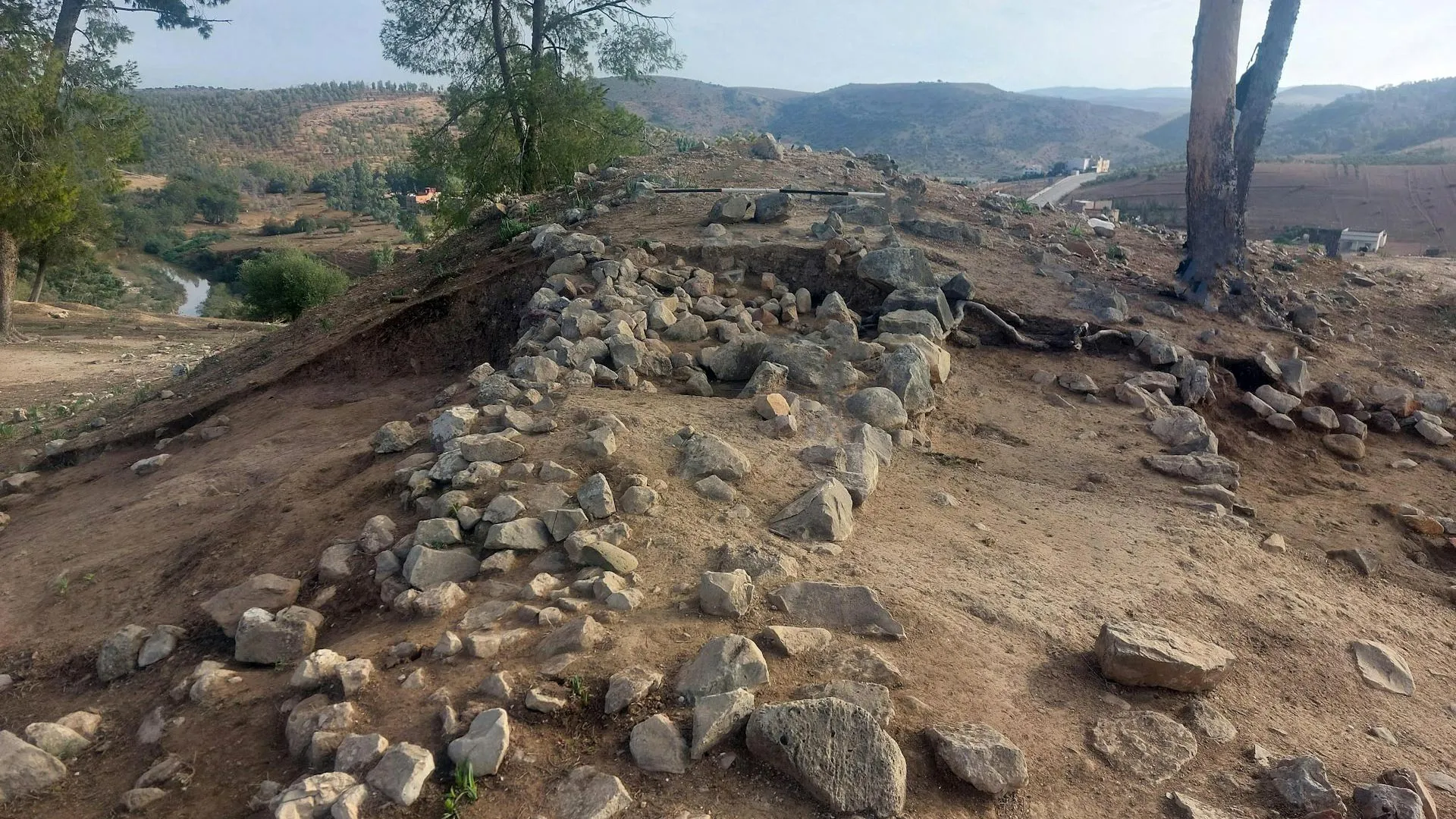
A remarkable 4,000-year-old defensive structure discovered in Morocco is rewriting what scientists thought they knew about ancient North African civilizations. The massive fortifications reveal unexpectedly sophisticated prehistoric societies and suggest that the region played a much greater role in Mediterranean history than previously recognized.

📅 2026-10-31 13:09:49    •    ScienceDaily
Rare fossil discovery reveals new dinosaur species that specialized in eating fruit
Science News

Rare fossil discovery reveals new dinosaur species that specialized in eating fruit

Among the ravenous carnivores and lumbering herbivores that roamed the Cretaceous landscape, another kind of dinosaur was evolving that started to eat something else: the plants that began to flower and produce fruit. The discovery by paleontologists from Stony Brook University, Royal Ontario Museum (ROM) and the North Dakota Geological Survey reveals that a new species, Infernogallus jamesi—a type of small oviraptorosaur—had chewing muscles for mashing soft food, making it the first known dinosaur that specifically ate fruit.

📅 2026-10-31 13:00:02    •    Phys.org
Ghostly statue of 'shrine maiden' discovered at 1,500-year-old burial mound in Japan
Science News

Ghostly statue of 'shrine maiden' discovered at 1,500-year-old burial mound in Japan

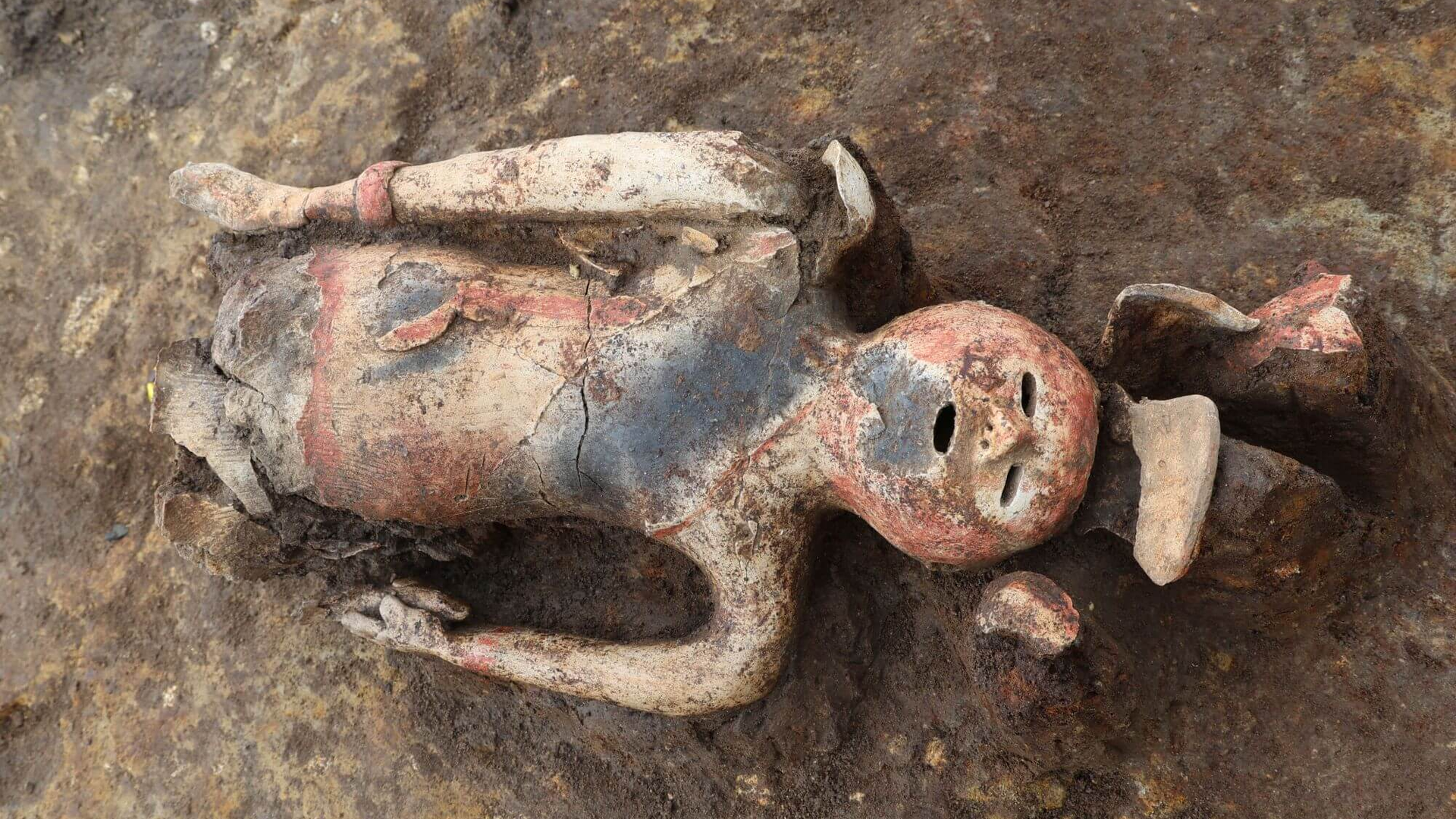
Archaeologists have discovered a ghostly human-shaped artifact at a fifth-century burial mound in Japan. The clay figurine's appearance suggests it represents a female shaman who once guarded a tomb.The artifact was unearthed at the archaeological site of Nishikaminomiya, northwest of Tokyo, according to a translated statement from Japan's Gunma prefectural government. At the site, archaeologists found nearly a dozen burial mounds known as "kofun" dated to the fifth and sixth centuries. This time period in Japanese history, which lasted from about A.D. 300 to 710, is called the Kofun period. Many tombs in this period had cylindrical clay sculptures called "haniwa" that were used as offerings...

📅 2026-10-31 13:00:00    •    Live Science
Scientists discover metals that defy the deep freeze at -424°F
Science News

Scientists discover metals that defy the deep freeze at -424°F

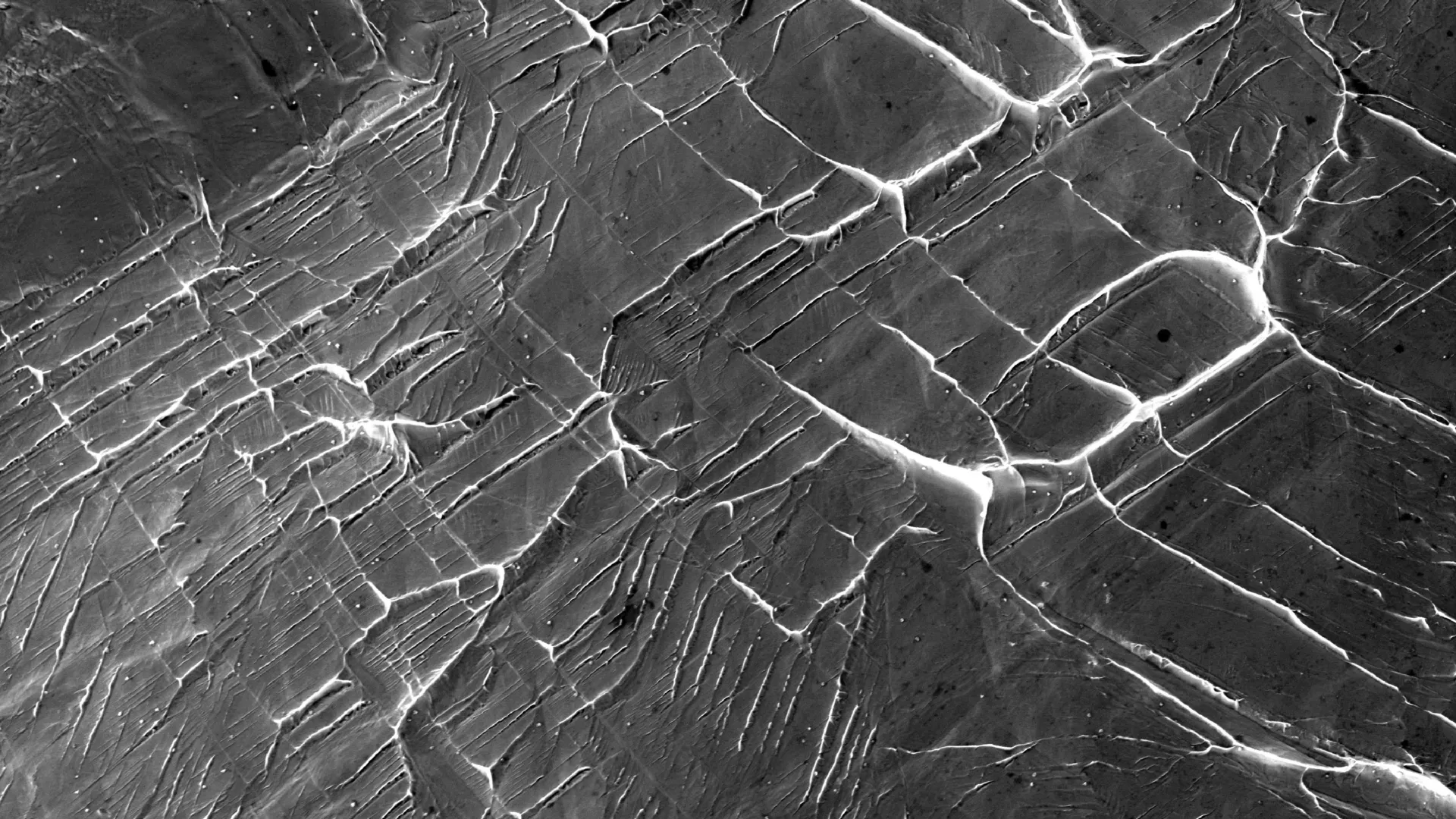
Scientists have discovered a surprising mechanism that allows certain metals to resist cracking at temperatures as low as -253°C (-424°F), when similar materials typically become dangerously brittle. Instead of breaking, two experimental alloys reorganize their internal structures, creating new ways to absorb stress and remain flexible.

📅 2026-10-31 12:45:59    •    ScienceDaily
75,000-year-old Neanderthal may have been killed by a spear aimed at the heart
Science News

75,000-year-old Neanderthal may have been killed by a spear aimed at the heart

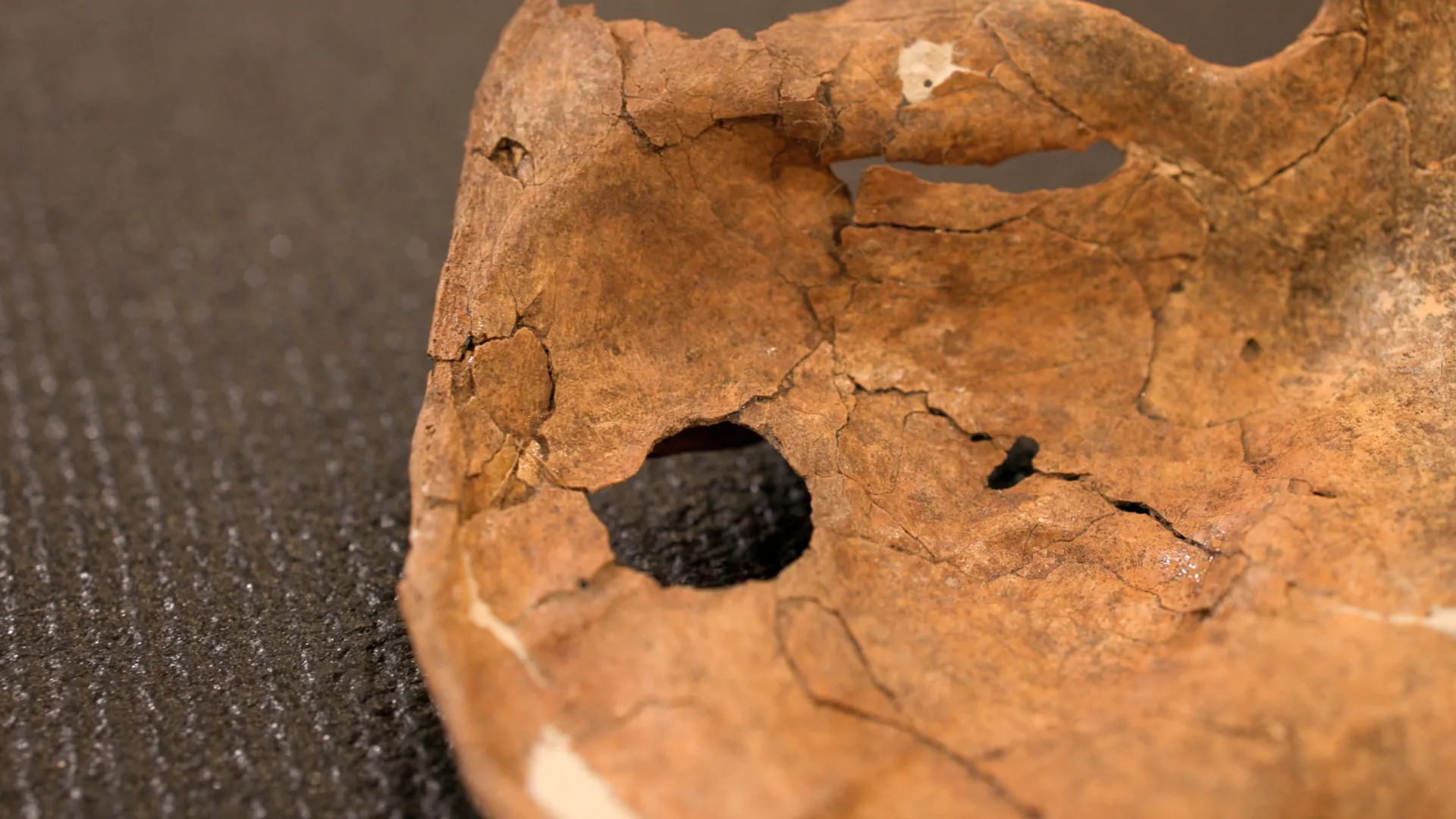
A Neanderthal who died 75,000 years ago may have been killed by a wooden spear deliberately aimed at the heart, revealing rare evidence of prehistoric violence. A circular hole in the shoulder blade suggests the weapon pierced the chest and caused a rapidly fatal injury. Surprisingly, the same individual had survived an earlier devastating facial injury, suggesting other Neanderthals provided care and support.

📅 2026-10-31 11:05:20    •    ScienceDaily
Young Canadians focus on mental health at key climate trial
Science News

Young Canadians focus on mental health at key climate trial

At a landmark Canadian trial focused on the government's obligations to fight climate change, the young plaintiffs suing Ottawa over alleged policy failures have sought to focus attention on their mental health.

📅 2026-10-31 11:00:07    •    Phys.org
How to watch 'Blue Planet III' online: Stream David Attenborough's spectacular new series
Science News

How to watch 'Blue Planet III' online: Stream David Attenborough's spectacular new series

The iconic nature documentary "Blue Planet" is set to return with a splash this weekend as Sir David Attenborough narrates the third installment of the BBC series. The six new episodes promise to take us deeper into the world's oceans than ever before, so wherever you are in the world, here are all the TV and streaming you need to dive right in.How to watch "Blue Planet III" — Quick Guide► Date: Sunday, Nov. 1 at 8 p.m. (UK)► TV: BBC One (UK)► UK stream: BBC iPlayer► Watch anywhere: Surfshark VPN (free trial)The new season promises to push the boundaries of underwater wildlife filmmaking, using next-generation camera technology including "splash drones" that can land, float and take off dire...

📅 2026-10-31 11:00:00    •    Live Science
Scientists discover a bacterial defense so strange they thought it was broken
Science News

Scientists discover a bacterial defense so strange they thought it was broken

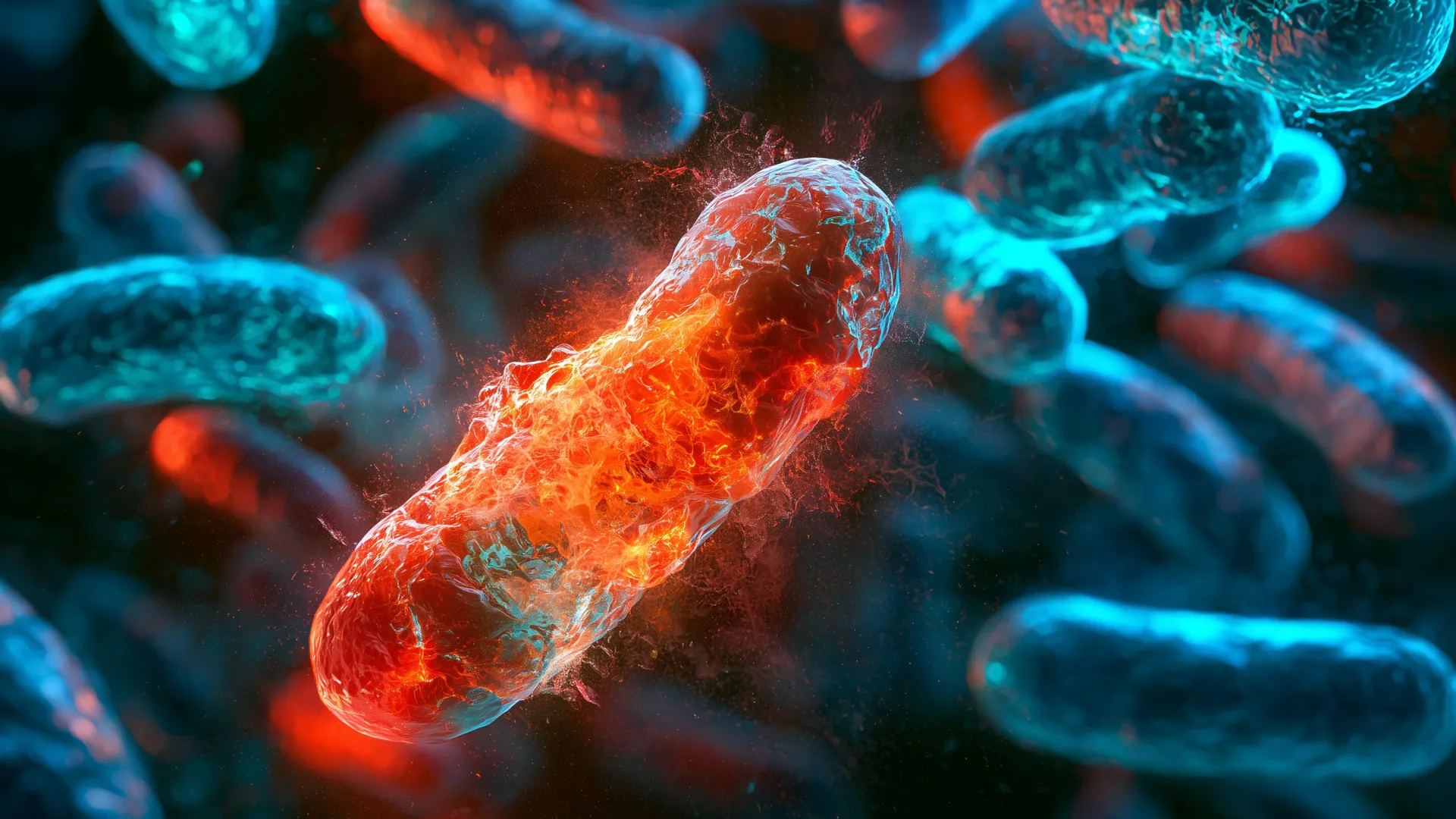
Scientists have discovered a bizarre bacterial defense system that works almost completely backward from anything seen before. Unlike typical bacterial immune systems that keep a deadly toxin under control until a virus attacks, this unusual mechanism waits until an infection begins before producing the DNA that switches on its lethal weapon. The infected bacterium then destroys itself, preventing the virus from multiplying and spreading to neighboring cells.

📅 2026-10-31 10:38:30    •    ScienceDaily
Nations commit to get nature goals back on track
Science News

Nations commit to get nature goals back on track

Nearly 200 nations struck hard-fought agreements Friday at a U.N. biodiversity summit, but the outcome was accompanied by disappointment over missed opportunities to address humanity's destructive toll on nature.

📅 2026-10-31 10:37:02    •    Phys.org
'You start painting pictures of squirrels twirling their mustaches': A biologist on whether animals can lie
Science News

'You start painting pictures of squirrels twirling their mustaches': A biologist on whether animals can lie

Most deception in nature happens without much awareness from the creature involved. From a moth that has evolved to look like a hornet to orchid mantises that mimic flowers to lure in pollinators, deception is part of these animals' nature. But in his book "Liars, Cheats and Copycats: Trickery and Deception in Nature" (Columbia University Press, 2026), biologist James O'Hanlon turns to tactical deception aimed at manipulating what another animal believes — and whether we can consider this as lying.Live Science spoke with O'Hanlon about his book, and why so many scientists are reluctant to say "yes, animals can lie."Read an excerpt: Can animals lie? This sneaky bird might be proof.Olivia Maul...

📅 2026-10-31 10:00:00    •    Live Science
Can animals lie? This sneaky bird might be proof.
Science News

Can animals lie? This sneaky bird might be proof.

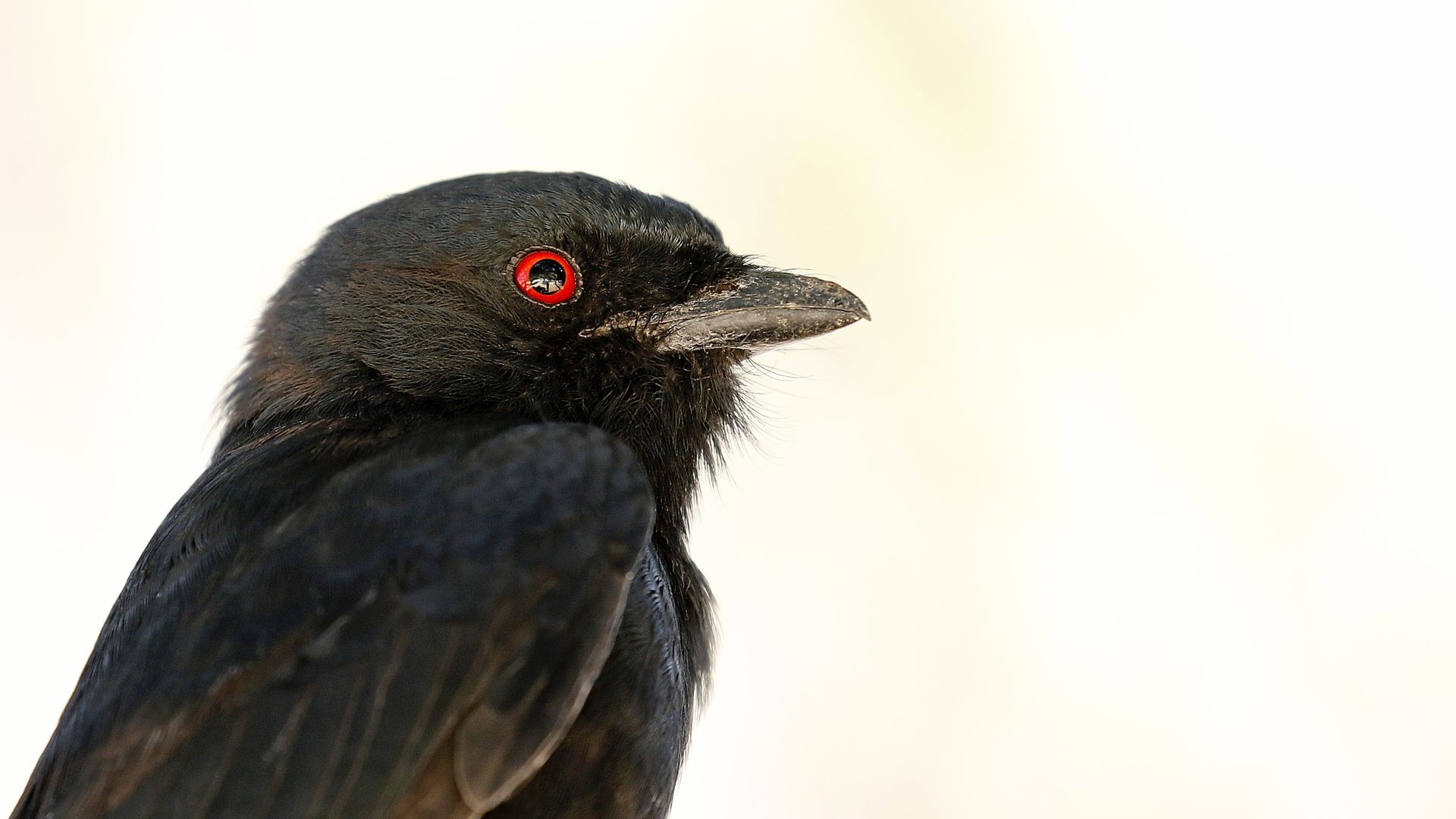
Most trickery in nature happens without a shred of awareness behind it. An orchid mantis (Hymenopus coronatus) doesn't know it looks like a flower, and a moth with eyespots on its wings has no concept of the predator it's startling. These are adaptations shaped by natural selection over countless generations, not conscious choices. But a smaller set of animal behaviors look like something else entirely — deliberate tactical, and aimed at manipulating another individual's beliefs, the same way human lies do.Figuring out which is which turns out to be one of the trickiest questions in animal behavior research, James O'Hanlon, zoologist and science communicator, told Live Science.In this excerp...

📅 2026-10-31 10:00:00    •    Live Science
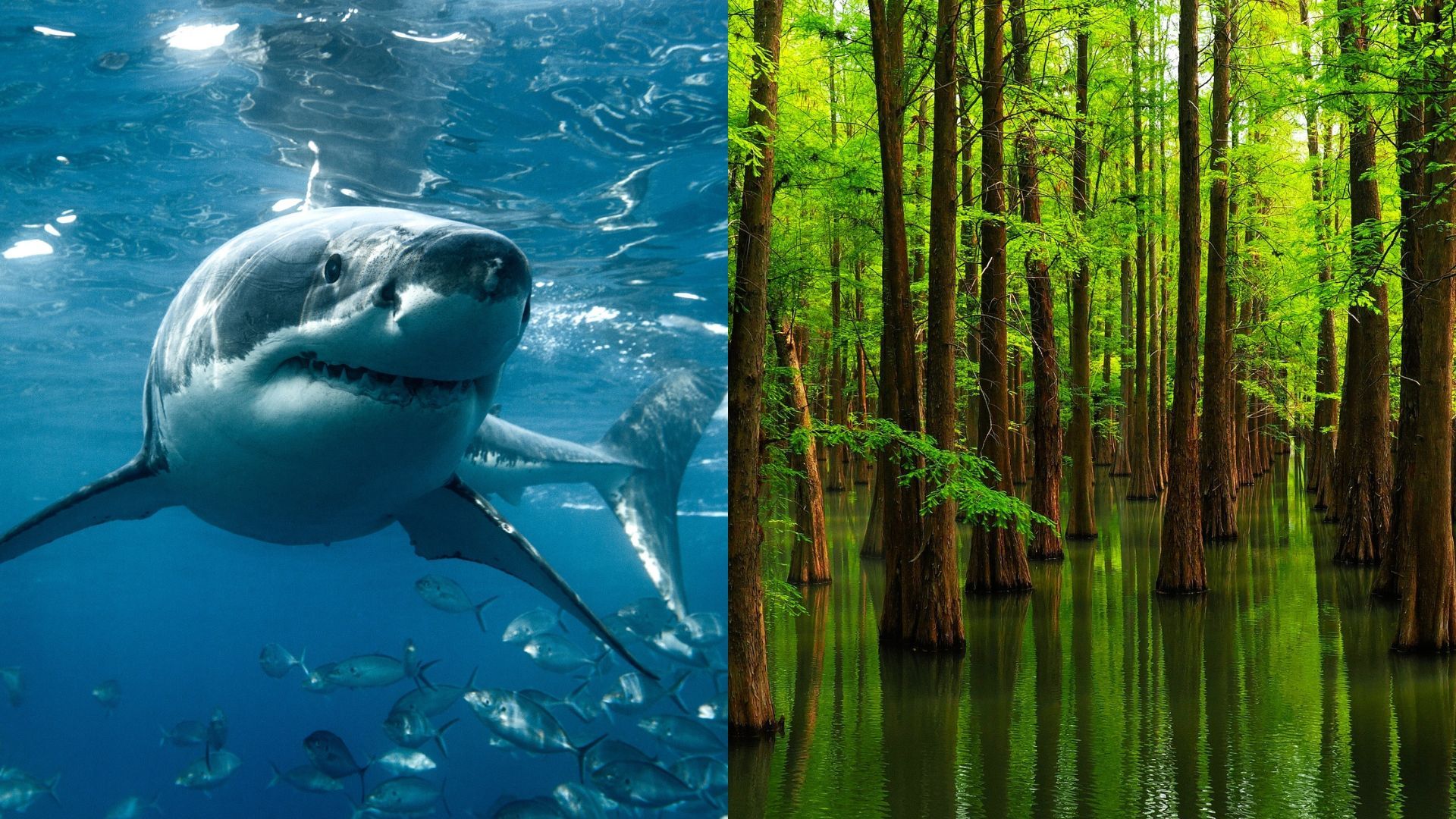
Are sharks really older than trees?
Science News

Are sharks really older than trees?

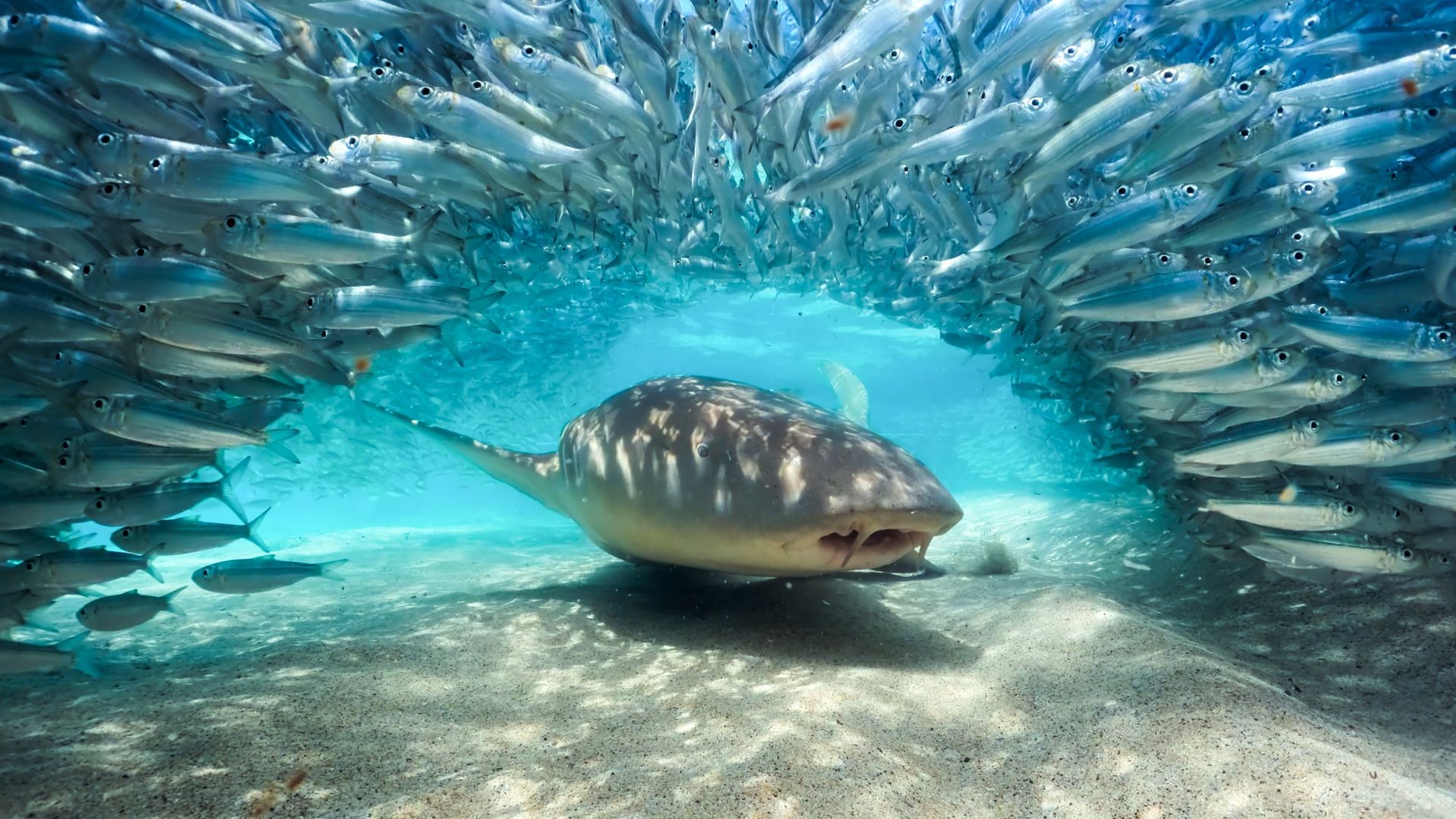
You may have heard that sharks are older than trees. And yes, sharks are truly ancient, with an evolutionary lineage dating back hundreds of millions of years. But are they really older than trees? Experts told Live Science that the answer depends on what we classify as a shark."It's all in the fine print," John Maisey, the curator-in-charge emeritus of fossil fish at the American Museum of Natural History in New York, told Live Science. "The takeaway is that the shark lineage within the fishes generally does go back further than trees. But it really depends on how you define what we mean by shark."The modern sharks we see today first emerged around 195 million years ago, during the Jurassic...

📅 2026-10-31 09:00:00    •    Live Science