
Science News
The science of why we’re obsessed with vampires
What vampire stories reveal about changing fears, identities and human nature
Latest science news, discoveries and scientific developments.
What vampire stories reveal about changing fears, identities and human nature

Fruit and vegetable skin is often rich in fibreEkaterina Vasileva-Bagler/Getty Images Some people are convinced that fruit and vegetable skin is particularly nutritious, and now scientists have confirmed the idea. They have discovered that these parts of fruits and vegetables often contain far more fibre than the flesh we normally consume. The finding suggests cooks are unwittingly discarding fibre-rich food by chucking out the seeds, skins and stems of fruits and vegetables when preparing a meal. Home cooks and caterers should adopt “root to tip” eating and start cooking with squash peel, watermelon rind and pepper stalks to improve the public’s intake of dietary fibre, the team says. Adver...

The New Scientist Book Club is reading Dark Eden by Chris Beckett We went out by a path that led through a big clump of flickering starflowers and then into Batwing. A whole bunch of Batwing grownups and newhairs were in their clearing banging away at a giant redlantern tree with their blackglass axes, working in the pink light of its flowers. We walked round the edge of their clearing to Family Fence, dragged away the branches at the opening, and went out into open forest. No more shelters and campfires ahead of us now: nothing but shining trees. Hmmmph, hmmmph, hmmmph, went the trees. Hmmmmmm, went forest. We walked for a waking under the light of the treelanterns, slashing down whatever b...

Eden, the planet in Chris Beckett’s Dark Eden, drifts outside the Milky WayMcCarthy's PhotoWorks/Shutterstock I came up with the idea of the planet Eden in 1992 for a short story called The Circle of Stones. At that time, I had no idea that there really were such things as planets without suns, but it seemed likely to me. It also seemed possible to me that life might arise on such a planet, since, even here on Earth, whole ecologies thrive without sunlight around thermal vents in the deep ocean. Life on Earth may have even have begun in such places. Quite often, if something seems likely, it does indeed happen. (In another book, I predicted that a US president would one day seek to take over...

Physics is generally built on observations, then the maths that supports them comes later. Columnist Karmela Padavic-Callaghan takes a look at an effort to reverse this and rebuild the laws of physics from the maths up

A male Amazon river dolphin (Inia geoffrensis) urinating into the air There are some stories that stay with you forever, the big scientific moments that change the course of history. These are not those moments – but we can’t stop thinking about them anyway. Push my button Surgeon Stuart Meloy was performing a pain-relief operation on a woman’s spine when she started exclaiming emphatically. “You’re going to have to teach my husband to do that,” the woman said. This inspired Meloy to invent an implant to help women who are unable to achieve orgasms in the usual way. New Scientist broke the news in 2001, sparking a frenzy of worldwide media excitement. But 13 years later, Meloy was still stru...
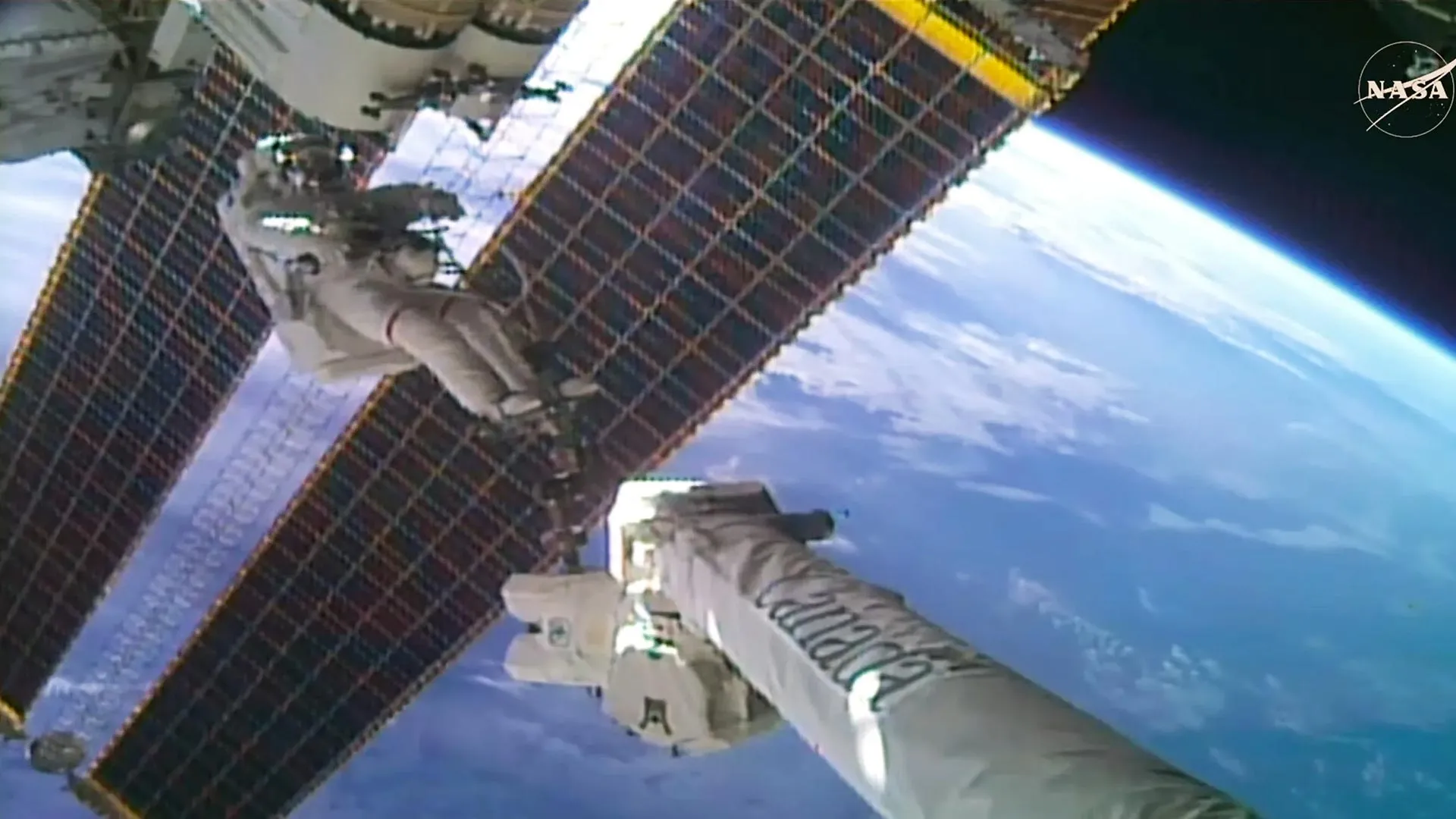
Two astronauts completed a 7-hour, 11-minute spacewalk to install a new solar array on the International Space Station, bringing NASA one step closer to a major power upgrade. Once the final array is installed on November 5, the station will have up to 30% more available power, supporting critical operations and its eventual controlled deorbit.

A collaborative research team led by Yasuhiro Kobori at Kobe University, together with researchers from Toho University, Saitama University, Nagoya Institute of Technology and the University of Freiburg, has identified a potential molecular mechanism that could enhance magnetic compass responses in cryptochrome, a blue-light-sensitive protein implicated in magnetoreception.

Earth is warming faster than ever recorded, with scientists detecting a major acceleration in global temperatures since around 2015. A new study reveals that the warming rate has surged to approximately 0.35°C per decade, nearly double the average pace observed from 1970 to 2015. After removing natural climate fluctuations, researchers confirmed the acceleration with more than 98% statistical confidence.
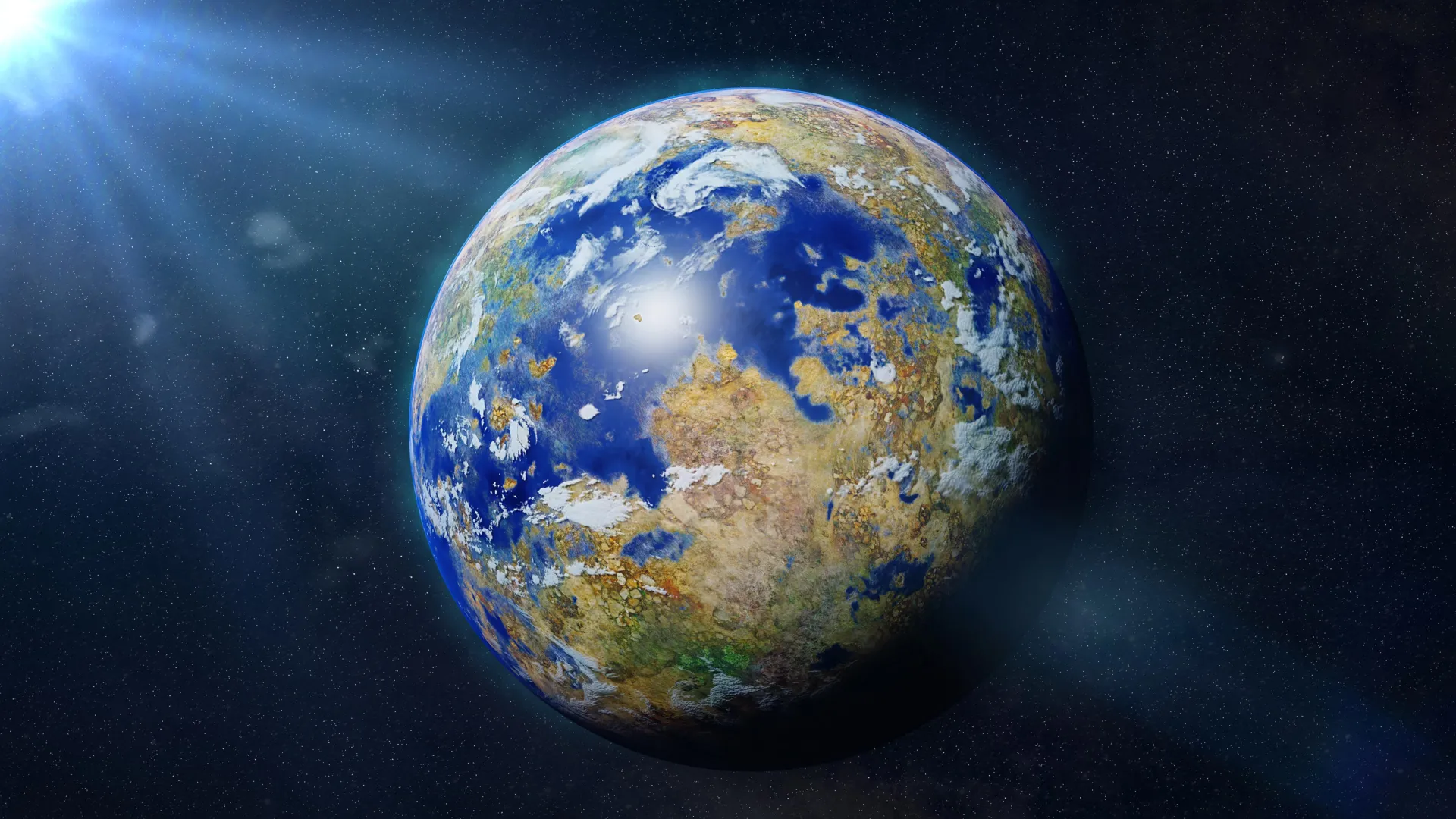
Astronomers have solved a 170-year-old planetary mystery in a nearby two-star system, discovering that a mysterious wobble was caused by stellar activity rather than a giant planet. Although Jupiter-sized worlds have been ruled out in key regions, smaller, potentially habitable planets could still be waiting to be discovered just 16 light-years from Earth.

As NASA and its partners prepare for longer human missions beyond Earth, University of Florida researchers are investigating a challenge that could affect astronauts' ability to grow fresh food in space: plant disease.

A U.N. report finds that 252 million hectares (ha) (623 million acres) across 149 countries are being restored, creating more than 1 million green jobs—the largest documented global restoration effort to date.

A newly published study advances our knowledge of how microplastics may age in the environment and whether they stick to other contaminants as they do so. Microplastics (MPs) are tiny plastic pieces that measure less than 5 millimeters (about 0.2 inches) in length. The study looked at the aging of MPs made of three common polymer chemicals—polyethylene, polyethylene terephthalate and polypropylene—to see if they changed as they aged and how that affected nearby contaminants.

Scientists have discovered that three bizarre deep-sea fish that look exactly like seahorses actually belong to a separate evolutionary group, proving that nature created the same unusual body shape more than once. Nicknamed "sea muppets," these elusive creatures are known from just seven specimens, and no one has ever seen one alive.

A handful of soil holds a crowded world of bacteria, fungi and other organisms. Scientists can collect their DNA, but much of it remains difficult to identify. Now, researchers at the Hebrew University of Jerusalem and partner institutions have developed an artificial intelligence tool that helps make sense of this genetic puzzle.

A University of Alicante (UA) study of 325 fiction series released in Spain between 2020 and 2024 has concluded that video-on-demand (VOD) platforms have not replaced traditional television. Instead, the two distribution models are developing new ways of collaborating and sharing content.

A research team from Toyohashi University of Technology, the Institute for Molecular Science and the Institute of Science Tokyo, led by Yu Kinjo and professor Ryugo Tero of Toyohashi University of Technology, has developed a new method to investigate the state of water near material surfaces using X-rays. By combining X-ray absorption spectroscopy with data analysis, the researchers separated the weak signals of interfacial water from those of the much larger amount of surrounding water.

Researchers have developed a tourist recommendation system combining three algorithms to help travelers find destinations suited to their preferences, budgets and travel routes. Details appear in the International Journal of Work Innovation and address a limitation of digital platforms that often prioritize popularity over practical considerations.

Most of us could spend our entire lives looking at the night sky and see very few changes. The moon becomes more or less illuminated, the planets drift placidly through the sky, satellites and the ISS intrude for a few moments at a time, and the bright, momentary streak of a meteor punctuates the occasional evening of stargazing.
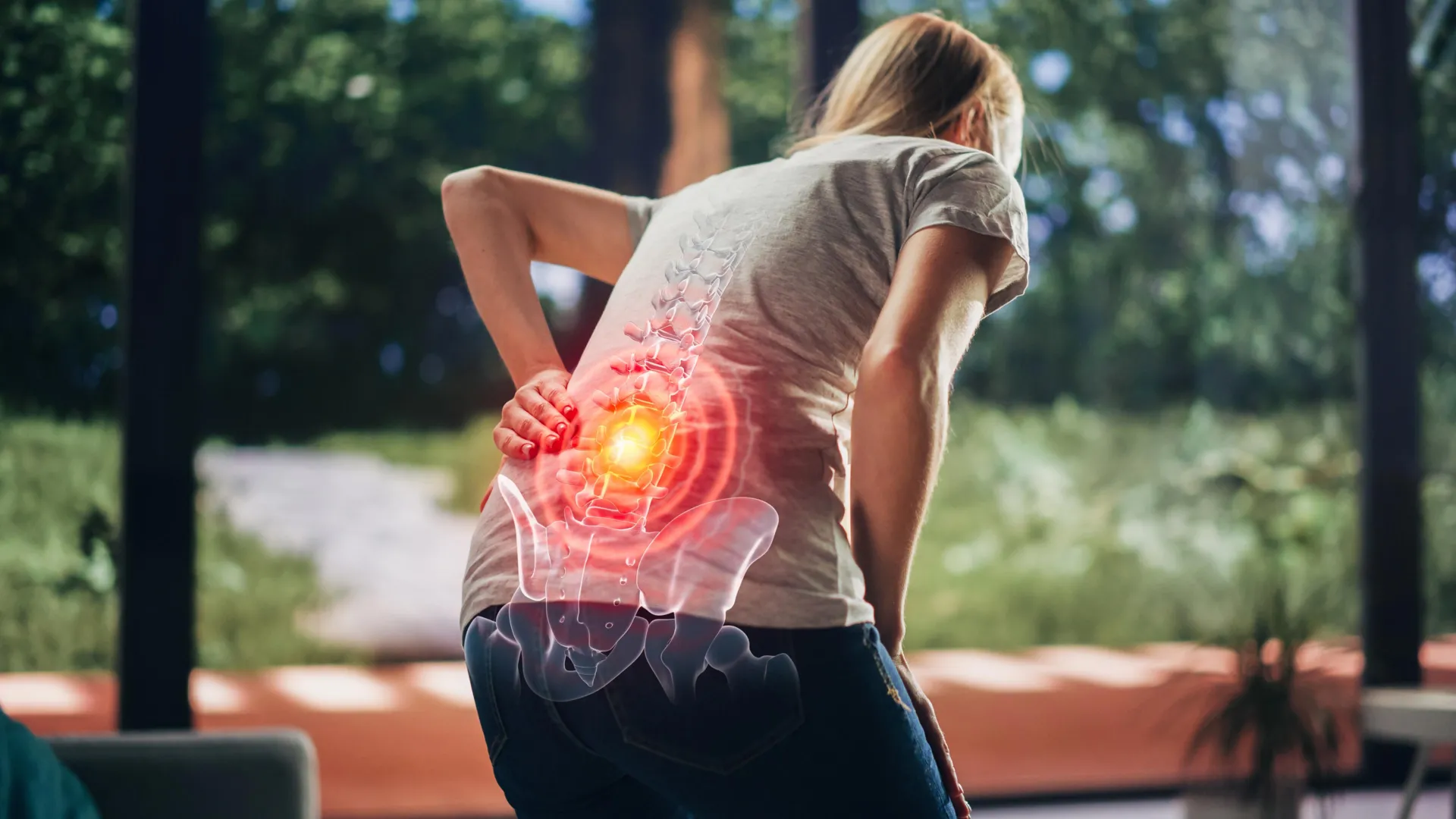
A surprising discovery at UC San Diego suggests that chronic lower back pain may become deeply embedded in the brain's sense of personal identity. Researchers found that movement-triggered pain activates a brain network associated with self-awareness and memories, even though ordinary acute pain typically shuts this network down. This unexpected difference could explain why conventional pain medications often provide limited relief and why fear, anticipation, and past experiences can intensify chronic pain.