Science News

Latest science news, discoveries and scientific developments.

Rains bring relief to Indonesian city weary of fire haze
Science News

Rains bring relief to Indonesian city weary of fire haze

Residents and firefighters in an Indonesian city long shrouded in a toxic haze brought on by months of wildfires rushed outside dancing and chanting as rain this week brought a welcome respite.

📅 2026-10-29 17:41:40    •    Phys.org
Newly characterized Streptomyces strain yields previously unknown natural products
Science News

Newly characterized Streptomyces strain yields previously unknown natural products

In a collaboration, researchers from the Leibniz Institute DSMZ-German Collection of Microorganisms and Cell Cultures and the Helmholtz Center for Infection Research (HZI) have discovered two previously unknown natural products. Lavasamycin A and B are produced by the bacterium Streptomyces barkulensis subsp. lavasanensis, which was isolated from a soil sample collected in Lavasan, Iran, and characterized as a new subspecies at the DSMZ. The findings have been published in the Journal of Natural Products.

📅 2026-10-29 17:40:06    •    Phys.org
Shrinking bat populations can weaken ecosystem benefits even while species remain widespread
Science News

Shrinking bat populations can weaken ecosystem benefits even while species remain widespread

Bats promote the health of ecosystems in many ways. Insect-eating species help regulate insect populations, including agricultural and forest pests. In tropical and subtropical regions, nectar-feeding and fruit-eating bats pollinate plants and disperse seeds, supporting plant reproduction and forest regeneration.

📅 2026-10-29 17:20:10    •    Phys.org
Werewolf mice, ghostly frogs and cockroach zombies: The animal versions of our Halloween horrors
Science News

Werewolf mice, ghostly frogs and cockroach zombies: The animal versions of our Halloween horrors

Around this time of year, elaborate decorations featuring ghosts, vampires, zombies, witches and werewolves adorn front doors, gardens and store windows across the country. But you may be surprised to hear that in the animal world, there are many real-life creatures with tendencies similar to those of the fictional characters in our Halloween nightmares.

📅 2026-10-29 17:20:01    •    Phys.org
Africa's water availability sometimes goes untapped
Science News

Africa's water availability sometimes goes untapped

Water demand in Africa grew by around 26% between 2010 and 2020, yet around 717 million people lacked a piped water supply in 2020, according to research published in Nature. The findings indicate that water scarcity in some parts of Africa may be due to a lack of infrastructure, rather than a lack of available water. The work provides a comprehensive map for water demand in different sectors, highlighting issues that need to be addressed to increase the availability of water in Africa, which forms part of Sustainable Development Goal 6.

📅 2026-10-29 17:10:01    •    Phys.org
New catalyst builds proton highways to tackle a long-standing hurdle in green ammonia synthesis
Science News

New catalyst builds proton highways to tackle a long-standing hurdle in green ammonia synthesis

Over a century ago, the Haber-Bosch process, a two-step reaction for the synthesis of ammonia (NH₃), an irreplaceable chemical for the fertilizer industry, prevented the world from going into a serious food crisis. Today, however, the same method consumes about 1% of global energy and contributes more than 1% of annual anthropogenic CO₂ emissions.

📅 2026-10-29 17:00:08    •    Phys.org
Neanderthal DNA still survives in our human family tree. What were our ancient relatives' relationships like?
Science News

Neanderthal DNA still survives in our human family tree. What were our ancient relatives' relationships like?

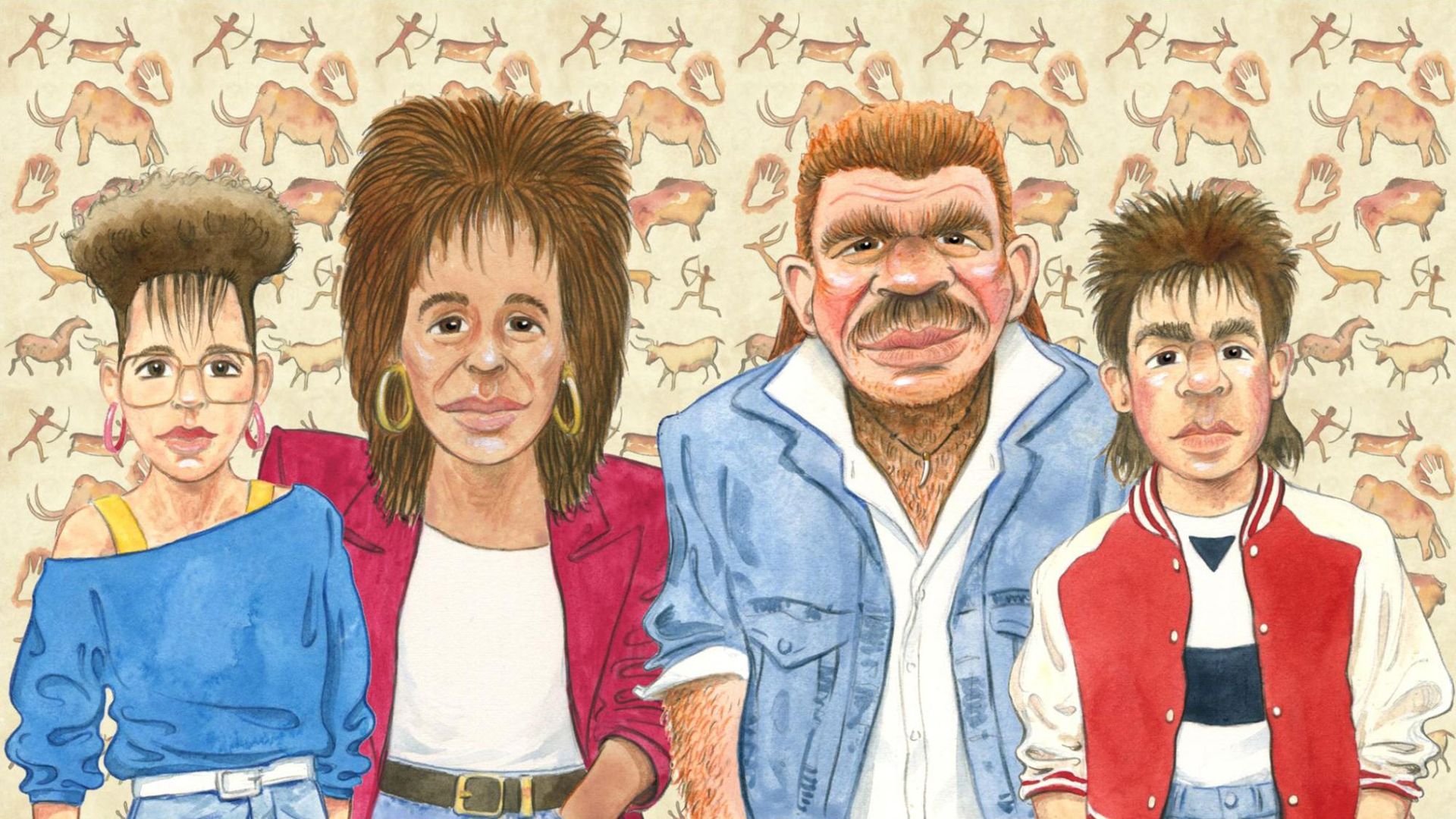
Deep in a limestone cave on Turkey's Mediterranean coast, two very different sets of humans left behind nearly identical traces of their lives — similar stone tools, the remains of the same prey animals, the same types of seashells pierced and strung into ornaments. They may have been separated by thousands of years and may not have directly interacted. Yet the overlap between them was striking enough that researchers studying the site had to look twice.The site, Üçağızlı II, offers one of the clearest examples of a conundrum that scientists have long wrestled with: Neanderthals and modern humans (Homo sapiens) didn't just collide and go their separate ways. They inhabited the same areas, an...

📅 2026-10-29 16:00:00    •    Live Science
A single brain signal may explain schizophrenia's most puzzling symptoms
Science News

A single brain signal may explain schizophrenia's most puzzling symptoms

Scientists have identified a weakened brain signal that may connect several seemingly unrelated symptoms of schizophrenia, including sensory processing difficulties, disorganized speech, and greater symptom severity. The surprising discovery could help explain the disorder's underlying mechanisms and potentially lead to earlier detection and new treatments.

📅 2026-10-29 13:14:52    •    ScienceDaily
Six popular sugar substitutes linked to faster brain aging
Science News

Six popular sugar substitutes linked to faster brain aging

A study of nearly 13,000 adults found that people consuming the most artificial sweeteners experienced a 62% faster decline in memory and thinking skills, equivalent to approximately 1.6 additional years of brain aging. Six popular sweeteners were linked to faster cognitive decline, raising concerns about the long-term brain health effects of common sugar substitutes, although causation was not established.

📅 2026-10-29 13:04:04    •    ScienceDaily
A 700,000-year-old elephant tooth reveals a lost world where early humans lived
Science News

A 700,000-year-old elephant tooth reveals a lost world where early humans lived

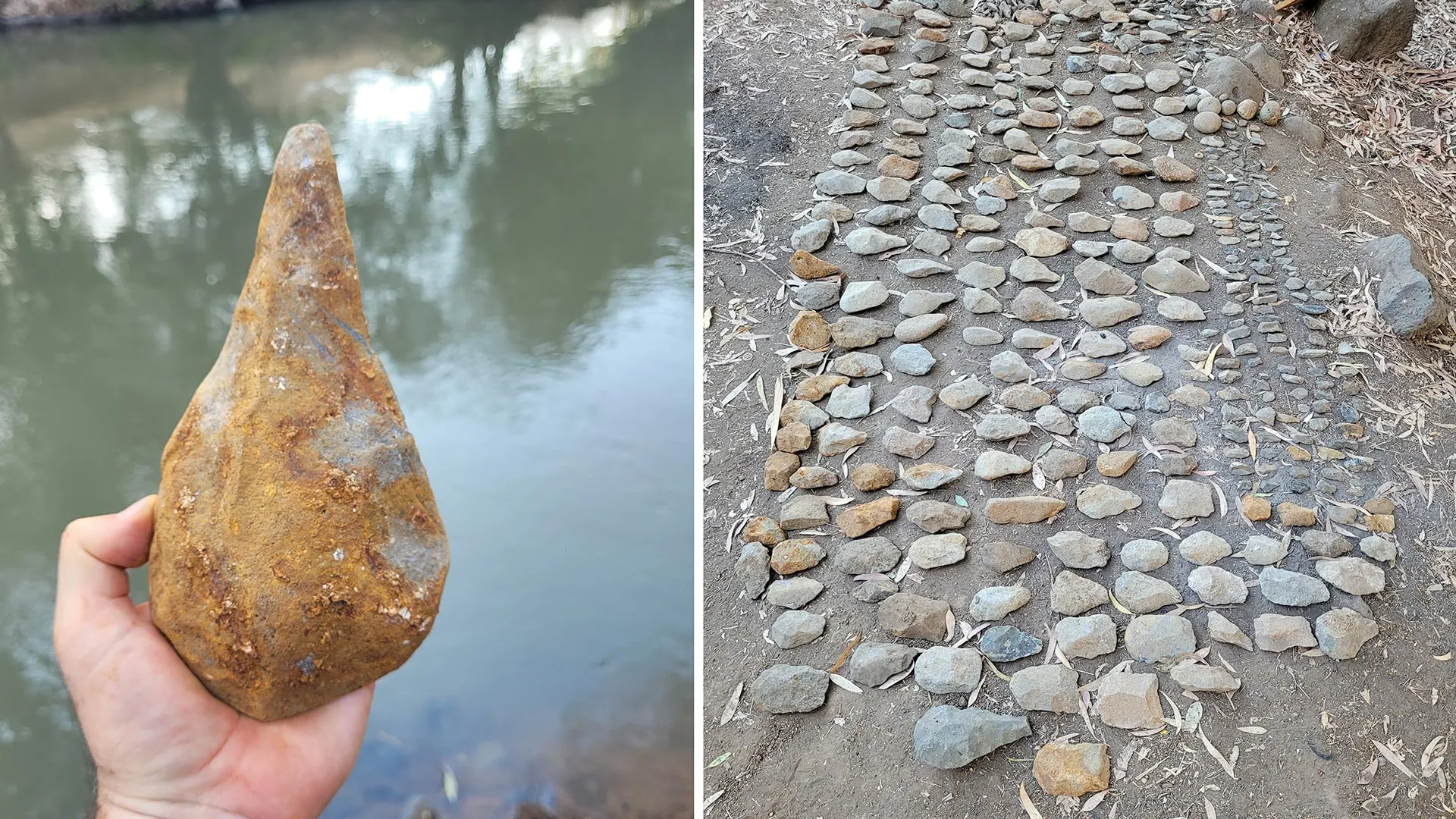
A remarkably preserved elephant tooth dating back nearly 700,000 years has revealed a surprisingly lush prehistoric world where giant elephants and early humans lived side by side. Discovered in northern Israel alongside ancient stone tools, the tooth belonged to a straight-tusked elephant, one of the largest land mammals of the Ice Age.

📅 2026-10-29 12:38:53    •    ScienceDaily
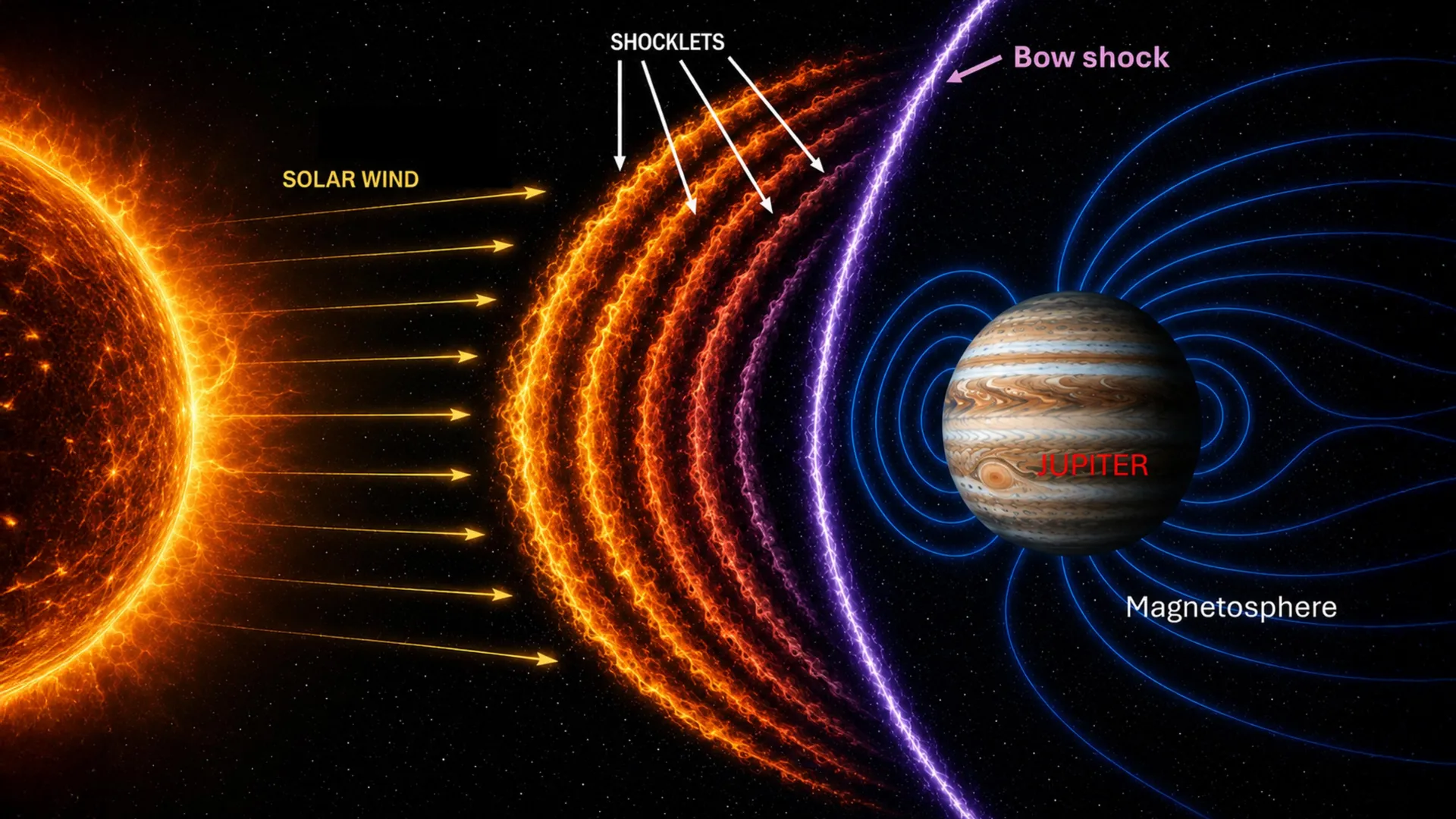
NASA discovers Jupiter’s invisible shield is more complex than Earth’s
Science News

NASA discovers Jupiter’s invisible shield is more complex than Earth’s

NASA’s Juno spacecraft has discovered that Jupiter uses a surprisingly complex system of powerful plasma waves and multiple shock regions to defend against the solar wind. The findings reveal major differences between Jupiter and Earth and could help scientists understand the enormous shock waves produced by exploding stars.

📅 2026-10-29 12:26:25    •    ScienceDaily
Einstein's equations may explain the universe without dark energy
Science News

Einstein's equations may explain the universe without dark energy

Mathematicians have uncovered what they argue is a fundamental flaw in the standard model of the universe, potentially challenging the need for dark energy. Their calculations suggest that the mathematical framework used to describe cosmic expansion is inherently unstable and that the universe could accelerate naturally under Einstein's original theory of gravity. The findings also raise surprising questions about whether our location in the universe is as ordinary as scientists have long assumed.

📅 2026-10-29 12:07:58    •    ScienceDaily
Less than 42 minutes of bright daylight linked to higher dementia risk
Science News

Less than 42 minutes of bright daylight linked to higher dementia risk

Getting more daylight could be linked to a surprisingly powerful benefit for brain health. In a study of more than 87,000 adults, researchers found that higher daytime light exposure was associated with a 16% lower risk of dementia, with longer exposure to bright light linked to even greater reductions. Remarkably, getting less than 42 minutes of bright daylight daily was a stronger predictor of dementia than six established risk factors.

📅 2026-10-29 11:30:32    •    ScienceDaily
Scientists discover that cranberry juice may help fight tooth decay
Science News

Scientists discover that cranberry juice may help fight tooth decay

Cranberry juice may offer an unexpected benefit beyond its reputation for helping prevent urinary tract infections: protecting teeth from decay. Researchers at the University of Illinois Chicago discovered that pure, unsweetened cranberry juice slowed the regrowth of dental plaque bacteria and reduced their production of acids that damage tooth enamel. The secret may lie in naturally occurring compounds called proanthocyanidins, which interfere with harmful bacteria.

📅 2026-10-29 11:12:06    •    ScienceDaily