Science News

Latest science news, discoveries and scientific developments.

New simulation shows the first 2 billion years of the universe's history play out in stunning detail
Science News

New simulation shows the first 2 billion years of the universe's history play out in stunning detail

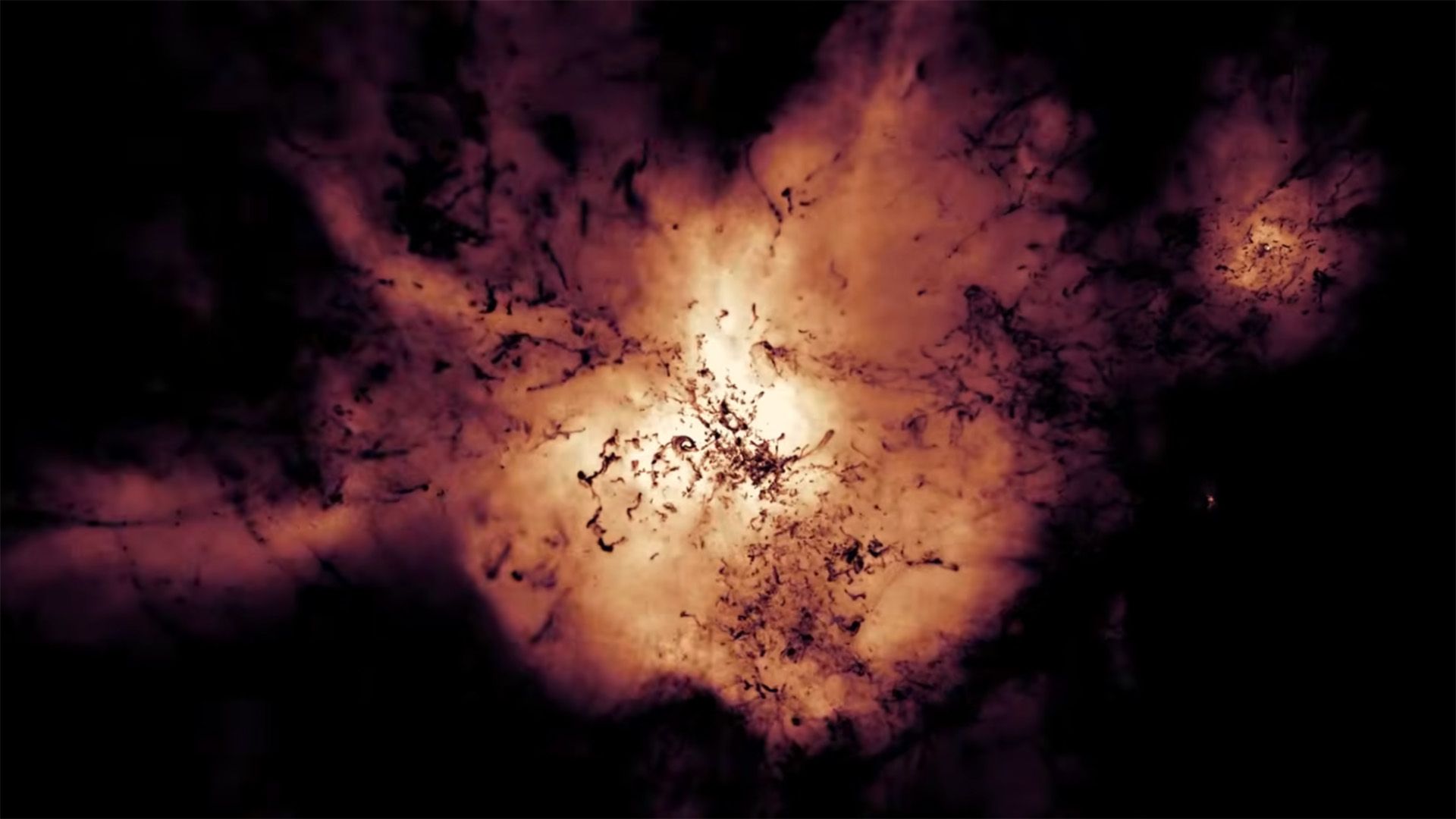
Scientists are getting a new glimpse of how the first galaxies came to be. In a stunning new simulation, researchers charted the aftermath of the universe's "dark age," including the appearance of the first galaxies that began to shine about 380,000 years after the Big Bang.Lumina, the program behind the simulation, catalogs 2 billion years of cosmic time and represents a decent chunk of the 13.8 billion-year-old history of our universe. The results were published Monday (Oct. 26) in the journal Monthly Notices of the Royal Astronomical Society."Other simulations cannot zoom in as far as this," study co-author Mark Vogelsberger, a professor of physics at MIT, said in a statement. "The differ...


πŸ“… 2026-10-29 10:41:03    β€’    Live Science
Study reveals new clues to why colorectal cancer in young people is so deadly
Science News

Study reveals new clues to why colorectal cancer in young people is so deadly

Colorectal cancer rates have been rising in people under 50 since the mid-1990s. These early-onset cancers tend to be more aggressive and resistant to treatment than cancers in older adults β€” and now, scientists may be learning why. A new study published Thursday (Oct. 29) in the journal Nature Medicine compared colorectal tumors from people between 29 and over 90 years old, and it revealed key differences between young and old patients. The new findings might, in turn, help scientists uncover new ways to fight colorectal cancer in young people, said study co-author Ana Anderson, a professor of neurology at Harvard Medical School and a core faculty member of the Gene Lay Institute of Immunol...

πŸ“… 2026-10-29 10:00:00    β€’    Live Science
128,000-year-old ice in Tibet could rewrite climate history
Science News

128,000-year-old ice in Tibet could rewrite climate history

Ancient ice discovered high in Tibet may be more than 128,000 years old, preserving an extraordinary record of Earth's climate that scientists previously thought had been lost. The discovery reveals a rare glimpse into the last ice age and could reshape our understanding of how glaciers survive dramatic changes in global climate.

πŸ“… 2026-10-29 08:10:47    β€’    ScienceDaily
Your blood pressure could be dangerous even when your numbers look normal
Science News

Your blood pressure could be dangerous even when your numbers look normal

Researchers have discovered a small group of brain cells that prevents dangerous blood pressure swings, even when average readings appear normal. The finding reveals a hidden source of cardiovascular risk and could open the door to new treatments that protect the heart and brain.

πŸ“… 2026-10-29 03:54:37    β€’    ScienceDaily
Scientists just broke a textbook rule of physics
Science News

Scientists just broke a textbook rule of physics

Scientists have defied a long-standing rule of laser physics by generating X-rays with much higher energies than conventional theory predicts. The surprising discovery reveals how two electrons working together can overcome a previously accepted limit, opening new possibilities for quantum research.

πŸ“… 2026-10-29 03:39:27    β€’    ScienceDaily
Meteors don't just burn up. What really happens is far more violent
Science News

Meteors don't just burn up. What really happens is far more violent

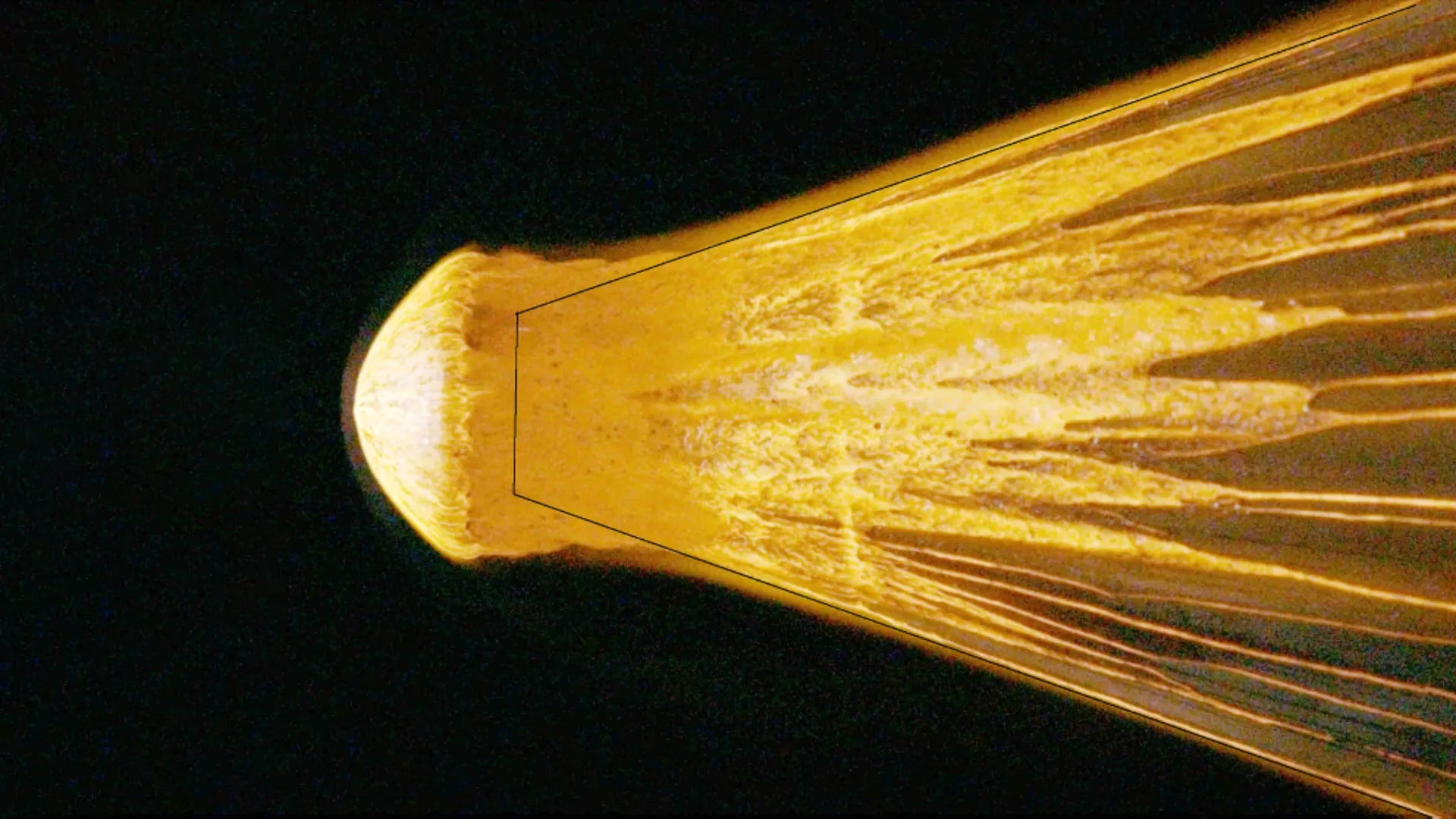
Scientists have uncovered seven surprising stages that space rocks go through as they hurtle toward Earth, revealing that melting and violent fragmentation, rather than simple evaporation, determine their fate. The discovery could help explain why meteorites scatter across the ground and how dangerous asteroids explode in Earth's atmosphere.

πŸ“… 2026-10-29 03:06:41    β€’    ScienceDaily
Scientists discover a hidden oxygen reservoir deep inside Earth
Science News

Scientists discover a hidden oxygen reservoir deep inside Earth

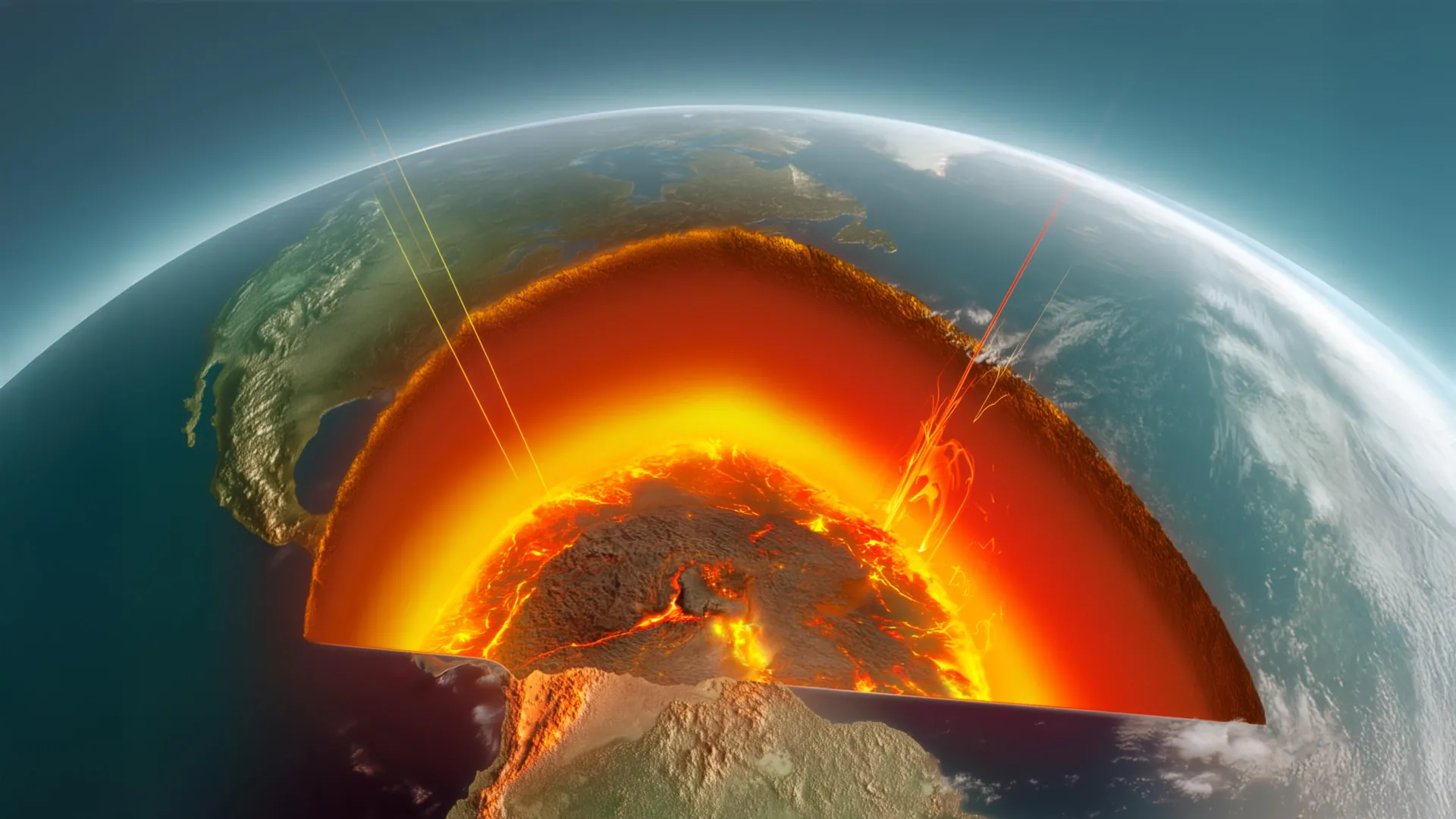
Scientists have discovered that magma deep inside Earth can store surprising amounts of extra oxygen, potentially revealing a hidden contributor to our planet's oxygen-rich atmosphere. The findings suggest that ancient volcanic eruptions may have helped transform Earth's atmosphere billions of years ago, with implications for understanding life on other planets.

πŸ“… 2026-10-29 01:13:05    β€’    ScienceDaily
How the Indian Ocean is linked to Europe's early-winter rain and storms
Science News

How the Indian Ocean is linked to Europe's early-winter rain and storms

When we think about Europe's winter weather, the Indian Ocean is probably not the first place we look. We might picture Atlantic storms, cold air arriving from the north or rain sweeping across the Mediterranean. In my research, however, I look at how these familiar weather systems fit into a much larger climate system. My colleagues and I asked whether an ocean thousands of kilometers away could leave a detectable signature on Europe's early winter.

πŸ“… 2026-10-29 01:00:06    β€’    Phys.org
The phantom lighthouse: New research explains one of Australia's strangest illusions
Science News

The phantom lighthouse: New research explains one of Australia's strangest illusions

There are two lighthouses on Lady Elliot Island, at the southernmost tip of Australia's Great Barrier Reef. The first was built in 1873, but was decommissioned in 1995 when the second took over the job of warning ships off the reef. Visitors to the island, however, regularly report seeing signs of a third lighthouse. At night the beams of a nonexistent phantom lighthouse are seen far off, shining on the horizon.

πŸ“… 2026-10-28 23:40:01    β€’    Phys.org
Ultrathin metal layer boosts spin-related signals, opening a door to ultralow-power electronics
Science News

Ultrathin metal layer boosts spin-related signals, opening a door to ultralow-power electronics

Researchers at Kyushu University have found that an ultrathin layer of iridium manganese (IrMn) can improve two spin-related signals in a structure made of a magnetic insulator and a platinum film. By examining how spin currents are generated and absorbed, the team gained insights into how the intermediate layer improves spin transfer. The findings could inform the development of ultralow-power devices for computing and energy harvesting.

πŸ“… 2026-10-28 23:20:02    β€’    Phys.org
Atomic magnetism reveals why iron, but not chromium, can produce ammonia using sunlight
Science News

Atomic magnetism reveals why iron, but not chromium, can produce ammonia using sunlight

Two nearly identical materials have completely different chemical behavior. Research teams at the University of Vienna and TU Wien studied catalysts that use the energy of sunlight to produce ammonia. Surprisingly, when the three iron atoms that form tiny triangles in these catalysts are replaced by chromium atoms, the chemical reaction no longer takes place.

πŸ“… 2026-10-28 23:00:01    β€’    Phys.org
Macromolecular crowding could help build artificial cell systems
Science News

Macromolecular crowding could help build artificial cell systems

Macromolecular crowding can serve as a design tool for controlling the formation and organization of synthetic DNA droplets, a study from Science Tokyo reveals. Researchers investigated this strategy using DNA nanostars and polymeric crowding agents to mimic the crowded cellular environment. They found that crowding promoted droplet formation and enabled control over droplet size, interactions and organization. The findings could support the development of programmable artificial cell systems.

πŸ“… 2026-10-28 22:40:01    β€’    Phys.org
Molecular architecture determines tomato plant resistance to its main pest
Science News

Molecular architecture determines tomato plant resistance to its main pest

An international study investigating why wild tomatoes are more resistant to the tomato leafminer (Phthorimaea absoluta) than cultivated varieties revealed that the secret lies in the spatial structure of a plant defense molecule. The researchers mapped the biochemical origin of this difference and demonstrated that altering four amino acids in a single enzyme is sufficient to alter the structure of the substance and increase its toxicity against the pest. This finding paves the way for creating resistant tomatoes through gene editing.

πŸ“… 2026-10-28 22:20:06    β€’    Phys.org
Explaining the difference between brittle and ductile behavior in polymer glasses
Science News

Explaining the difference between brittle and ductile behavior in polymer glasses

Glasses are (mostly) brittle, metals can be ductile (plastic), and liquids flow easily. Polymers are interesting because they exhibit all three types of behavior, depending on their chemical nature, temperature, and deformation rate. If polymers are not able to crystallize, their low-temperature state is glassy, and they are hard and transparent. One example is poly(methylmethacrylate) [PMMA], which has been used as an artificial glass since the early 20th century.

πŸ“… 2026-10-28 22:00:01    β€’    Phys.org
Chornobyl dog population shows genetic signatures of directional selection
Science News

Chornobyl dog population shows genetic signatures of directional selection

The latest research on the wild population of dogs in Chornobyl reveals that the genetic differences between these dogs and other similarly isolated dog populations are likely evidence of directional selection, not mutation. The work suggests a potential association between genetic selection and environmental variables and could advance understanding of local adaptation and genomic resilience in contaminated environments. The study appears in Genes.

πŸ“… 2026-10-28 21:40:01    β€’    Phys.org
Could next-gen artificial intelligence help map out future space outposts?
Science News

Could next-gen artificial intelligence help map out future space outposts?

Planning a successful trip can be challenging, especially when your destination is in outer space. Even before liftoff, space missions require extraordinary amounts of scientific preparation and data analysis to succeed, which can take years to complete. However, as space agencies race to establish a permanent presence on the moon, using artificial intelligence to combine such information into a single system could make mission planning much more efficient.

πŸ“… 2026-10-28 21:30:01    β€’    Phys.org