Science News

Latest science news, discoveries and scientific developments.

Earth's ice ages may have been driven by a hidden ocean chain reaction
Science News

Earth's ice ages may have been driven by a hidden ocean chain reaction

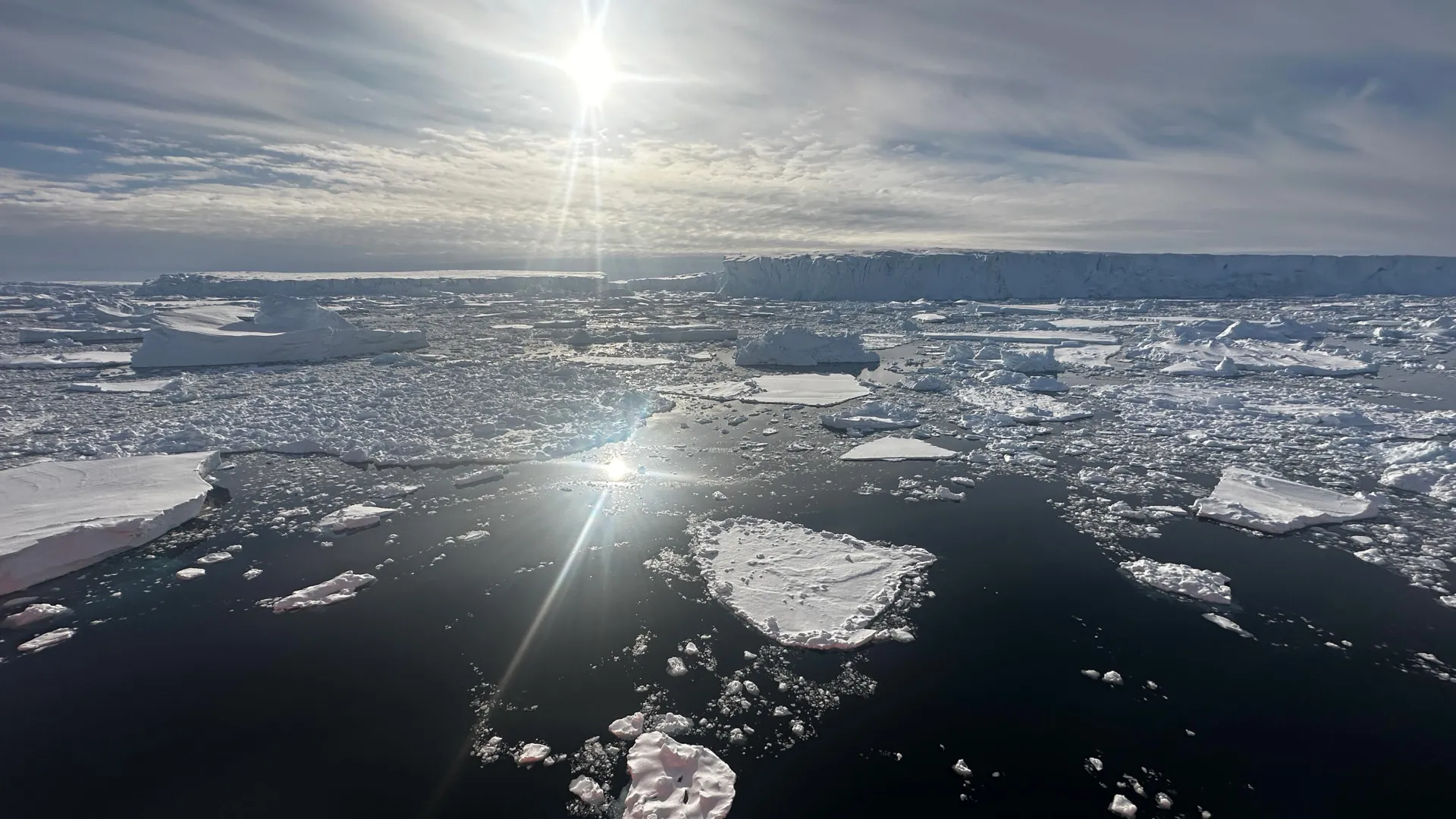
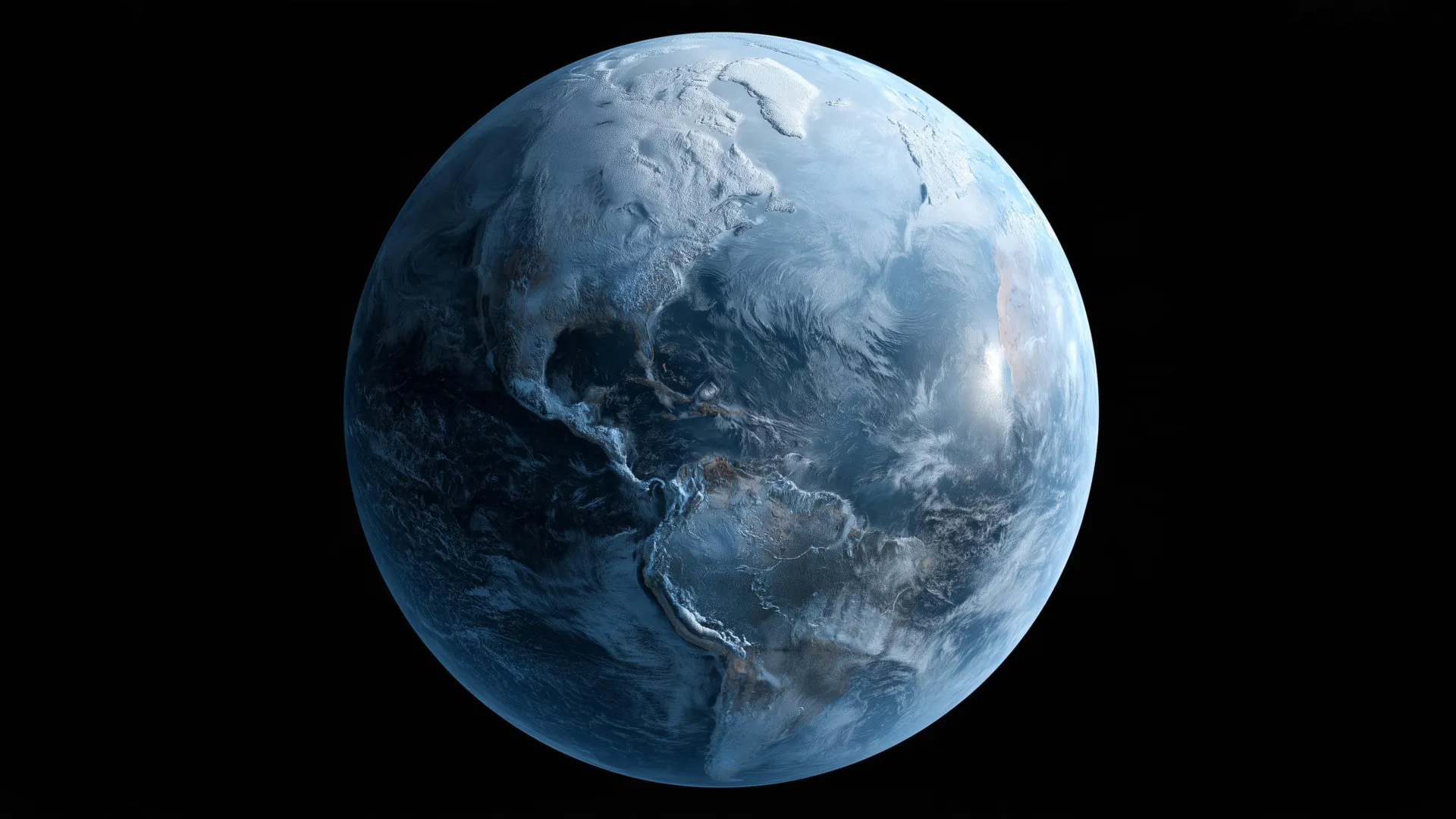
Scientists have uncovered a surprising connection between Earth's opposite poles that may help explain how the planet plunged into past ice ages. New research suggests that as massive ice sheets expanded across the Northern Hemisphere, they cooled Atlantic Ocean waters that eventually traveled south toward Antarctica. This cooling may have disrupted Southern Ocean circulation, allowing the ocean to absorb and store more carbon dioxide from the atmosphere, further cooling the planet.

📅 2026-10-28 11:08:25    •    ScienceDaily
Our extinct cousins the Denisovans had a 'distinctive' appearance, new analysis reveals
Science News

Our extinct cousins the Denisovans had a 'distinctive' appearance, new analysis reveals

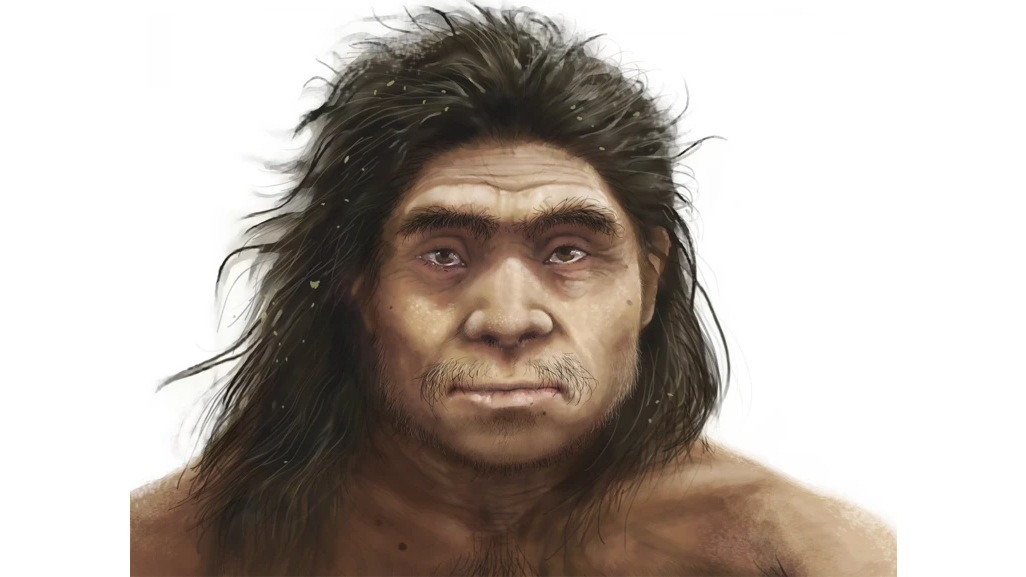
The enigmatic and now-extinct Denisovans of China shared traits with Neanderthals, modern humans and Homo erectus, according to a new study that looked at ancient proteins and fossils. But the Denisovans also had several unique skull traits and genetic variants that made them a distinctive ancient human group, according to the researchers ‪—‬ and these traits have now revealed a new face for a Denisovan man.In the study, published Oct. 21 in the journal Nature, researchers analyzed Denisovan skulls from the archaeological site of Xujiayao in northern China. The Denisovans were a group of ancient humans who lived in Asia and disappeared around 30,000 years ago. This human relative was first i...

📅 2026-10-28 11:00:00    •    Live Science
NASA’s Artemis I mission reveals surprising radiation levels near the Moon
Science News

NASA’s Artemis I mission reveals surprising radiation levels near the Moon

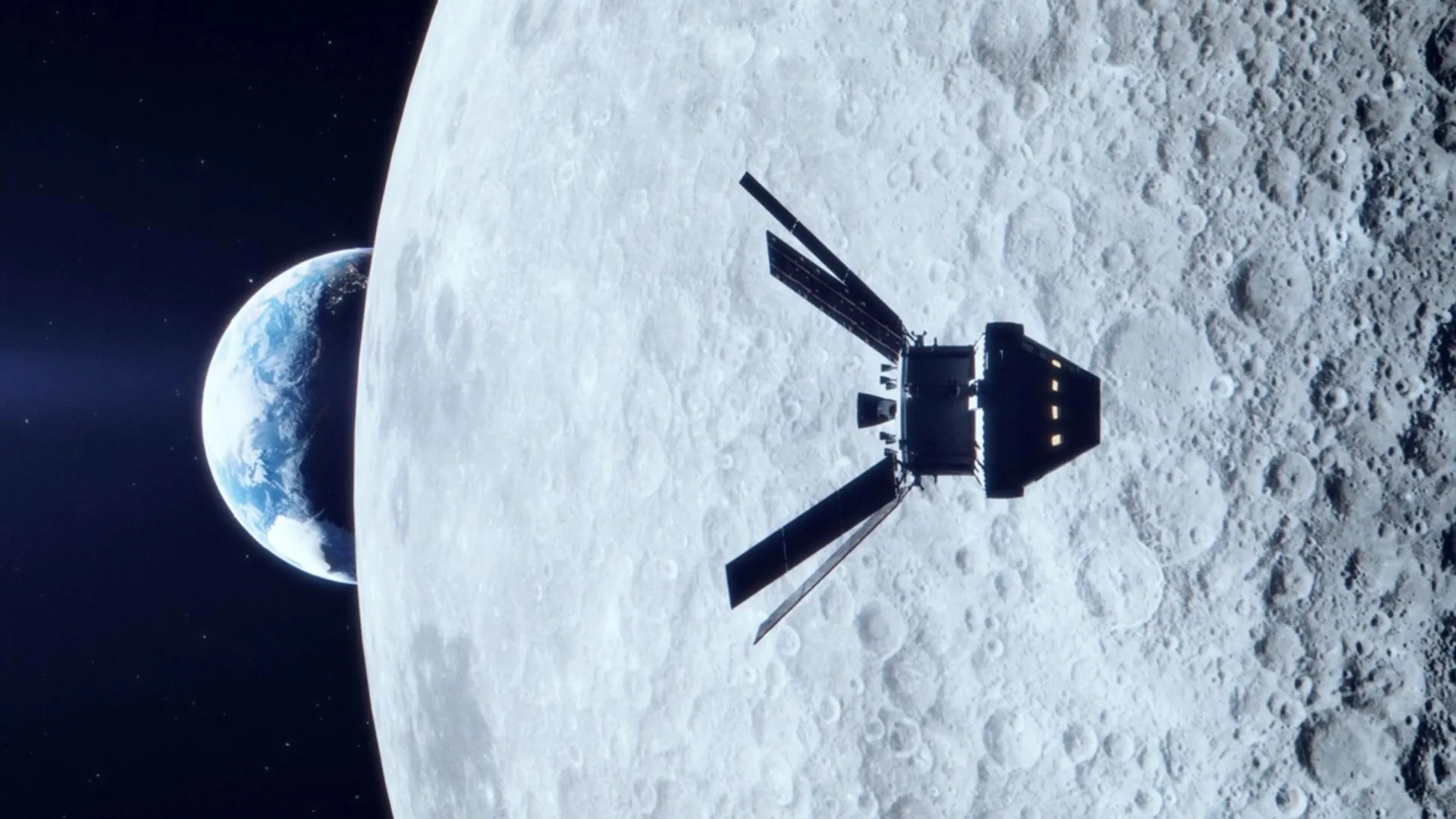
NASA’s Artemis I mission has revealed that cosmic radiation near the Moon is higher than in Earth orbit, but not by as much as scientists might expect. Tiny experimental detectors also uncovered surprising details about how radiation passes through the human body, offering valuable insights for future lunar exploration.

📅 2026-10-28 10:29:36    •    ScienceDaily
A woman carried a 'stone baby' in her abdomen for 3 years
Science News

A woman carried a 'stone baby' in her abdomen for 3 years

The patient: A 42-year-old woman in Somaliland, Africa The symptoms: The woman went to the hospital after having three years of chronic, dull pain in her lower abdomen, as well as a growing sense of heaviness in her abdomen that had worsened in recent months. When doctors reviewed her medical history, they learned that, three years earlier, she had experienced a number of symptoms that seemed to indicate a pregnancy. She recalled her abdomen growing over time and feeling "fetal movements," her doctors noted in a report of the case. Then, the movements stopped, the abdominal growth halted, and the enlargement gradually subsided. She had not sought medical care during or after this apparent pr...

📅 2026-10-28 10:00:00    •    Live Science
Universities should not be adopting AI to automate their own absurdities
Science News

Universities should not be adopting AI to automate their own absurdities

Universities are at a critical point as students and faculty embrace the use of AI. Already, universities like Harvard are introducing courses that feature an AI avatar as an "instructor." The promises AI offers higher education are familiar: an increase in efficiency as a consequence of less administration, more teaching coverage, better feedback and smarter assessment. But introducing artificial intelligence (AI) systems in an attempt to fix these problems is not the answer. If anything, AI systems will magnify and speed up the bureaucracy that is driving universities' decline. In practice, the more likely outcome is darker: AI will not simply sweep away the bureaucratic machinery of unive...

📅 2026-10-28 09:30:00    •    Live Science
Antarctica’s “Doomsday Glacier” could raise sea levels twice as much as predicted
Science News

Antarctica’s “Doomsday Glacier” could raise sea levels twice as much as predicted

Antarctica’s Thwaites Glacier may be melting twice as much as previously predicted, even without additional global warming. Scientists discovered that warm ocean water is penetrating miles beneath the ice, weakening its foundations and accelerating its retreat. A new model predicts that the glacier could add up to 30 millimeters to global sea levels by 2100, with a 60% chance of losing a crucial stabilizing ridge.

📅 2026-10-28 09:22:09    •    ScienceDaily
A simple daily fiber supplement reduced arthritis pain and improved strength
Science News

A simple daily fiber supplement reduced arthritis pain and improved strength

A new clinical trial suggests that a simple daily fiber supplement could significantly reduce knee osteoarthritis pain, improve muscle strength, and make the body less sensitive to pain. Researchers discovered that the benefits may be linked to changes in gut bacteria and the hormone GLP-1, revealing a promising new approach to arthritis relief.

📅 2026-10-28 03:56:09    •    ScienceDaily
The autistic brain processes faces differently than scientists thought
Science News

The autistic brain processes faces differently than scientists thought

A major new study reveals that autistic children’s brains process faces differently, and those differences may begin earlier than scientists previously thought. Researchers found that brain signals associated with recognizing faces become more specialized as neurotypical children grow older, but show much less change in autistic children. The discovery could help explain why some autistic people have difficulty recognizing faces and reading emotions.

📅 2026-10-28 03:02:38    •    ScienceDaily
The asteroid that killed the dinosaurs may have helped ants conquer the world
Science News

The asteroid that killed the dinosaurs may have helped ants conquer the world

The asteroid that killed the dinosaurs may have set the stage for ants to conquer the planet, with a surprising boost from “jumping genes” hidden in their DNA. Scientists discovered that bursts of activity from these mobile genetic elements coincided with the rise of major ant groups and may have helped sharpen their extraordinary ability to communicate through smell.

📅 2026-10-28 01:40:35    •    ScienceDaily
Scientists discover the immune system’s hidden sense of touch
Science News

Scientists discover the immune system’s hidden sense of touch

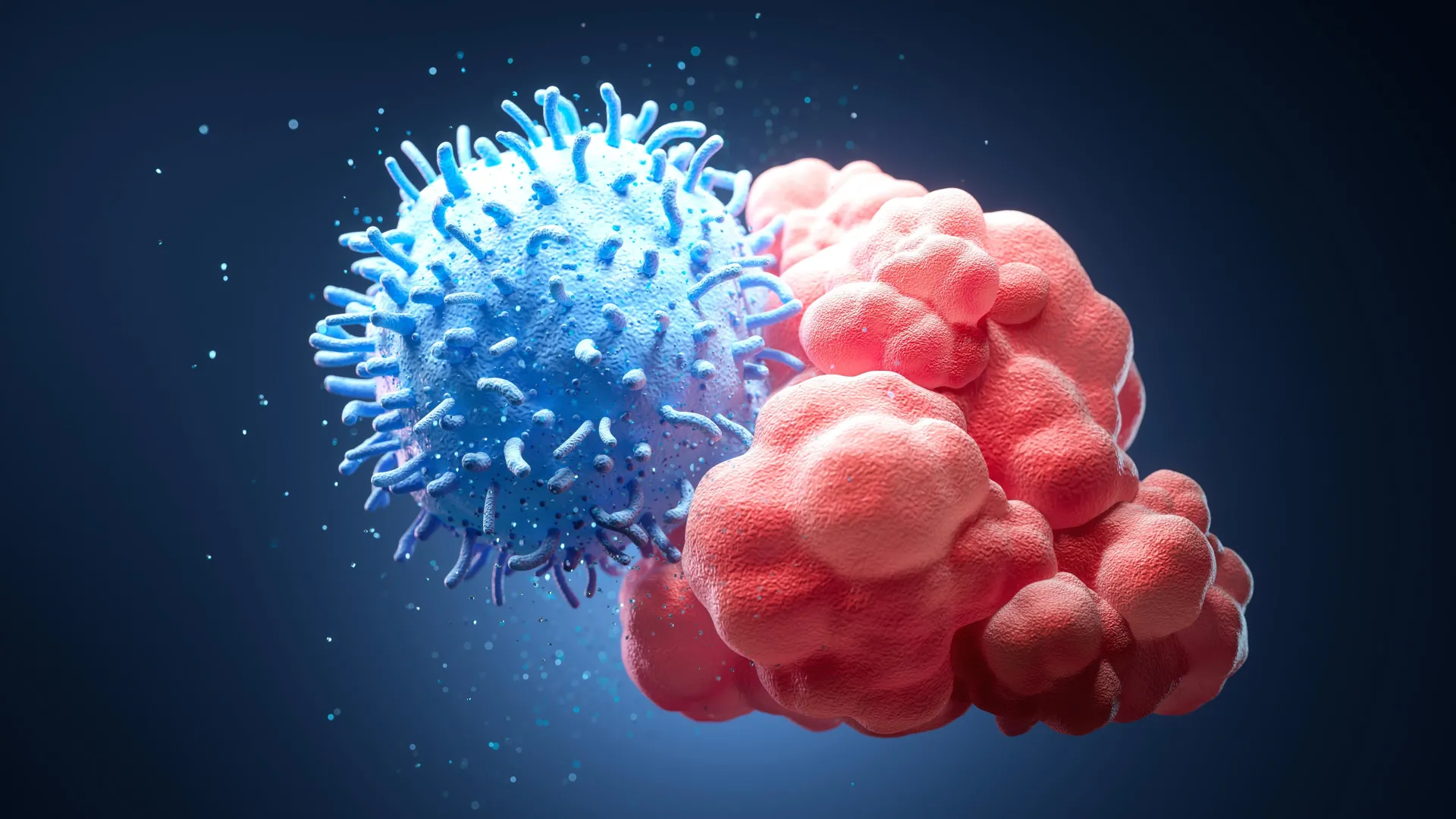
Scientists at McGill University have discovered a surprising new ability of immune cells that could change how we understand long-term immunity. Researchers found that T cells can actually sense how stiff their surrounding tissues are, using these physical signals to help determine whether they develop into long-lasting memory cells that protect against future infections.

📅 2026-10-28 00:54:54    •    ScienceDaily
Is AI making you lazier?
Science News

Is AI making you lazier?

Artificial intelligence (AI) tools like chatbots are becoming part of everyday life, helping people write messages, answer questions and learn new skills. While some of these processes may save people time, a new study reveals a possible new downside of consistently relying on AI assistance.Related storiesCan AI detect cognitive decline better than a doctor? New study reveals surprising accuracyDoctors say AI model can predict 'biological age' from a selfie — and want to use it to guide cancer treatment'There's a sense that these algorithms are objective and they get to know you': How social media warps our understanding of healthcareThe research, presented at the 2026 Conference on Language...

📅 2026-10-27 20:13:27    •    Live Science
Rare tiger behaviors captured on camera show 'we really know nothing about them'
Science News

Rare tiger behaviors captured on camera show 'we really know nothing about them'

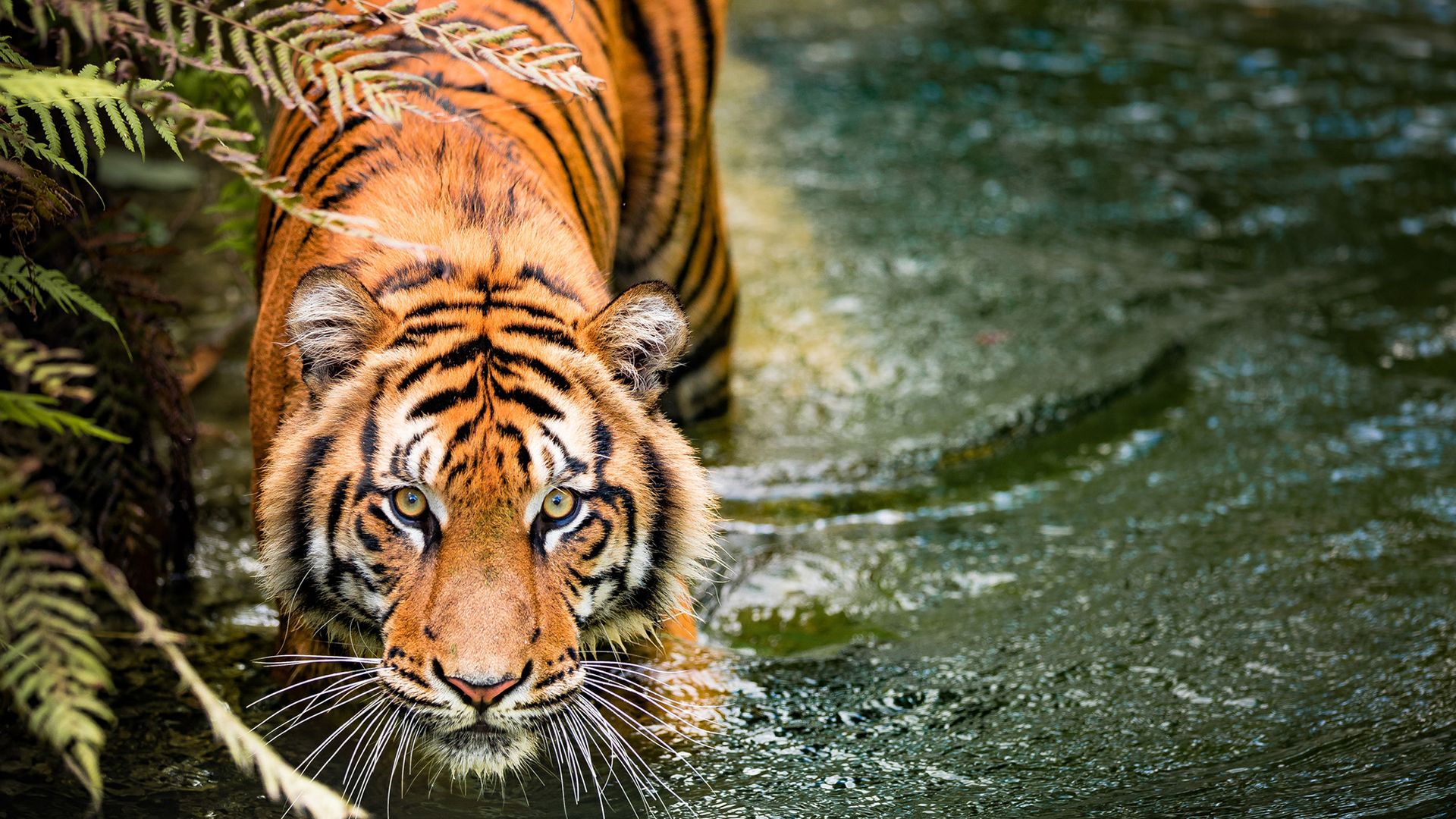
A male tiger approaches his cubs and greets them with a head-bobbing motion while their mother rests nearby. The surprising interaction, captured in the PBS Nature documentary "Tiger Island," a two-part series that follows two big-cat families across Nepal.The footage marks the first time a tiger "family" has been documented spending time together, and it could challenge conventional assumptions about how the seemingly solitary cats behave around their young, said Dan O'Neill, a wildlife biologist and filmmaker who contributed to "Tiger Island." Previously, it was thought that tiger moms raise their cubs for up to two years without any help from the male tiger. But this may not be the norm."...

📅 2026-10-27 18:38:01    •    Live Science
How brain implants turn thoughts into speech
Science News

How brain implants turn thoughts into speech

New brain-computer interfaces turn attempted speech into words and can speak them in a voice resembling the user’s own.

📅 2026-10-27 18:35:43    •    Science News