Science News
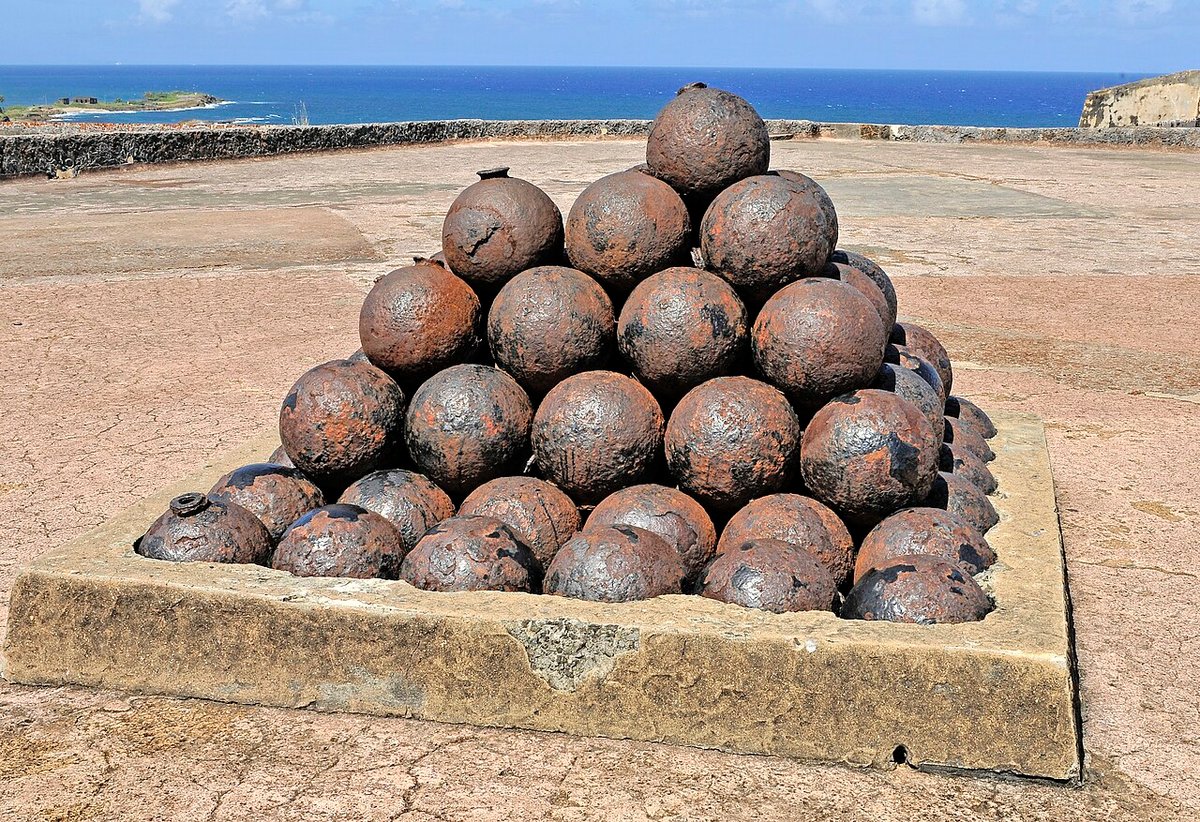
How a 16th century pirate accidentally spawned a centuries-old math problem
A question posed by Sir Walter Raleigh about cannonballs inadvertently led to a puzzle that mathematicians have been trying to solve for centuries
Latest science news, discoveries and scientific developments.
A question posed by Sir Walter Raleigh about cannonballs inadvertently led to a puzzle that mathematicians have been trying to solve for centuries
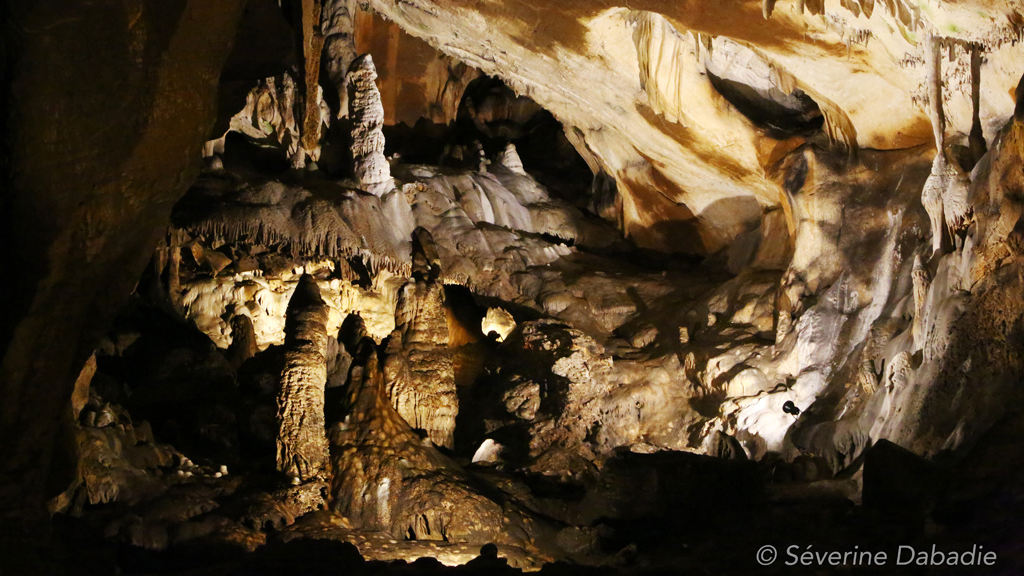
Scientists have sequenced the genomes of three Late Stone Age people who lived in Europe 30,000 years ago and discovered that they had closer biological ties than researchers previously thought. The new finding suggests that places like southwestern France may have been critical cultural hubs during the last ice age.Shortly after Neanderthals disappeared from Europe, a Stone Age culture known as the Gravettian spread across the continent. Artifacts found during archaeological excavations — including portable art, such as "Venus figurines" — have shown that the Gravettian culture lasted from about 34,000 to 25,000 years ago. But ancient DNA has been recovered from only two dozen human ske...
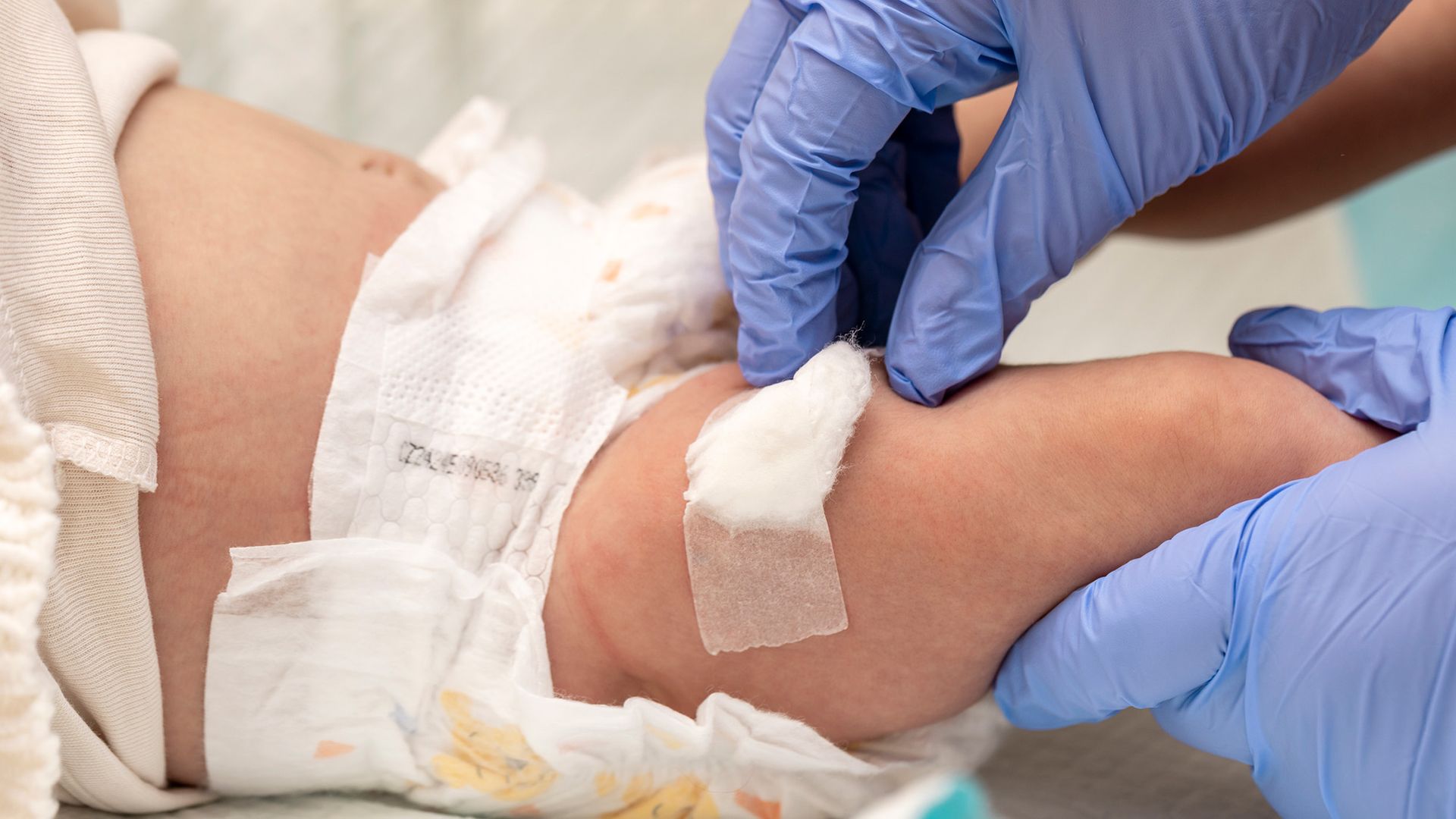
A proposed change to decades-old guidance on hepatitis B vaccination would lead to a dramatic increase in chronic hepatitis B virus (HBV) infections among young people, a new modeling study predicts.Previously, the Centers for Disease Control and Prevention (CDC) recommended that all newborns be vaccinated against HBV within hours of birth — a strategy known as "universal birth-dose vaccination." But in December 2025, the Advisory Committee on Immunization Practices (ACIP) advised ending this recommendation, and the CDC accepted that advice. The new guidance would recommend birth doses only to babies whose mothers tested positive for HBV or whose HBV status was unknown. The guidance sugges...

Jennifer Shuford, a well-respected infectious disease researcher, cited a desire to spend more time with her family

Native Hawaiians and Easter Islanders genetically descend from the same "ultravoyager" Polynesian group that crossed vast distances of ocean to reach these remote islands, a new study finds.Easter Island (also known as Rapa Nui) and Hawaii are part of Polynesia, a group of more than 1,000 islands spread over an area of the Pacific Ocean roughly equal to the areas of North and South America combined. Hawaii and Easter Island are the farthest of these isles from each other, at about 4,500 miles (7,200 kilometers) apart — around the distance from San Francisco to Lima, Peru.The researchers discovered the connection by analyzing the genomes of 1,050 modern individuals across Polynesia, including...
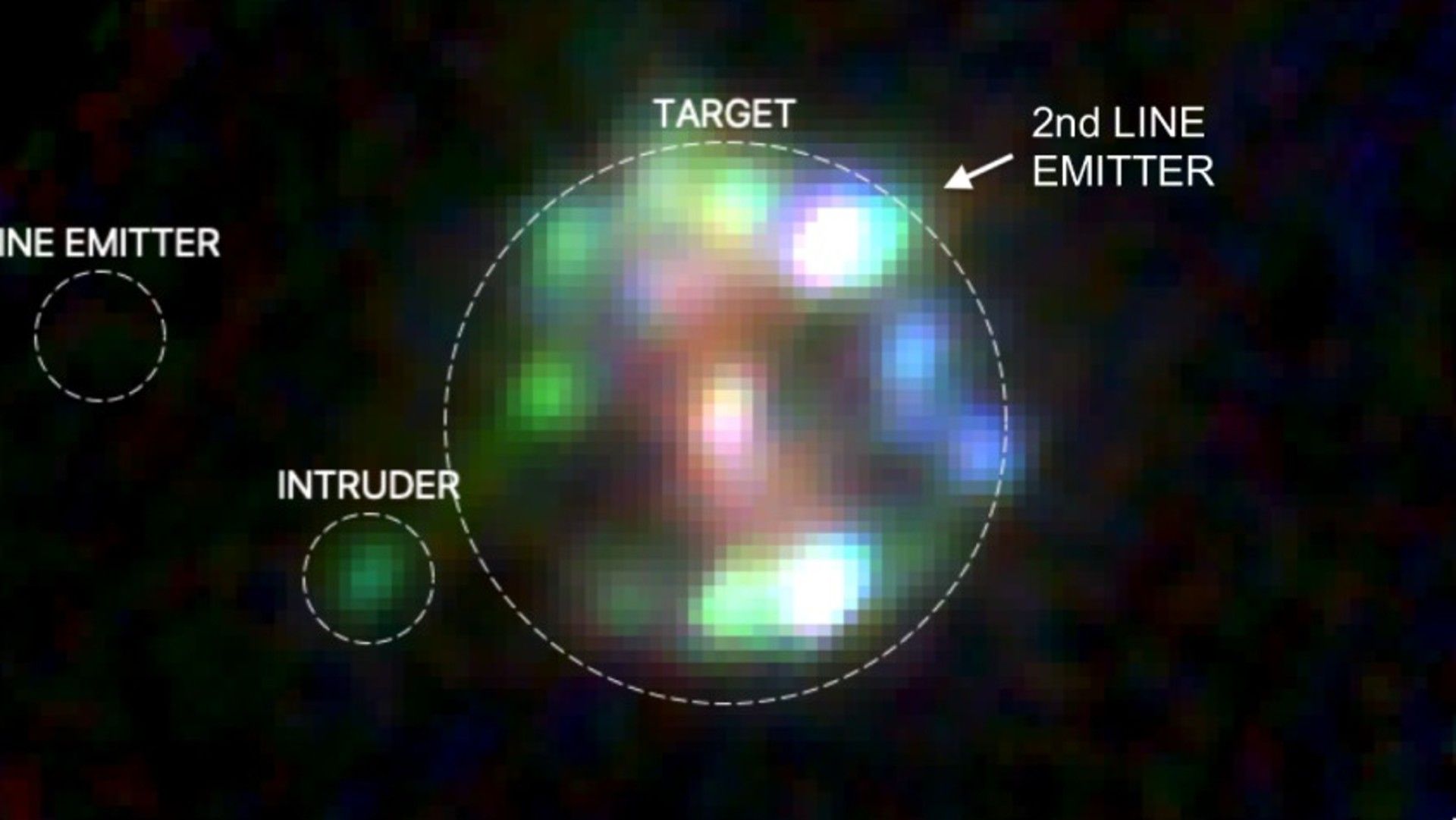
A view of the possible ring galaxy GS18660 as seen by the James Webb Space Telescope. New observations hint that the ancient galaxy may have been created by a collision with an 'intruder' galaxy. (Image credit: Perna et. al/ Astronomy and Astrophysics)Astronomers using the James Webb Space Telescope (JWST) have discovered a galaxy with a glowing ring of newborn stars shining in the early universe. The galaxy, which the researchers observed as it appeared just 2.1 billion years after the Big Bang, is the most distant ring galaxy ever found. The ring galaxy, known as GS18660, may be the result of a collision between two galaxies, the researchers reported in their study, published Sept. 8 in th...
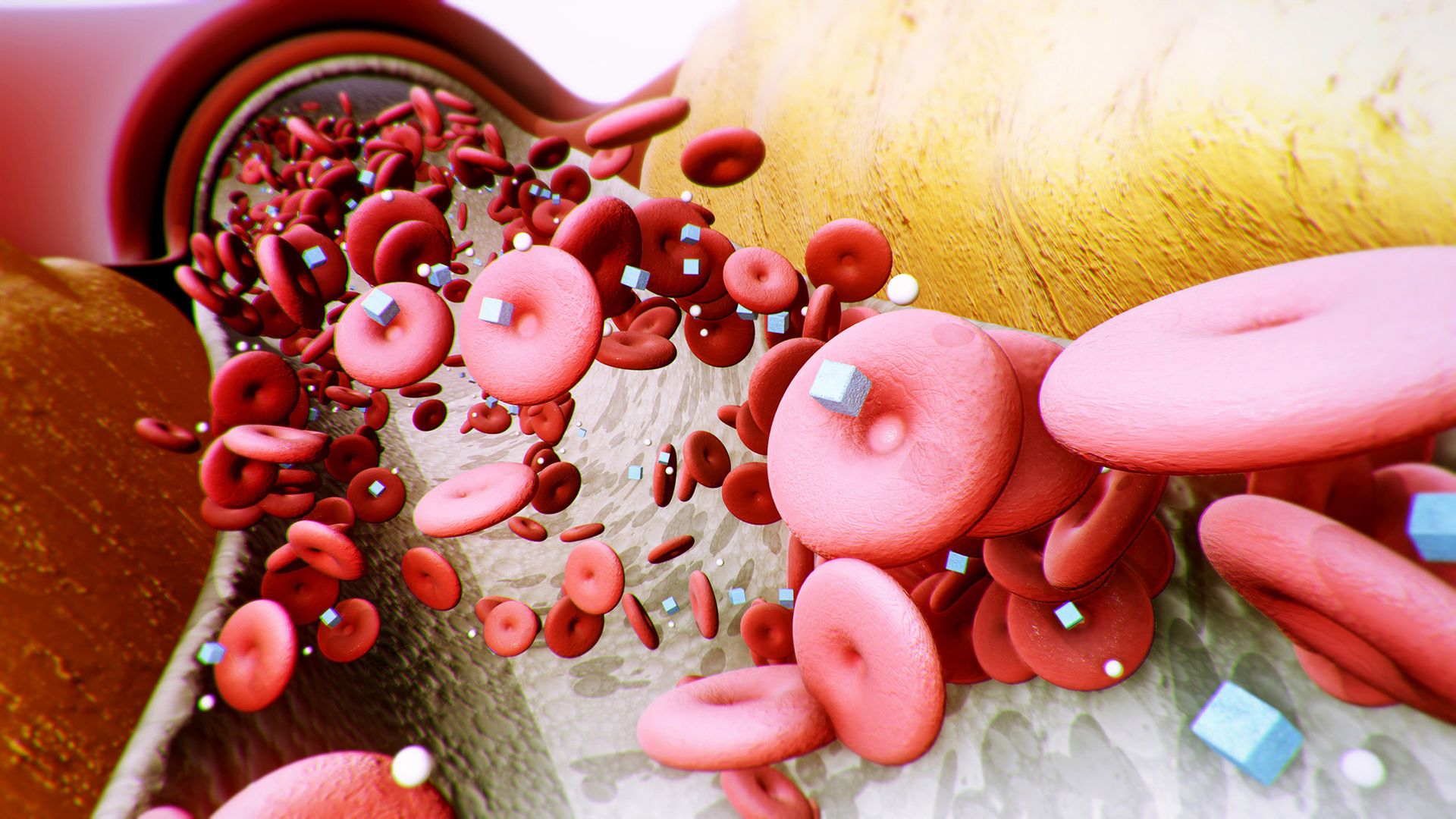
An experimental medical implant that removes excess sugar from the blood has shown promise in treating diabetes and obesity in tests with lab mice. Coupled with a continuous glucose monitor, which tracks blood sugar levels in real time, the tiny device is designed to adjust blood sugar levels according to a patient's needs. It does so using a chemical reaction powered by electricity. In the mouse experiments, it prevented sudden insulin spikes and promoted fat loss. The implant, described Oct. 22 in the journal Science, could offer a completely new way to treat diabetes and obesity, study co-author Martin Fussenegger, a professor of biotechnology and bioengineering at ETH Zurich, told Live S...

Guidelines for designing coasters don’t reflect the latest science about what types of movement the brain can withstand.
The results resolve major problems in math, physics and computer science. But like other recent AI-generated “slop drops,” the releases are already controversial

Depression tied to the body’s sleep cycle could be less responsive to antidepressants and cause more severe symptoms

Farmers in Yunnan Province, China, alerted researchers to the humongous fungus. Dianjunus rex’s mushrooms stand at half a meter tall.
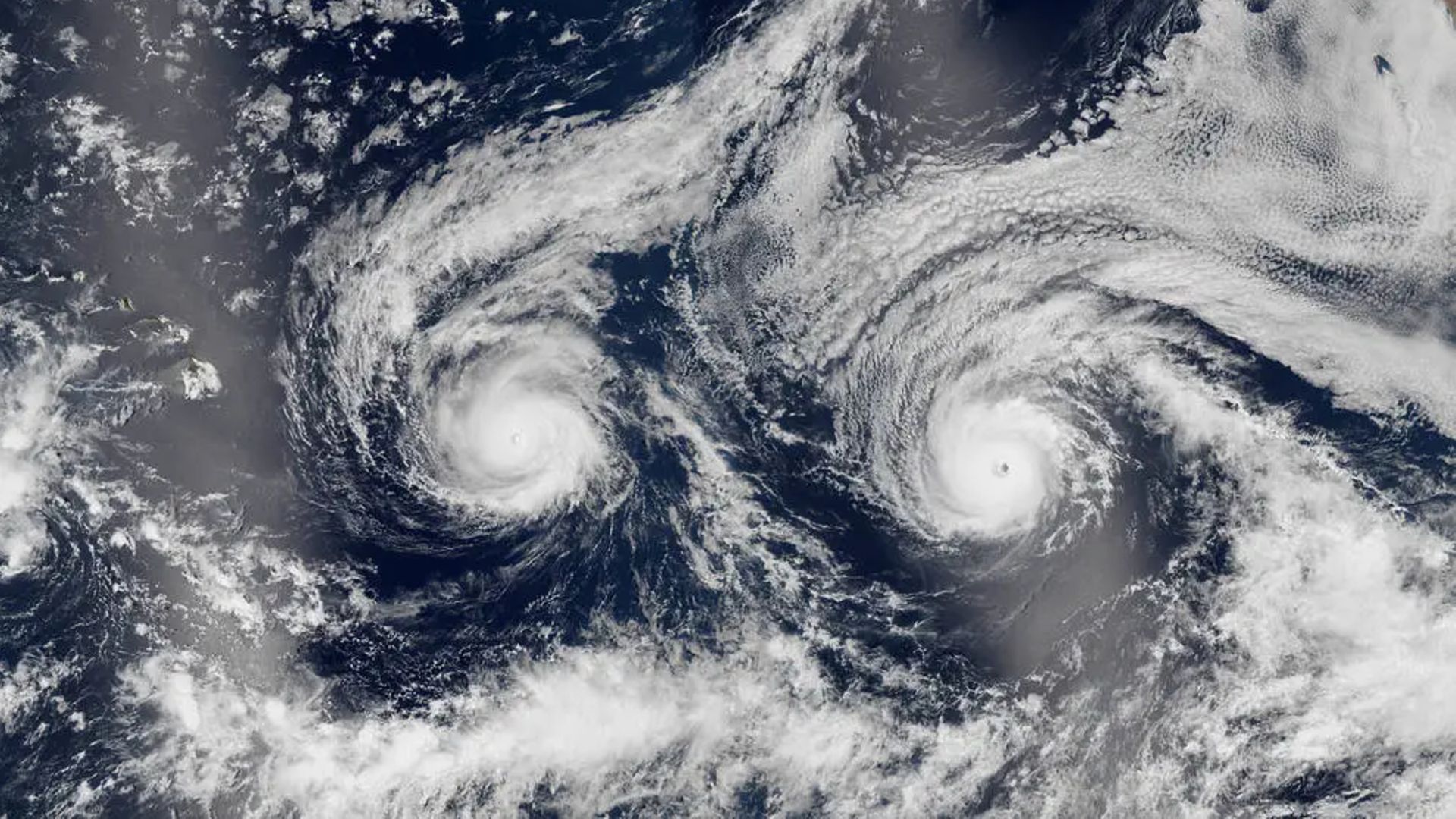
QUICK FACTSWhere is it? Pacific OceanWhat's in the photo? Hurricane Madeline (left) and Hurricane Lester (right)Which satellite took the photo? Suomi NPPWhen was it taken? Aug. 29, 2016This eye-catching satellite snap from a decade ago shows a pair of hurricanes barreling toward Hawaii. The clouds swirling around the twin cyclones make them look eerily like the eyes of a pale face smiling up at space. The sight appears even spookier when viewed on a weather map (see below).The surprisingly symmetrical storms — Hurricane Madeline (left) and Hurricane Lester (right) — were the 14th and 13th named storms, respectively, during 2016's Pacific hurricane season, which is tied for the sixth-most-act...
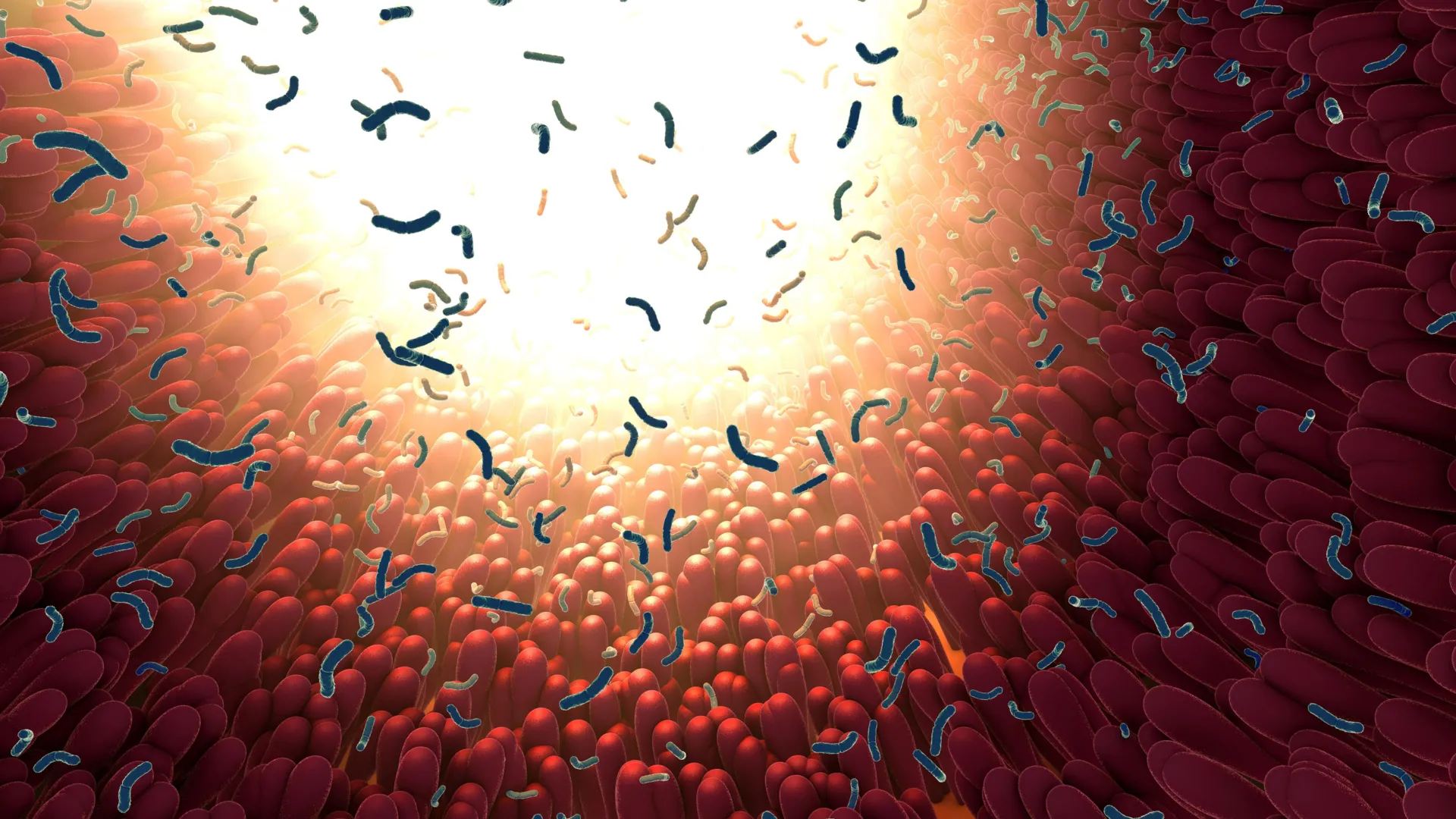
The secret to aging more slowly may be hiding in your gut. Scientists discovered that certain gut bacteria are strongly linked to how quickly the body ages, with microbial differences accounting for about 15% of the variation in biological aging rates. Some bacterial species were associated with slower aging, while others were linked to accelerated aging.
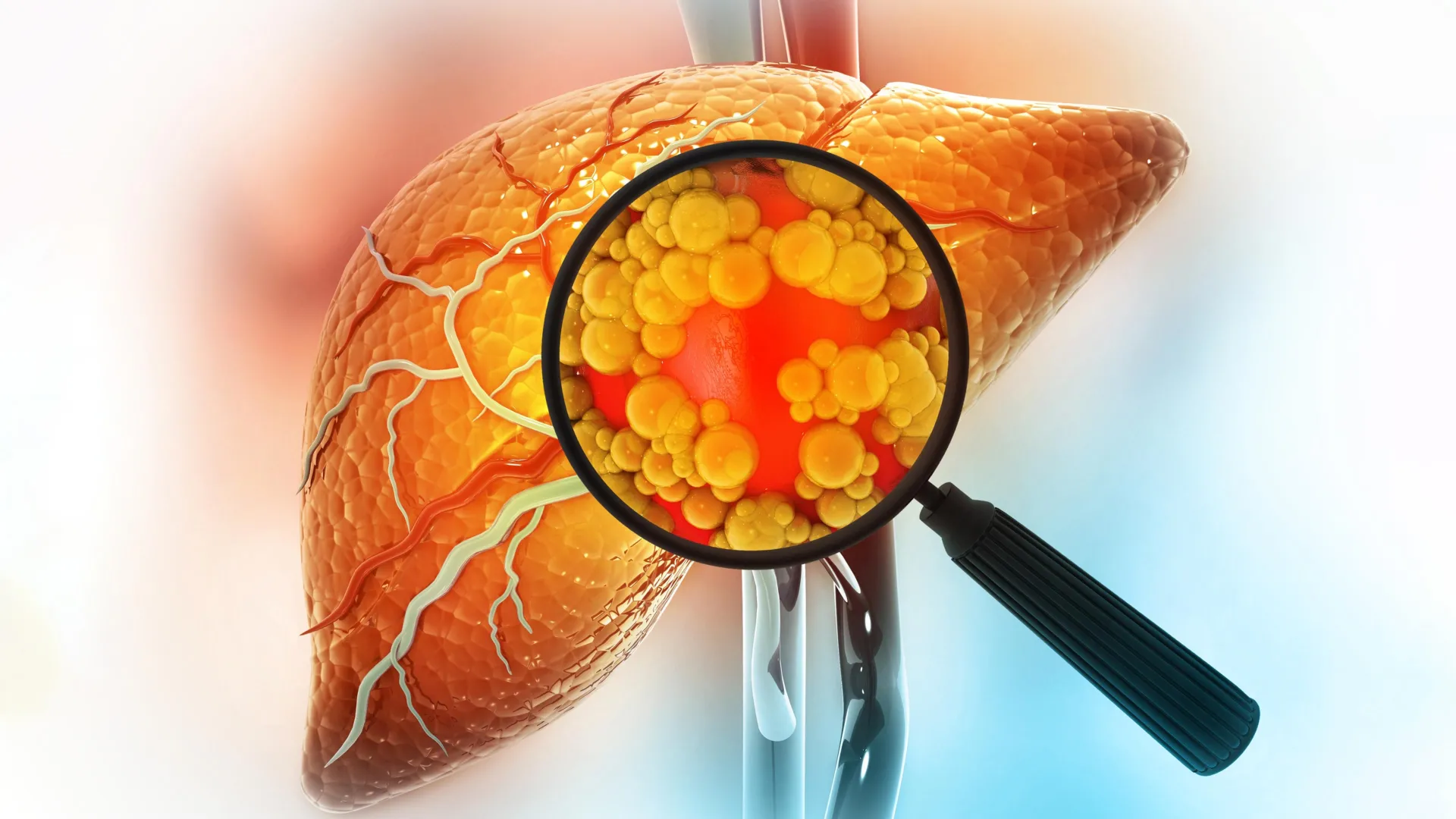
Scientists have discovered that low testosterone and a high-fructose diet can work together to worsen fatty liver disease in mice. Unexpectedly, changes in gut bacteria appear to drive this harmful interaction, revealing a potential new target for preventing liver damage.
A surprising discovery reveals that widely used anti-inflammatory drugs may unintentionally help dangerous viruses spread through the body. Scientists found that JAK inhibitors, prescribed for rheumatoid arthritis and other inflammatory diseases, can weaken a crucial immune defense against influenza, COVID-19, and other infections. By suppressing genes that normally fight viruses, these medications may leave patients more vulnerable to infection.
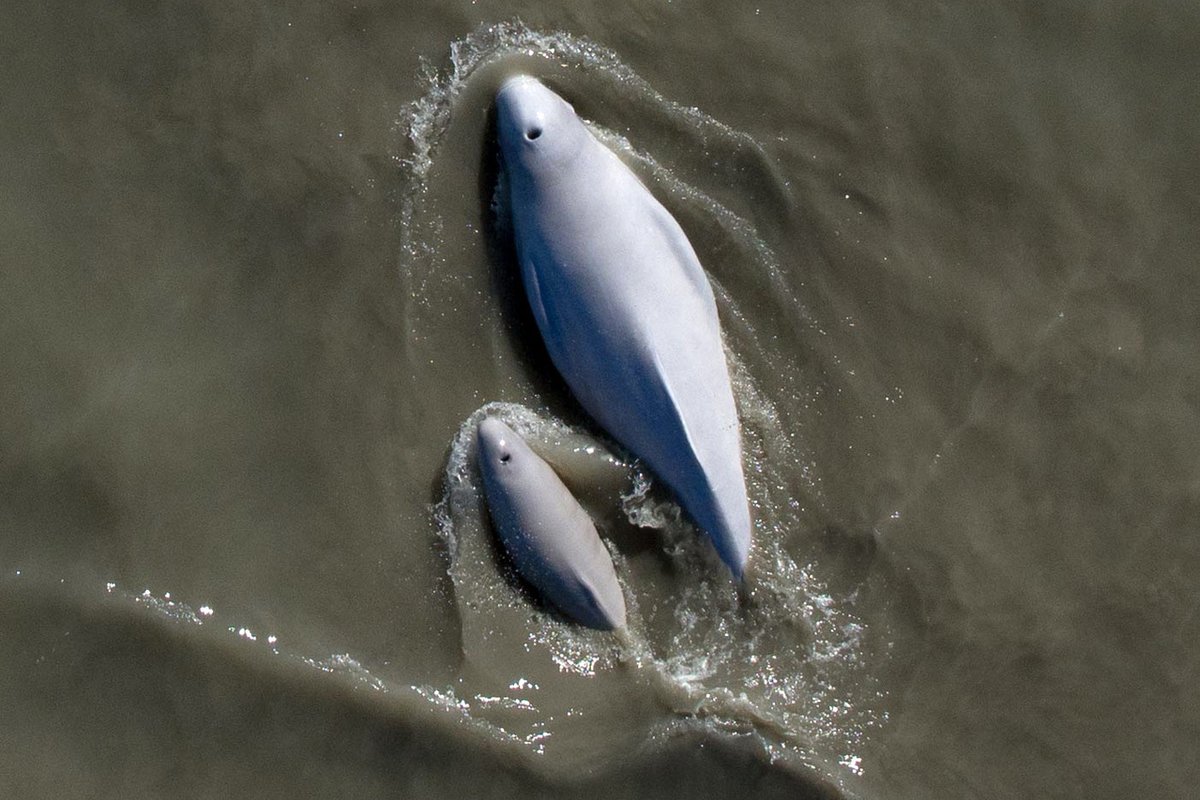
Ocean water could help dissipate the heat from data centers, but the infrastructure could threaten endangered whales
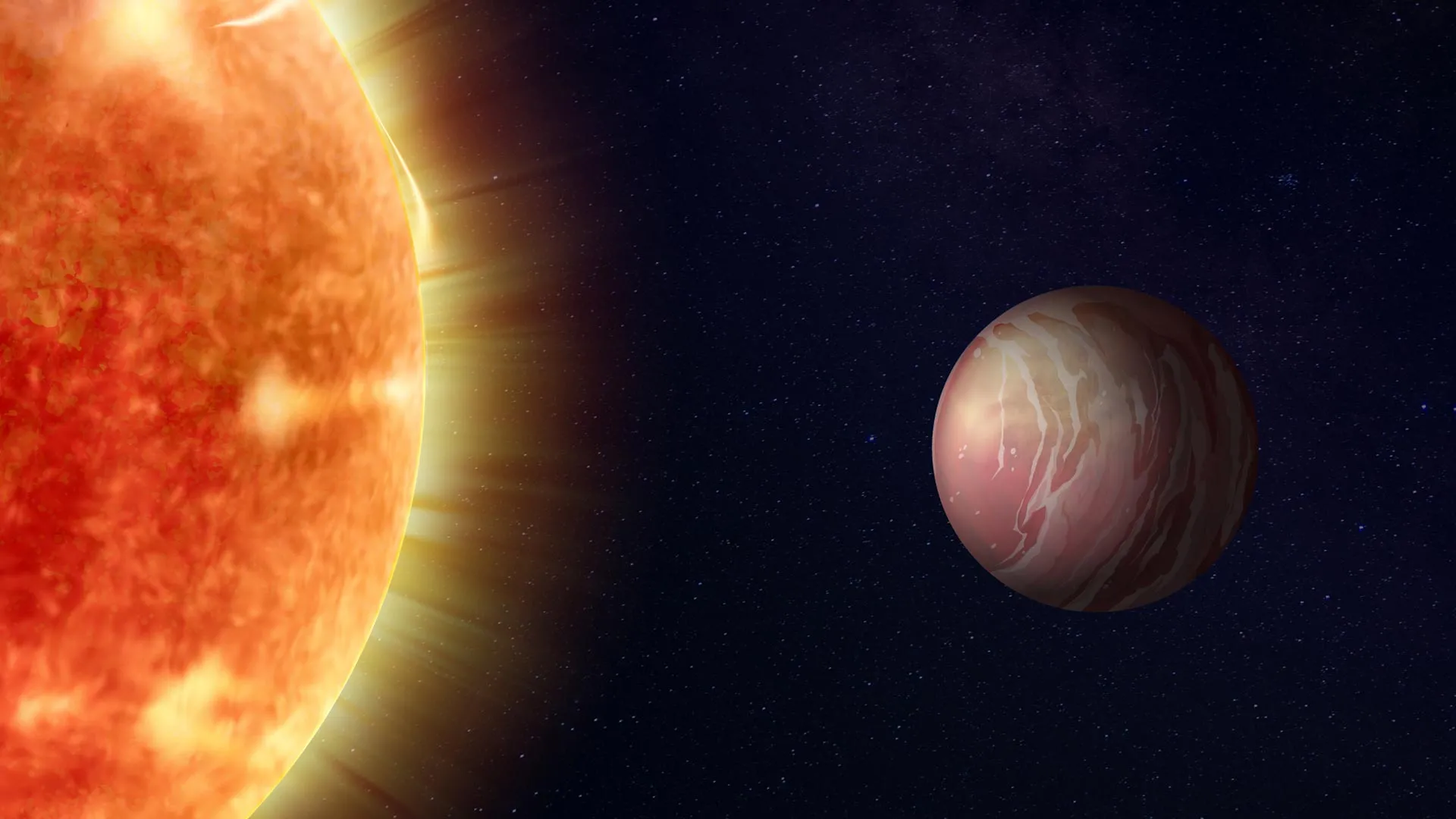
A scorching lava planet 280 light-years away has surprised astronomers by apparently maintaining a thick atmosphere despite conditions that should have stripped it away billions of years ago. James Webb Space Telescope observations suggest that TOI-561 b reflects about 75% of incoming starlight, possibly because of mineral clouds that act like a giant sunscreen. The planet may also be continually replenishing its atmosphere through gases released from a global ocean of molten rock.

The death of a worker at a Russian plague lab was alarming, but the disease is extremely unlikely to become a worldwide problem as it has in the past

Scientists have created one of the largest and most detailed simulations of the early universe ever made, offering an extraordinary new glimpse into the cosmos shortly after the Big Bang. Called Lumina, the groundbreaking simulation recreates the universe’s first 2 billion years, showing how dark matter, gas, and radiation interacted to give rise to the earliest stars, galaxies, and black holes.

Scientists at UC San Diego have developed a surprising new way to store digital information using light instead of magnets, potentially paving the way for smaller, faster, and more energy-efficient memory devices. By precisely shaping and shrinking an ultrafast laser beam, researchers demonstrated that they could switch magnetic states in a material, the basic process used to write digital data. The technique could potentially operate more than 1,000 times faster than conventional magnetic switching methods.