Science News

Latest science news, discoveries and scientific developments.

Low-dose aspirin linked to 70% lower dementia risk, but there's a catch
Science News

Low-dose aspirin linked to 70% lower dementia risk, but there's a catch

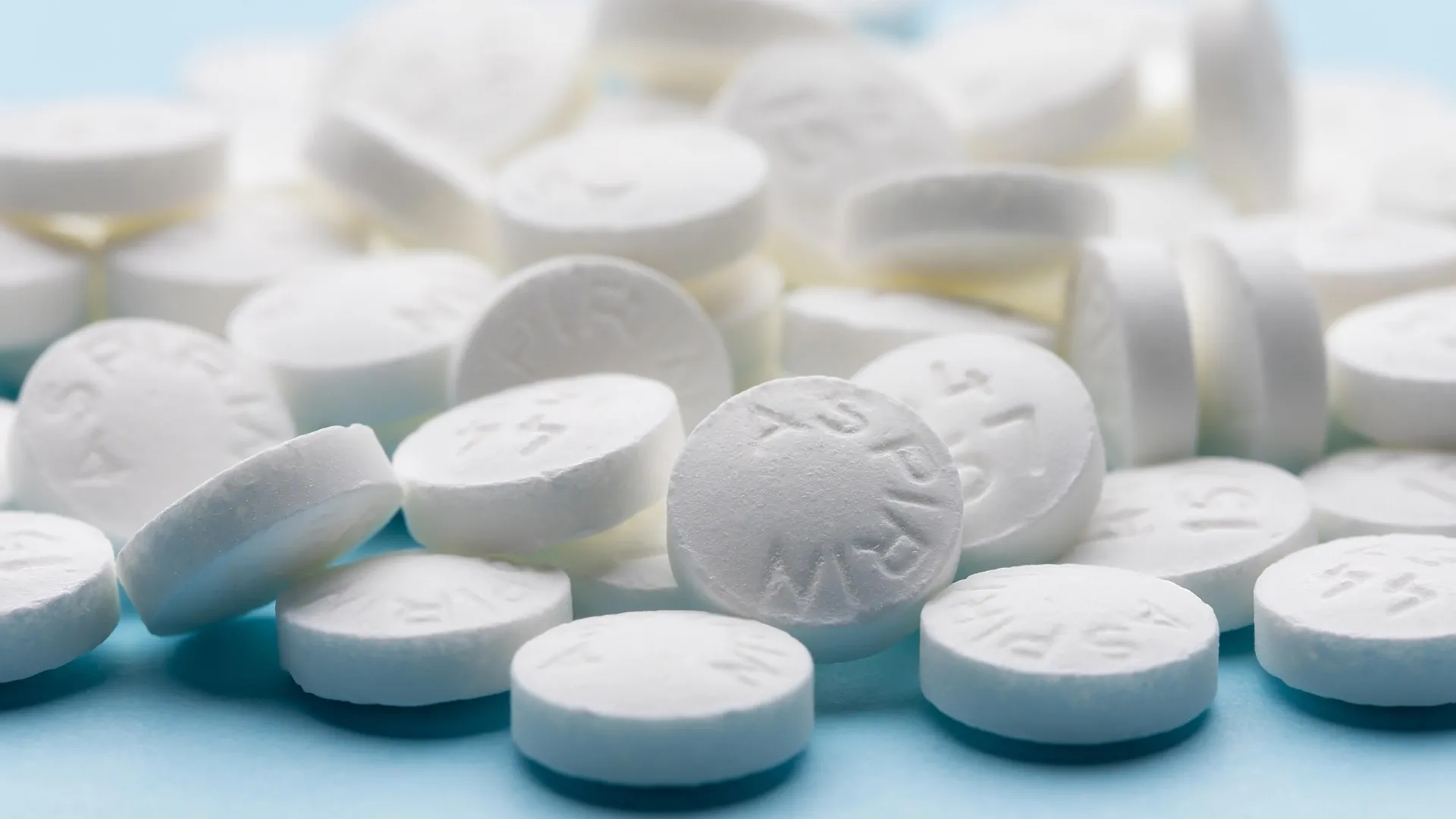
A common, inexpensive medication could hold an unexpected clue to preventing dementia. Researchers found that older adults with a specific genetic profile had a 70% lower relative risk of dementia when taking low-dose aspirin, even though previous studies found no overall protective effect. The discovery suggests that genetics could help explain why some people benefit while others do not.
πŸ“… 2026-10-25 10:21:48    β€’    ScienceDaily
Cosmic 'seagull' locks eyes with the Vera C. Rubin Observatory in long-awaited test image
Science News

Cosmic 'seagull' locks eyes with the Vera C. Rubin Observatory in long-awaited test image

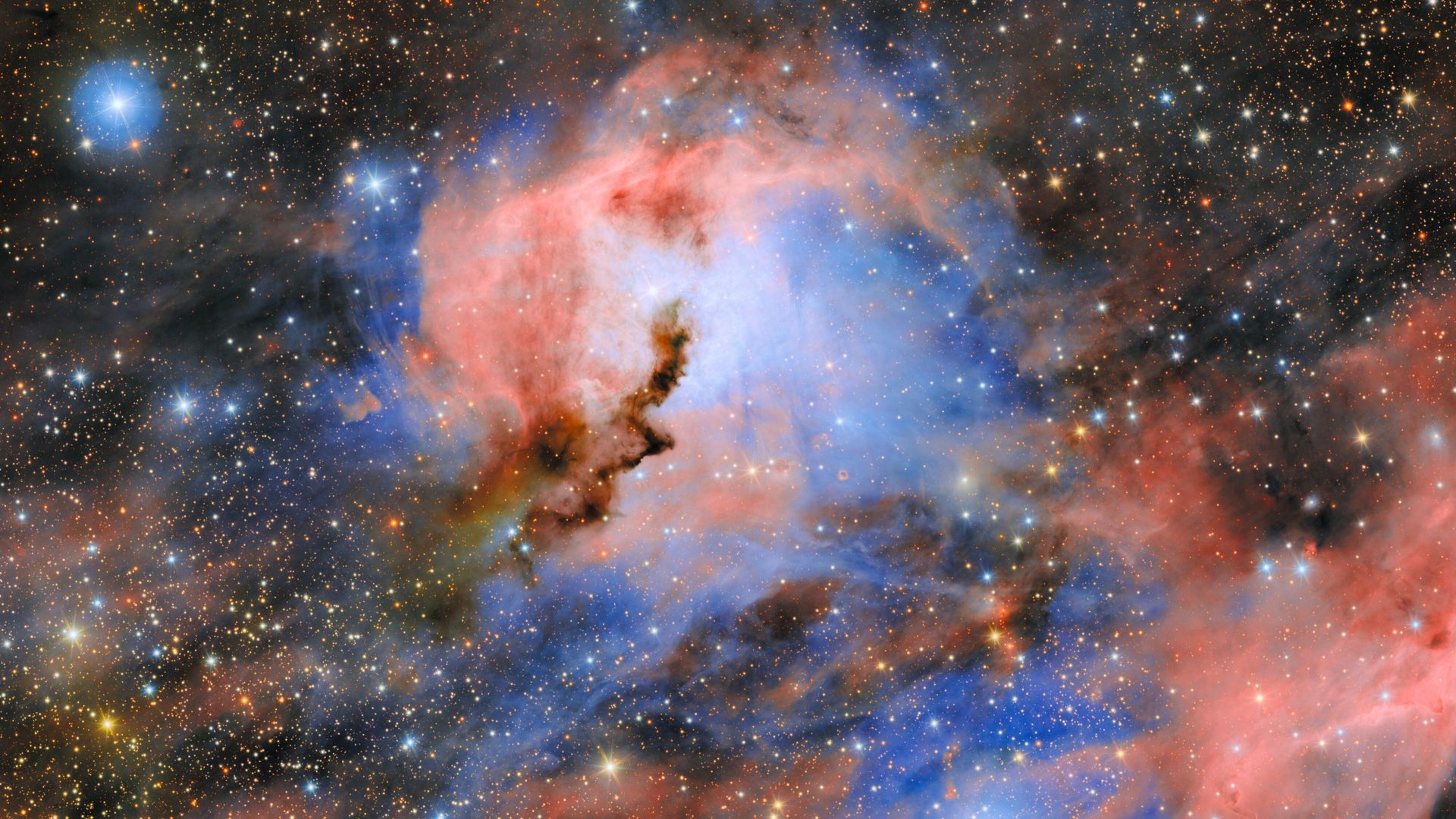
quick factsWhat it is: The head of the sassy Seagull Nebula (IC 2177)Where it is: Between the constellations Monoceros and Canis Major, about 3,700 light-years awayWhen it was shared: Oct. 22, 2026When a seagull stares you down, scientists recommend that you stare right back at it to keep your dignity (and your french fries) intact. Two years ago, astronomers at the Vera C. Rubin Observatory put this idea β€” and their brand-new telescope β€” to a test of cosmic proportions, aiming an experimental 144-megapixel camera at the menacing blue eye of the Seagull Nebula (IC 2177).Located about 3,700 light-years from Earth, the Seagull Nebula is a conglomeration of three giant, billowing clouds of irra...

πŸ“… 2026-10-25 10:00:00    β€’    Live Science
How purported tales of consuming vampire blood and organs spread in the 18th century
Science News

How purported tales of consuming vampire blood and organs spread in the 18th century

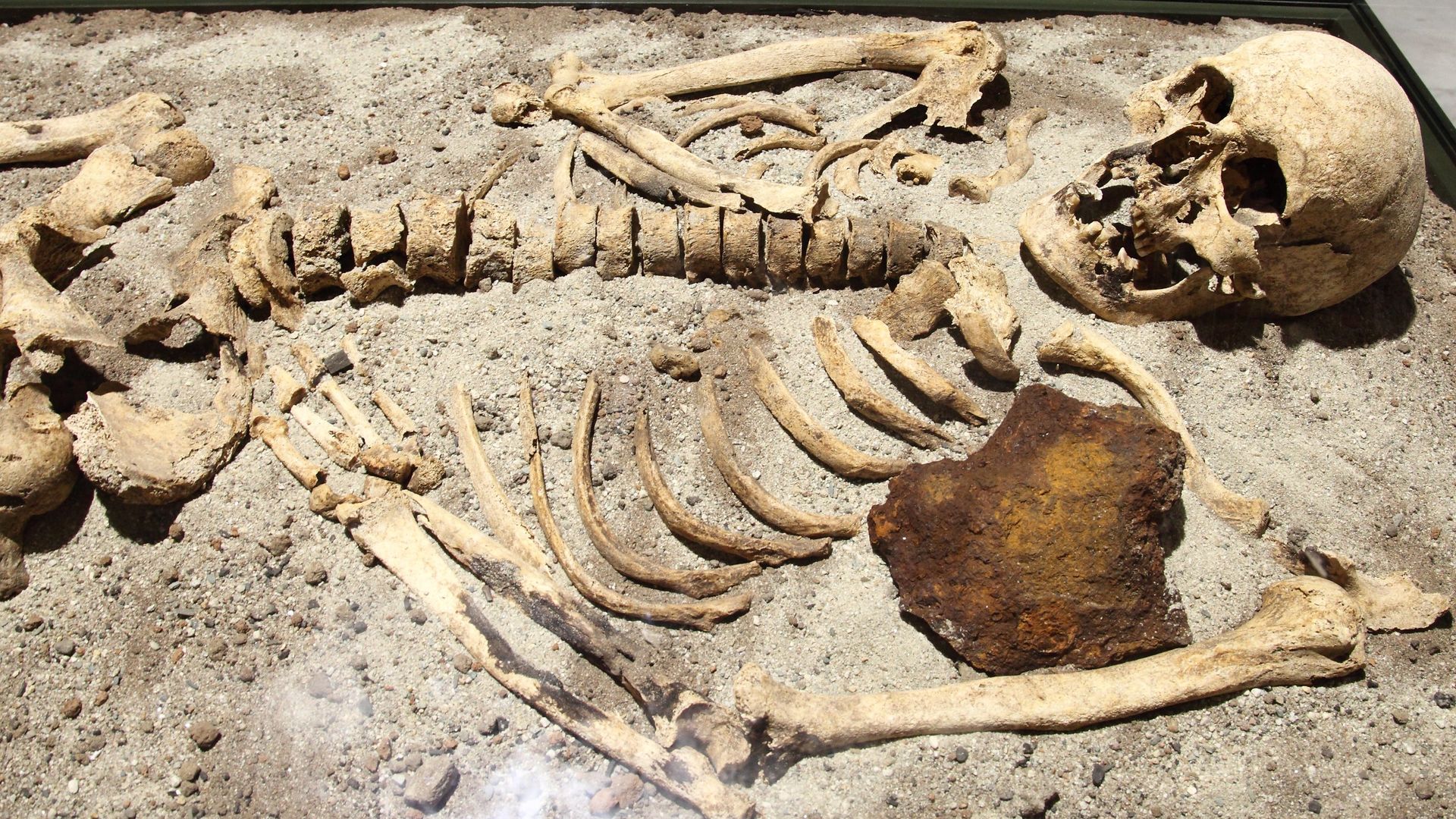
In the 17th and 18th centuries, the fear of vampires reached extraordinarily heights. People believed corpses could reanimate and wander around, terrorizing villages and spreading disease. They went to extreme lengths to prevent a vampire from rising. Some chopped the deceased person's head off, others placed sickles across their necks. Many were placed face down in their graves. In one grave in Poland, the remains of a boy were found with an iron padlock around his foot. In this excerpt from "Killing the Dead: Vampire Epidemics from Mesopotamia to the New World" (Princeton University Press, 2025), author and historian John Blair reveals the impact the printed press had on the spread of vamp...

πŸ“… 2026-10-25 10:00:00    β€’    Live Science
What happened when humans encountered Gigantopithecus?
Science News

What happened when humans encountered Gigantopithecus?

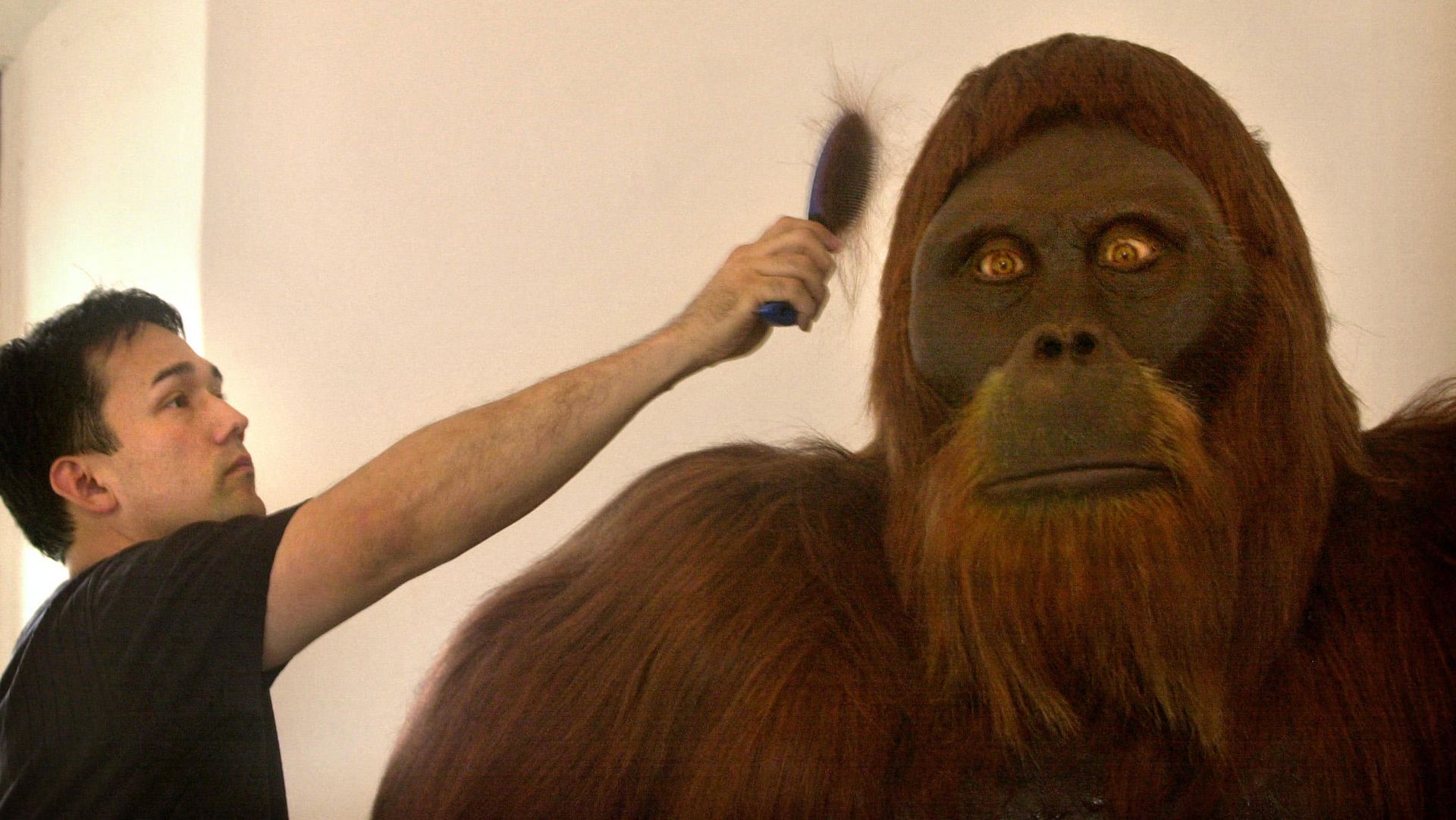
At nearly 10 feet (3 meters) tall and around 500 pounds (230 kilograms), Gigantopithecus was the largest primate that ever lived. Foraging across the dense tropical forests of Southeast Asia between 2 million and 200,000 years ago, the giant ape may have shared the habitat with new arrivals β€” hominins such as Homo erectus. (Hominins are members of the group that includes modern humans, their ancestors and closely related species, after the evolutionary split from great apes.)Despite their immense size Gigantopithecus mainly consumed plants and is closely related to modern-day orangutans. So what would have happened when Gigantopithecus encountered these human ancestors?Experts suggested a va...

πŸ“… 2026-10-25 09:00:00    β€’    Live Science
This mysterious mushroom makes people see hundreds of tiny humans
Science News

This mysterious mushroom makes people see hundreds of tiny humans

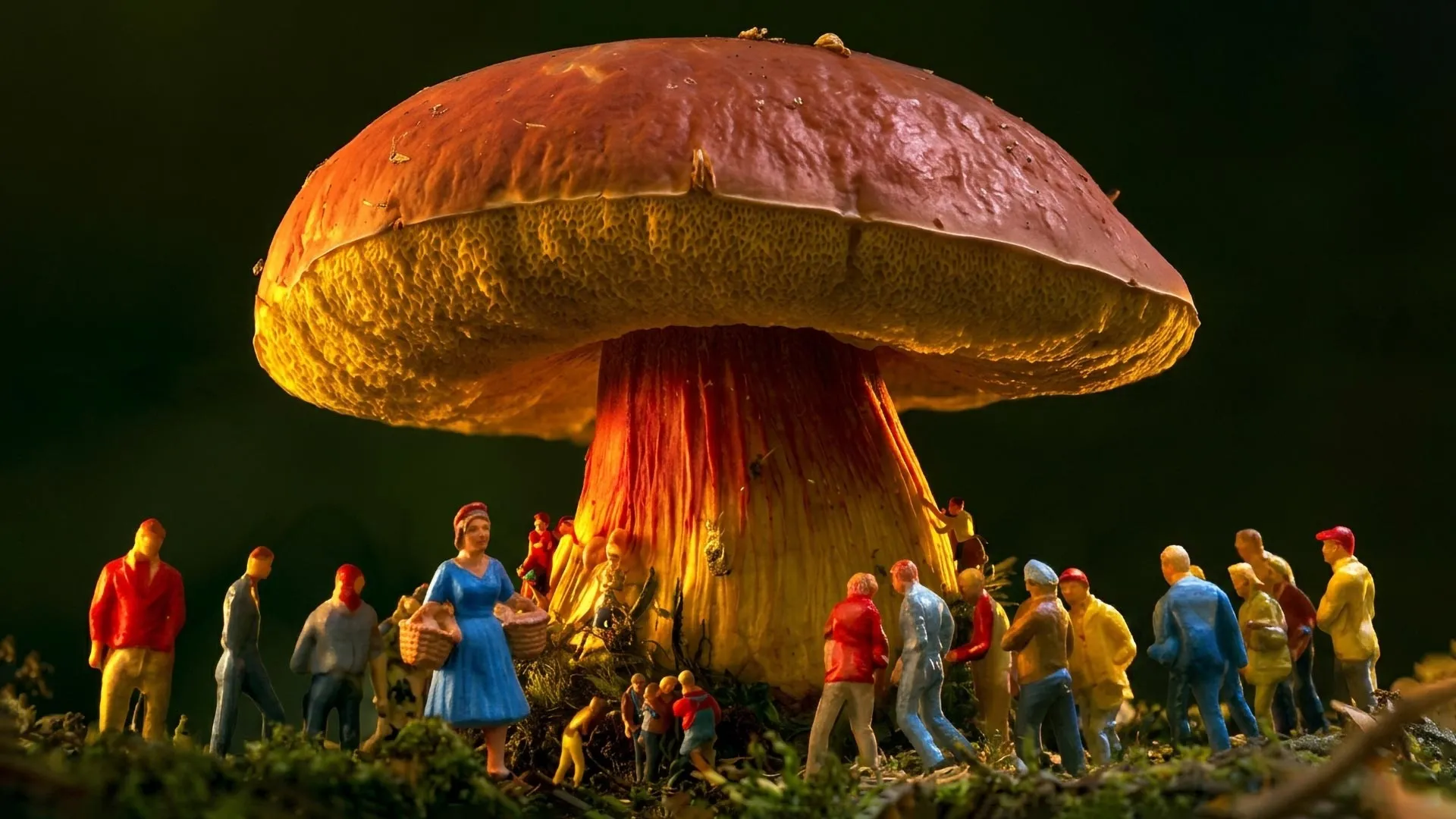
For nearly a century, people in distant parts of the world have reported a bizarre experience after eating certain wild mushrooms: seeing dozens or even hundreds of tiny, colorful humans moving through the real world. Now, scientists have identified a mushroom species, Lanmaoa asiatica, responsible for these extraordinary hallucinations in China and the Philippines.

πŸ“… 2026-10-25 06:36:10    β€’    ScienceDaily
Popular cannabis sleep gummies may have a hidden dark side
Science News

Popular cannabis sleep gummies may have a hidden dark side

A cannabis-derived ingredient commonly found in sleep gummies may be more habit-forming than previously thought, with new research showing that repeated exposure caused tolerance and withdrawal symptoms in mice. Scientists warn that CBN may carry risks similar to THC, although its long-term effects in humans remain largely unknown.

πŸ“… 2026-10-25 05:08:39    β€’    ScienceDaily
Astronomers may have discovered the first moon beyond our Solar System
Science News

Astronomers may have discovered the first moon beyond our Solar System

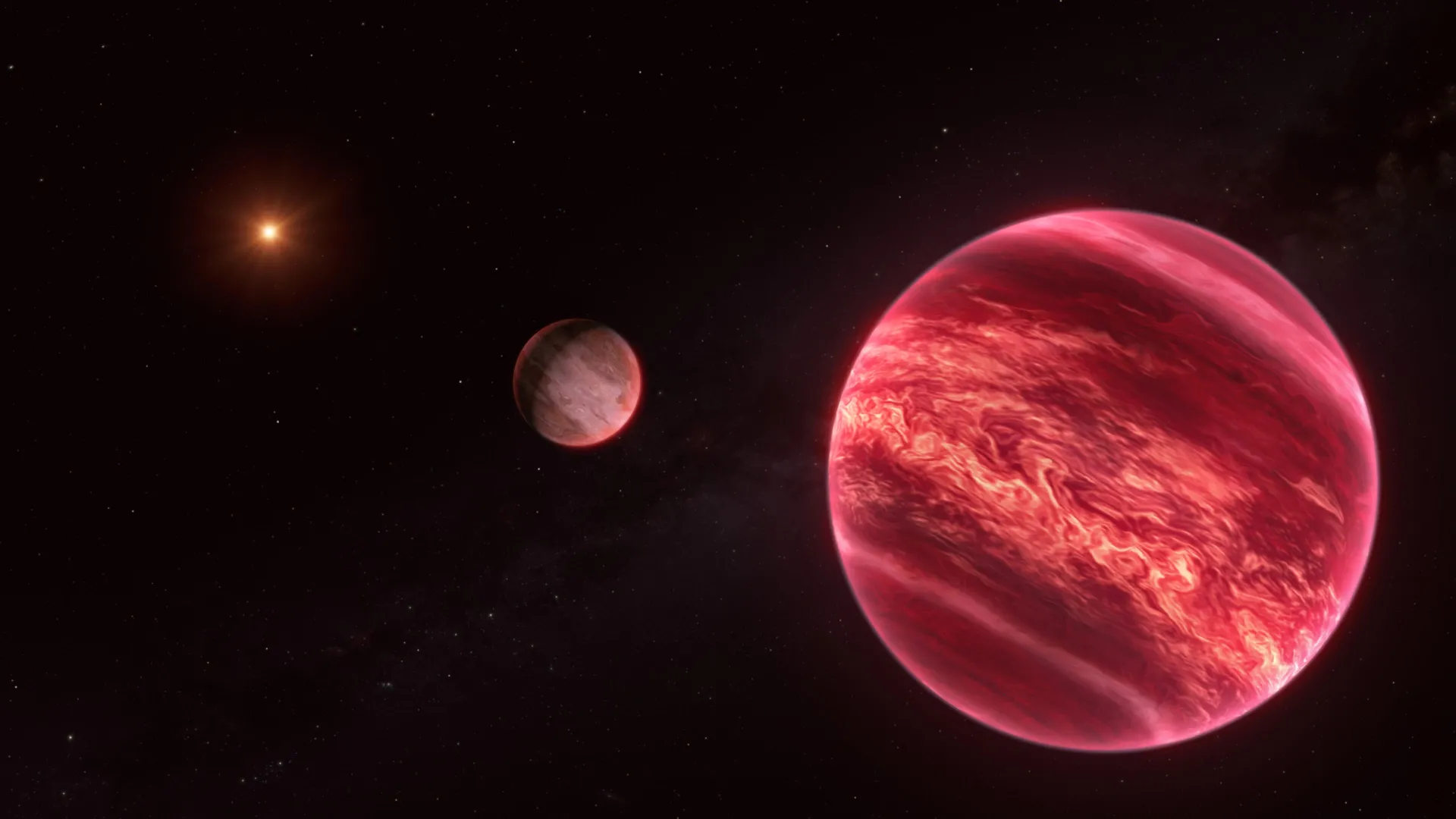
Astronomers have uncovered evidence of a bizarre, potentially historic discovery: the first moon ever detected beyond our Solar System. Unlike familiar moons, this mysterious object is at least as massive as Jupiter and orbits a brown dwarf, which itself circles a star. The unusual arrangement challenges traditional definitions of planets and moons, leaving scientists unsure what to call it.

πŸ“… 2026-10-25 03:13:05    β€’    ScienceDaily
Scientists discover a hidden flaw that challenges 40 years of superconductor science
Science News

Scientists discover a hidden flaw that challenges 40 years of superconductor science

A superconducting material studied for 40 years has turned out to be far more complex than scientists believed. Advanced 3D imaging revealed a hidden patchwork of crystal structures, with unusually wide boundaries that may weaken superconductivity. The discovery challenges decades of scientific assumptions and could explain why some superconductors outperform others.

πŸ“… 2026-10-25 02:19:07    β€’    ScienceDaily
Mediterranean diet may boost tiny proteins that protect the heart and brain
Science News

Mediterranean diet may boost tiny proteins that protect the heart and brain

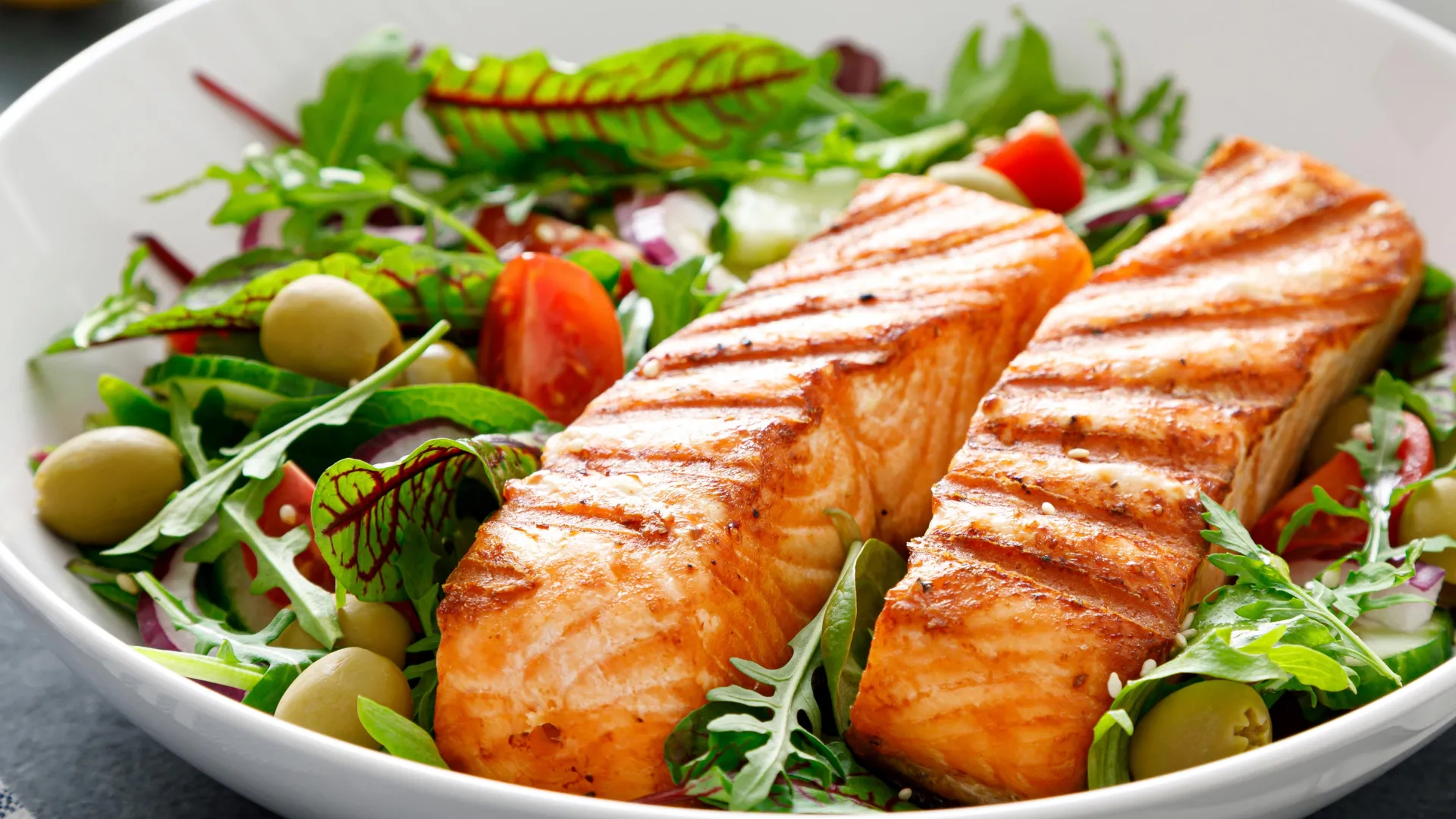
Scientists have uncovered a surprising new clue to why the Mediterranean diet is so good for the heart, brain, and healthy aging. Researchers at USC found that older adults who closely followed the diet had higher levels of two tiny proteins, humanin and SHMOOSE, produced by the mitochondria, the energy-producing structures inside cells. These proteins have been linked to protection against heart disease, Alzheimer's disease, and age-related damage.

πŸ“… 2026-10-25 01:38:38    β€’    ScienceDaily
Who should have a say in which species are saved? The California condor offers lessons for a global biodiversity treaty
Science News

Who should have a say in which species are saved? The California condor offers lessons for a global biodiversity treaty

In 1987, biologists captured the last free-flying condor to transfer it to captivity, and the largest flying North American bird species was officially declared extinct in the wild. Today, after decades of coordinated efforts and millions of dollars spent on captive breeding and reintroduction efforts, more than 300 condors have been restored to their natural environment.

πŸ“… 2026-10-25 00:00:01    β€’    Phys.org
Bell pepper colors reveal differences in sweetness, nutrients and ripeness
Science News

Bell pepper colors reveal differences in sweetness, nutrients and ripeness

Raw, grilled, roasted, stuffedβ€”there are many ways to enjoy bell peppers, also called capsicums, sweet peppers or paprika. Bell peppers originated in Central and South America and belong to the nightshade family along with tomatoes and eggplants.

πŸ“… 2026-10-24 21:00:07    β€’    Phys.org
Single X-ray pulse reveals plasma nanostructures across scales with one camera
Science News

Single X-ray pulse reveals plasma nanostructures across scales with one camera

Understanding instabilities and turbulence in plasmas is one of the key challenges across a wide range of plasma research fields, including nuclear fusion, astrophysics and laser-plasma physics. In plasmas, slight disturbances can grow due to instabilities, and energy is transferred between structures of various sizes due to turbulence. These phenomena give rise to structures ranging from very small to large, which significantly influence the overall motion and energy flow of the plasma.

πŸ“… 2026-10-24 19:00:06    β€’    Phys.org
How flare ribbons reveal hidden solar explosions on the sun
Science News

How flare ribbons reveal hidden solar explosions on the sun

Many topics in astronomy and astrophysics are esoteric. There's not much of a relationship between something like the supermassive black hole at the center of the Milky Way and the life of a regular person going about their business. But the sun is different. Its presence in our lives is inescapable. Its behavior, especially its flaring, has an impact.

πŸ“… 2026-10-24 18:00:01    β€’    Phys.org
'One-positron cyclotron' could test a key prediction of the Standard Model
Science News

'One-positron cyclotron' could test a key prediction of the Standard Model

The positron is the antimatter counterpart of the electron, identical in mass but carrying an equal and opposite electric charge. Like the electron, it also behaves like a tiny bar magnet, and according to a key prediction of the Standard Model of particle physics, its magnetic moment should be exactly equal and opposite to the electron's.

πŸ“… 2026-10-24 17:20:02    β€’    Phys.org
Newly identified protein pathway helps HIV stay hidden despite treatment
Science News

Newly identified protein pathway helps HIV stay hidden despite treatment

Current HIV medicines are effective at suppressing the virus in the blood. However, HIV can remain "asleep" or dormant inside certain immune cells and in the brain. These hidden pockets of virus, called HIV reservoirs, are the main reason HIV cannot be cured with today's treatments.

πŸ“… 2026-10-24 16:00:01    β€’    Phys.org
Nanoscale alloy redesign tackles cold brittleness for potential deep-space and deep-sea applications
Science News

Nanoscale alloy redesign tackles cold brittleness for potential deep-space and deep-sea applications

Metallic materials used in extremely cold environments must maintain high strength, ductility and fracture toughness to support applications in aerospace, clean energy, superconducting systems and deep-space exploration. However, traditional alloys often suffer performance degradation at ultralow temperatures because of the long-standing trade-off between strength, ductility and toughness. Although metals may become stronger at lower temperatures, they can also become more brittle and prone to fracture.

πŸ“… 2026-10-24 15:00:02    β€’    Phys.org
Could lowering high blood pressure be as simple as stimulating your ear?
Science News

Could lowering high blood pressure be as simple as stimulating your ear?

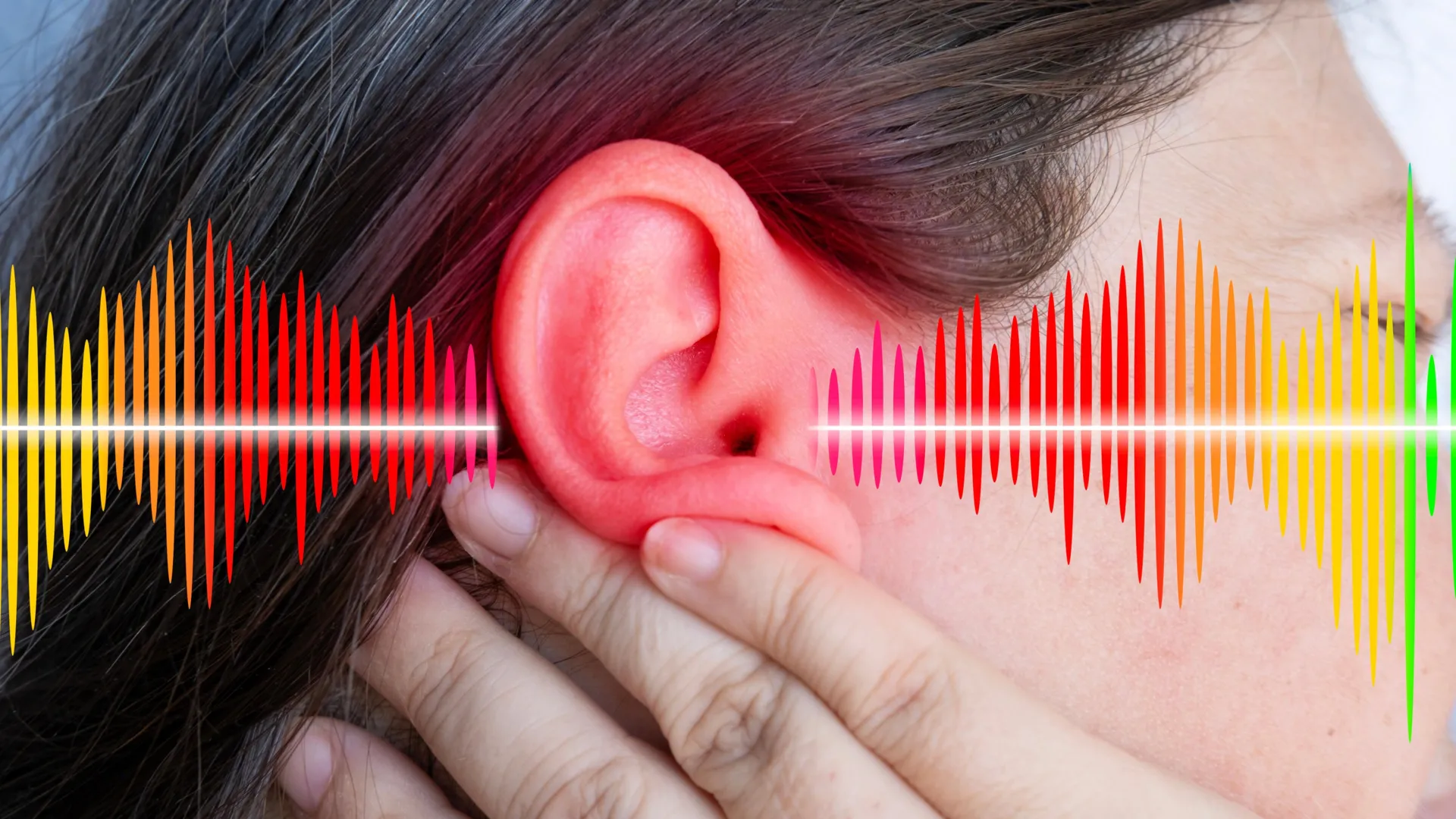
A small device that gently stimulates nerves through the ear could offer a new way to tackle stubborn high blood pressure. In a clinical trial of 63 patients already taking medication, the treatment proved safe, easy to use at home, and well tolerated. Although it did not significantly outperform a placebo overall, patients with more severe hypertension showed promising reductions in blood pressure.

πŸ“… 2026-10-24 13:15:00    β€’    ScienceDaily