Science News

Latest science news, discoveries and scientific developments.

MIT scientists build a tiny robot that swims using living muscle cells
Science News

MIT scientists build a tiny robot that swims using living muscle cells

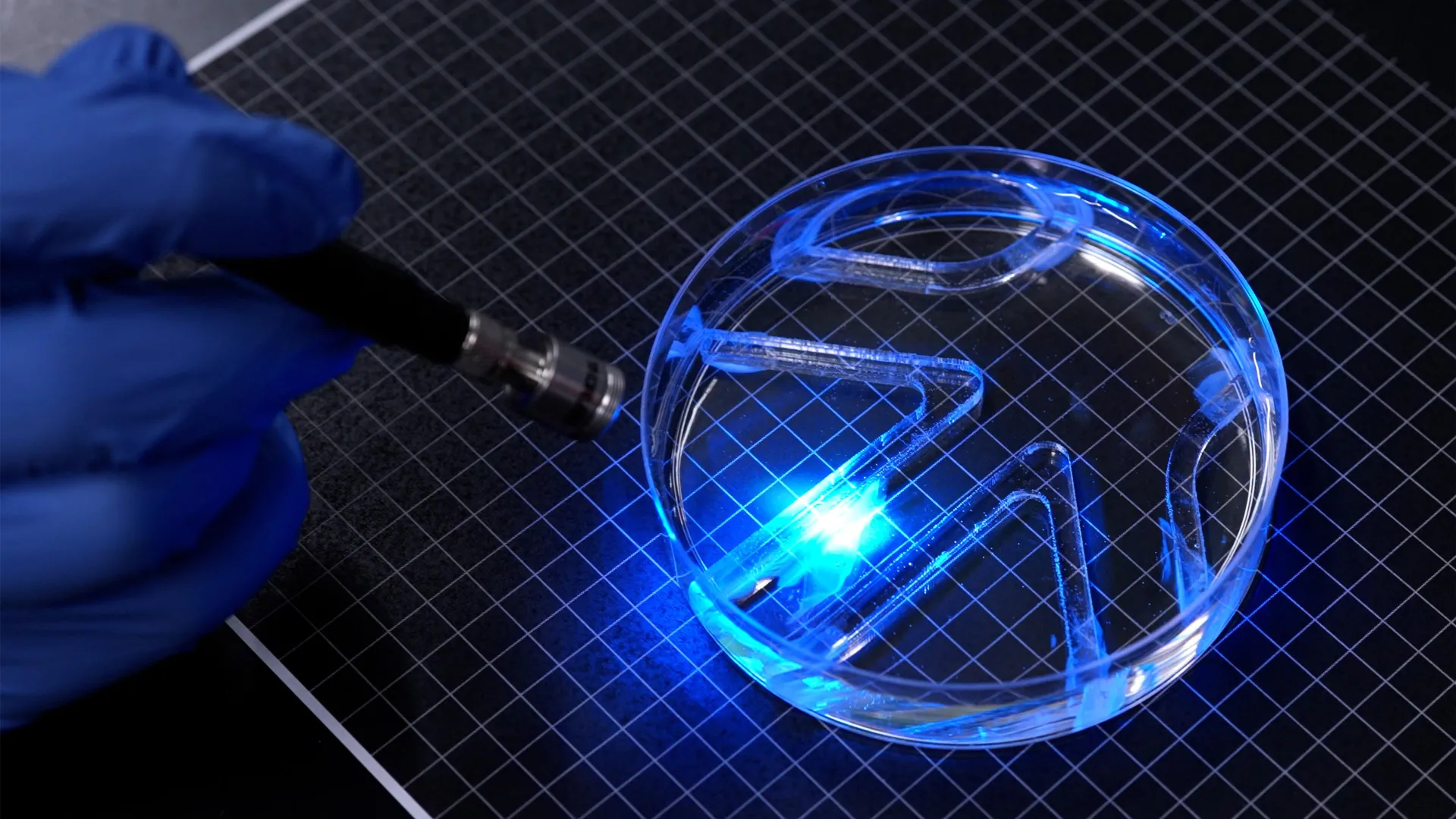
MIT engineers have built a paper-thin swimming robot powered by living muscle cells that respond to flashes of light, allowing it to swim and steer through water. The breakthrough could pave the way for tiny, self-healing biological robots capable of exploring fragile environments that ordinary machines cannot safely navigate.

📅 2026-10-23 10:33:56    •    ScienceDaily
A tiny defect in a crystal reveals a big quantum surprise
Science News

A tiny defect in a crystal reveals a big quantum surprise

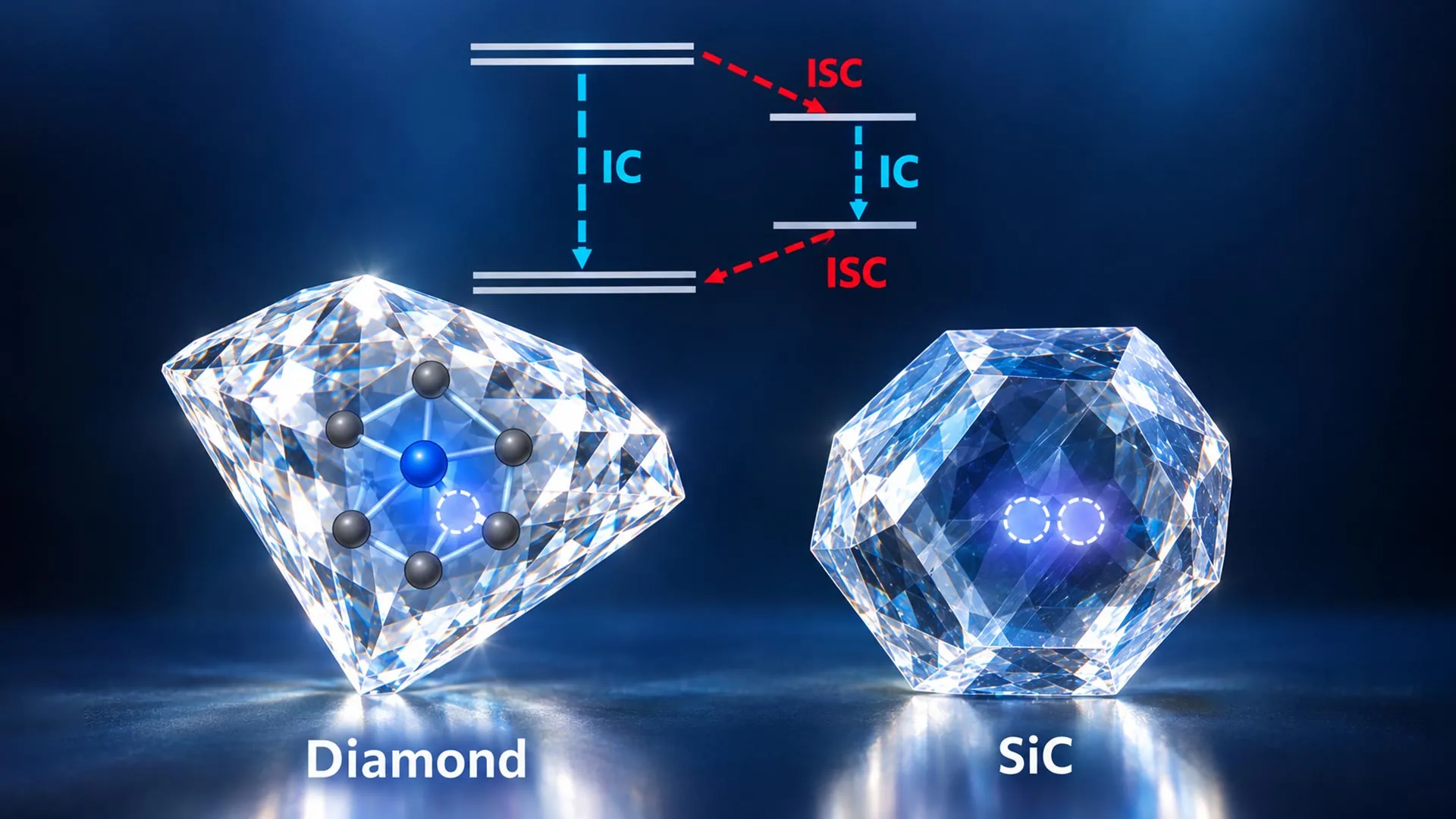
Researchers have solved a long-standing challenge in understanding how tiny defects in materials like diamond and silicon carbide behave when exposed to light. Their new computational method revealed a surprisingly important energy-loss mechanism in silicon carbide that scientists had previously underestimated. The finding helps explain a mystery that has puzzled researchers for years and could improve the design of quantum computers and sensors.

📅 2026-10-23 10:22:55    •    ScienceDaily
Scientists discover a surprising double benefit of exercise for Parkinson’s
Science News

Scientists discover a surprising double benefit of exercise for Parkinson’s

A seven-year study found that people with Parkinson’s disease who were more physically active experienced slower declines in memory, thinking, and movement abilities. Those exercising more than eight hours per week showed almost no average cognitive decline, suggesting that staying active may offer important benefits as the disease progresses.

📅 2026-10-23 10:10:11    •    ScienceDaily
Scientists can now 'watermark' AI-generated proteins to deter bioweapon creation. But will it really work?
Science News

Scientists can now 'watermark' AI-generated proteins to deter bioweapon creation. But will it really work?

With artificial intelligence (AI), scientists have a powerful new tool for creating never-before-seen proteins, which can be used to make either groundbreaking new medicines or devastating bioweapons. To help guard against nefarious uses of these proteins, scientists have recently figured out a way to "watermark" them without compromising their function. A team from Google DeepMind developed this technique to better track the provenance of AI-designed proteins."This has the potential to reduce biosecurity threats, such as unauthorized toxin creation, and may help with database curation, preventing artificial designs from cluttering the standard databases," said Roy Sleator, a biology profess...

📅 2026-10-23 09:44:19    •    Live Science
Nearly 20% of Switzerland’s glacier ice has vanished in just five years
Science News

Nearly 20% of Switzerland’s glacier ice has vanished in just five years

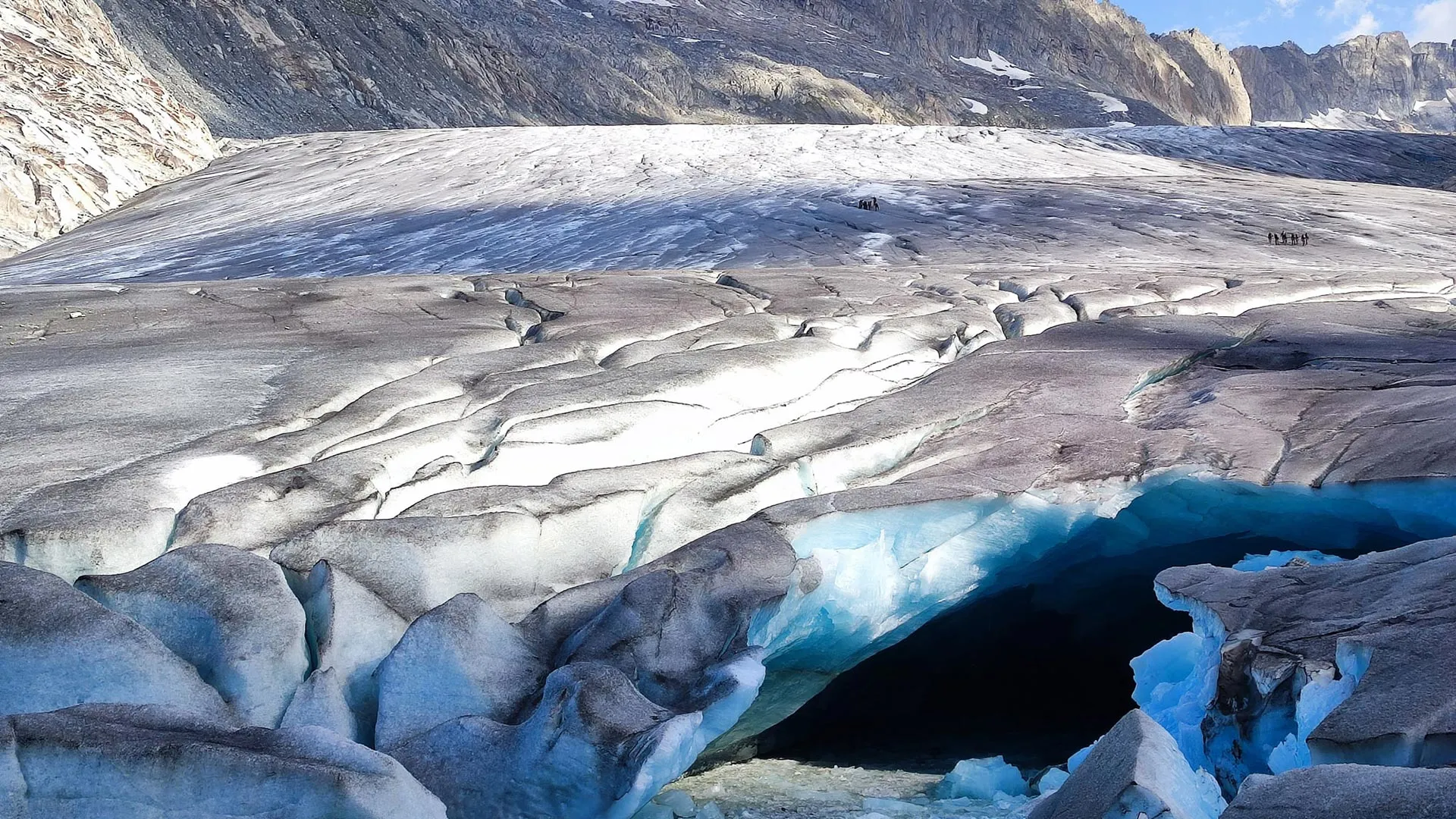
Switzerland’s glaciers are disappearing at an alarming rate, losing more than 5% of their ice volume in 2026 alone. Some of the country’s most famous glaciers experienced their worst melting on record, while several smaller glaciers vanished completely. Nearly 20% of Switzerland’s glacier ice has disappeared in just five years, driven by unusually snowless winters and extreme summer heat.

📅 2026-10-23 09:42:58    •    ScienceDaily
Emily St. John Mandel: ‘I don’t want to write something relentlessly bleak’
Science News

Emily St. John Mandel: ‘I don’t want to write something relentlessly bleak’

Emily St. John Mandel, best known for her prescient flu pandemic novel Station Eleven, joined the New Scientist Book Club to talk about her latest book, the science-fiction novel Exit Party. Emily discussed everything from why she is compelled to write about the aftermath of disaster – this latest book takes place in a near-future US, after a civil war – to how hard it was to keep ahead of the US news cycle as she wrote. Read more Read an extract from Exit Party by Emily St. John Mandel

📅 2026-10-23 09:00:00    •    New Scientist
Scientists discover a hidden messaging system deep inside the brain
Science News

Scientists discover a hidden messaging system deep inside the brain

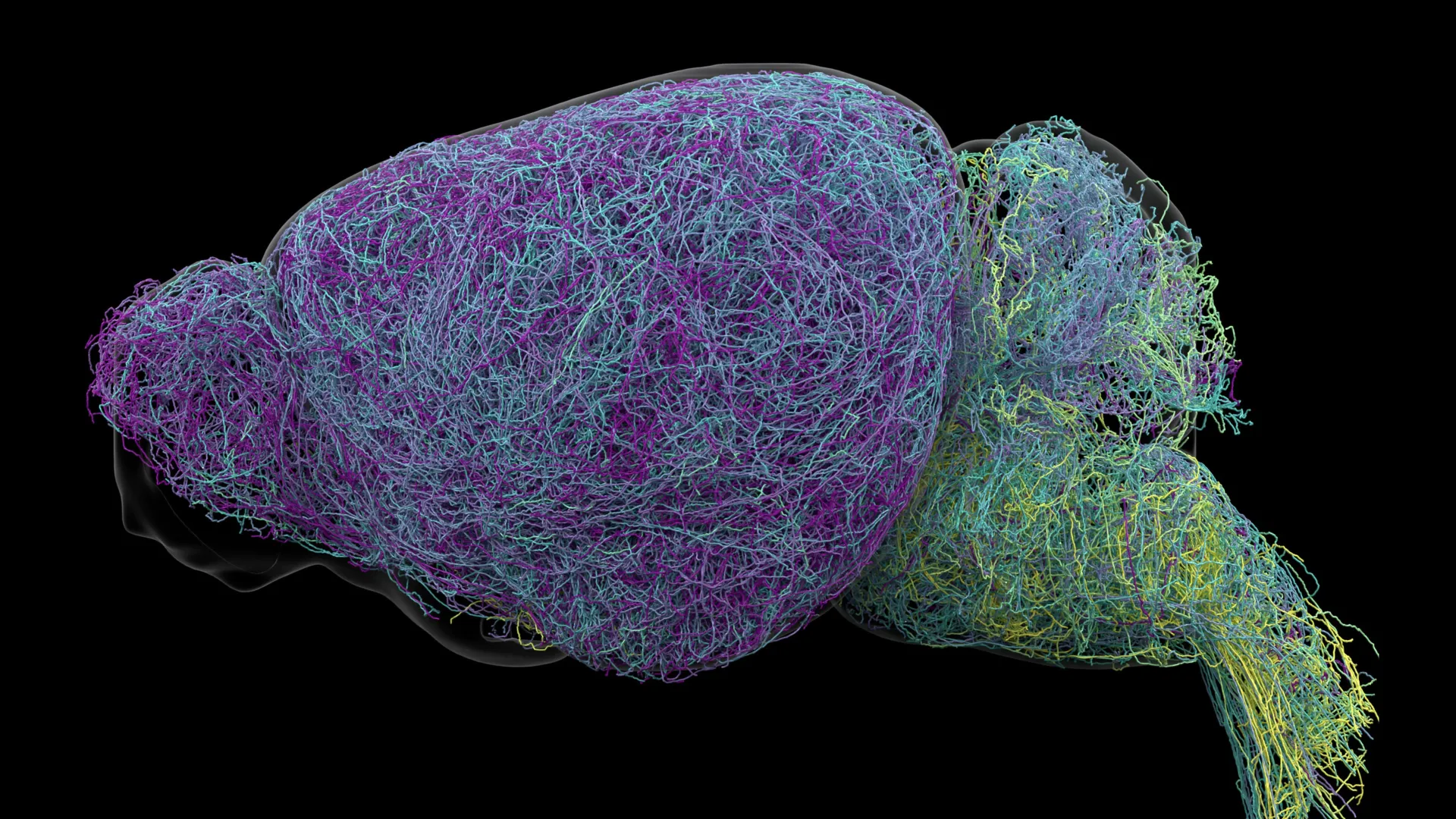
A tiny region deep within the brain has surprised scientists by revealing a remarkably sophisticated communication system. Previously thought to broadcast the same chemical signal throughout the brain, this region actually sends targeted messages that help control learning, attention, and behavior, according to new research in mice.

📅 2026-10-23 08:28:22    •    ScienceDaily
Why do mathematicians keep proving things they already know?
Science News

Why do mathematicians keep proving things they already know?

What exactly is a mathematical proof? Columnist Jacob Aron breaks down how mathematicians plot a course to answer open questions, and how finding several solutions to the same problem is an important part of the whole endeavour of maths

📅 2026-10-23 08:00:00    •    New Scientist
40 years later, Chernobyl's nuclear fallout is not what scientists expected
Science News

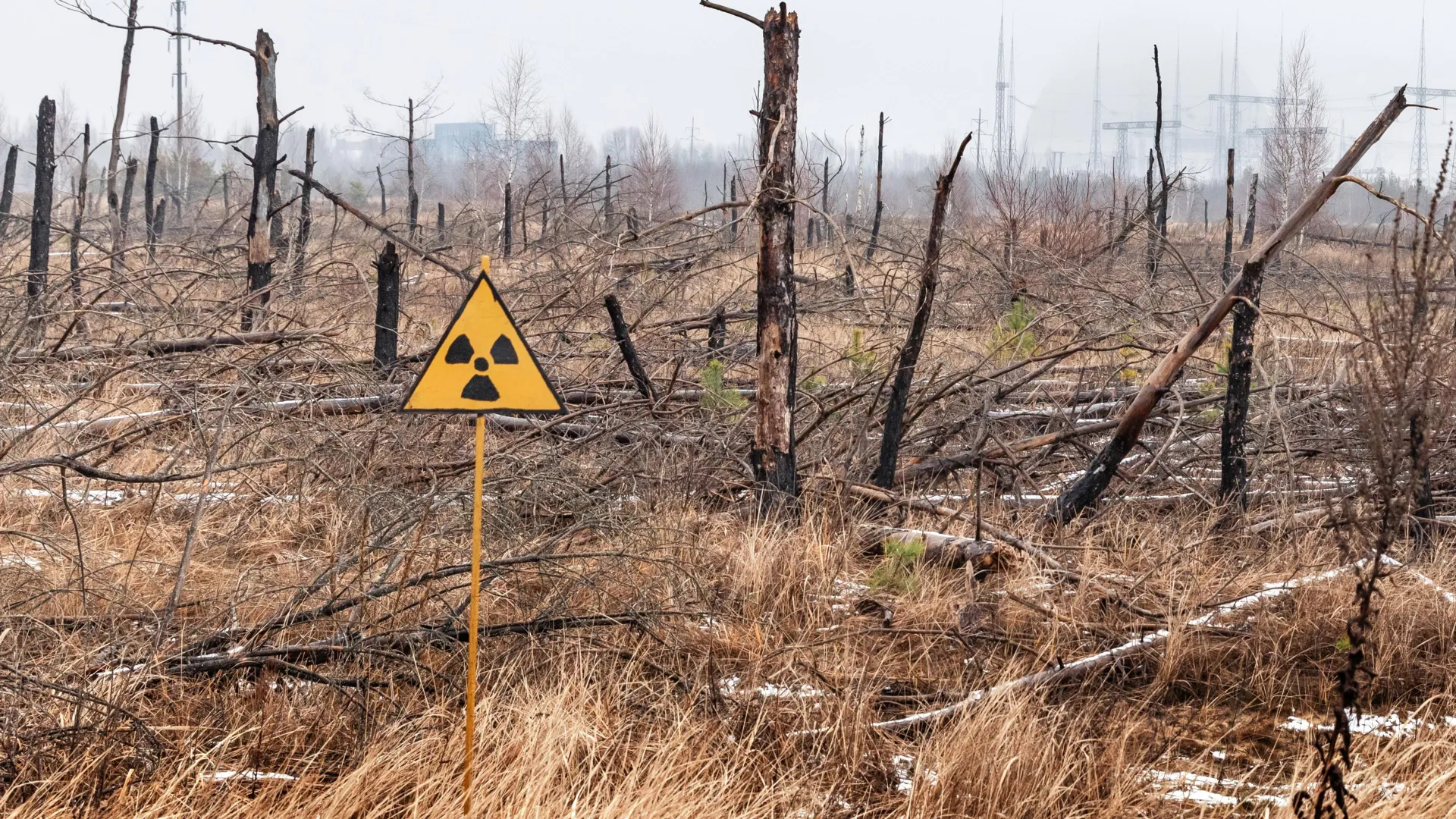
40 years later, Chernobyl's nuclear fallout is not what scientists expected

Forty years after the Chornobyl disaster, tiny radioactive particles still linger in the soil, carrying a dangerous legacy. Using powerful X-rays, scientists discovered that some of these particles have remained surprisingly stable, trapping radioactive substances inside instead of releasing them into the environment.

📅 2026-10-23 03:35:13    •    ScienceDaily
Nearly 3,000 exploding stars challenge our understanding of the Universe
Science News

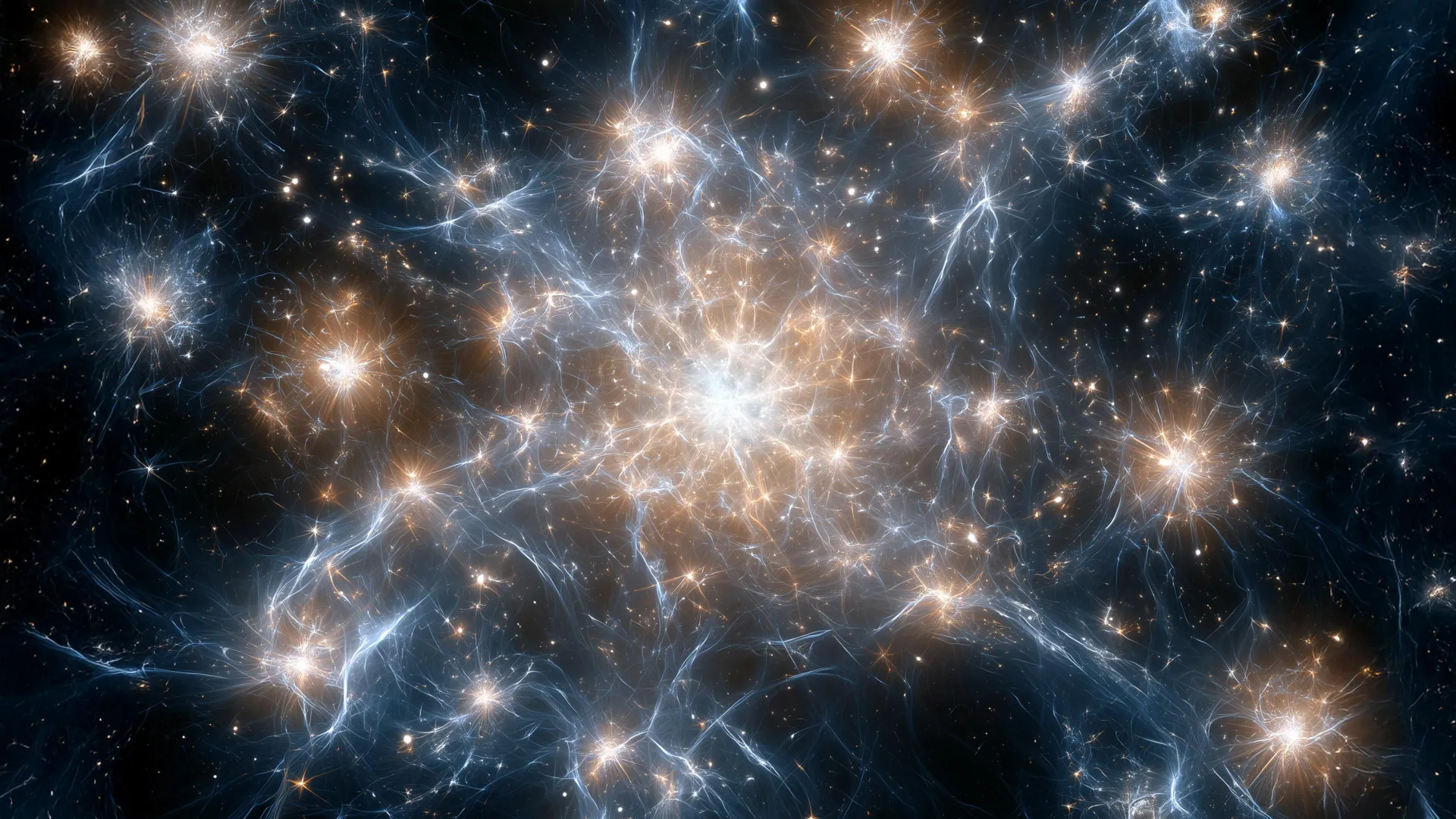
Nearly 3,000 exploding stars challenge our understanding of the Universe

A massive analysis of 2,884 exploding stars has uncovered new evidence that dark energy, the mysterious force accelerating the universe’s expansion, may change over time. The findings challenge a cornerstone of modern cosmology and could reshape our understanding of how the universe works.

📅 2026-10-23 02:54:41    •    ScienceDaily
Cambridge scientists create a $10 chip that could put a medical lab on your wrist
Science News

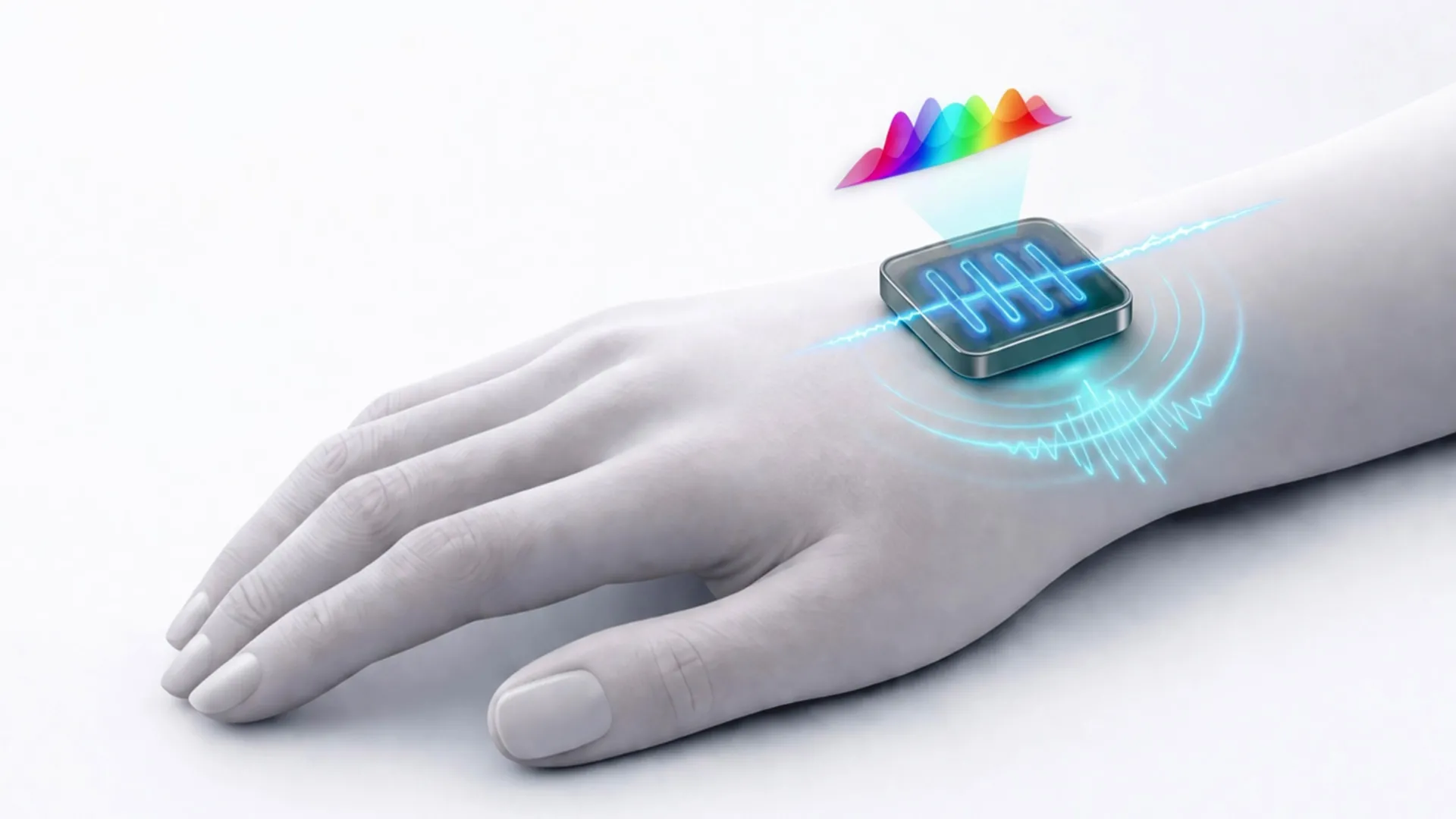
Cambridge scientists create a $10 chip that could put a medical lab on your wrist

Cambridge researchers have created a groundbreaking $10 optical sensor that delivers the precision of laboratory equipment in a device small enough for wearable technology. It identified foods, plastics, and medicines with 100% accuracy in tests and demonstrated the ability to monitor blood glucose, alcohol, and other health markers without invasive procedures.

📅 2026-10-23 01:21:47    •    ScienceDaily
Scientists discover a hidden immune weapon against deadly lung cancer
Science News

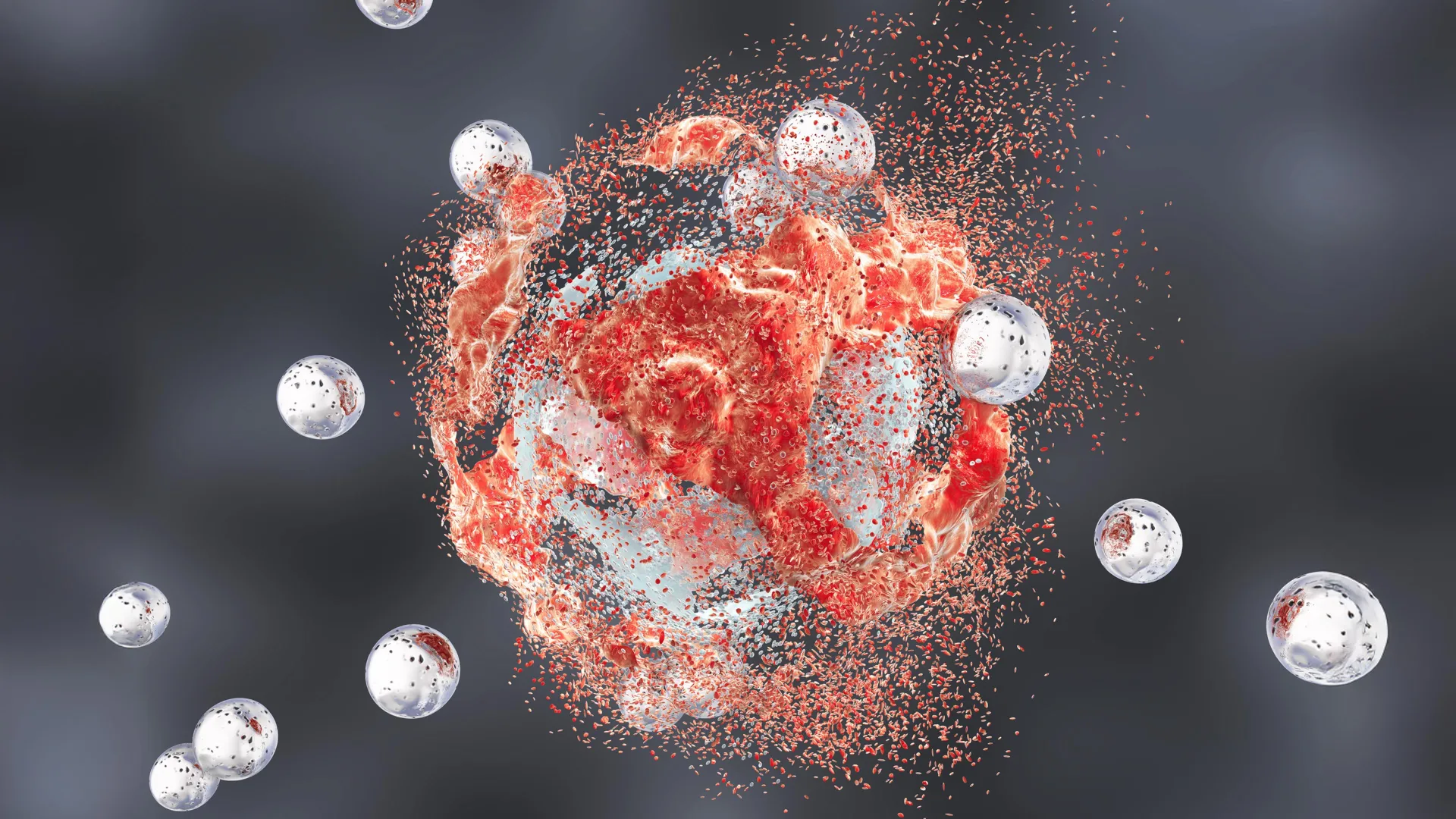
Scientists discover a hidden immune weapon against deadly lung cancer

Researchers have uncovered a hidden immune defense capable of attacking small cell lung cancer, an extremely aggressive disease that often escapes conventional treatments. The specialized immune cells can recognize and destroy cancer cells even when tumors have disguised themselves from the immune system.

📅 2026-10-23 00:32:37    •    ScienceDaily
Acupuncture and mutual exchange in Chinese and Soviet science
Science News

Acupuncture and mutual exchange in Chinese and Soviet science

Previous accounts of the scientific relationship between communist China and the Soviet Union have depicted it as one of subordination, with the Russians exporting knowledge to the Chinese or scavenging from their bodies of knowledge. A new article in Isis, however, posits that the relationship between Chinese and Soviet scientists was instead one of mutual exchange. In "Brief Encounter: Acupuncture, Pavlov, and Scientific Exchange Between China and the Soviet Union, 1949-1961," authors Liang Wan, Simon Huxtable and Sarah Marks explore the role of acupuncture in uniting the Pavlovian science of the Soviets and traditional Chinese medicine, forming an arena for Sino-Soviet collaboration.

📅 2026-10-23 00:00:05    •    Phys.org
Light-activated catalyst makes sustainable production of hydrogen peroxide more efficient
Science News

Light-activated catalyst makes sustainable production of hydrogen peroxide more efficient

Hydrogen peroxide (H₂O₂) is a versatile chemical feedstock whose industrial production relies predominantly on an energy-intensive process with a substantial environmental footprint. One alternative is to produce it using a catalyst activated by light. In an international research project involving the Max Planck Institute of Colloids and Interfaces, researchers have now developed a synthesis strategy that allows them to precisely control the spatial arrangement of ions in a carbon nitride. The resulting photocatalyst is three times as efficient as conventional green production methods. The findings have been published in Advanced Materials.

📅 2026-10-22 23:40:06    •    Phys.org
What is a neutrino anyway? A look at the science behind this year's Nobel Prize in Physics
Science News

What is a neutrino anyway? A look at the science behind this year's Nobel Prize in Physics

If you wanted a Nobel Prize, you would do well to study neutrinos. To date, the Nobel Prize in Physics has been awarded five times to research related to neutrino detection and discovery. This year, Francis Halzen earned the Nobel "for decisive contributions to the IceCube Neutrino Observatory and the discovery of high-energy neutrinos of astrophysical origin."

📅 2026-10-22 23:30:01    •    Phys.org
With climate-resilient crops in mind, study tackles flaw in photosynthesis
Science News

With climate-resilient crops in mind, study tackles flaw in photosynthesis

Rising temperatures and increasing drought are shortening crop-growing seasons in many parts of the world. Now scientists in Sweden report new advances toward engineering more efficient photosynthesis, work that could eventually contribute to efforts to adapt crops for climate change.

📅 2026-10-22 23:20:01    •    Phys.org