Science News

Latest science news, discoveries and scientific developments.

All tropical coral reefs could collapse within 50 years
Science News

All tropical coral reefs could collapse within 50 years

Shallow-water coral reefs are at high risk of disappearing by 2075, the IUCN has warned at a UN biodiversity conference. The loss would decimate fisheries and speed up coastal erosion

📅 2026-10-22 13:20:00    •    New Scientist
Lost Schrödinger manuscript reveals his true view of quantum randomness
Science News

Lost Schrödinger manuscript reveals his true view of quantum randomness

Unlike classical physics, quantum mechanics generally cannot tell us exactly what will happen in an individual event. Instead, it predicts the probabilities of different outcomes. As one of the theory's early pioneers, Erwin Schrödinger played a key role in debates about what this randomness really means. However, part of his contribution has stayed hidden for more than 80 years.

📅 2026-10-22 13:00:01    •    Phys.org
Millions take fish oil for brain health. A two-year study found no benefit
Science News

Millions take fish oil for brain health. A two-year study found no benefit

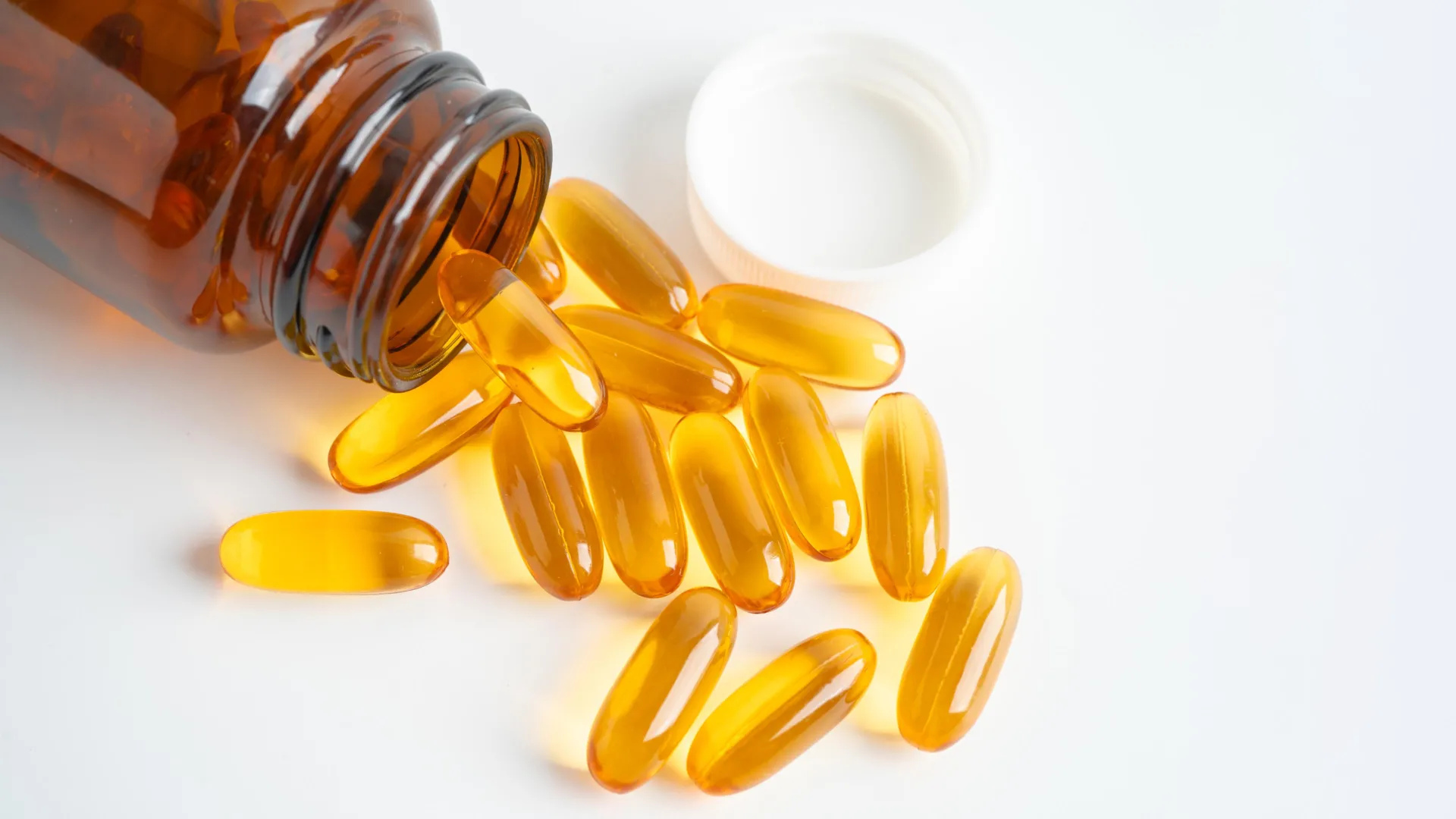
A surprising two-year clinical trial found that fish oil supplements successfully delivered omega-3s to the brain but failed to improve memory or protect against Alzheimer's-related brain shrinkage. Researchers suspect that getting these nutrients through a healthy diet may offer benefits that supplements alone cannot provide.

📅 2026-10-22 12:46:24    •    ScienceDaily
Some fish might thrive in a warming climate
Science News

Some fish might thrive in a warming climate

Adelaide University researchers have found that some estuarine fishes that live in habitats with highly variable temperatures can withstand the warmer ocean conditions expected to result from climate change.

📅 2026-10-22 12:40:01    •    Phys.org
Tokyo's streets reveal hidden gaps in urban inclusion and quality
Science News

Tokyo's streets reveal hidden gaps in urban inclusion and quality

Citywide measures of urban sustainability can conceal sharp differences between neighborhoods. A city may appear to provide good streets overall while some areas lack greenery, openness or pedestrian-friendly space where diverse populations live.

📅 2026-10-22 12:30:01    •    Phys.org
Adults may be more creative than children – but less confident about it
Science News

Adults may be more creative than children – but less confident about it

The benefits of being creative span generationsWestend61 GmbH / Alamy Adults are often thought to be less creative than children, as we swap painting for presentations and sandpits for spreadsheets. But in a new study, children actually performed worse on creativity tests than adults – yet made up for it in confidence. “We found that adults are actually more creative thinkers,” says Mathias Benedek at the University of Graz in Austria. “But children enjoy creativity more and are much less worried about what others think about their ideas.” Read more How to extend and improve your life by getting more creative There is a popular belief that children are more creative than adults, he says, whi...

📅 2026-10-22 12:16:04    •    New Scientist
Birds are more afraid of women than men. Scientists have no idea why
Science News

Birds are more afraid of women than men. Scientists have no idea why

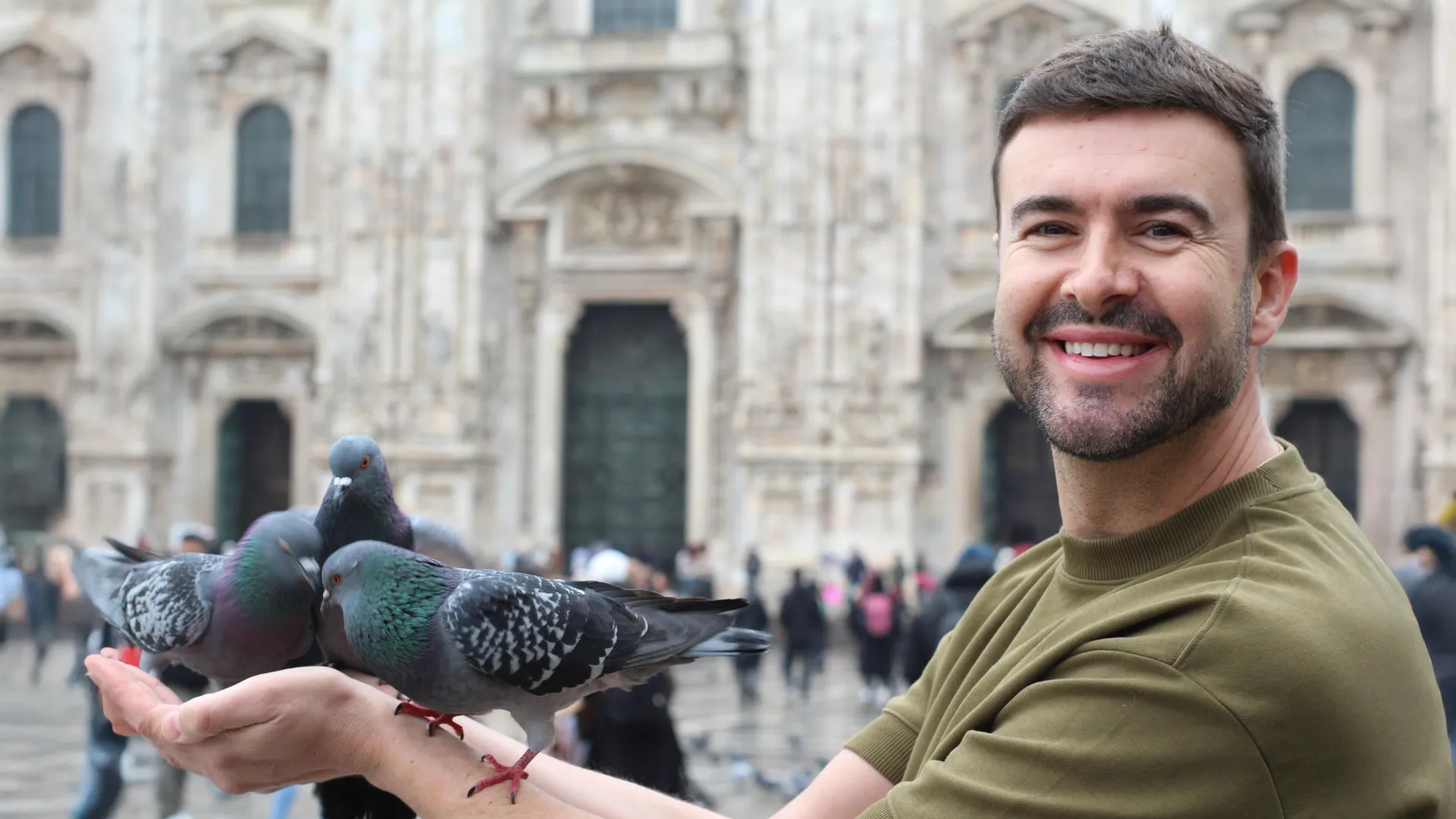
Scientists have uncovered a strange pattern in urban bird behavior: Across five European countries and 37 species, birds consistently fled sooner when approached by women than men. Researchers have no clear explanation for the difference, raising intriguing questions about how birds recognize and respond to humans.

📅 2026-10-22 12:06:14    •    ScienceDaily
Family legacy helps explain how heirs decide to donate inherited possessions
Science News

Family legacy helps explain how heirs decide to donate inherited possessions

There's a good reason why that fine china set or crystal stemware collection inherited from grandma sits in a box gathering dust in the basement. According to new research co-written by a University of Illinois Urbana-Champaign marketing expert, consumers don't simply donate family heirlooms and move on from them when they no longer spark joy. Instead, they remain concerned with how those heritage goods will be passed on to new owners and whether their legacy will continue.

📅 2026-10-22 12:00:10    •    Phys.org
Paying for the past: Norway's finder's fees favor gold's weight over what it tells us
Science News

Paying for the past: Norway's finder's fees favor gold's weight over what it tells us

Ten years ago, in 2016, a metal detectorist came upon a hoard of gold. It had been buried in the dirt for around 1,800 years and consisted of around 396 grams (14 ounces) of gold rings. The detectorist handed in his finds to a museum and received the largest finder's fee ever paid out in Norwegian history. He had been rewarded for the gold weight, not its rarity.

📅 2026-10-22 12:00:03    •    Phys.org
Oxford scientists discover how viruses build themselves without a blueprint
Science News

Oxford scientists discover how viruses build themselves without a blueprint

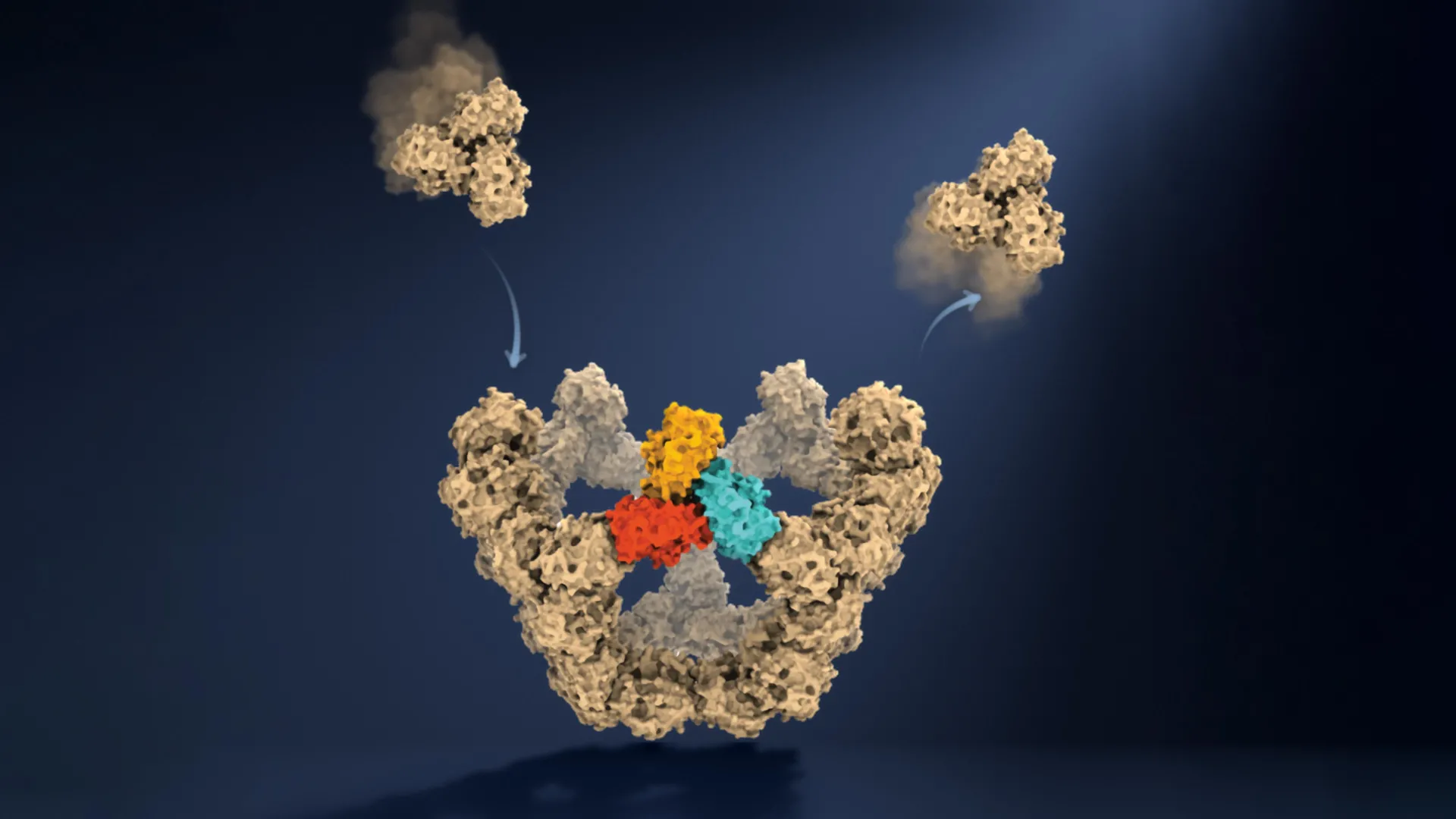
Scientists have captured virus-like particles assembling themselves step by step, revealing how a surprisingly simple process of trial and error produces complex structures with remarkable precision. The discovery uncovers a crucial molecular turning point that speeds up assembly and could lead to new ways to disrupt viruses and develop vaccines.

📅 2026-10-22 11:42:05    •    ScienceDaily
Q&A: What's innovative about canned food?
Science News

Q&A: What's innovative about canned food?

To most consumers, canned food is an everyday convenience, but to John Coupland, professor of food science at Penn State, each can represents more than two centuries of invention, experimentation and problem-solving.

📅 2026-10-22 11:40:10    •    Phys.org
A revolutionary new microscope could reveal the hidden machinery of life
Science News

A revolutionary new microscope could reveal the hidden machinery of life

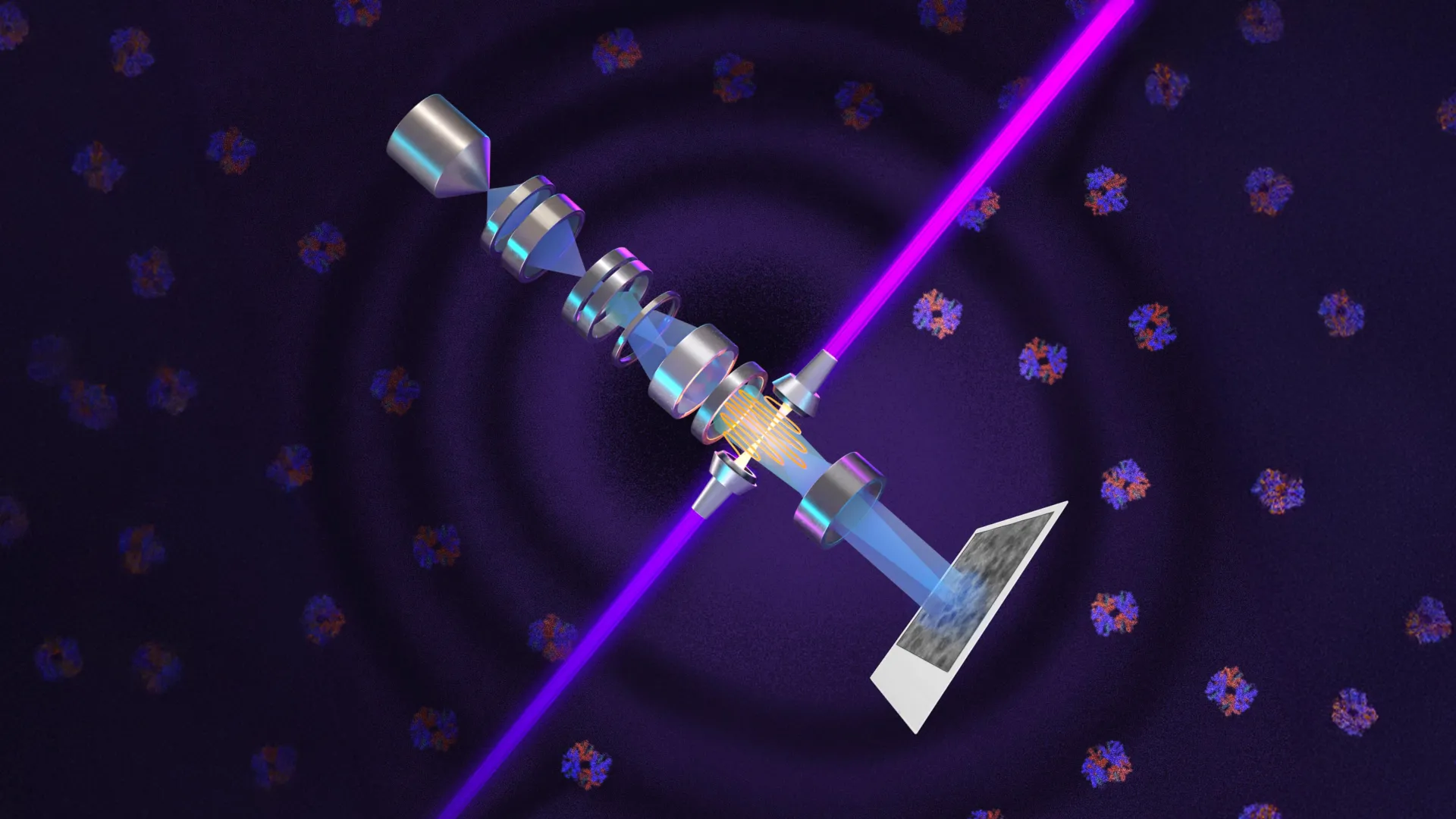
Researchers have developed a revolutionary microscope that uses an incredibly powerful laser to make previously invisible cellular structures easier to see. The technology dramatically improves image clarity, allowing scientists to examine small proteins that conventional electron microscopes struggle to capture. It could eventually reveal how tiny molecular machines interact inside cells, providing an unprecedented look at the hidden workings of life.

📅 2026-10-22 11:30:49    •    ScienceDaily
Parental benefit encouraged people to have children in Estonia, but fathers mainly applied for financial reasons
Science News

Parental benefit encouraged people to have children in Estonia, but fathers mainly applied for financial reasons

A generous parental leave reform was introduced in Estonia in 2004. This increased the likelihood of a second or third child being born into the family and also shortened the interval between births, according to Sanan Abdullayev's doctoral thesis, defended at Tallinn University. At the same time, taking shared parental leave did not necessarily mean that the father took time off work and assumed primary responsibility for the children while receiving the benefit.

📅 2026-10-22 11:30:01    •    Phys.org
Honey bees are bullying other bees, scientists discover
Science News

Honey bees are bullying other bees, scientists discover

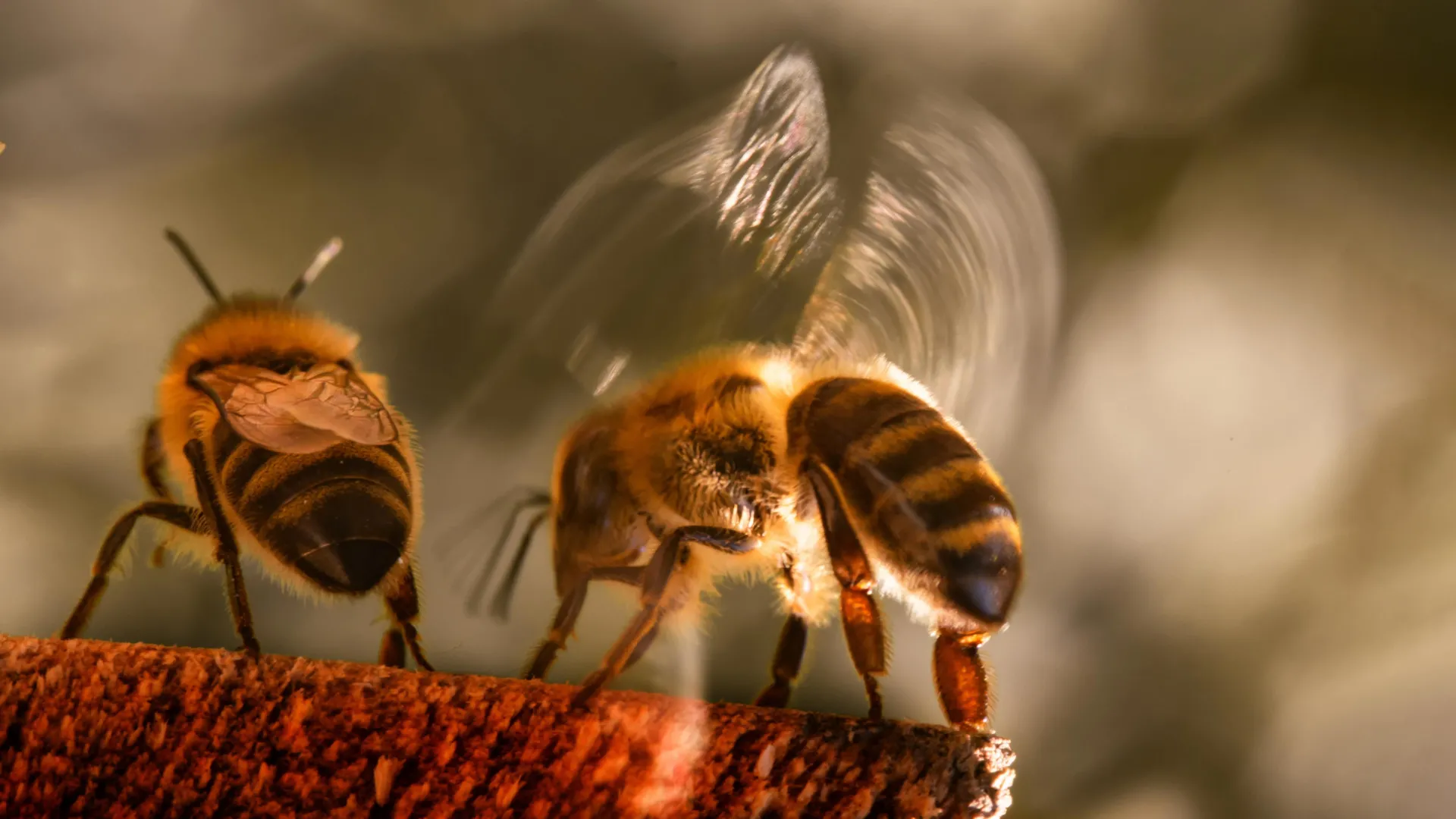
Honeybees are aggressively pushing wild pollinators away from flowers, with scientists documenting how they chase off rivals and dominate valuable food sources. New research warns that rising temperatures and increasing honeybee populations could intensify this competition, threatening wild bees and other important pollinators.

📅 2026-10-22 11:20:44    •    ScienceDaily
Scientists discover dangerous water oscillations between Lake Varna and Black Sea
Science News

Scientists discover dangerous water oscillations between Lake Varna and Black Sea

For years, pilots have observed strong and unusual currents in the 2.4-kilometer-long (1.5-mile-long), 300-meter-wide (984-foot-wide) canal connecting Lake Varna with the Black Sea. Maarja Kruusmaa, an academician and professor at Tallinn University of Technology, and researcher Laura Piho, working with the Port of Varna, undertook detailed measurements to determine the causes of the phenomenon.

📅 2026-10-22 11:00:10    •    Phys.org