Science News

Latest science news, discoveries and scientific developments.

Childhood experiences of war loom large over CEOs' decision-making
Science News

Childhood experiences of war loom large over CEOs' decision-making

The trauma of war has long-lasting reverberations, influencing business decisions made decades later, argue Eun Hye Jo and Jenny Jung-Wha Lee, accounting professors at Costello College of Business based at George Mason University Korea.

📅 2026-10-21 17:00:28    •    Phys.org
Two-in-one tool tracks viral RNA inside live infected cells in real time
Science News

Two-in-one tool tracks viral RNA inside live infected cells in real time

Viruses are sneaky intruders, hijacking the internal machinery of host cells and replicating out of sight. Understanding these dynamics is the first step to developing effective antiviral strategies that could stop infections, but scientists have largely been left in the dark because there are limited tools to study how viruses move in space and time inside live infected cells, according to Joyce Jose, associate professor of biochemistry and molecular biology at Penn State.

📅 2026-10-21 17:00:13    •    Phys.org
Reindeer grazing changes plant roots in pine forests
Science News

Reindeer grazing changes plant roots in pine forests

Reindeer grazing changes the vegetation of northern pine forests below ground as well as above it. In a recent study in Finland, trees and understory vegetation in grazed forests had nearly 30% less shallow-root biomass than those in ungrazed areas. Root structure also changed, which may affect the ability of plants to take up water and nutrients. The research is published in the journal Oikos.

📅 2026-10-21 16:40:09    •    Phys.org
Reexamined Viking 2 signal reveals possible marsquake from region active decades later
Science News

Reexamined Viking 2 signal reveals possible marsquake from region active decades later

Earthquakes and the seismic waves they generate provide some of the best clues to Earth's interior. To extend that success to other worlds, scientists placed seismometers on the Apollo missions to the moon and on the Viking Mars landers, which reached Mars in 1976. Though the Apollo detectors proved a resounding success, Viking's results on Mars were less clear: Viking 1's seismometer failed to deploy properly, and Viking 2 recorded only two ambiguous events.

📅 2026-10-21 16:40:06    •    Phys.org
Uranium from World War II reveals how close the Nazis were to an atomic bomb
Science News

Uranium from World War II reveals how close the Nazis were to an atomic bomb

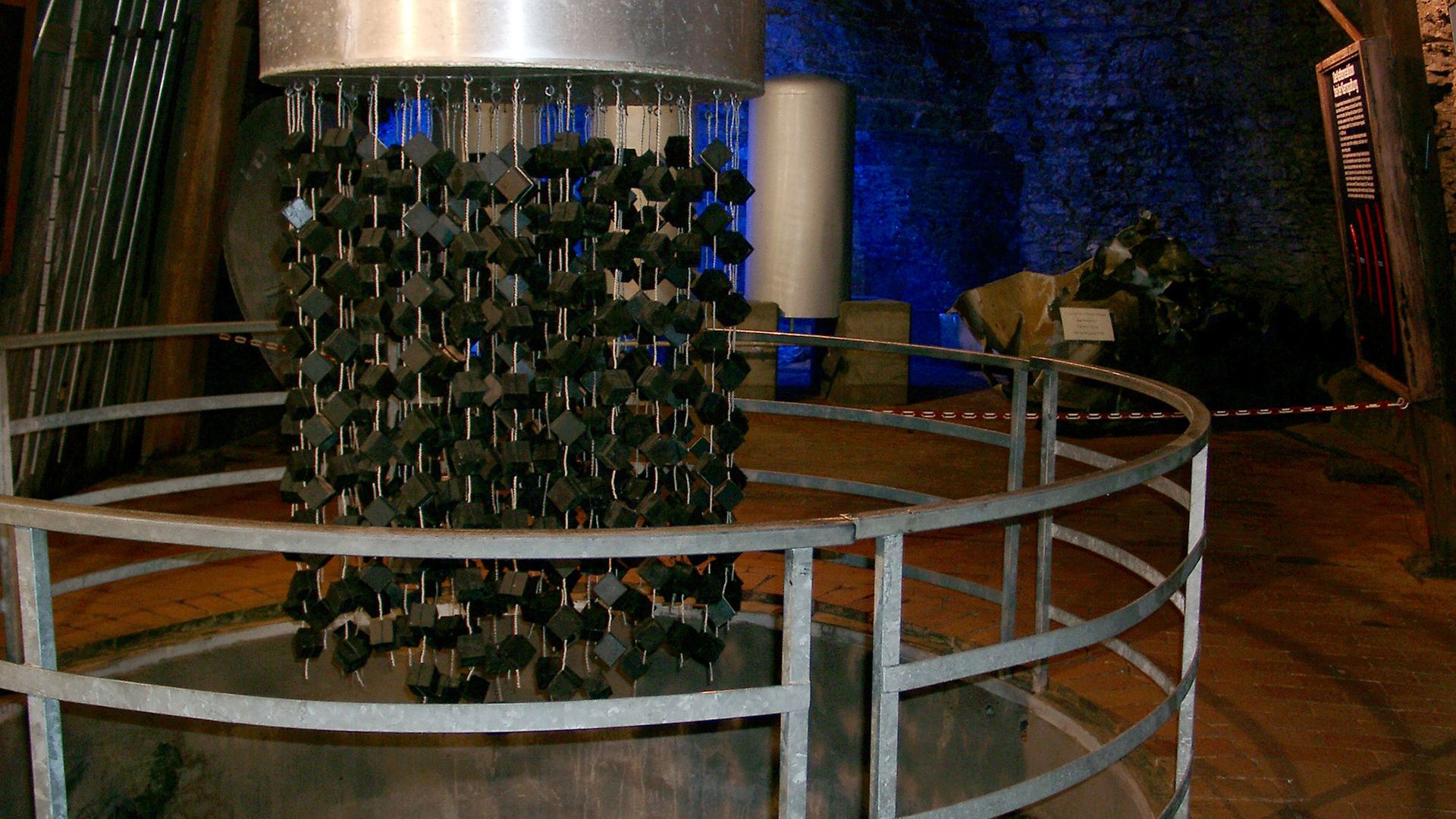
The Nazis were far from completing a working reactor for their atomic bomb program, despite claims by the project's leader that it was almost ready, a new study finds. The German physicist Werner Heisenberg wrote in 1947 that the reactor for the "Nazi bomb" project ‪— which culminated in Germany's B8 nuclear reactor ‪— was almost finished at the end of World War II.Heisenberg, who led the reactor's development, claimed the reactor was "just insufficient" to create a self-sustaining fission reaction and that it lacked only a "relatively small amount of uranium" to work.If it had worked, the B8 reactor would have confirmed that a fission chain reaction was possible, marking a key step toward t...

📅 2026-10-21 16:32:23    •    Live Science
How life on Earth experiences climate change
Science News

How life on Earth experiences climate change

Climate change can look very different at the scale of a forest, field or hillside. A new review shows how changes in vegetation and atmospheric conditions can cause local microclimates to warm at very different rates from the regional climate—and why this matters for understanding how biodiversity will respond to climate change.

📅 2026-10-21 16:20:23    •    Phys.org
Migratory birds spread avian influenza to Greenland's polar bears
Science News

Migratory birds spread avian influenza to Greenland's polar bears

Migrating birds that breed in the Arctic are spreading avian influenza to polar bears in eastern Greenland, according to a new study that found evidence of infections in bear blood samples acquired from Greenland Inuit subsistence hunters.

📅 2026-10-21 16:20:10    •    Phys.org
Light-based method could offer first way to detect hypothetical 'mirror life'
Science News

Light-based method could offer first way to detect hypothetical 'mirror life'

Scientists have proposed what they believe is the first method for detecting "mirror life"—a hypothetical form of life made from molecular building blocks that are the mirror image of those found naturally on Earth. Researchers at the University of Strathclyde and the Department of Chemistry at Durham University have outlined a new approach that could identify mirror organisms using molecules which emit left- and right-handed light.

📅 2026-10-21 16:00:14    •    Phys.org
South Korea guides crowd-pulling shark out of canal
Science News

South Korea guides crowd-pulling shark out of canal

A shark that has become a viral sensation in South Korea was coaxed out of a canal in which it was stuck, authorities said on Wednesday, as falling temperatures raised concerns for its survival.

📅 2026-10-21 16:00:06    •    Phys.org
Mirror-image molecules are difficult to separate from their counterparts, but a new catalytic method might be the answer
Science News

Mirror-image molecules are difficult to separate from their counterparts, but a new catalytic method might be the answer

Just like gloves, molecules can have left- and right-handed—or mirror-image—forms. Because the left- and right-handed molecules are still very similar, scientists have had trouble separating them from each other. But a team of researchers in Japan might have found a solution. In their new study, published in Science Advances, the team successfully separated an equal mixture of mirror-image molecules created by replacing hydrogen with deuterium in one form.

📅 2026-10-21 15:50:01    •    Phys.org
'Invisible' tweak could help make protein shakes less clumpy
Science News

'Invisible' tweak could help make protein shakes less clumpy

Scientists from RMIT University and Riga Technical University in Latvia have shown that static charge left on surfaces can be controlled, which may have big benefits for companies needing to avoid the little zap in production of common household goods. The discovery could even one day help stop powders such as protein, chocolate malt powders and coffee from clumping.

📅 2026-10-21 15:40:16    •    Phys.org
'The Russians were the problem in the end': Sailor Matt Rutherford on being intercepted by the FSB while attempting to circumnavigate the Arctic Ocean solo
Science News

'The Russians were the problem in the end': Sailor Matt Rutherford on being intercepted by the FSB while attempting to circumnavigate the Arctic Ocean solo

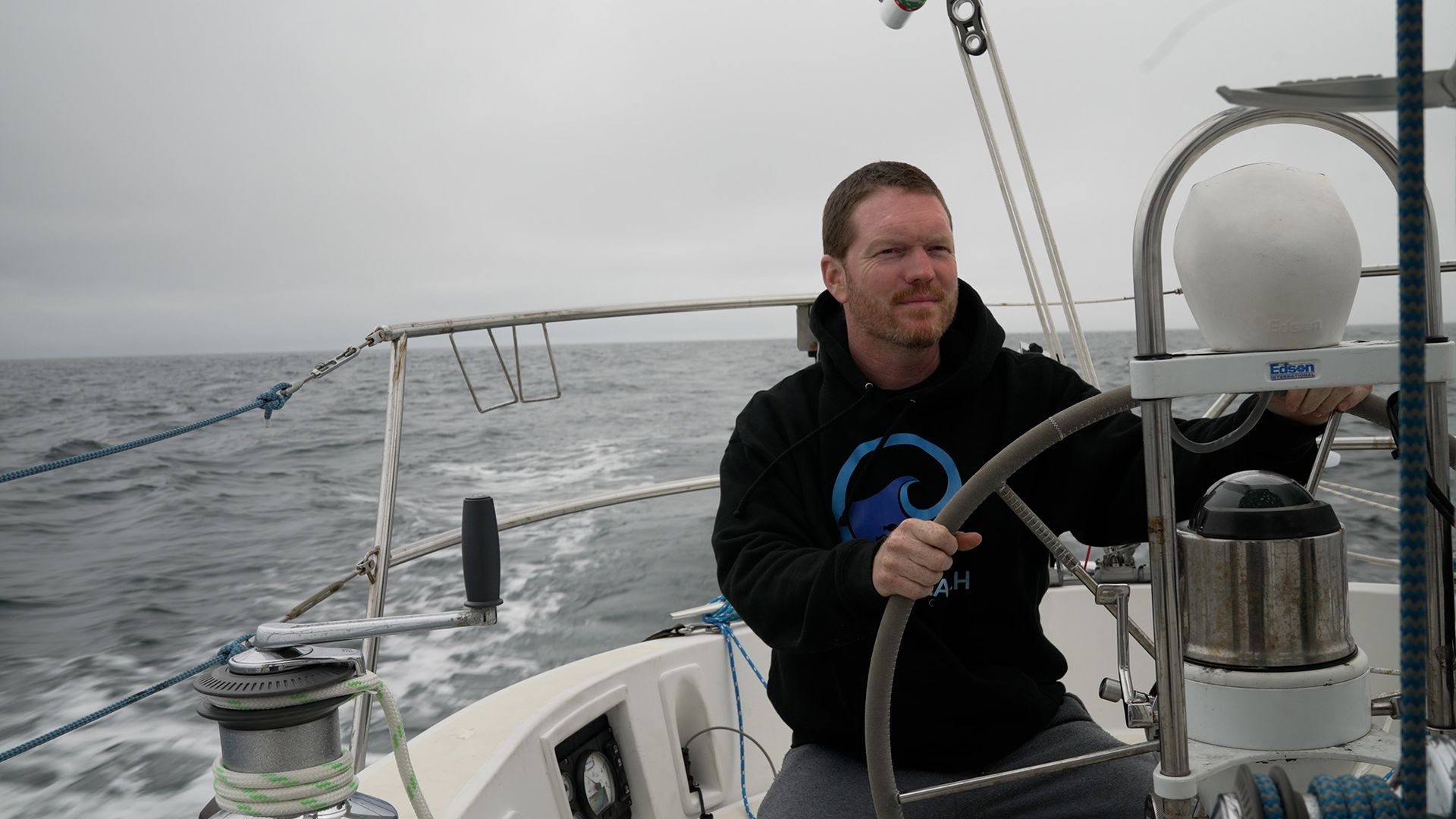
Sailor Matt Rutherford has dreamed for several years of becoming the first person to circumnavigate the Arctic Ocean solo, nonstop and unassisted. He finally set out from western Greenland on June 25 to achieve this goal, but threatening encounters with Russia's security agency less than two months later forced him to reverse course.Rutherford is the founder and executive director of the nonprofit environmental organization Ocean Research Project, which gathers and analyzes marine data from a sailboat. His route took him around the southern tip of Greenland, through the Denmark Strait and into the Greenland Sea. From there, he sailed through the Norwegian and Barents seas, and reached Russia...

📅 2026-10-21 15:34:12    •    Live Science