Science News

Latest science news, discoveries and scientific developments.

Bending a liquid: Liquid membranes flex 100 times more easily than cell membranes
Science News

Bending a liquid: Liquid membranes flex 100 times more easily than cell membranes

Many structures in biology are bounded by membranes, but not all of them. Droplets of a liquid called a coacervate, which form when oppositely charged molecules come together in water, have attracted attention as models for membraneless compartments inside cells and for "protocells," hypothetical primitive cells that may have preceded modern ones.

📅 2026-10-21 15:20:14    •    Phys.org
Arrival of the Suebi, Alans and Visigoths did not erase deep genetic legacy of Roman Hispania
Science News

Arrival of the Suebi, Alans and Visigoths did not erase deep genetic legacy of Roman Hispania

An international study led by the Institute of Evolutionary Biology (IBE, CSIC-UPF) in Barcelona, the Natural Sciences Museum of Barcelona, Harvard University and the University of the Basque Country (EHU) has reconstructed the genetic history of the Iberian Peninsula between the first and eighth centuries A.D. using 243 ancient genomes from 31 archaeological sites.

📅 2026-10-21 15:00:46    •    Phys.org
Scientists reveal how deadly Andes hantavirus attaches to human cells
Science News

Scientists reveal how deadly Andes hantavirus attaches to human cells

Earlier this year, an outbreak of Andes hantavirus on a cruise ship, which killed three passengers and sickened 13, highlighted the lack of approved vaccines or treatments for the virus. In a study published in Nature, scientists at Albert Einstein College of Medicine and collaborators from Institut Pasteur and LSU Health Shreveport show how the virus recognizes its target on a human cell, a finding that could lead to effective therapies against Andes virus and other hantaviruses.

📅 2026-10-21 15:00:15    •    Phys.org
How many insects are there—and why do we need them?
Science News

How many insects are there—and why do we need them?

There are an estimated 10 quintillion insects alive on Earth at any given time. That's 10,000,000,000,000,000,000 individual insects. But how many species are there, why do we need them, and what would happen if their numbers continued to fall? Dr. Alex Dittrich, a zoologist at Nottingham Trent University, explains why these small creatures play such a big role in keeping our planet functioning.

📅 2026-10-21 15:00:01    •    Phys.org
Massive study of 460,000 people challenges ultra-processed food cancer fears
Science News

Massive study of 460,000 people challenges ultra-processed food cancer fears

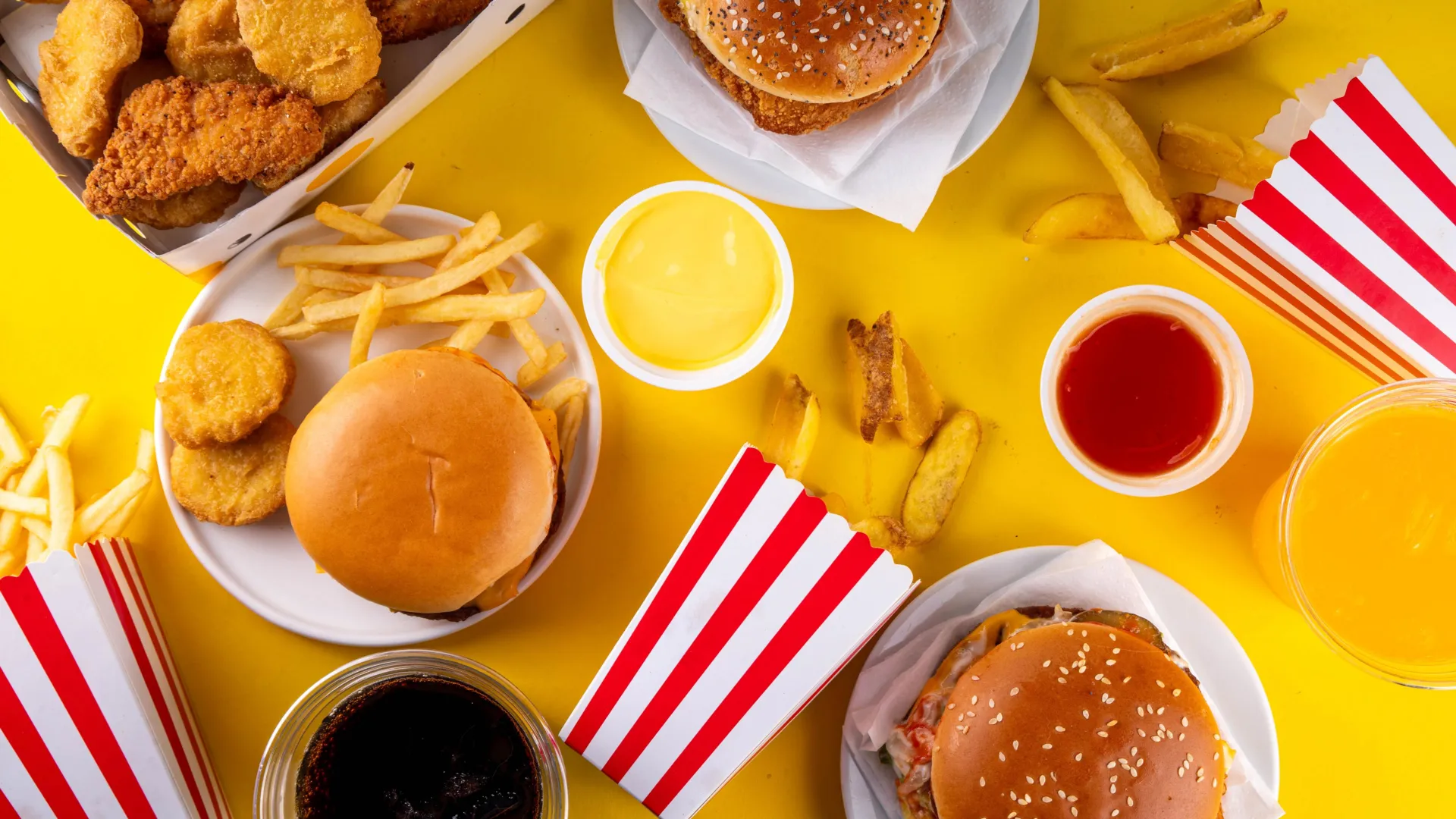
A massive study of more than 460,000 Americans found that ultra-processed foods were not associated with increased colorectal cancer risk overall, challenging a widely held assumption. While processed meat was linked to higher cancer incidence, ultra-processed whole grains and dairy products were associated with lower incidence.

📅 2026-10-21 13:22:17    •    ScienceDaily
Too much RNA can starve cells of energy, scientists discover
Science News

Too much RNA can starve cells of energy, scientists discover

Scientists have uncovered an unexpected danger lurking inside cells: too much RNA can damage the structures responsible for producing energy. A new study found that excess RNA, including the normally essential messenger RNA (mRNA), can directly disrupt mitochondria without relying on the immune system. The discovery could help explain how viral infections and certain aging-related diseases damage cells.

📅 2026-10-21 13:02:34    •    ScienceDaily
A train was delayed by a solar storm. But something didn't add up.
Science News

A train was delayed by a solar storm. But something didn't add up.

Scientists have cracked a 178-year-old mystery surrounding a train delayed by a solar storm, revealing that the famous incident happened in 1848 rather than 1841. The discovery rewrites the early history of space weather and highlights a threat that still endangers modern power grids, satellites, and communication systems.

📅 2026-10-21 12:35:57    •    ScienceDaily
Astronauts’ hearts just passed a surprising test for Mars
Science News

Astronauts’ hearts just passed a surprising test for Mars

A new study tracking 13 astronauts suggests that the human heart may be surprisingly well equipped for a journey to Mars, especially with regular exercise during spaceflight. Researchers found that astronauts' hearts adapted to months of weightlessness and handled simulated Martian gravity without major problems, offering new hope for future missions to the Red Planet.

📅 2026-10-21 11:59:14    •    ScienceDaily
Rejuvenation breakthrough: Scientists reverse 60 years of aging in human cells
Science News

Rejuvenation breakthrough: Scientists reverse 60 years of aging in human cells

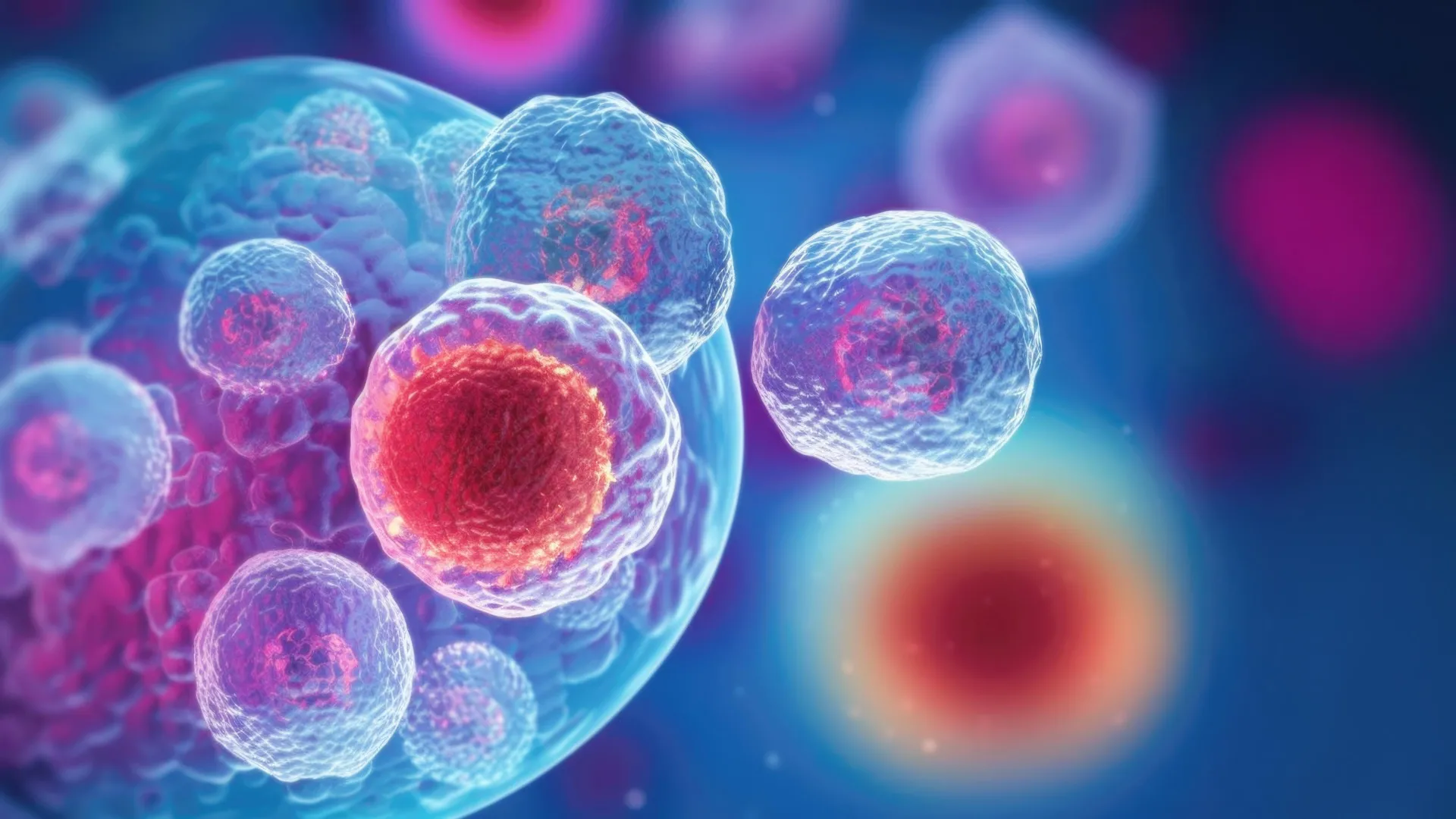
Scientists have turned blood cells from an 80-year-old into neural stem cells with a molecular age of less than 20, effectively reversing more than 60 years of cellular aging in the laboratory. The discovery offers a new way to investigate how cells become younger and could help researchers better understand age-related diseases such as Alzheimer's.

📅 2026-10-21 11:03:52    •    ScienceDaily
Lightest known pair of neutron stars proves Einstein right yet again
Science News

Lightest known pair of neutron stars proves Einstein right yet again

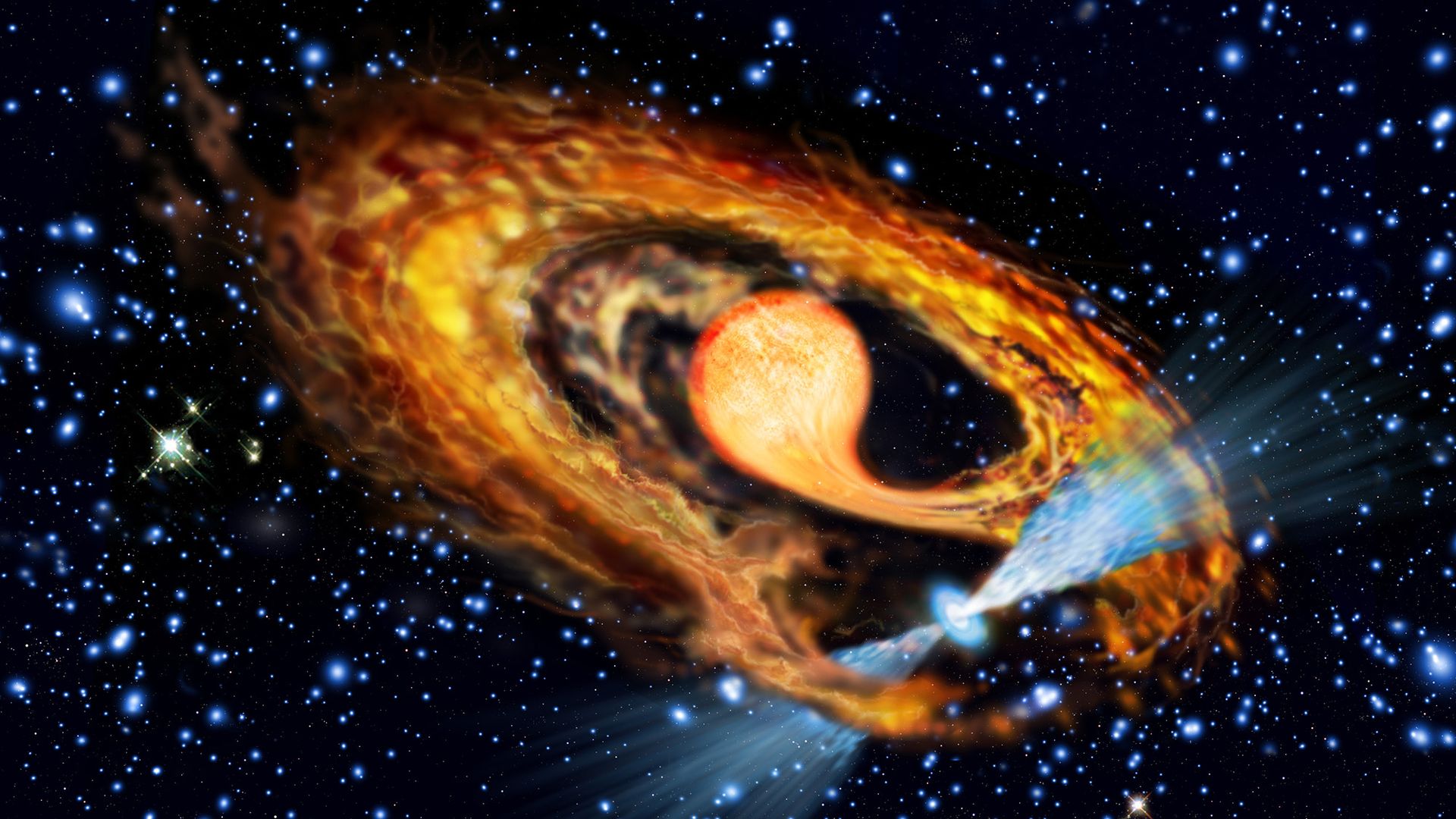
Astronomers have discovered the lightest known pair of neutron stars — two ultradense stellar remnants that circle each other every 2 hours, 22 minutes, veering toward an inevitable collision about 82 million years from now. By timing radio pulses from one of the stars, the researchers detected three subtle effects predicted by Albert Einstein's general theory of relativity and found that the theory describes the pair's motion to within about 1% — proving the visionary physicist right yet again. The researchers published their findings Sept. 15 in the journal Physical Review Letters.Neutron stars are the collapsed cores of massive stars that exploded as supernovas. Each packs more mass than ...

📅 2026-10-21 11:00:00    •    Live Science