
Science News
Green stars do exist—and others shine pink or purple, too
The colors of dead stars come in a surprising rainbow of choices
Latest science news, discoveries and scientific developments.
The colors of dead stars come in a surprising rainbow of choices

From social media feeds to sports broadcasts, gambling ads have become increasingly difficult to avoid. New CU Boulder research links gambling advertising to more gambling activity and more searches for help with problem gambling.

For thousands of years, humans shaped their world with stone, wood and bone. Metallurgy, the art and science of working with metals such as copper, bronze and iron, marked a turning point in human history. The mining that fueled metalworking also shaped Europe's and the Mediterranean's economies and politics over centuries.
Stimulating the brain with ultrasound could help counter the delusions people experience in schizophrenia, a small trial finds.The trial involved transcranial ultrasound stimulation, in which a device placed on a patient's head delivers ultrasound waves through the skull and into the brain. Its goal is to change the activity in a targeted brain region. Delusions are false beliefs that are very difficult to shake; for example, a person might believe they are being stalked when they aren't or think that a major disaster is about to occur without any evidence to suggest so. In the trial, researchers found that a 10-minute session of the ultrasound treatment reduced the severity of delusions for...

It looks like a small, transparent patch with a rainbow on its surface—or for those old enough to remember, the back of a CD. The patch is the first of its kind in the world and, when combined with an ordinary smartphone camera, can measure two things: pulse and blood vessel stiffness.

Tiny magnetic probes can be used to investigate the chemical forces at work inside the pores of molecular framework compounds, but until now, this had only been possible to a limited degree. A new method developed by a team at Martin Luther University Halle-Wittenberg (MLU) could help to better understand the properties of these materials and control these properties in the future. The study is published in the journal Small.

According to a study conducted by researchers at Sultan Qaboos University, the material used to support microbial biofilms could influence their potential role in treating water generated during oil production. The research was led by Ph.D. candidate Arwa Al-Hadhrami under the supervision of Dr. Daniel Blackburn and conducted by a Sultan Qaboos University team representing the College of Agricultural and Marine Sciences and the Water Research Center, Oman. The results are published in Environmental Advances.

Cephalopods, like the octopus, have specialized arms and suckers, but how these structures evolved from the simple bodies of their mollusk ancestors remains a mystery. Researchers from the University of Tokyo compared gene activity during embryonic development of cuttlefish, octopus and snail body parts. They found that several genes associated with appendage patterning showed expression along developing cephalopod arms, but no comparable patterns in developing suckers. Developing suckers instead expressed Ets1, a gene associated with early embryonic development in mollusks. The findings suggest cephalopods evolved suckers by reusing existing genes in new ways.

Scientists at Columbia University and Imperial College London have found that the largest canyon system in the solar system is still active and shaping Mars today, billions of years after it first formed.

Black-necked swans, spot-flanked gallinules, southern lapwings, austral thrushes and dozens of other bird species fly across the Río Cruces Wetland, carrying the biocultural memory of the territory. Both resident birds and species that migrate throughout the year bear witness to the many changes this landscape has undergone over time.
Scientists have uncovered a surprising reason why statins, the widely prescribed cholesterol-lowering drugs that help prevent heart attacks and strokes, can sometimes cause muscle pain, weakness, and even severe muscle damage. Using advanced imaging technology, researchers discovered that statins can attach to a crucial protein in muscle cells and force open a channel that normally controls calcium flow. This causes calcium to leak continuously, potentially damaging muscle tissue.

Rivers provide water for everything from growing crops and running factories to the taps in our homes, but droughts can leave them struggling to meet all these demands. A new study, published in Water Resources Research, suggests that changing how water is shared could help make limited supplies go further.

By turning a patient's own immune cells into stronger cancer-fighting cells, CAR T-cell therapy has transformed how some blood cancers are treated. But it's been harder to extend this approach to solid tumors, including cancer that has spread to the bone.

Error correction creates qubits that glitch only 5 out of a million times, the first step toward a new phase for quantum computing.
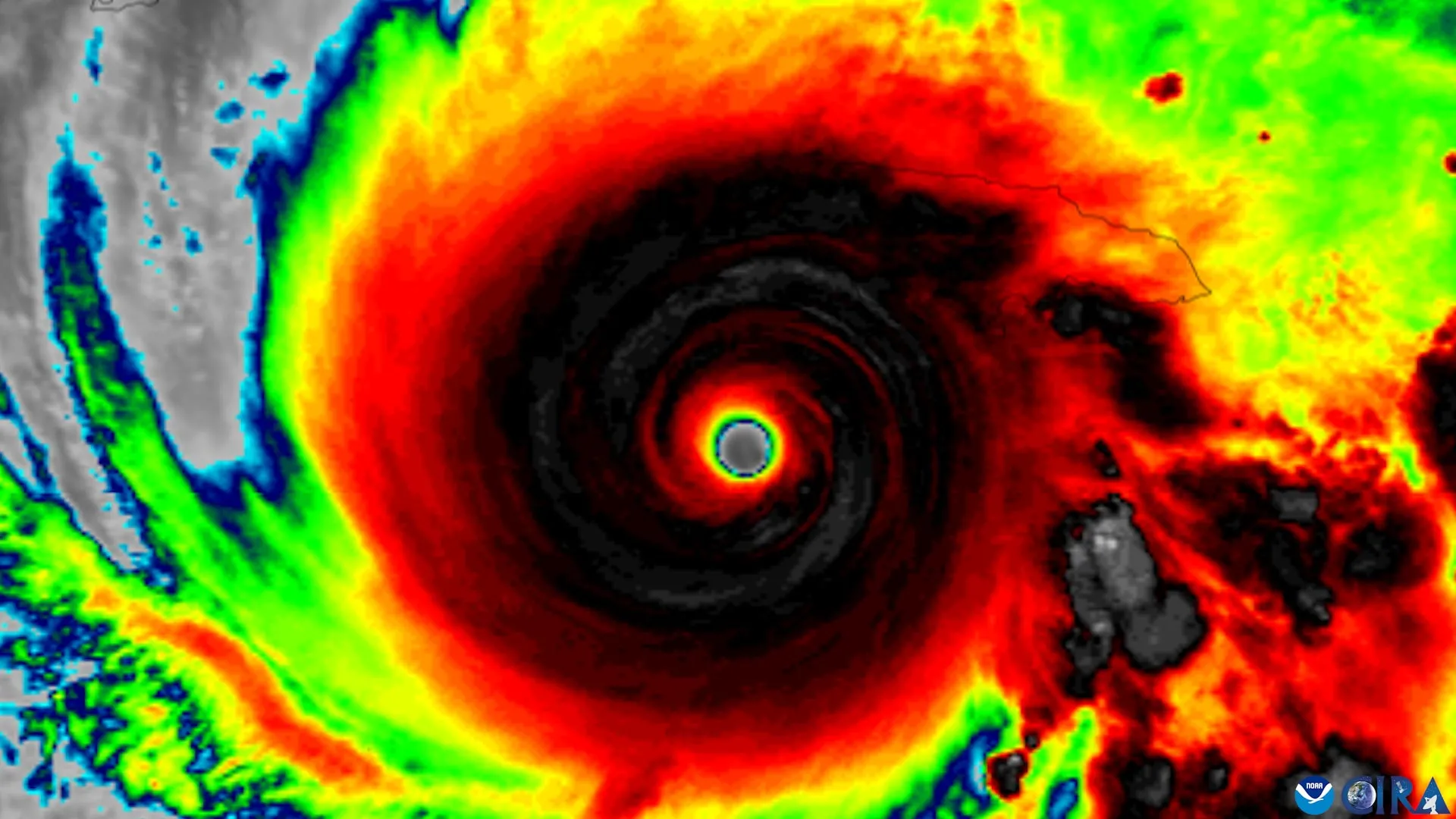
A new study reveals that improved hurricane forecast graphics may help people identify threatened areas without making them more likely to recognize the danger or take protective action. Researchers also found that a widespread misunderstanding of the hurricane cone persists, highlighting a potentially dangerous gap between accurate forecasts and public preparedness.

A half century ago The Selfish Gene by Richard Dawkins became an instant bestseller and transformed public awareness of evolutionary biology. Today scientists are still debating its core message

As much as half of the human genome is composed of so-called "jumping genes." These DNA sequences can make copies of themselves that are inserted back into the genome at another location, playing a significant functional role in creating the diversity that drives evolution and in regulating how other genes are turned on or off. However, their jumps can also make the genome less stable and create mutations that have been associated with neurodevelopmental disorders, autoimmune disease and cancer.
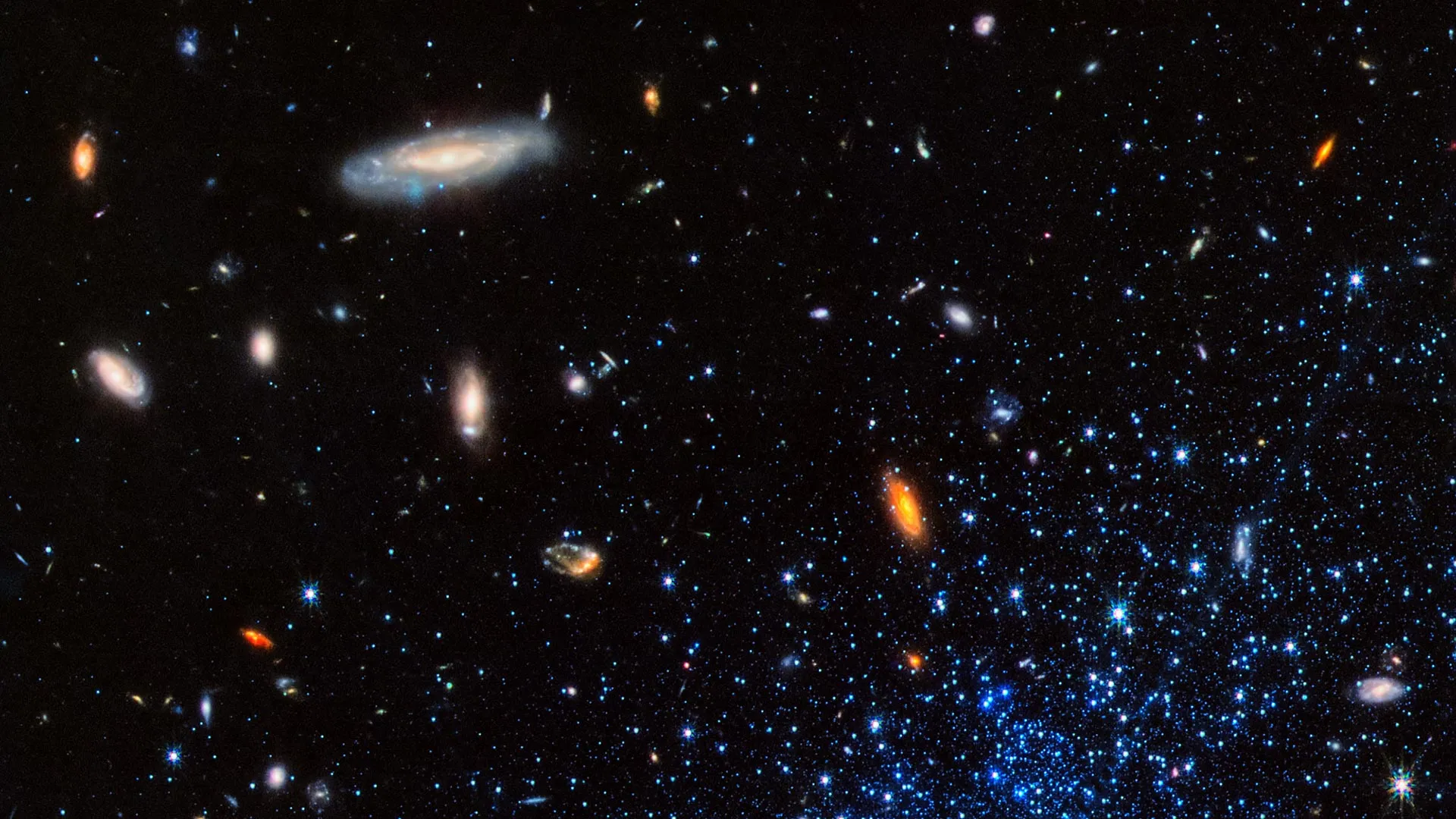
Scientists have achieved a major breakthrough in understanding the Universe’s earliest moments, measuring the amount of helium formed in the first five minutes after the Big Bang with unprecedented precision. Using one of the world’s most powerful telescopes, an international team studied 15 remarkably pristine galaxies that act as cosmic time capsules, preserving clues from nearly 13.8 billion years ago.
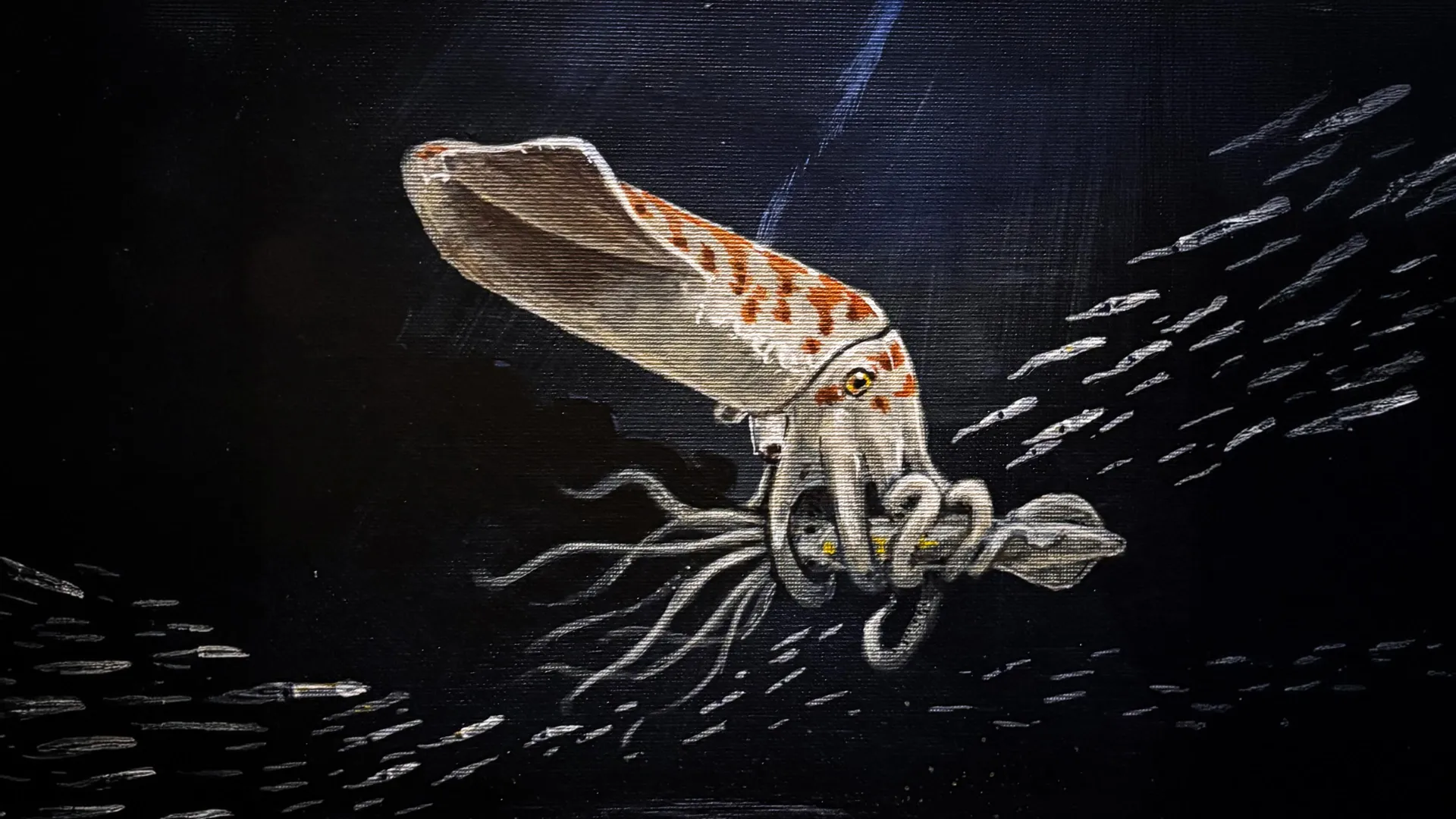
Scientists have identified the “fattest” belemnite ever discovered, a bizarre, barrel-shaped squid relative that lived in Wyoming’s ancient seas 160 million years ago. The exceptionally rare fossils reveal a creature unlike anything previously known, potentially a predator of smaller squid-like animals and a surprising survivor of a supposedly vanished family.

Turnover related to menopause has become a critical global socioeconomic challenge, affecting female career longevity and organizational productivity. A new study suggests that, although many employers have attempted to make special accommodations in the workplace, they fail to address a woman's increased psychological burdens related to the menopause transition.