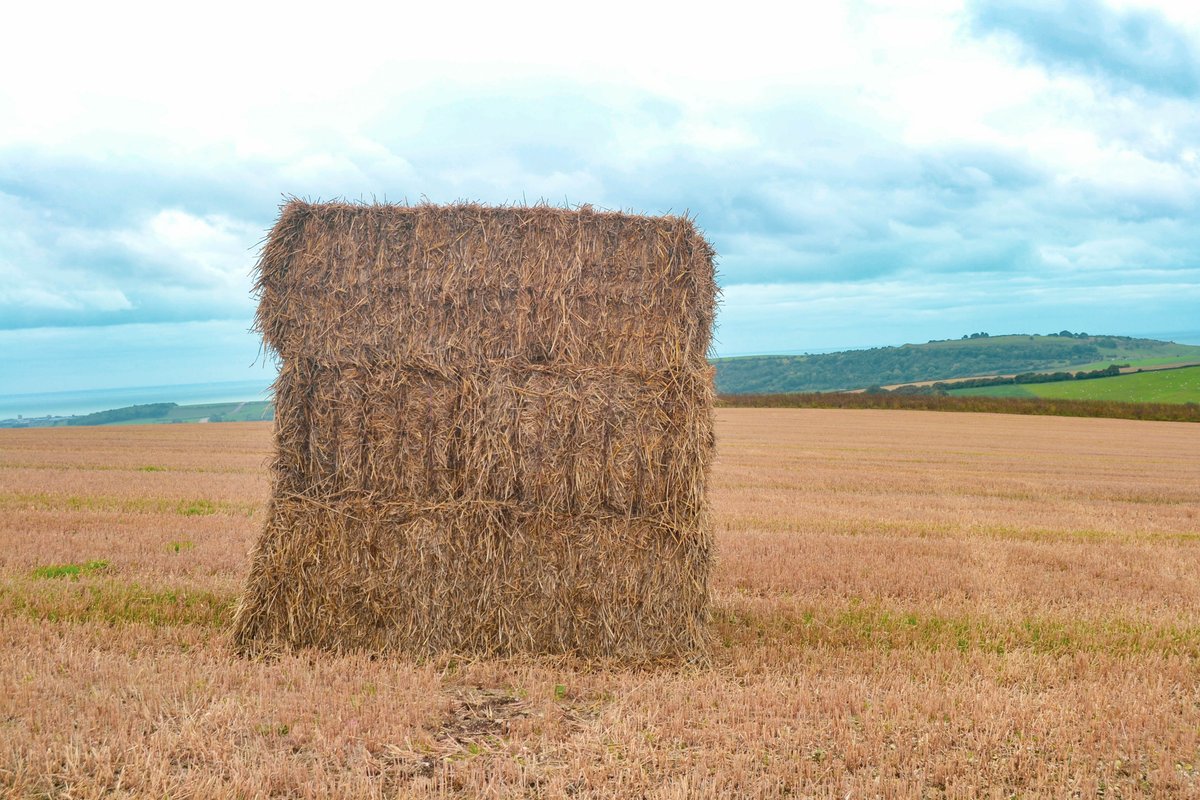
The mathematical trick that explains how to find a needle in a haystack
We asked a statistics expert how difficult it would be to find a needle in a haystackβthe answer is: just as hard as you think
Explore the latest scientific discoveries, science news, breakthroughs and developments from around the world.
We asked a statistics expert how difficult it would be to find a needle in a haystackβthe answer is: just as hard as you think
For people across South Asia, especially in northern India, Diwali celebrations coincide with the return of hazardous winter air, raising concerns about how to celebrate safely.
Quantum researchers show how materials inevitably absorb light
Meteorologists said Friday they were observing an unprecedented early disruption of the polar vortex, raising the risk of cold snaps across the Northern Hemisphere, though there remains significant uncertainty.
A Pakistani astronaut will join the crew of China's Shenzhou 24 spacecraft on a mission that would make him the first foreign national to board Beijing's space station, state media reported Saturday.
It would seem difficult to miss a 15,000-pound (6,804-kilogram) baby, but for months scientists who study rare whales did just that, and now they couldn't be happier.
Panda lovers are expected to line up Friday at Zoo Atlanta to see a new pair of giant pandas make their public debut.
Drinking two to three cups of caffeinated coffee daily was linked to a dramatically lower risk of dementia and better cognitive functioning in a study spanning up to 43 years. The benefits appeared regardless of genetic risk, but decaffeinated coffee did not show the same association.
Humans collectively produce more than 2 billion tonnes of carbon dioxide annually just by turning food into energy, a 74% increase over three decades largely driven by population growth. Unlike fossil fuel emissions, however, the CO2 we exhale is part of the natural carbon cycle, and scientists say measuring it more accurately could improve climate models.
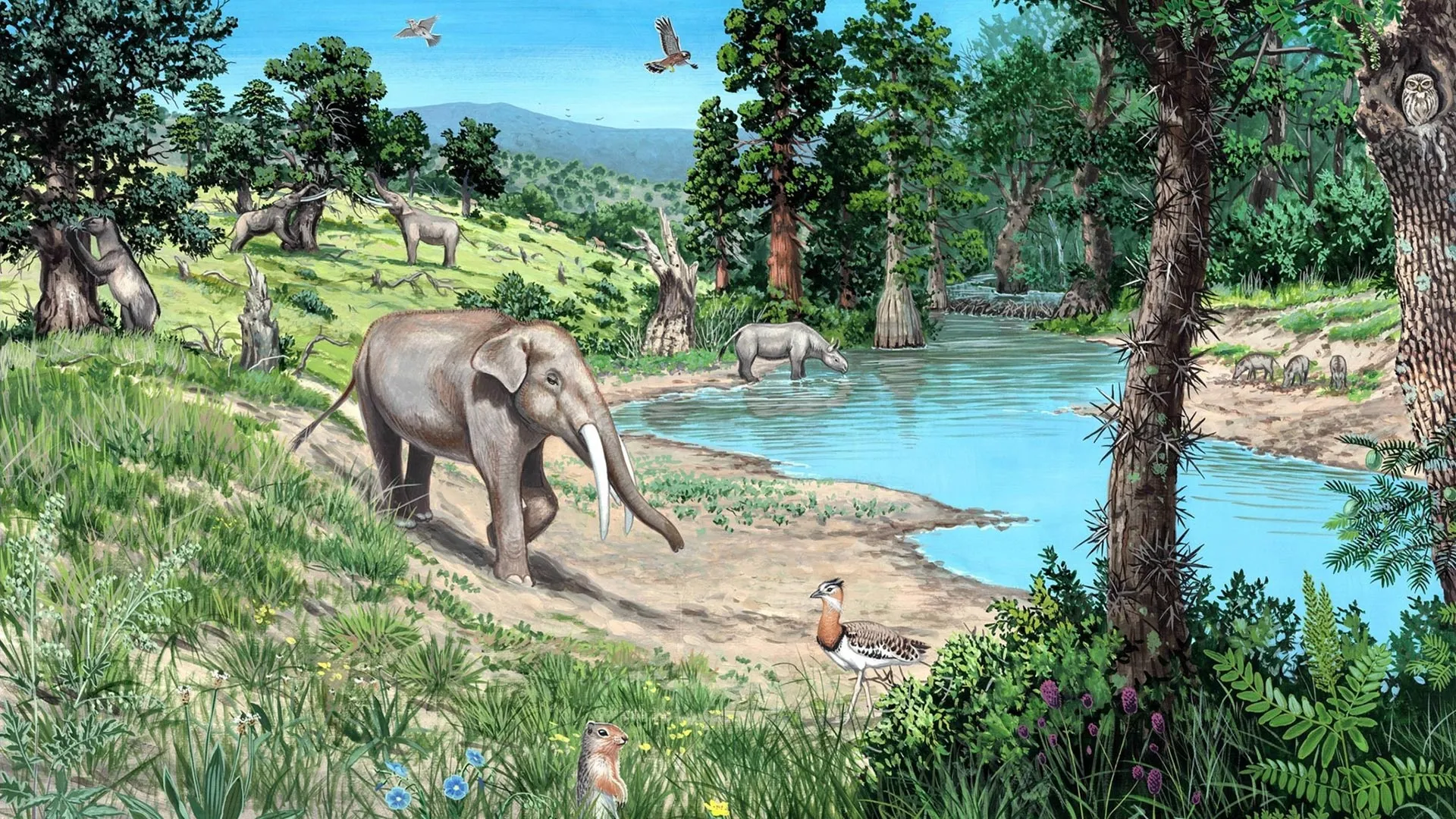
Scientists have uncovered evidence that Europe was dominated for more than 20 million years by open woodlands, colorful meadows, and large grazing animals, not the dense forests long considered its natural state. The surprising discovery challenges modern reforestation strategies, suggesting that planting thick forests could actually harm the biodiversity conservationists hope to protect.
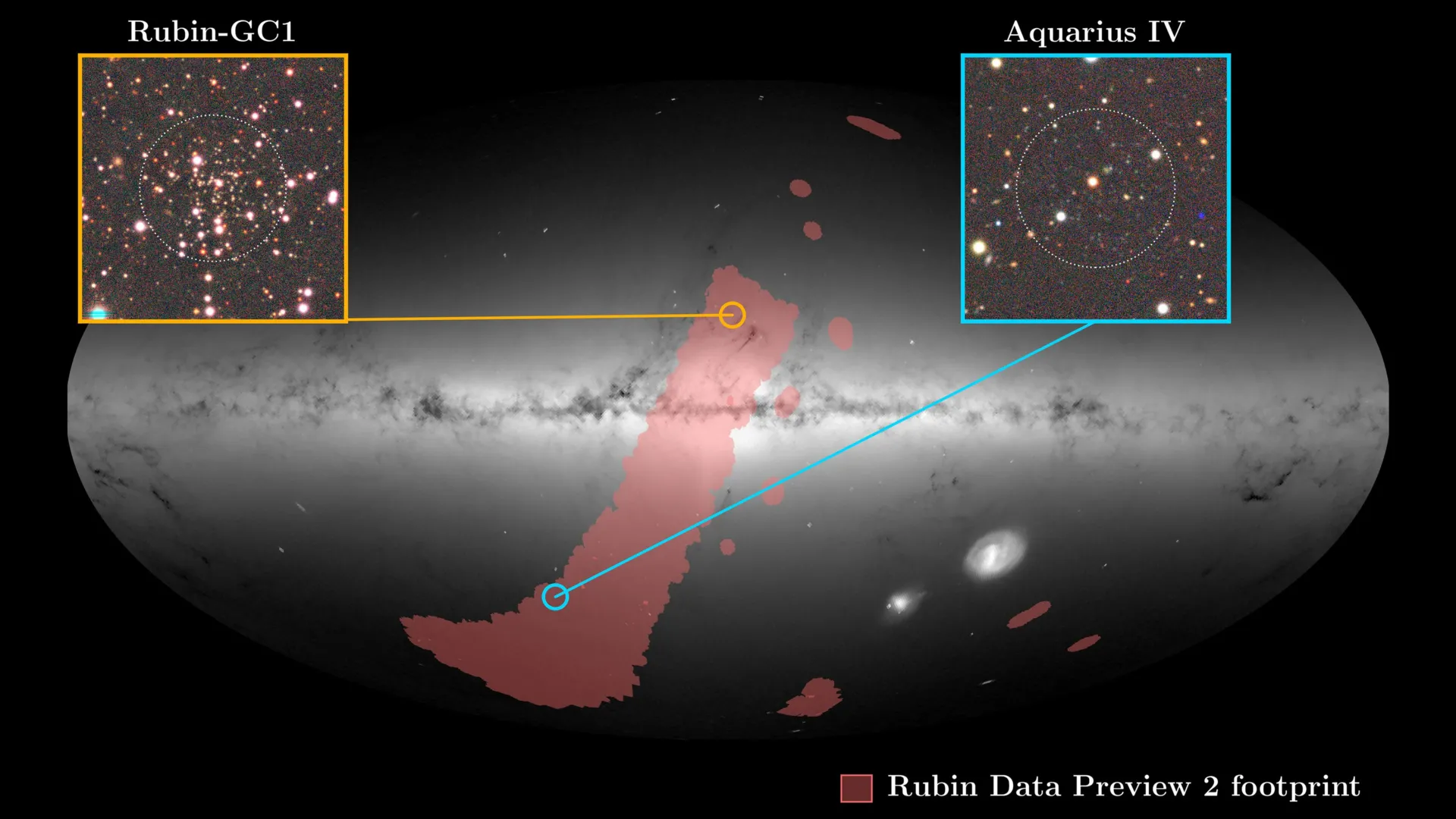
The Vera C. Rubin Observatory has already uncovered two previously unknown companions of the Milky Way using preliminary observations covering just 7% of the night sky. The discoveries include an extremely faint galaxy 355,000 light-years away and a star cluster hidden behind cosmic dust. Scientists suspect hundreds of additional satellite galaxies remain undiscovered, and Rubin's powerful telescope could finally bring them into view.
Can you guess the puzzle writerβs secret formula?