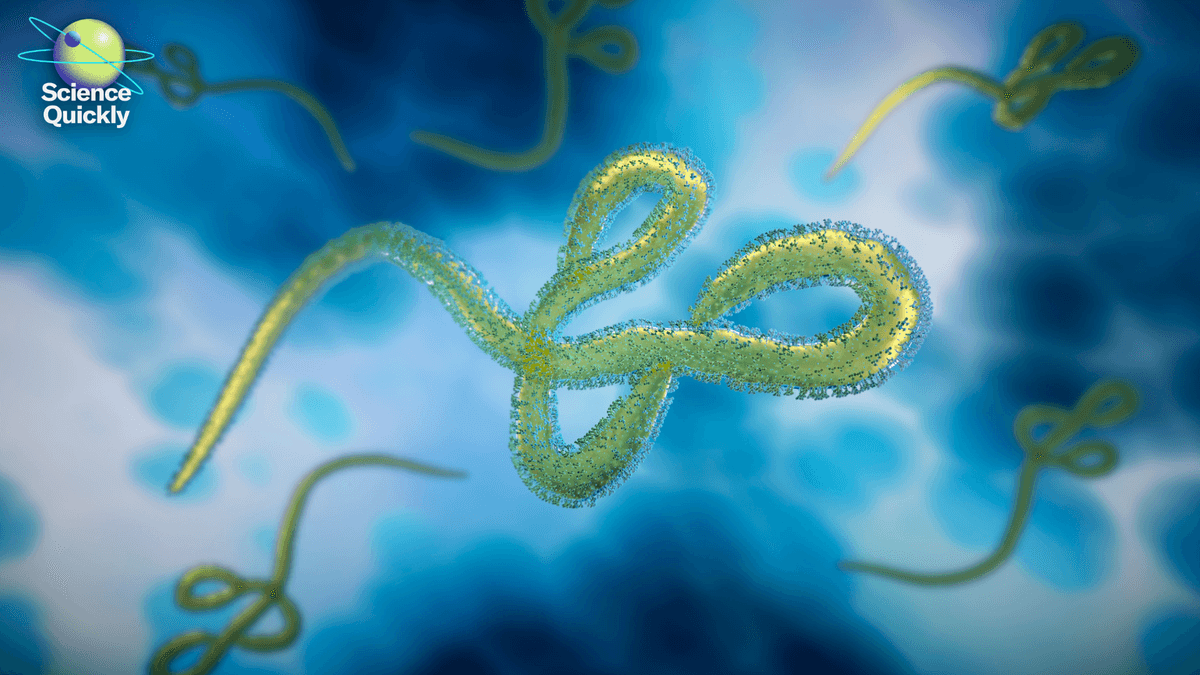
Ebola update, AI math scoop and permanent daylight saving time
Ebola outbreak crosses grim milestone, artificial intelligence solves major math problems, and scientists caution against making daylight saving time permanent
Explore the latest scientific discoveries, science news, breakthroughs and developments from around the world.
Ebola outbreak crosses grim milestone, artificial intelligence solves major math problems, and scientists caution against making daylight saving time permanent
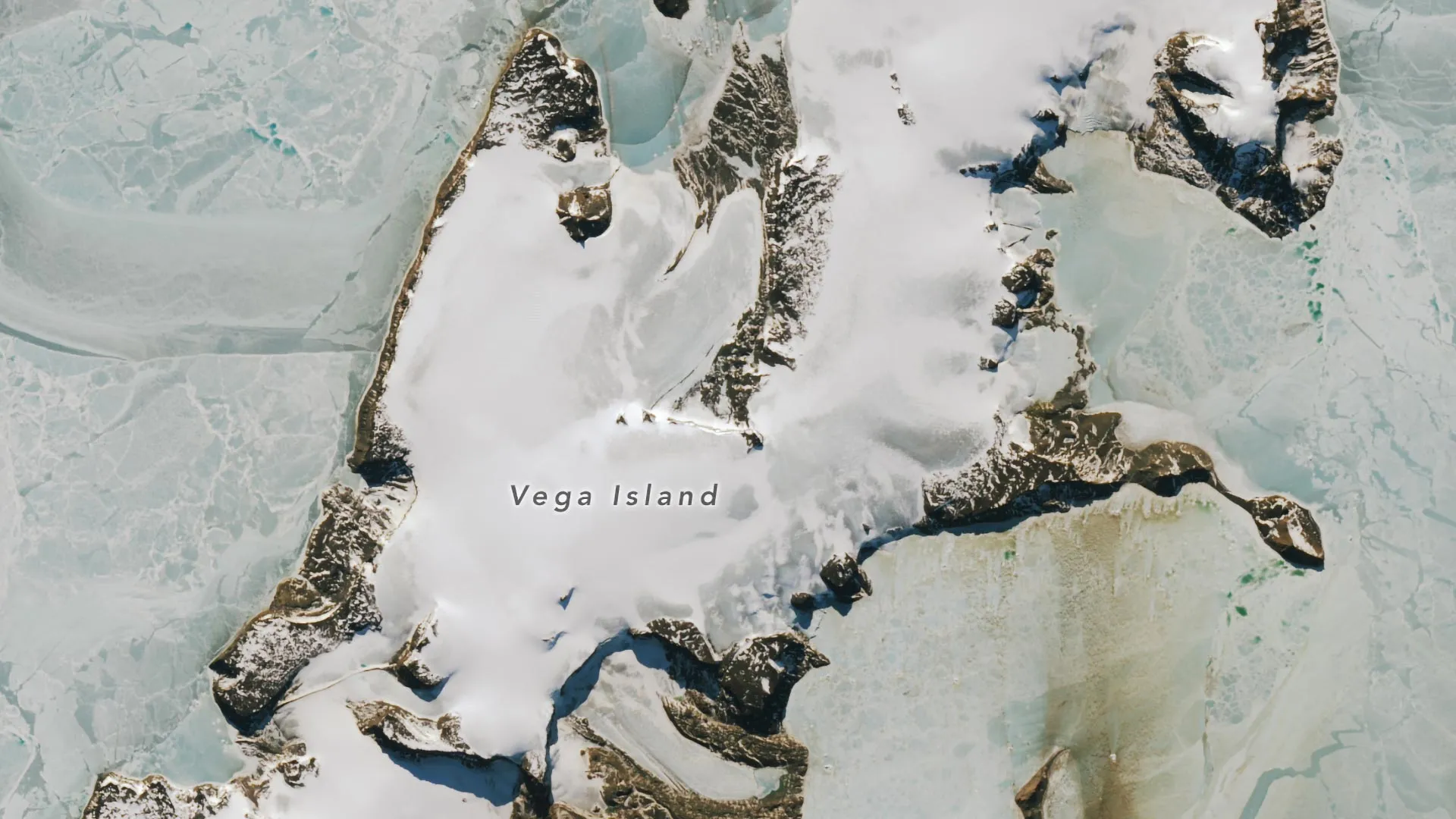
NASA satellites have captured an eerie, skull-shaped formation on a remote Antarctic island, but its haunting appearance conceals a troubling warning about melting glaciers. Unusually warm winter temperatures have exposed large areas of dark ice, potentially accelerating future melting and gradually transforming the skull's ghostly features.
Scientists have uncovered surprising DNA evidence that Europeans living more than 30,000 years ago were connected across vast distances, challenging the idea that ancient populations remained largely isolated. Genetic clues from human remains and cave sediments reveal prehistoric migration, long-lasting communities, and survival through the harshest conditions of the Ice Age.
A major new study challenges the idea that moderate drinking is safe, finding that even relatively small amounts of alcohol increase the risk of cancer, heart disease, and premature death. Researchers found no overall health benefits from drinking and warn that consuming more than one alcoholic beverage per day can significantly increase long-term health risks.
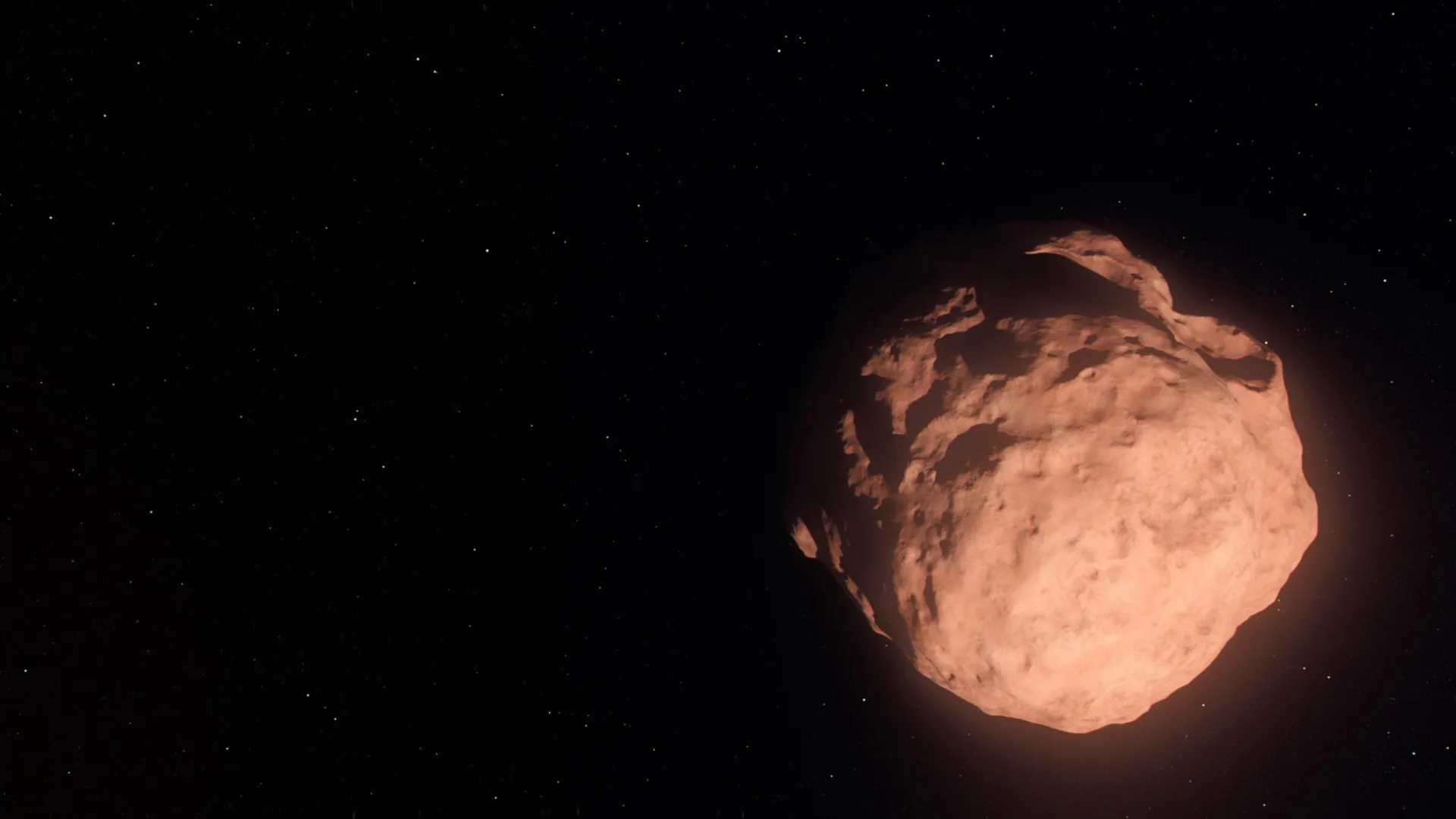
NASA’s Hubble and James Webb Space Telescopes have uncovered surprising clues about the solar system’s origins by studying 27 tiny, distant objects beyond Neptune. Scientists discovered that these ancient building blocks of planets have remained remarkably unchanged for billions of years, while their unexpected sizes and numbers challenge existing theories of planet formation.
A major new review challenges the growing enthusiasm for medical cannabis as an insomnia treatment, finding little reliable evidence that it improves sleep quality, sleep duration, or daytime functioning. Researchers caution that this doesn't mean cannabis is ineffective, only that existing studies are too weak to establish whether it works.
For decades, discussions and decisions about access to contraception, abortion, maternal health care, HIV prevention and treatment, comprehensive sexuality education, gender equity and protection from sexual violence have largely flowed in one direction: from the Global North to the Global South.
When we hear that climate change is damaging natural environments, it conjures images of rising seas eroding coastlines, or heat waves bleaching the Great Barrier Reef. But what about deserts?
A University of Bath–led study has estimated that the carbon dioxide produced by humans as our bodies turn food into energy rose by 74% between 1985 and 2015, reaching 2.05 billion metric tons a year. Researchers say the findings could help scientists better understand where carbon comes from, where it goes and how human activity fits into the bigger picture.
Tucked away among its sensors, cameras and navigation tools, NASA's Mars rover Perseverance is wearing small swatches of spacesuit material. A rover doesn't need a spacesuit, but the swatches—each less than a square inch (6.5 square centimeters) in size—serve an important purpose: They're helping scientists assess the potential damage caused by ubiquitous Martian dust.
Authorities in New Delhi stepped up anti-pollution measures on Sunday, including higher parking fees and work-from-home orders, seeking to curb toxic smog in one of the world's most polluted capitals.
Long dubbed an "air-conditioned nation," Singapore is experimenting with cooling alternatives from chilled beams to "passive displacement" to curb its thirst for energy-guzzling air conditioning.