
Science News
Worried you're breathing unclean air? Here's how to measure it
A breath of fresh air does wonders for the body and mind.
📅
2026-11-02 16:00:08
•
Phys.org
Explore the latest scientific discoveries, science news, breakthroughs and developments from around the world.
A breath of fresh air does wonders for the body and mind.

The unlikely pairing suggests that social relationships between males are more complex than we thought
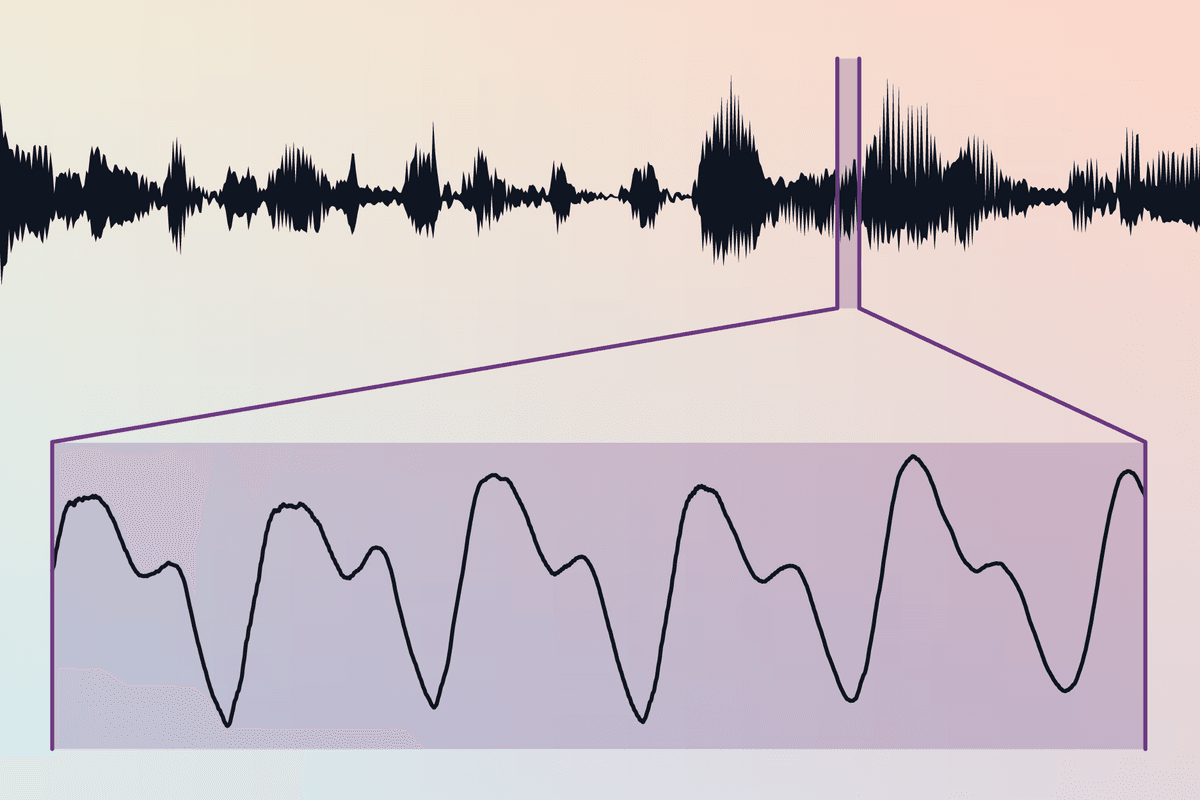
I can clone my voice in seconds—but there are tricks to help tell real speech from AI
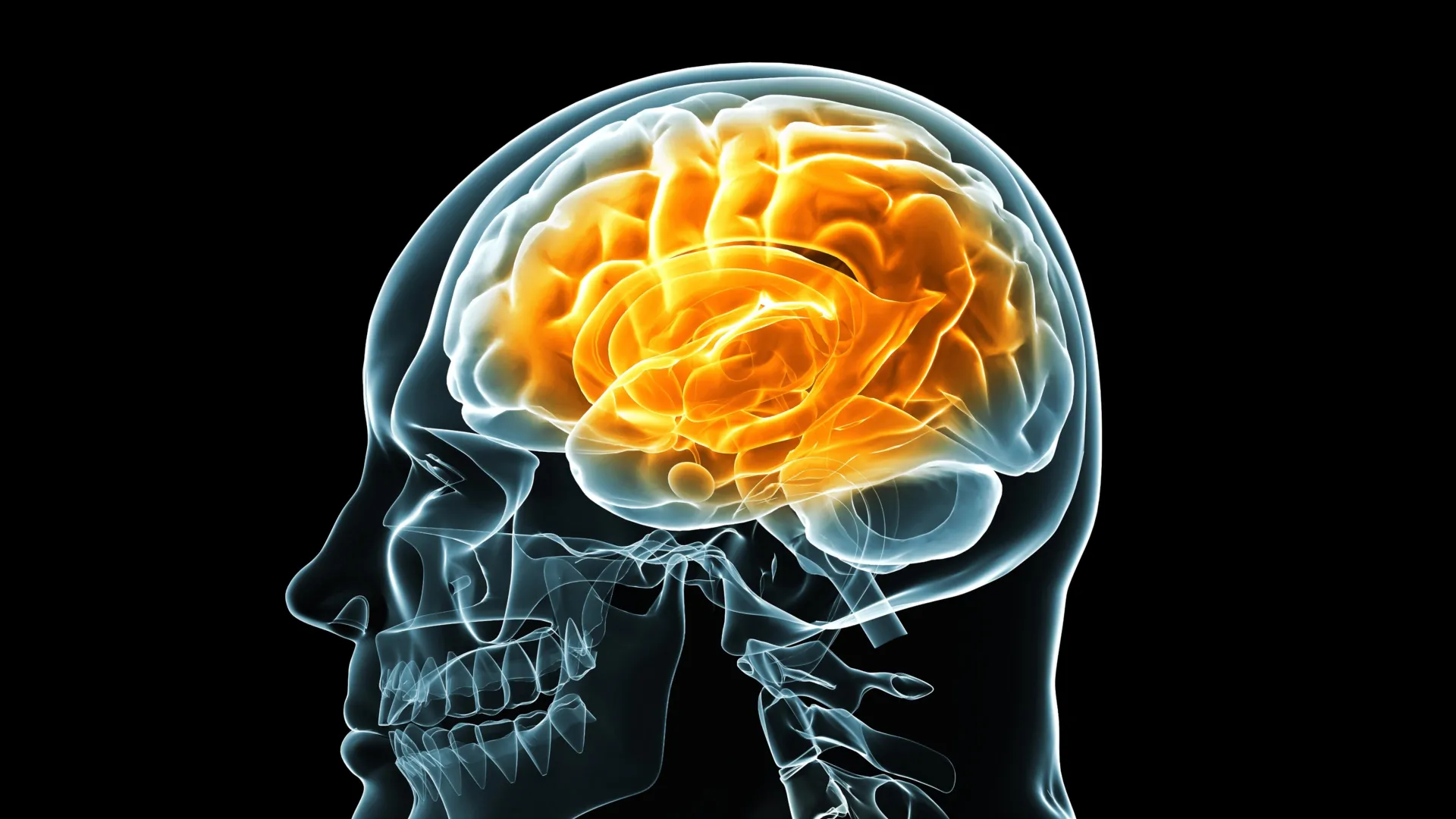
A major 24-year study involving more than 8,200 adults suggests that excess body weight may accelerate brain aging, leading to faster declines in memory, concentration, and decision-making skills. The connection was particularly strong among people over 65, raising concerns about the long-term effects of obesity on brain health.

Mysterious particles called neutrinos constantly stream through our bodies, and scientists are now detecting incredibly powerful versions arriving from distant cosmic sources using a massive observatory buried in Antarctic ice. These elusive “ghost particles” could hold extraordinary clues about the Big Bang, extreme cosmic events, and some of the universe’s greatest mysteries.
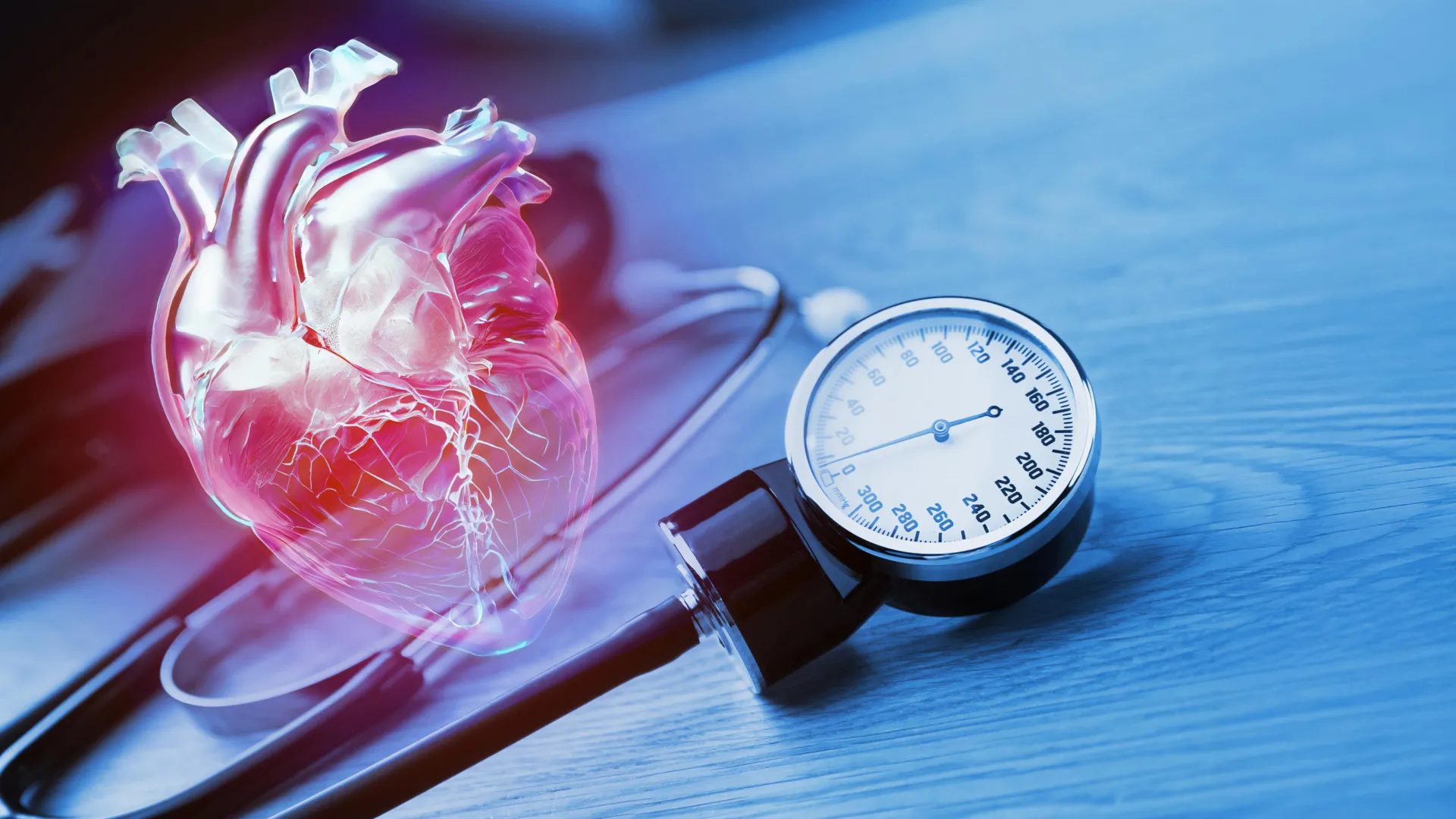
Scientists are calling for a major rethink of how we manage high blood pressure, suggesting that eating more potassium could be just as important as cutting back on salt. A new report finds that combining increased potassium intake with reduced sodium consumption may offer greater benefits for blood pressure control than sodium reduction alone.

Researchers have developed a remarkable new electronic implant that could transform type 2 diabetes treatment by lowering blood sugar without insulin or traditional drugs. The device uses a special electrically powered catalyst to convert excess glucose into a substance that the body eliminates through urine, potentially preventing unwanted energy from being stored as fat. In diabetic mice, the implant precisely controlled blood sugar and promoted weight loss.
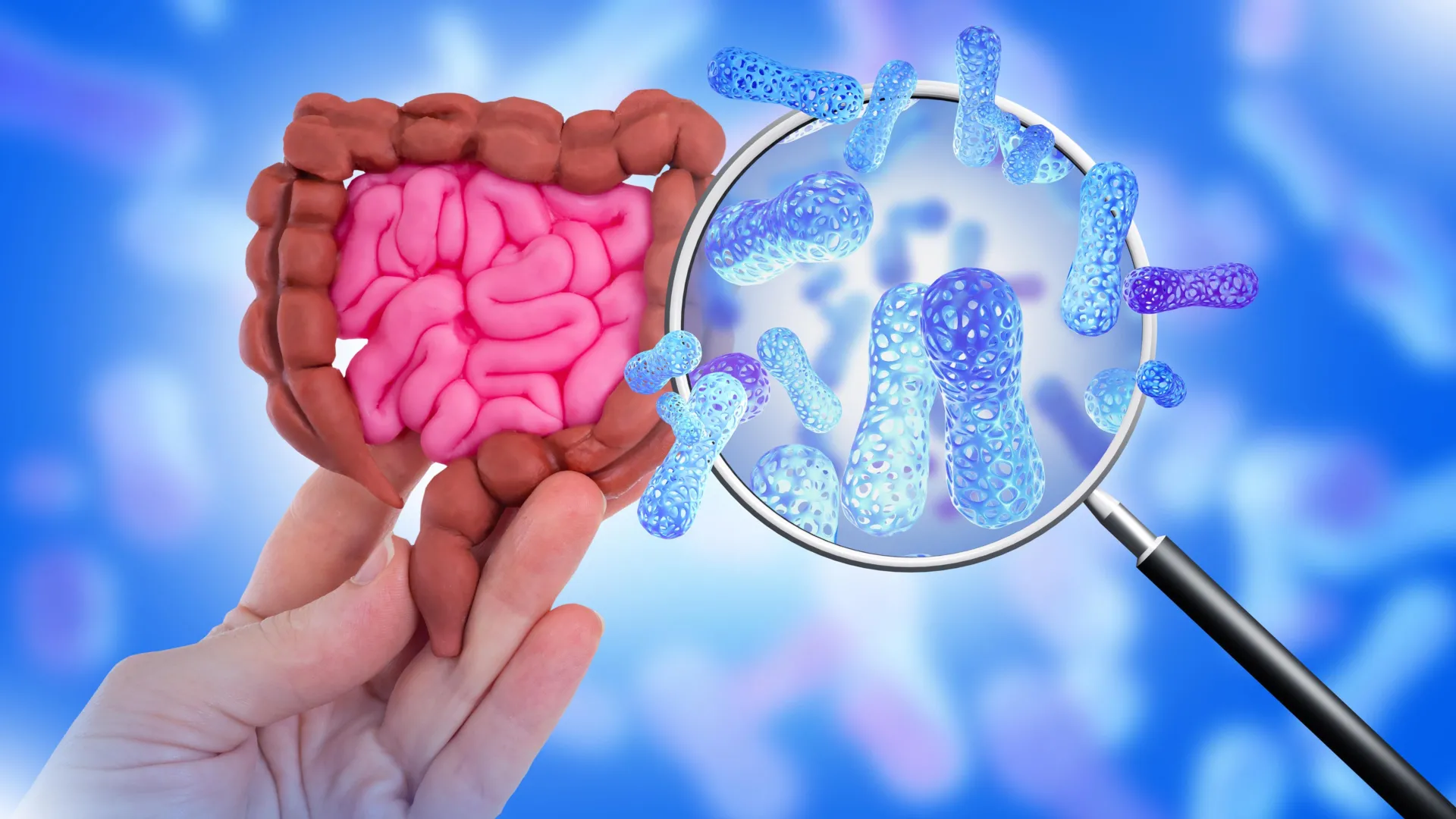
In a surprising discovery, scientists found that certain diets associated with obesity can make cancer immunotherapy more effective in mice, challenging traditional assumptions about diet and cancer treatment. The findings suggest that the secret may lie in how food interacts with gut bacteria to strengthen the immune system's response to cancer.
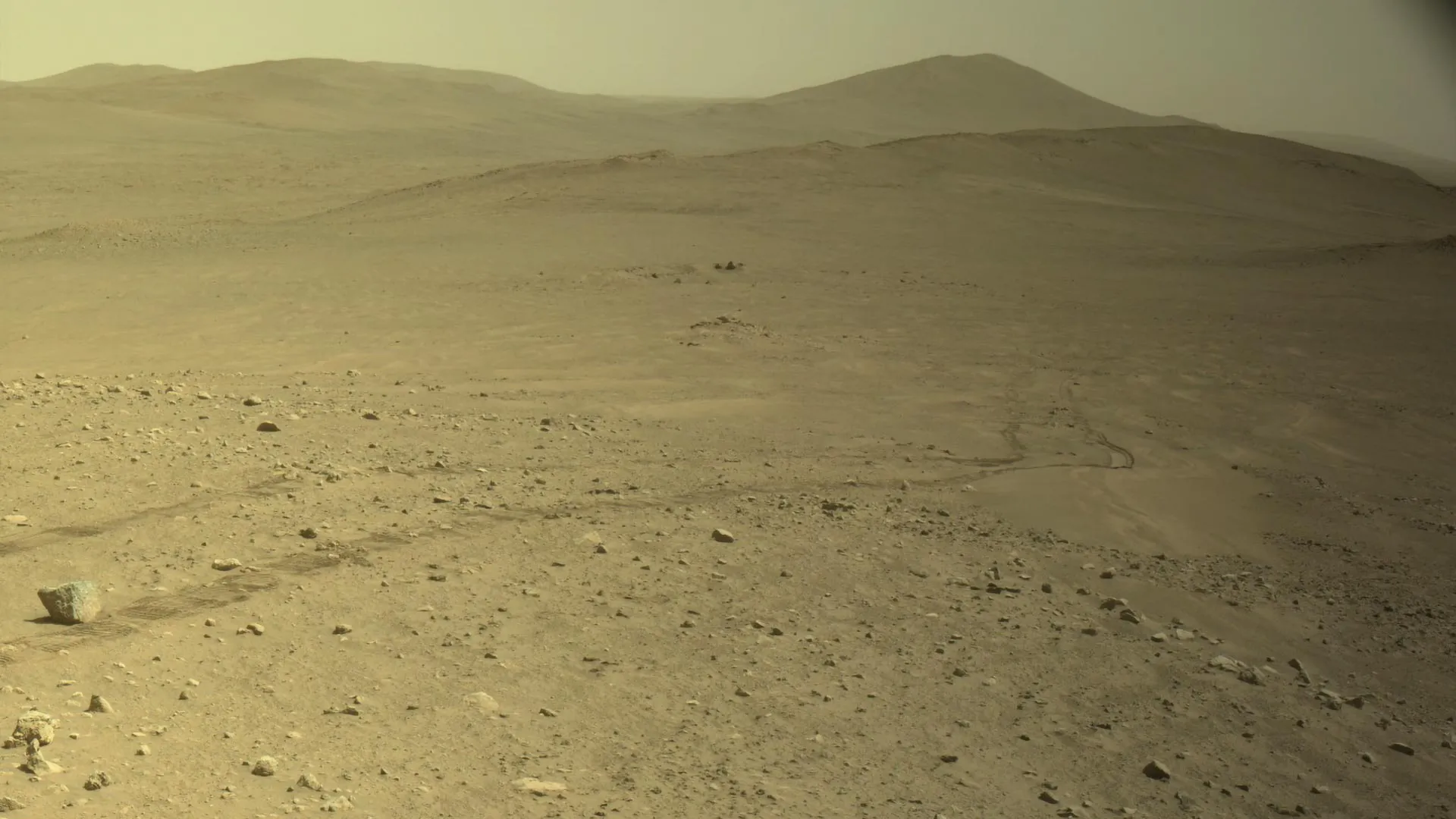
NASA’s Perseverance rover has set a historic record by traveling 28.10 miles across Mars, farther than any vehicle has ever driven on another world. Armed with groundbreaking autonomous navigation technology and increasingly advanced driving capabilities, the rover is pushing the boundaries of robotic exploration.
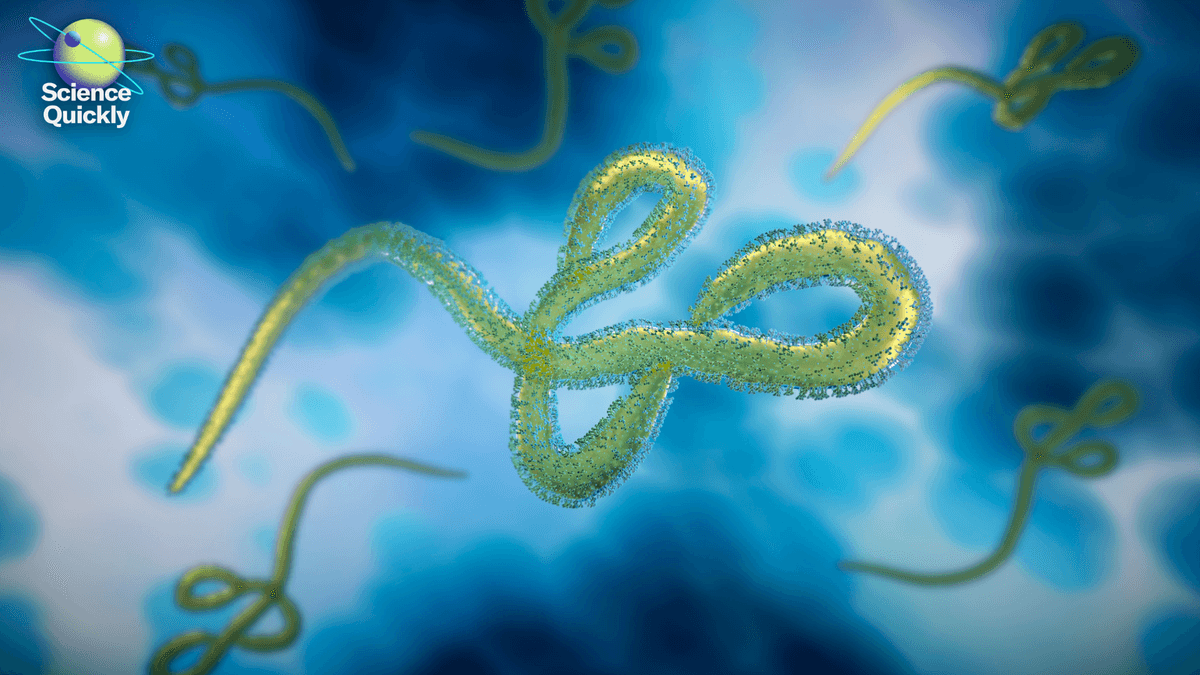
Ebola outbreak crosses grim milestone, artificial intelligence solves major math problems, and scientists caution against making daylight saving time permanent

NASA satellites have captured an eerie, skull-shaped formation on a remote Antarctic island, but its haunting appearance conceals a troubling warning about melting glaciers. Unusually warm winter temperatures have exposed large areas of dark ice, potentially accelerating future melting and gradually transforming the skull's ghostly features.

Scientists have uncovered surprising DNA evidence that Europeans living more than 30,000 years ago were connected across vast distances, challenging the idea that ancient populations remained largely isolated. Genetic clues from human remains and cave sediments reveal prehistoric migration, long-lasting communities, and survival through the harshest conditions of the Ice Age.