Latest Scientific Discoveries

All News →
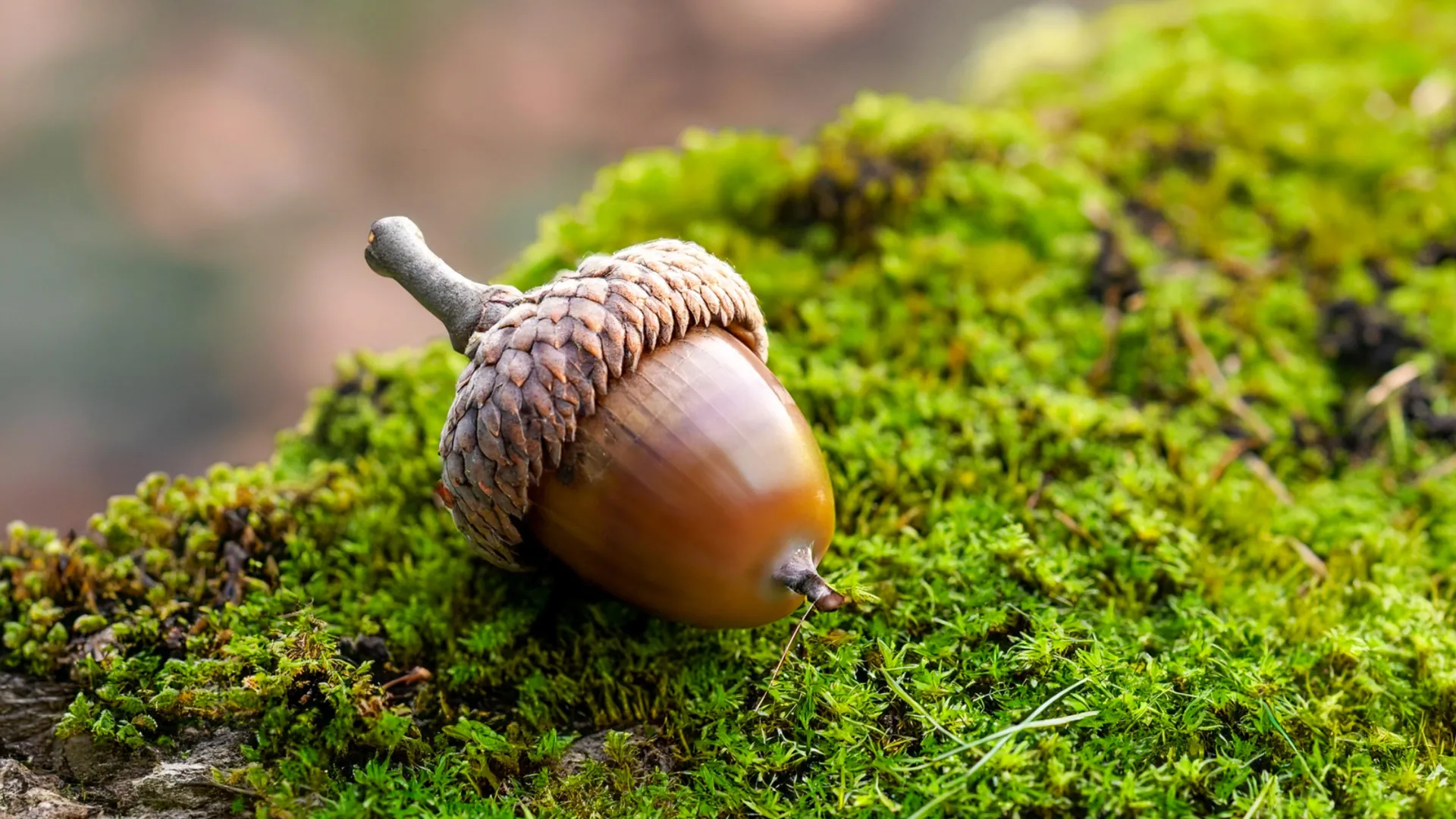
Scientists discover a surprising link between acorns and lyme disease
Science News

Scientists discover a surprising link between acorns and lyme disease

After more than 35 years of research, scientists have uncovered surprising clues about what really drives Lyme disease risk. Contrary to longstanding assumptions, deer populations appear less important than mice, which can fuel a 40% increase in tick numbers the following year. Even acorn production can predict tick population surges two years in advance, while extreme temperatures may be far less deadly to ticks than scientists once believed.

📅 2026-11-09 10:59:35    •    ScienceDaily

A simple supplement may help clear brain fog after cancer
Science News

A simple supplement may help clear brain fog after cancer

A surprising new study from UCLA suggests that a naturally occurring molecule could help breast cancer survivors overcome the frustrating brain fog and exhaustion that can linger long after treatment ends. Researchers found that women taking an oxaloacetate supplement for eight weeks experienced substantial improvements in memory, concentration, mental clarity, and fatigue.

📅 2026-11-09 10:33:23    •    ScienceDaily
Caltech robot makes history by building a structure in space
Science News

Caltech robot makes history by building a structure in space

For the first time, a robot has autonomously built part of a structure in space, demonstrating a breakthrough that could fundamentally change space exploration. The technology could one day allow scientists to construct enormous telescopes, communications antennas, and solar power stations in orbit, far beyond the size limits of today's rockets.

📅 2026-11-09 10:01:13    •    ScienceDaily
Crystals hint at a volcano's ability to erupt
Science News

Crystals hint at a volcano's ability to erupt

University of Queensland researchers have shown tiny crystals are a window to activity inside volcanoes and could provide clues to when they might erupt.

📅 2026-11-09 10:00:06    •    Phys.org
'Burning': Life under the world's dirtiest skies
Science News

'Burning': Life under the world's dirtiest skies

On the outskirts of India's capital, a short motorbike ride through the urban area with the world's worst air pollution leaves salesman Kanwar Singh coated in toxic dust.

📅 2026-11-09 09:40:01    •    Phys.org
NASA reveals bold new plan to return astronauts to the Moon in 2028
Science News

NASA reveals bold new plan to return astronauts to the Moon in 2028

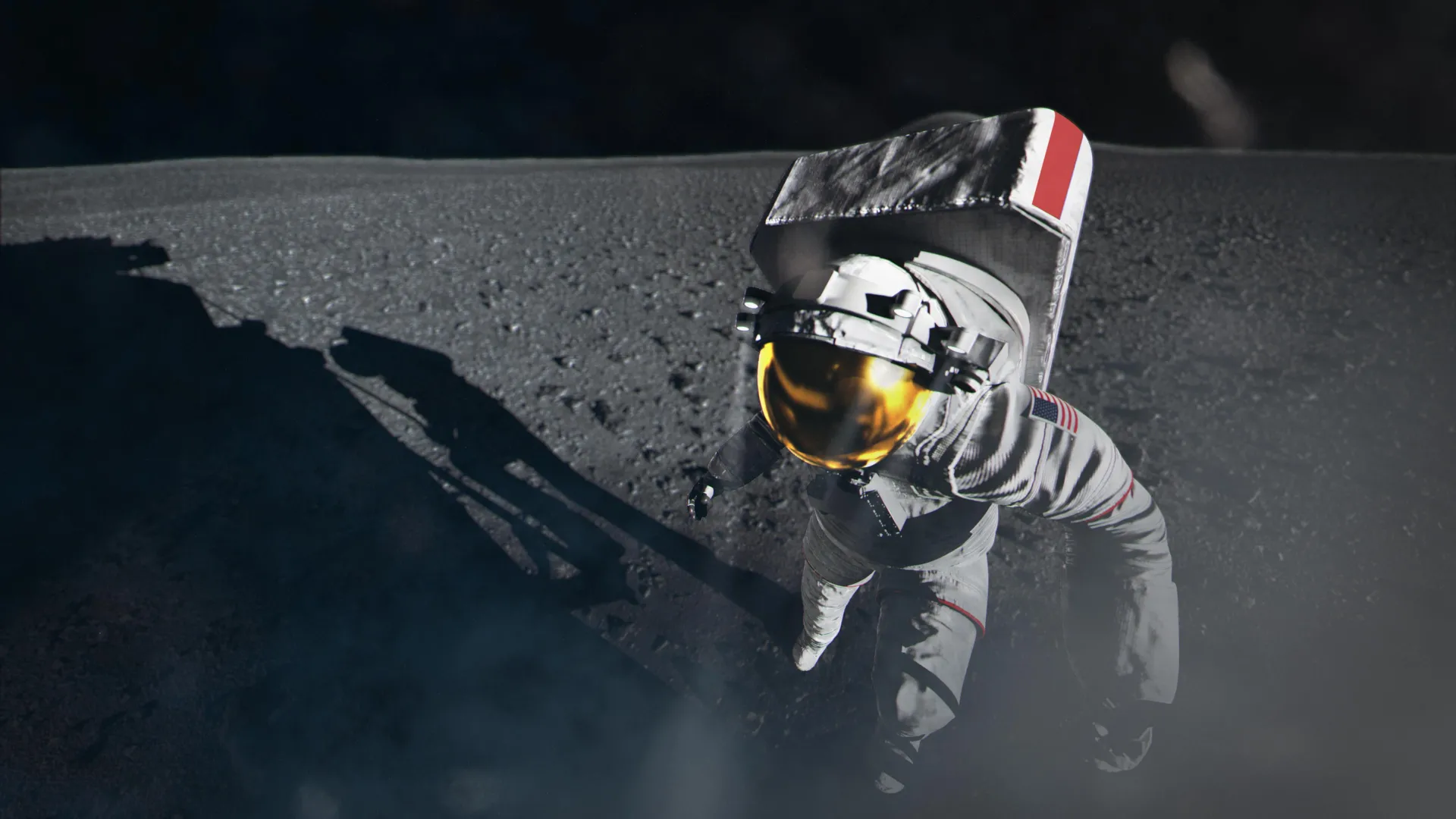
NASA has revealed an accelerated plan to land astronauts on the Moon in 2028, with SpaceX and Blue Origin developing competing lunar landers and a crucial orbital test scheduled for 2027. Faster rocket preparations, new lightweight spacesuits, and redesigned missions could help pave the way for a permanent lunar presence and future human exploration of Mars.

📅 2026-11-09 09:13:28    •    ScienceDaily
Common osteoporosis drugs linked to 24% lower dementia risk in major study
Science News

Common osteoporosis drugs linked to 24% lower dementia risk in major study

A massive study of more than 120,000 older adults suggests that common osteoporosis drugs may reduce the risk of Alzheimer’s disease and other dementias by up to 24%. The surprising findings raise the possibility that medications already used to strengthen bones could also help protect the aging brain.

📅 2026-11-09 07:36:14    •    ScienceDaily
Despite sacrificing people after catastrophic El Niño flooding, ancient societies were generally peaceful
Science News

Despite sacrificing people after catastrophic El Niño flooding, ancient societies were generally peaceful

To understand how societies might react to climate change, archaeologists look at social responses to extreme climate events in the past—and in some places, that included measures as drastic as human sacrifice. Mass ritual sacrifices along the desert coast of northern Peru have been linked to catastrophic flooding caused by El Niño, which made researchers wonder if such sacrifices were part of a rise in violence driven by resource scarcity. But a new survey of the Lambayeque Valley suggests that violence was extremely rare, even during periods of ecological upheaval.

📅 2026-11-09 05:00:02    •    Phys.org
DNA on the Shroud of Turin reveals centuries of hidden secrets
Science News

DNA on the Shroud of Turin reveals centuries of hidden secrets

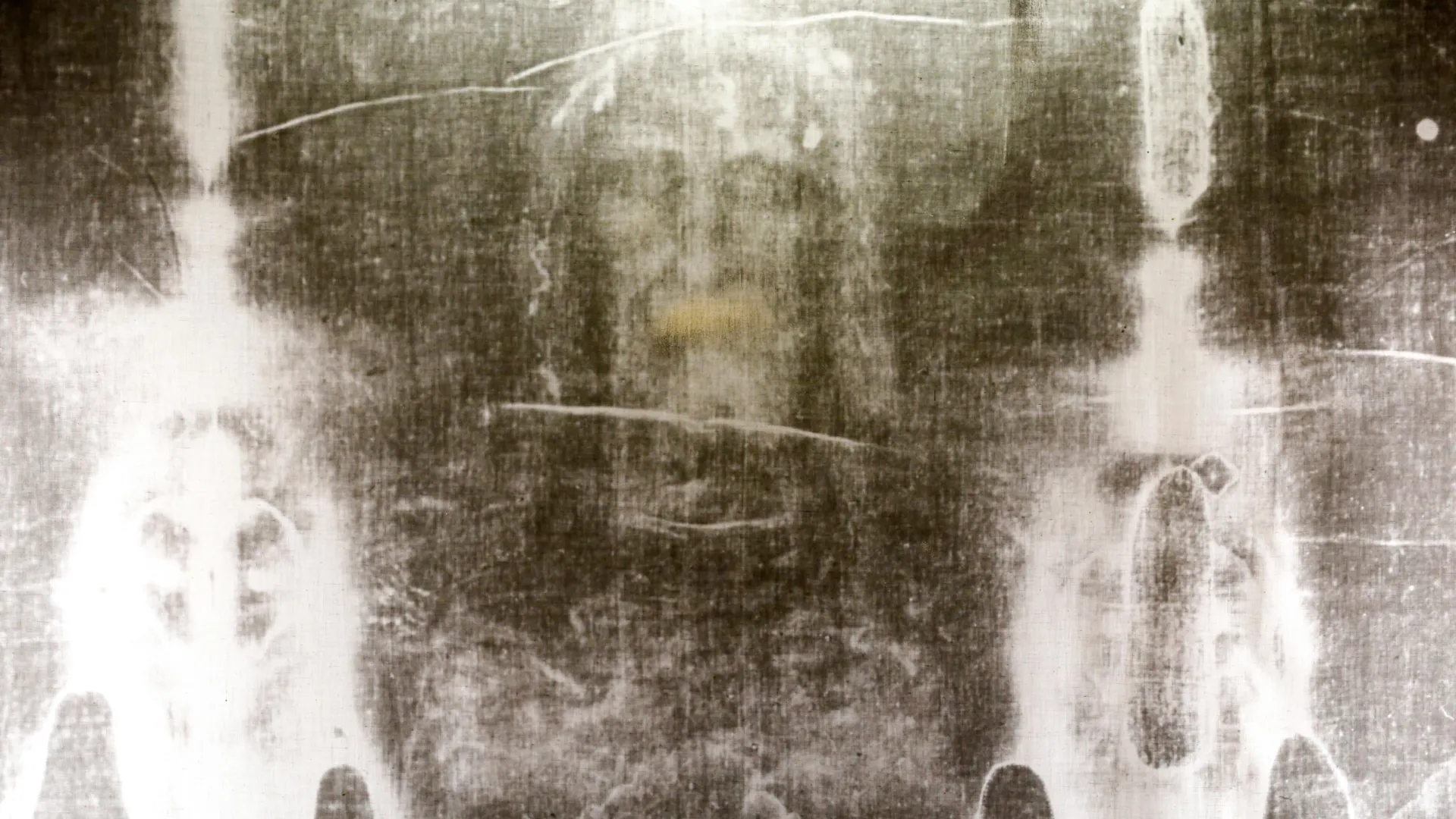
The Shroud of Turin, one of history's most mysterious religious artifacts, is yielding surprising new clues through DNA analysis. Scientists have uncovered a complex mixture of biological traces that may reveal more about the cloth's past and the environments it encountered. The findings offer a fresh scientific perspective on a centuries-old mystery that continues to spark fascination and debate.

📅 2026-11-09 02:48:24    •    ScienceDaily
A little-known protein could be a major culprit in type 2 diabetes
Science News

A little-known protein could be a major culprit in type 2 diabetes

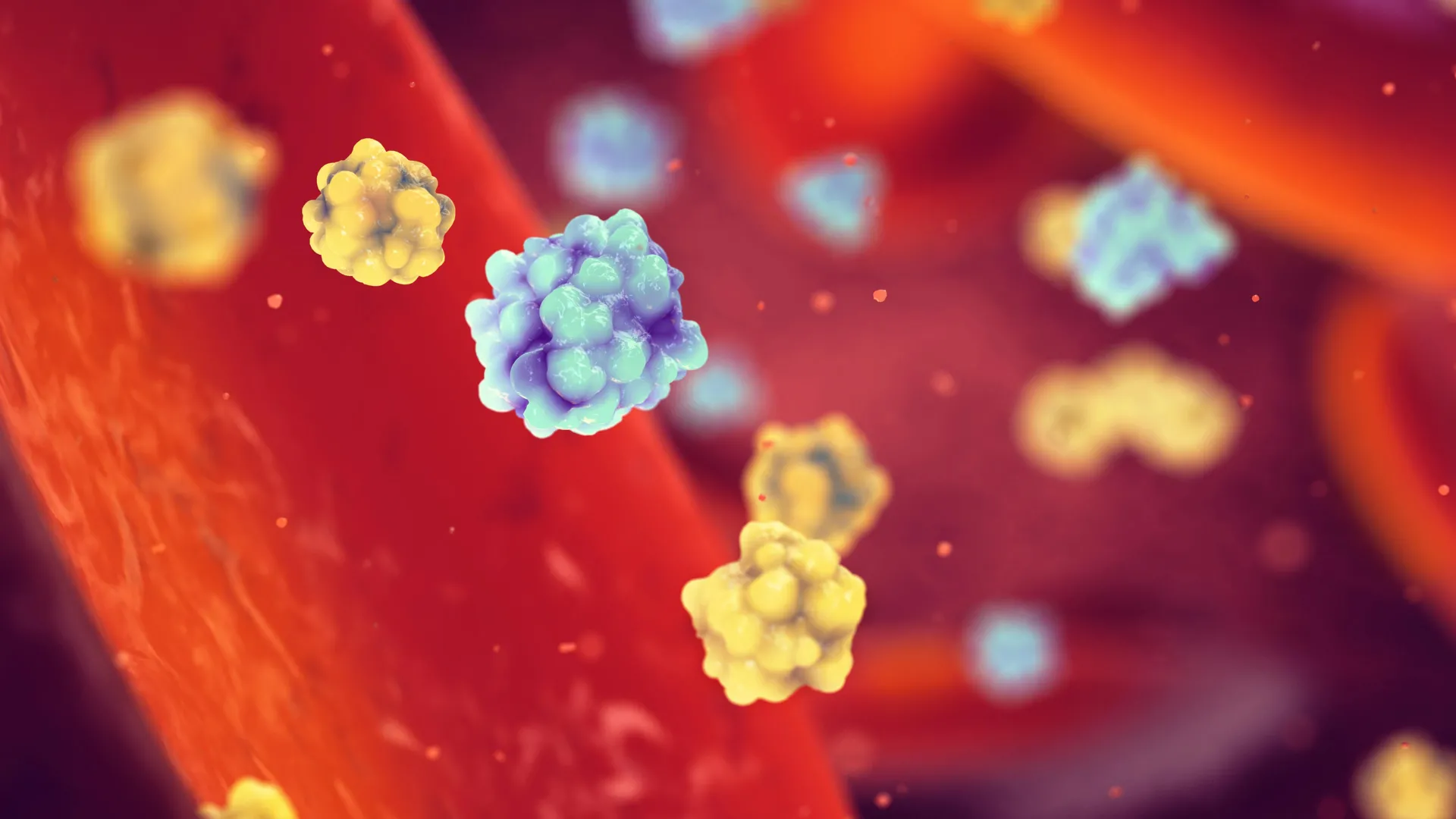
Scientists have discovered that a buildup of a protein called Miro1 may be a hidden driver of insulin resistance in Type 2 diabetes, with preclinical experiments showing that removing it restores the muscles’ response to insulin. Exercise was also found to lower Miro1 levels in people with diabetes, revealing a potential new pathway for treating the disease.

📅 2026-11-09 01:44:53    •    ScienceDaily
A new clinical simulation model strengthens the empowerment and autonomy of nursing staff
Science News

A new clinical simulation model strengthens the empowerment and autonomy of nursing staff

To date, many of the methods used in clinical simulation have focused primarily on assessing technical skills and compliance with medical standards, often from a generic, interprofessional perspective. Although technical skills are essential, this approach overlooked key aspects of nursing practice, such as care ethics, relational presence with patients and emotional management among nurses.

📅 2026-11-09 01:30:01    •    Phys.org
Hidden climate superpower: Why some ocean “snow” carries six times more carbon
Science News

Hidden climate superpower: Why some ocean “snow” carries six times more carbon

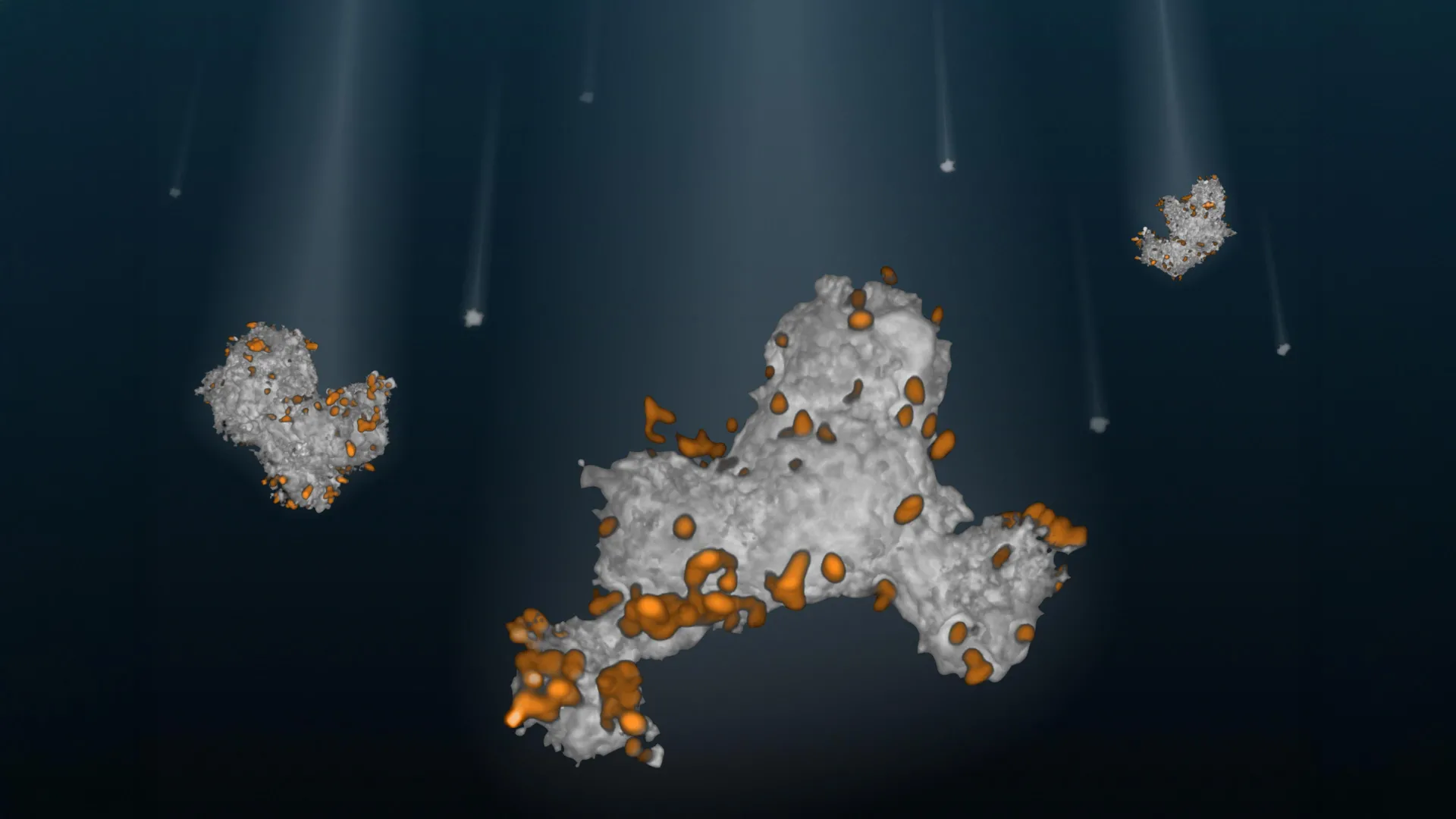
Scientists have discovered that the stickiness of underwater “marine snow” plays a surprisingly important role in how much carbon reaches the deep ocean. Gooier particles resist bacterial breakdown and can transport more than six times as much carbon to the depths, revealing an unexpected connection between ocean slime and Earth's climate.

📅 2026-11-09 01:14:33    •    ScienceDaily