Science News
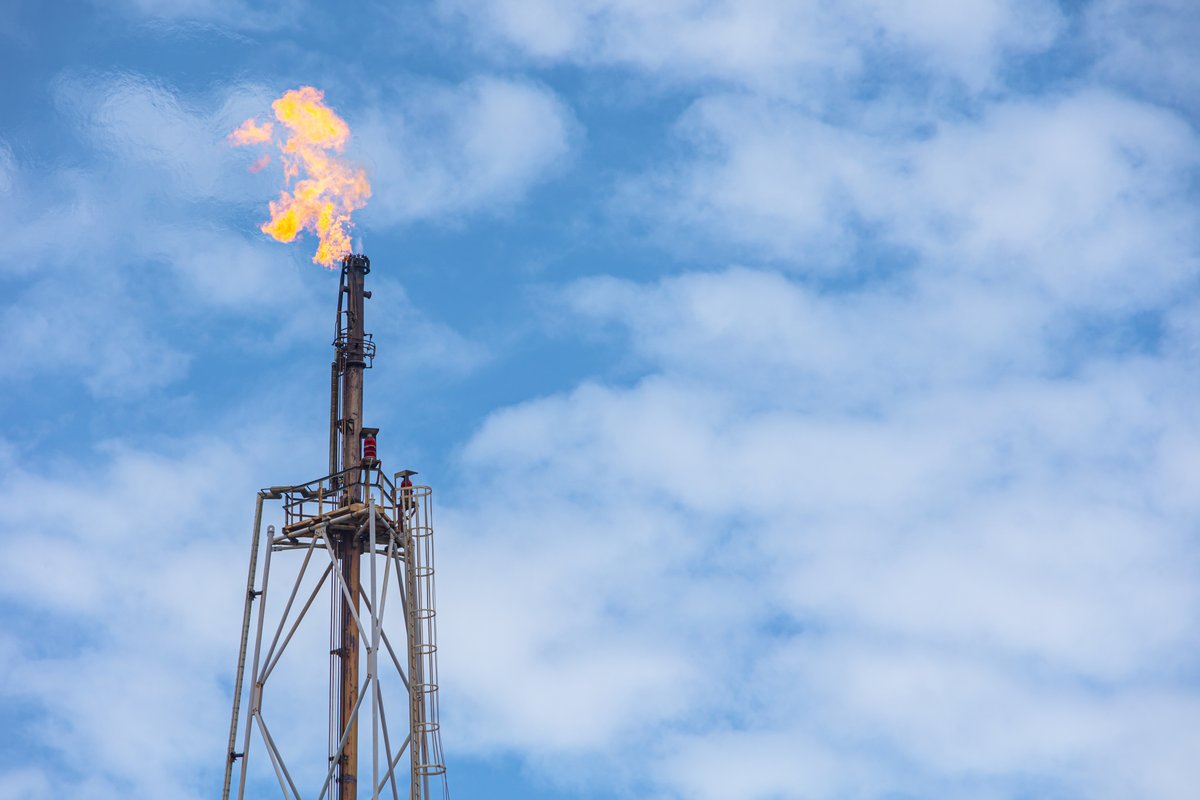
Five things you need to know about the Trump administration’s rollback of methane regulations
The gas is a major driver of climate change
📅
2026-10-29 11:00:00
•
Scientific American
Explore the latest scientific discoveries, science news, breakthroughs and developments from around the world.
The gas is a major driver of climate change
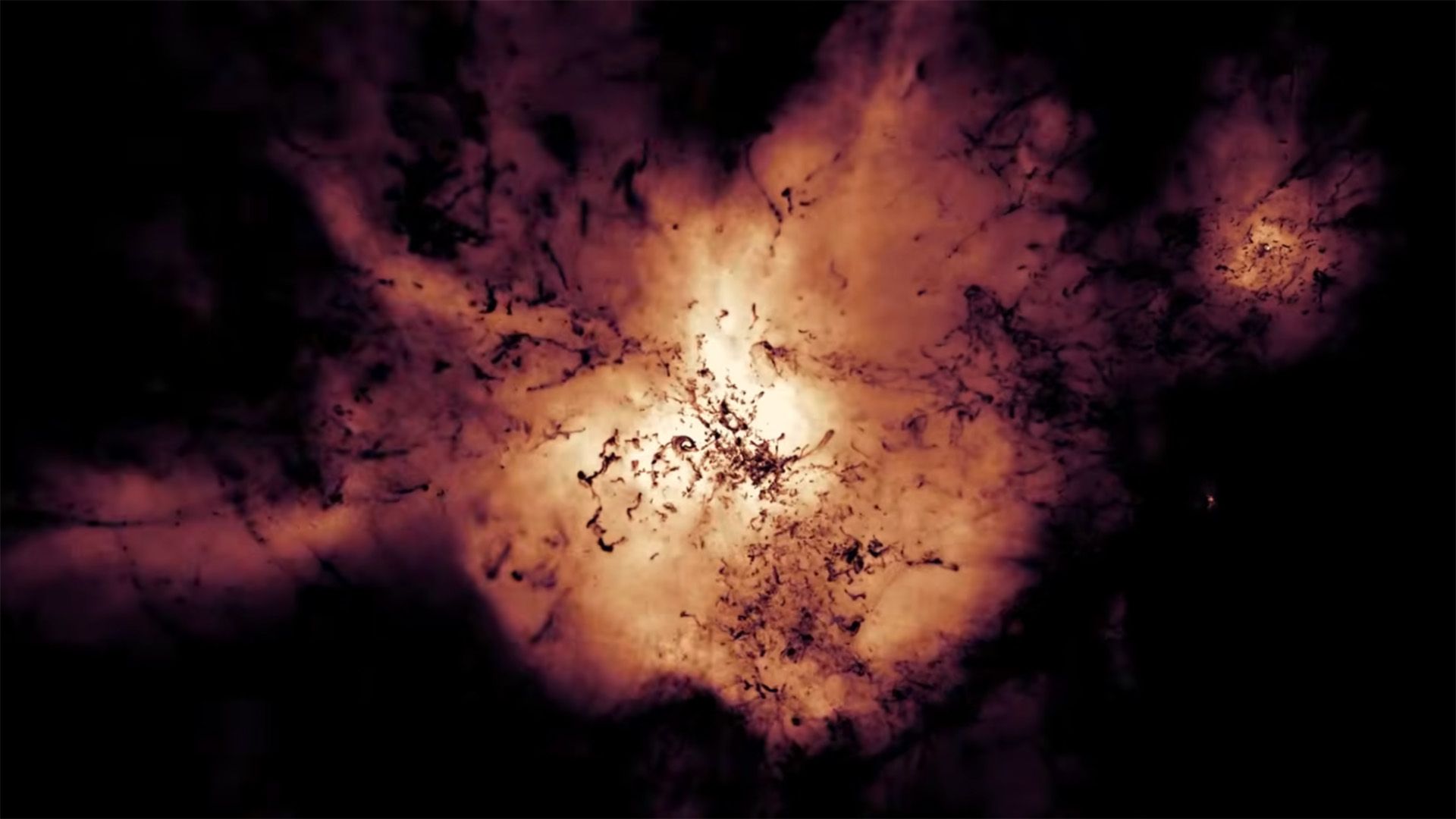
Scientists are getting a new glimpse of how the first galaxies came to be. In a stunning new simulation, researchers charted the aftermath of the universe's "dark age," including the appearance of the first galaxies that began to shine about 380,000 years after the Big Bang.Lumina, the program behind the simulation, catalogs 2 billion years of cosmic time and represents a decent chunk of the 13.8 billion-year-old history of our universe. The results were published Monday (Oct. 26) in the journal Monthly Notices of the Royal Astronomical Society."Other simulations cannot zoom in as far as this," study co-author Mark Vogelsberger, a professor of physics at MIT, said in a statement. "The differ...

Knots show how to generate infinitely many formulas of a kind developed by the visionary genius
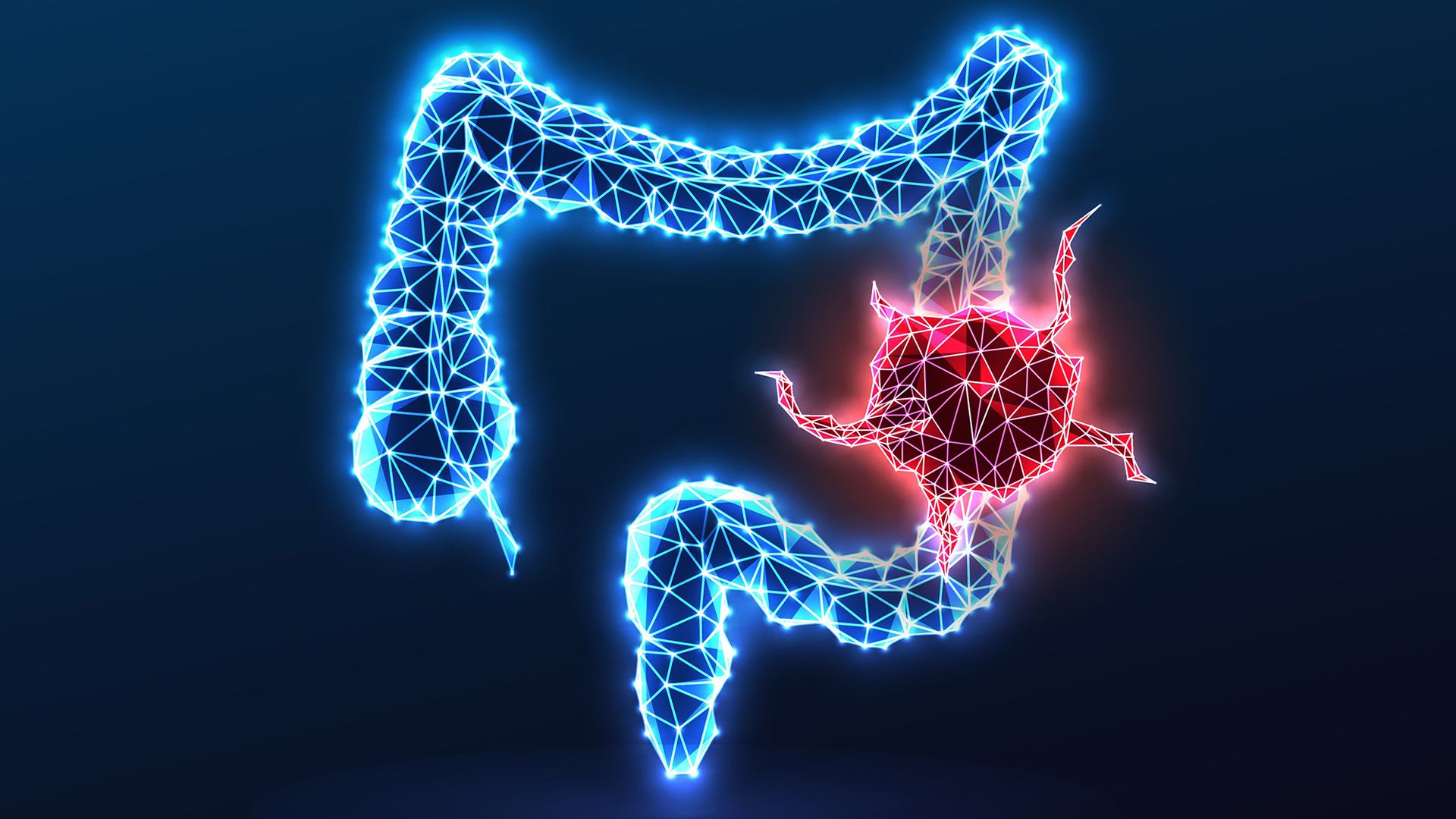
Colorectal cancer rates have been rising in people under 50 since the mid-1990s. These early-onset cancers tend to be more aggressive and resistant to treatment than cancers in older adults — and now, scientists may be learning why. A new study published Thursday (Oct. 29) in the journal Nature Medicine compared colorectal tumors from people between 29 and over 90 years old, and it revealed key differences between young and old patients. The new findings might, in turn, help scientists uncover new ways to fight colorectal cancer in young people, said study co-author Ana Anderson, a professor of neurology at Harvard Medical School and a core faculty member of the Gene Lay Institute of Immunol...

Finding alien life could shake some people to their very souls, but different religions can take very distinct approaches to the existence of extraterrestrial life
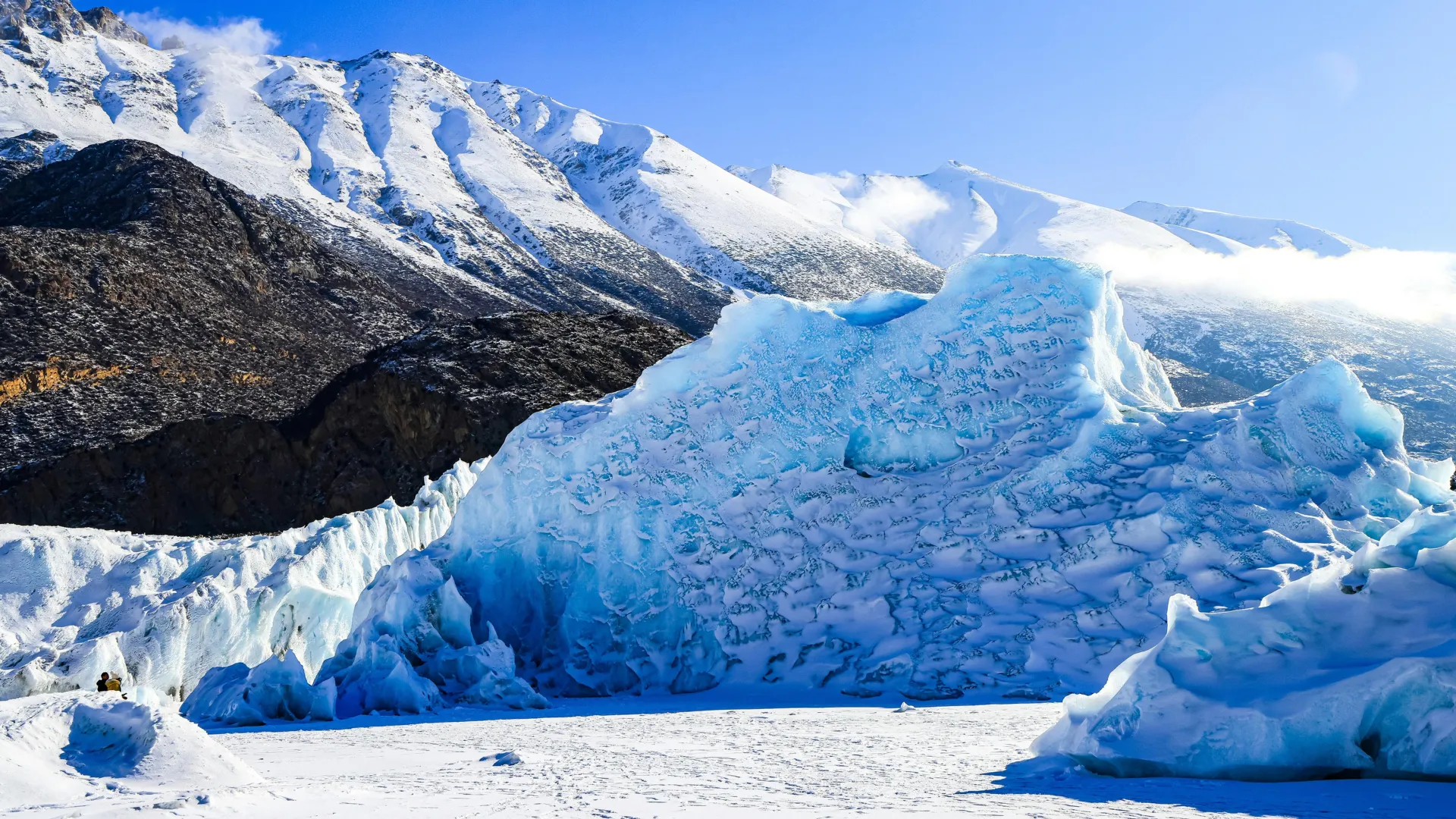
Ancient ice discovered high in Tibet may be more than 128,000 years old, preserving an extraordinary record of Earth's climate that scientists previously thought had been lost. The discovery reveals a rare glimpse into the last ice age and could reshape our understanding of how glaciers survive dramatic changes in global climate.

Researchers have discovered a small group of brain cells that prevents dangerous blood pressure swings, even when average readings appear normal. The finding reveals a hidden source of cardiovascular risk and could open the door to new treatments that protect the heart and brain.

Scientists have defied a long-standing rule of laser physics by generating X-rays with much higher energies than conventional theory predicts. The surprising discovery reveals how two electrons working together can overcome a previously accepted limit, opening new possibilities for quantum research.
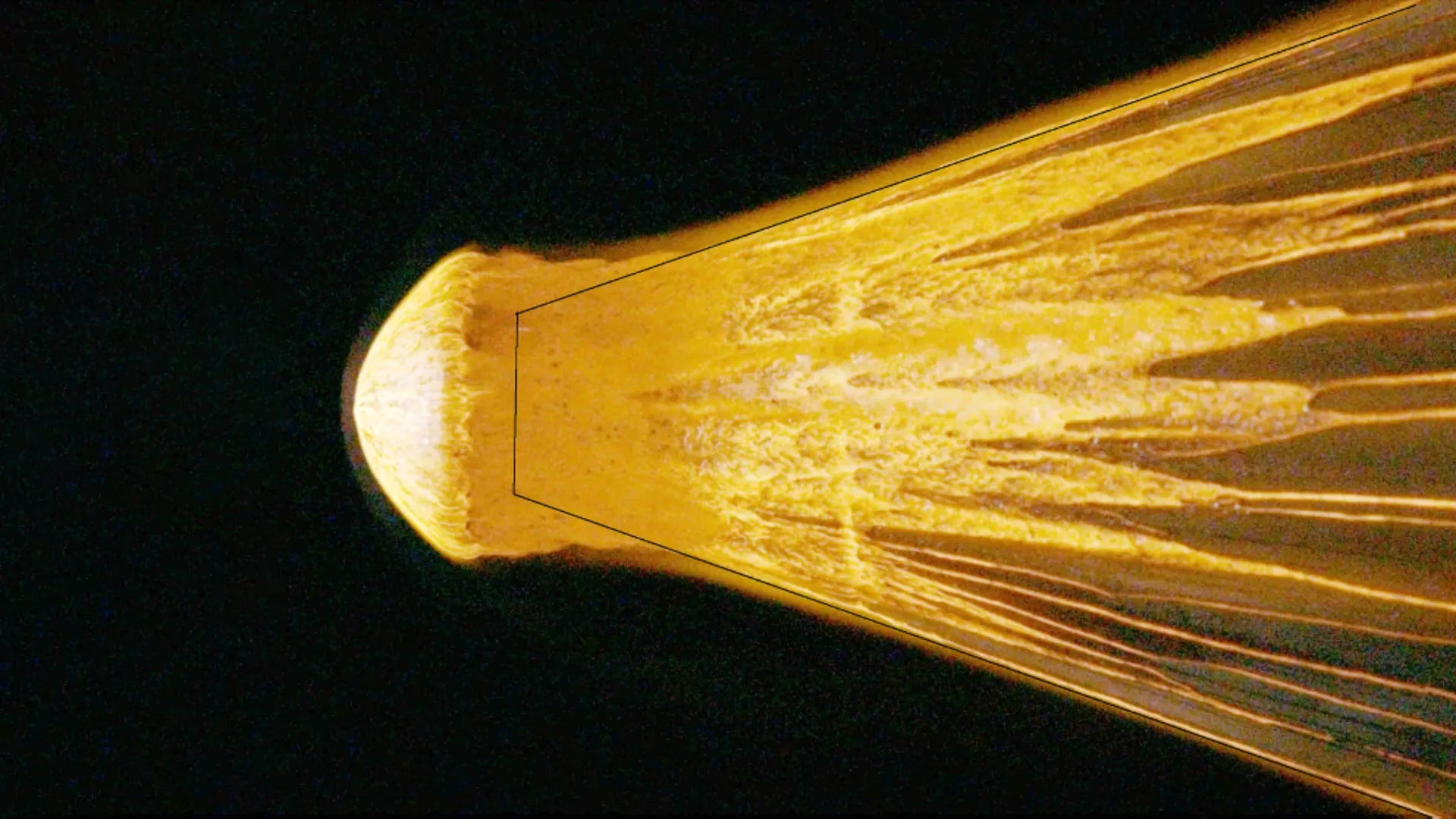
Scientists have uncovered seven surprising stages that space rocks go through as they hurtle toward Earth, revealing that melting and violent fragmentation, rather than simple evaporation, determine their fate. The discovery could help explain why meteorites scatter across the ground and how dangerous asteroids explode in Earth's atmosphere.

A new report co-authored by researchers from the University of York and WWF highlights how local communities across the U.K. imagine positive, sustainable, and resilient futures for the places where they live and work.
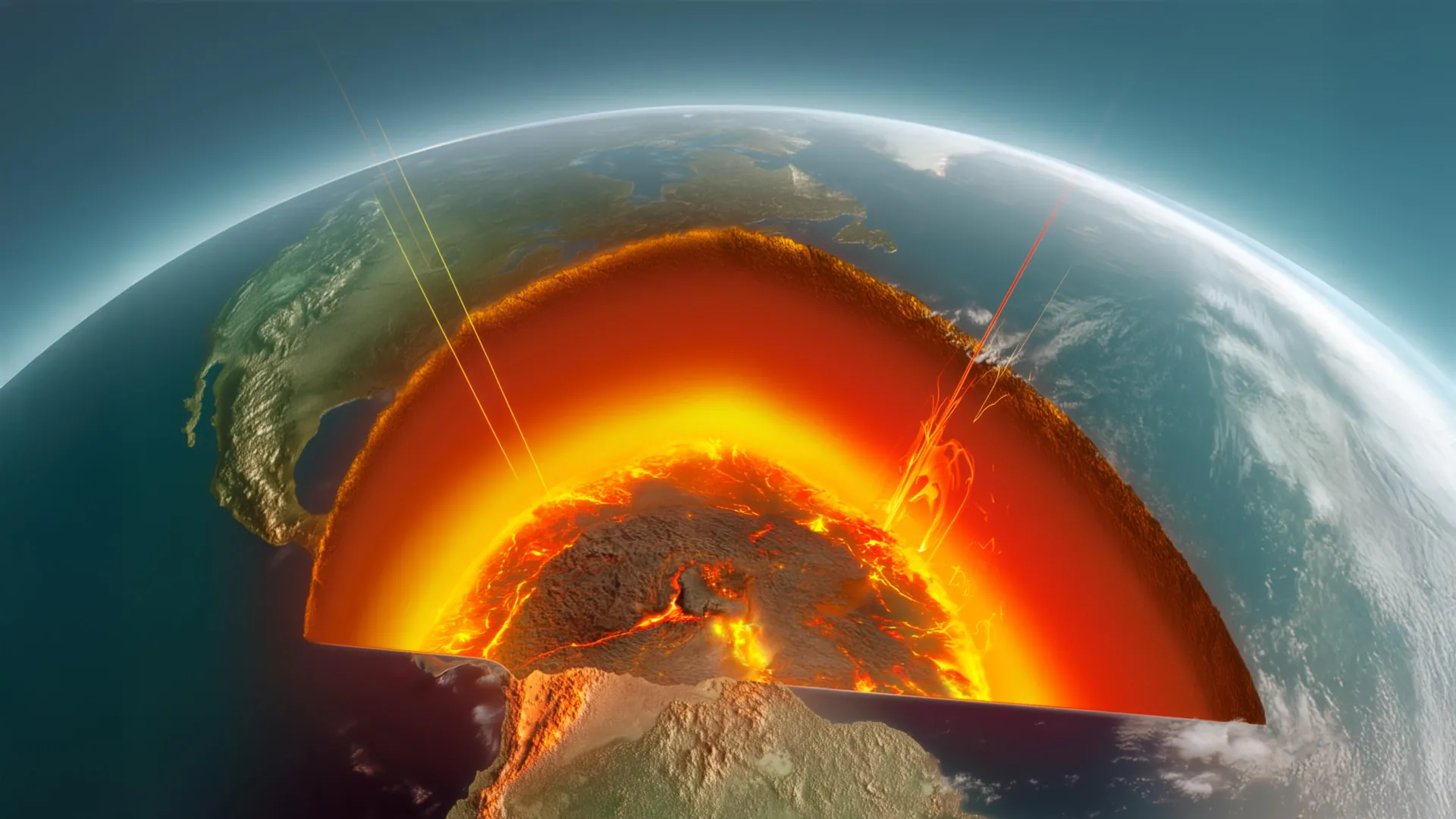
Scientists have discovered that magma deep inside Earth can store surprising amounts of extra oxygen, potentially revealing a hidden contributor to our planet's oxygen-rich atmosphere. The findings suggest that ancient volcanic eruptions may have helped transform Earth's atmosphere billions of years ago, with implications for understanding life on other planets.

When we think about Europe's winter weather, the Indian Ocean is probably not the first place we look. We might picture Atlantic storms, cold air arriving from the north or rain sweeping across the Mediterranean. In my research, however, I look at how these familiar weather systems fit into a much larger climate system. My colleagues and I asked whether an ocean thousands of kilometers away could leave a detectable signature on Europe's early winter.