Latest Scientific Discoveries

All News β†’
Scientists discover how pancreatic cancer rewrites its DNA to escape treatment
Science News

Scientists discover how pancreatic cancer rewrites its DNA to escape treatment

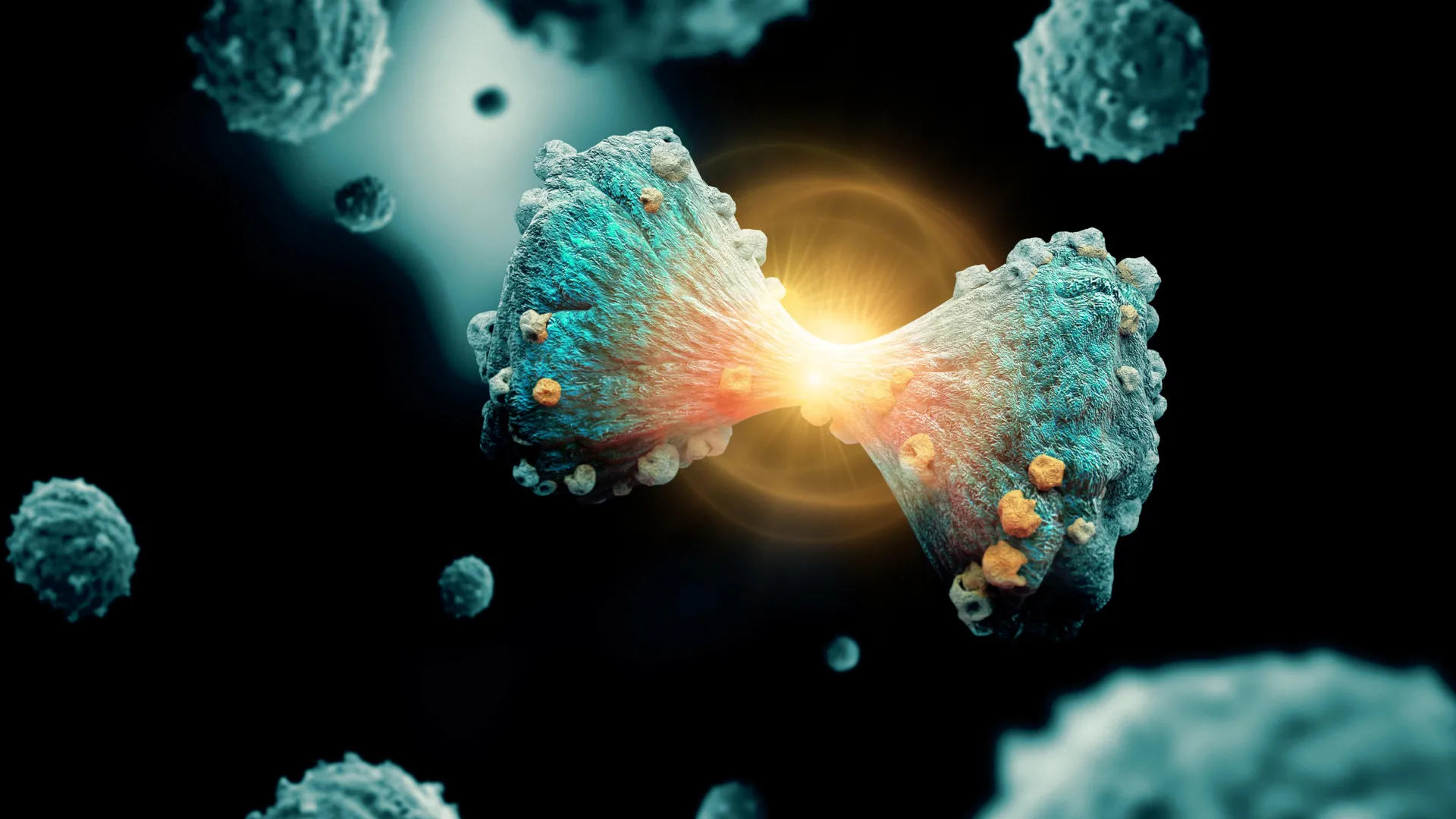
Scientists have discovered how pancreatic cancer cells continually reshape their genetic makeup to become more aggressive, spread, and evade treatment. In laboratory experiments, blocking a key gene reversed some of these dangerous changes, revealing a potential new way to fight the deadly disease.

πŸ“… 2026-10-25 11:00:25    β€’    ScienceDaily
Sea cucumber–inspired gel could help heal damaged tissue in humans
Science News

Sea cucumber–inspired gel could help heal damaged tissue in humans

Inspired by the ability of sea cucumbers to change the stiffness of their bodies, University of Waterloo researchers have developed a gel that could one day help repair damaged tendons and other soft tissues without leaving permanent material behind.

πŸ“… 2026-10-25 11:00:01    β€’    Phys.org
Low-dose aspirin linked to 70% lower dementia risk, but there's a catch
Science News

Low-dose aspirin linked to 70% lower dementia risk, but there's a catch

A common, inexpensive medication could hold an unexpected clue to preventing dementia. Researchers found that older adults with a specific genetic profile had a 70% lower relative risk of dementia when taking low-dose aspirin, even though previous studies found no overall protective effect. The discovery suggests that genetics could help explain why some people benefit while others do not.

πŸ“… 2026-10-25 10:21:48    β€’    ScienceDaily
Cosmic 'seagull' locks eyes with the Vera C. Rubin Observatory in long-awaited test image
Science News

Cosmic 'seagull' locks eyes with the Vera C. Rubin Observatory in long-awaited test image

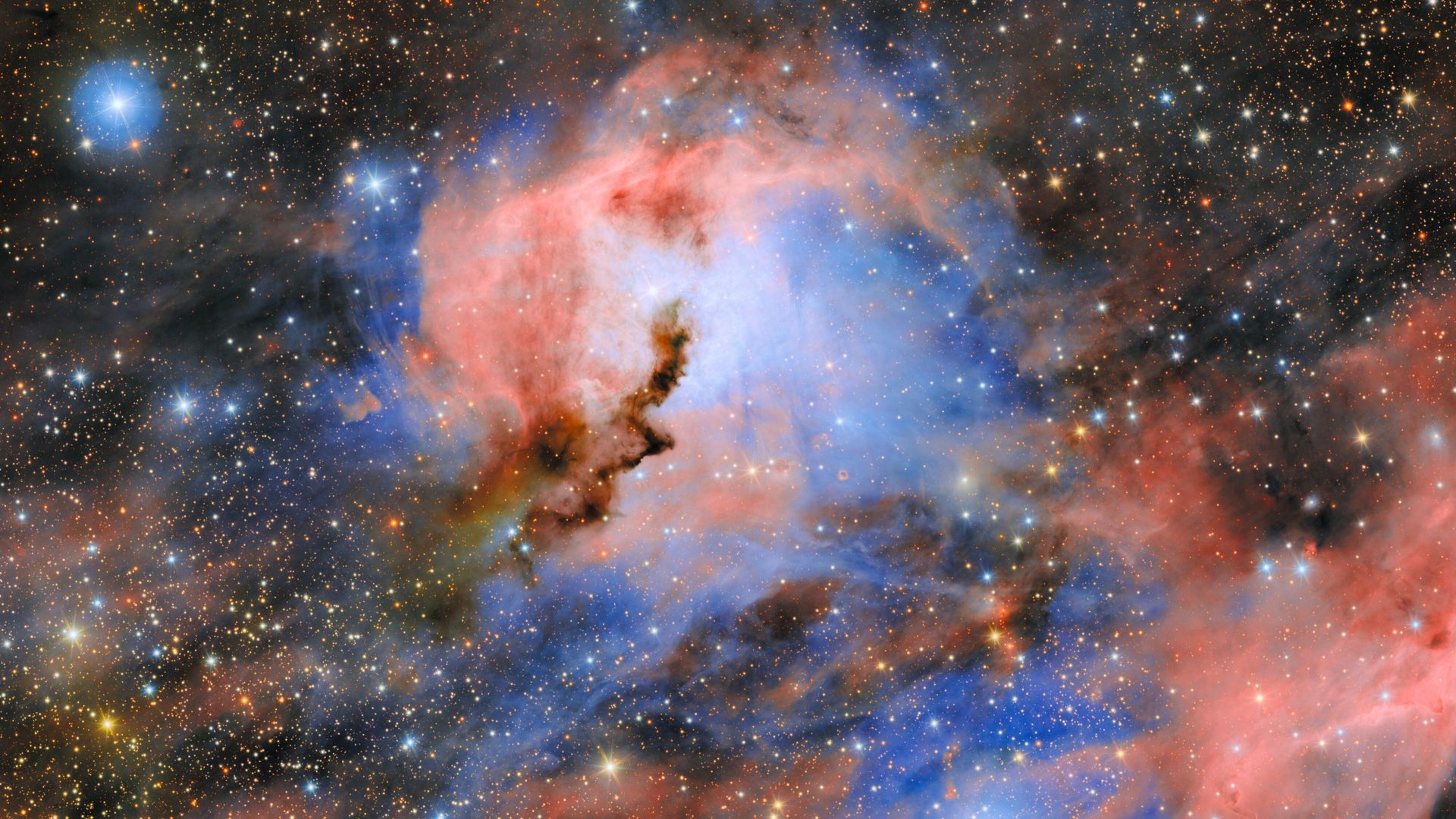
quick factsWhat it is: The head of the sassy Seagull Nebula (IC 2177)Where it is: Between the constellations Monoceros and Canis Major, about 3,700 light-years awayWhen it was shared: Oct. 22, 2026When a seagull stares you down, scientists recommend that you stare right back at it to keep your dignity (and your french fries) intact. Two years ago, astronomers at the Vera C. Rubin Observatory put this idea β€” and their brand-new telescope β€” to a test of cosmic proportions, aiming an experimental 144-megapixel camera at the menacing blue eye of the Seagull Nebula (IC 2177).Located about 3,700 light-years from Earth, the Seagull Nebula is a conglomeration of three giant, billowing clouds of irra...

πŸ“… 2026-10-25 10:00:00    β€’    Live Science
How purported tales of consuming vampire blood and organs spread in the 18th century
Science News

How purported tales of consuming vampire blood and organs spread in the 18th century

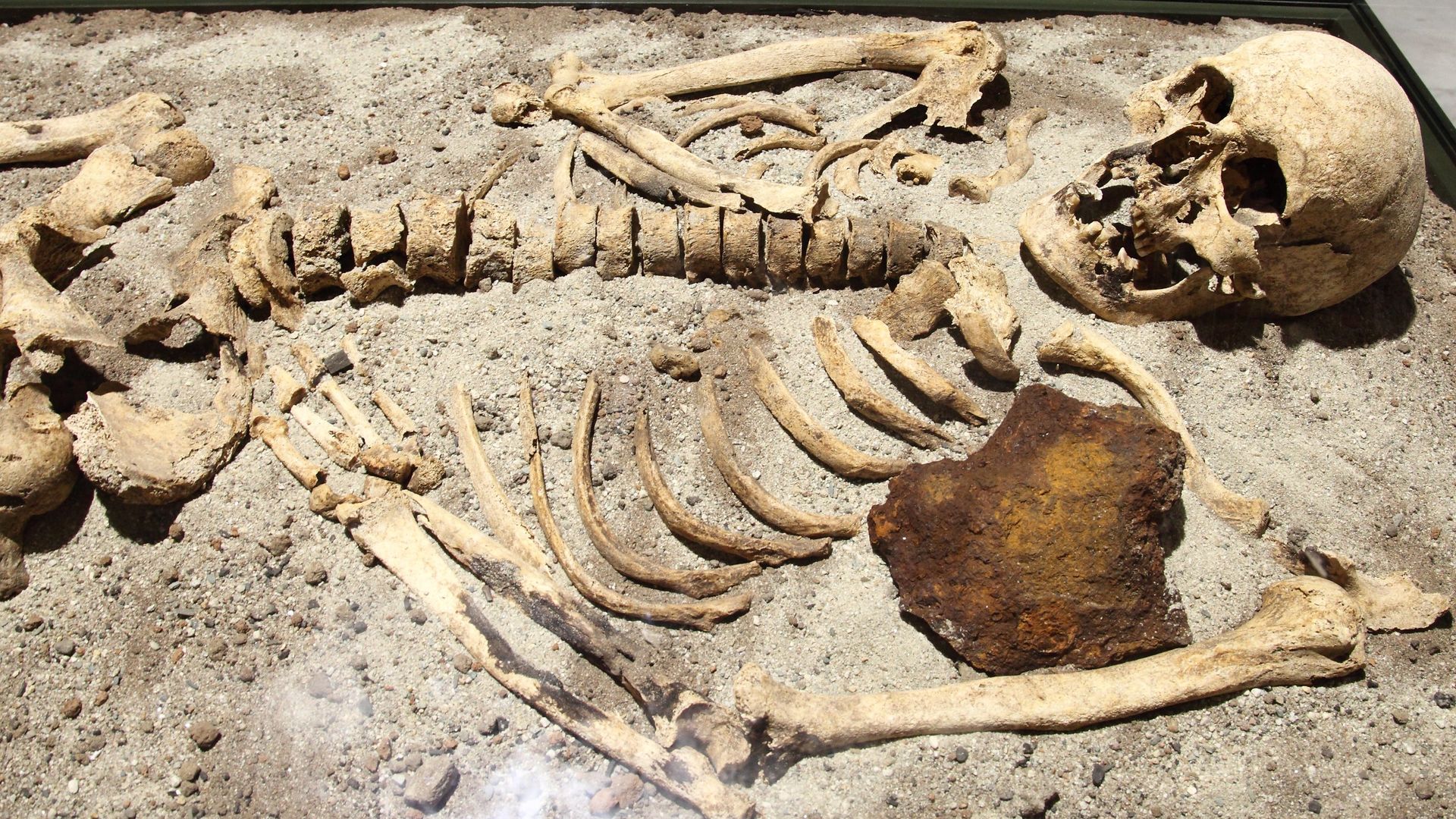
In the 17th and 18th centuries, the fear of vampires reached extraordinarily heights. People believed corpses could reanimate and wander around, terrorizing villages and spreading disease. They went to extreme lengths to prevent a vampire from rising. Some chopped the deceased person's head off, others placed sickles across their necks. Many were placed face down in their graves. In one grave in Poland, the remains of a boy were found with an iron padlock around his foot. In this excerpt from "Killing the Dead: Vampire Epidemics from Mesopotamia to the New World" (Princeton University Press, 2025), author and historian John Blair reveals the impact the printed press had on the spread of vamp...

πŸ“… 2026-10-25 10:00:00    β€’    Live Science
What happened when humans encountered Gigantopithecus?
Science News

What happened when humans encountered Gigantopithecus?

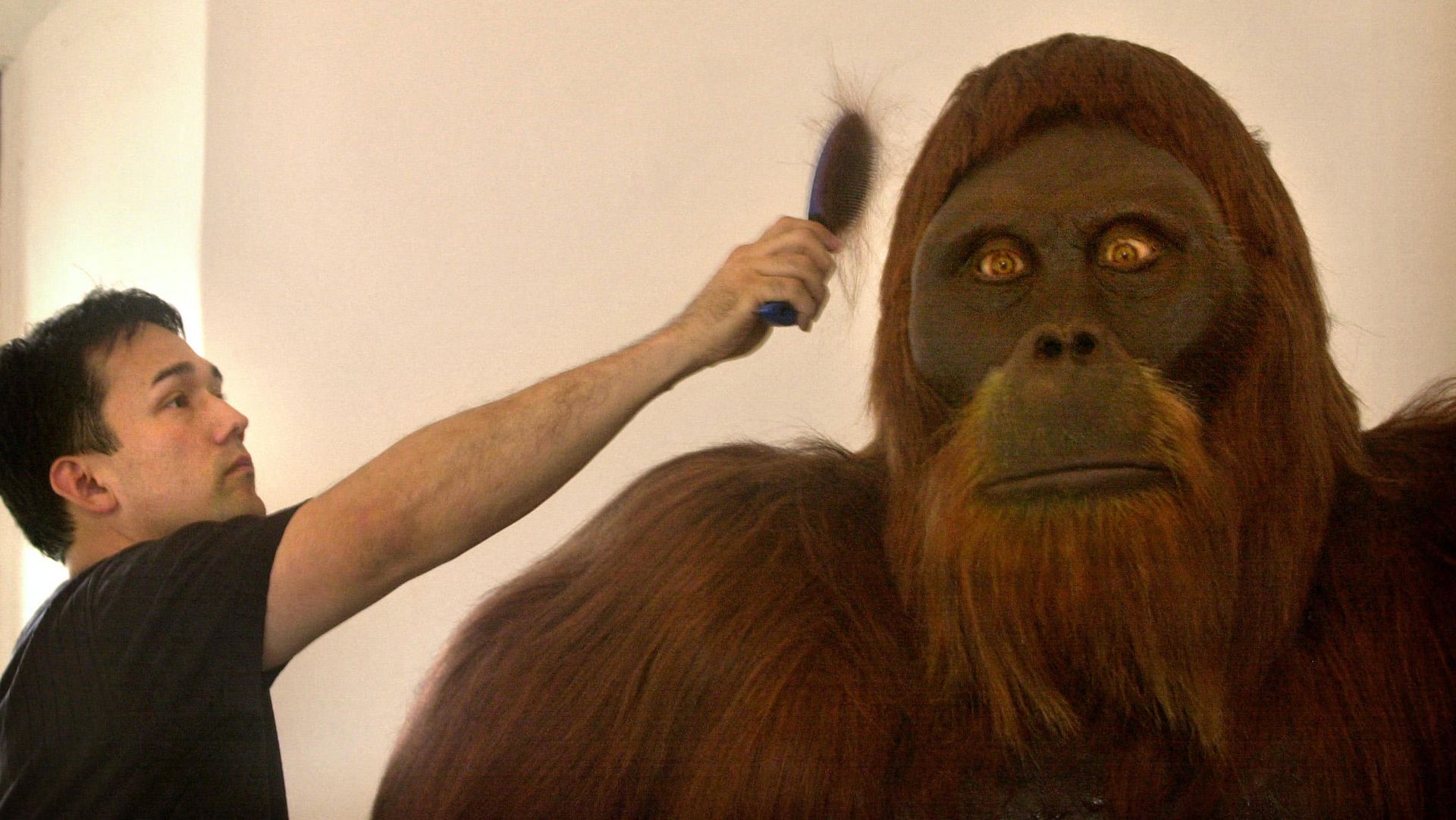
At nearly 10 feet (3 meters) tall and around 500 pounds (230 kilograms), Gigantopithecus was the largest primate that ever lived. Foraging across the dense tropical forests of Southeast Asia between 2 million and 200,000 years ago, the giant ape may have shared the habitat with new arrivals β€” hominins such as Homo erectus. (Hominins are members of the group that includes modern humans, their ancestors and closely related species, after the evolutionary split from great apes.)Despite their immense size Gigantopithecus mainly consumed plants and is closely related to modern-day orangutans. So what would have happened when Gigantopithecus encountered these human ancestors?Experts suggested a va...

πŸ“… 2026-10-25 09:00:00    β€’    Live Science
This mysterious mushroom makes people see hundreds of tiny humans
Science News

This mysterious mushroom makes people see hundreds of tiny humans

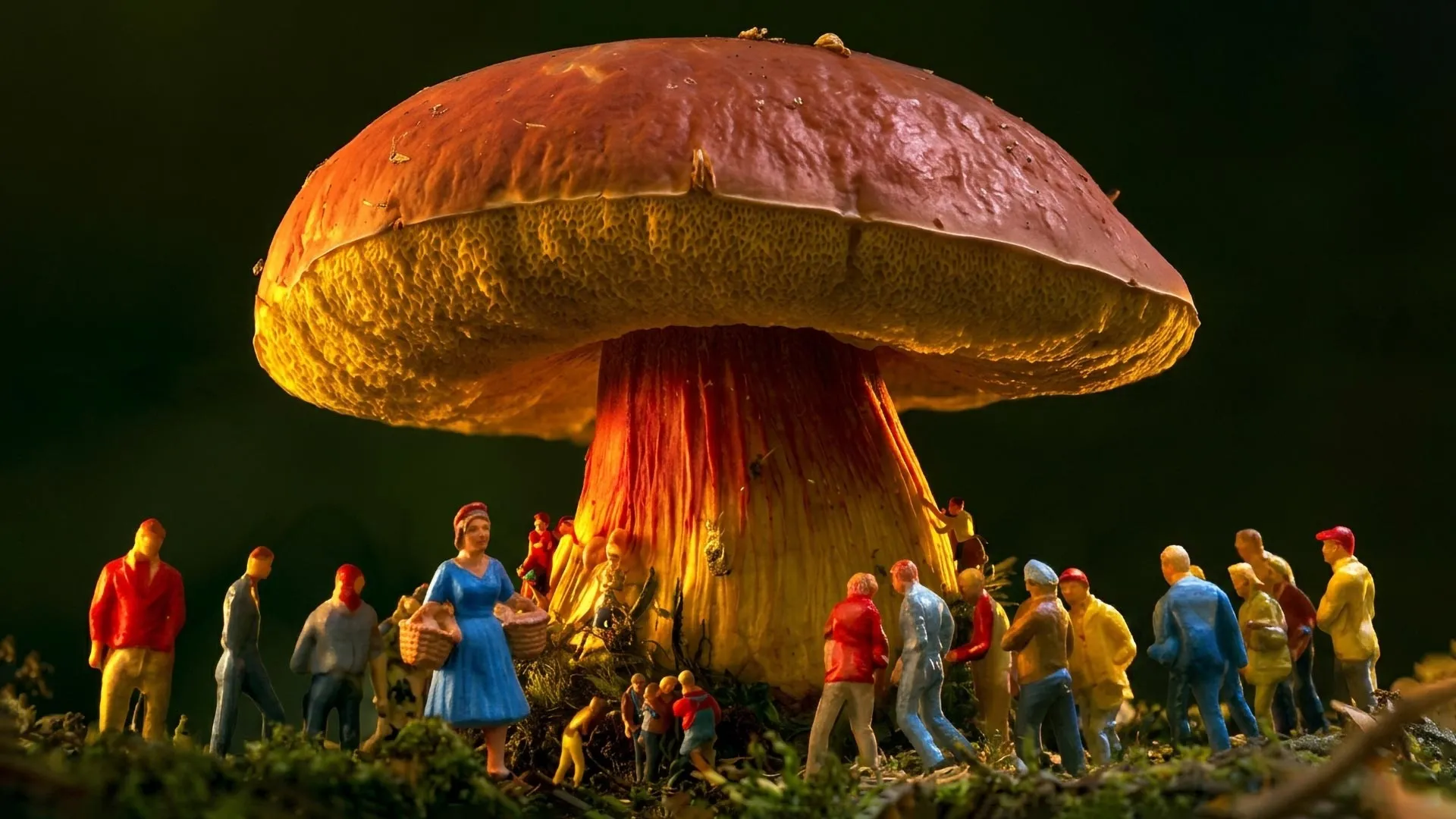
For nearly a century, people in distant parts of the world have reported a bizarre experience after eating certain wild mushrooms: seeing dozens or even hundreds of tiny, colorful humans moving through the real world. Now, scientists have identified a mushroom species, Lanmaoa asiatica, responsible for these extraordinary hallucinations in China and the Philippines.

πŸ“… 2026-10-25 06:36:10    β€’    ScienceDaily
Popular cannabis sleep gummies may have a hidden dark side
Science News

Popular cannabis sleep gummies may have a hidden dark side

A cannabis-derived ingredient commonly found in sleep gummies may be more habit-forming than previously thought, with new research showing that repeated exposure caused tolerance and withdrawal symptoms in mice. Scientists warn that CBN may carry risks similar to THC, although its long-term effects in humans remain largely unknown.

πŸ“… 2026-10-25 05:08:39    β€’    ScienceDaily
Astronomers may have discovered the first moon beyond our Solar System
Science News

Astronomers may have discovered the first moon beyond our Solar System

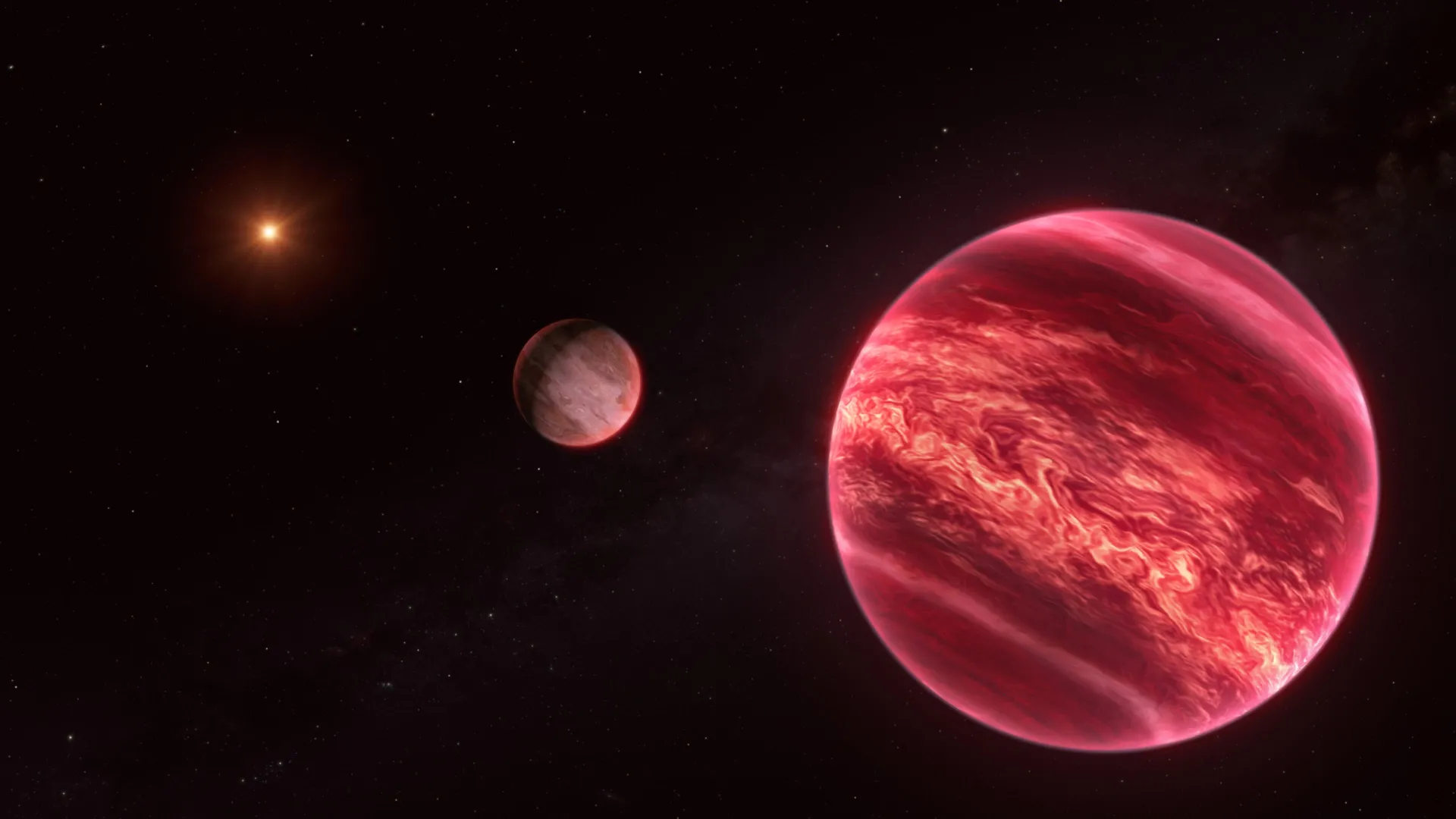
Astronomers have uncovered evidence of a bizarre, potentially historic discovery: the first moon ever detected beyond our Solar System. Unlike familiar moons, this mysterious object is at least as massive as Jupiter and orbits a brown dwarf, which itself circles a star. The unusual arrangement challenges traditional definitions of planets and moons, leaving scientists unsure what to call it.

πŸ“… 2026-10-25 03:13:05    β€’    ScienceDaily
Scientists discover a hidden flaw that challenges 40 years of superconductor science
Science News

Scientists discover a hidden flaw that challenges 40 years of superconductor science

A superconducting material studied for 40 years has turned out to be far more complex than scientists believed. Advanced 3D imaging revealed a hidden patchwork of crystal structures, with unusually wide boundaries that may weaken superconductivity. The discovery challenges decades of scientific assumptions and could explain why some superconductors outperform others.

πŸ“… 2026-10-25 02:19:07    β€’    ScienceDaily
Mediterranean diet may boost tiny proteins that protect the heart and brain
Science News

Mediterranean diet may boost tiny proteins that protect the heart and brain

Scientists have uncovered a surprising new clue to why the Mediterranean diet is so good for the heart, brain, and healthy aging. Researchers at USC found that older adults who closely followed the diet had higher levels of two tiny proteins, humanin and SHMOOSE, produced by the mitochondria, the energy-producing structures inside cells. These proteins have been linked to protection against heart disease, Alzheimer's disease, and age-related damage.

πŸ“… 2026-10-25 01:38:38    β€’    ScienceDaily