Atlanta's new giant pandas will make their public debut after a 2-year absence
Panda lovers are expected to line up Friday at Zoo Atlanta to see a new pair of giant pandas make their public debut.
Explore the latest scientific discoveries, science news, breakthroughs and developments from around the world.
Panda lovers are expected to line up Friday at Zoo Atlanta to see a new pair of giant pandas make their public debut.
Drinking two to three cups of caffeinated coffee daily was linked to a dramatically lower risk of dementia and better cognitive functioning in a study spanning up to 43 years. The benefits appeared regardless of genetic risk, but decaffeinated coffee did not show the same association.
Humans collectively produce more than 2 billion tonnes of carbon dioxide annually just by turning food into energy, a 74% increase over three decades largely driven by population growth. Unlike fossil fuel emissions, however, the CO2 we exhale is part of the natural carbon cycle, and scientists say measuring it more accurately could improve climate models.
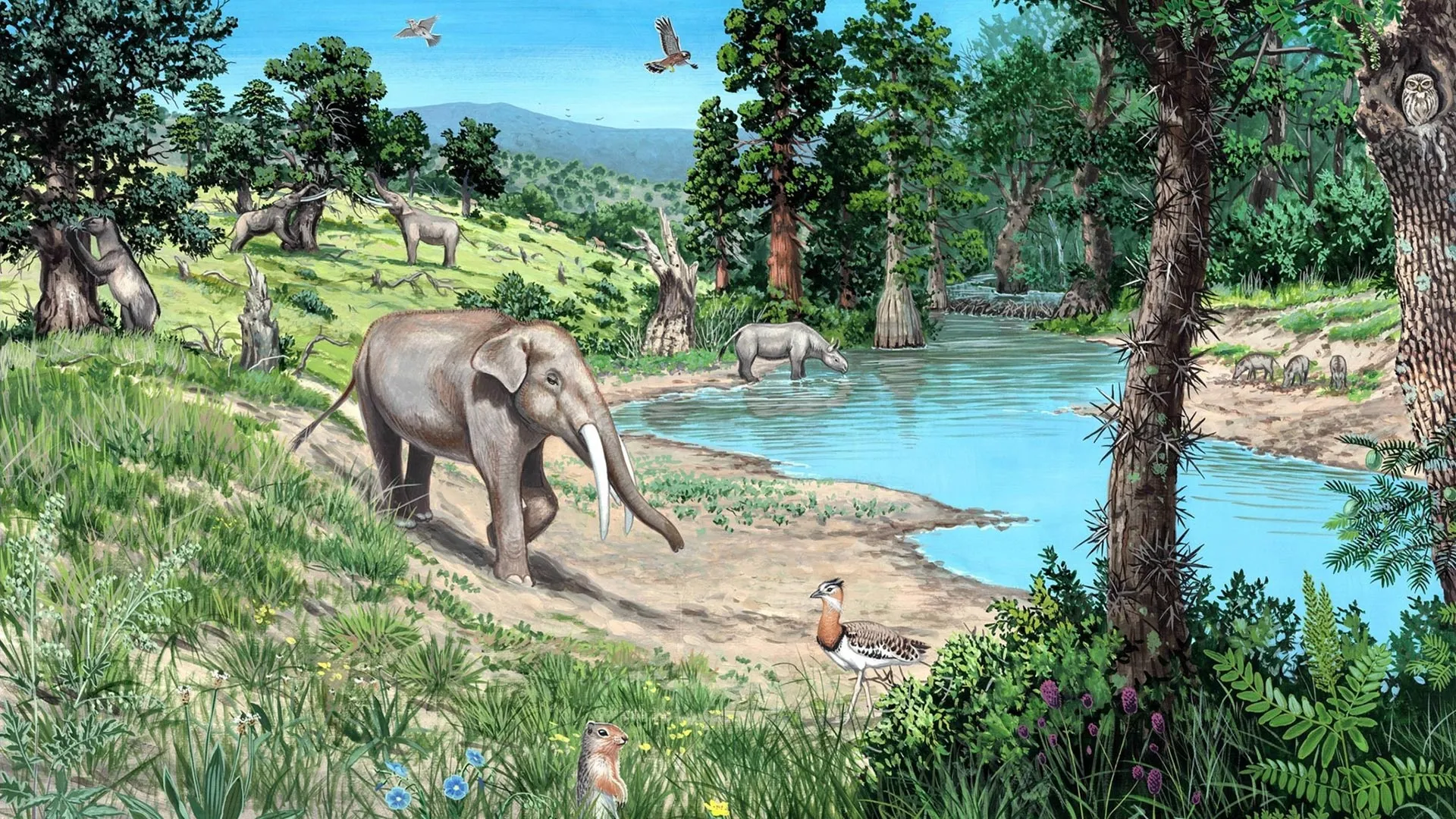
Scientists have uncovered evidence that Europe was dominated for more than 20 million years by open woodlands, colorful meadows, and large grazing animals, not the dense forests long considered its natural state. The surprising discovery challenges modern reforestation strategies, suggesting that planting thick forests could actually harm the biodiversity conservationists hope to protect.
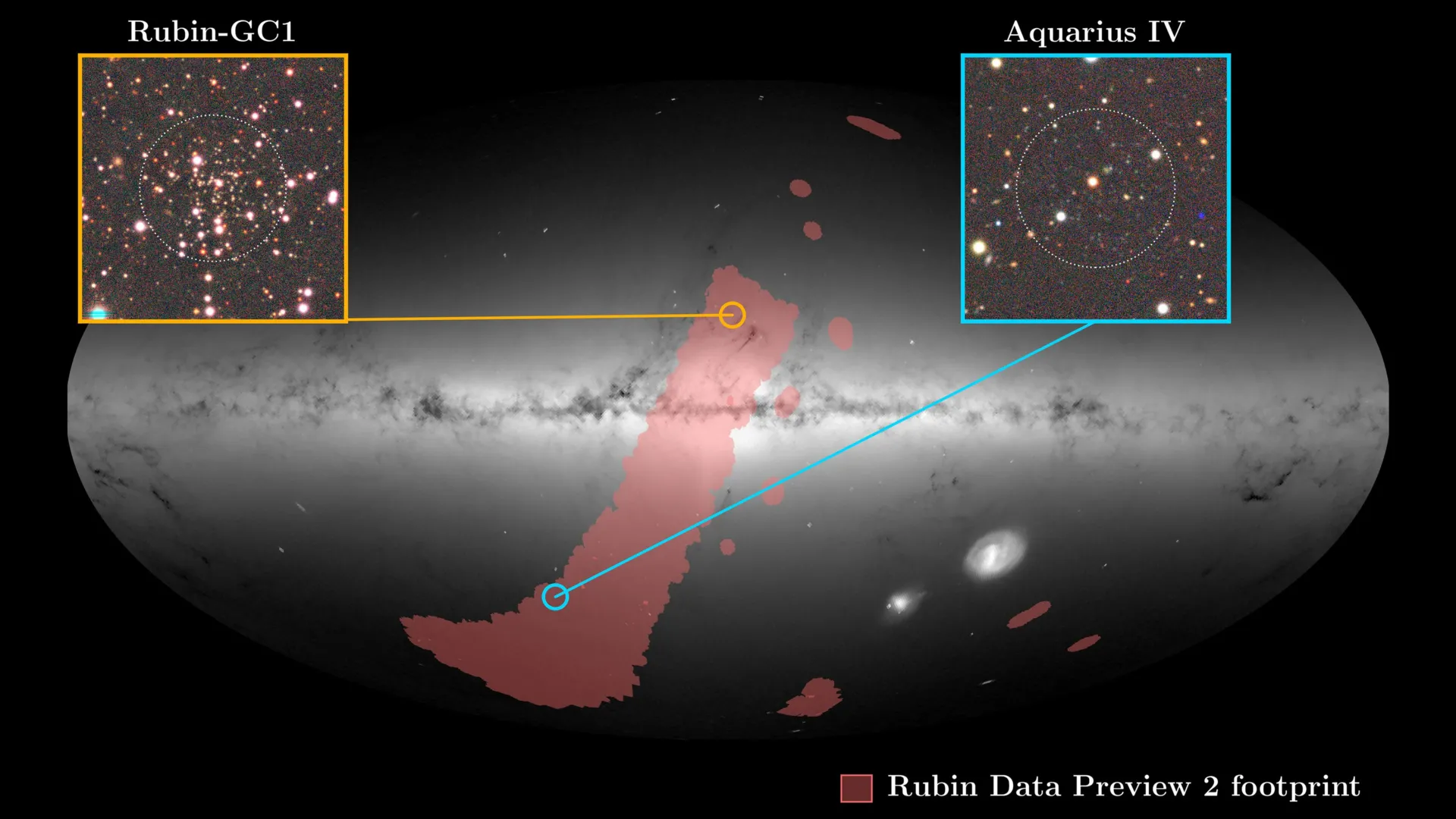
The Vera C. Rubin Observatory has already uncovered two previously unknown companions of the Milky Way using preliminary observations covering just 7% of the night sky. The discoveries include an extremely faint galaxy 355,000 light-years away and a star cluster hidden behind cosmic dust. Scientists suspect hundreds of additional satellite galaxies remain undiscovered, and Rubin's powerful telescope could finally bring them into view.
Can you guess the puzzle writer’s secret formula?
It took around 480,000 trucks to haul away 4.8 million metric tons (5.3 million tons) of rubble across western Jamaica after Hurricane Melissa tore through the Caribbean in 2025, United Nations satellites showed.
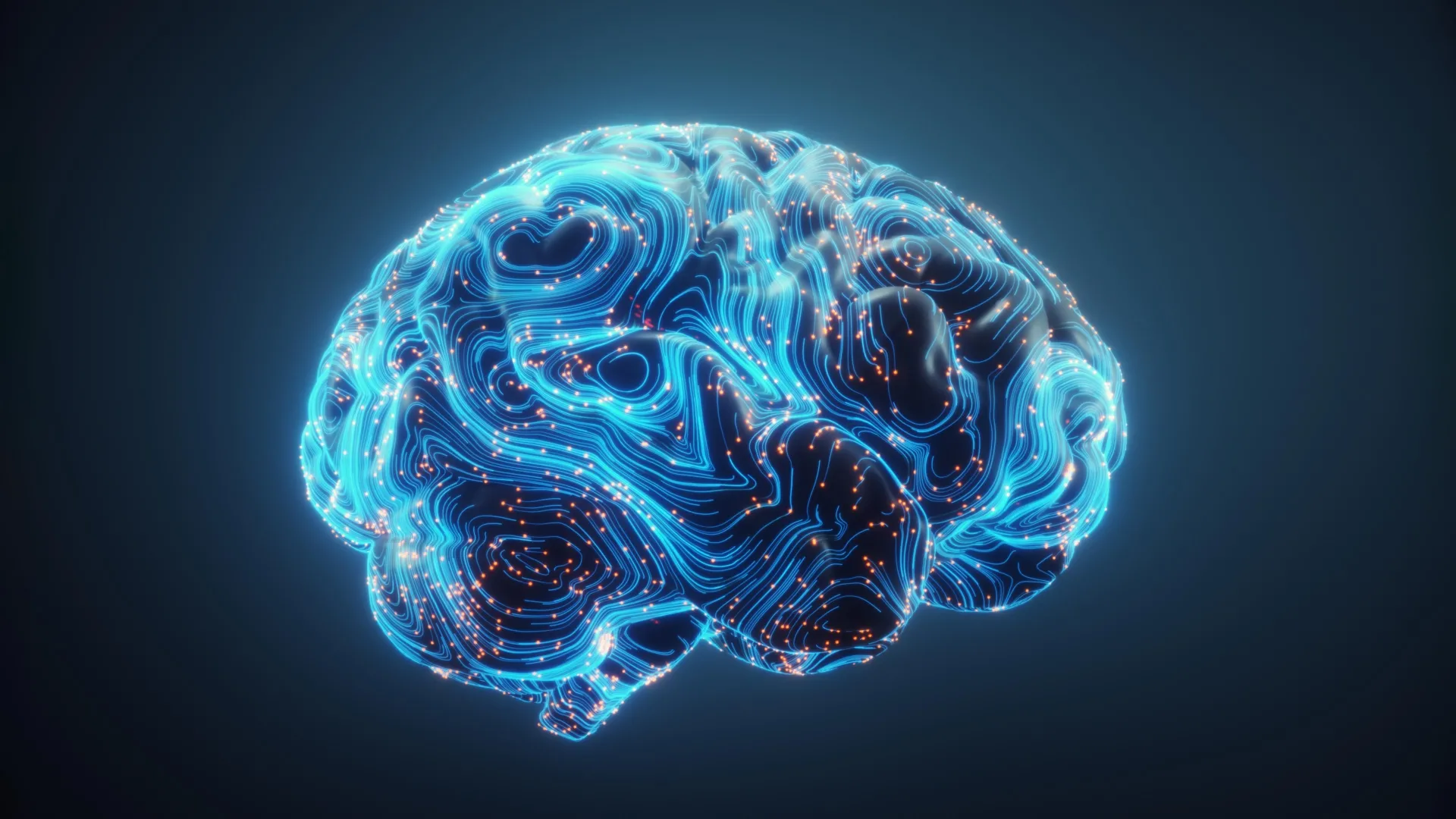
A surprising discovery reveals how psilocybin, the active compound in magic mushrooms, rapidly reshapes the brain by creating new neural connections and strengthening them. Researchers found that the drug behaves differently in healthy and chronically stressed mice, potentially helping repair brain circuits damaged by prolonged stress. Most intriguingly, they identified a way to trigger this brain rewiring without the behavioral response associated with psychedelic effects.
A figure in red trudges across a blanket of white. Snow squeaks under the scientist's feet, too dry to be slick or soft. Only a line of flags and a few large buildings—the scientist's destination—break up the landscape. The sun hovers on the horizon, never quite setting against a blue sky devoid of clouds.
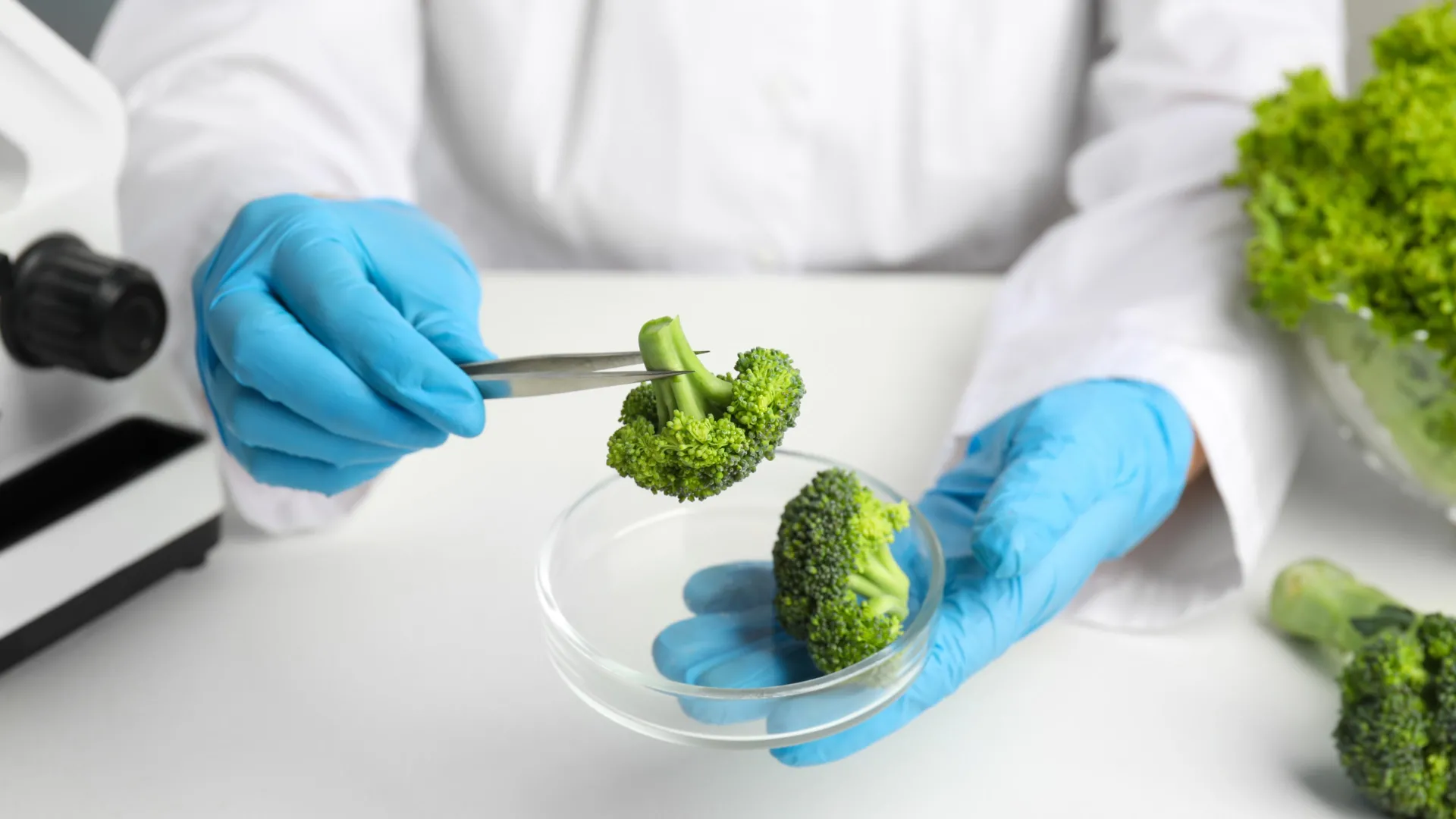
A compound naturally found in broccoli could help fight Friedreich ataxia, a devastating genetic disease that progressively damages the nervous system, by boosting a vital protein and protecting nerve cells. Scientists hope the discovery could lead to an affordable treatment, although clinical trials are still needed to establish its effectiveness in patients.
Spring is the season of blooming flowers and buzzing bees.
Few insects have a more gruesome lifestyle than Darwin wasps. Rather than simply hunting other animals, these parasitic wasps lay their eggs on or inside living hosts, including caterpillars, beetles and spiders. Their larvae then feed on their hosts, gradually consuming them and eventually killing them.