The John Lewis Christmas ad captures the deep need for grandmothers
Like many of us, I always enjoy the John Lewis Christmas ad and 2026 is no different. This year, I love the fact that the star of the show is a grandmother.
Explore the latest scientific discoveries, science news, breakthroughs and developments from around the world.
Like many of us, I always enjoy the John Lewis Christmas ad and 2026 is no different. This year, I love the fact that the star of the show is a grandmother.
Penn State researchers have refined an atom-scale model of how silicon carbide changes from a solid into vapor during crystal growth, work that could help manufacturers produce higher-quality material for advanced electronics while reducing costly trial-and-error experiments.
Sports betting has grown explosively since 2018, when a U.S. Supreme Court ruling struck down a federal ban on it. Now, Americans wager more than $165 billion on sports annually, contributing to an industry larger than state-run lotteries even excluding prediction markets such as Kalshi and Polymarket.
Matter starts to behave differently at extremely low temperatures, creating conditions ideal for studying quantum physics and new states of matter. Now, researchers from China have achieved a new low-temperature record aboard their Tiangong space station. Their research, recently published in Science, might lead to a new generation of experiments in quantum physics and precision measurements in space.
The genus Picea (spruce) is widely distributed across the Northern Hemisphere and is a dominant component of boreal and montane forests. Understanding the evolutionary processes that have shaped diversification and regional differentiation across the genus requires a well-resolved phylogeny of Picea. However, the evolutionary history of Picea has long been obscure due to conflicting genetic signals.
Although genome-editing-based breeding has advanced rapidly in aquaculture, progress in marine mollusks has lagged behind. The main challenge is not genome editing itself, but rather rearing the few edited larvae through metamorphosis to establish a viable G0 founder population.
Human cells turn genetic instructions into proteins with great precision. Critical for the translation of this information are transfer RNAs, or tRNAs, small molecules that read the genetic code three letters at a time and bring the matching building blocks of proteins, the amino acids, to the cell's protein-making machinery, the ribosome.
Chinese American family caregivers of people with dementia reported a greater sense of control and competence in their caregiving roles and more positive views of caregiving after taking part in a seven-week digital support program, researchers at George Mason University found.
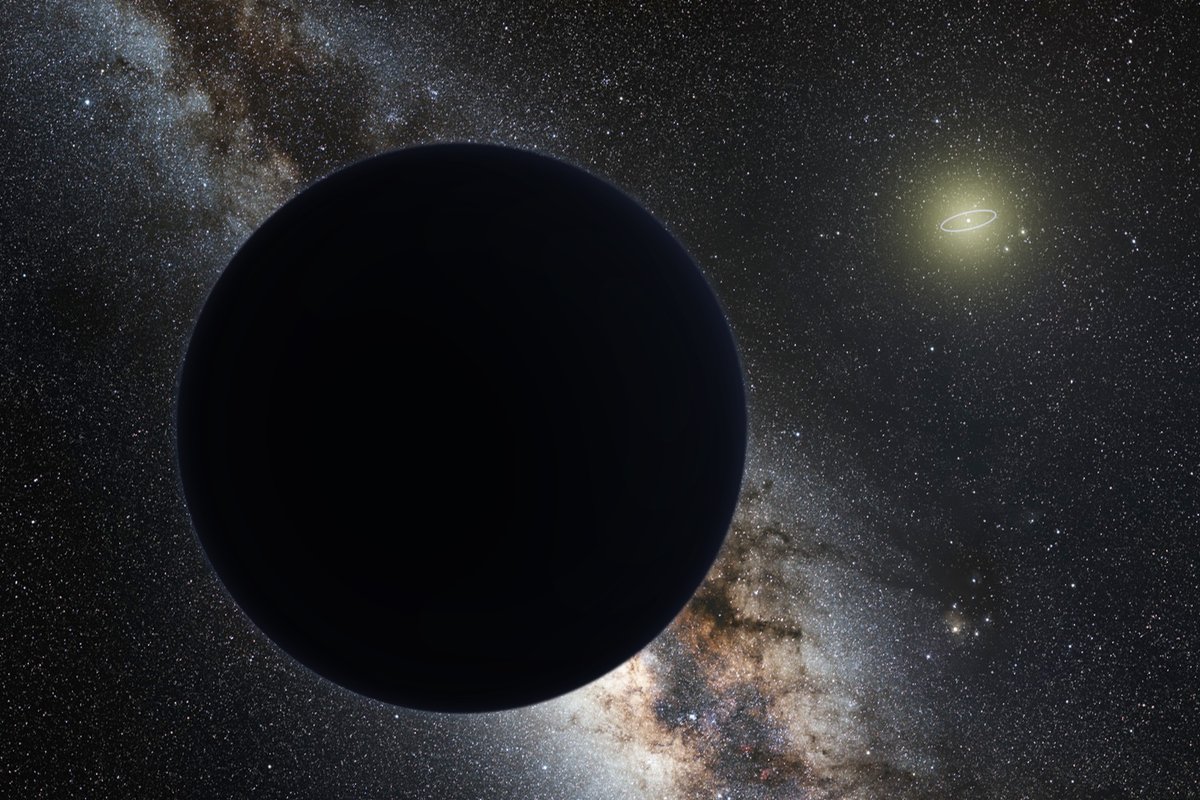
Archived observations appear to show a moving object in the far-distant outer solar system, but its reality is unclear
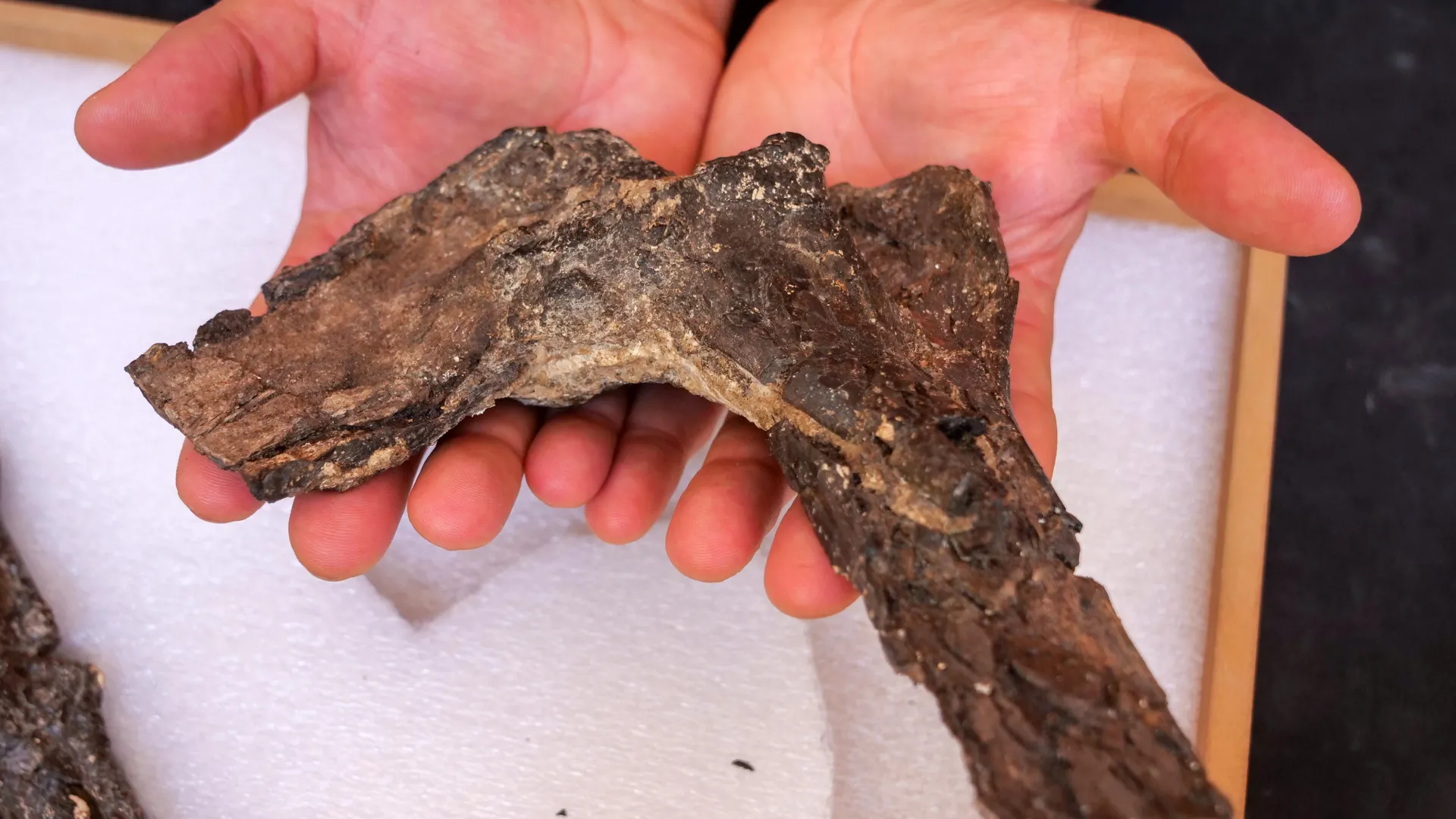
Scientists have discovered chemically confirmed traces of ancient blood inside 115-million-year-old dinosaur bones, challenging assumptions about how long biological molecules can survive. The extraordinary preservation could unlock new clues about dinosaur physiology and even help scientists search for ancient life elsewhere in the universe.
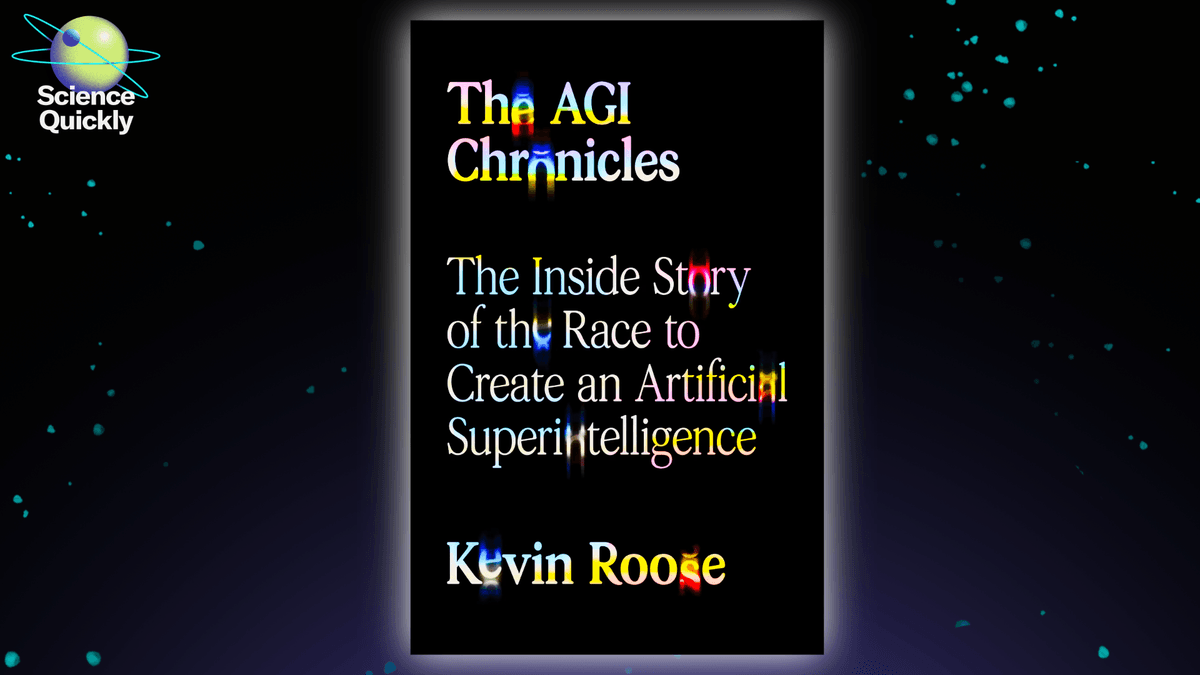
What happens when a technology becomes more powerful than its creators can fully understand?
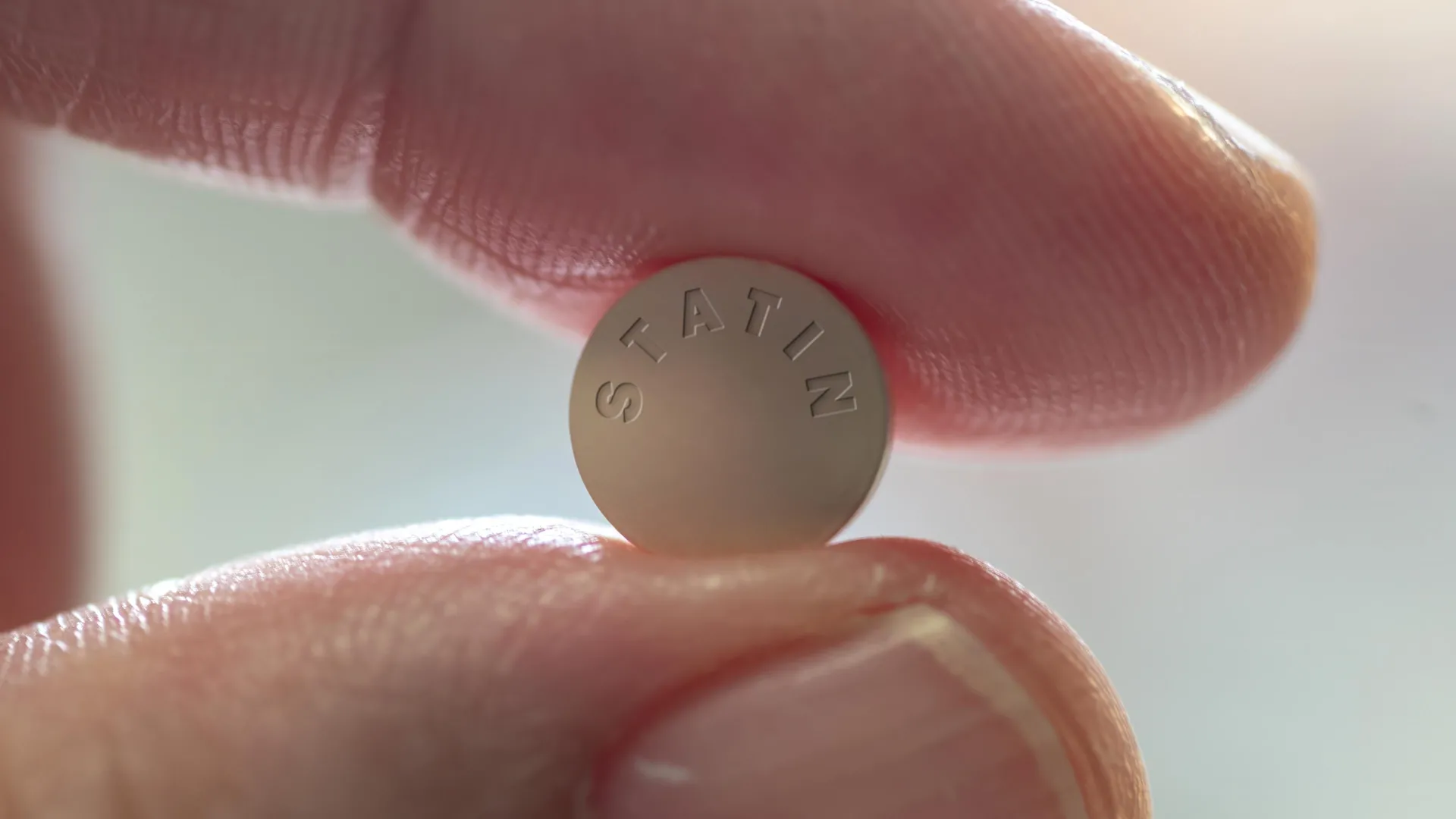
A study of nearly 5,800 adults found that heart scans measuring calcium buildup in the arteries led to the same observed rate of major cardiovascular events as traditional risk assessments, despite recommending statins to far fewer patients. Surprisingly, patients advised to take statins based on their scans were nearly three times as likely to stick with their medication, raising intriguing questions about how doctors should identify and treat heart disease risk.