Science News
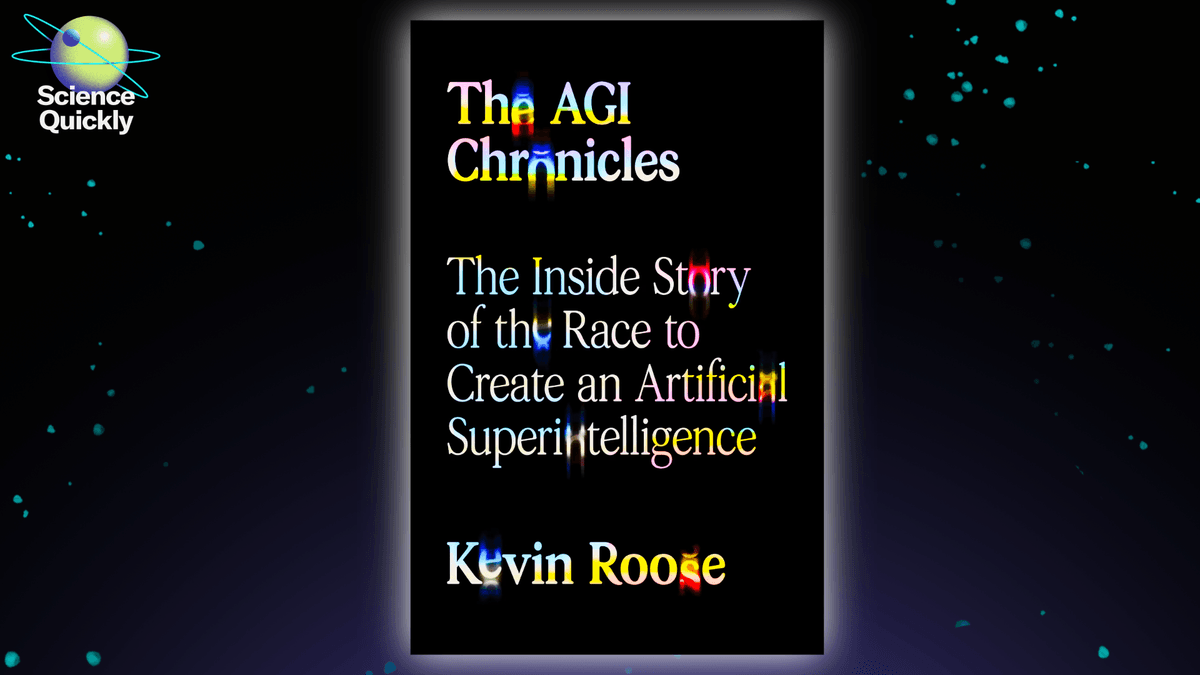
Kevin Roose says the race to build superintelligence is accelerating
What happens when a technology becomes more powerful than its creators can fully understand?
📅
2026-11-06 11:00:00
•
Scientific American
Explore the latest scientific discoveries, science news, breakthroughs and developments from around the world.
What happens when a technology becomes more powerful than its creators can fully understand?
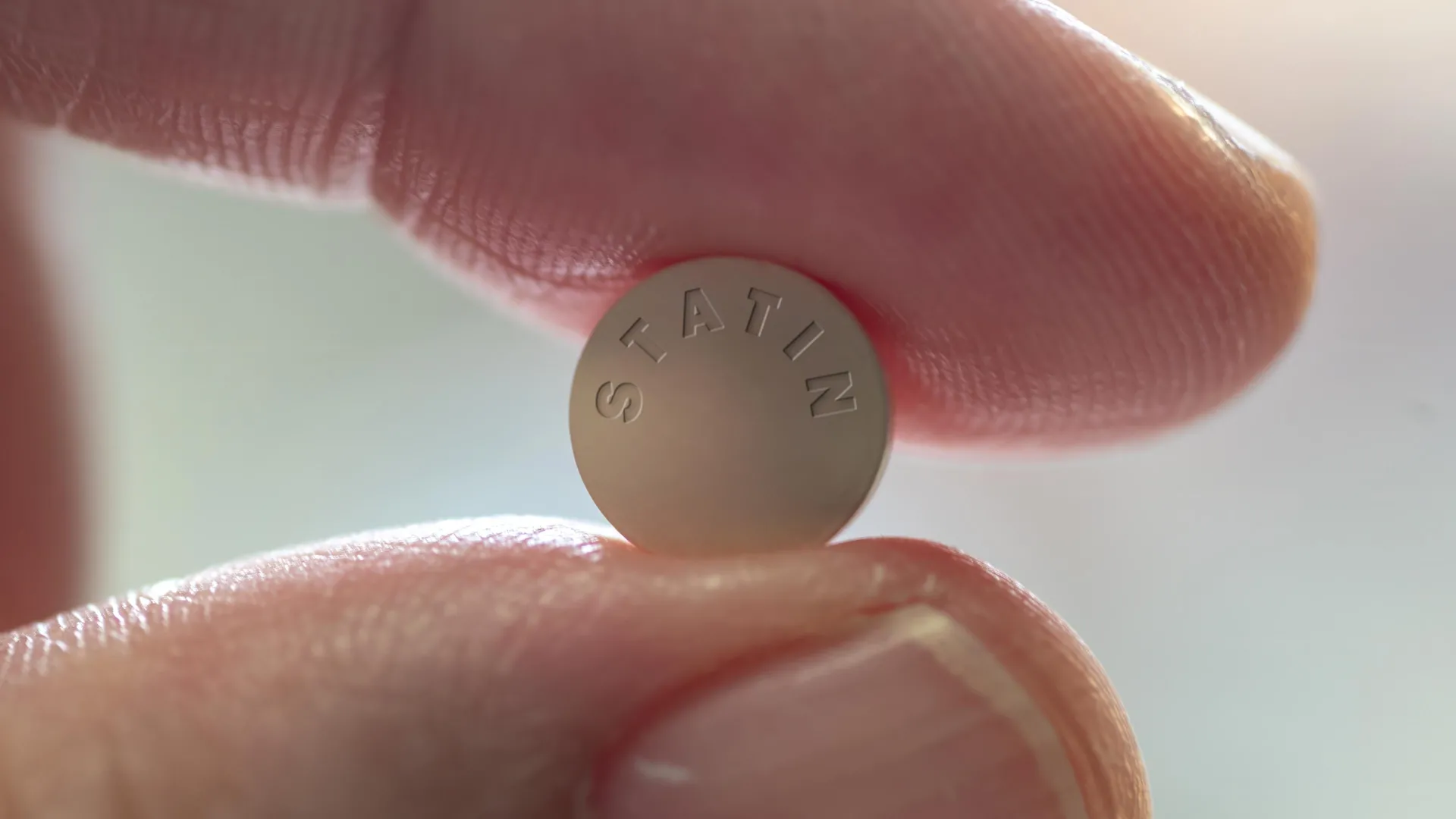
A study of nearly 5,800 adults found that heart scans measuring calcium buildup in the arteries led to the same observed rate of major cardiovascular events as traditional risk assessments, despite recommending statins to far fewer patients. Surprisingly, patients advised to take statins based on their scans were nearly three times as likely to stick with their medication, raising intriguing questions about how doctors should identify and treat heart disease risk.

The risk of relying on uncertain carbon removal projects can now be quantified using a new standardized metric that can be applied across all such schemes, irrespective of the technology used.

University of Oregon geologist Becky Dorsey's latest research sheds light on the Siculo-Calabrian rift zone, a belt of faults spanning more than 100 miles (160 kilometers) in southern Italy. The new data could help improve earthquake hazard assessment in this seismically active region.

An international team of scientists has outlined how a new generation of artificial intelligence models could transform our understanding of ecosystems and help predict their responses to environmental change.

Living cells are one of the few materials that can replicate themselves, and this is crucial for tissue development and recovery from injury or illness. But making sure cell division only happens at the right time is essential; otherwise, unregulated replication can lead to problems like cancer.
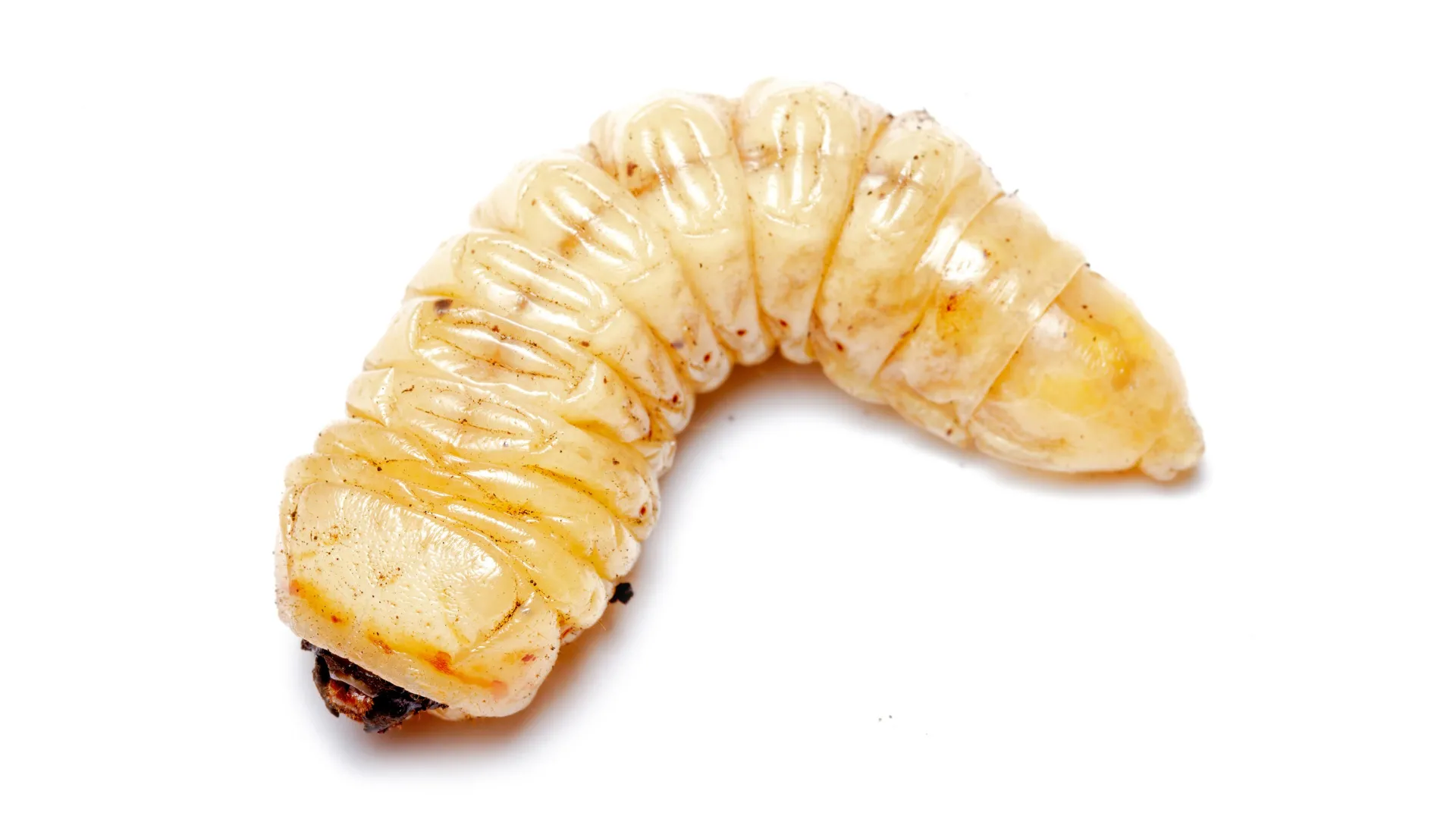
Scientists have solved a mystery surrounding destructive beetles attacking blueberry bushes in North Carolina, identifying a species whose massive larvae can grow up to five inches long and destroy plant roots. Although farmers have reported damage for more than a decade, the insects responsible remained unidentified until researchers used DNA analysis to uncover the culprit.

After his mother was killed in a bear attack in Kashmir, Indian software engineer Mudasir Ali developed an online early-warning system to help people in the Himalayan region avoid dangerous encounters with wildlife.

November's night sky is packed with celestial wonders, from bright meteor fireballs and a close pairing of Mars and Jupiter to a spectacular supermoon. Meanwhile, NASA's Voyager 1 is making history by becoming the first spacecraft to reach a distance of one light-day from Earth.
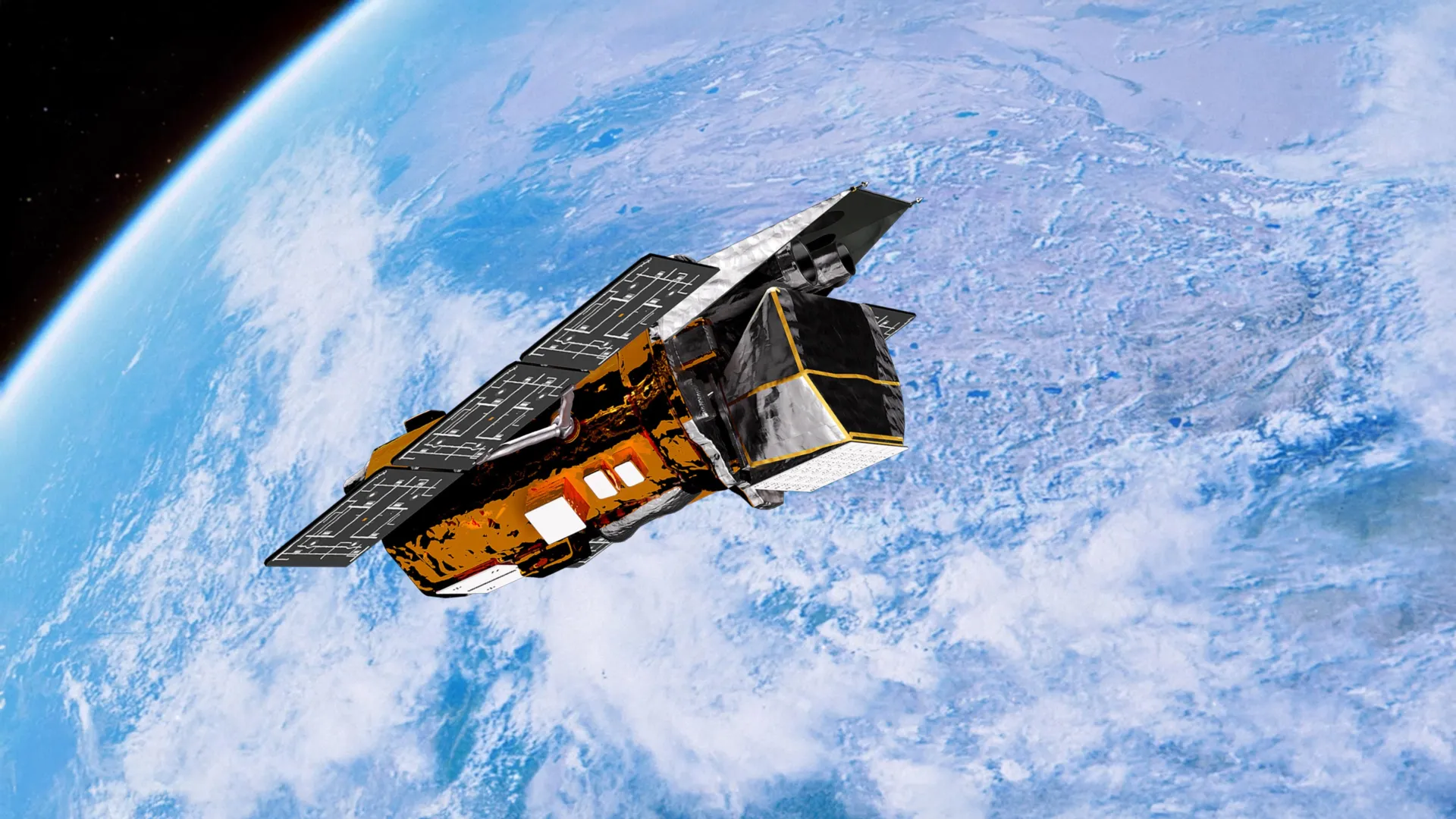
After nearly 22 years of exploring the universe’s most violent explosions, NASA’s Swift Observatory has re-entered Earth’s atmosphere over Indonesia. Originally designed to last just two years, the pioneering space telescope transformed our understanding of black holes, exploding stars, and mysterious cosmic outbursts.
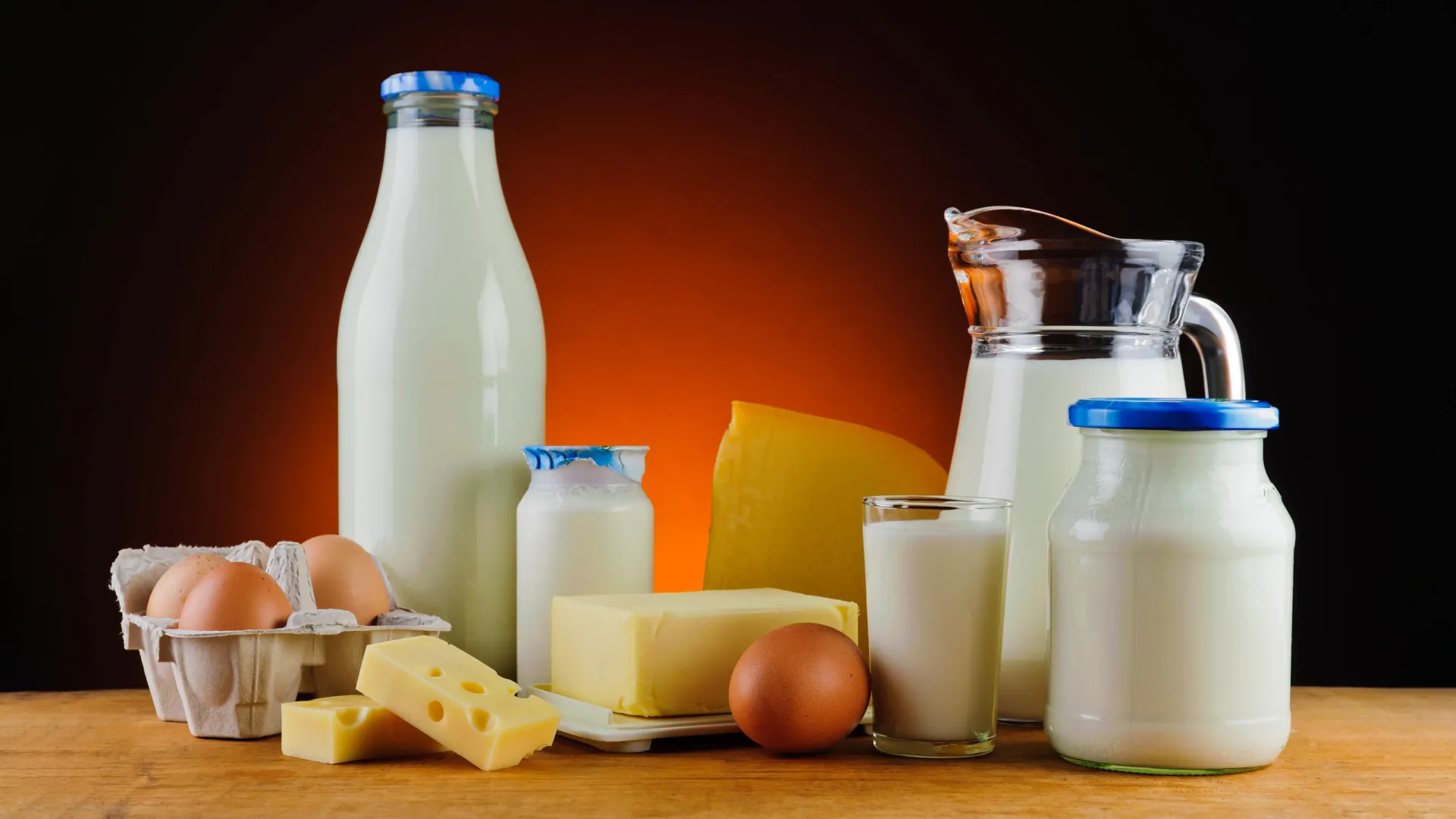
Full-fat dairy may not be the health villain it has long been portrayed as, according to a new study finding that three daily servings did not worsen weight, cholesterol, or insulin resistance over 12 weeks. Researchers also observed improvements in blood pressure and nutrient intake, raising questions about longstanding recommendations to choose low-fat dairy.

ACF's latest report, "Bulldozers and Broken Promises," an investigation into deforestation, has ruffled a few feathers. But someone has to do it. Why? Because deforestation is a huge problem in Australia.