
Science News
New species of sawfly described
Yale College junior Leah Mock did fieldwork in a remote quarry in western Colorado that exposes the 50-million-year-old Green River Formation.
📅
2026-11-06 03:40:02
•
Phys.org
Explore the latest scientific discoveries, science news, breakthroughs and developments from around the world.
Yale College junior Leah Mock did fieldwork in a remote quarry in western Colorado that exposes the 50-million-year-old Green River Formation.

Researchers at Karolinska Institutet have discovered how a protein called TACO1 helps mitochondria produce proteins when the process encounters difficult sequences. The study, published in Nature Communications, provides new insights into a mechanism that is disrupted in some mitochondrial diseases.

A surprising new discovery suggests that some dead stars can grow far more massive than scientists once thought possible. Computer simulations show that powerful magnetic fields could allow white dwarfs to reach 2.4 times the mass of the Sun, dramatically exceeding a famous limit that has stood for decades. The findings could help explain unusually bright supernova explosions that have long puzzled astronomers.

Assisted suicide is morally and ethically controversial. Public debate on the topic tends to arise primarily when a high-profile case comes to light—as was most recently the case with the famous twins Alice and Ellen Kessler. While assisted suicide is permitted in Germany, it is scarcely regulated by law. Until now, there has been little scientifically validated data on the current practice of assisted suicide.

Among the technical inquiries spanning topics like cyclodextrin polymers and mass spectrometry that were stacked in Damian Helbling's inbox was a question about four golden retrievers.

A new study reveals narrow-clawed crayfish, an understudied invasive species in the U.K., to be as aggressive as the well-known signal crayfish.

The Netherlands is constructing fish passes to make rivers and streams accessible to fish again. But how effective are these structures? New Ph.D. research by Panos Panagiotopoulos of Wageningen University shows that successful fish migration requires more than making individual barriers passable. Maintenance and water management are also crucial.

Who are the ultimate owners of Italian soccer clubs? Where does the money invested in these clubs come from? And what risks lie behind investment funds, fiduciary companies and transnational corporate structures that make it difficult to identify the individuals who ultimately control them?

Office attendance from Monday to Friday used to be a pretty standard requirement for many jobs. But plenty of employees have now developed a taste for working from home. And in response, some of their employers have started to tighten the rules on hybrid work.
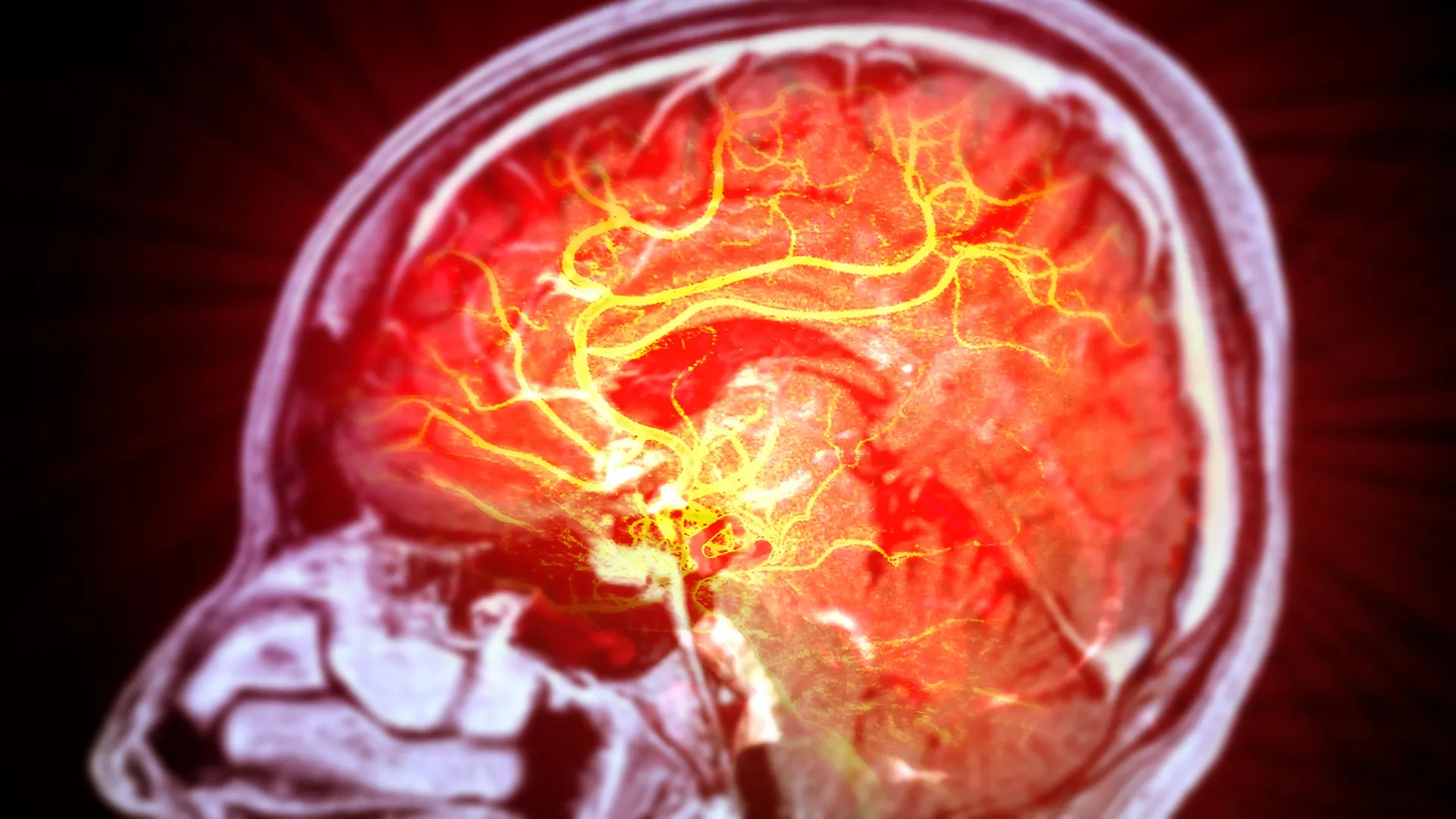
A surprising new study suggests that an anti-aging drug could help protect people genetically predisposed to Alzheimer's disease. Researchers found that just four weeks of low-dose rapamycin improved brain blood flow in healthy middle-aged adults carrying the high-risk APOE4 gene variant, with women showing the strongest benefits. Because declining blood flow can occur years before Alzheimer's symptoms appear, the discovery raises hopes for preventing or delaying the disease before memory loss begins.

UNSW engineers have identified a number of chemicals that may merit closer scrutiny to ensure water utility companies and regulators can make informed decisions about the management of biosolids.

Using the Low Frequency Array (LOFAR), an international team led by Leiden University has produced the sharpest and most sensitive radio image of the sky ever made at low radio frequencies. The image reveals almost 63,000 radio sources, such as active galactic nuclei and star-forming galaxies, across a patch of sky about 25 times the area of the full moon. The results have been accepted for publication in Astronomy & Astrophysics. The paper is currently available on the arXiv preprint server.