California wildfire explained: Trends and policy insights highlight pathways to avoiding disasters
California has had relatively few major wildfires since the January 2025 Los Angeles fires, but unmet priorities could spell disaster at any time.
Explore the latest scientific discoveries, science news, breakthroughs and developments from around the world.
California has had relatively few major wildfires since the January 2025 Los Angeles fires, but unmet priorities could spell disaster at any time.
Bats can produce ultrasonic pulses with high frequencies between 20,000 and 120,000 hertz, which are inaudible to humans. The sound waves they produce travel forward, hitting nearby objects and bouncing back in the form of echoes.
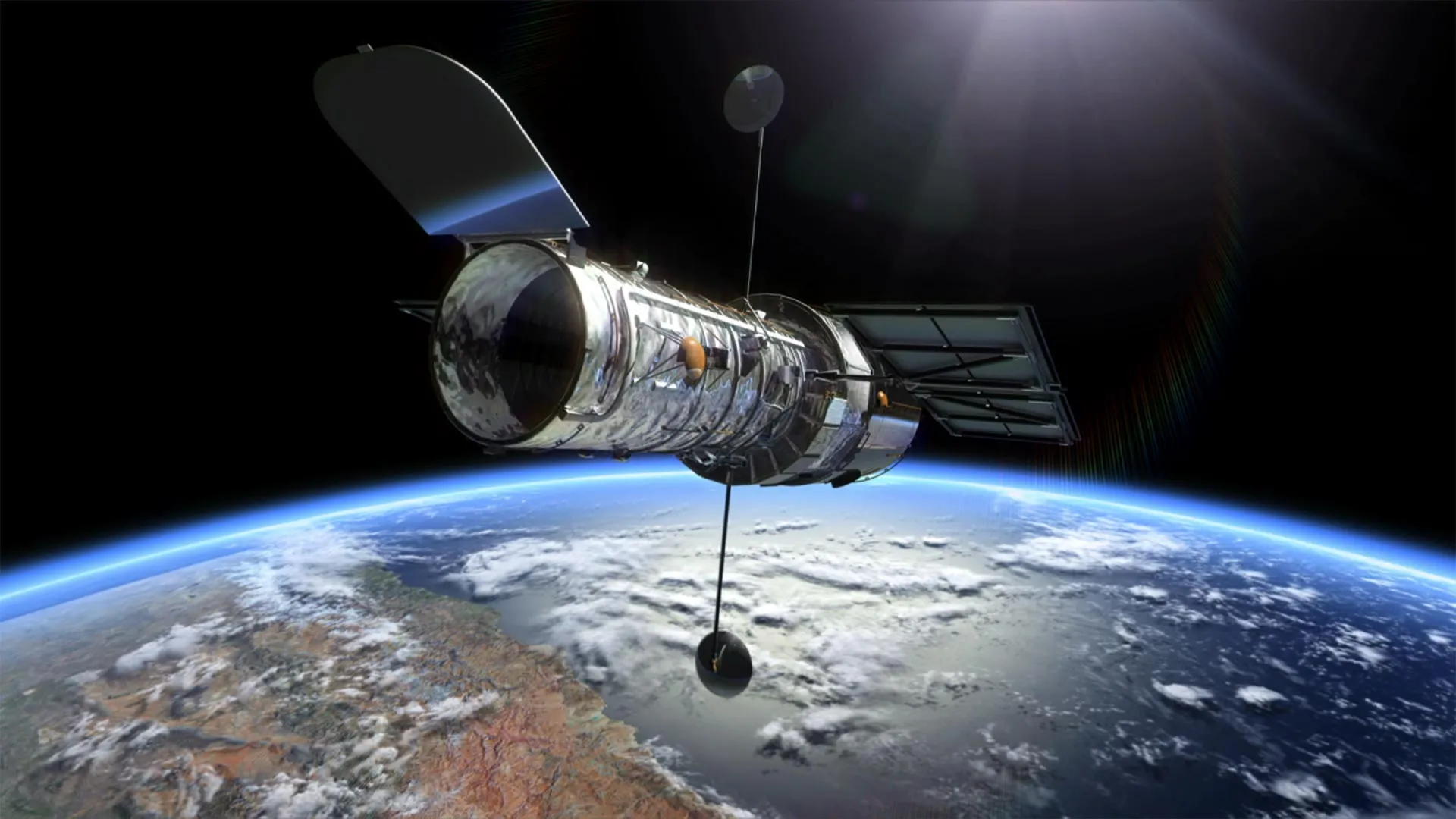
NASA is exploring a daring plan to save the legendary Hubble Space Telescope from its eventual fiery plunge into Earth's atmosphere. After more than 35 years of groundbreaking discoveries, Hubble is slowly losing altitude, and without intervention, it could fall back to Earth as early as 2033 or 2034. To keep the iconic observatory operating, NASA is asking private space companies to propose innovative ways to boost Hubble into a higher orbit, upgrade its capabilities, or safely dispose of it when its mission finally ends.
How soybeans became the hidden ingredient powering the U.S.
For nearly 90 years, scientists believed magnetism fell into just two categories, but researchers have now confirmed a remarkable third type called altermagnetism. Using specialized X-rays, they uncovered a unique magnetic signature that proves these materials behave differently from conventional magnets. Altermagnets combine stability with the ability to efficiently carry information, potentially overcoming major limitations in today's electronics. The discovery could lead to faster computers, more efficient data centers, and breakthroughs in quantum technology.
Toxic air pollution in India's capital, New Delhi, surged on Wednesday to more than 30 times the World Health Organization's recommended daily limit, data from air monitors showed.
While human well-being depends on the health of our ecosystems, there are also countless aspects of the natural world that pose serious threats to people. Every year, over 700,000 people die from diseases transmitted by animals, snakebites kill up to 500,000 people, and crop loss from pests carries an estimated cost of around $220 billion.
Implementing a few climate and health measures could save nearly 1.6 million lives a year and generate trillions of dollars for the economy, the World Health Organization said Wednesday.
Stanford researchers have discovered an AI-identified natural molecule that dramatically suppresses appetite and promotes fat loss in animals, potentially offering an Ozempic-like weight-loss treatment without common digestive side effects or significant muscle loss. Called BRP, the molecule reduced food intake by up to 50% and targets a different brain pathway, raising hopes for a more precise obesity treatment if future human trials prove successful.
Are the laws of physics truly the same everywhere in the universe? This fundamental principle, known as Lorentz invariance, lies at the heart of Einstein's theory of relativity. Yet some theories that seek to reconcile gravity with quantum physics suggest that it might not always hold. To investigate this possibility, researchers from the international KM3NeT collaboration analyzed 5,828 atmospheric neutrino candidate events detected by KM3NeT/ORCA, a neutrino telescope located deep in the Mediterranean Sea.
One of Australia's most dangerously overfished species, redfish (Centroberyx affinis), will continue to be served on our dinner tables following its latest listing as "conservation dependent." The classification is a loophole allowing species that qualify for critically endangered listings and protections to instead be killed and sold for seafood.
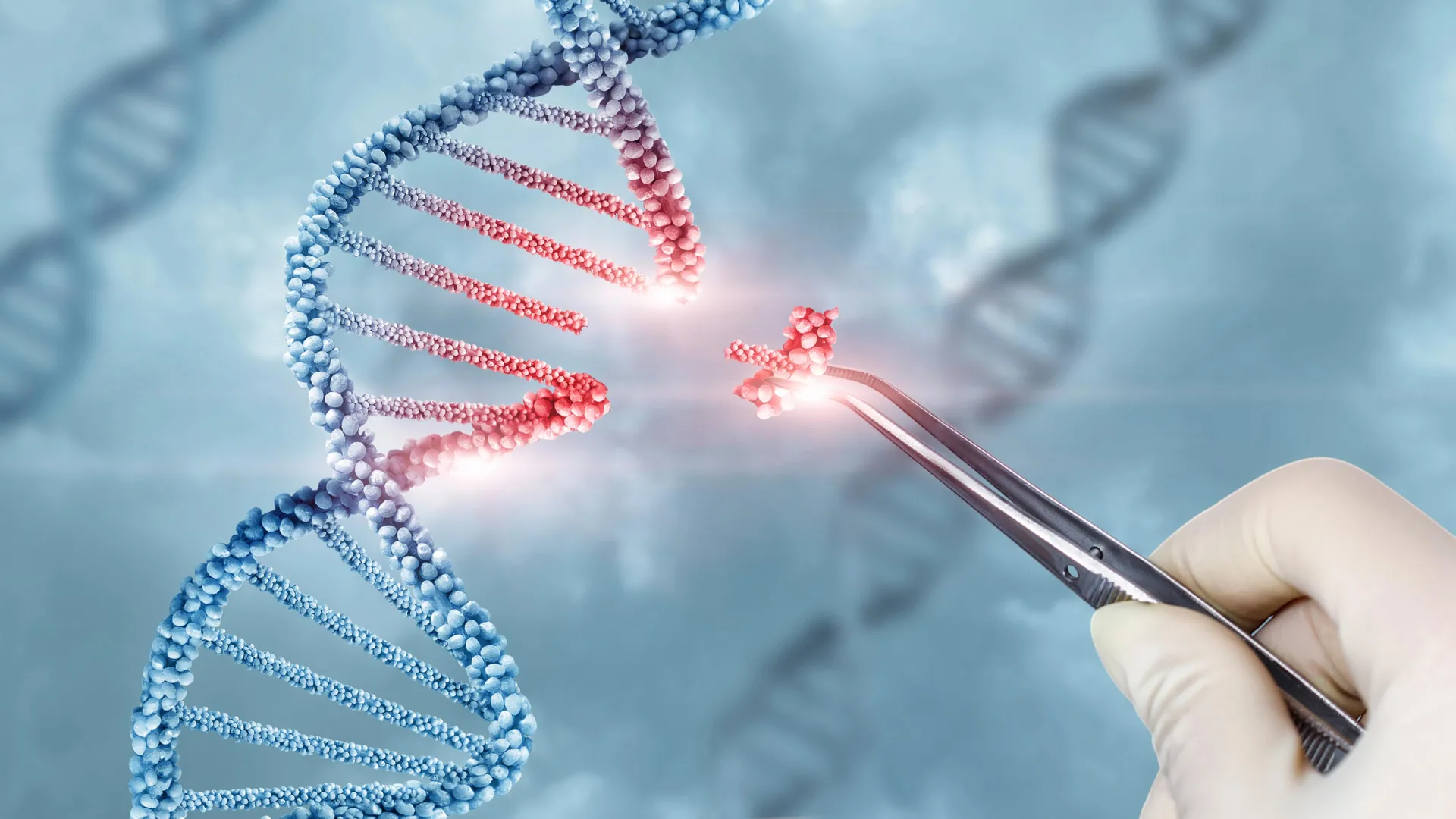
A single gene-editing treatment could someday protect against heart disease, high cholesterol, and other common conditions for decades, potentially replacing lifelong medications. But scientists warn that permanently altering genes introduces risks that could take years to emerge, making long-term safety a critical challenge.