
Science News
Many local communities know how to communicate during disasters. Let's learn from them
It was a frightening time.
📅
2026-11-03 15:00:04
•
Phys.org
Explore the latest scientific discoveries, science news, breakthroughs and developments from around the world.
It was a frightening time.
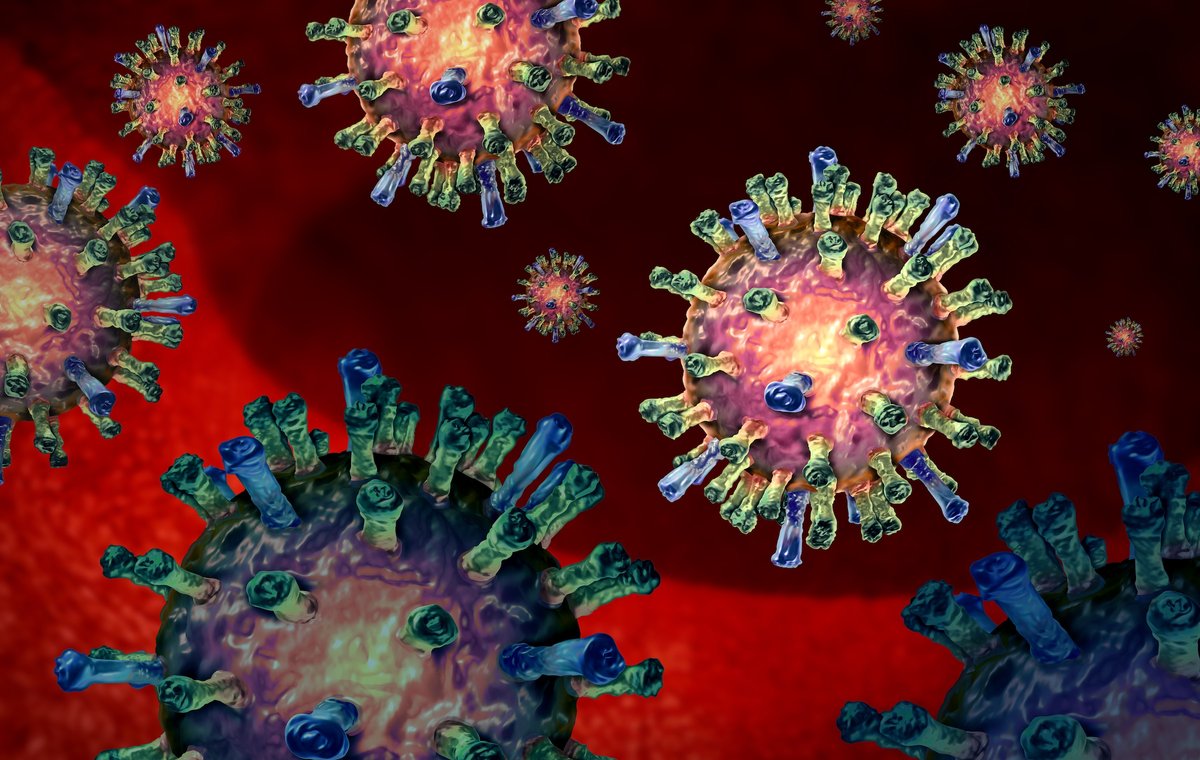
A child died after contracting the disease amid the largest national measles outbreak in more than three decades

University at Buffalo scientists have found evidence that different species of yeast have shared genes originally acquired from an ancient virus—and the guts and droppings of beetles may have helped make it happen.

During his renowned excavations at the Shanidar Cave in the Kurdistan Region of Iraq, American archaeologist Ralph Solecki located burial sites containing pollen and flower fragments from various species of wildflowers. He interpreted this as evidence that Neanderthals may have placed flowers around their dead at their burial sites around 60,000 years ago.

When fishers are out working their boats, they are typically targeting a specific type of fish. However, other species often end up in their nets or trawls as well. This is known as "bycatch"—seafood for which the fishers receive no payment. Although it is illegal to discard bycatch back into the sea, it still happens.

Stanford engineers and colleagues designed a chip that can take a muddled mixture of light from multiple lasers and output clean beams of light. It's the first time researchers have demonstrated a device that can take in mixed, or partially coherent, light and sort its photons into a clear set of separate beams.

WA Police are using live facial recognition technology to help identify and arrest criminals, with significant results. The trial is the first of its kind in Australia.

A faint red object spotted by the James Webb Space Telescope originally appeared to offer a possible glimpse of the universe's first galaxies. But images taken about 3½ years apart revealed a giveaway: The object, nicknamed Capotauro, had moved.

Researchers at The University of Queensland have developed a way to quantify how wheat varieties capture and convert soil water. Dr. Raul Gimenez from the Queensland Alliance for Agriculture and Food Innovation said the technique could be used to identify drought-tolerant crops.

People experiencing unsheltered homelessness in Salt Lake City face hours of dangerous daytime heat and hot nights that offer little relief, according to a University of Utah study. Researchers also found that tree shade helps people feel measurably cooler, making it a critical resource for those without access to shelter.
A surprising new discovery suggests that fear may cause the brain to blur the line between danger and safety rather than distinguish them more clearly. By observing brain activity in mice using augmented reality, scientists found that memories of threatening and harmless environments began to overlap, potentially allowing faster responses to danger. This "better safe than sorry" survival mechanism could help explain why people with anxiety or PTSD sometimes experience intense fear in completely safe situations.

Consumers often protect their sentimentally valuable possessions by storing them away, which precludes them from being used. Across five studies, research from the University of Missouri-St. Louis and the University of Oregon shows that usage of sentimentally valuable objects increases their sentimental value.