Who decides what time it is? The politics behind contested clocks
Despite contentious local debates about time zones and seasonal shifts, University of Queensland research shows there is no official global time zone system.
Stay informed about scientific discoveries, research developments and new findings from around the world.
Despite contentious local debates about time zones and seasonal shifts, University of Queensland research shows there is no official global time zone system.
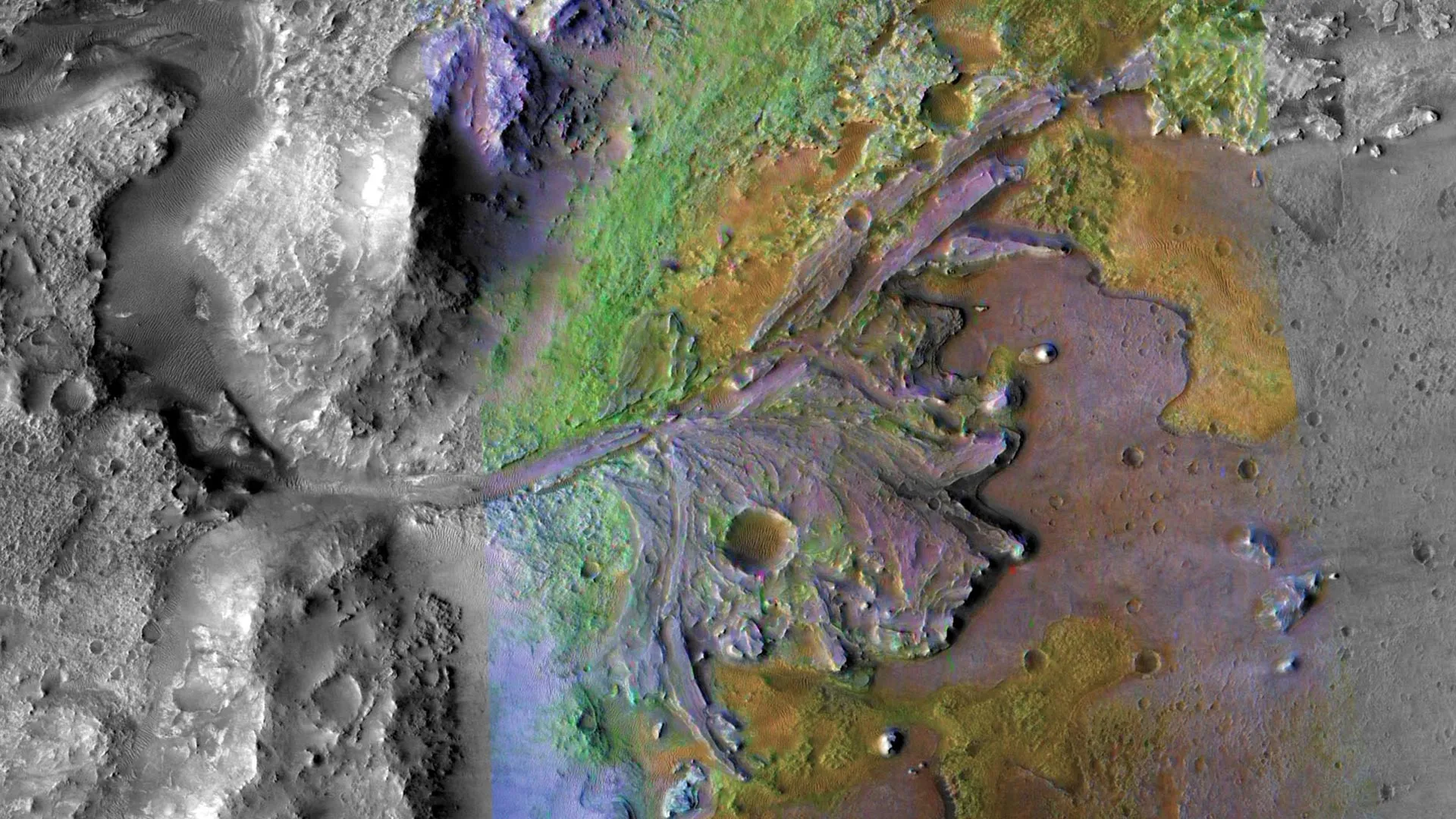
NASA’s Perseverance rover has uncovered a surprisingly complicated history of water in Jezero Crater. Scientists expected the crater’s Margin Unit to contain lake sediments, but instead found ancient igneous rocks that were altered by water on at least three separate occasions.
A University of Kentucky forest entomologist is advancing a pest-control approach designed to target destructive forest beetles while minimizing effects on surrounding wildlife.
A bad apple doesn't always ruin the bunch. In fact, it might make the bunch a little stronger. A new study published in Horticulture Research by Ben Mansfeld, an assistant professor of biology in Arts & Sciences at Washington University in St. Louis, provides apple breeders with a genomic resource to help harness the power of humble crabapples.
Researchers at Sultan Qaboos University have developed engineered surfaces that combine microscopic patterns with zinc oxide nanorods to reduce the attachment of bacteria and microalgae—a process that contributes to biofouling on submerged marine and industrial equipment.
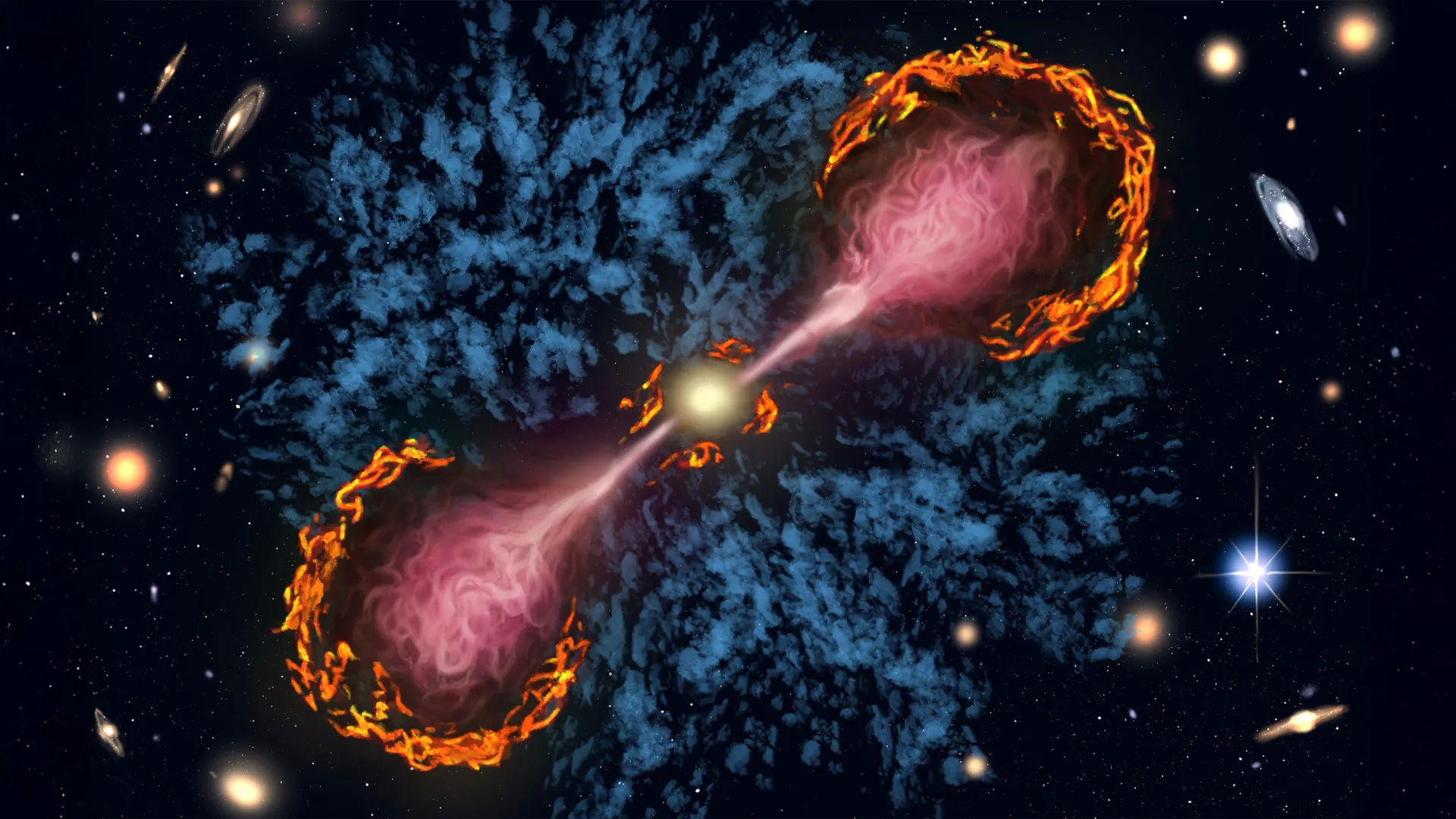
Powerful jets from supermassive black holes can disturb star-forming gas far beyond a galaxy’s visible edge, leaving a glowing trail hundreds of thousands of light-years long. By keeping this gas hot and preventing it from falling inward, the jets may help determine whether a galaxy keeps forming stars or becomes quiet.
Snakes can elicit a wide range of human responses, including fear, disgust, awe and admiration. Past studies suggest that both humans and nonhuman primates, such as monkeys and apes, tend to quickly notice snakes in their surroundings.
Edinburgh writer and Birmingham student win 21st BBC Short Story Awards with Cambridge University Jessica Keating Wed, 09/30/2026 - 11:35 The awards were announced on Tuesday 29 September at a ceremony at BBC Broadcasting House and broadcast live on BBC Radio 4’s Front Row. The National Short Story Award 2026Cherise Saywell won the BBC National Short Story Award with the University of Cambridge for Ditto, a story about a child’s conflicting loyalties and moment of bravery when violence erupts in his house, which was described by judges as ‘assured’ and ‘beautifully crafted.’ Set in a small Australian town inspired by the place where Saywell grew up, the story explores masculinity, domestic a...
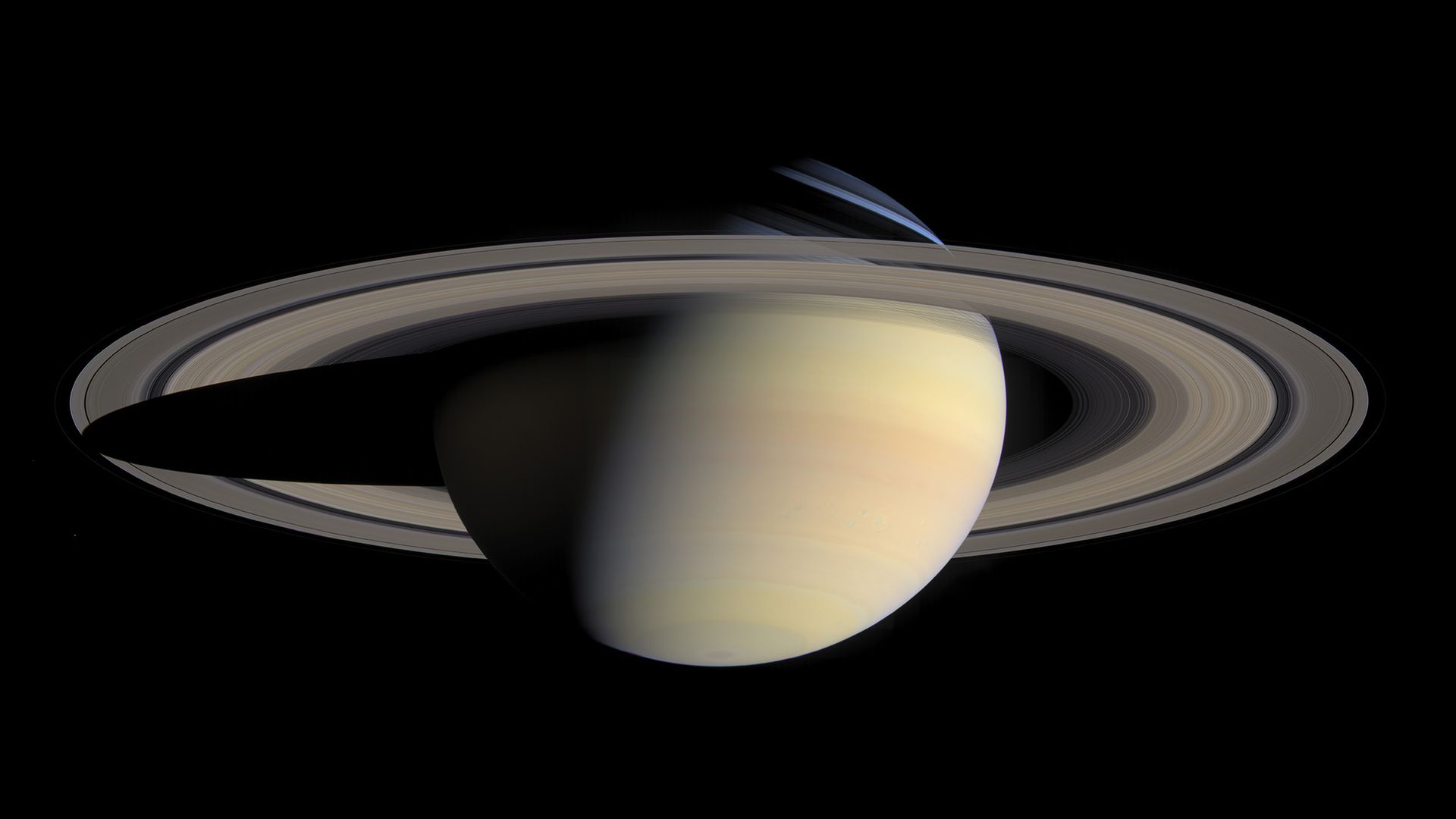
Saturn is about to reach its annual opposition this week, when it appears at its brightest and biggest all year and becomes the only planet visible all night.The short, exciting period for skywatchers has more to do with where Earth is in its orbit than with Saturn's journey around the sun. Opposition occurs when Earth moves directly between a planet and the sun, placing the two planets on the same side of the solar system. For observers on Earth, that means Saturn appears opposite the sun in the sky, just like a full moon (hence the name "opposition"). Saturn therefore rises in the east around sunset, 100% illuminated, before reaching its highest point around midnight and finally sinking to...
The patient: A 50-year-old woman in New YorkThe symptoms: The woman went to the hospital because she could not bend her legs, walk or sit up. She also had chronic lower-back pain, recurring episodes of fever and chills, and unexplained weight loss of more than 30 pounds (14 kilograms). What happened next: The patient told doctors that, one month earlier, she had visited another hospital due to persistent back pain, stiffness in her knees, fever and significant weight loss. However, she noted that she'd actually begun feeling discomfort in her knees and back about five years before that. Over time, increased rigidity in her right leg began affecting her balance and caused frequent falls. Doct...
There’s little evidence that many IVF “add-on” treatments work. Should they even be offered?
How AI is transforming online romance scams, and what you can do to protect yourself
Mount Vesuvius’ famous 79 CE eruption has given scientists a remarkably precise benchmark for dating events deep in Earth’s past. The improved technique could sharpen the timelines of volcanic eruptions, asteroid impacts, extinctions, and other major moments in geological history.
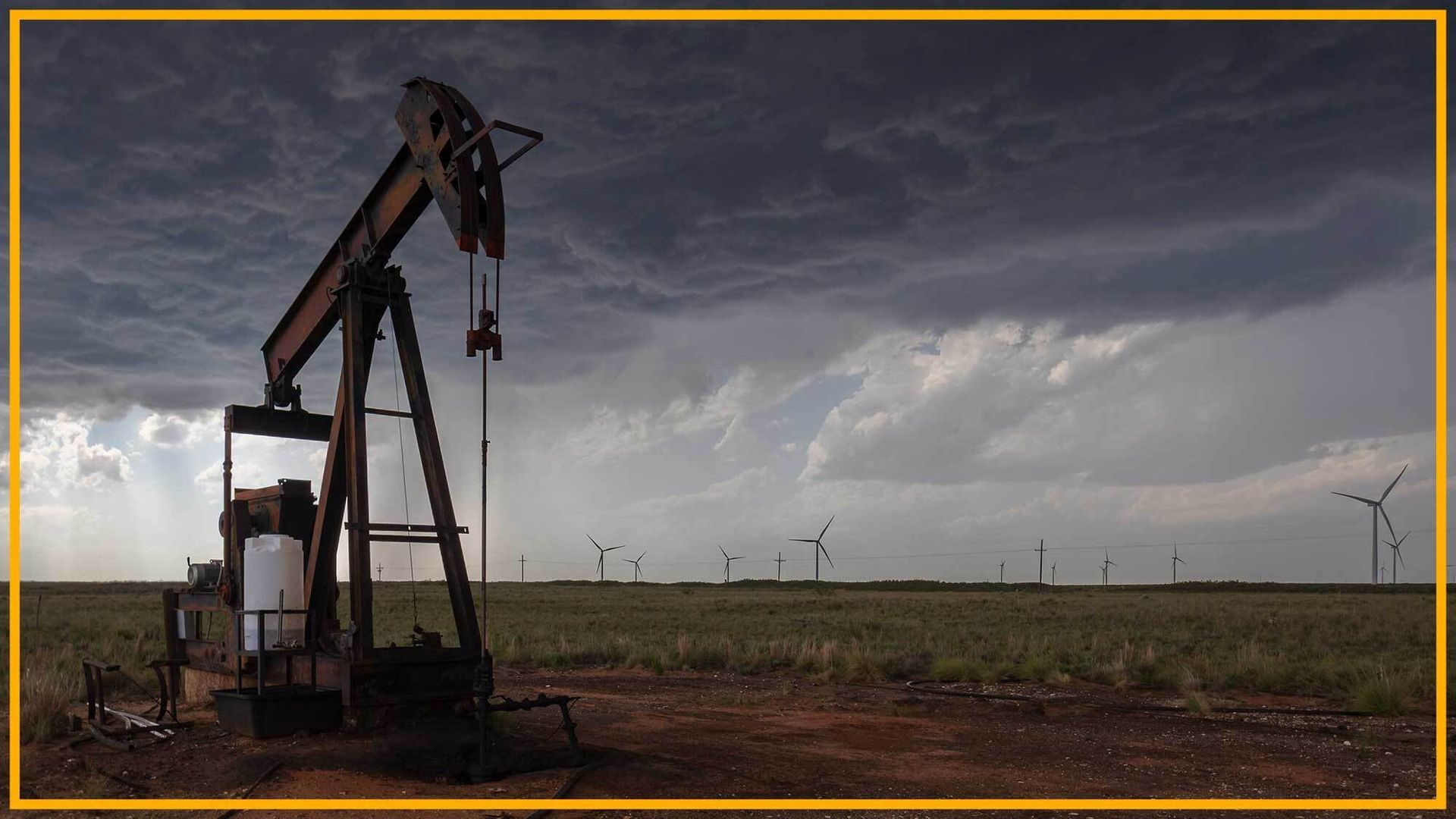
Donald Trump cannot make clean energy expensive again. He can only make Americans pay extra for it. His tariffs do just that. But cost declines work like a ratchet. Every solar factory built and every panel installed pushes costs down the curve. The global price floor just keeps falling. Which means that despite Trump's best efforts to prop up fossil fuels, America will transform its electricity system. The question is how fast. And that speed is up to us.Since 2015, most of the new power built in America has been clean. This year, 93% of new electricity capacity is expected to come from solar, wind and batteries. That is not because of any president. It is because clean energy is the cheape...
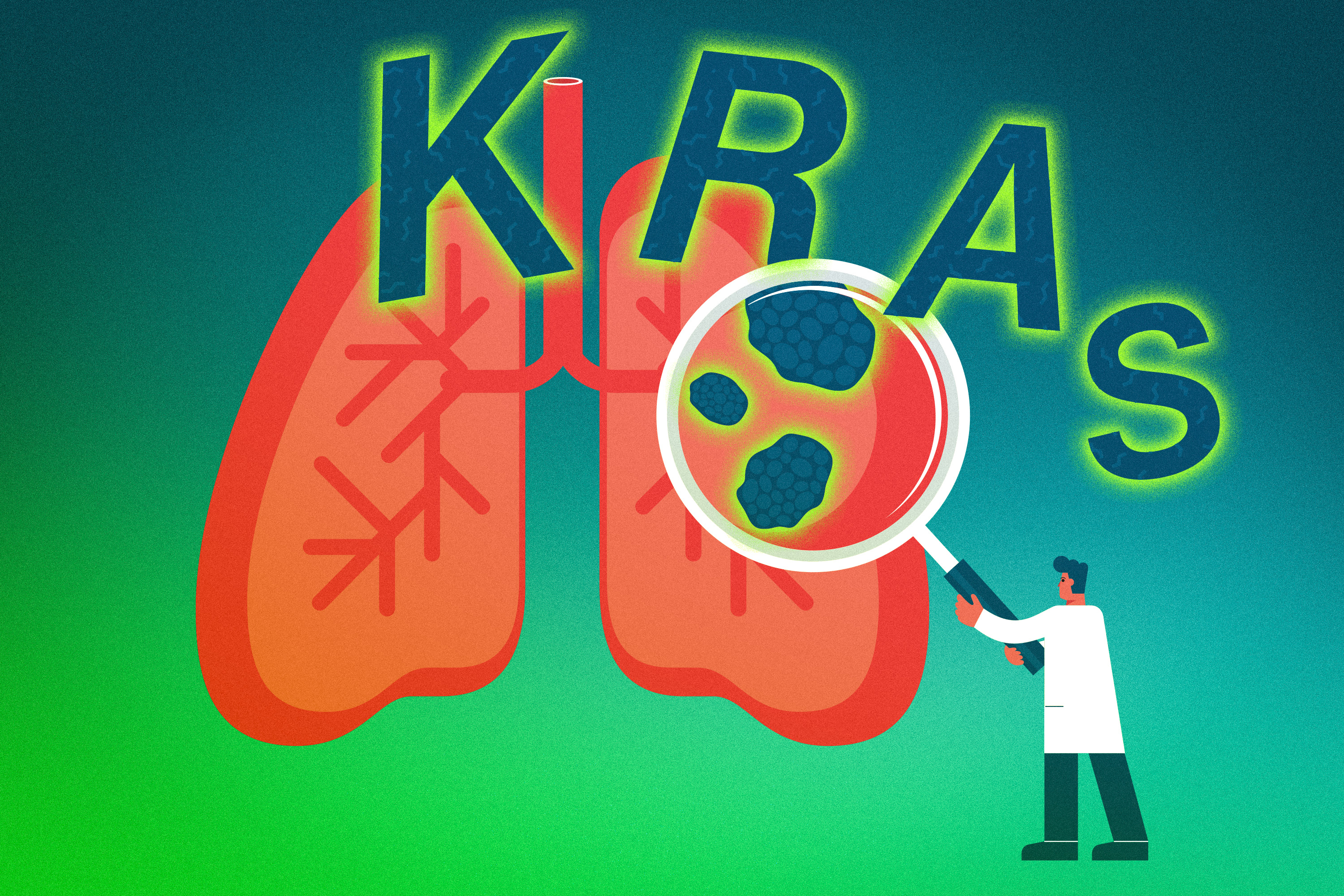
About 25 percent of lung adenocarcinomas have mutations of the gene KRAS, which drives uncontrolled cell growth. In recent years, the FDA has approved two KRAS inhibitors to treat patients with KRAS mutations. While these drugs can work well initially, tumors almost always develop resistance to them.Usually, resistance emerges because cells reactivate KRAS activity, through mutations that prevent drug binding or by increasing KRAS expression that overpowers the effects of the inhibitor. However, in a new study, MIT researchers have modeled an alternative mechanism that cancer cells can use to become resistant to KRAS inhibition.The researchers found that in some cases, lung tumors undergo tr...
NASA’s SpaceX Crew-13 mission is scheduled to launch four astronauts to the International Space Station on October 1. The Dragon could reach the orbiting laboratory in just 7 hours and 50 minutes, making it the fastest U.S. spacecraft journey to the ISS in history.
Heat waves and wildfires combined with human-caused emissions this year to expose one-third of the world's population to extremely high levels of ozone pollution, a European Union report said Wednesday.
The hunt is over: After trawling through dozens of applications, an Australian animal welfare group has found a successor to a hero hound credited with saving more than 100 koalas from fires.
A huge genomic and fossil study suggests bats first evolved in Europe around 65 to 60 million years ago before spreading across the globe. The findings also indicate that flight and echolocation emerged near the beginning of bat evolution, potentially helping explain how bats became one of the most successful mammal groups on Earth.
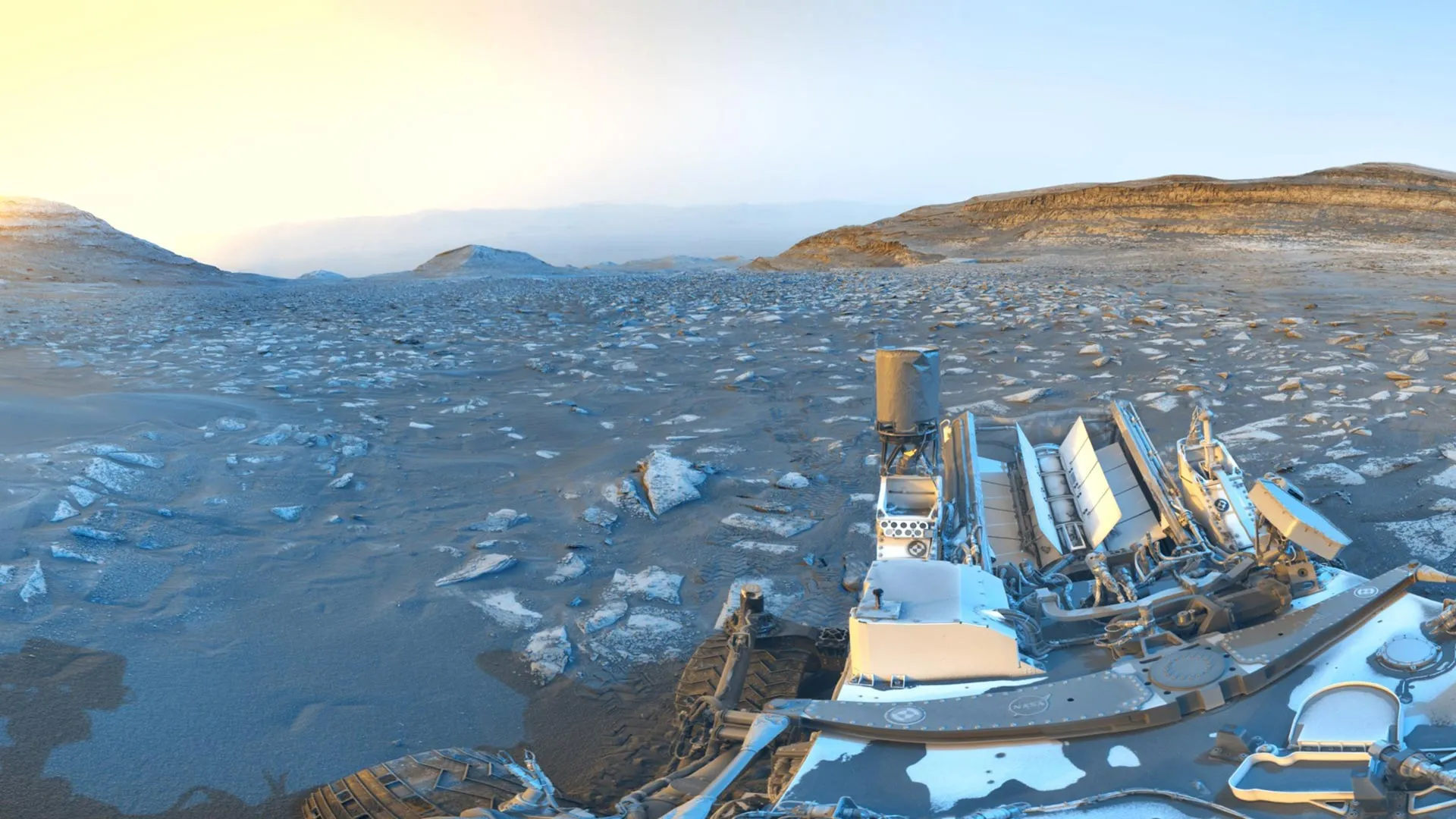
NASA’s Curiosity rover marked 5,000 Martian days by capturing morning and afternoon views that were blended into a striking Mars “postcard.” The panorama shows Curiosity, its tracks, and the enormous landscape surrounding Mount Sharp and Gale Crater.
While insects provide an essential food source for many vertebrate species, they're more than just a protein-laden snack. Chimpanzees use them to sterilize wounds, and herons use them as fishing bait. Sloths rely on moths to maintain the algae in their fur, which they then eat. Birds and reptiles lay their eggs inside the temperature-controlled sanctuary of termite mounds, while some desert frogs reside in ant nests because of the humidity.
Storms routinely wash marine material ashore, providing food for land animals and other organisms. This is known as marine subsidization (MS). Today, MS is particularly common in coastal ecosystems and is especially important to animals when land ecosystems produce less food than usual, such as during droughts. A new Frontiers in Ecology and Evolution study has shown that dinos and their prey, too, may have eaten seafood washed onto beaches.
In materials chemistry, identifying common parameters that can organize magnetic ground states across complex intermetallic compounds remains a central challenge. Researchers have long used chemically tunable parameters to control magnetic properties. One is valence-electron concentration, commonly discussed as the electron-per-atom (e/a) ratio. The e/a ratio has been widely used to classify magnetic ground states in metallic systems such as Heusler alloys and approximant crystals.
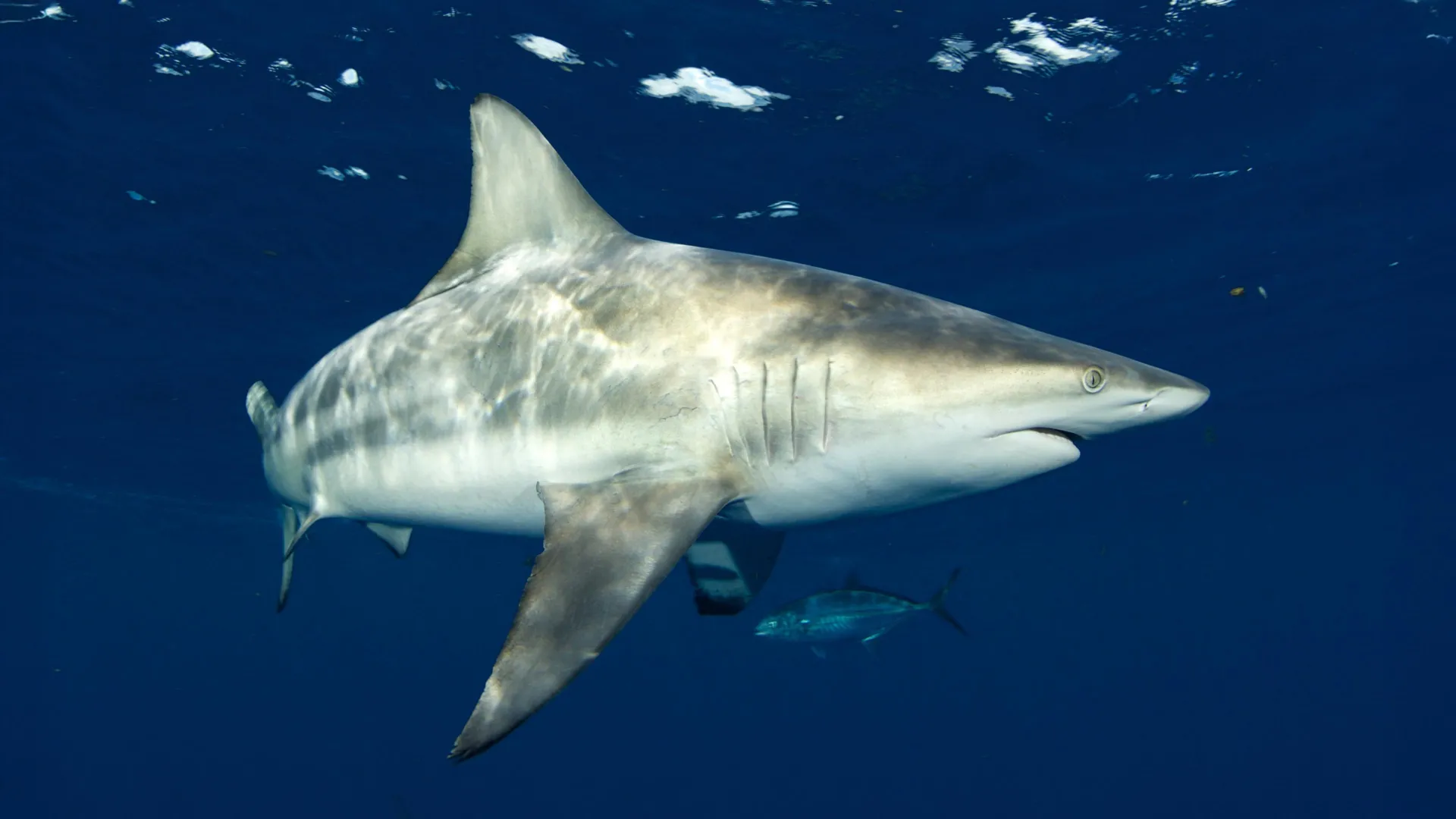
Wild blacktip sharks can detect low-frequency sounds from nearly 250 feet away, according to experiments conducted off the Florida coast. The sharks not only heard the sounds but sharply changed direction away from them, suggesting they could pinpoint where they were coming from.