Latest Science & Research News

Stay informed about scientific discoveries, research developments and new findings from around the world.

Latest News

View All β†’
A giant cosmic 'fart' is making a wobbling zombie star repeatedly flash us, 'groundbreaking' observations reveal
Science News

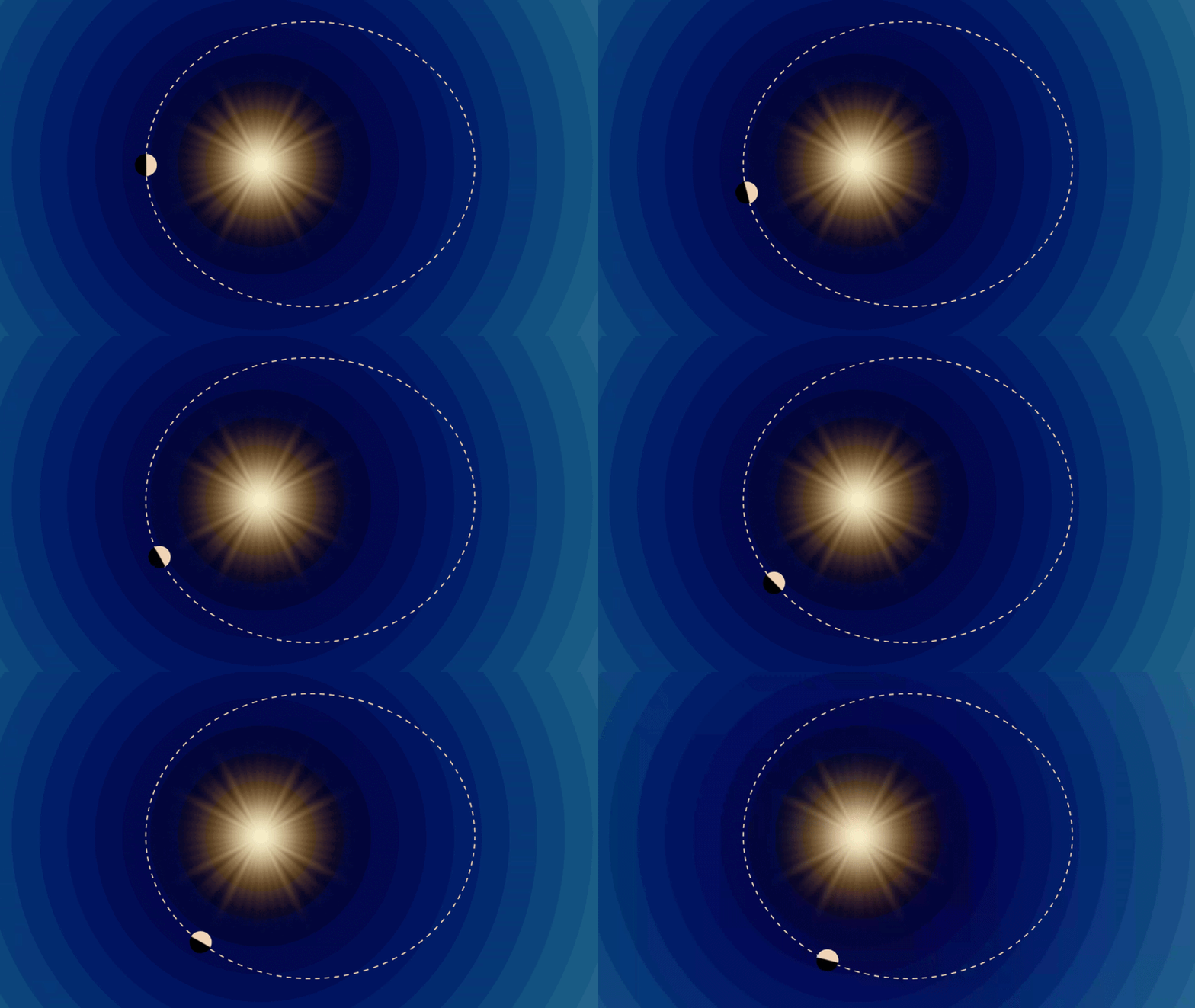
A giant cosmic 'fart' is making a wobbling zombie star repeatedly flash us, 'groundbreaking' observations reveal

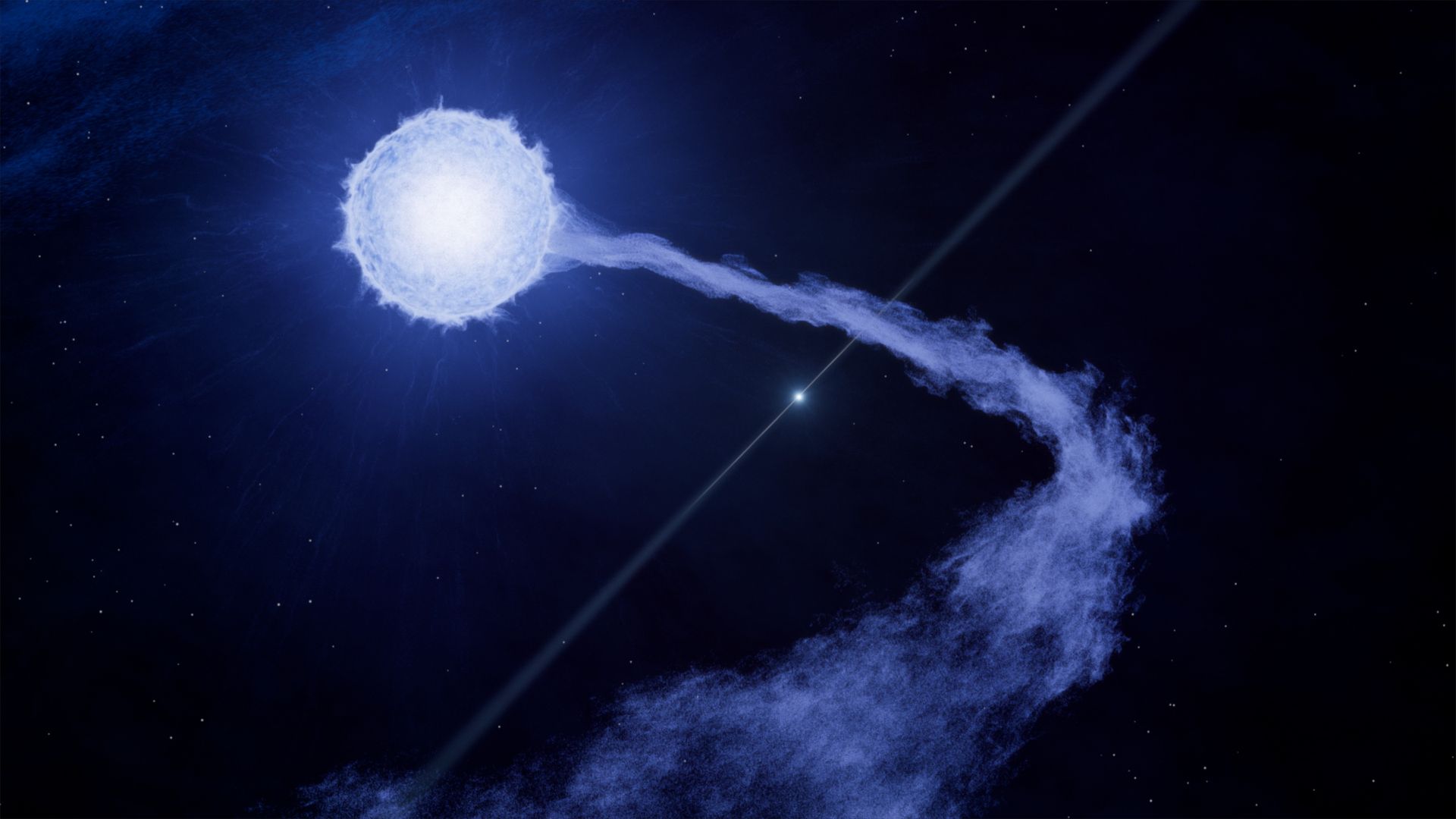
An enormous, ongoing cosmic "fart" is causing a mysterious zombie star to flare up repeatedly, shining bright pulses of X-rays toward Earth, a new study reveals. The unprecedented observations shed light on how some of the universe's most extreme objects interact with one another. Around 13,000 light-years from Earth lies an unusual binary star system, known as BP Crucis. It contains a blue hypergiant star roughly 60 times larger than the sun, dubbed Wray 977, alongside a neutron star β€” the undead and ultradense remains of a star that exploded via a supernova β€” that astronomers have labeled GX 301-2. This stellar "zombie," which contains the same mass as our home star packed into an object r...

πŸ“… 2026-09-27 12:00:00    β€’    Live Science
Read Original Article β†’
1.7-billion-year-old fossils reveal a crucial clue to the rise of complex life
Science News

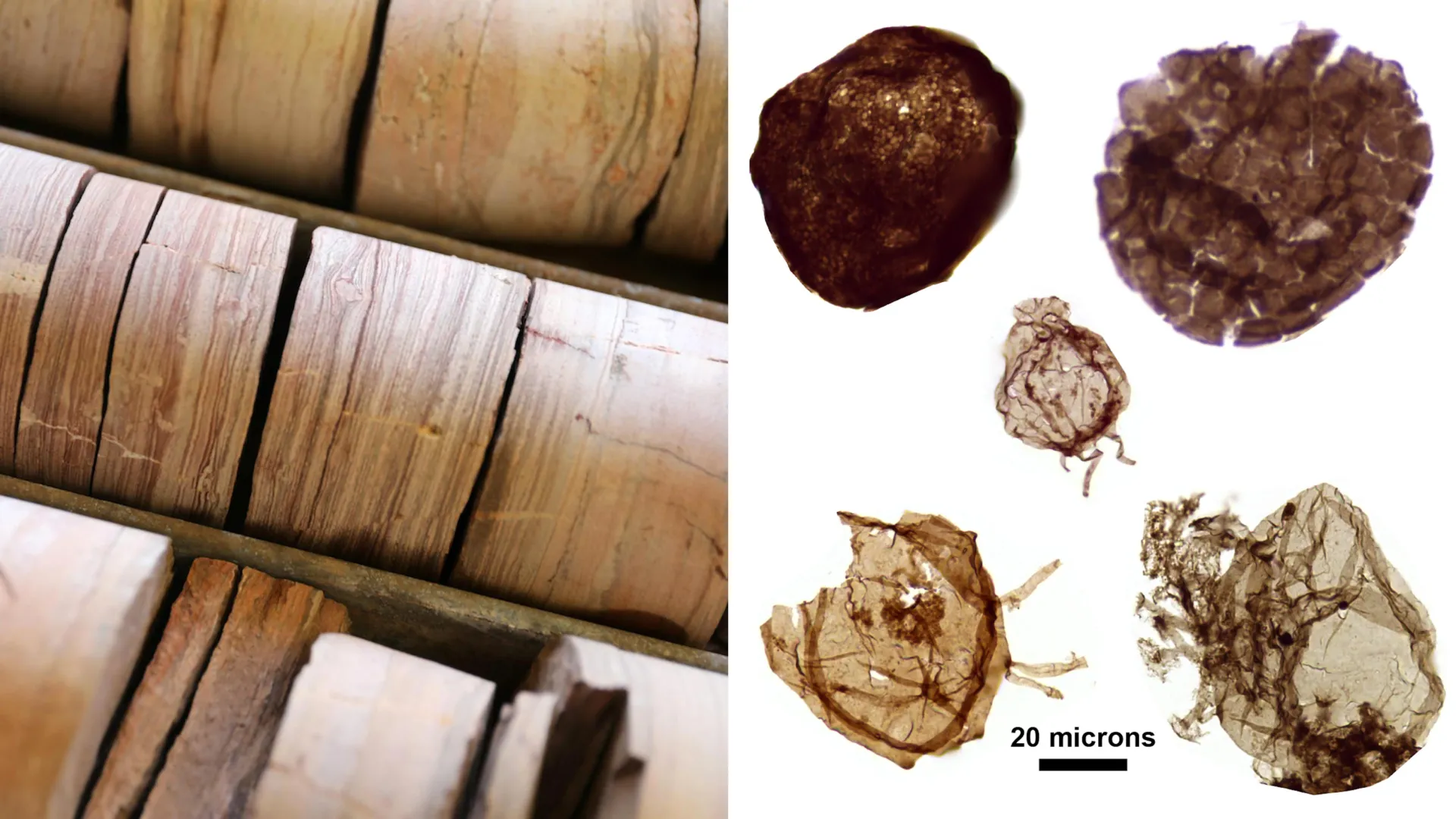
1.7-billion-year-old fossils reveal a crucial clue to the rise of complex life

Scientists studying ancient Australian rocks uncovered more than 12,000 fossils from some of the oldest known eukaryotes on Earth. These early complex cells lived in settings ranging from coastal mudflats to the open sea, but only where oxygen was available. Oxygen-free environments contained simpler microbes instead. The findings strengthen the idea that oxygen played a crucial role in the emergence of complex life.

πŸ“… 2026-09-27 11:55:50    β€’    ScienceDaily
Read Original Article β†’
Why rheumatoid arthritis pain may persist even when inflammation is under control
Science News

Why rheumatoid arthritis pain may persist even when inflammation is under control

Pain and fatigue in rheumatoid arthritis can persist even after inflammation improves, with depression, poor sleep, obesity, smoking, and chronic pain potentially helping sustain symptoms. Researchers say identifying these hidden drivers could prevent unnecessary medication changes and lead to more personalized treatment.

πŸ“… 2026-09-27 10:49:13    β€’    ScienceDaily
Read Original Article β†’
James Webb telescope shares one of its biggest images ever, with record-breaking stars hiding in the dust
Science News

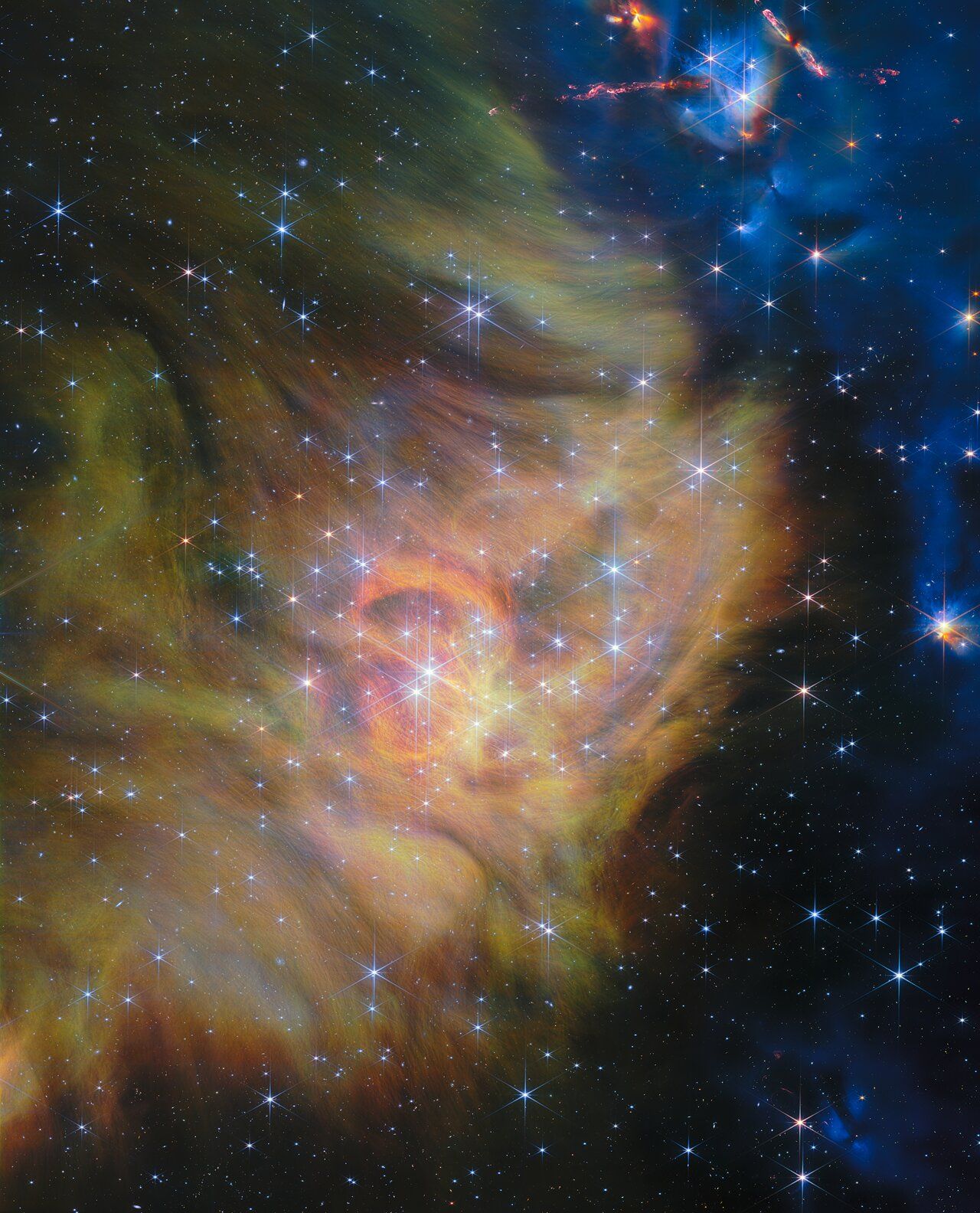
James Webb telescope shares one of its biggest images ever, with record-breaking stars hiding in the dust

quick factsWhat it is: IC 348, a star-forming reflection nebulaWhere it is: 1,000 light-years away in the constellation PerseusWhen it was shared: Sept. 15, 2026.Behold: one of the largest panoramas from the James Webb Space Telescope (JWST) released to date. This busy and breathtaking image offers a remarkably detailed view of IC 348, a nearby stellar nursery where astronomers are investigating some of the smallest objects produced by star formation.IC 348 is one of the closest stellar nurseries to Earth and appears in this near-infrared image as an intricate landscape of stars, glowing material and sweeping clouds of gas and dust. Across the scene, young stars punctuate the dark and lumino...

πŸ“… 2026-09-27 10:00:00    β€’    Live Science
Read Original Article β†’
What is the closest any object has gotten to the sun?
Science News

What is the closest any object has gotten to the sun?

When you think of objects close to the sun, Mercury, the solar system's innermost planet, probably comes to mind. But has any other object β€” natural or artificial β€” gotten closer to our star? And what's the closest an object has gotten to the sun while still escaping?Many objects have reached much closer than Mercury, including asteroids, comets and spacecraft, experts told Live Science.At its closest point to the sun, called perihelion, Mercury comes within 29 million miles (47 million kilometers) of our star, according to NASA. But several known asteroids come even closer. Scott Sheppard, an astronomer at Carnegie Science, an independent research institute in Washington, D.C., said such as...

πŸ“… 2026-09-27 09:00:00    β€’    Live Science
Read Original Article β†’
These medieval graves looked like family burials. DNA told a different story
Science News

These medieval graves looked like family burials. DNA told a different story

Ancient DNA shows that adults and children buried together in medieval Sweden were often not members of the same immediate family, suggesting that burial choices reflected more than biological kinship. The research also revealed early gender-based burial customs and uncovered the remarkable story of a young woman who may have completed a pilgrimage across Europe.

πŸ“… 2026-09-27 02:49:07    β€’    ScienceDaily
Read Original Article β†’
Black hole jets reach far beyond galaxies' visible edges, potentially deciding their fate
Science News

Black hole jets reach far beyond galaxies' visible edges, potentially deciding their fate

Galaxies are enormous and hold hundreds of billions of stars. These stars form from cold, dense gas. Every large galaxy, including the Milky Way, is wrapped in a huge envelope of gas called the circumgalactic medium, or CGM. This reservoir of raw material stretches 10–20 times the size of the visible portion of the galaxy.

πŸ“… 2026-09-26 21:00:01    β€’    Phys.org
Read Original Article β†’
Why earwigs infected by parasitic worms head towards water
Science News

Why earwigs infected by parasitic worms head towards water

Earwigs, small, elongated insects with distinctive pincers at the rear of their abdomens, have little reason to enter open water. While many earwig species are attracted to damp environments, they typically avoid open water. Yet past studies have found that European earwigs infected with a parasitic roundworm called Mermis nigrescens tend to head toward open water. The molecular and biological reasons for this unusual behavior have not been fully uncovered.

πŸ“… 2026-09-26 20:00:02    β€’    Phys.org
Read Original Article β†’
Pumpkin-derived enzyme weakens peanut proteins' binding to allergy antibodies in lab tests
Science News

Pumpkin-derived enzyme weakens peanut proteins' binding to allergy antibodies in lab tests

Peanut allergy is one of the most serious food allergies and can lead to sudden, life-threatening reactions. Researchers from Wroclaw University of Environmental and Life Sciences, in collaboration with Wroclaw Medical University, investigated whether a natural enzyme obtained from figleaf gourd (Cucurbita ficifolia) could reduce recognition of peanut proteins by antibodies involved in allergic reactions.

πŸ“… 2026-09-26 19:00:01    β€’    Phys.org
Read Original Article β†’
Engineers teach spacecraft to 'dream' their way to the space station
Science News

Engineers teach spacecraft to 'dream' their way to the space station

Docking with the ISS may seem simple. However, actually doing so shows how difficult orbital mechanics can be. It's like traveling down a highway at 28,000 km/hr (17,000 mph) and parallel parking in an open garage on a multibillion-dollar laboratory traveling at the same speed. If you try to accelerate forward, you actually drift up, and there's no air friction to naturally slow you down. Oh, and if you hit the lab, everyone aboard both your craft and the station dies, and the resulting debris field could wipe out dozens of satellites and even harm people on the ground. No pressure, obviously.

πŸ“… 2026-09-26 18:00:01    β€’    Phys.org
Read Original Article β†’
A real-time look inside spacecraft heat shields during extreme heat conditions
Science News

A real-time look inside spacecraft heat shields during extreme heat conditions

When a spacecraft reenters Earth's atmosphere at hypersonic velocities, its protective heat shield faces extreme conditions, including temperatures beyond 3,000 degrees Fahrenheit (1,650 degrees Celsius). To survive, the shield relies on specialized materials that absorb heat as they degrade in a controlled process called ablation, sacrificing the shield's outer layers to protect the vehicle and crew within.

πŸ“… 2026-09-26 16:00:01    β€’    Phys.org
Read Original Article β†’
A major risk of breast cancer screening may have been overestimated for decades
Science News

A major risk of breast cancer screening may have been overestimated for decades

A new analysis suggests mammograms may lead to far less breast cancer overdiagnosis than some earlier studies indicated. Researchers reexamined all eight major randomized screening trials and accounted for differences in follow-up time, screening frequency, and screening after trials ended. Their results were consistent with an overdiagnosis rate below 5%, rather than estimates approaching 30% to 50%.

πŸ“… 2026-09-26 15:25:30    β€’    ScienceDaily
Read Original Article β†’
Crop protection: A new method for understanding insect sexual communication
Science News

Crop protection: A new method for understanding insect sexual communication

A team of INRAE scientists, in collaboration with UniversitΓ© CΓ΄te d'Azur and Nanjing Agricultural University in China, has used an innovative AI-based method to identify the sex pheromone of the lily moth1 and the olfactory receptors associated with it. The insect pest, whose caterpillars feed on these plants, is found in Asia and Oceania. This approach to identifying previously unknown molecules opens up new possibilities for identifying pheromones in other species. These molecules play a key role in certain biocontrol strategies currently used to protect crops, particularly in France. The results were obtained as part of the EXPLOR'AE program and published in BMC Biology.

πŸ“… 2026-09-26 15:00:01    β€’    Phys.org
Read Original Article β†’
Scientists may have misread a 2-billion-year-old clue about Earth
Science News

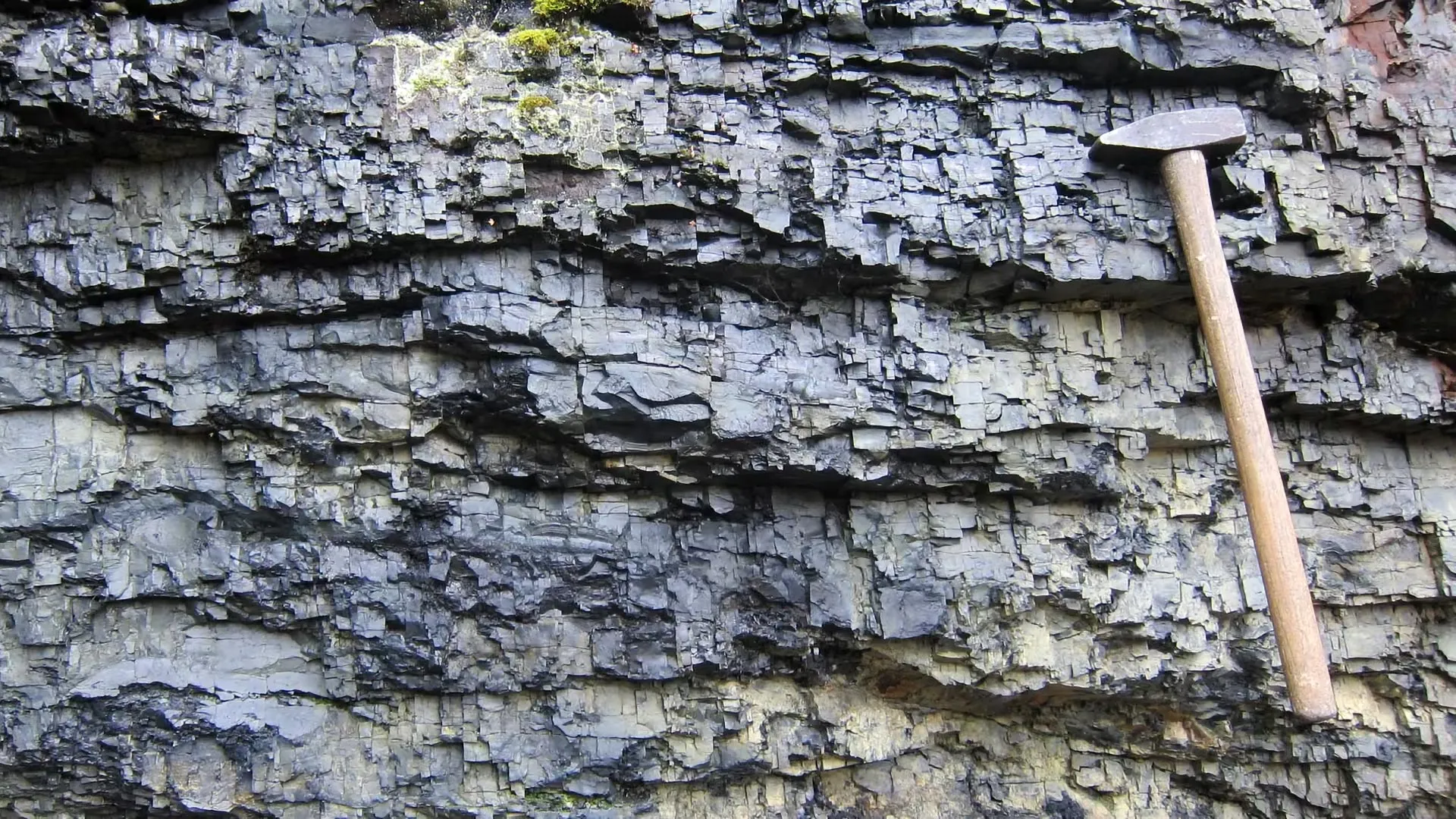
Scientists may have misread a 2-billion-year-old clue about Earth

Scientists have found that a famous 2-billion-year-old chemical signature, once thought to record a massive global change in Earth’s carbon cycle, may instead have been produced by local magma, hydrocarbons, and methane-eating microbes. The discovery raises new questions about what was really happening as oxygen transformed the young planet.

πŸ“… 2026-09-26 14:38:02    β€’    ScienceDaily
Read Original Article β†’
Page 114of 201   β€’   4,813articles