Space weapons, AI safety concerns and the EPA’s rollback of power plant emission rules
From orbital weapons to AI risks and weaker emissions rules
Stay informed about scientific discoveries, research developments and new findings from around the world.
From orbital weapons to AI risks and weaker emissions rules
Physicists have put a decades-old idea about why the strange rules of quantum mechanics disappear in our everyday world to one of its toughest experimental tests yet. Deep beneath Italy’s Gran Sasso mountain, researchers searched for an extremely faint radiation signal predicted by a theory suggesting that tiny fluctuations in spacetime, caused by gravity, gradually destroy quantum superpositions. After 62 days of measurements with a highly shielded germanium detector, they found no such signal.
Sex differences in attention are present at birth, study finds Anonymous (not verified) Mon, 09/21/2026 - 10:00 The findings suggest that some psychological differences between males and females (such the development of social skills) may be influenced by both prenatal biology as well as later experience.The study, published today in Biology of Sex Differences, involved testing 130 newborn infants only hours after birth. It builds on previous research by the same lab and uses robust methods to demonstrate the differences.For years, research has shown that girls, on average, learn to talk earlier and develop social skills faster than boys. Scientists have long debated whether these difference...
As we age, some of the cells in our body enter a state of senescence, in which they stop dividing but do not die. Those senescent cells can contribute to age-related disorders such as cancer, tissue degeneration, and inflammatory diseases.In an advance that could lead to better ways to diagnose and treat those diseases, MIT researchers have developed a noninvasive way to detect biomarkers of senescence. Their method is based on Raman microscopy, which can reveal the biochemical composition of cells without harming them.By combining Raman microscopy with gene expression data at single-cell resolution from the same cells, the researchers were able to identify unique “barcodes” that can be used...
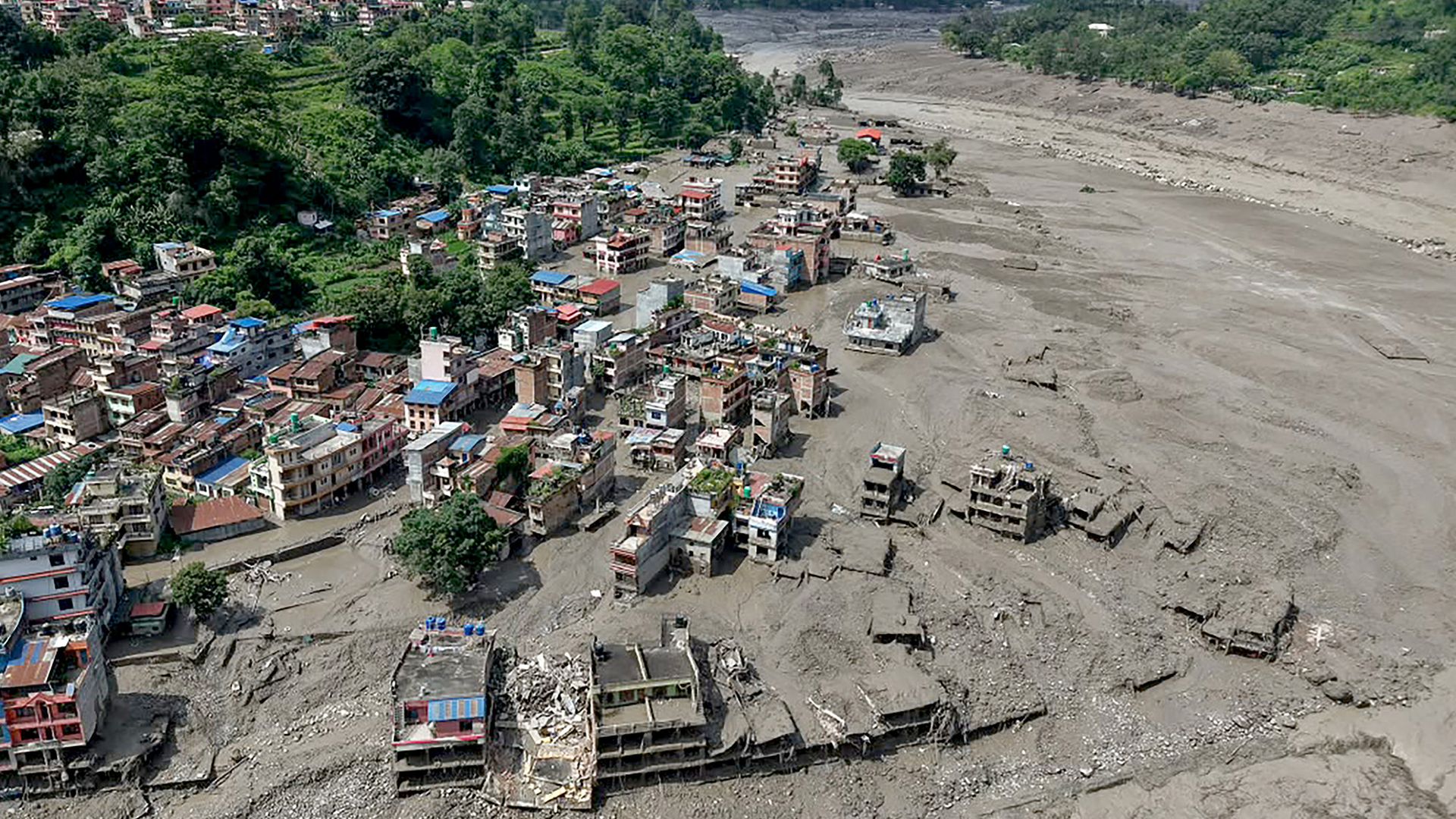
The massive Nepal-Tibet flood on Aug. 26 showed just how devastating glacier-related disasters can be. As of Sept. 16, the event killed at least 1,400 people, with more than 6,000 people still missing. The Himalayas, with their steep slopes studded with rapidly melting glaciers, are high risk, but areas across much of the world carry the risk of glacier-related disasters, including one tropical region that is at particular risk, experts told Live Science."Slope failure from glacier shrinkage is occurring everywhere," Mark Carey, a professor of environmental studies and geography and director of The Glacier Lab at the University of Oregon, told Live Science in an email. Nepal-Tibet floodThe r...
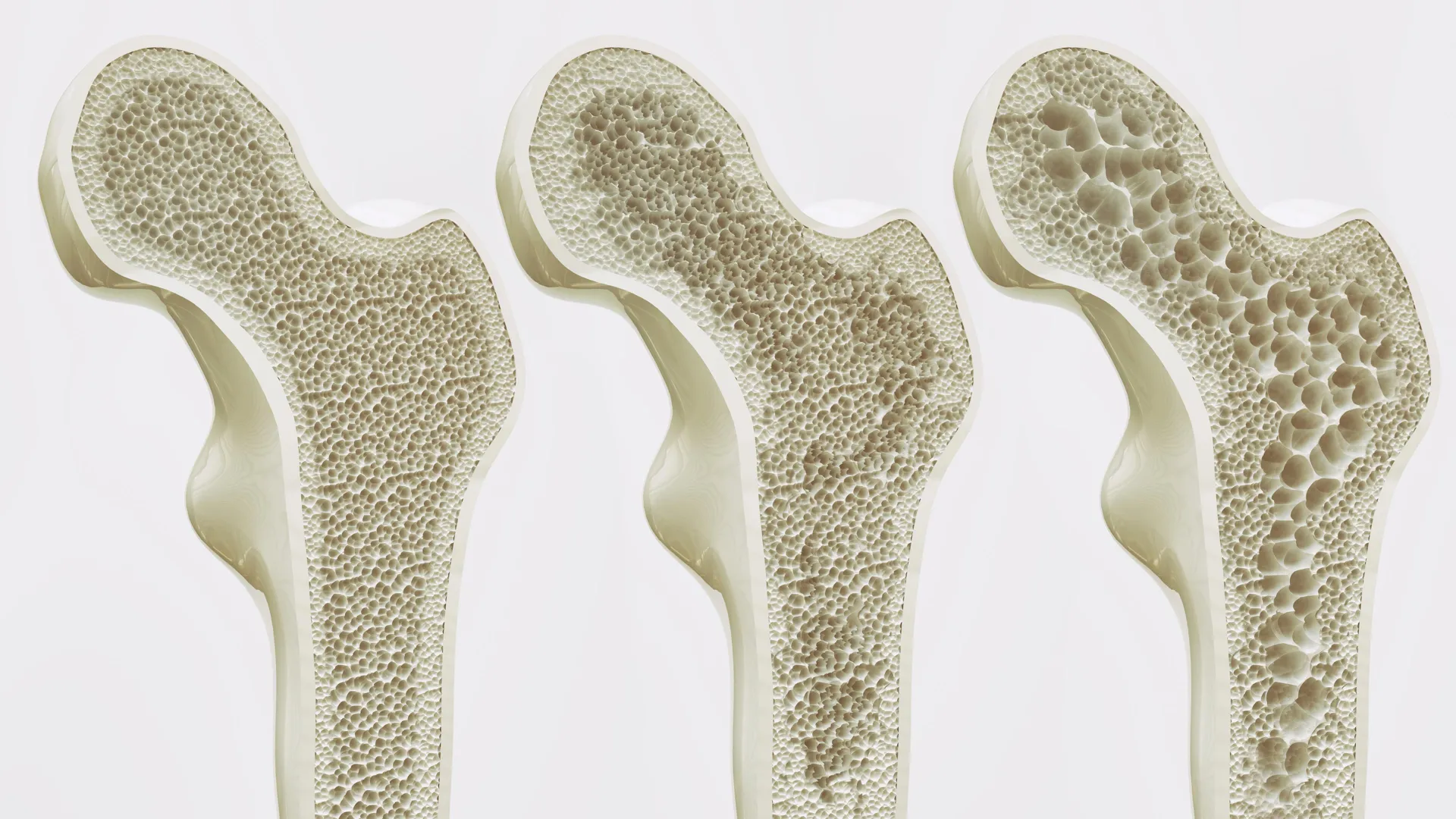
A sweeping review of more than 153,000 adults found that calcium and vitamin D supplements, alone or together, do little to prevent fractures or falls in most older people. Researchers say the findings challenge routine supplementation for prevention and point instead toward strategies such as balance and resistance exercise.
The stereotype of bland British food is notorious, and people mock the horrors of jellied eels and overcooked vegetables. Even roast beef and pudding are seen as uninspired compared with the cuisines of other nations. But British food is and has historically been complex, multicultural and flavorful.
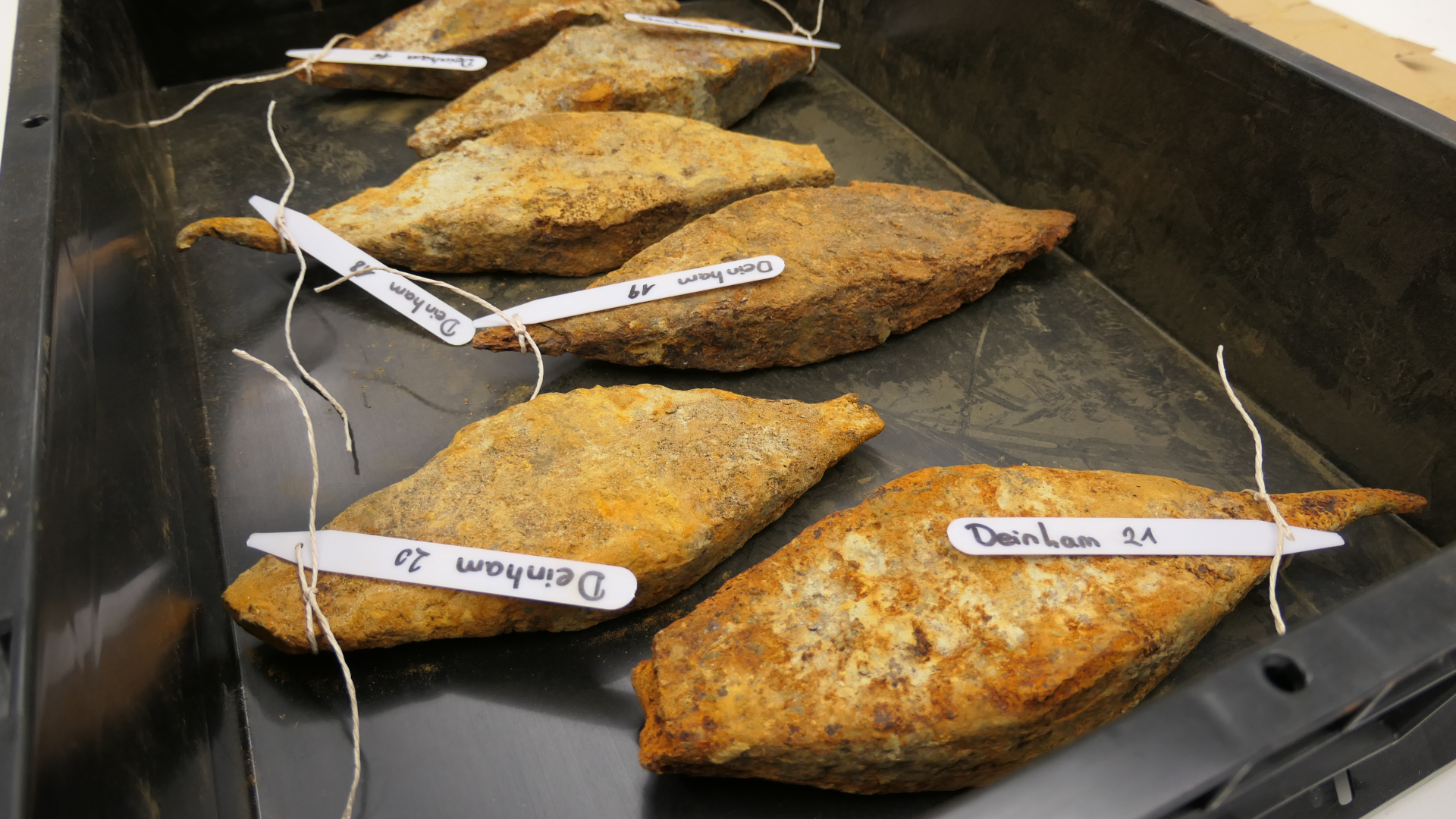
More than two millennia ago, a ship carrying a wealth of iron sank in the Danube River in what is now Austria. Archaeologists have identified the "rusty treasure" as a collection of 500 iron bars — the largest cache of ancient iron ever discovered in Europe and enough metal to equip an army.The assortment was discovered in 2019, when workers who were extracting gravel from the river near the village of Deinham spotted a few unusual double-pointed iron objects and reported them to the Austrian monument authority. "It is nothing short of a minor miracle that the largest mass find of prehistoric iron bars in Europe did not end up at scrap dealers," Peter Trebsche, an archaeologist at the Univer...
Analysis of a "rusty treasure" excavated during industrial gravel extraction at Deinham, Austria, reveals it is the largest mass find of prehistoric iron bars in Europe, pointing to iron production and trade during the Iron Age on an unprecedented scale.
Before diving into the mystery of glass, theoretical physicist Corentin Laudicina takes us back to high school physics for a moment. Although he has spent years studying exactly what happens in a material during the glass transition, he also understands that his research is not the easiest thing to explain off the cuff at the cafeteria table.
Stand on the damp sand on a California beach and chances are you're standing on top of an active earthworks site. Sand hoppers (Megalorchestia spp.), the tiny, shrimp-like creatures commonly found eating away at kelp on the shore, have been found to move massive amounts of sand, excavating up to 50 kg (110 pounds) of sand per meter (3.3 feet) of shoreline per day.
When asked about the greatest innovation of humans, people often say language or fire. A new paper suggests these innovations may be more interlinked than we previously assumed.
Scientists have long speculated why Venus, with a size, mass and structure similar to Earth's, doesn't have a moon. New UC Riverside research shows that our hungry twin likely swallowed it.
The sun is such a constant in our lives that it can be difficult to imagine our star ever changing. But the sun can be quite variable. There are times when its magnetic field is turbulent and generates many sunspots and other times when it is quiet and dormant. Since the 1800s, we've known that these active and passive periods follow an 11-year pattern known as the solar cycle. But even after centuries of observation, we still have a difficult time predicting exactly when solar maximum will occur and just how intense it will be. This is important because solar activity can have a significant impact on our modern technological infrastructure.
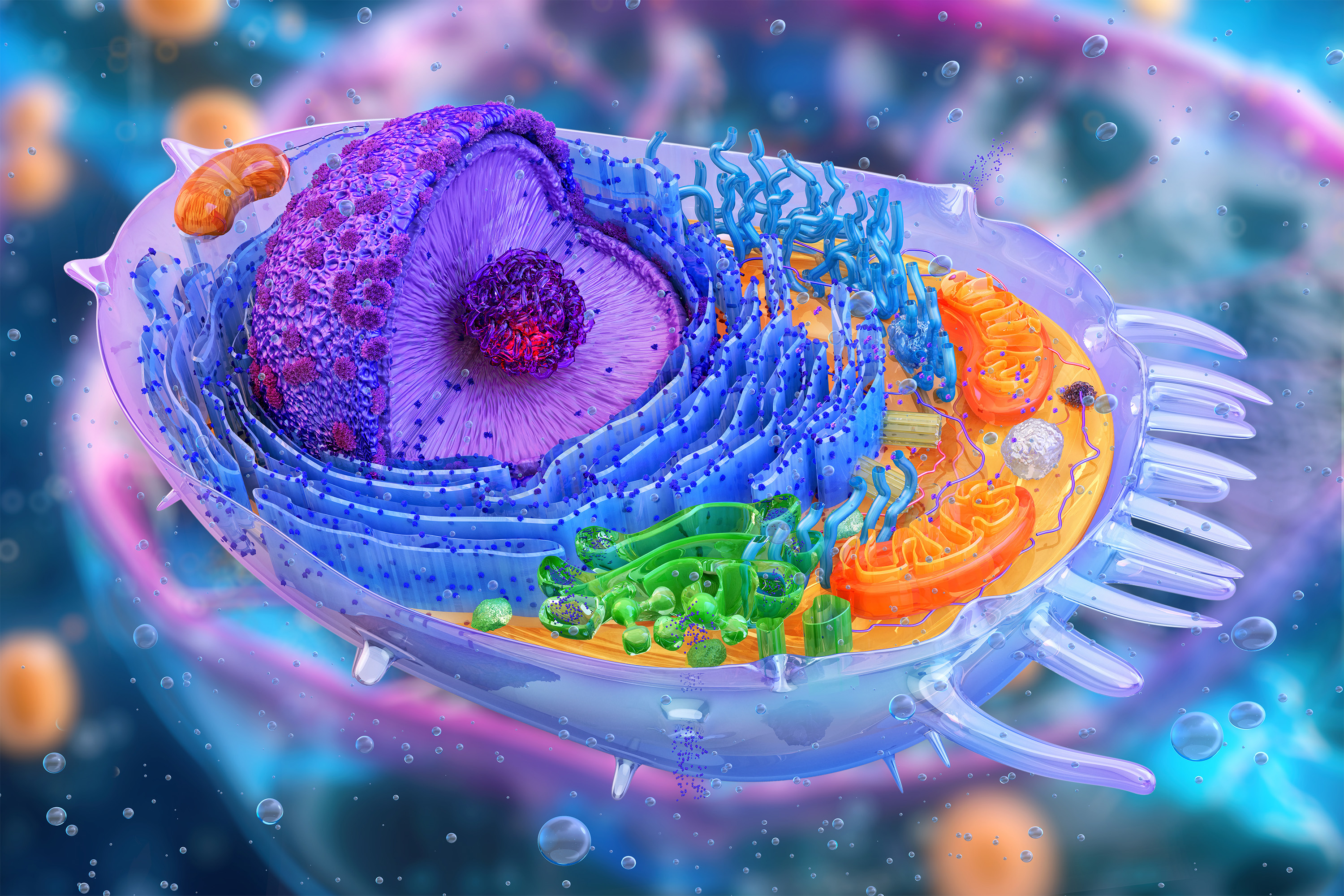
Mitochondria—tiny structures that convert nutrients into energy—are often depicted as discrete kidney bean-shaped objects. But in reality, they form a dynamic, interconnected network throughout the entire cell, rapidly splitting and fusing as they're transported to where energy is needed most.
For two weeks in September, everyone wants to be Italian—at least judging by the crowds at the annual Feast of San Gennaro in New York City's Little Italy.
In 2024, D. Sarah Stamps' team detected and tracked a short-lived bulge in the land around a volcano in Tanzania. In a paper published Sep. 18, Stamps identified the cause of the uplift: 1 million cubic meters of magma pouring into an existing magma reservoir about 1.8 miles (2.9 kilometers) underground.
Social technologies, digital tools that allow people to communicate and share content with each other online, have become a central way of communicating for many people worldwide. Yet the possible effects of these technologies on the well-being and life satisfaction of regular users are still widely debated.
About 12.5 trillion tons (11.3 trillion metric tons) of ice from glaciers in Greenland and Antarctica have melted since 1979, which is enough frozen water to stack ice 5 feet (1.5 meters) deep across the continental United States, according to a major scientific report.
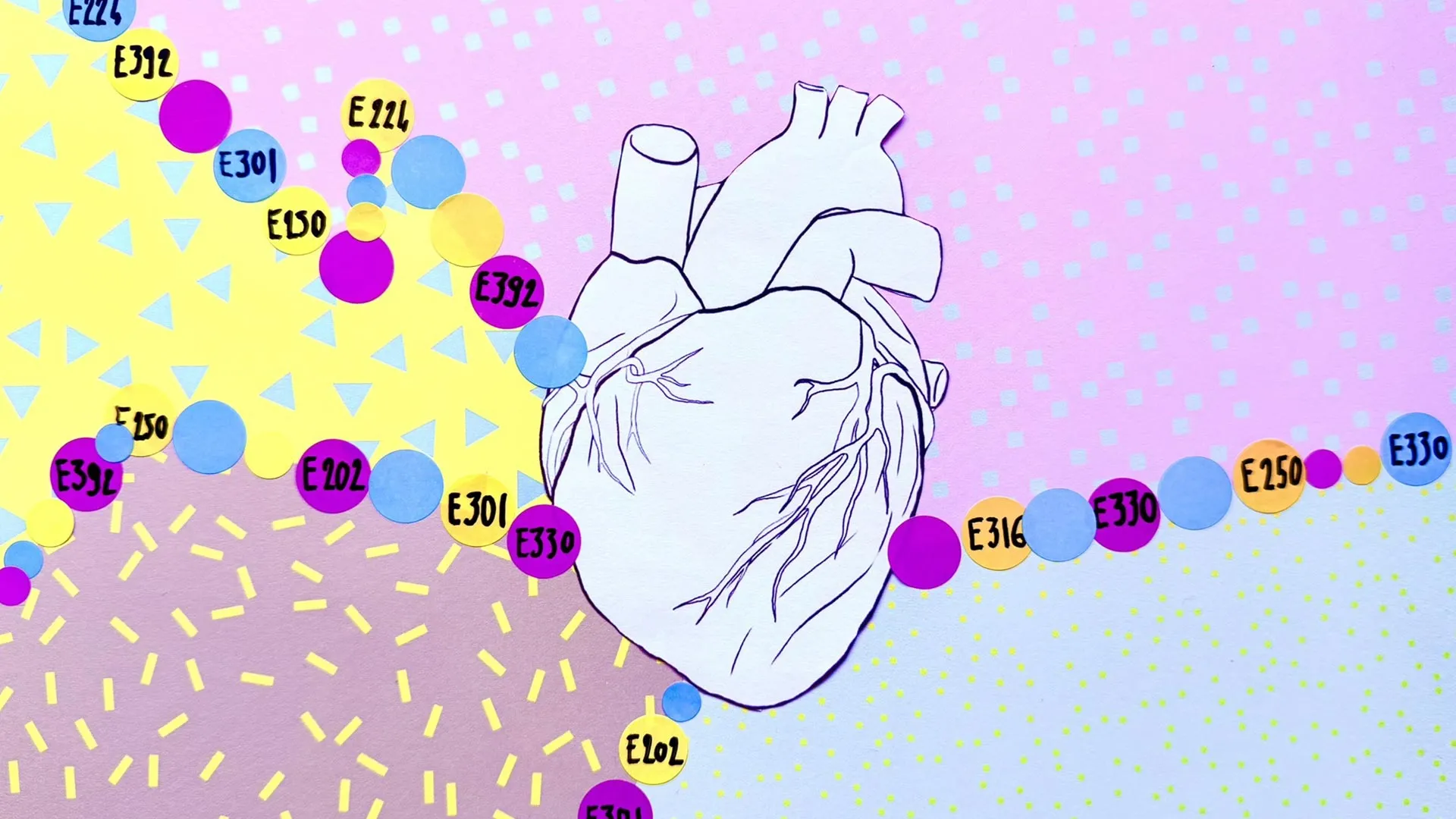
Common preservatives hiding in processed foods may carry unexpected heart risks, with heavy consumption linked to substantially higher rates of high blood pressure and cardiovascular disease. Researchers identified eight widely used preservatives associated with hypertension, although the observational study cannot prove they were directly responsible.
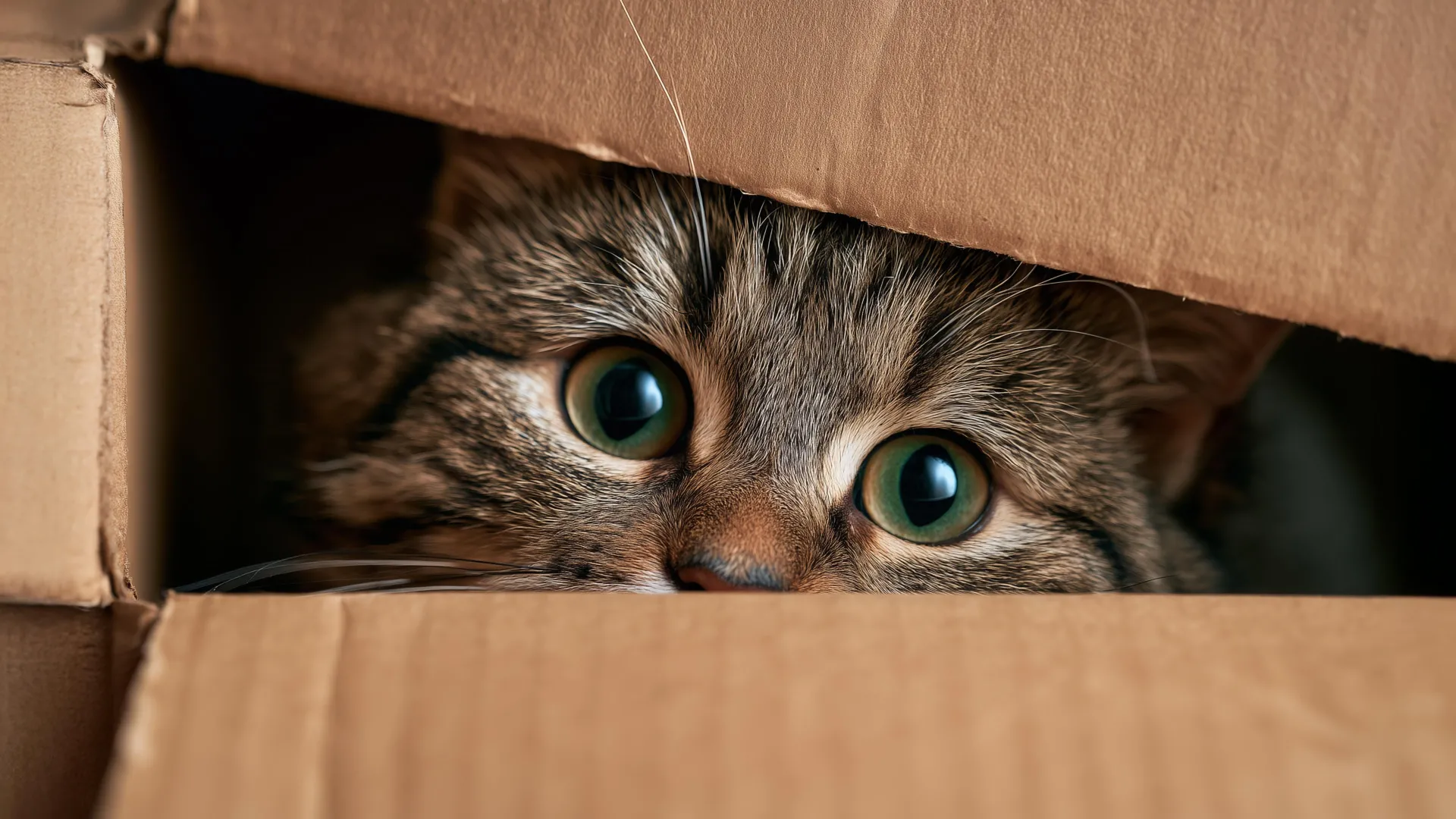
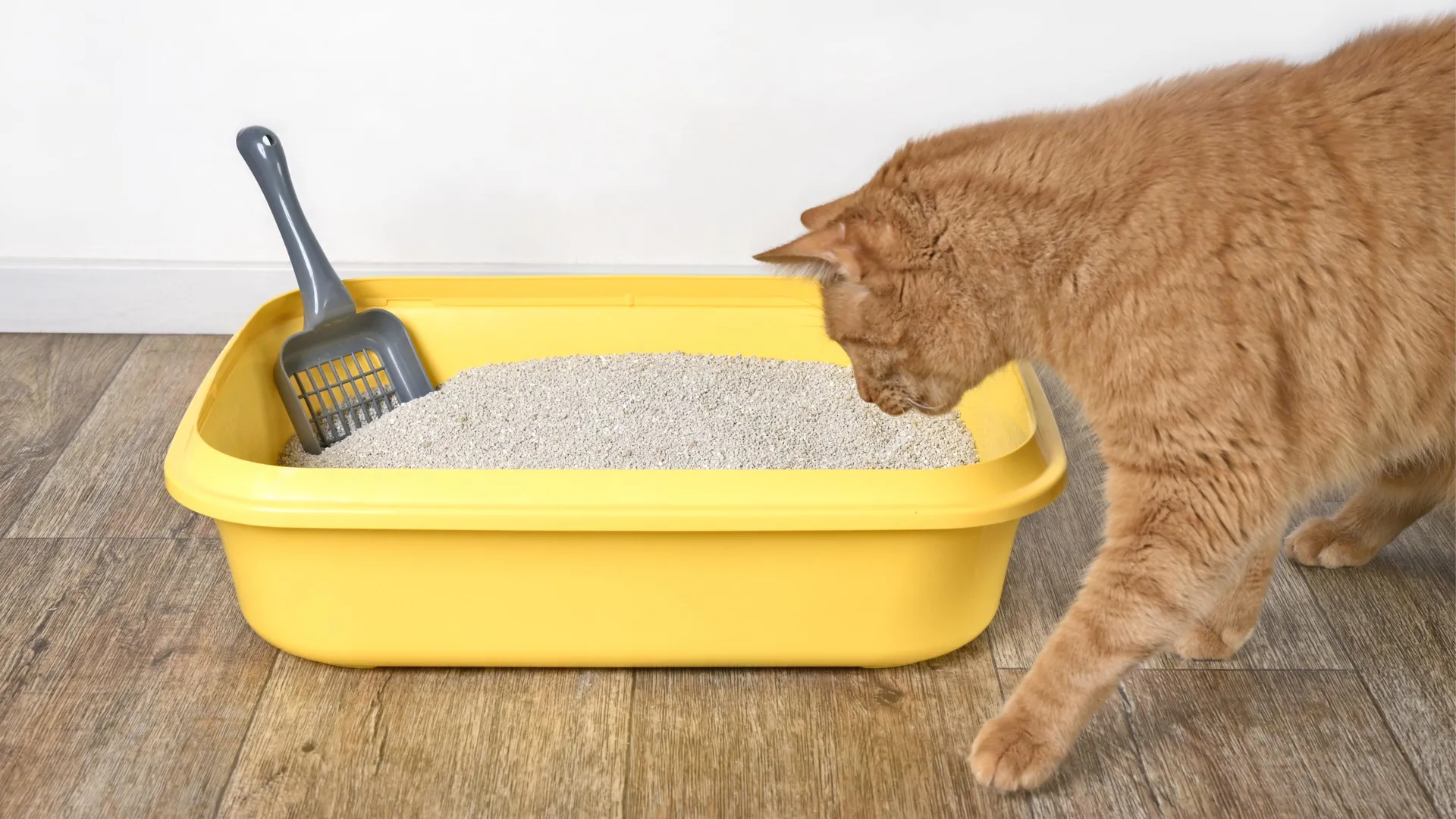
Cats may identify one another through a surprisingly durable chemical “calling card” made from 13 unusual fatty acids in their urine. The compounds appear linked to mysterious fat droplets in the kidneys and may represent a scent-recognition system shared across the cat family.
Researchers may have solved a long-running mystery surrounding the Dead Sea Scrolls by proposing that the Qumran sect really did use its distinctive 364-day calendar. Its perfectly ordered 52-week system kept holidays on the same weekdays, but it slowly drifted out of sync with the seasons because it was shorter than the true solar year.
Scientists have developed ultra-bright nanoparticles that can detect tiny amounts of chemicals and distinguish between molecules that look almost identical. The technology could one day provide a cheaper way to catch dangerous drug impurities or trace pollutants using simple low-cost lasers.
A decade-long NIST experiment has produced a new measurement of the universal gravitational constant that differs unexpectedly from another leading result, deepening a 225-year-old physics puzzle. The discrepancy is tiny, but for one of nature’s most fundamental constants, it is large enough to keep scientists wondering whether hidden experimental errors or something more surprising is involved.