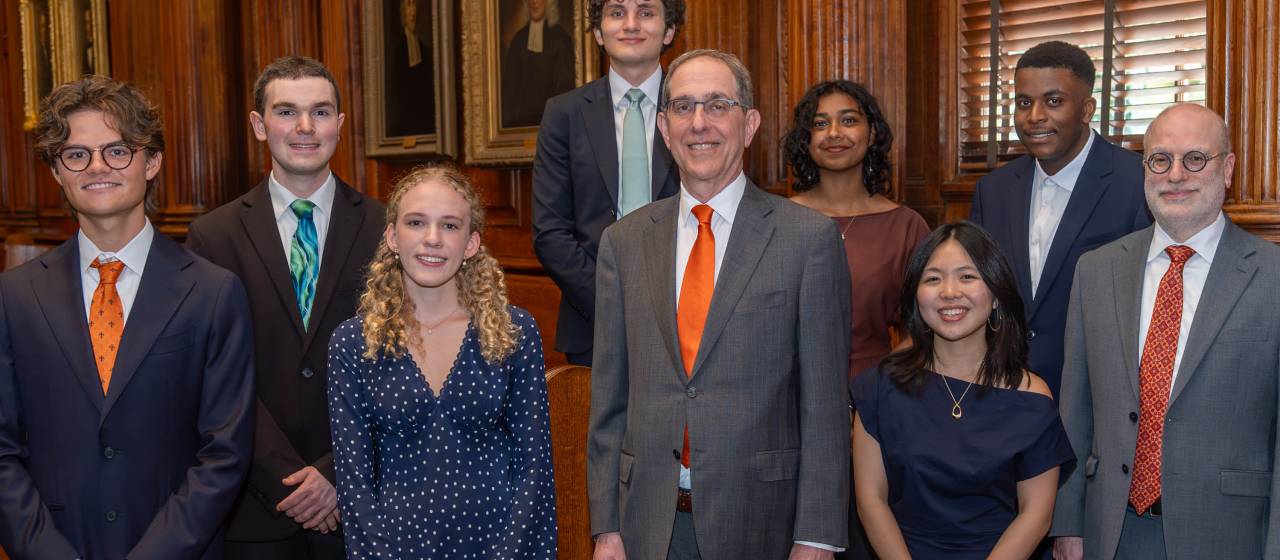
Undergraduate prizes awarded to seven students for academic achievement
Princeton celebrated the students' accomplishments at Opening Exercises.
Stay informed about scientific discoveries, research developments and new findings from around the world.
Princeton celebrated the students' accomplishments at Opening Exercises.
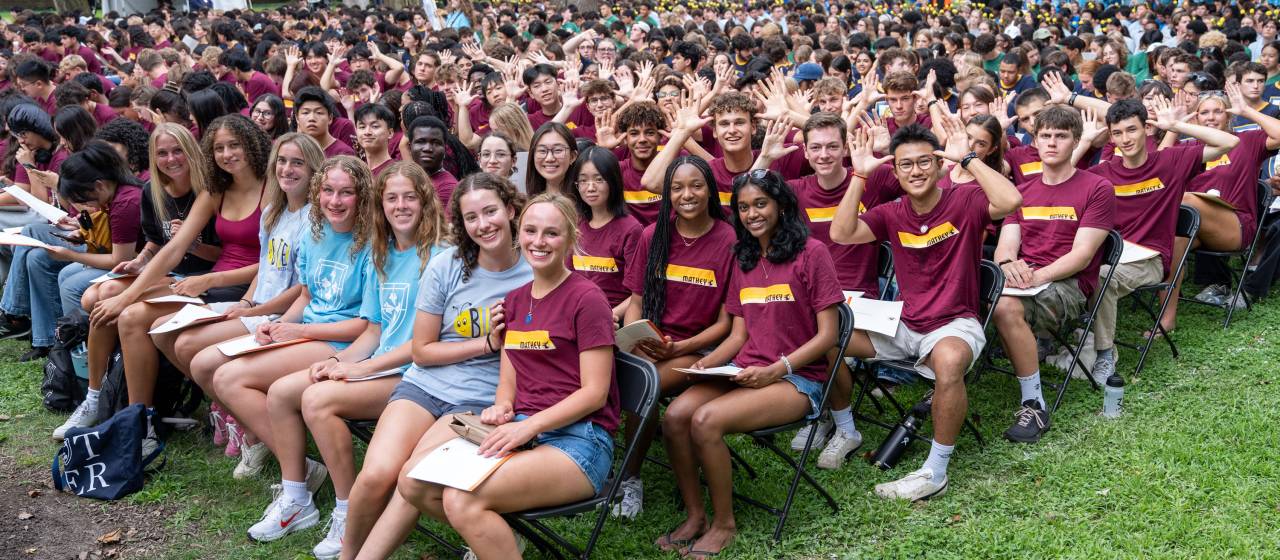
The ceremony marks the start of a new academic year for first-year students in the Class of 2030, incoming transfer students and new graduate students ahead of the start of classes.
Adults aged 40 and older performed about 12% faster on a test of executive function after using a HEPA air purifier at home for one month. The findings suggest that cleaner indoor air could offer a simple way to help protect the brain from the effects of traffic-related pollution.
Proposed federal rule changes would eliminate the requirement for public feedback and consultation with key parties like Tribal Nations and ultimately lead to the destruction of much of our cultural heritage. There's still time to weigh in, says archaeologist Joe Watkins.
The Nancy Grace Roman Telescope will probe dark matter and dark energy, discover exoplanets and study stars
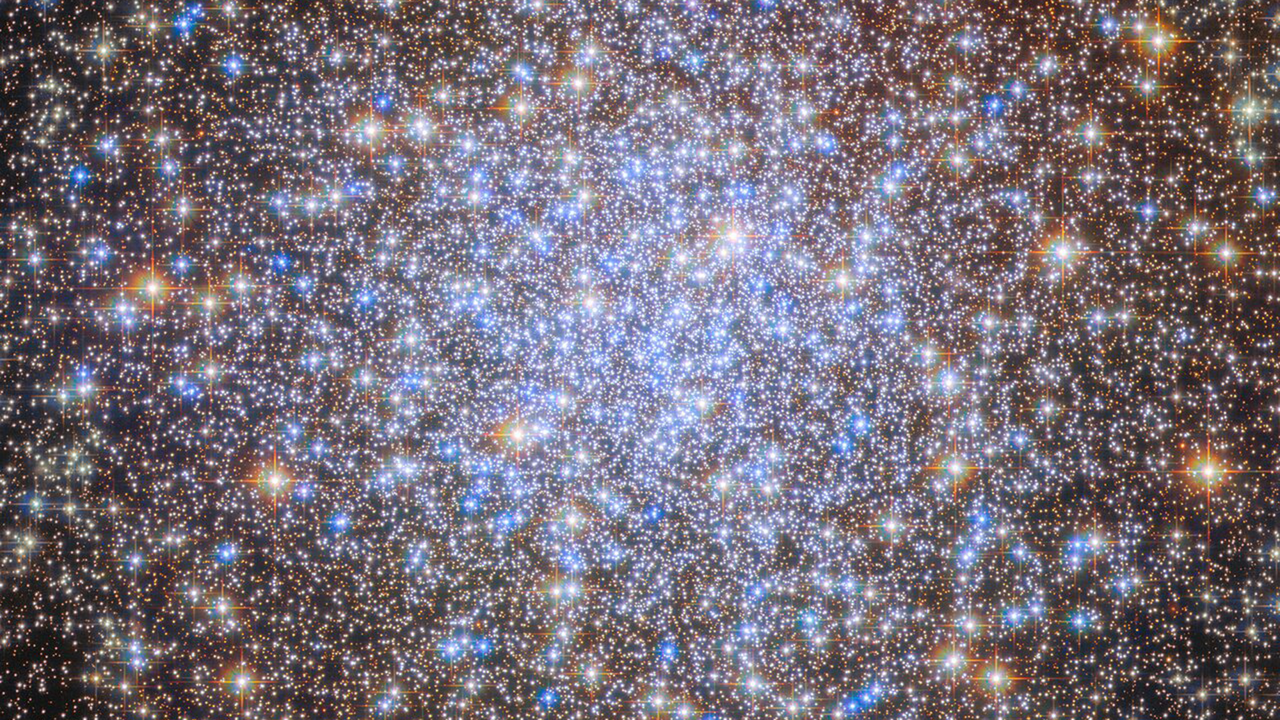
A dazzling new Hubble image of NGC 6723 poses one of astronomy's biggest questions: How did the Milky Way's oldest star clusters form?
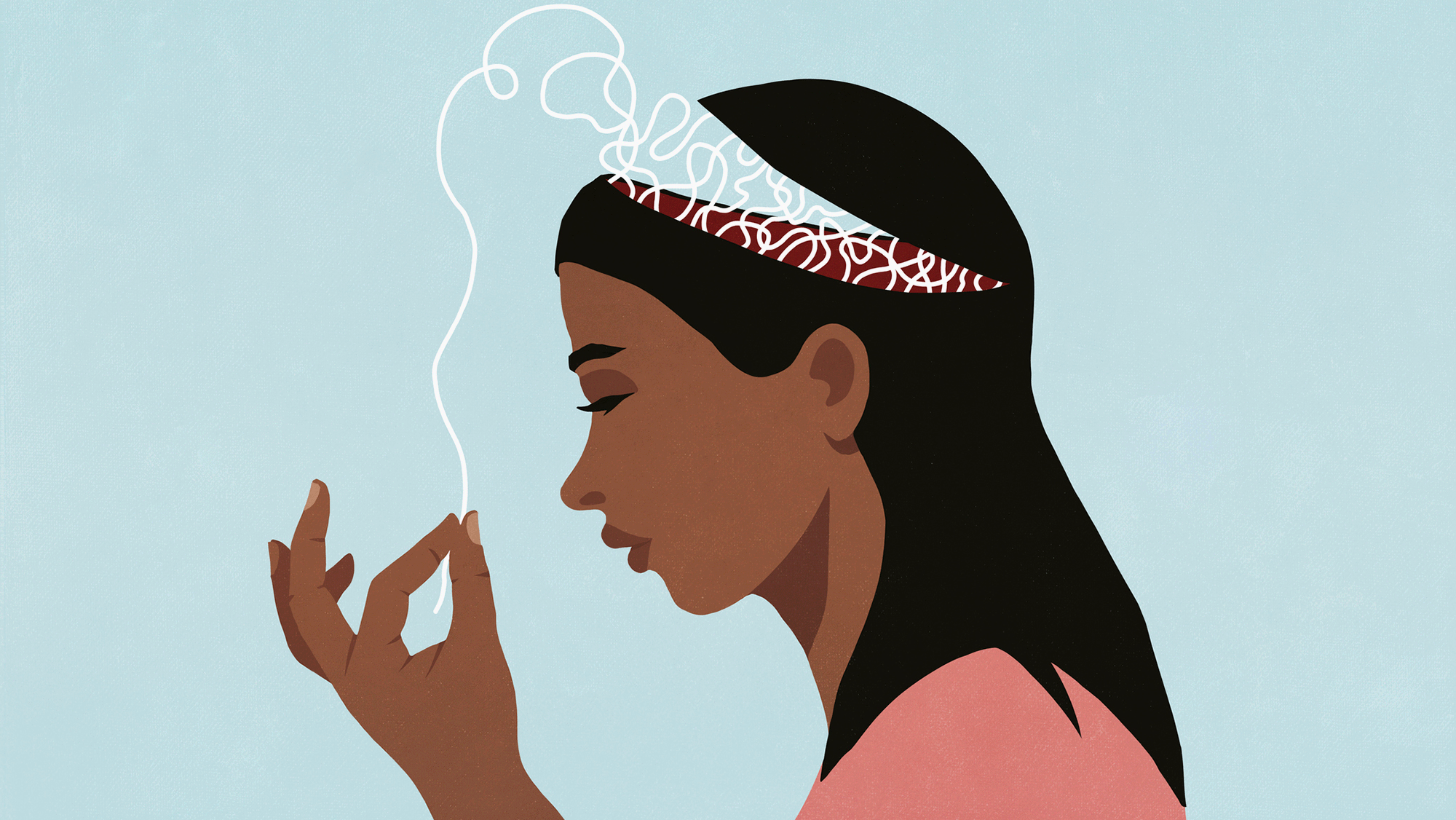
Our obsession with ‘maxxing’ every aspect of our lives could actually be stressing us out
While Earth's atmosphere protects us from harmful cosmic rays, other cosmic particles are passing through us every second.
One day in 1982, Joseph “Rod” Canion and two colleagues from Texas Instruments sat down at the House of Pies in Houston and used a placemat to sketch out what would become Compaq’s portable PC. In 1996, Felix Zandman, founder of Vishay Intertechnology, dined at Husker Steak House in Columbus, Neb., grabbed a napkin and drafted a design for a power metal strip resistor, which became crucial to power-management components in industrial, automotive, and consumer applications. Now that wispy piece of paper resides at the Smithsonian’s National Museum of American History. Perhaps most famously, Rob...
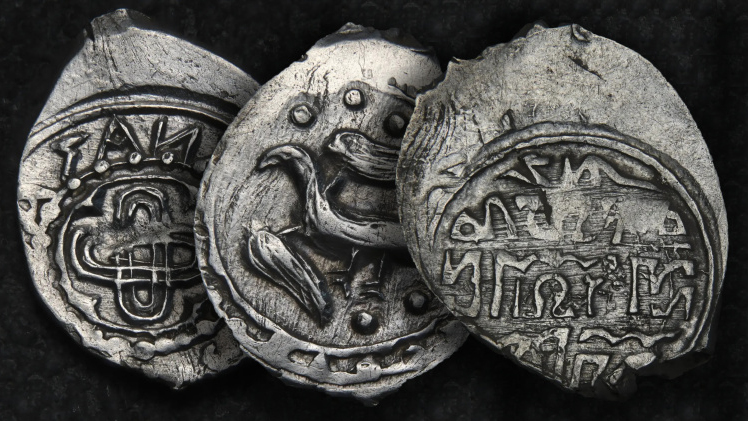
A hoard of silver coins has been unearthed near Moscow, revealing new information about money minting in the 15th century.
Are you worried about extreme heat? Live Science readers reveal their thoughts about Earth's rising temperatures.
The Roman Space Telescope will spend more than a quarter of its time staring at the Milky Way’s bulge, a star-packed central region of our galaxy that may swarm with small, rocky exoplanets
Scientists say a new vector-based approach to cognition is dramatically cheaper than standard methods and signals the start of the "post-transformer" era of AI models.
Seasonal changes have more effects on your biology and behavior than you might realize
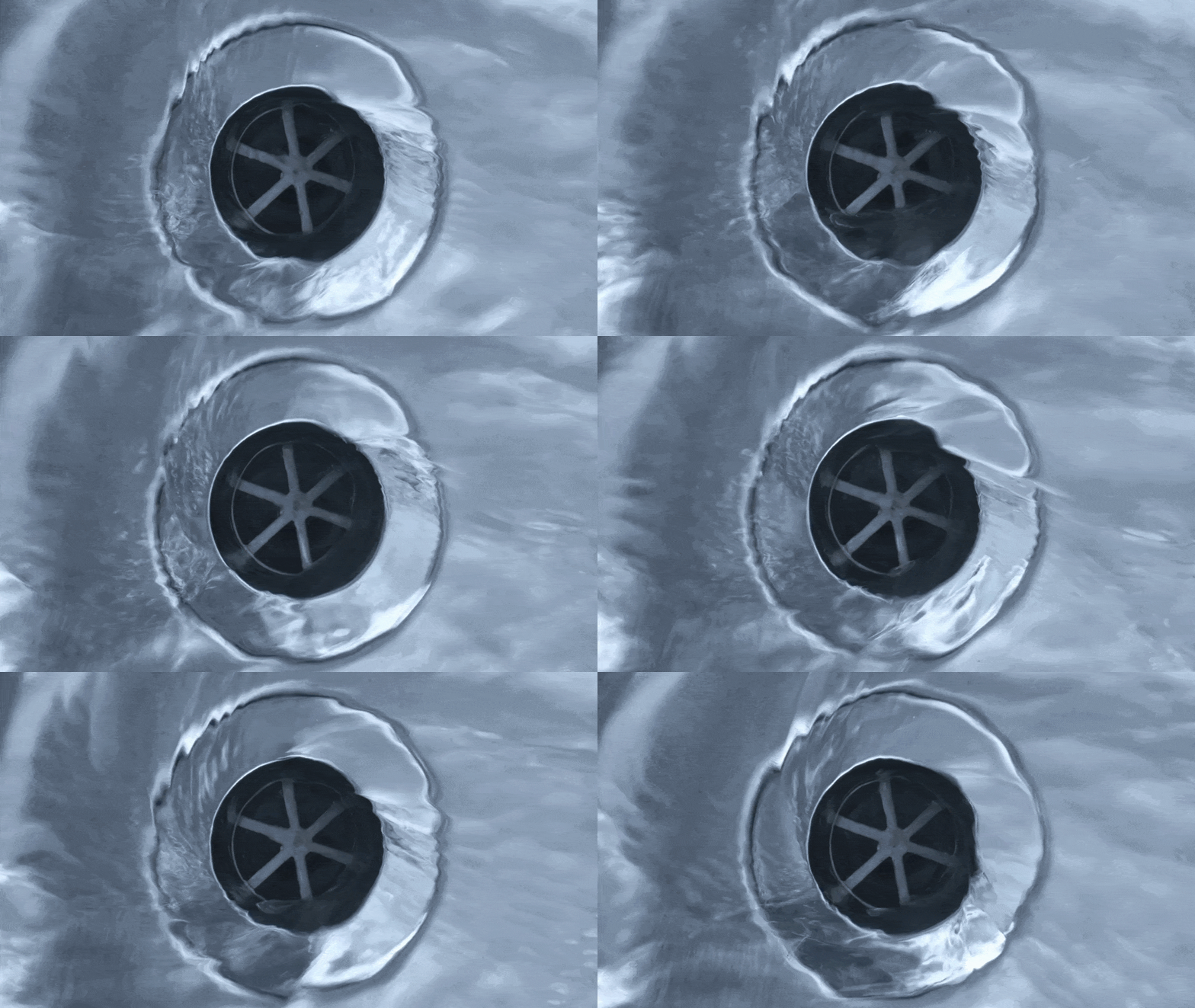
Earth's rotation can influence a draining vortex. So does that mean water in a drain spirals in opposite directions in different parts of the world?
Steve Ramirez, a neuroscientist and author of "How to Change a Memory," tells editor Hannah Osborne about the science and ethics of memory manipulation, and the incredible power of our brains to recall our past.
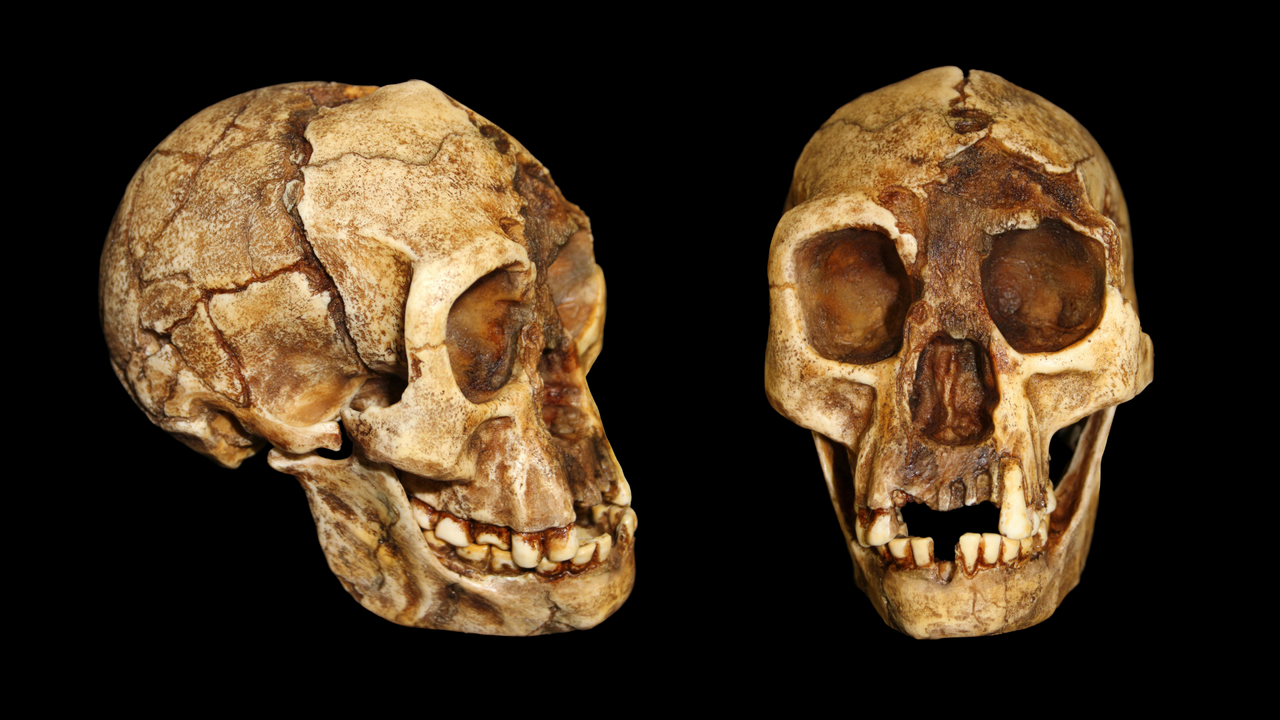
Anthropologists studying the hip bones of Homo floresiensis have discovered that its pelvis was human-like, raising new questions about the origin of the enigmatic species.
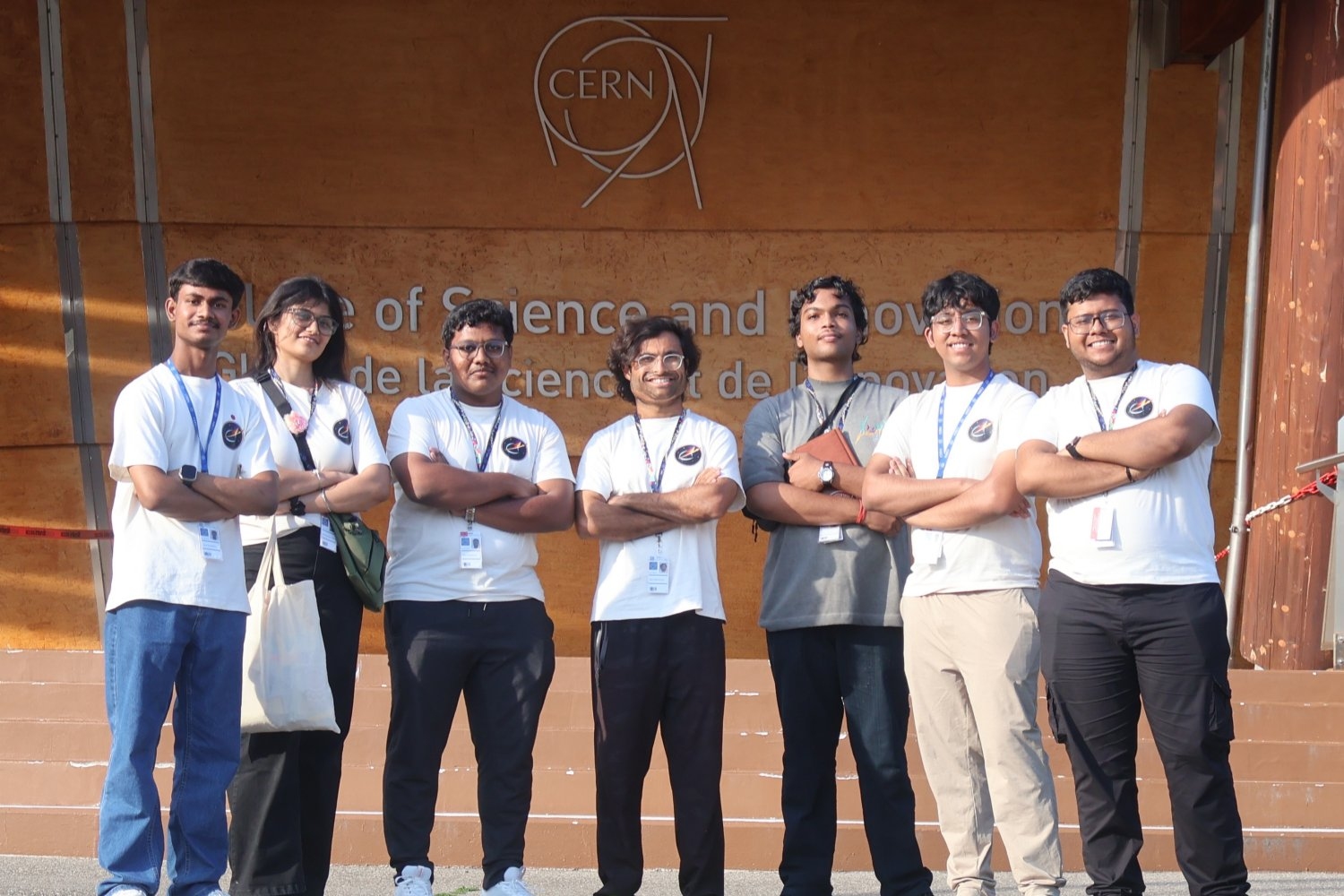
Physics PhD student Manu Srivastava helped high school students in India develop a test that could contribute to one of the world’s largest neutrino experiments.
Experts say many of its terms may help limit use, negative social comparisons, but regulation may still be necessary
Through a decade of non-dilutive funding, hands-on mentorship, and a safe space to fail fast, the MIT Sandbox Innovation Fund Program has helped students translate curiosity into real-world impact.
Seven Rasmussen, an astrobiologist and author of the new book Cloudy with a Chance of Starships, gives readers a tour of the astonishing science behind modern searches for alien life
President Eisgruber joined PEN America’s Summer Lopez *08 for his fifth annual Orientation session exploring free expression and ‘conversations that transcend polarization.’
While walking to school as a child, Jernej Barbič would marvel at how beautiful his home was. He was born and raised in a picturesque village in northwestern Slovenia (formerly Yugoslavia), located in the European Alps. Surrounded by alpine and beech trees, Barbic dreamed of replicating their swaying in the wind for others to enjoy.At the time, he didn’t have the tools or the knowledge to create a system that could do that, but it sparked his interest in computer graphics, he says.Jernej BarbičEmployer University of Southern California, in Los AngelesTitle Professor of computer scienceMember g...