Science News
Math Puzzle: Baby bottle mix-up
Solve a new-parent dilemma with this math puzzle
📅
2026-10-20 11:00:00
•
Scientific American
Read Original Article →
Stay informed about scientific discoveries, research developments and new findings from around the world.
Solve a new-parent dilemma with this math puzzle
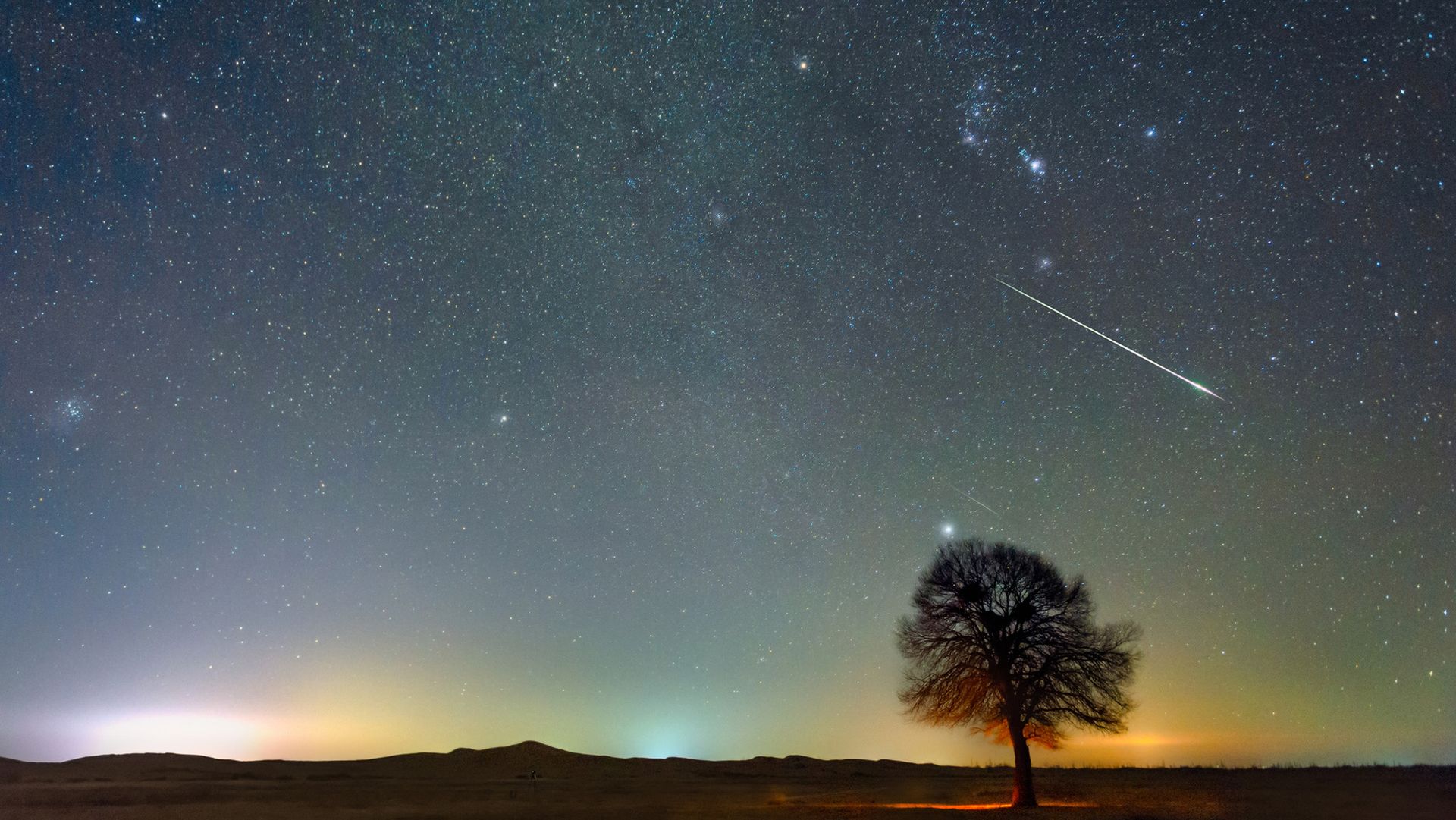
One of the best fall meteor showers peaks this week, when pieces of the famous Halley's Comet streak across Earth's atmosphere as fast-moving "shooting stars."The Orionid meteor shower will peak overnight Wednesday (Oct. 21) through Thursday (Oct. 22), potentially producing around 20 meteors per hour under a dark sky, according to Time and Date. The Orionids are caused when Earth passes through the debris left by Halley's Comet, which last passed through the inner solar system in 1986 and will return in 2061. Halley's Comet is presently beyond the orbit of Neptune, according to The Planets Today, but it doesn't need to be close to Earth to cause "shooting stars." Every time the comet travels...
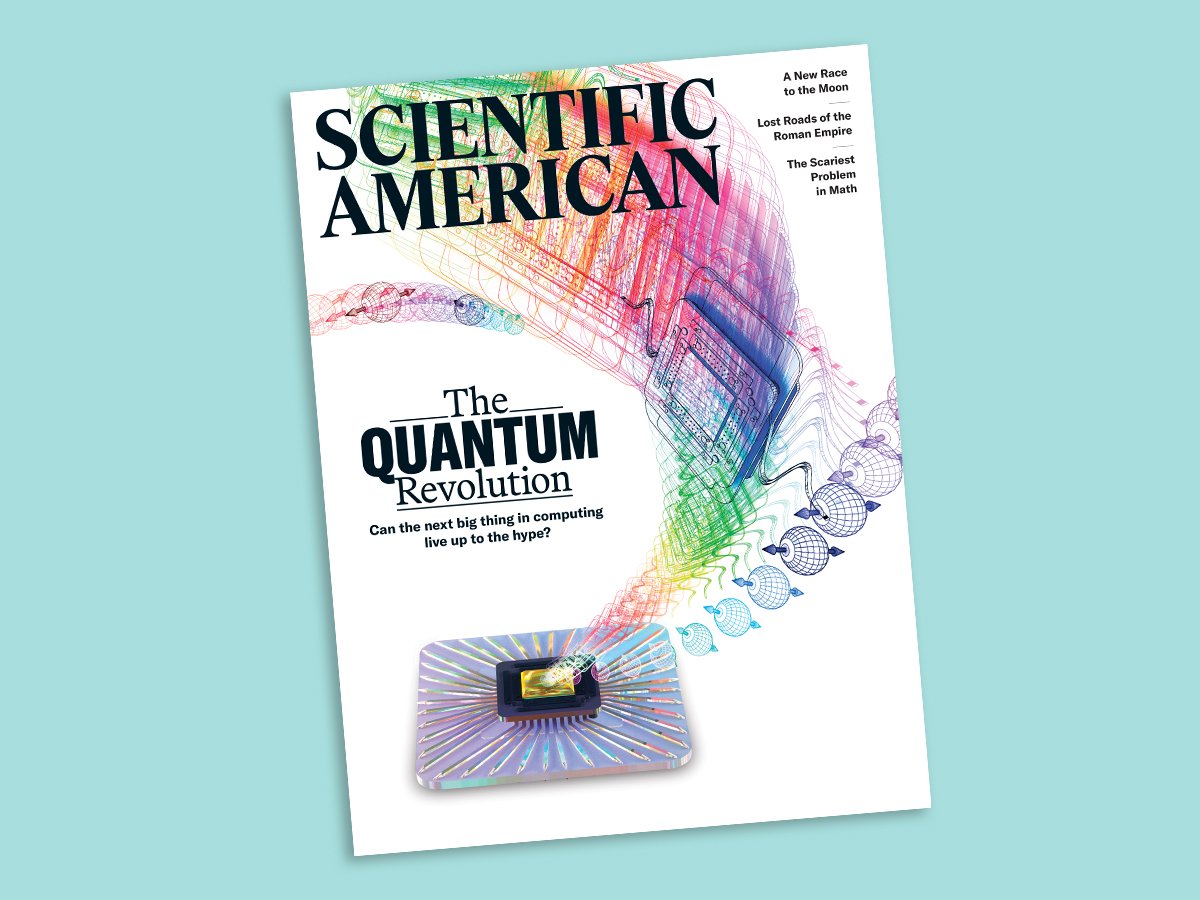
Letters to the editors for the June 2026 issue of Scientific American

Scientists can’t figure out why ultraprocessed foods are unhealthy for us—and new studies suggest that the “processing” isn’t the problem
Play this crossword inspired by the November 2026 issue of Scientific American
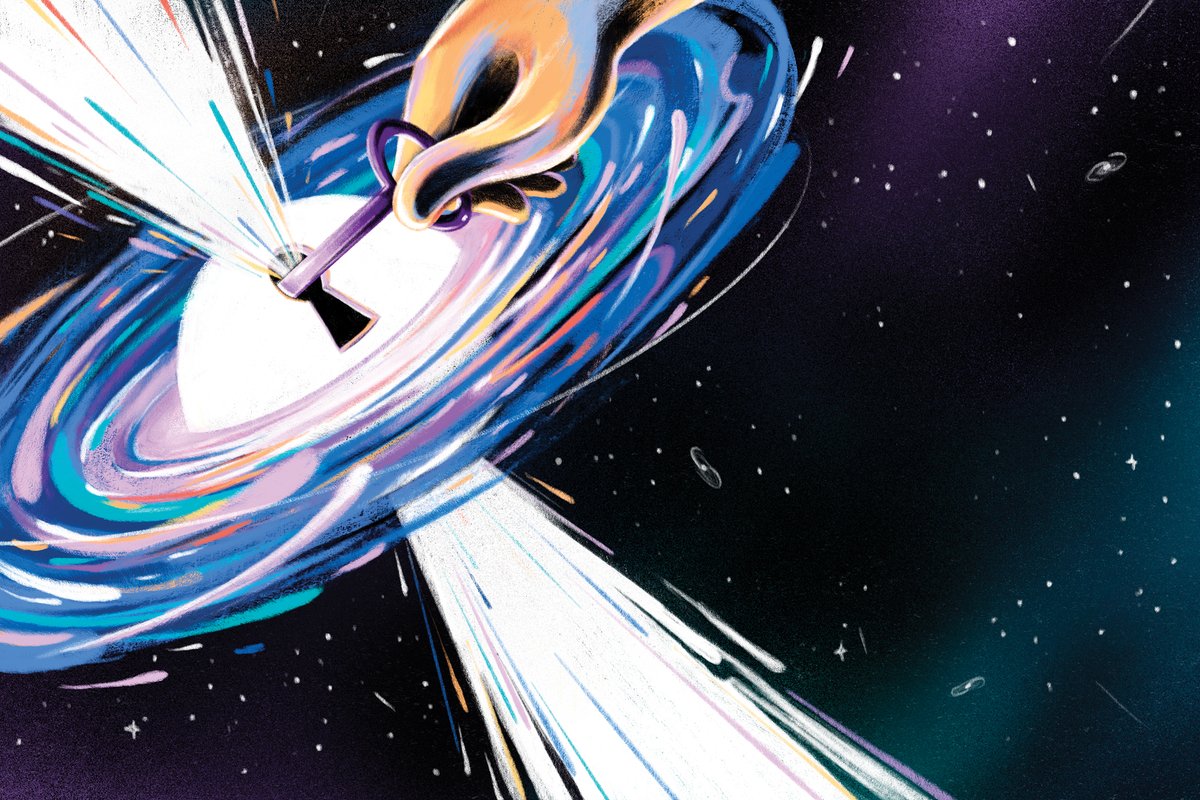
Astronomers are finally figuring out what powers mysterious gamma-ray bursts
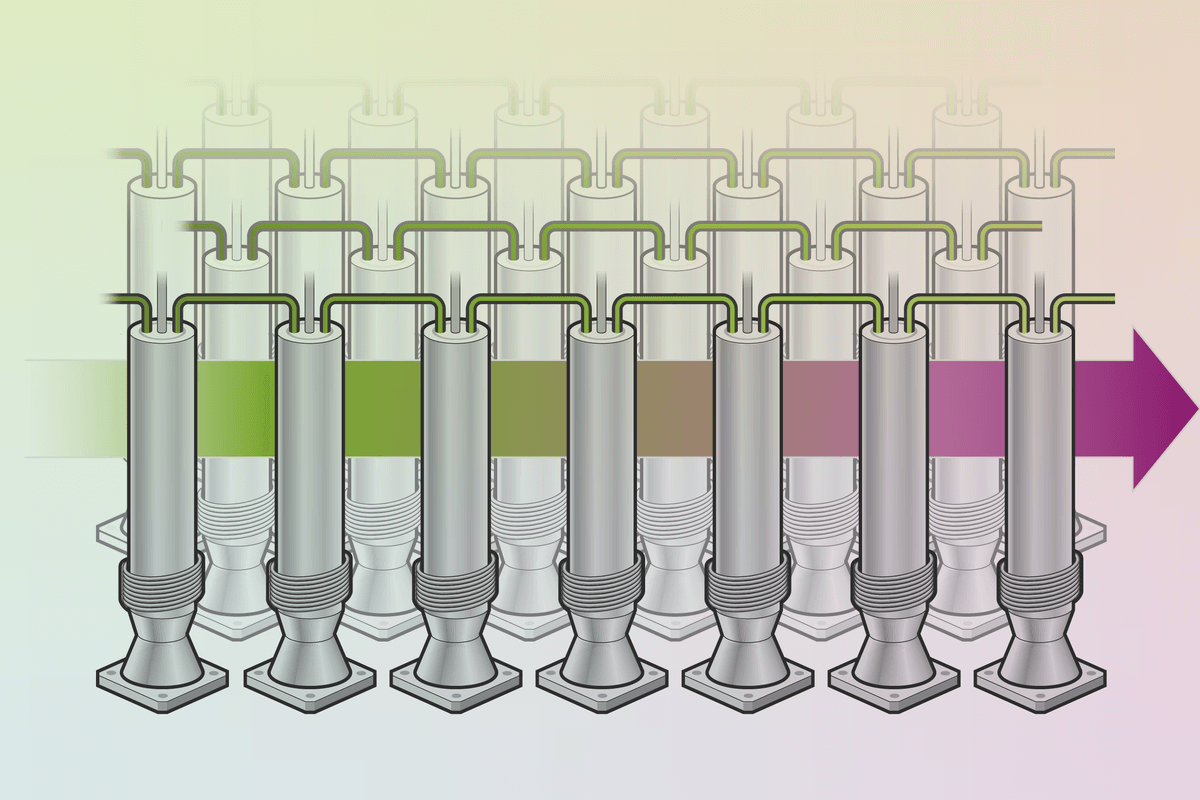
Inside the process of isolating uranium-235
Science in meter and verse
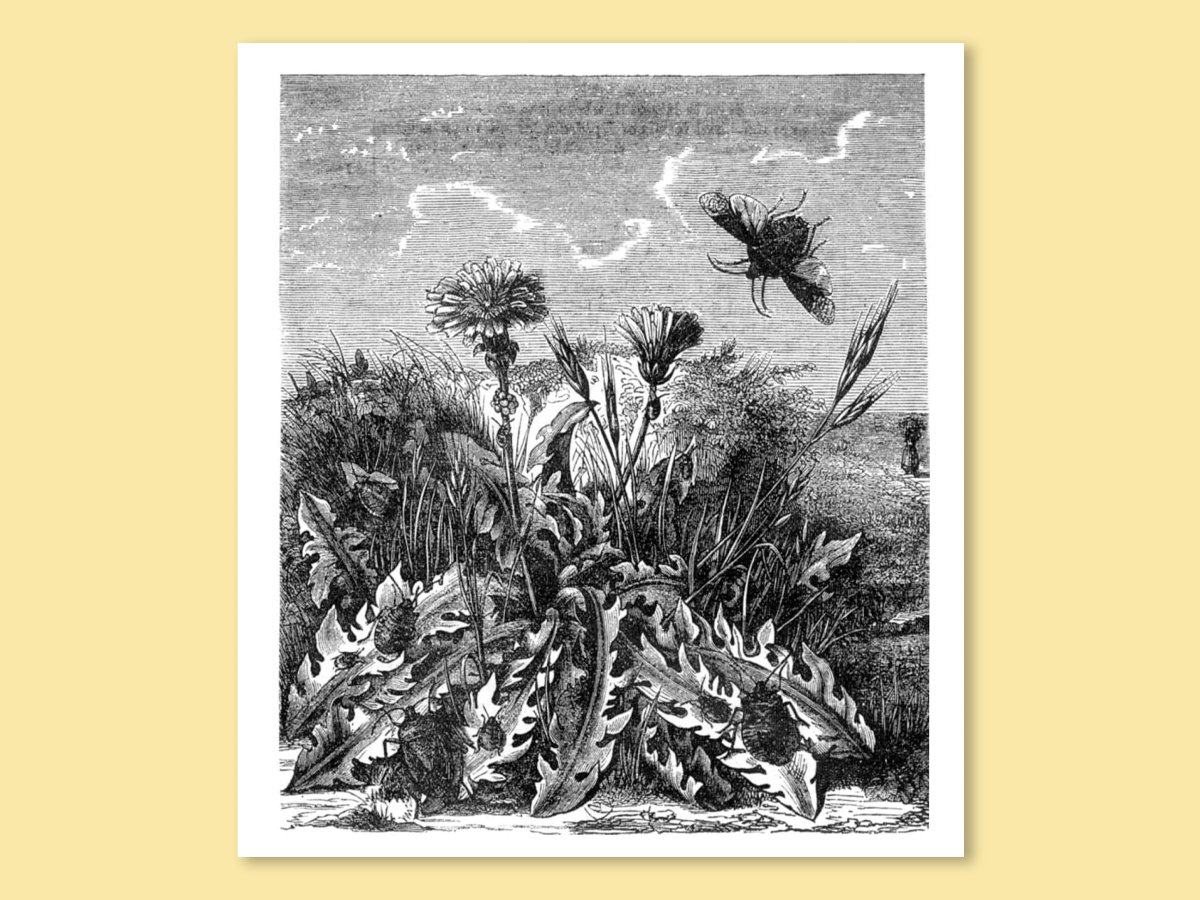
In 1926 we wrote about how there was a good chance Mars had both plants and animals. And in 1876 we probed the duplicity of the artificial butter business
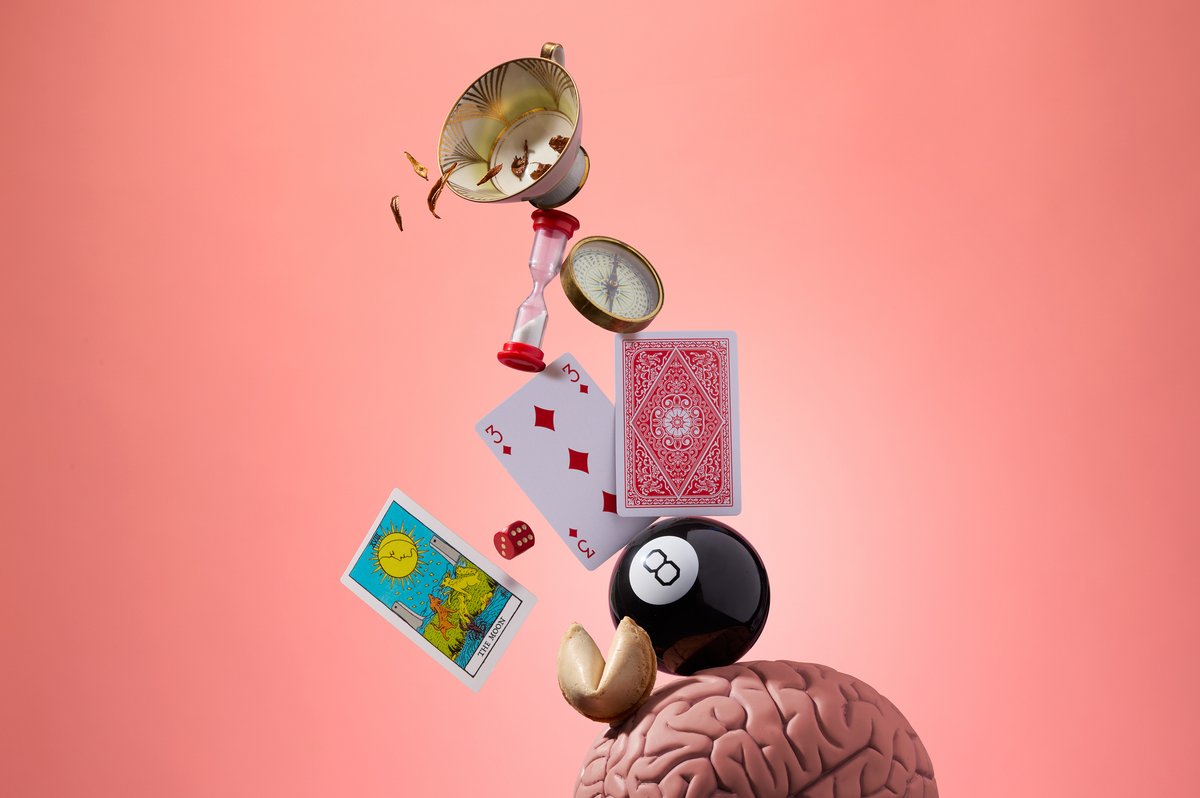
Can our “prediction machine” brains learn to handle a world in chaos?
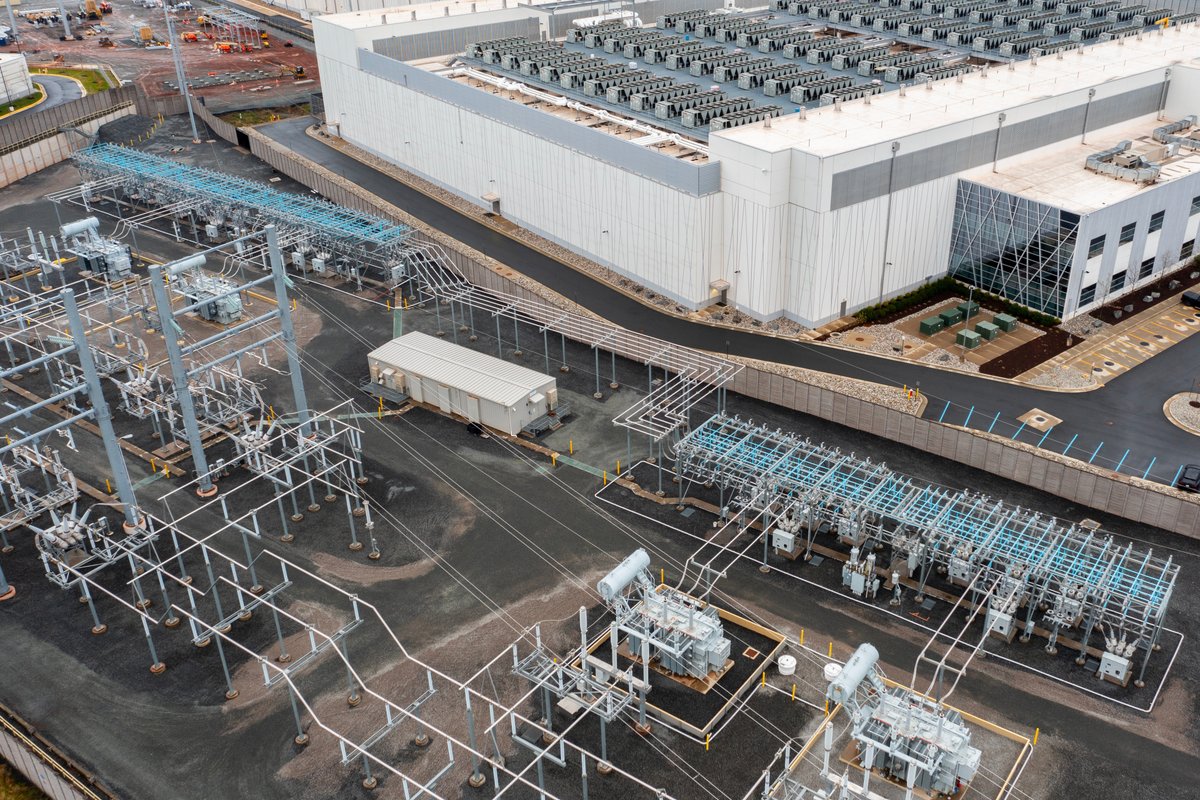
Solid-state transformer designs have been around for decades. Now data centers may finally give the chip-filled devices their killer application
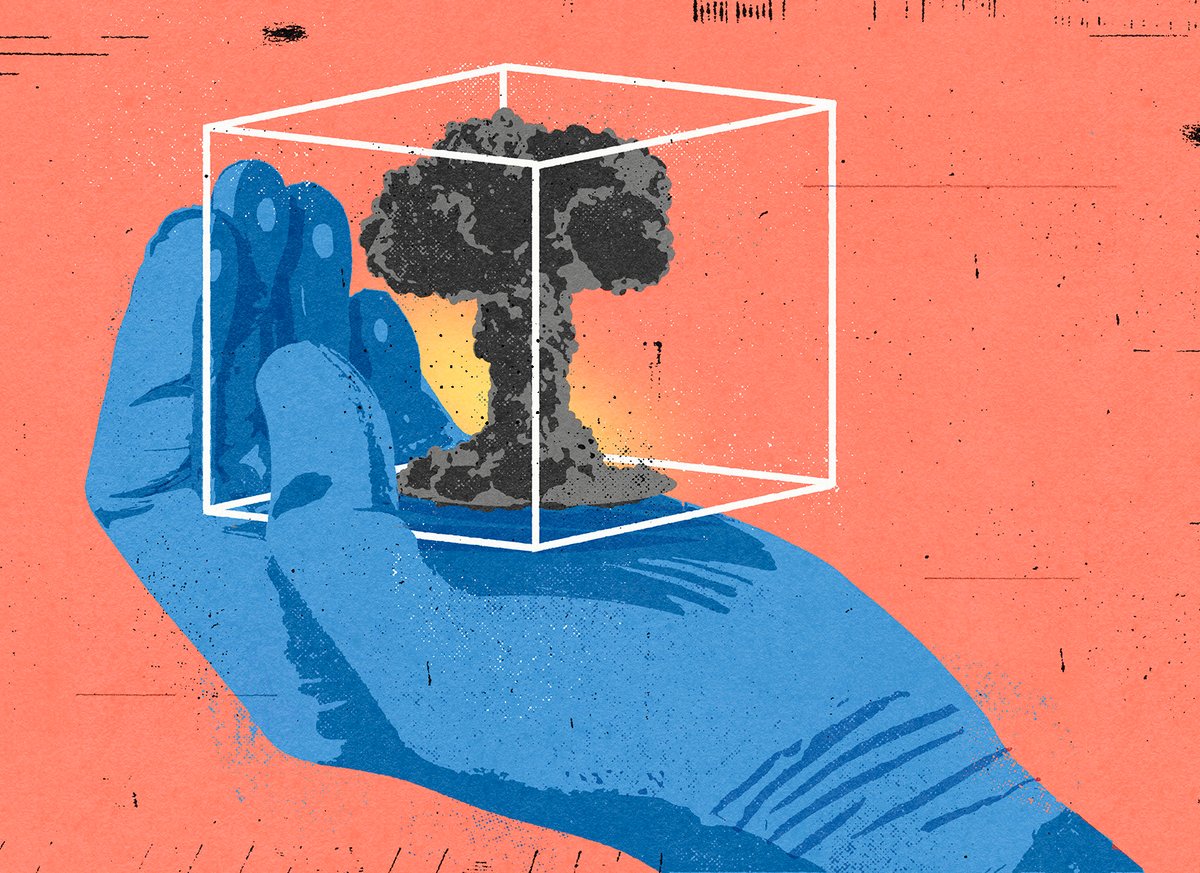
The U.S. hasn’t detonated a nuclear weapon since 1992. Now a fusion start-up whose co-founders include former national lab scientists could help conduct experiments that make sure the stockpile works
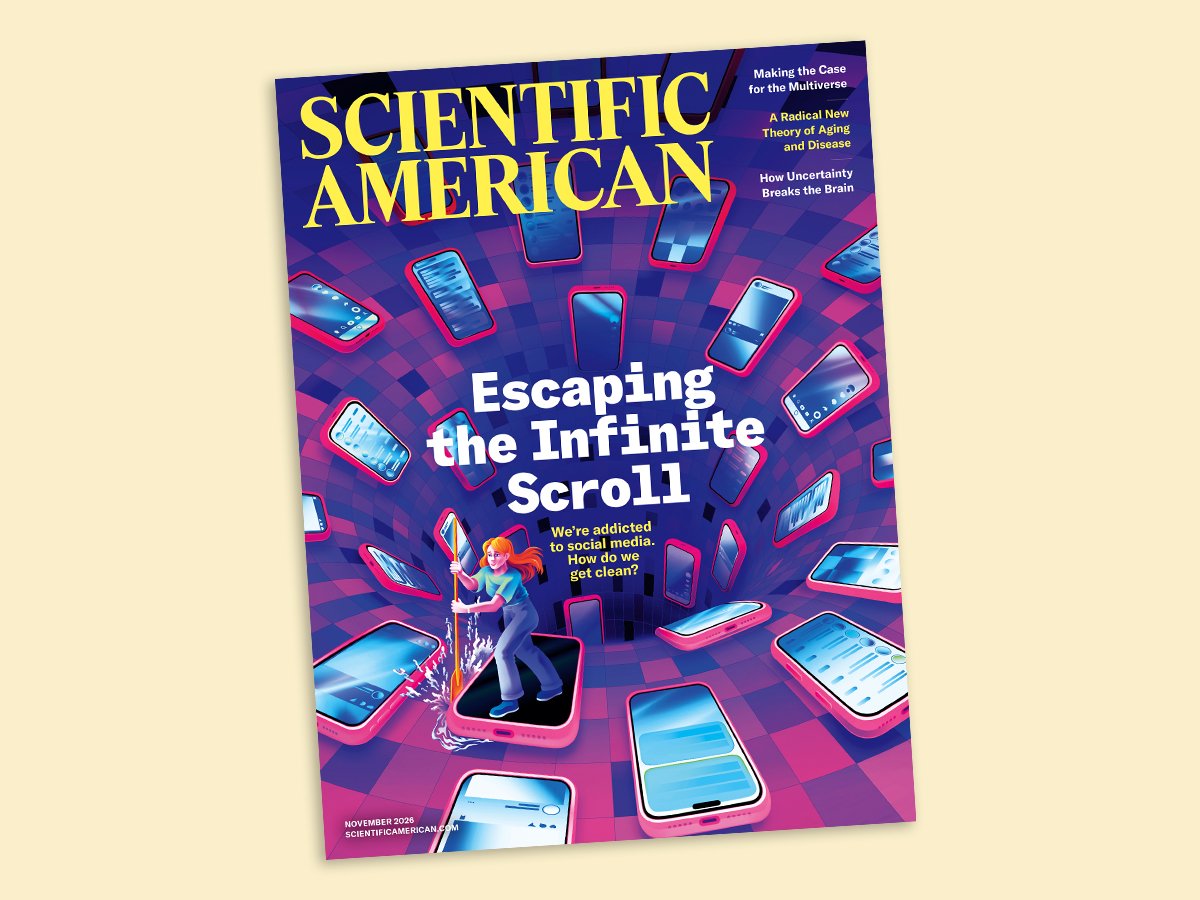
Regardless of whether social media addiction is real, these platforms hack the human brain, often to our detriment
The once-fringe quantum Many Worlds theory now seems much more likely

How doctors, scientists and “anonymous” programs are working to free people from their phones
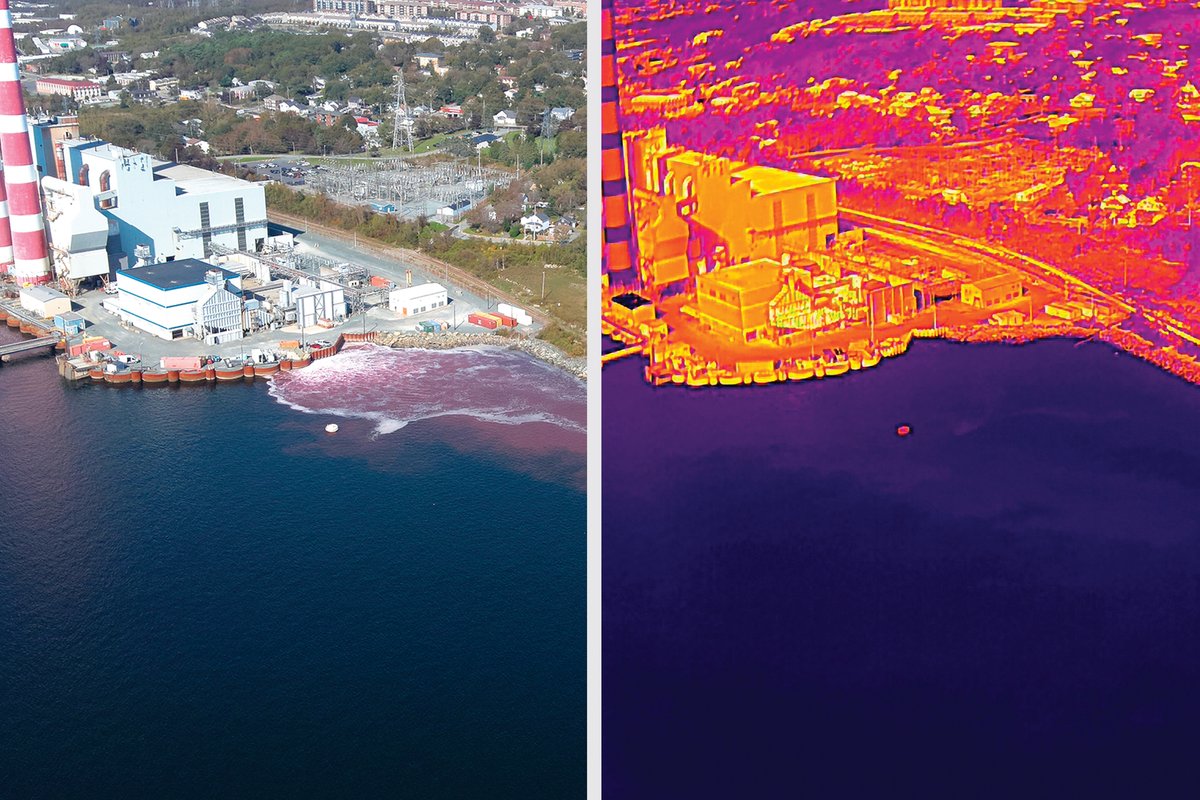
These start-ups are trying to suck CO2 from the air and stash in the sea. Is it working?
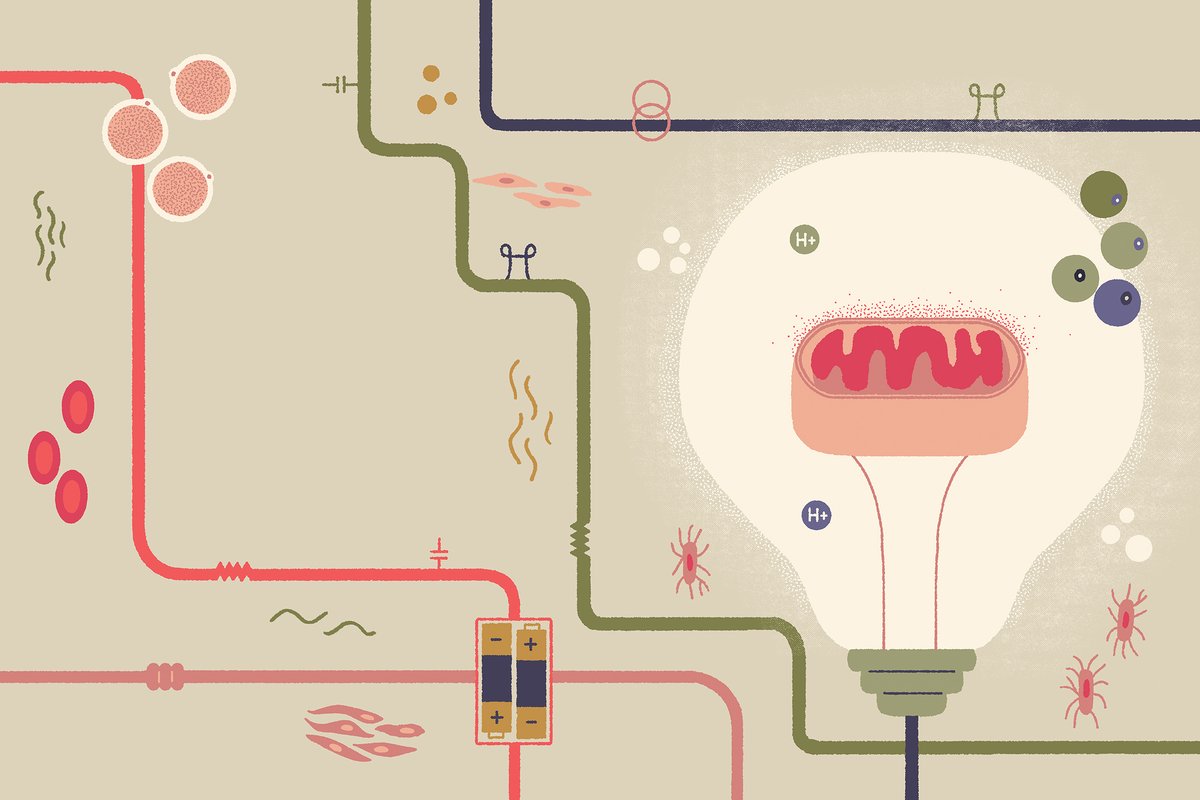
Could disruptions in the flow of energy through mitochondria cause everything from type 2 diabetes to Alzheimer’s?
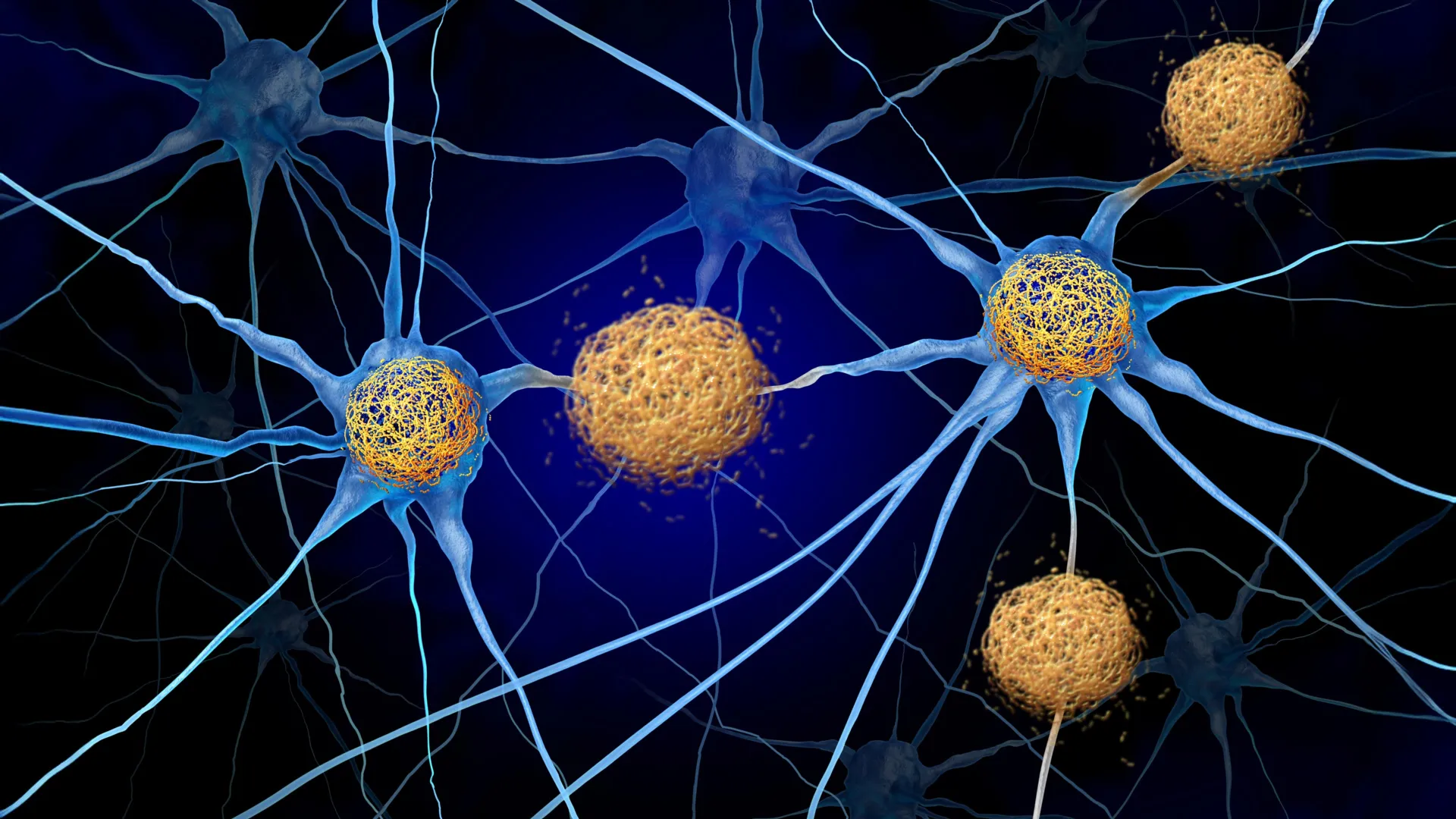
Scientists have found a promising way to protect the brain from Alzheimer’s-related damage by blocking immune cells that contribute to the destruction of neurons. In mice, the treatment preserved roughly 40% more tissue in memory centers and improved memory, even without removing harmful tau protein buildup.

Popular conceptions of AI differ drastically between the US and China. Columnist Annalee Newitz dives into the cultural, religious and sci-fi factors driving our impressions of its power
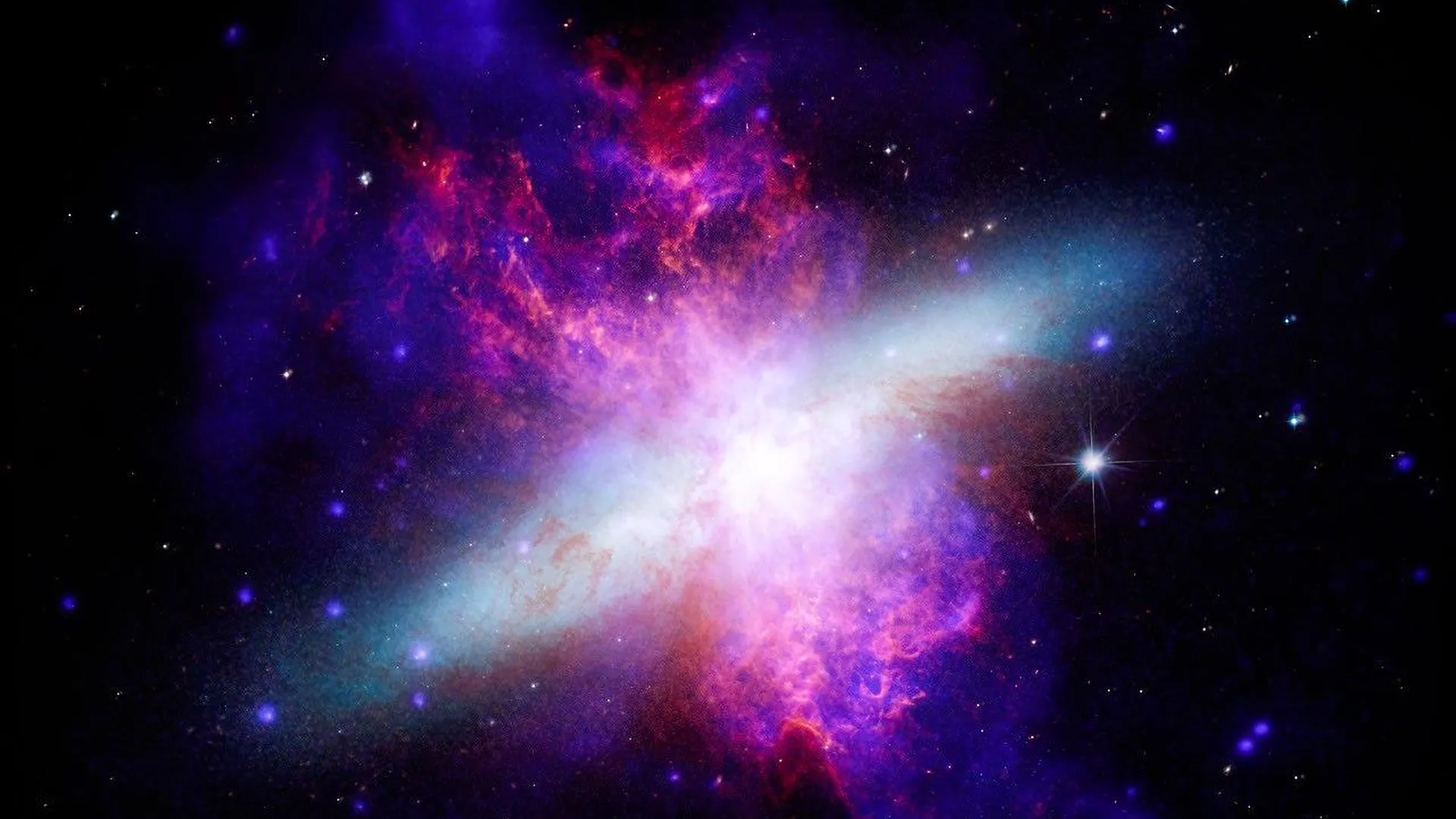
NASA's stunning new gallery of 16 galaxies reveals colossal black hole jets, explosive star formation, and spectacular cosmic collisions through the combined power of Chandra, James Webb, Hubble, and other telescopes. These extraordinary images expose the hidden forces shaping galaxies across the universe and offer clues about the Milky Way's own past and future.
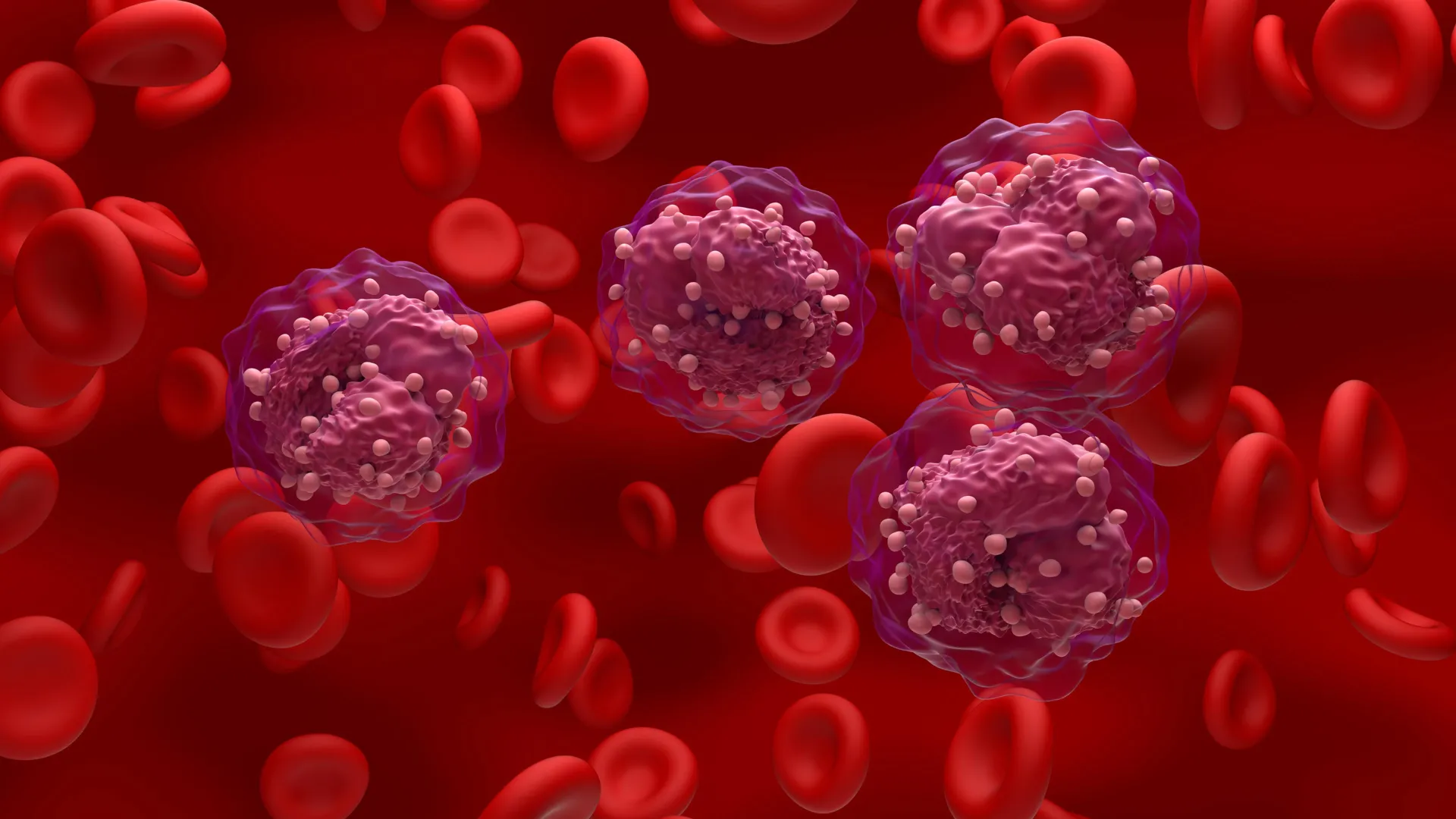
A surprising clinical trial suggests that taking vitamin C daily could improve survival in people with precancerous blood disorders and early-stage blood cancers. Patients receiving the supplement had fewer adverse events and showed a promising survival advantage, raising hopes that a common vitamin could help protect against leukemia-related complications.

A voter surveyed in October may give a different answer by January. An AI persona might not, depending on how it's built.
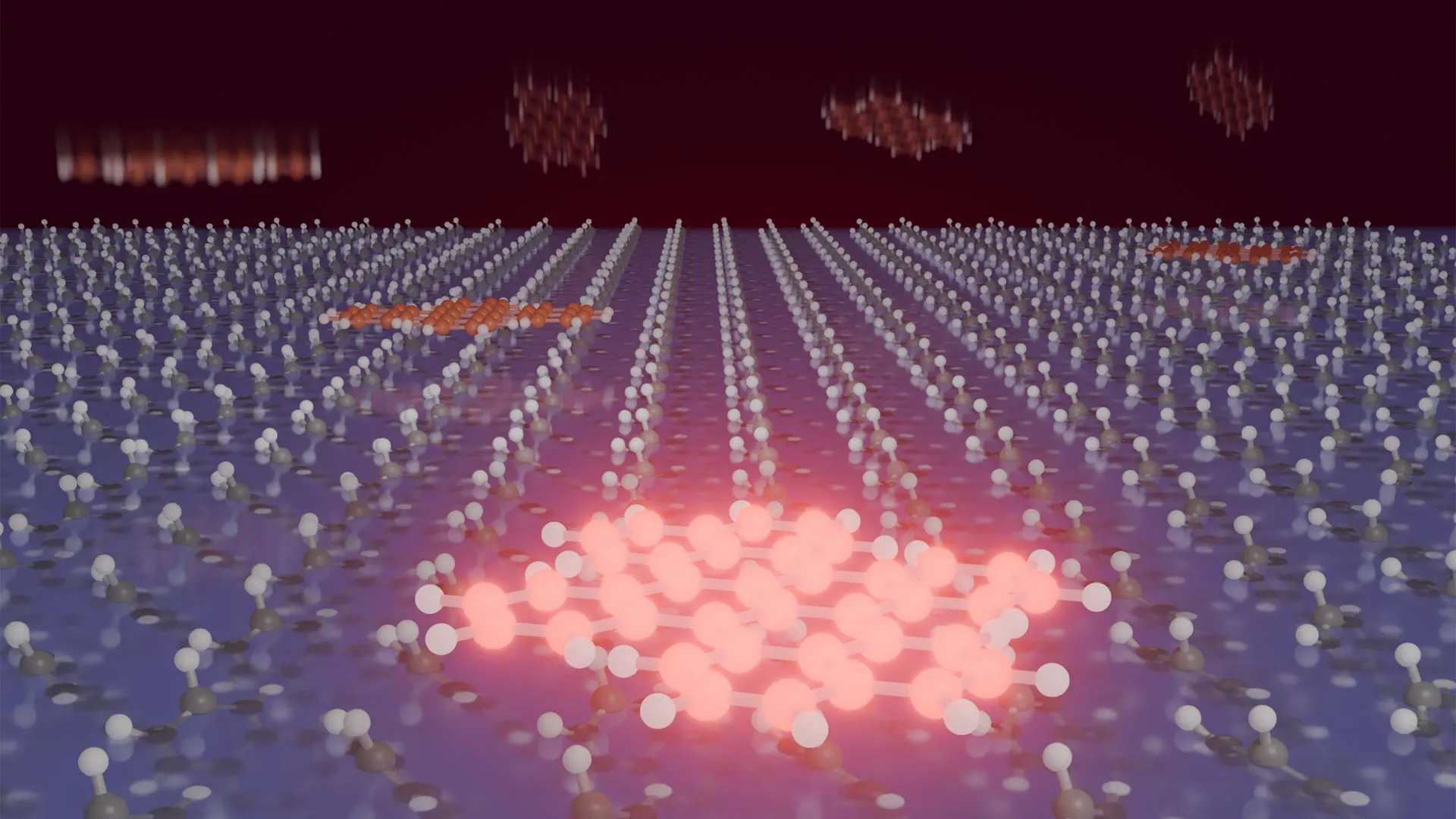
Scientists have achieved a quantum breakthrough by creating an ultra-clean surface where individual molecules can maintain their delicate quantum properties at the fundamental limit. The discovery could unlock unprecedented control over molecules and help drive the next generation of quantum technologies.

Much is being made of a record-strength El Niño event that could well spell a drier, windier summer for the north and east of New Zealand. But, as a major new assessment shows, it is forming against a backdrop of warming that's pushed the country's climate into "uncharted territory."